
Some meals taste amazing but leave you feeling stuffed and sleepy. The good news is that big flavor does not have to come from butter, cream, or piles of cheese.
A few smart ingredients can make simple food taste rich, bold, and exciting while still feeling light. Here are the pantry heroes that cooks quietly rely on every day.
1. Miso Paste
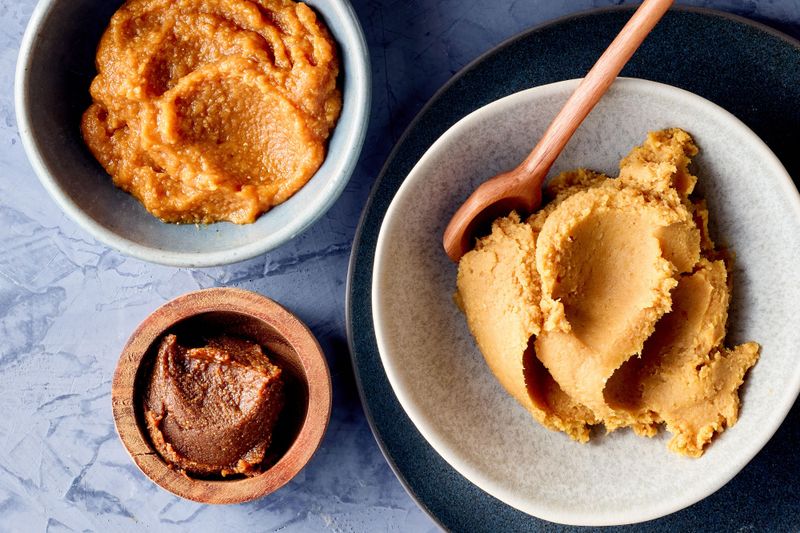
Japanese cooks have trusted fermented soybean paste for over a thousand years, and one spoonful shows why. Miso brings a salty, savory warmth that tastes like food simmered all day.
Stir white miso into salad dressings, roasted vegetables, or even caramel sauce. Darker red miso works great in soups and marinades.
Mix it with a little warm water first so it blends smoothly. A tablespoon goes a long way, so start small and taste.
2. Fish Sauce
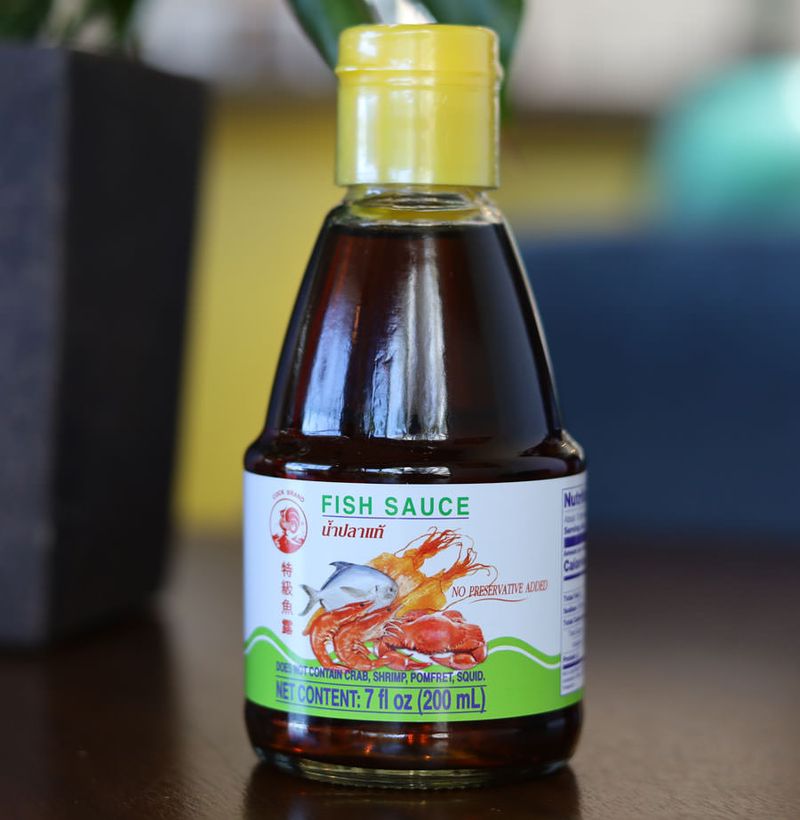
Don’t let the smell scare you off. Fish sauce is stinky straight from the bottle, but once it hits a hot pan, the funk disappears and leaves behind deep, savory flavor.
A few dashes can wake up stir-fries, soups, chili, and even tomato sauce. Nobody will guess it’s there.
Fun fact: ancient Romans loved a similar sauce called garum. They poured it on almost everything, much like we use ketchup today.
3. Dried Porcini Mushrooms
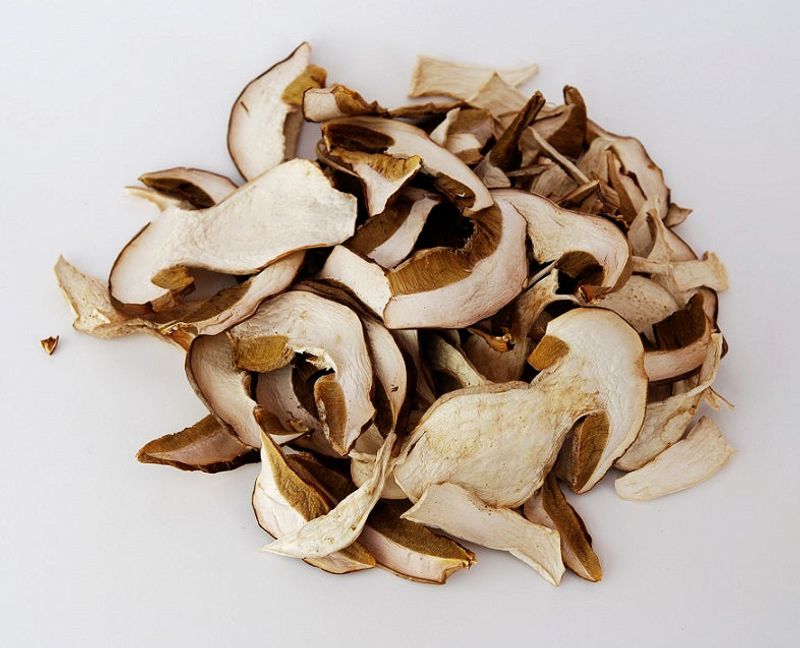
Picture a forest after the rain, then imagine squeezing that smell into a soup. Dried porcini mushrooms pack an earthy, meaty taste into tiny wrinkled slices.
Soak them in hot water for about twenty minutes. Chop the mushrooms for risotto or pasta, and save the dark soaking liquid.
That liquid is pure gold for gravies and stews. Just pour it slowly so any grit stays at the bottom of the bowl.
4. Smoked Paprika
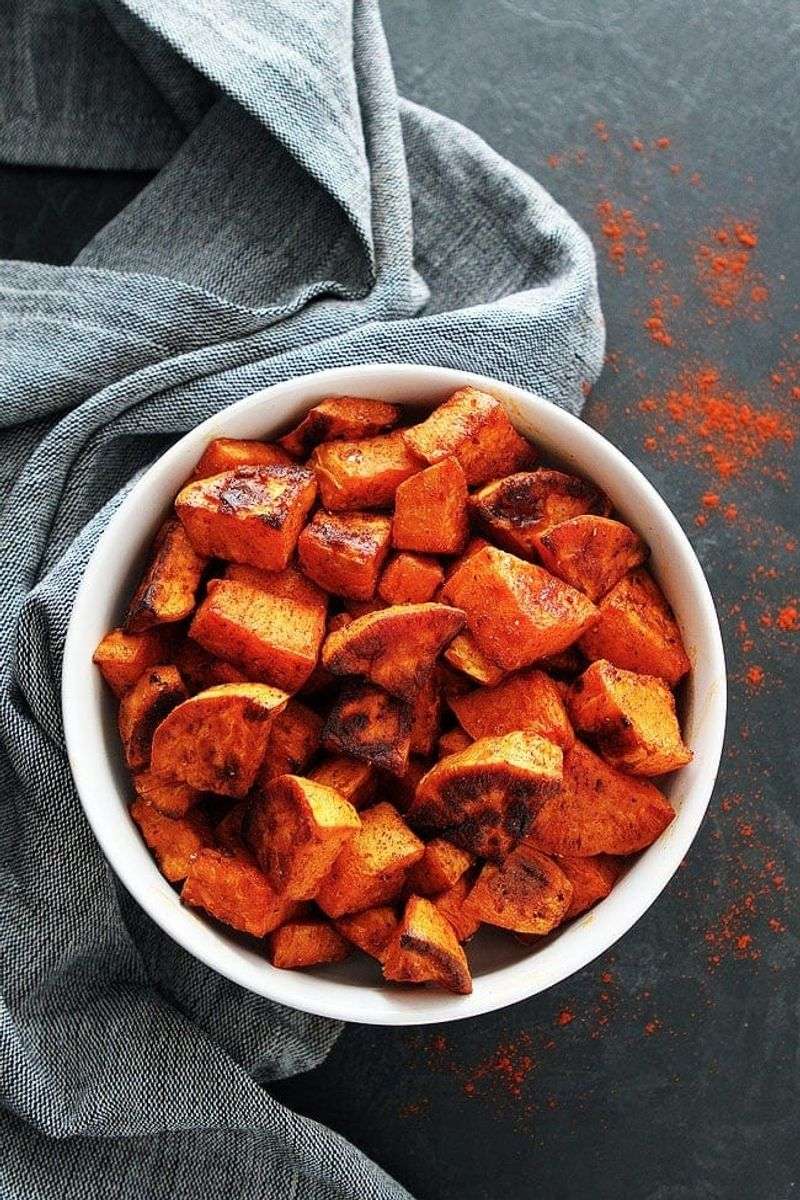
Craving barbecue flavor without firing up a grill? Smoked paprika is your shortcut.
Spanish farmers dry the peppers over oak fires, which gives the powder its cozy campfire taste.
Sprinkle it on roasted potatoes, chickpeas, eggs, or bean soup. It makes vegetarian dishes taste surprisingly hearty.
Look for the words pimentón de la Vera on the tin for the real deal. Choose sweet or hot depending on how much kick you enjoy.
5. Fresh Lemon Zest
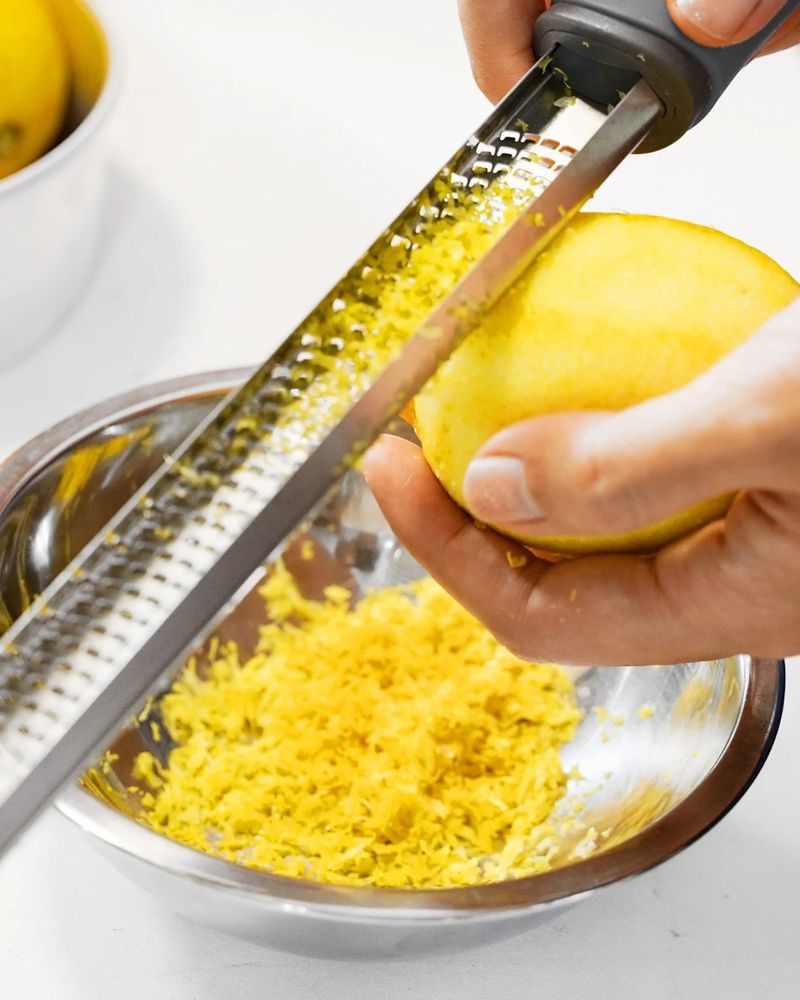
Most people squeeze the juice and toss the peel, which means they miss the best part. Lemon zest holds fragrant oils that make food smell bright and taste fuller.
Grate only the yellow layer, since the white part underneath is bitter. A microplane grater makes the job quick.
Shower zest over pasta, fish, yogurt, or roasted broccoli right before eating. It adds sunshine flavor with zero heaviness, almost like turning on a light.
6. Tomato Paste
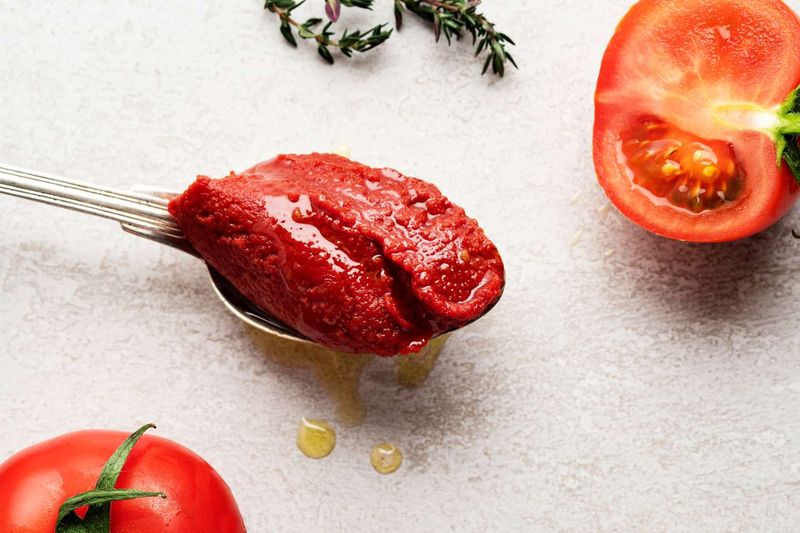
Here’s a trick restaurant chefs use constantly: fry your tomato paste. When you cook it in a little oil until it turns brick red, the sugars caramelize and the flavor gets richer.
Add a spoonful to soups, chili, braised beans, or pan sauces. It builds a savory backbone in minutes.
Leftover paste from a can? Freeze tablespoon-sized blobs on parchment paper.
Then you’ll always have some ready without waste.
7. Nutritional Yeast
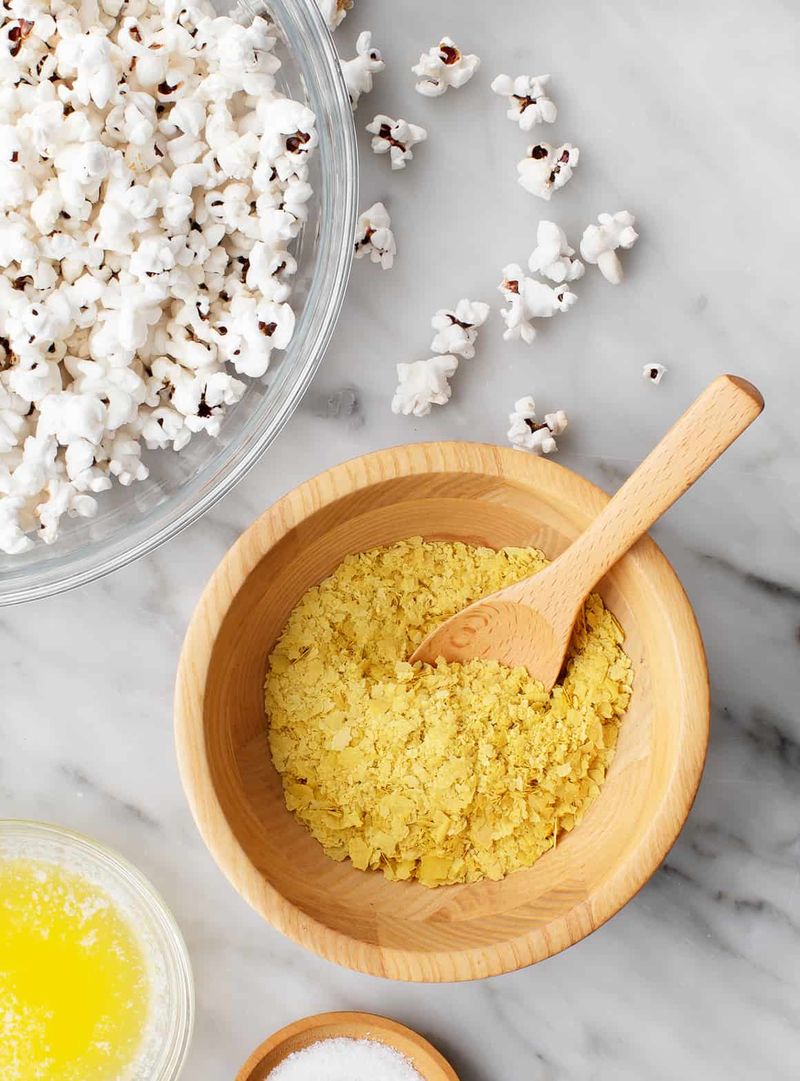
Vegans call it nooch, and once you try it, you might too. These yellow flakes taste nutty and cheesy, yet they contain no dairy at all.
Shake them over popcorn, pasta, scrambled tofu, or steamed veggies. They melt into sauces and make them taste creamy without any cream.
As a bonus, many brands are fortified with vitamin B12. That makes this quirky topping both tasty and helpful for plant-based eaters.
8. Balsamic Vinegar
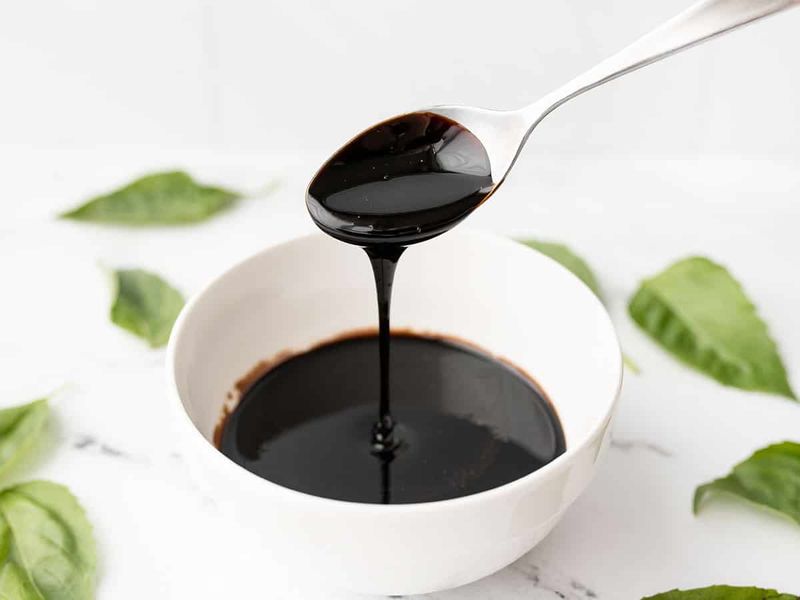
In Modena, Italy, some families age balsamic vinegar in wooden barrels for twenty-five years or longer. That patience creates a syrup that’s sweet, tangy, and complex.
You don’t need the fancy stuff for everyday cooking. A good grocery store bottle works wonders on roasted vegetables, salads, and even strawberries.
Simmer some in a small pot until it thickens into a glaze. Drizzle it on grilled chicken or pizza for instant wow.
9. Anchovies
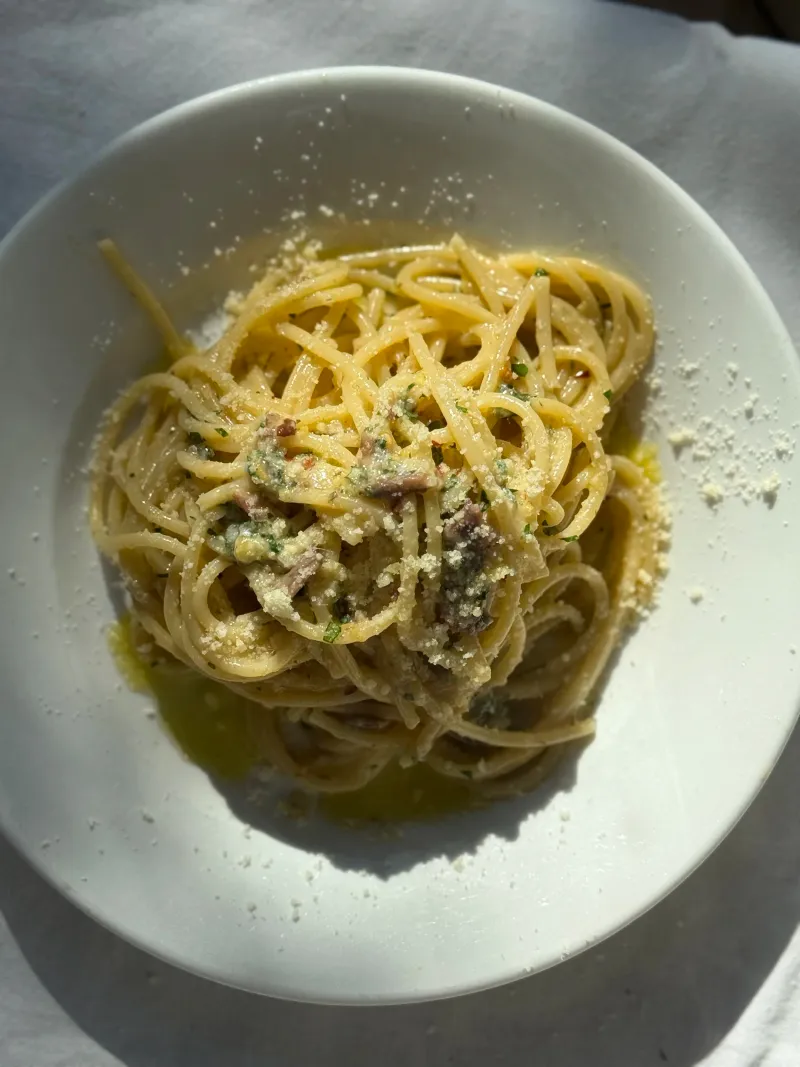
Anchovy haters, please hear this out. When you melt a couple of fillets into warm olive oil, they dissolve completely and taste savory, not fishy.
That’s the secret behind many great Caesar dressings and pasta sauces. Even lamb and roasted vegetables benefit.
Keep a jar or tube in the fridge for easy use. Start with one fillet, mash it with a fork, and let your taste buds decide whether you want more.
10. Toasted Sesame Oil
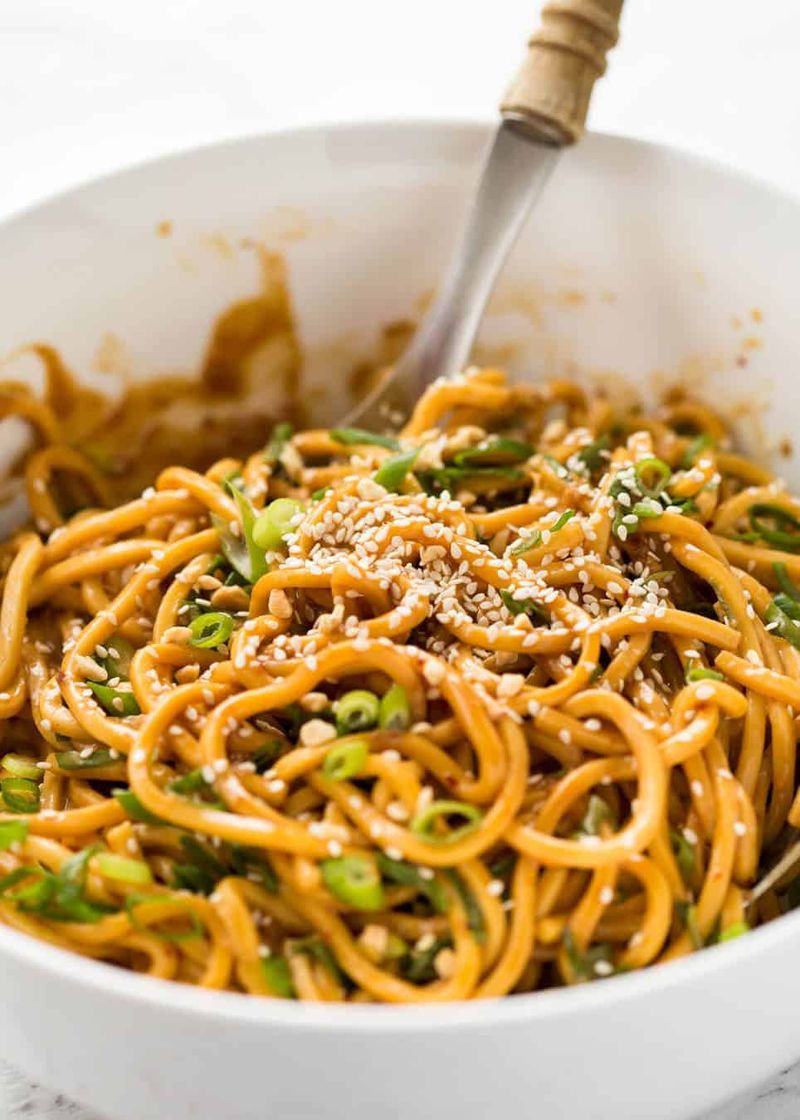
Open a bottle and your kitchen instantly smells like a favorite takeout spot. Toasted sesame oil is nutty, rich, and strong, so a few drops are plenty.
Treat it like a finishing touch instead of cooking oil, because high heat ruins its flavor.
Drizzle it over noodles, rice bowls, steamed greens, or soup right before serving. Store the bottle somewhere cool and dark so it stays fresh for months.
11. Soy Sauce
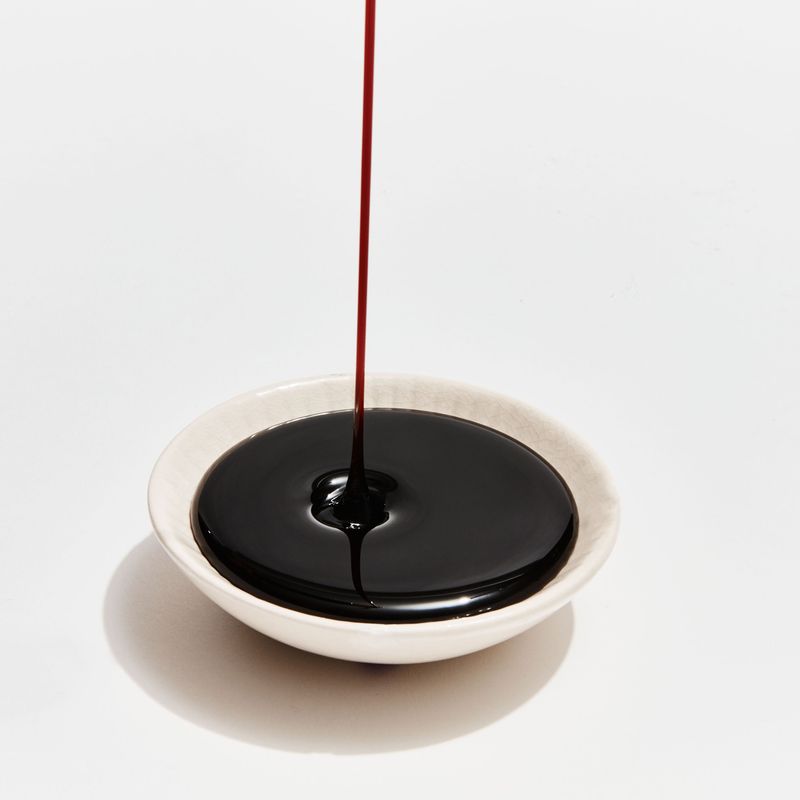
Salty, savory, and a little sweet, soy sauce might be the most useful bottle in your fridge. It adds that hard-to-describe umami taste that makes food satisfying.
Beyond stir-fries, try a splash in burgers, mushroom gravy, or salad dressing. It even boosts chocolate brownies in a sneaky way.
Watching salt? Low-sodium versions taste nearly the same.
Tamari is a great gluten-free swap for anyone who needs it.
12. Roasted Garlic

Raw garlic bites back, but roasted garlic is a total softie. After an hour in the oven, the cloves turn golden, sweet, and spreadable like jam.
Slice the top off a bulb, drizzle with a little oil, wrap in foil, and bake at 400 degrees.
Squeeze the cloves into mashed cauliflower, hummus, soups, or salad dressings. You’ll get mellow, deep flavor that never overpowers the rest of the dish.
13. Fresh Herbs
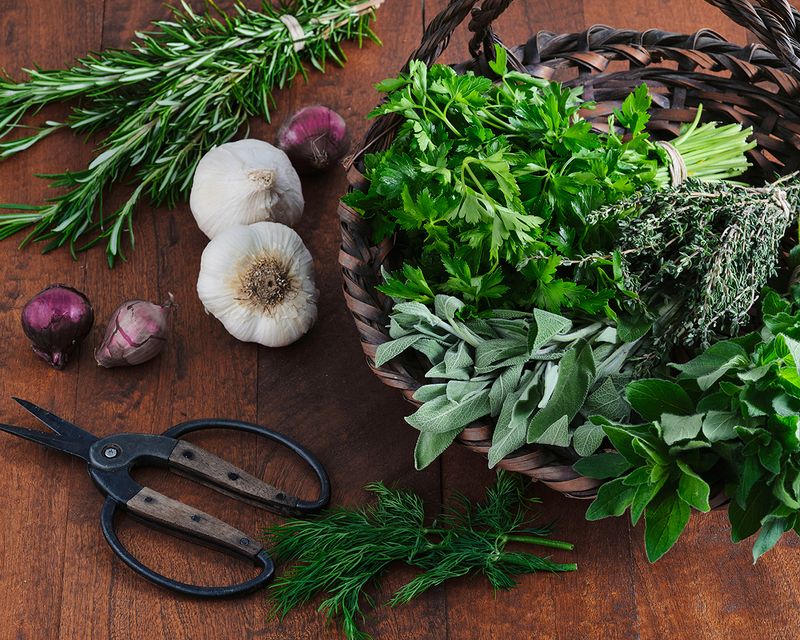
Think of fresh herbs as confetti for your dinner. A handful of basil, cilantro, mint, or dill can turn plain food into something that tastes alive.
Tender herbs work best added at the end, while sturdy ones like rosemary and thyme can cook longer.
To keep them fresh, stand the stems in a glass of water like flowers. Cover loosely with a bag, and they’ll last nearly a week in the fridge.
14. Sun-Dried Tomatoes
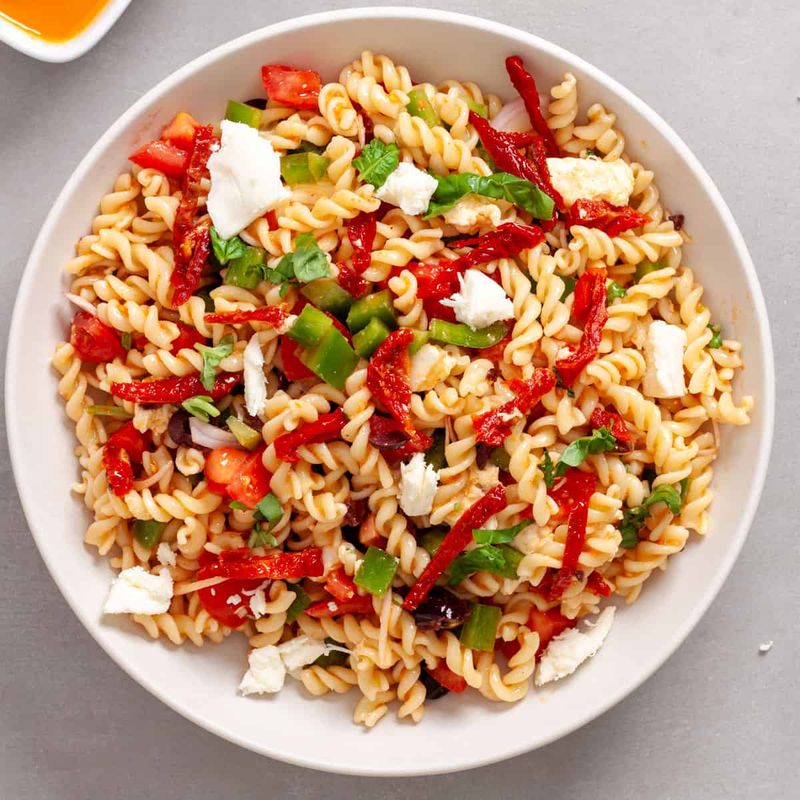
Back in southern Italy, families once dried summer tomatoes on rooftops to save them for winter. The sun shrinks them down and concentrates their sweet, tangy flavor.
Chop a few into pasta, grain salads, omelets, or sandwiches. They taste chewy and intense in the best way.
Dry-packed ones need a short soak in warm water. Oil-packed ones are ready to go, and their flavored oil makes a great dressing base.
15. Kombu Seaweed
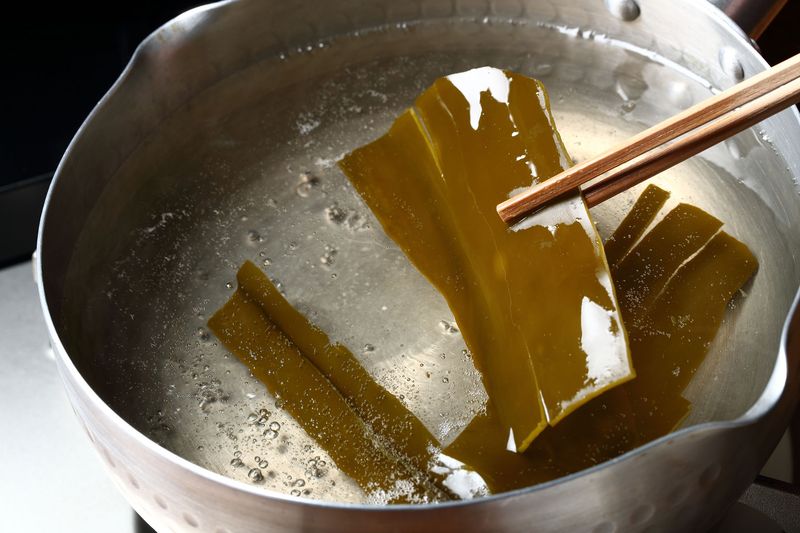
Scientists actually discovered umami thanks to kombu. In 1908, a Japanese chemist named Kikunae Ikeda studied this seaweed and identified the savory taste we now call the fifth flavor.
Drop a small piece into soup, beans, or rice while they cook. It quietly builds a rich, ocean-kissed depth.
Pull it out before simmering gets too strong, or it can turn slimy. Bonus tip: kombu may help beans cook softer.
16. Caramelized Onions
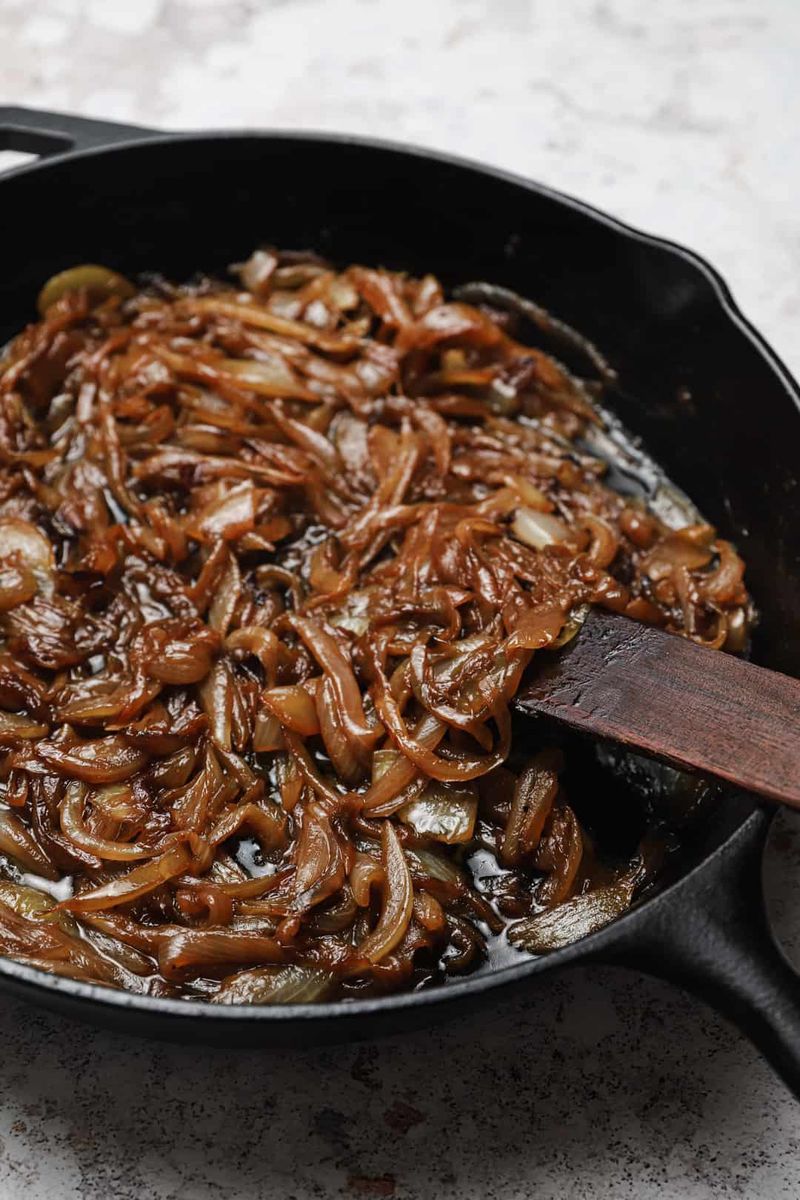
Patience is the main ingredient here. Low heat, a little oil, and about forty minutes of stirring turn sharp onions into sweet, jammy ribbons.
Skip any recipe claiming it only takes ten minutes. Real caramelizing can’t be rushed, but it’s mostly hands-off.
Make a big batch on the weekend and freeze portions. Toss them into soups, grain bowls, flatbreads, or sandwiches, and every bite tastes slow-cooked and special.
17. Greek Yogurt
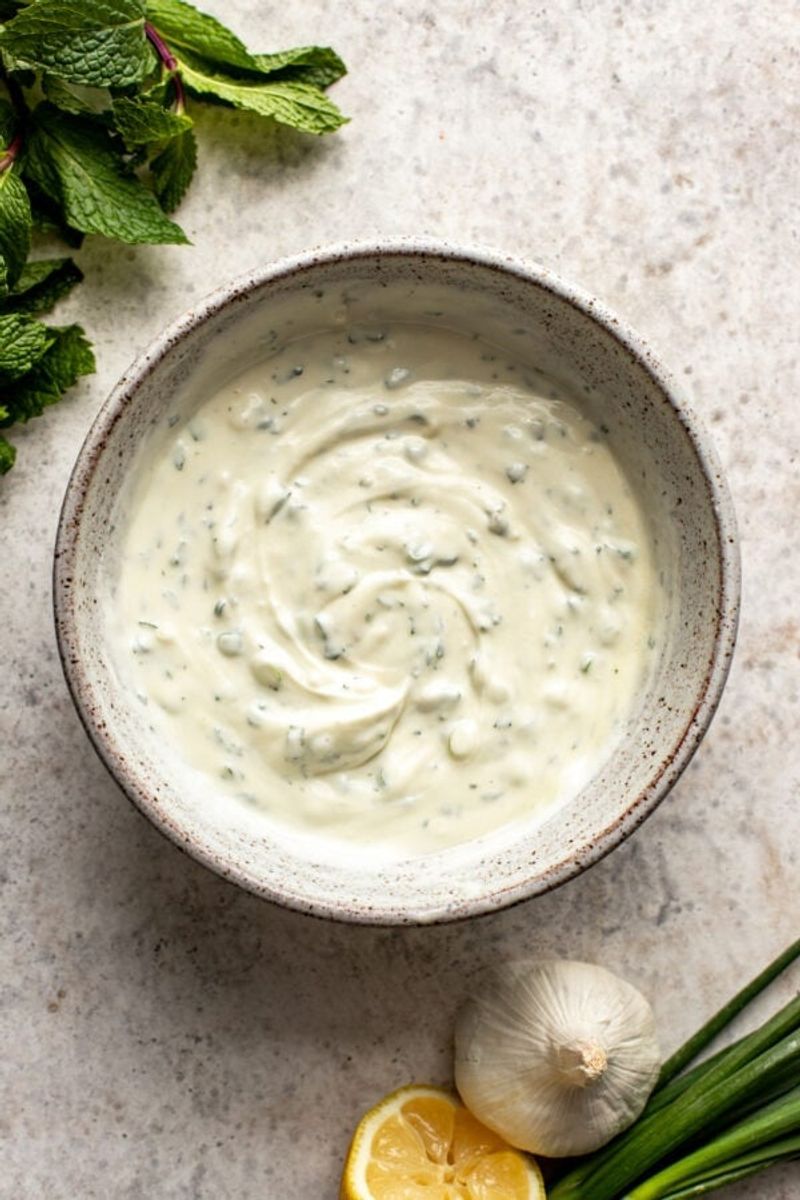
Love creamy sauces but hate feeling stuffed afterward? Greek yogurt gives you tangy richness without the weight of heavy cream or sour cream.
Stir in garlic, lemon, and herbs for a quick dip. Swirl it into curries, spread it under roasted vegetables, or dollop it on chili.
One warning: add it off the heat or temper it first. Boiling yogurt can make it split into grainy little curds.
18. Chipotle Peppers in Adobo
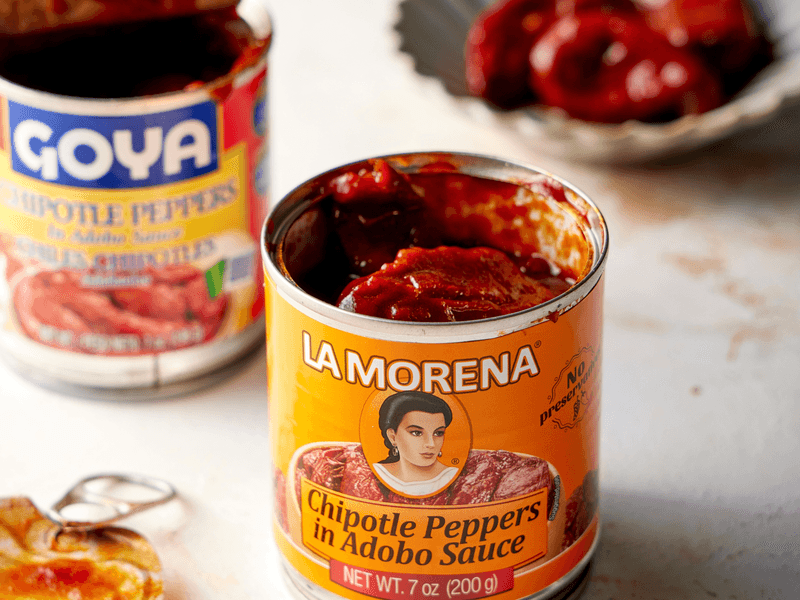
Smoky, spicy, slightly sweet, and a bit tangy, chipotles in adobo bring a whole fiesta in one small can. They’re actually smoke-dried jalapeños soaked in a rich red sauce.
Blend one pepper into mayo, salsa, soups, or bean dishes for warm heat.
Since most recipes need just one or two, blend the rest of the can smooth. Freeze it in an ice cube tray for future flavor bombs.
19. Toasted Spices
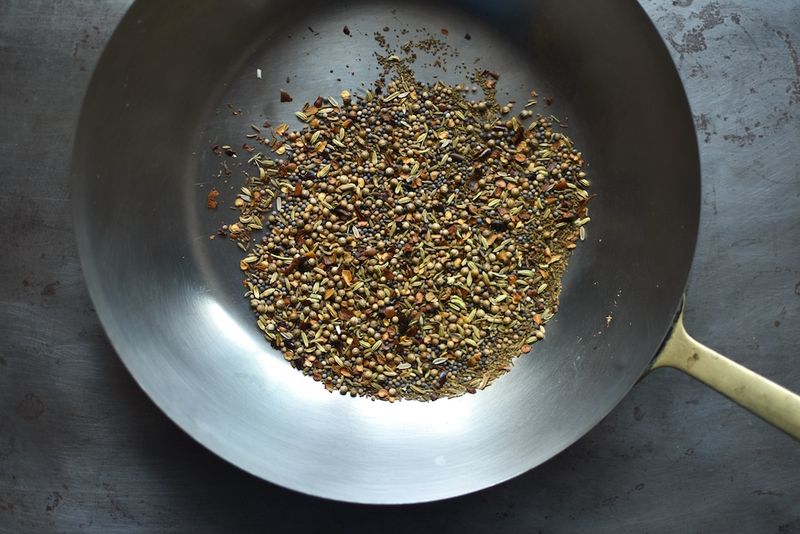
Ever notice how a spice jar smells kind of flat? Heating whole spices wakes them up, releasing oils that smell nutty and warm.
Toss cumin, coriander, or fennel seeds into a dry pan over medium heat. Shake often, and stop once they become fragrant, usually in about two minutes.
Grind them right away or use them whole in rice, lentils, and roasted carrots. Your nose will tell you when they’re perfect.
20. Gochujang
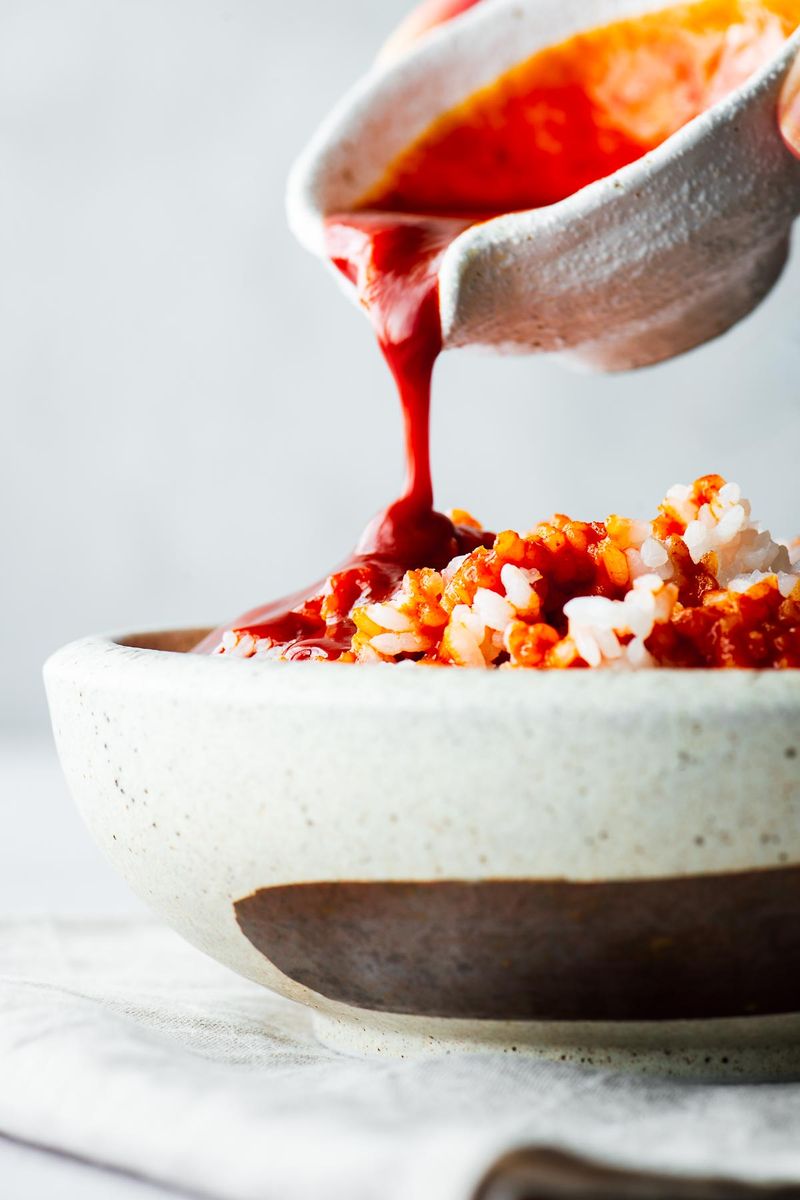
Korean grandmothers traditionally fermented this chili paste in big clay pots outdoors. Gochujang tastes spicy, sweet, and savory all at once, like ketchup’s bolder cousin.
Whisk it with honey and soy sauce for a sticky glaze on chicken or tofu. It’s also delicious in bibimbap, stews, and even deviled eggs.
Thick and sticky, it blends best when loosened with water or vinegar. Store the tub in the fridge after opening.
21. Capers
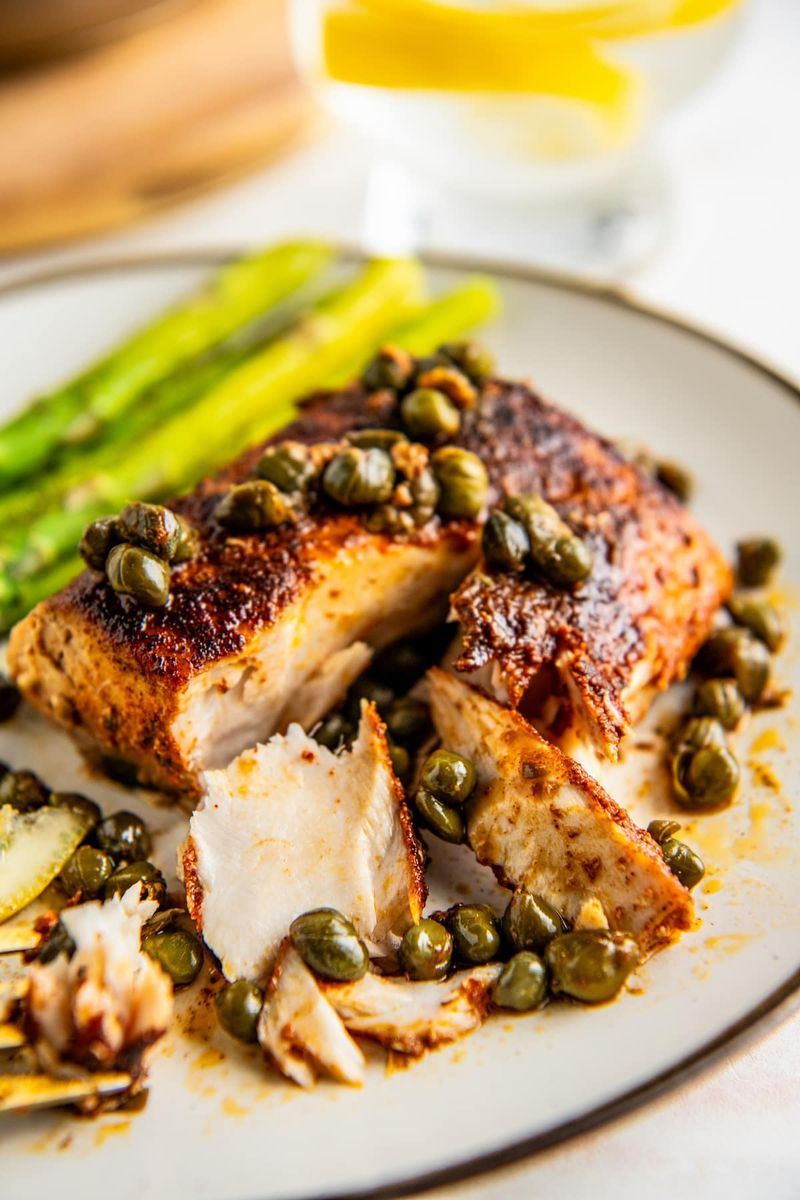
Tiny but mighty, capers are actually flower buds picked before they bloom. After a soak in salty brine, they burst with lemony, briny flavor.
Toss them into chicken piccata, potato salad, pasta, or tuna sandwiches. They add sparkle that cuts through richer foods.
Here’s a fun upgrade: pat them dry and fry them in a little oil for a minute. They turn crispy, like salty little flavor sprinkles for any dish.