
Some albums change more than what comes out of the speakers. They give artists new ways to tell stories, build beats, and speak about their lives.
Hip-hop has many records like that, and their ideas still turn up in today’s music. From hard drums to soulful singing, these classics help explain how the genre grew.
1. Run-D.M.C. – Run-D.M.C. (1984): A Harder New Sound
A drumbeat, two bold voices, and very little decoration could change everything. Run-D.M.C.’s debut stripped away much of rap’s earlier disco polish.
Its tough delivery and sharp rhythms made hip-hop feel closer to the street than the dance floor.
Play Sucker M.C.’s and notice how much room the voices have. That space became a lesson for later producers: a beat does not need endless layers when the rappers bring enough power and personality themselves.
2. Run-D.M.C. – Raising Hell (1986): Rock Meets Rap
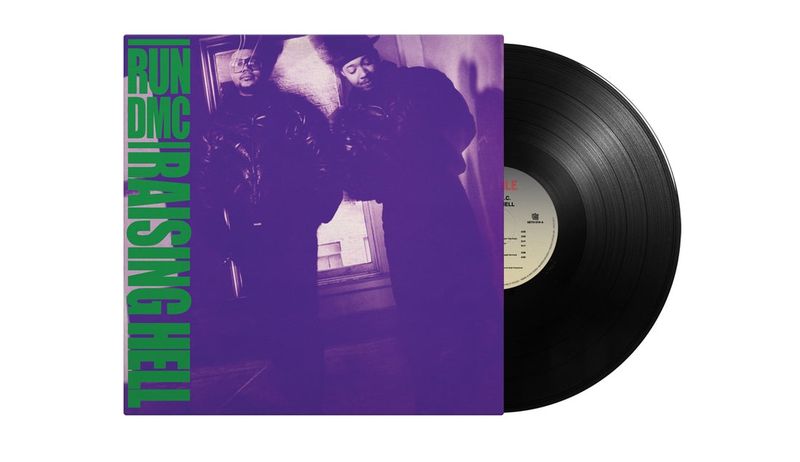
Rock guitars crashed into rap’s spotlight when Walk This Way paired the group with Aerosmith. Raising Hell helped bring hip-hop to listeners who had barely heard it before.
Yet its appeal went far beyond one famous crossover single.
Peter Piper turns a familiar break into a lively showcase of timing and teamwork. Compare its playful energy with today’s sample-driven hits.
You can hear how borrowed sounds become something fresh through smart choices and confident performances.
3. Eric B. & Rakim – Paid in Full (1987): Rhymes Find New Freedom
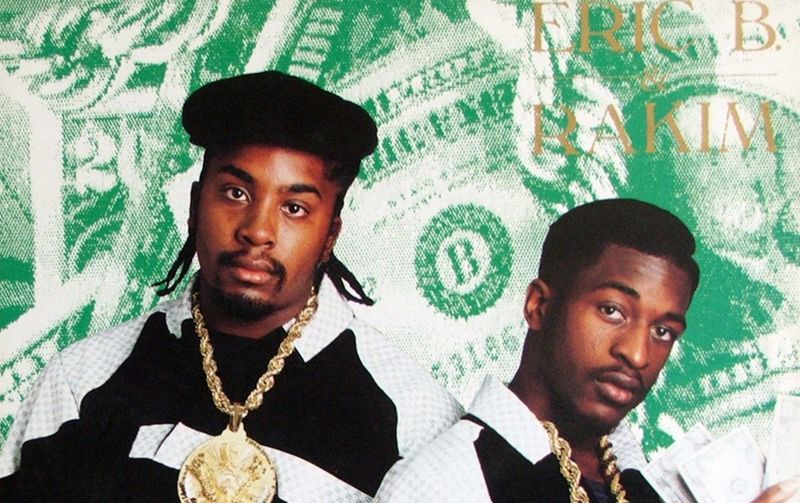
Instead of shouting every line, Rakim could sound calm and still command your attention. His rhymes linked sounds inside sentences, not just at their ends.
Paid in Full helped raise expectations for what a skilled rapper could do.
Try following his rhythm on I Ain’t No Joke without reading the lyrics first. Then listen again for the smaller rhyme patterns.
That relaxed control became a lasting reference point for generations of careful, ambitious lyric writers.
4. Public Enemy – It Takes a Nation of Millions to Hold Us Back (1988): Organized Noise
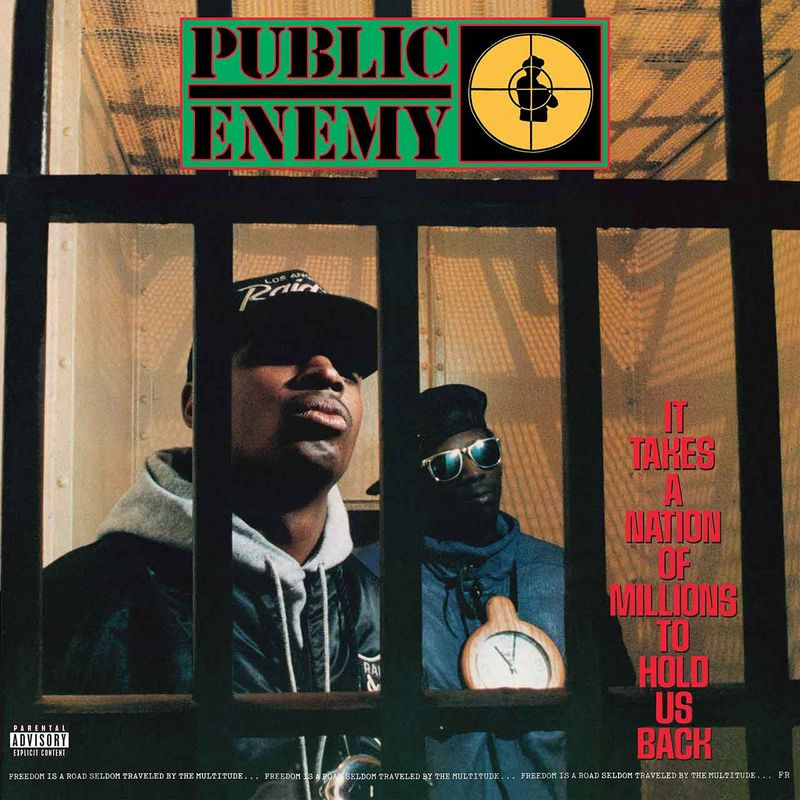
Sirens, scratches, and crowded samples make this record feel like a city speaking at once. Public Enemy’s production team, the Bomb Squad, built dense beats around Chuck D’s forceful voice.
The result connected musical risk with urgent political messages.
Bring the Noise is a useful starting point. Follow one sound at a time rather than trying to catch everything immediately.
Its restless layers show how production can support a message instead of simply decorating it.
5. N.W.A. – Straight Outta Compton (1988): The West Coast Demands Attention
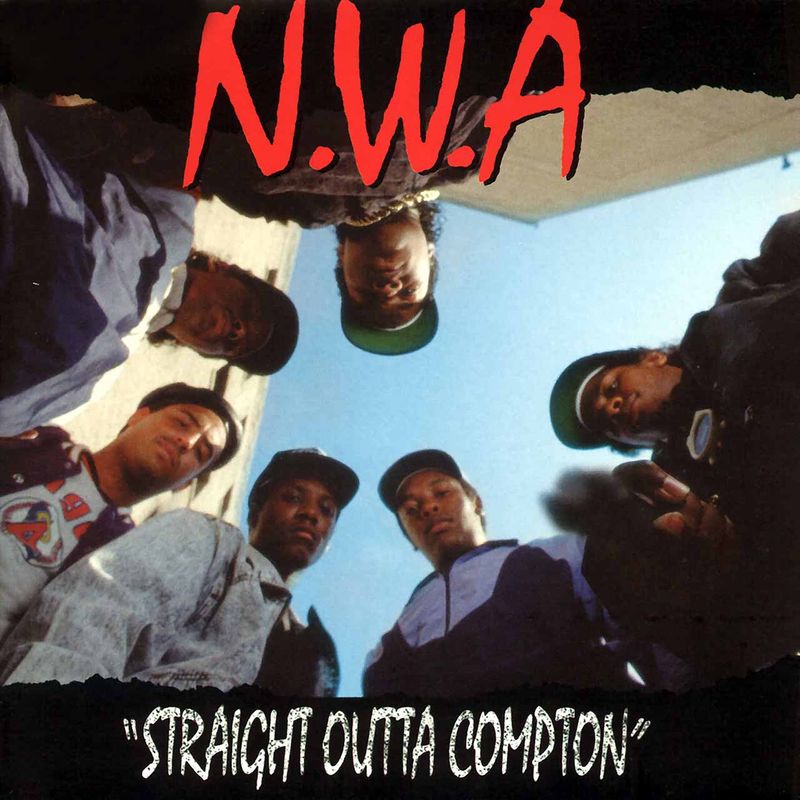
Few rap debuts arrived with such a loud challenge to authority. N.W.A. brought stories of Compton, police abuse, and street conflict to a national audience.
Their blunt language sparked controversy while helping establish Los Angeles as a major rap center.
Approach the album as both music and a record of anger in its time. Its harsh content requires context.
The lasting lesson is how local experiences can reshape a national conversation when artists refuse silence.
6. A Tribe Called Quest – The Low End Theory (1991): Jazz Finds Its Groove
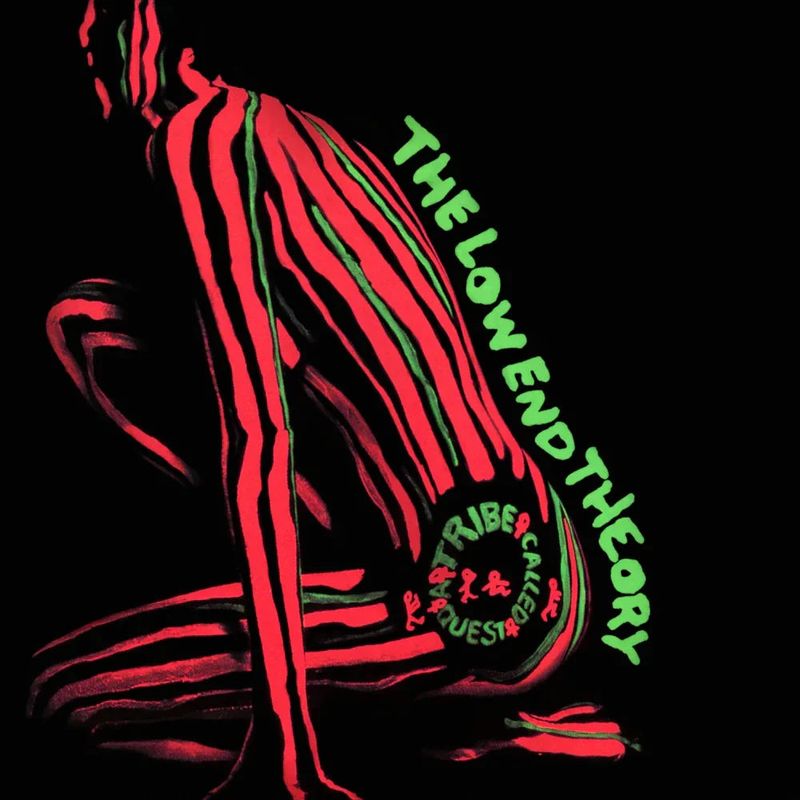
A warm bassline can make a rap record feel like your favorite gathering spot. A Tribe Called Quest mixed jazz textures with crisp drums and easy conversation.
Q-Tip and Phife Dawg offered different voices that fit together without sounding alike.
Start with Check the Rhime to hear that friendly back-and-forth. Then notice how the bass holds everything steady.
The album remains a guide for artists seeking music that feels thoughtful, welcoming, and deeply rhythmic today.
7. Dr. Dre – The Chronic (1992): G-Funk Takes Center Stage
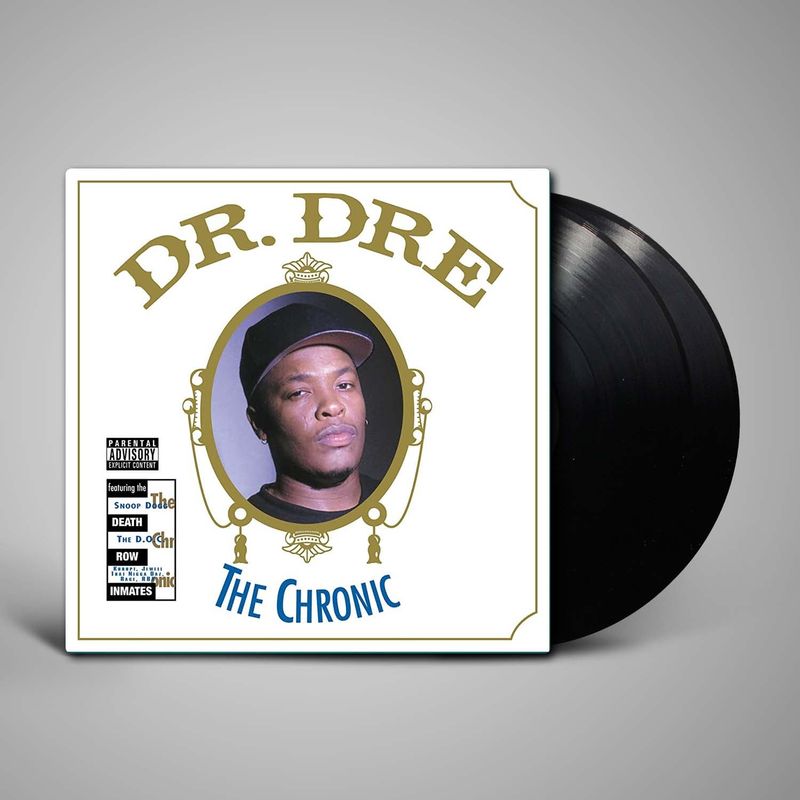
Those high, bending keyboard sounds became a signature of West Coast rap. Dr. Dre brought deep bass, funk influences, and patient grooves together on The Chronic.
The album also introduced many listeners to Snoop Doggy Dogg’s wonderfully loose delivery.
On Nuthin’ but a ‘G’ Thang, hear how the vocals ride rather than fight the beat. That balance explains much of the record’s influence.
Its polished arrangements helped make relaxed confidence sound powerful across mainstream hip-hop.
8. Wu-Tang Clan – Enter the Wu-Tang (36 Chambers) (1993): A World of Its Own
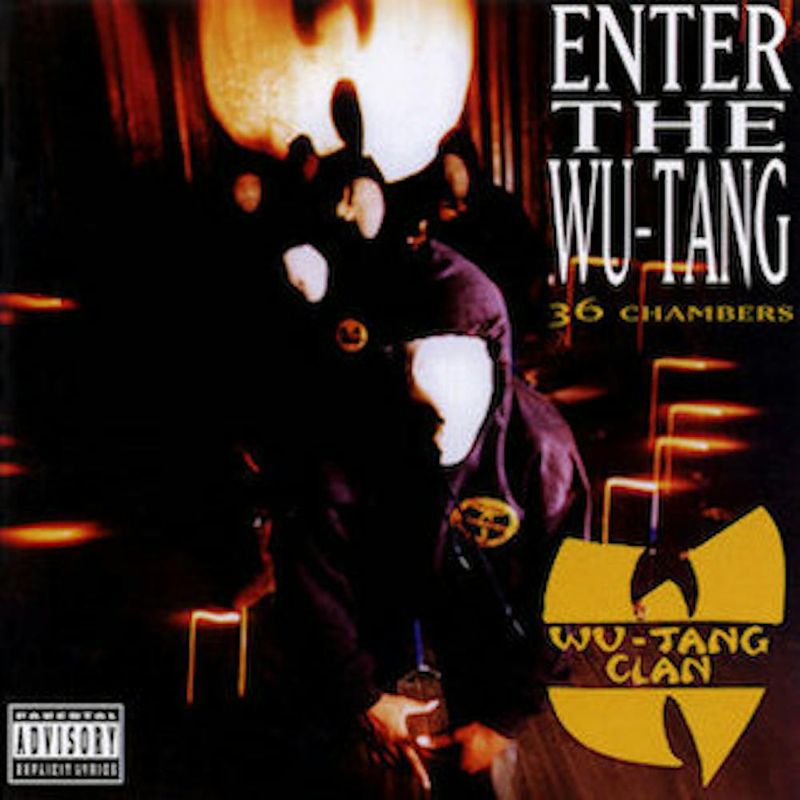
Dusty beats and martial arts movie clips opened the door to a strange, gripping world. Wu-Tang Clan’s debut gave nine distinct rappers space to build a shared identity.
RZA’s rough production made their voices feel urgent rather than neatly polished.
C.R.E.A.M. offers a strong entry point, pairing a haunting piano sample with stories about money and survival. Listen for each rapper’s different rhythm.
Their group model showed that individuality could strengthen a collective creative vision.
9. Nas – Illmatic (1994): A Neighborhood in Ten Tracks
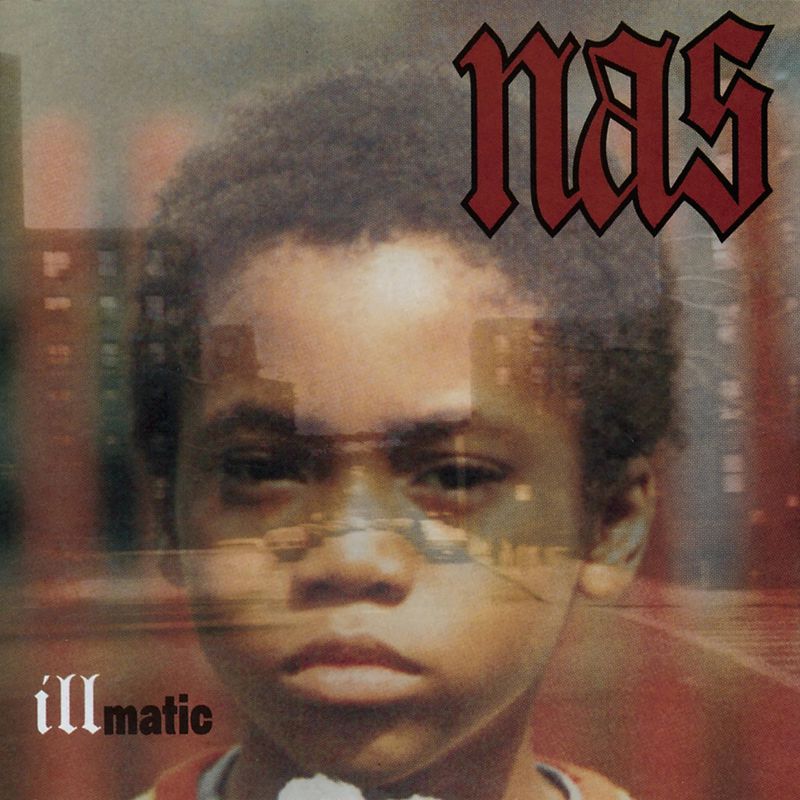
Ten tracks were enough for Nas to paint an entire neighborhood. Illmatic brought sharp observations about Queensbridge life together with beats from leading New York producers.
His writing made everyday scenes feel vivid, complicated, and worth studying closely.
Begin with N.Y. State of Mind and picture the details as they appear.
The album rewards attention more than speed. Its lasting influence lies in showing how precise storytelling and carefully chosen production can create a world.
10. The Notorious B.I.G. – Ready to Die (1994): Confidence Meets Fear
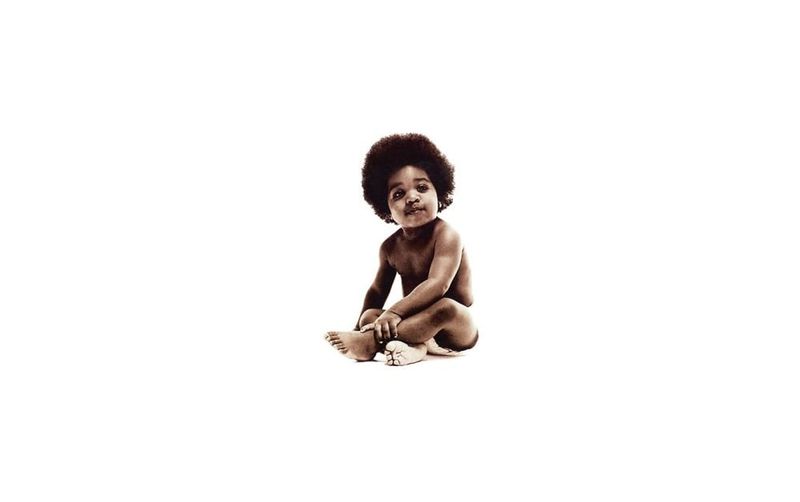
Biggie could make a story funny, frightening, and painfully honest within the same song. Ready to Die balanced radio-friendly hooks with darker accounts of survival and despair.
His clear delivery made complicated rhyme patterns sound almost effortless to follow.
Juicy offers the hopeful side, while other tracks reveal the costs behind that ambition. Hear the contrast rather than treating every song alike.
Later rappers drew from this blend of pop appeal, personal struggle, and detailed storytelling.
11. 2Pac – Me Against the World (1995): Strength Through Vulnerability
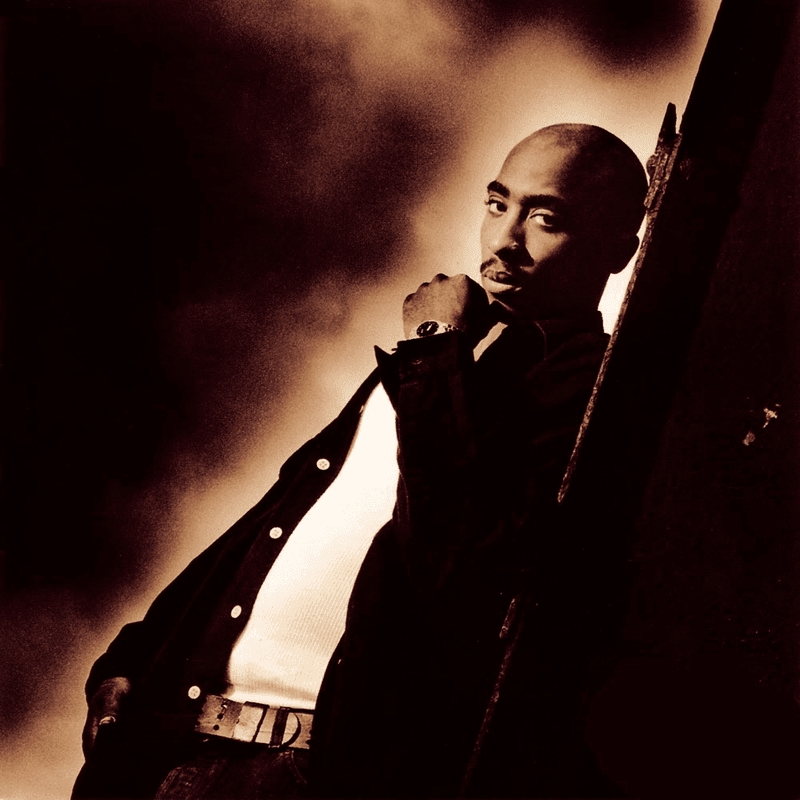
Behind the fierce public image, Tupac had room for grief, worry, and gratitude. Released while he was imprisoned, Me Against the World reached number one on the Billboard album chart.
Its emotional range remains central to its reputation.
Dear Mama shows how a tribute can admit hardship without losing love. Pay attention to the tension between toughness and tenderness throughout the record.
That openness helped make personal vulnerability a powerful part of mainstream rap storytelling.
12. Fugees – The Score (1996): Voices Cross Musical Borders
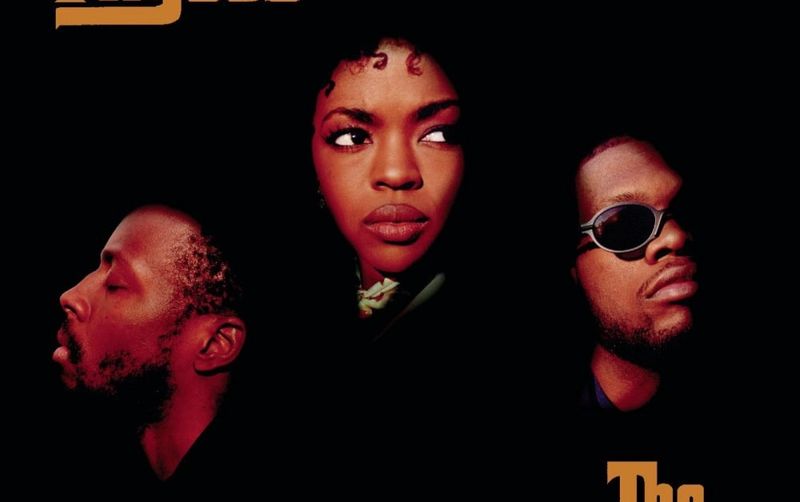
Singing and rapping share the room naturally on this hugely successful record. Lauryn Hill, Wyclef Jean, and Pras brought hip-hop together with soul and Caribbean influences.
Their chemistry made The Score feel rooted in several musical traditions at once.
Compare Ready or Not with their version of Killing Me Softly with His Song. The shift shows how smoothly the group moved between styles.
Today’s artists who alternate melodies and verses work within that same broad possibility.
13. Outkast – Aquemini (1998): Southern Rap Expands the Map
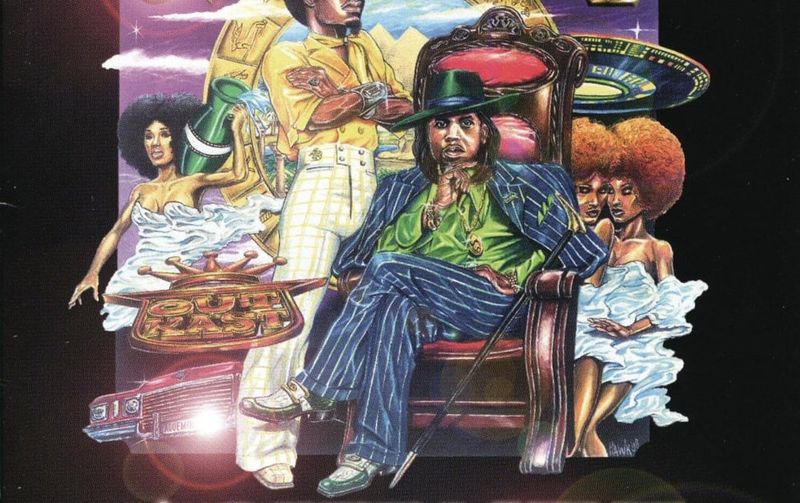
Atlanta sounded boundless when André 3000 and Big Boi joined their different strengths. Aquemini mixed Southern rap with live instruments, funk, and unusual song structures.
The title combines their zodiac signs, Aquarius and Gemini, reflecting the partnership behind the music.
Rosa Parks is an inviting first stop, especially its lively harmonica break. Explore the longer songs afterward.
The record encouraged later artists to keep regional roots while reaching beyond familiar rules about what rap should sound like.
14. Lauryn Hill – The Miseducation of Lauryn Hill (1998): Lessons in Love and Self
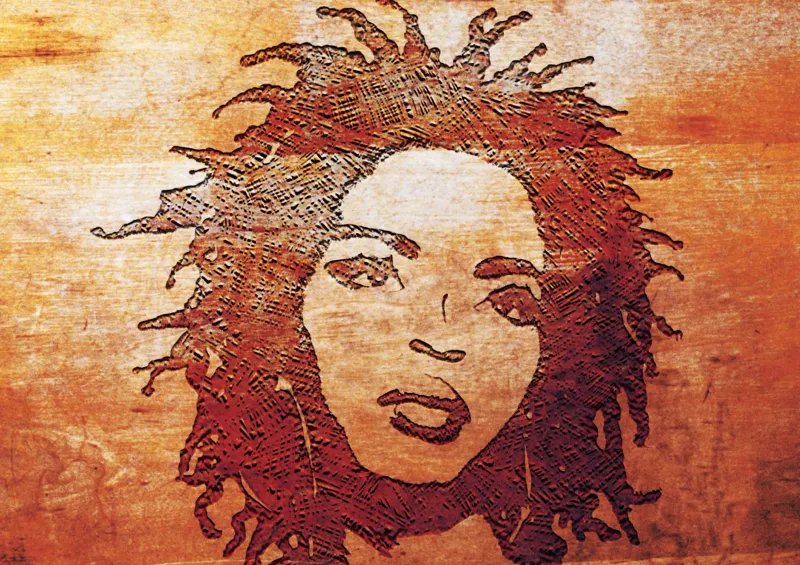
Love, faith, motherhood, and disappointment all have a place in Lauryn Hill’s solo debut. She moved between sharp rap verses and rich singing without making either feel secondary.
Classroom scenes helped tie the songs into a larger search for understanding.
Doo Wop (That Thing) captures the record’s mix of advice and irresistible rhythm. Follow it with the quieter songs to appreciate its range.
Hill’s example still matters wherever artists combine personal honesty, soulful vocals, and hip-hop.
15. Dr. Dre – 2001 (1999): Precision Behind the Punch
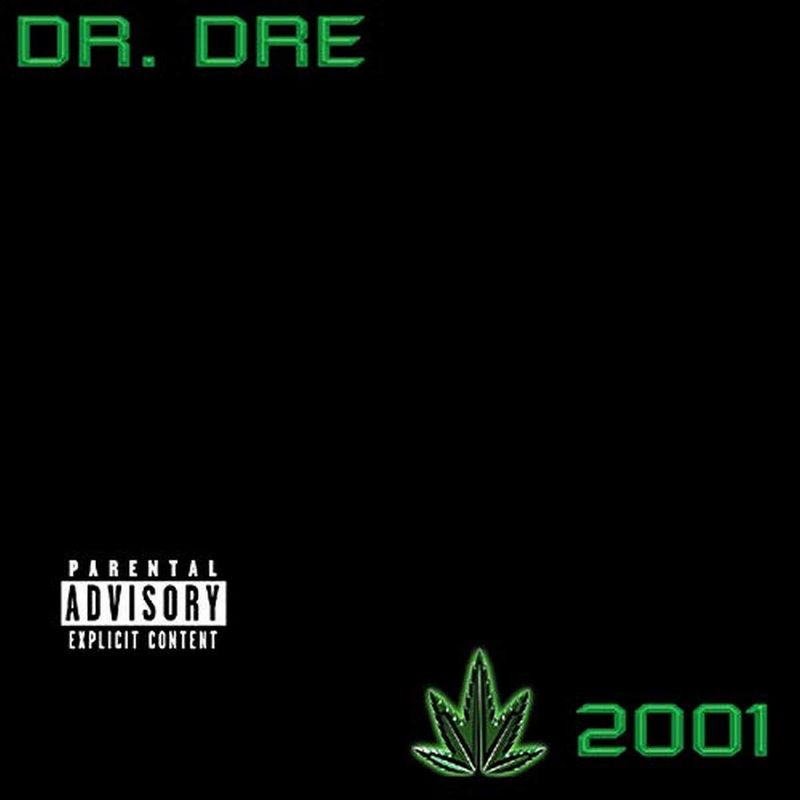
Despite its title, this album arrived in 1999 with a carefully updated West Coast sound. Dr. Dre favored clear drums, strong bass, and arrangements where every part had a purpose.
Guest performers helped turn the production into a broad showcase.
The piano figure on Still D.R.E. demonstrates how a simple musical idea can carry enormous weight. Use headphones to notice the space around it.
Modern producers still learn from the album’s balance of detail and restraint.
16. Eminem – The Marshall Mathers LP (2000): Fame Under Pressure
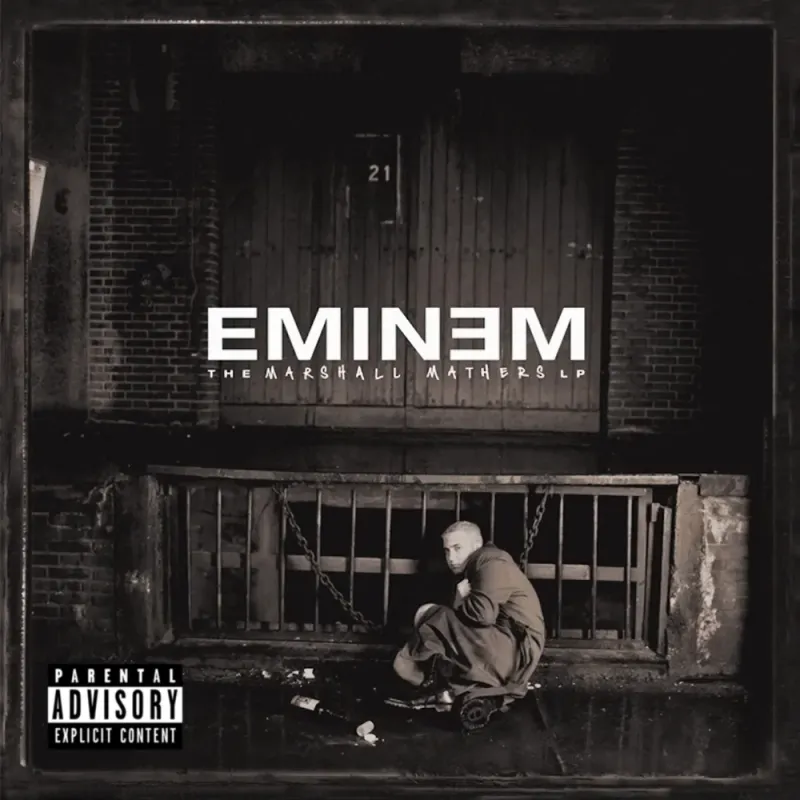
Sudden fame became fuel for one of rap’s most unsettling blockbusters. Eminem combined dense rhyme patterns, dark humor, and angry character voices on The Marshall Mathers LP.
Its offensive content sparked major debate, alongside praise for his technical skill.
Stan remains a key example of storytelling through changing perspectives and growing tension. Follow how each verse advances the plot.
The album’s influence includes both its verbal craft and questions about celebrity, responsibility, and artistic freedom today.
17. Jay-Z – The Blueprint (2001): Soul Samples Return to the Spotlight
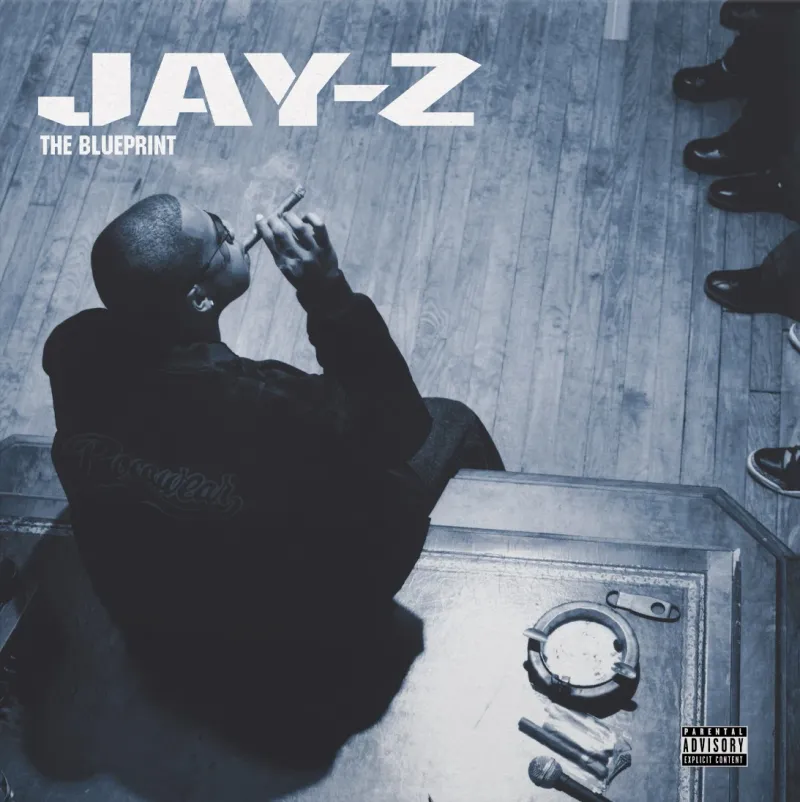
Old soul records helped give Jay-Z’s confident verses a fresh setting. Producers including Kanye West and Just Blaze shaped much of The Blueprint with warm samples and strong drums.
The album became a major reference for that sound.
Listen to Izzo (H.O.V.A.) for the way a bright sample supports a memorable hook. Elsewhere, Jay-Z shifts between celebration, reflection, and rivalry.
Those changes show how a clear musical identity can hold many moods together across one record.
18. Kendrick Lamar – good kid, m.A.A.d city (2012): An Album That Plays Like a Film
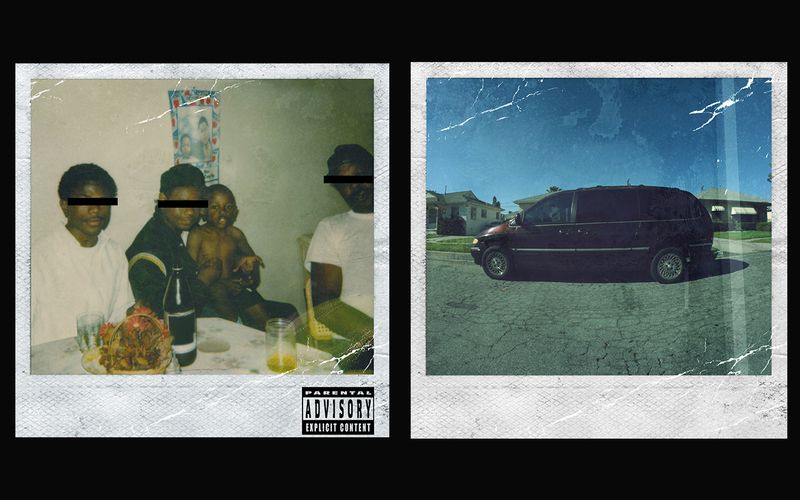
Voicemails and connected scenes make Kendrick Lamar’s major-label debut feel like a short film. He follows a young person’s experiences around Compton, weighing peer pressure, violence, family, and faith.
The songs form a story rather than a loose collection.
For a first listen, keep the tracks in order and avoid skipping the spoken sections. Those details change how later moments land.
Its influence shows in modern rap albums built around characters, connected events, and emotional consequences.