
A familiar face on screen did not always match the voice singing through the speakers. Hollywood studios often hired skilled singers to help create memorable musical scenes, sometimes without giving them public credit.
The title points to a hidden practice, but the secrecy usually came from studios rather than the actresses themselves. Behind these performances are stories of teamwork, surprising choices, and singers who deserved more recognition.
1. Rita Hayworth: The Voice Behind Gilda
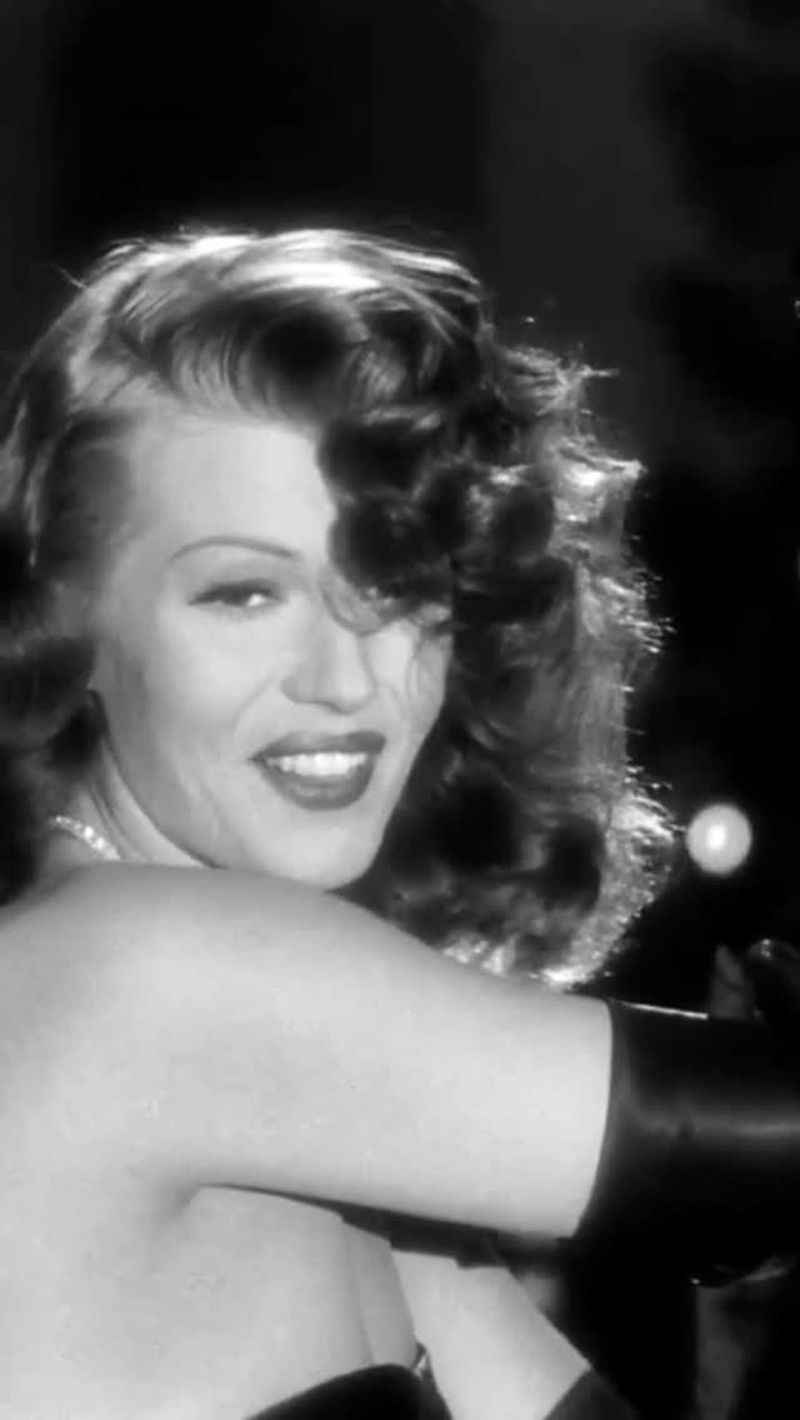
A glove, a spotlight, and a knowing smile helped turn Gilda into a Hollywood legend. Rita Hayworth supplied the screen presence, while Anita Ellis provided the singing heard in the famous musical scenes.
Other films paired Hayworth with singers including Nan Wynn and Jo Ann Greer. Her work shows how a musical performance could combine several talents.
When watching, enjoy the acting and movement, but remember the unseen singer who helped shape the finished scene.
2. Debbie Reynolds: A Secret Inside a Movie About Dubbing
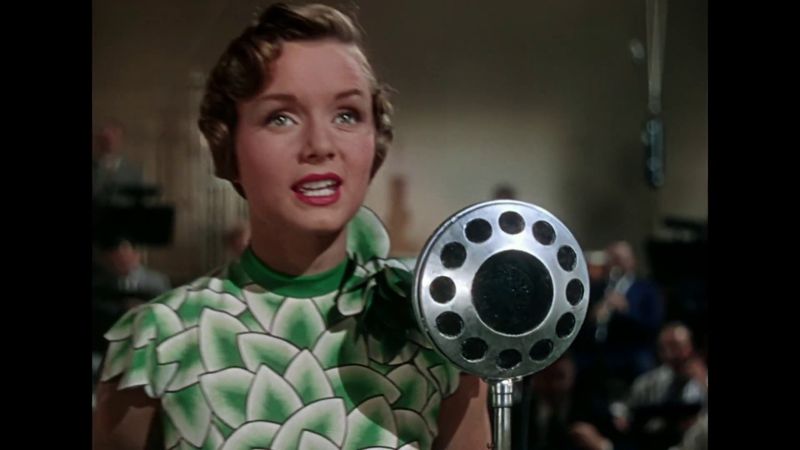
Hollywood’s most famous movie about borrowed voices had a surprising borrowed voice of its own. In Singin’ in the Rain, Debbie Reynolds performed much of her singing, but Betty Noyes supplied vocals for parts of the finished soundtrack, including Would You.
The twist makes the film especially fun to revisit. Reynolds was still a young performer, tackling demanding dances and musical scenes.
Getting vocal help did not erase the energy, timing, or hard work she contributed.
3. Marilyn Monroe: A Little Help With the High Notes
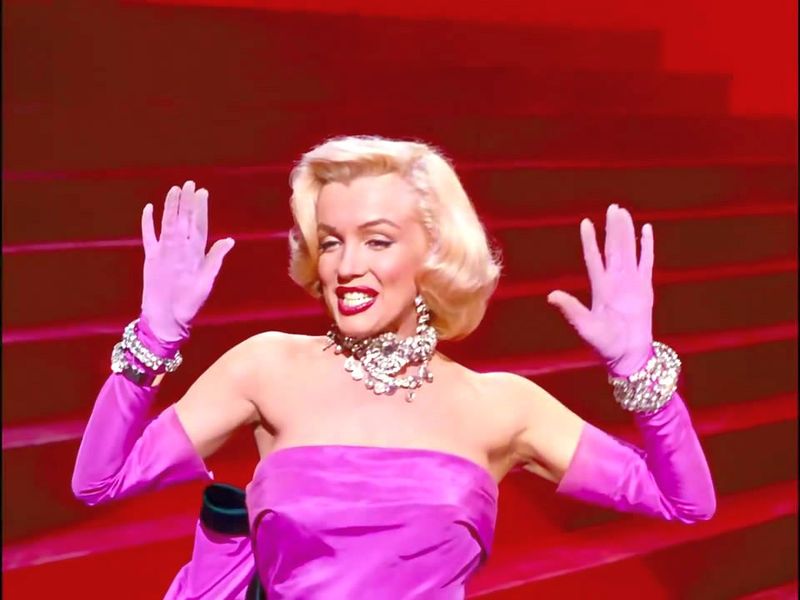
That breathy delivery was unmistakably Marilyn, but a small part of her famous number involved another singer. Marni Nixon contributed high notes to Diamonds Are a Girl’s Best Friend in Gentlemen Prefer Blondes.
This was vocal assistance, not a replacement of Monroe’s entire performance. Her own voice remained central to the song’s charm.
Listening with that distinction in mind helps avoid a common mistake: assuming that any use of a double means the star never sang.
4. Deborah Kerr: Two Films, Two Vocal Partners
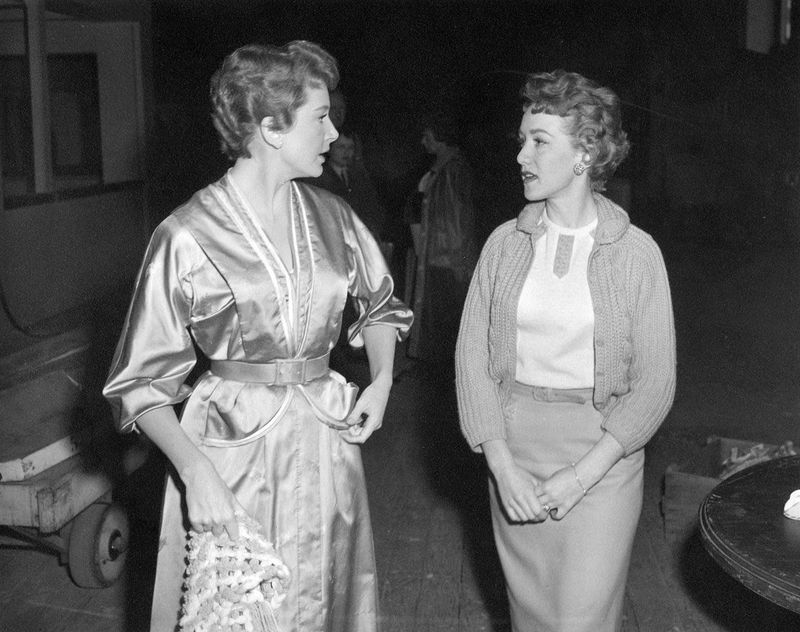
A sweeping gown and graceful acting made Anna memorable in The King and I. The singing voice, however, belonged to Marni Nixon, whose careful phrasing helped match Deborah Kerr’s screen performance.
Kerr later acknowledged Nixon’s contribution rather than keeping it permanently hidden. Another useful correction concerns An Affair to Remember: its singing double was generally credited in histories as Marnie, or Marni, at readers’ peril; Martha Mears supplied Kerr’s songs there.
Similar names can confuse accounts.
5. Natalie Wood: Maria’s Voice Came From Elsewhere
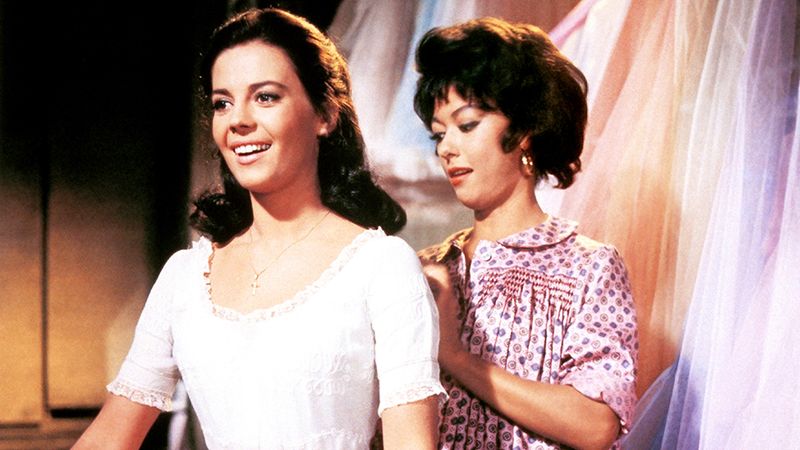
Maria’s soaring songs sounded effortless, but the recording process was far more complicated. Natalie Wood prepared and recorded vocals for West Side Story, while Marni Nixon ultimately supplied most of Maria’s singing in the released film.
Accounts describe Wood as surprised and upset by the extent of the replacement. That makes this less a story of an actress hiding a secret than one of studio control.
Her acting still carried the character’s hope, tenderness, and heartbreak.
6. Audrey Hepburn: Eliza’s Controversial Vocal Switch
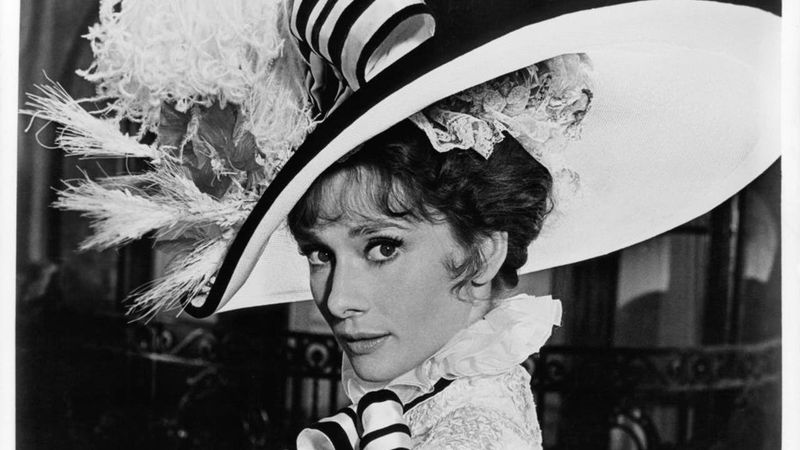
The elegant face of My Fair Lady was Audrey Hepburn, but most of Eliza’s finished singing came from Marni Nixon. Hepburn had recorded songs herself, making the replacement a sensitive part of the film’s history.
Some of her own vocals remained, so saying every note was dubbed goes too far. The controversy also shows how strongly viewers connect a voice with a face.
Comparing surviving recordings offers a fascinating look at two different approaches to Eliza.
7. Leslie Caron: Gigi’s Hidden Singing Partner
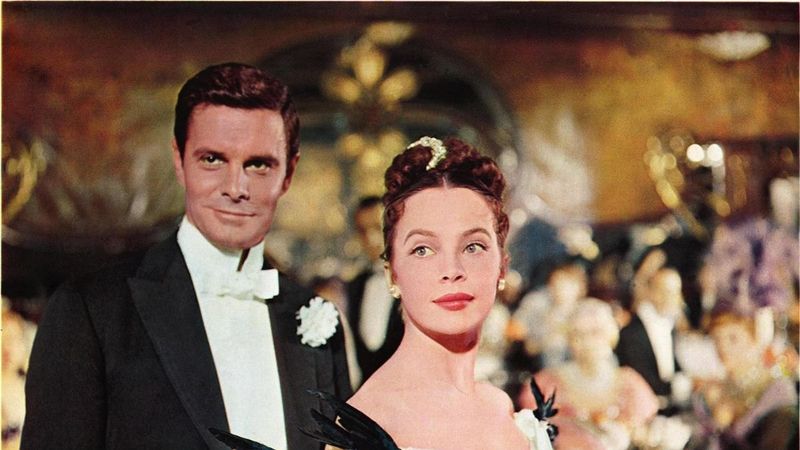
Parisian sparkle gave Gigi its charm, and Leslie Caron’s lively acting helped bring the young heroine to life. Betty Wand supplied her singing voice, adding another layer to the film’s polished musical world.
Caron was already an accomplished dancer, so a vocal double did not mean she lacked performing skill. It meant different artists handled different parts of the job.
Watch how her gestures follow the music, and the teamwork becomes easier to appreciate on screen.
8. Rita Moreno: Anita Needed More Than One Voice
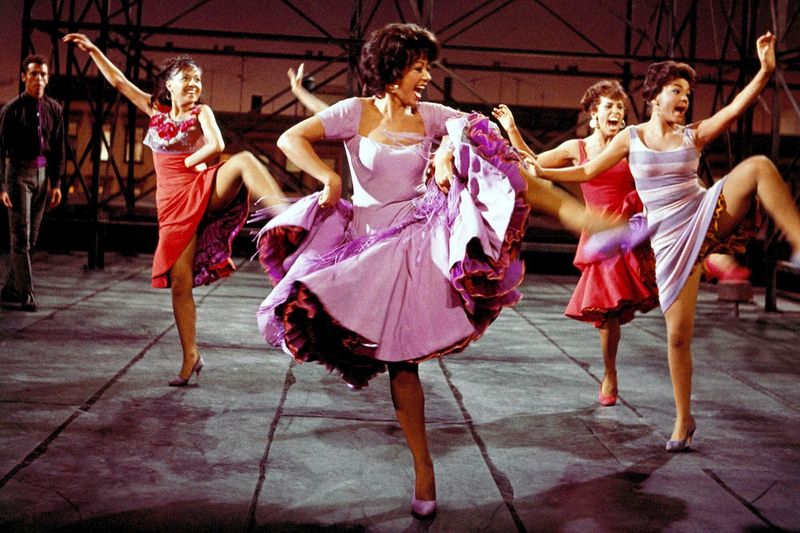
Fire and confidence made Anita impossible to overlook in West Side Story. Rita Moreno sang much of her role, but Betty Wand dubbed A Boy Like That, whose demands differed from Moreno’s comfortable vocal range.
Marni Nixon also contributed to the Tonight ensemble. This mix reminds viewers that dubbing could happen song by song, rather than across an entire role.
Moreno’s performance remained her own achievement, combining acting, dancing, and singing with remarkable strength and personality.
9. Cyd Charisse: Dancing First, Borrowed Vocals Second
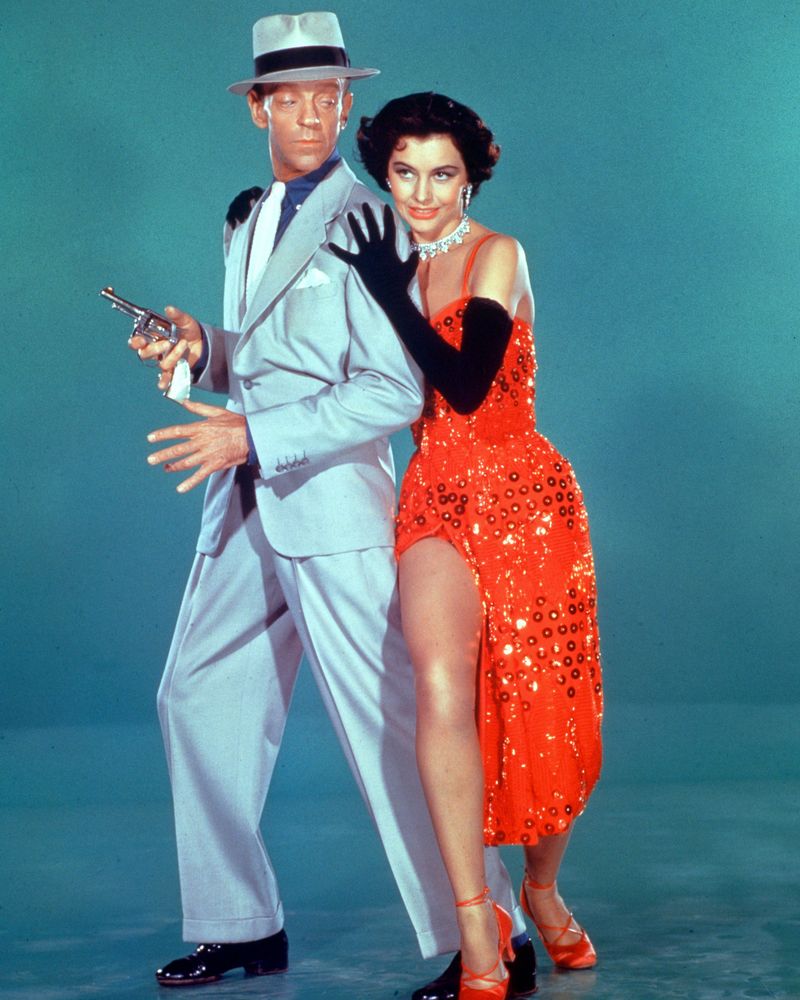
Long before a lyric mattered, those precise steps could hold an audience spellbound. Cyd Charisse was celebrated for dancing, while other performers often handled her musical vocals.
India Adams supplied her singing in The Band Wagon, and Carol Richards voiced her songs in Brigadoon and Silk Stockings. These film titles matter because accounts sometimes mix up the singers.
Her career offers a clear example of Hollywood building a complete musical character around a star’s strongest skill.
10. Esther Williams: Music Beneath the Poolside Glamour
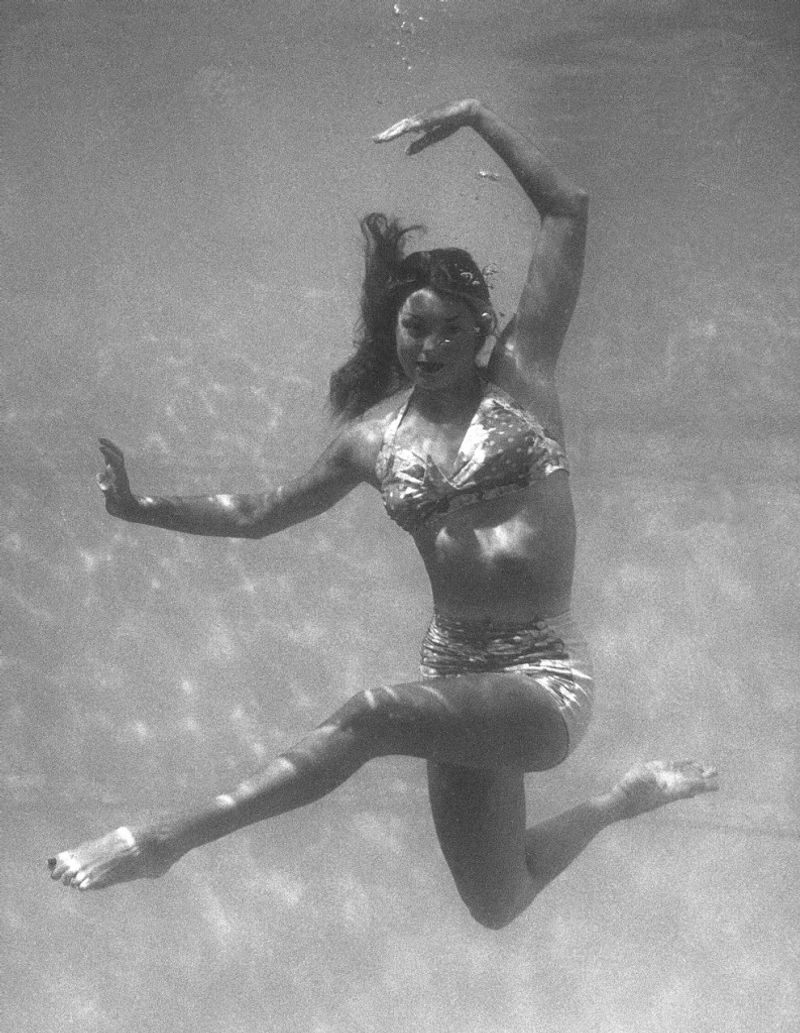
Water ballets, bright costumes, and dazzling pool scenes were Esther Williams’s special territory. For Easy to Love, Jo Ann Greer supplied singing that helped complete the musical package.
Williams brought athletic ability and screen charm that a recording booth could not provide. The finished scene depended on both performers doing very different jobs well.
Next time a swimming musical appears, notice how the soundtrack supports the movement, creating a smooth result from separate pieces of work.
11. Veronica Lake: A Familiar Face, an Unfamiliar Singer
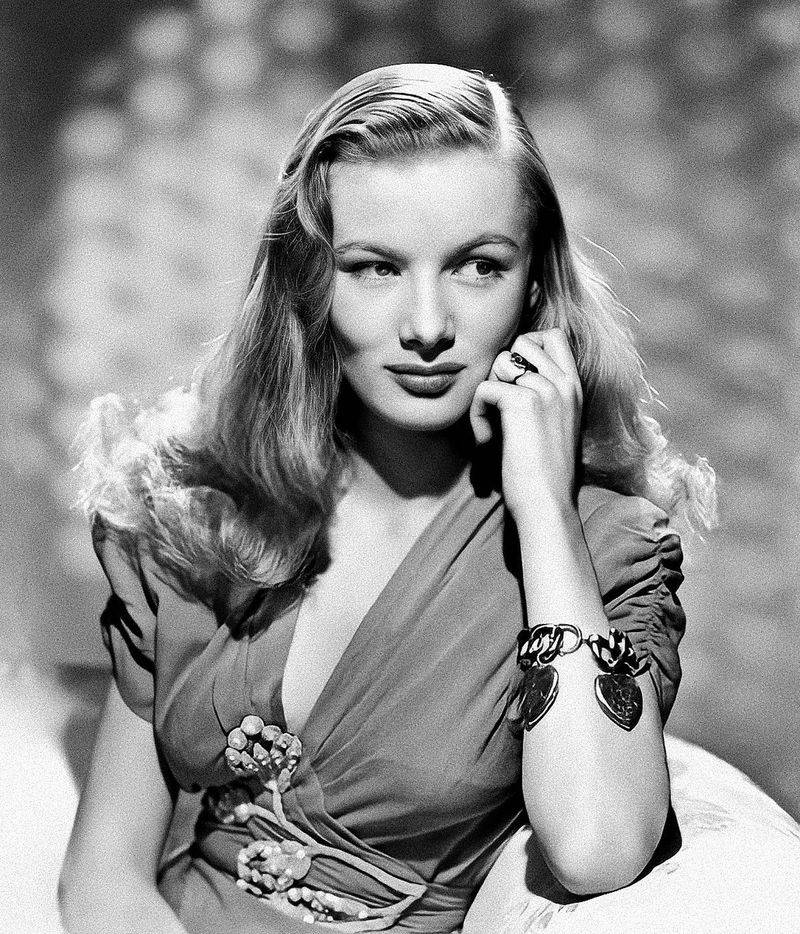
A curtain of blonde hair made Veronica Lake instantly recognizable. Her singing was less familiar, and accounts of Martha Mears’s career include Lake among the actresses whose vocals she supplied.
That connection deserves care: a dubbing credit does not establish that every musical appearance used another voice. Nor does it prove Lake personally demanded secrecy.
The broader story is about studio production methods, where singers could help famous faces while receiving little attention from the audience.
12. Lucille Ball: Before the Sitcom, a Musical Double
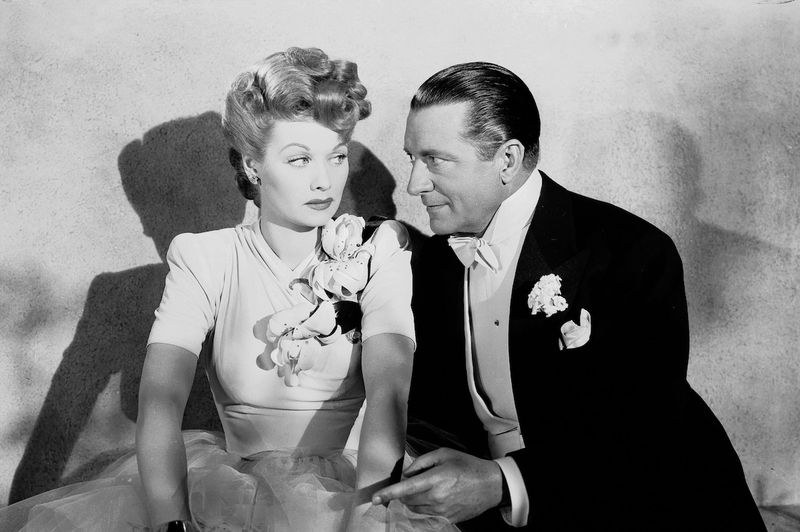
Before television made her comedy famous worldwide, Lucille Ball worked through a wide range of movie roles. In Best Foot Forward, Gloria Grafton provided her singing voice.
Ball is also listed among actresses dubbed by Martha Mears in other work. Her later comic singing should not be mistaken for a complete picture of her musical abilities.
A funny character, a screen actress, and a soundtrack singer can serve separate purposes, even when audiences see one person.
13. Hedy Lamarr: Glamour With an Unseen Vocal Layer
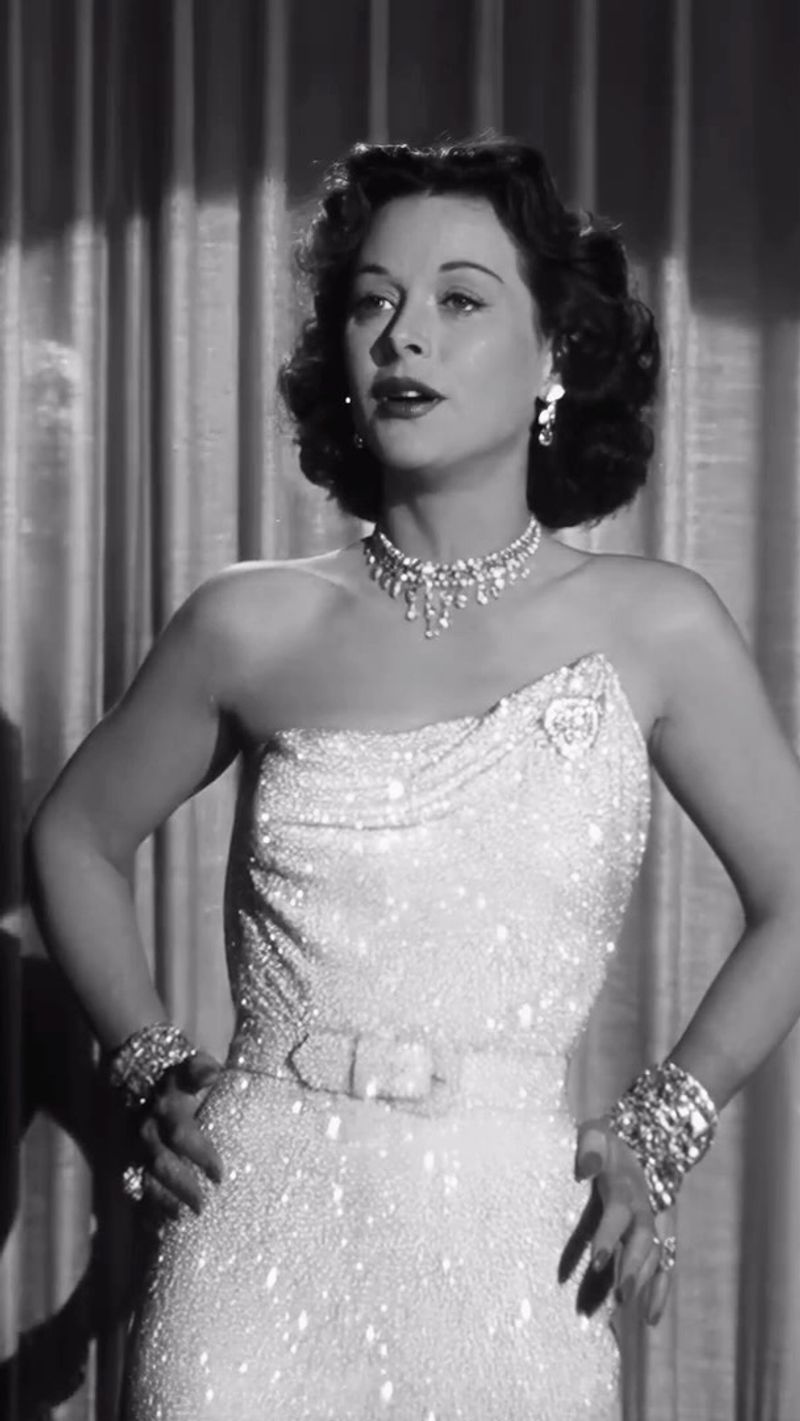
Beauty was only one part of Hedy Lamarr’s remarkable story, which also included inventive work outside acting. Her connection to singing doubles adds another lesser known piece: Martha Mears is named in accounts of her dubbed performances.
Specific song claims should be checked against reliable film records before being repeated. The useful lesson is simple: a polished screen image rarely reveals everyone involved.
Lamarr’s presence and a singer’s contribution could work together without being equally publicized.
14. Claudette Colbert: Another Name in the Dubbing Story
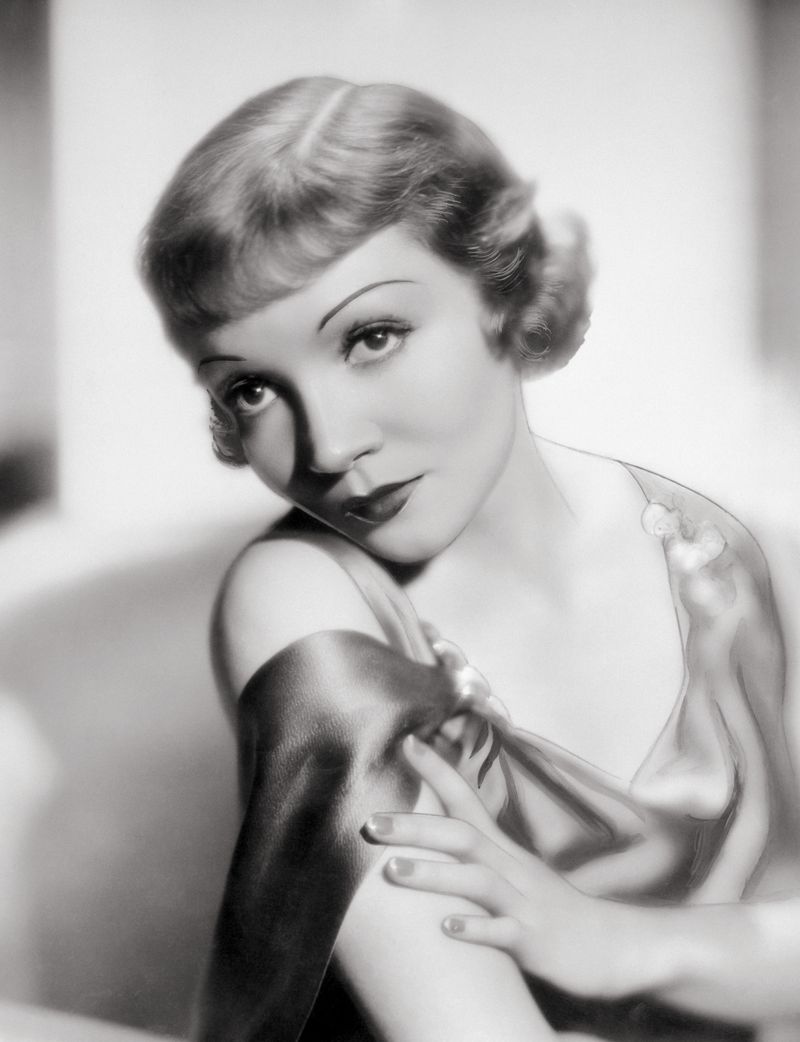
Sharp comic timing and graceful drama made Claudette Colbert a favorite across many kinds of films. Histories of singer Martha Mears also place Colbert among the stars associated with her dubbing work.
That reported link is narrower than saying Colbert hid all her singing from viewers. Without a clear film and song credit, sweeping claims are risky.
Looking beyond the headline helps readers separate a documented vocal partnership from assumptions about an actress’s intentions or abilities.
15. Loretta Young: Screen Elegance and Studio Teamwork
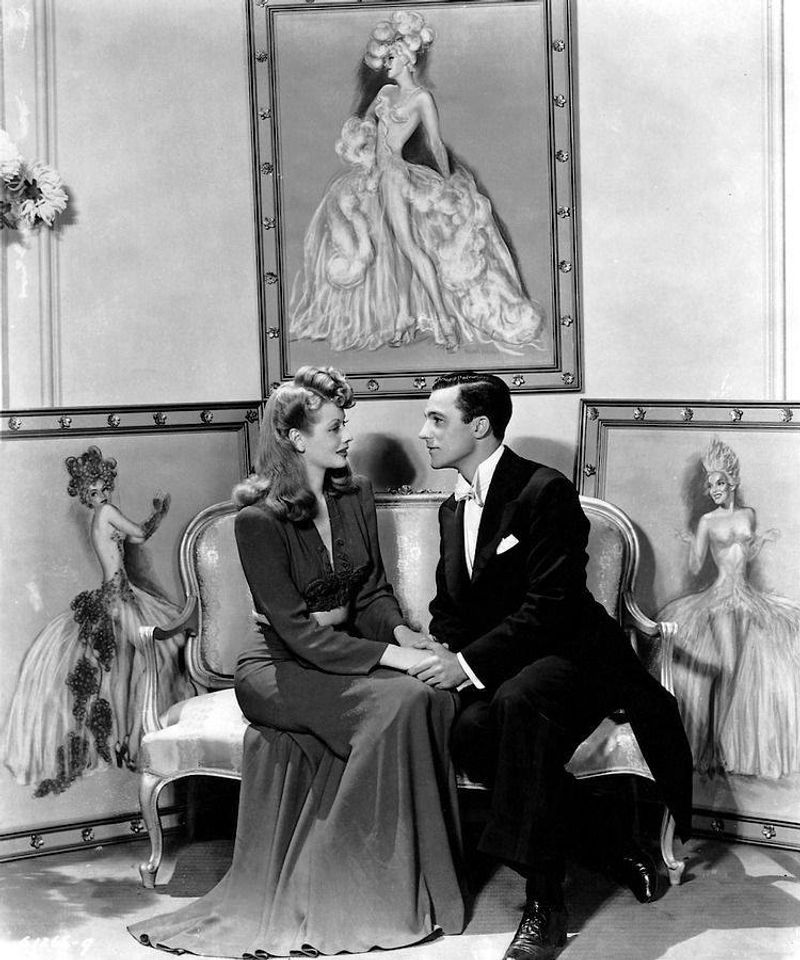
A poised expression could tell a whole story in Loretta Young’s hands. Musical passages sometimes involved another kind of storytelling, and Martha Mears is reported among the singers who provided vocals for her.
Public accounts do not always identify every song clearly, so this should not become a claim about her entire career. Instead, it highlights how flexible studio filmmaking could be.
Acting and recorded music were separate tasks that editors joined into one convincing screen moment.
16. Marjorie Reynolds: The Other Voice in White Christmas
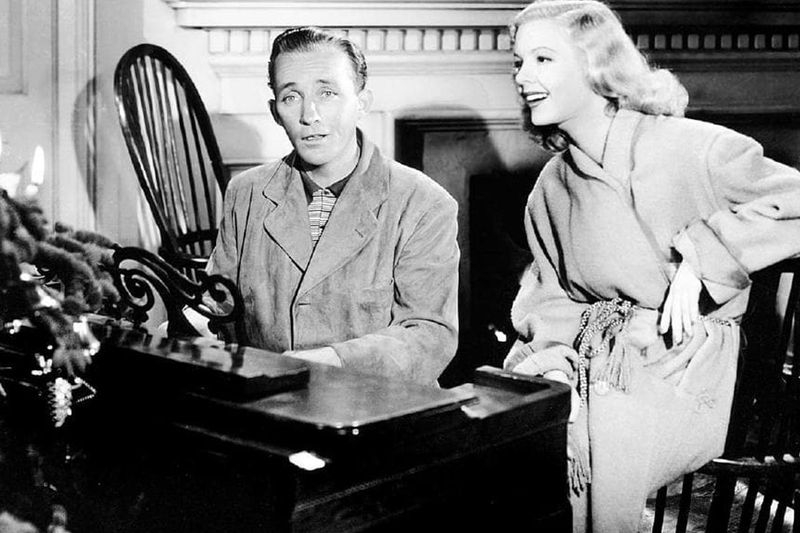
A cozy holiday song carries a hidden collaboration in Holiday Inn. Marjorie Reynolds appears opposite Bing Crosby, but Martha Mears supplies Reynolds’s singing, including her part in White Christmas.
The familiar title can cause confusion because Holiday Inn came before the separate film White Christmas. Keeping the movies straight makes the credit easier to follow.
Reynolds brought warmth to the scene, while Mears added the musical voice that helped make its quiet holiday mood feel complete.
17. Audrey Totter: A Noir Star’s Lesser Known Musical Link
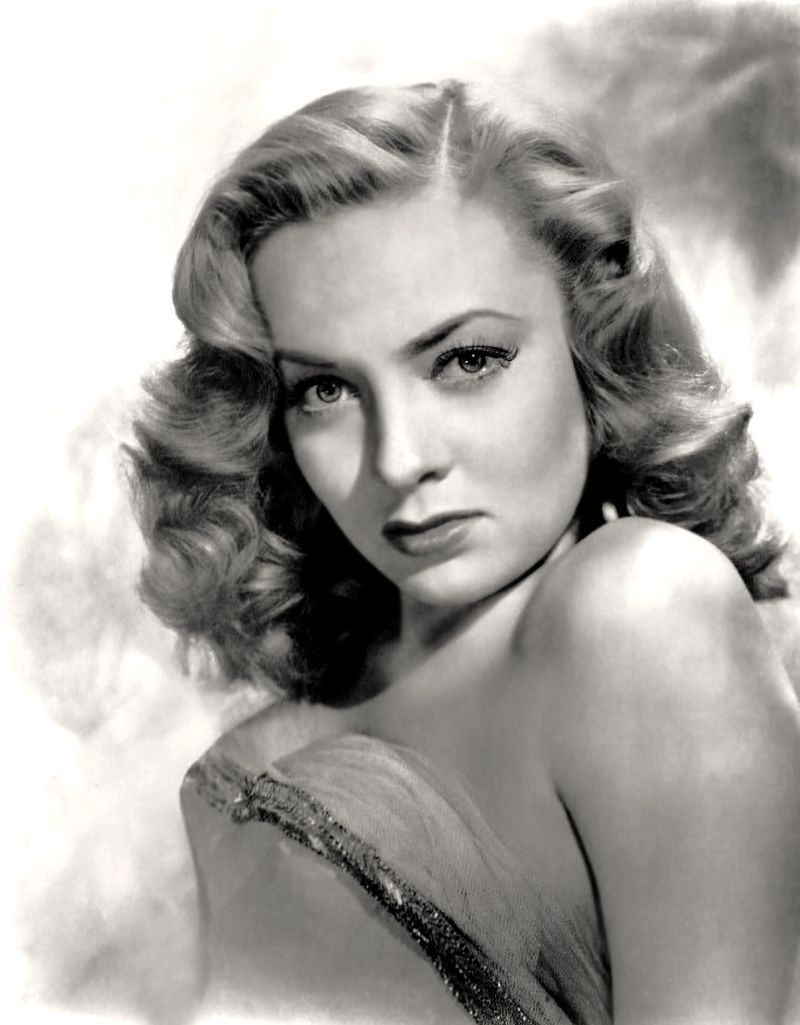
Tough dialogue and tense scenes are more likely to bring Audrey Totter to mind than musical numbers. Yet accounts of Martha Mears’s dubbing career include Totter among the actresses she helped vocally.
This smaller detail shows how singing doubles reached beyond famous musicals. Films could include a nightclub performance or a brief song without turning their stars into recording artists.
Treat the connection as a reported credit, not proof that Totter personally concealed a singer’s identity.
18. Maria Montez: Spectacle Supported by a Studio Singer
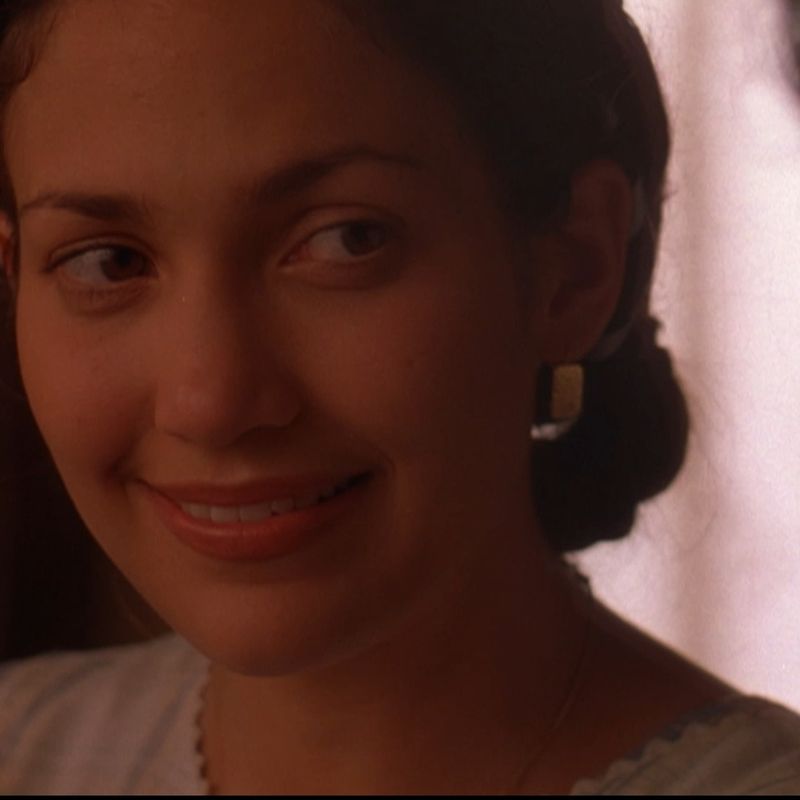
Rich colors and elaborate costumes made Maria Montez a striking figure in Hollywood adventure films. When singing entered the picture, Martha Mears was among the behind the scenes talents associated with her voice.
Career summaries report this dubbing link, though individual song details are not always supplied. It is better to acknowledge that limit than invent a scene.
Her example widens the story beyond musicals, showing how studios used specialist singers wherever a production needed convincing vocals.
19. June Allyson: A Singer Who Also Received Vocal Help
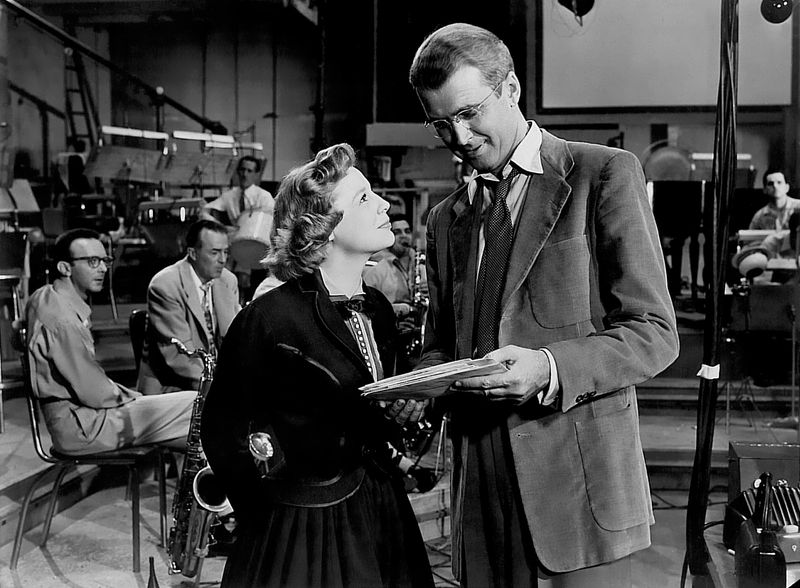
A husky voice was part of June Allyson’s appeal, and she certainly performed her own songs. Jo Ann Greer nevertheless appears in accounts of vocal assistance connected with Allyson’s film work.
That distinction matters: an actress could sing professionally and still receive help for a particular recording. Avoid turning an occasional dubbing credit into a judgment about talent.
Different songs ask for different sounds, and studio choices could reflect the desired result rather than a performer’s limits.
20. Kim Novak: Pal Joey’s Voice Behind the Glamour
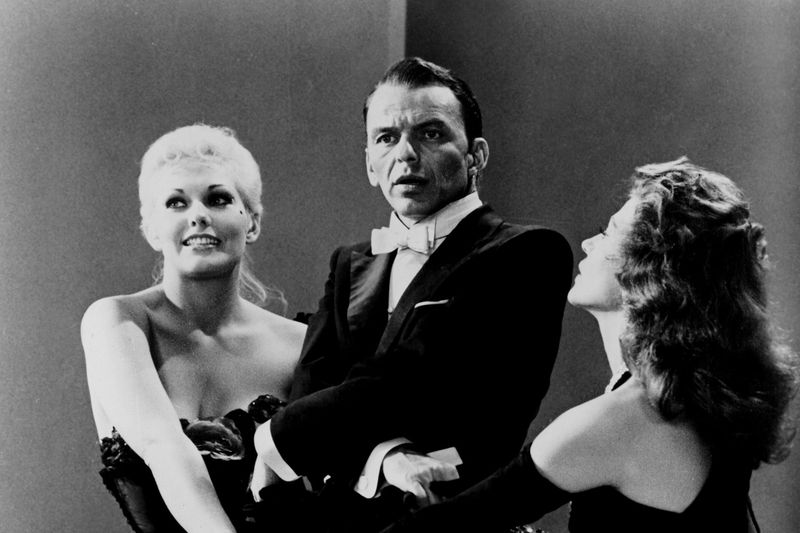
A nightclub musical needs more than beautiful lighting and glamorous costumes. In Pal Joey, Kim Novak’s singing was dubbed by Jo Ann Greer, whose voice helped support Novak’s performance as Linda English.
Greer also worked with other major stars, making her an important part of Hollywood’s hidden musical workforce. Rather than viewing the scene as a trick, consider it a shared performance.
Novak shaped the character on screen, while Greer gave the songs their recorded vocal sound.