
Every famous snack in your pantry had a first day on a store shelf. Some of those launch dates might even match your birthday year.
Learning when classic foods arrived is a fun way to connect your life to food history. Scroll through and see which tasty treat shares your birth year.
1. Twinkies (1930)
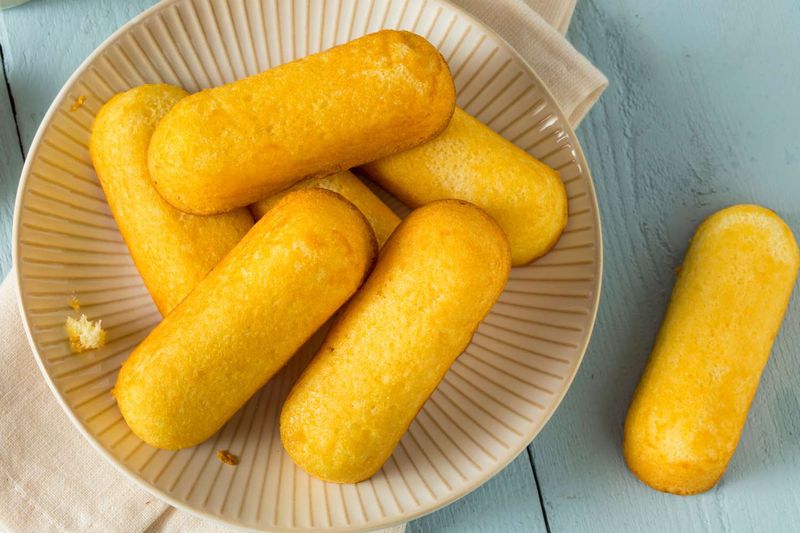
A baker named James Dewar had a problem in 1930. His strawberry shortcake pans sat empty after strawberry season ended, so he filled little cakes with banana cream instead.
Banana became vanilla during World War II when bananas grew scarce. Twinkies have been a lunchbox legend ever since.
Want a fun twist? Freeze one for an hour.
The creamy center turns into something close to ice cream.
2. Fritos Corn Chips (1932)
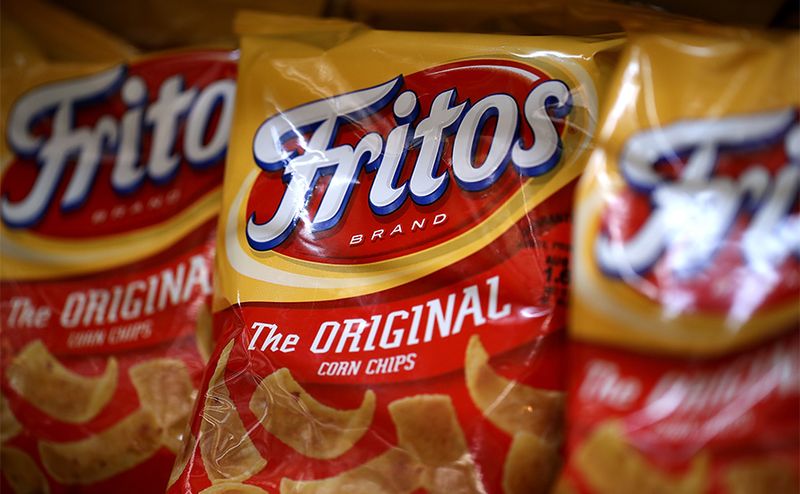
Picture a Texas candy maker spending 100 dollars on a recipe in the middle of the Great Depression. Charles Elmer Doolin did exactly that in 1932, and Fritos were born.
He cooked the first batches in his mother’s kitchen. Only three ingredients went in: corn, oil, and salt.
Try them crushed over chili for a crunchy topping. Texans call that combo a Frito pie, and it still rules football games.
3. Ritz Crackers (1934)
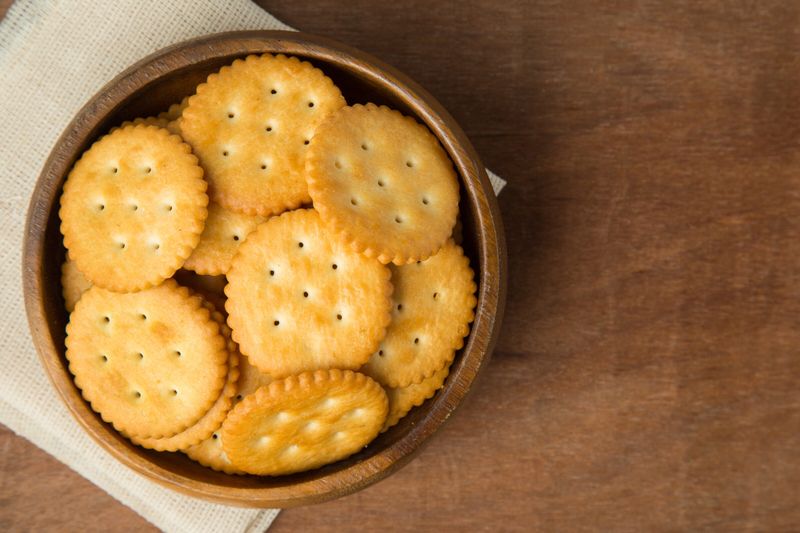
Fancy hotels inspired the name, even though the cracker cost just pennies. Nabisco launched Ritz in 1934 so struggling families could enjoy a small taste of luxury.
It worked. Within three years, Ritz became the best selling cracker in the world.
Those scalloped edges and tiny holes are not just for looks. The holes let steam escape during baking, keeping each cracker flat and flaky instead of puffy.
4. Kraft Macaroni and Cheese (1937)
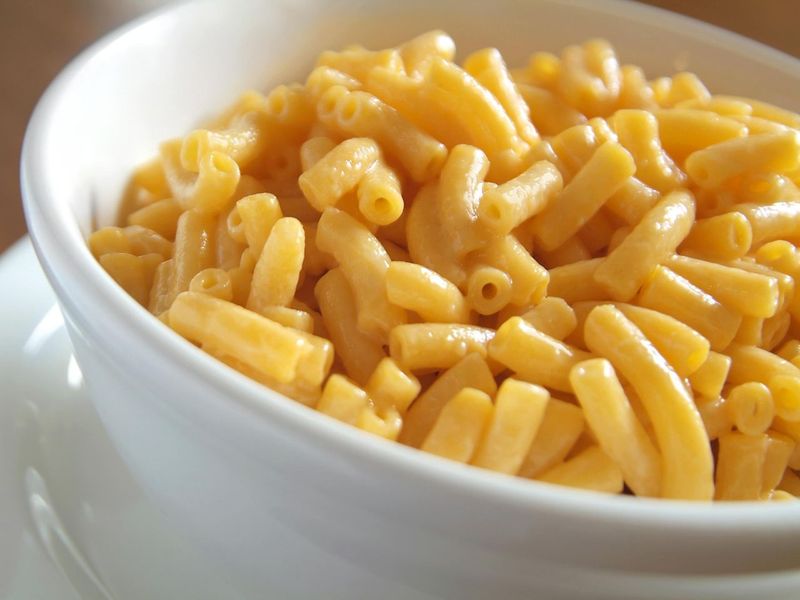
Feeding a family of four for just 19 cents sounded like magic in 1937. Kraft made it real with a little box of noodles and powdered cheese.
Around eight million boxes sold in the first year alone. During World War II, it became a pantry hero since meat and dairy were rationed.
Here is a kitchen hack worth stealing: stir in a spoonful of sour cream for extra silky sauce.
5. Spam (1937)
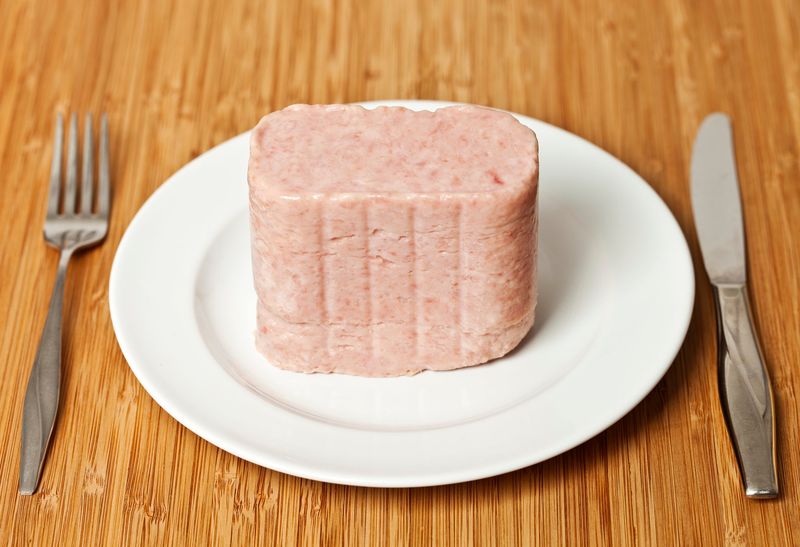
Love it or laugh at it, Spam has fed armies. Hormel introduced the canned meat in 1937, and soldiers ate over 100 million pounds of it during World War II.
Nobody fully agrees on what the name means. Some say spiced ham, while Hormel keeps it a playful mystery.
Hawaii eats more Spam per person than any other state. Try Spam musubi, a sushi style snack wrapped in seaweed.
6. Cheerios (1941)
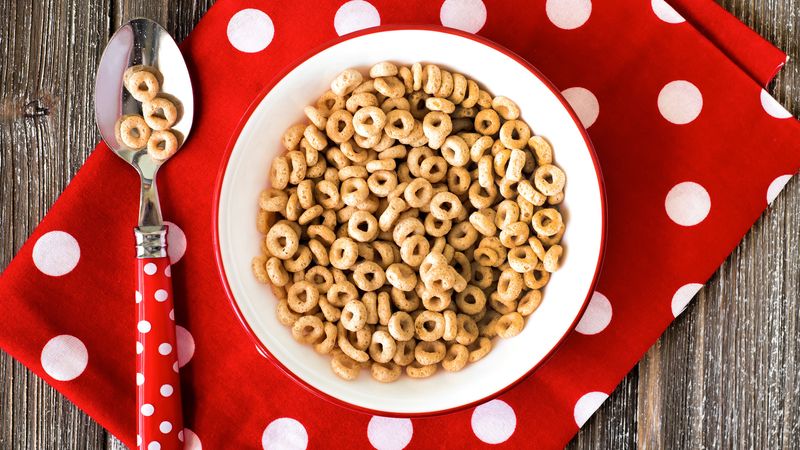
Back in 1941, these little oat rings went by a different name: CheeriOats. Four years later, General Mills shortened it to Cheerios, and breakfast history was made.
Engineers used a puffing gun to shape the tiny circles. Pretty wild for a humble cereal!
Parents still hand them to toddlers because they dissolve easily and are fun to pick up. Many grown ups admit they never stopped munching them by the handful.
7. M&M’s (1941)
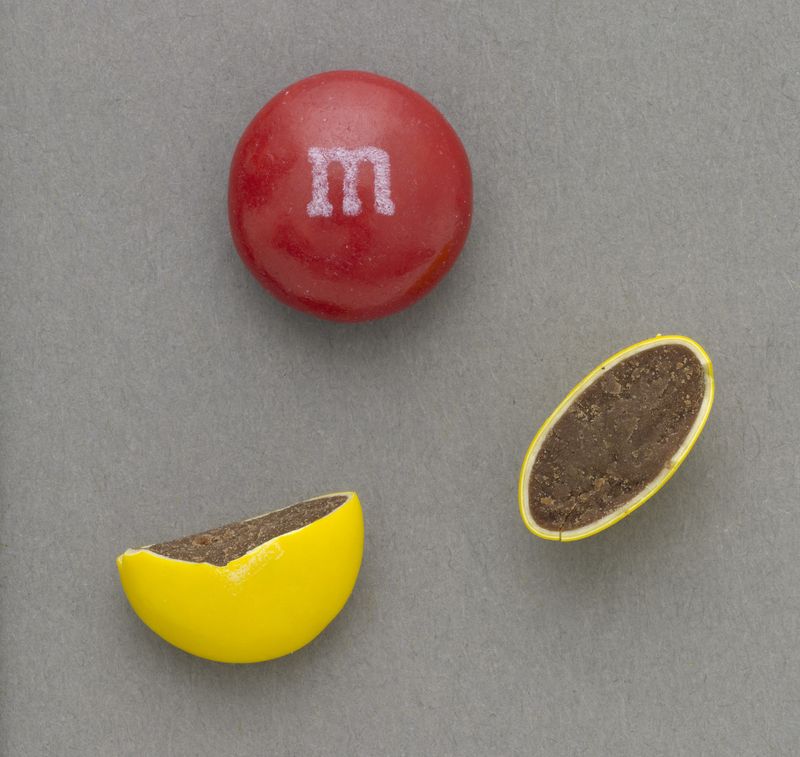
Soldiers needed chocolate that would not melt in their pockets. Forrest Mars solved it in 1941 with a candy shell, and M&M’s marched straight into history.
The two Ms stand for Mars and Murrie, the partners behind the idea.
Fun fact: red M&M’s vanished from 1976 to 1987 because of a scare over a food dye, even though the candy never used it. Fans cheered loudly when red came back.
8. Minute Rice (1949)
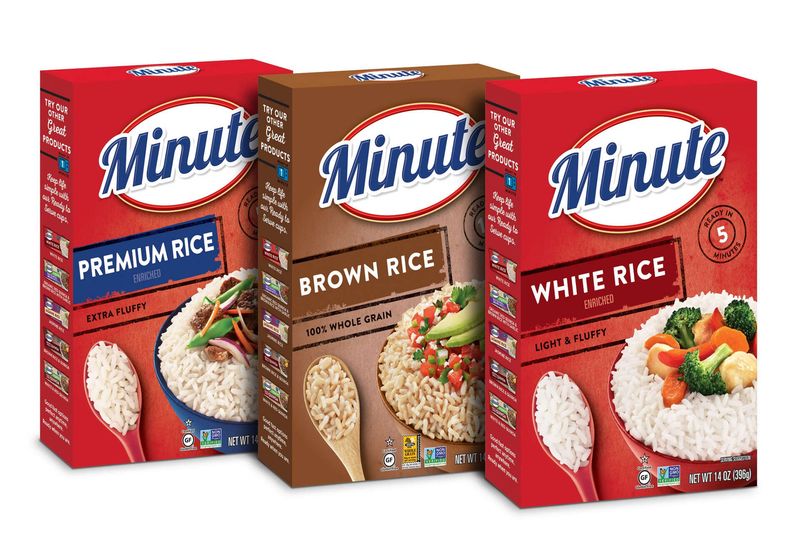
Busy cooks in 1949 got a gift that saved real time. Minute Rice was precooked and dried, so dinner was ready in about five minutes instead of twenty.
The idea started with an inventor from Afghanistan who wanted fast rice for soldiers.
Today, it is a smart pick for quick weeknight meals. Toss it with frozen veggies, a scrambled egg, and soy sauce for easy homemade fried rice.
9. Swanson TV Dinners (1953)
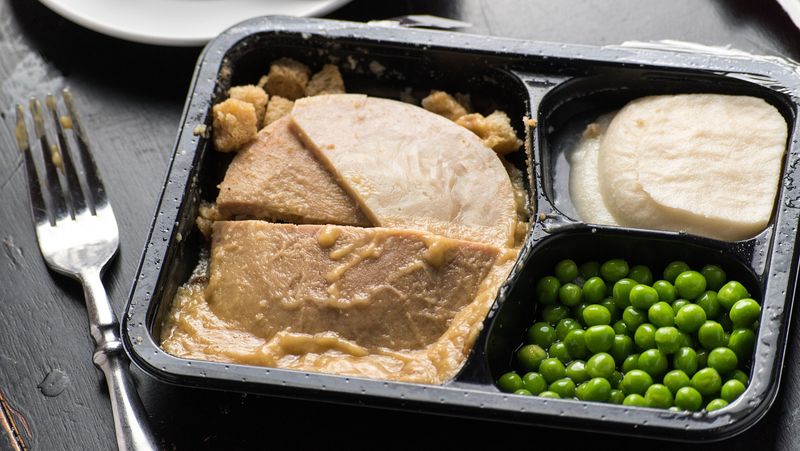
Ten train cars full of leftover Thanksgiving turkey kicked off a revolution. Swanson needed to use 260 tons of extra bird in 1953, so a salesman suggested frozen meals on trays.
The tray looked like a TV set, which matched the new craze for television.
Families sold on the idea fast. Over ten million dinners sold in the first year, changing how America ate supper forever.
10. Peeps (1953)
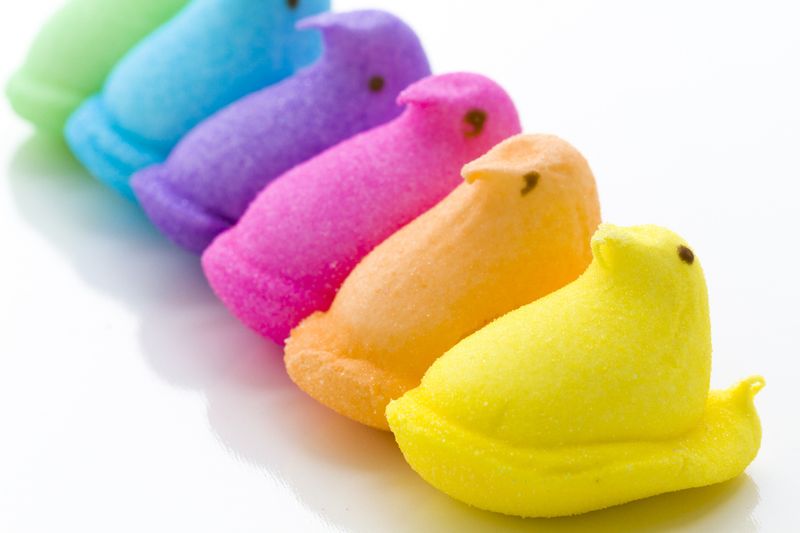
Squishy, sugary, and slightly silly, Peeps have hopped into Easter baskets since 1953. That year, the Just Born candy company bought the factory that made them by hand.
Back then, one chick took 27 hours to create. Machines now finish the job in six minutes.
Try this goofy experiment: microwave a Peep for ten seconds and watch it puff up like a balloon. Kids find it endlessly funny.
11. Tang (1959)
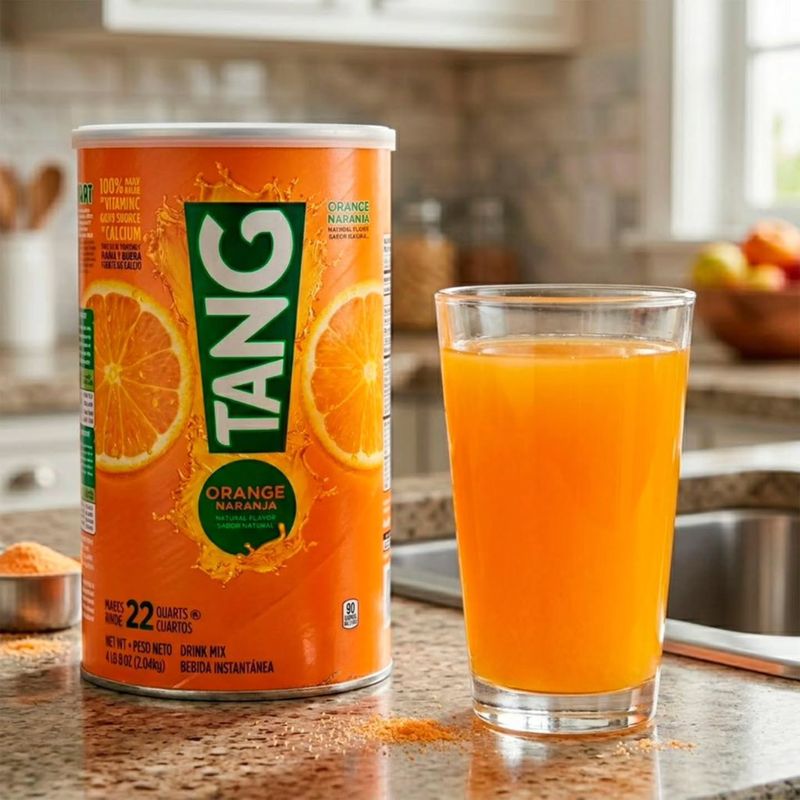
Astronauts made it famous, but Tang actually landed on shelves first. General Foods released the orange drink powder in 1959, and sales were slow at the start.
Everything changed when NASA sent it into orbit with John Glenn in 1962. Suddenly every kid wanted to drink like a space hero.
Even astronaut Buzz Aldrin later joked that Tang tasted bad. Still, it remains a nostalgic, fizzy memory for many families.
12. Pop-Tarts (1964)
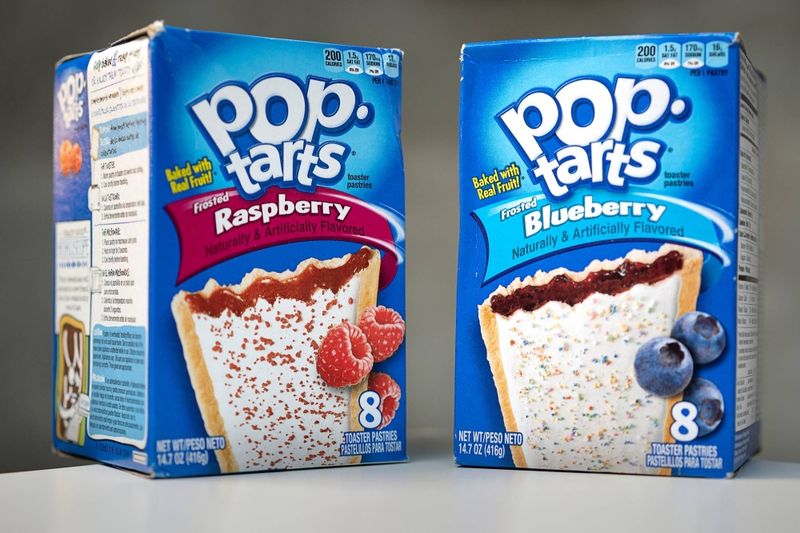
Kellogg’s raced to beat a rival company and won big in 1964. The first Pop-Tarts had no frosting at all, since bakers worried icing would melt in toasters.
Flavors included strawberry, blueberry, apple currant, and brown sugar cinnamon. They sold out within weeks.
Frosted versions arrived a few years later after engineers solved the melting problem. Pro tip: eat them cold from the freezer for a crisp summer treat.
13. Doritos (1966)
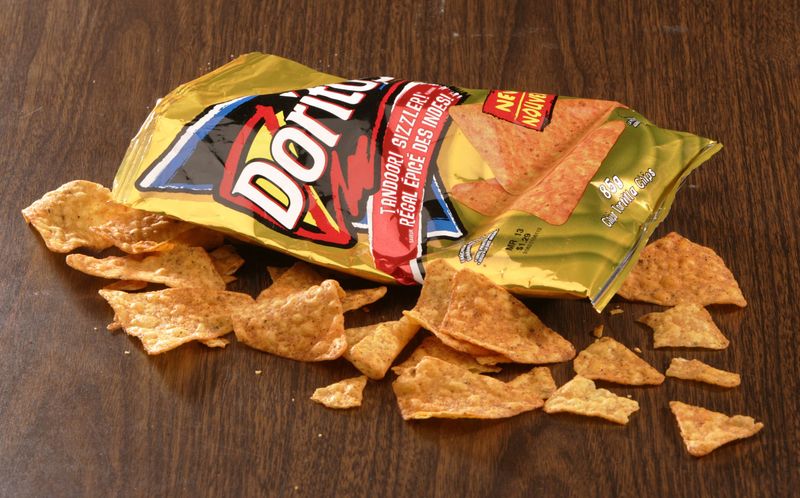
Disneyland played a surprising role here. A restaurant inside the park fried leftover tortillas into chips, and a Frito-Lay executive loved them.
National launch came in 1966 with a plain toasted corn flavor. Taco flavor followed, then the famous Nacho Cheese in 1972.
The name roughly means little bits of gold in Spanish. Crumble some over a salad or casserole for a crunchy, cheesy surprise topping.
14. Cool Whip (1966)
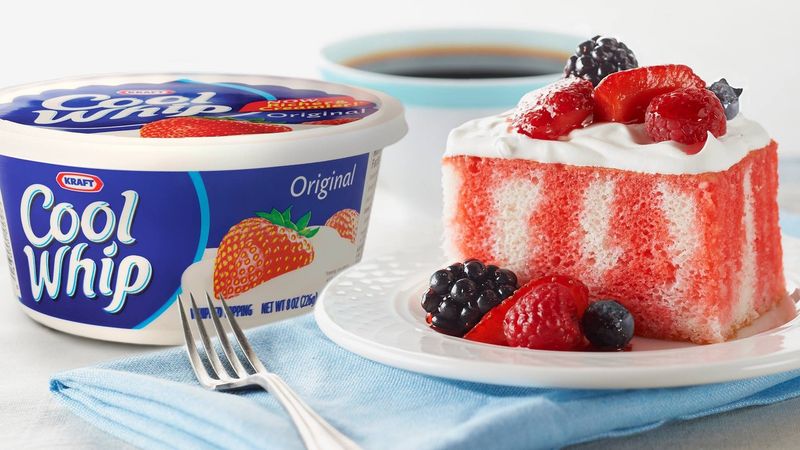
Holiday pies got a lot easier in 1966. A food scientist named William Mitchell created Cool Whip, a whipped topping that stayed fluffy in the freezer.
The same inventor also helped create Pop Rocks and quick setting Jell-O. Talk about a busy brain!
Cool Whip became the best selling item in its category within two years. Fold it into pudding for a light, creamy dessert that takes minutes to make.
15. Hamburger Helper (1971)
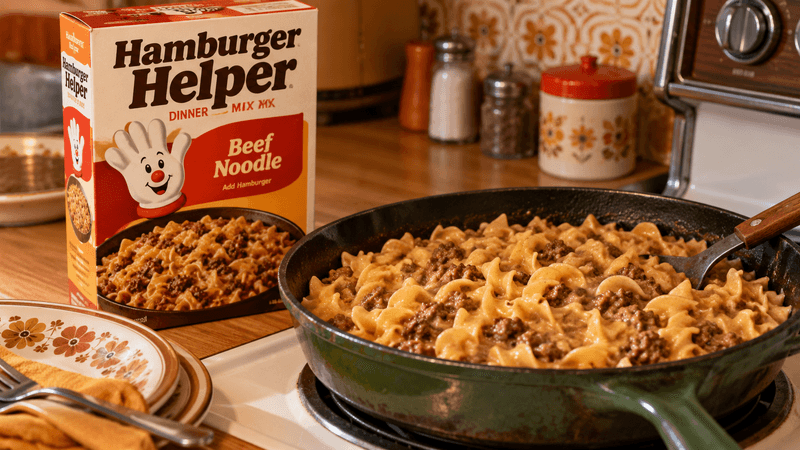
Beef prices shot up in the early 1970s, and families felt the pinch. General Mills answered in 1971 with Hamburger Helper, which stretched one pound of meat into a hearty meal.
That friendly white glove mascot, Lefty, showed up a few years later.
Plenty of college students still swear by it. Add a handful of spinach or diced peppers to sneak extra nutrition into this budget favorite.
16. Pop Rocks (1975)
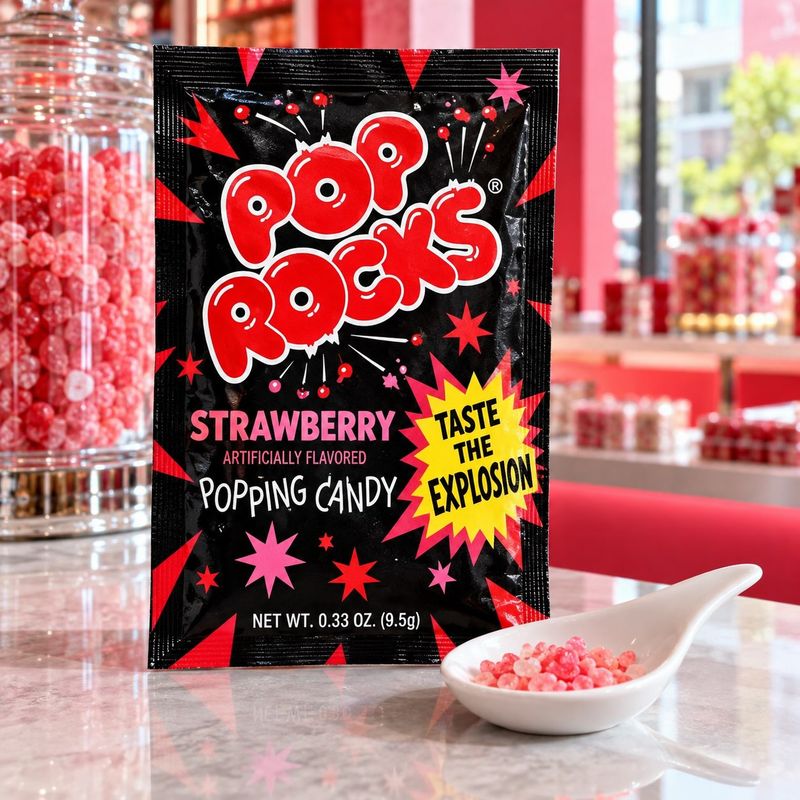
Crackle, snap, pop! Few candies feel like a party in your mouth quite like this one.
Pop Rocks reached stores in 1975 after a scientist trapped carbon dioxide inside hard candy.
A silly rumor claimed mixing them with soda could make your stomach explode. Totally false, but it made kids even more curious.
Sprinkle some on cupcake frosting for a surprise that will have party guests giggling.
17. Reese’s Pieces (1978)
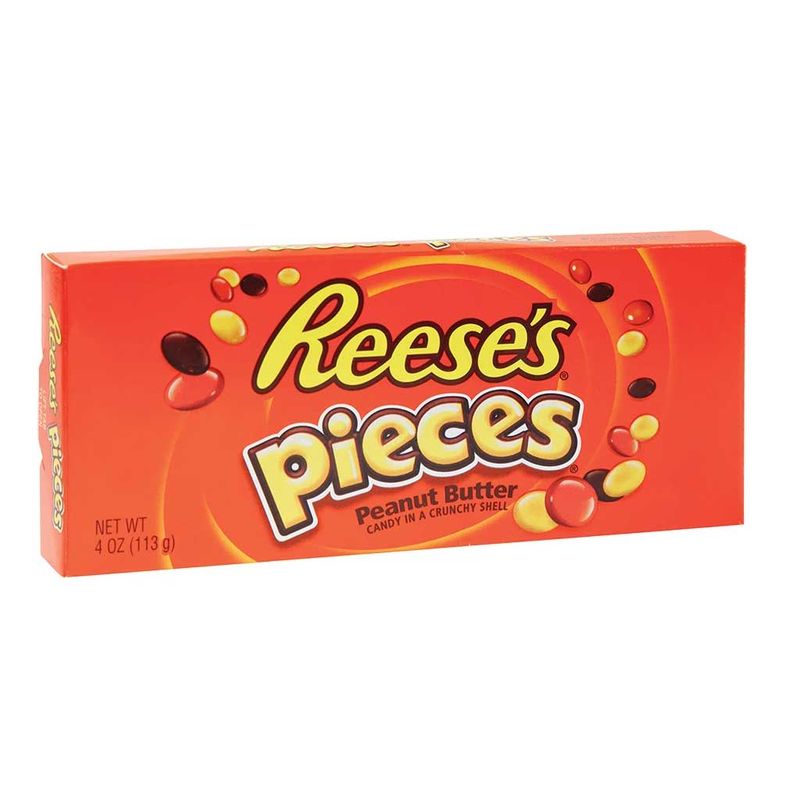
A friendly alien made these candies famous. Reese’s Pieces debuted in 1978, but sales exploded in 1982 when E.T. followed a trail of them in the hit movie.
Mars reportedly turned down the chance to use M&M’s in the film. Oops!
Within weeks, sales jumped by about 65 percent. Mix them into trail mix with pretzels and raisins for a sweet and salty movie night snack.
18. Lean Cuisine (1981)
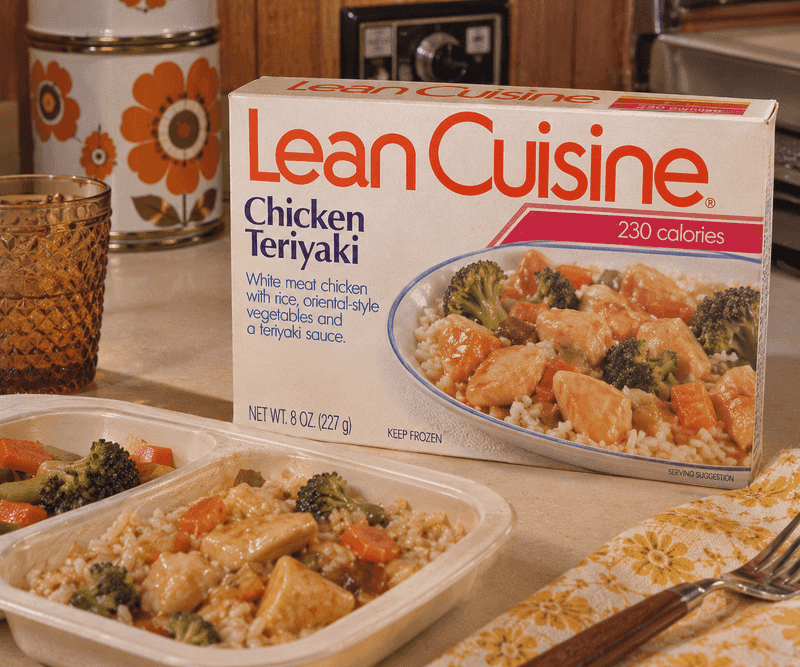
Shoulder pads, aerobics, and microwave dinners defined the early 1980s. Stouffer’s tapped into the health craze with Lean Cuisine in 1981, offering meals under 300 calories.
Microwaves were becoming common in homes, so the timing was perfect.
Busy workers loved grabbing one for lunch. For a fresher touch, top yours with a squeeze of lemon or some chopped herbs right after heating.
Small upgrades make a big difference.
19. Fruit by the Foot (1991)
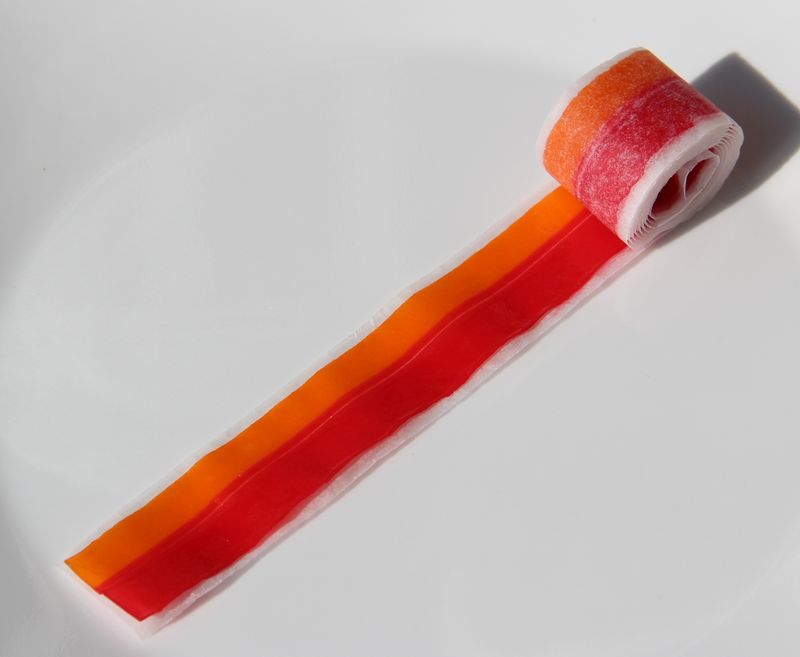
Measuring your snack was half the fun in 1991. Fruit by the Foot unrolled a full three feet of chewy fruit candy, and lunchrooms across the country went wild.
Many kids wrapped it around their fingers or raced friends to finish first.
Fans still debate whether to peel slowly or chomp fast. Some grown ups keep a box hidden in the pantry, just for a sweet taste of nostalgia.
20. Go-Gurt (1999)
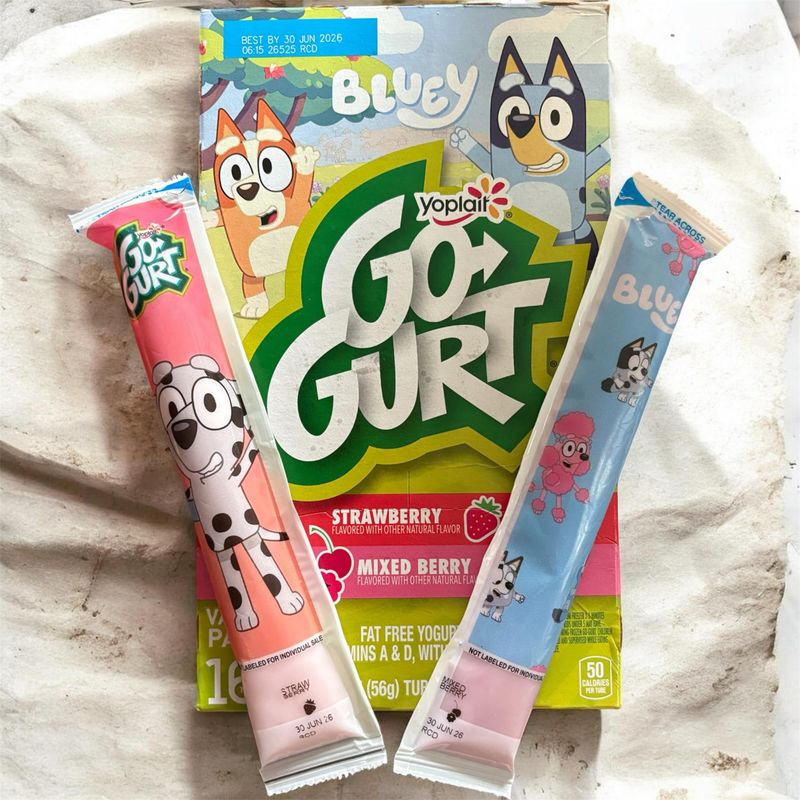
Spoons became optional in 1999. Yoplait launched Go-Gurt, yogurt squeezed straight from a tube, perfect for kids on the move.
Families loved the mess free design. Within a year, it earned around 100 million dollars in sales.
Here is a clever trick parents swear by: freeze the tubes overnight. They work as ice packs in lunchboxes and thaw into a cool, creamy treat by lunchtime.
21. Flamin’ Hot Cheetos (1990)
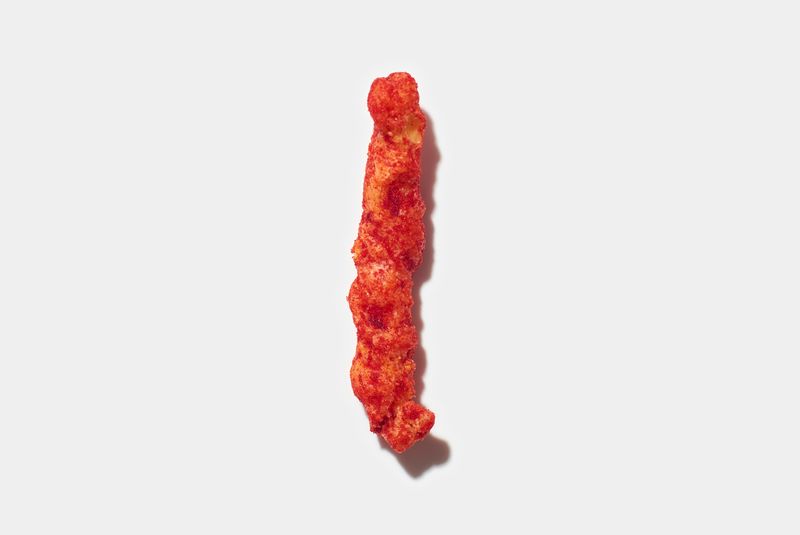
Red fingertips became a badge of honor after 1990. Frito-Lay rolled out Flamin’ Hot Cheetos as a spicy twist on its cheesy classic, and teens could not get enough.
A popular story credits factory janitor Richard Montanez with the idea. Even a movie told his tale in 2023.
Fans now crush them onto mac and cheese, popcorn, and even sushi. Keep a glass of milk nearby, just in case.