
A goodbye on Supernatural did not always mean an actor wanted to leave. Some exits came from story choices, while busy schedules, health concerns, and pandemic rules shaped others.
Even a character’s death could lead to another visit later. The stories behind these departures show why fans should look beyond what happened on screen.
1. Mark Sheppard: Crowley’s Story Lost Its Spark
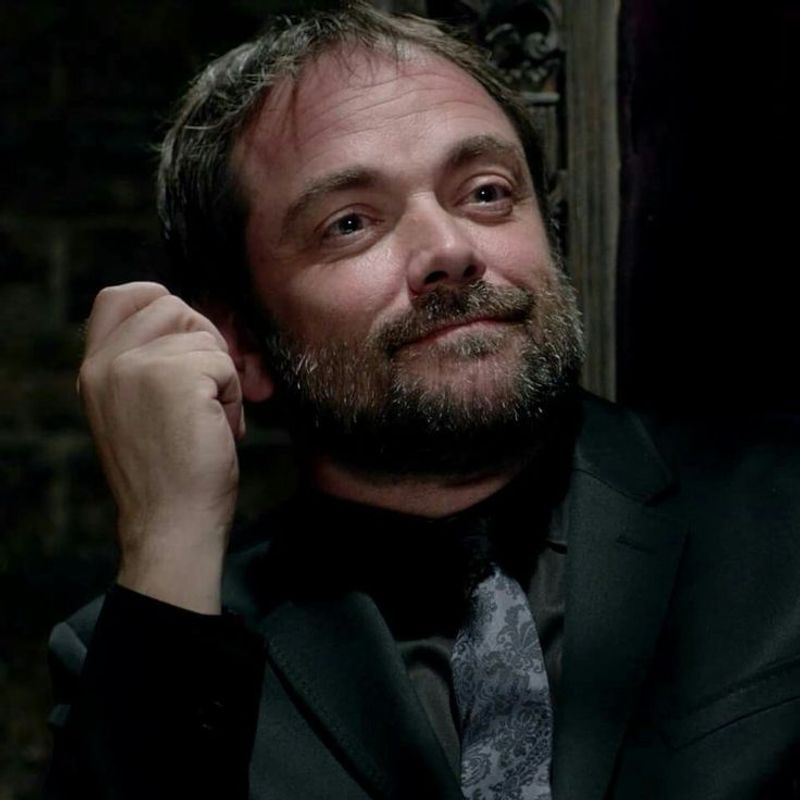
Crowley could win a fight with a cutting remark, which made his later story frustrating for Mark Sheppard. The actor publicly criticized how the writers handled the demon king, saying his once clever character had become much less capable.
He also described feeling pushed out by production. His departure after season twelve was not simply a happy career change.
For fans, his comments explain why Crowley’s final sacrifice carried real disappointment behind the scenes as well.
2. DJ Qualls: Garth Had to Share the Calendar
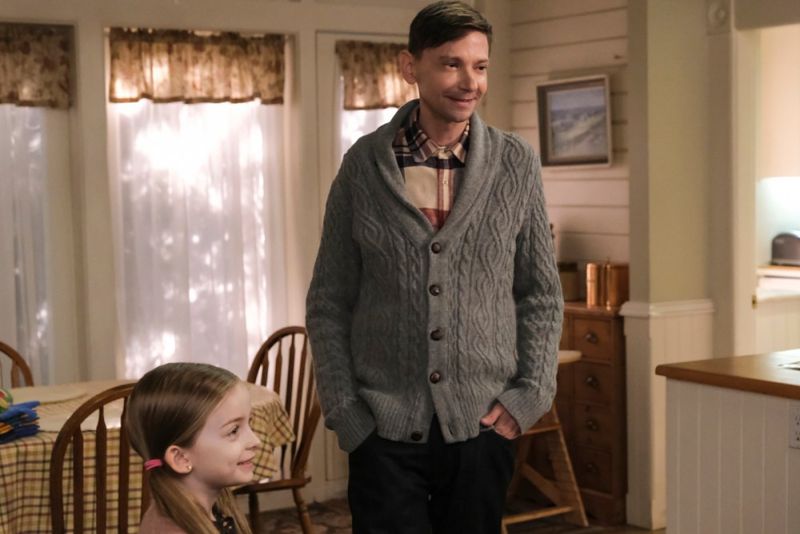
Few hunters brought as much awkward charm as Garth, but DJ Qualls had work beyond the Winchester world. Other television and film commitments made it difficult to fit in appearances during parts of the show’s run.
That was a scheduling problem, not a clean break with the series. He returned for later guest spots, including season fifteen.
Garth’s uneven screen time shows how recurring roles often depend on an actor’s availability rather than a permanent goodbye.
3. Genevieve Padalecki: Life Changed After Ruby
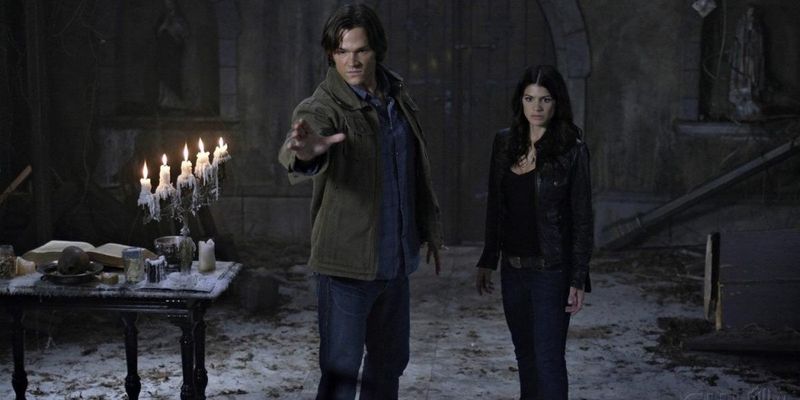
Ruby’s secrets gave Sam a painful lesson in trust, and her death ended Genevieve Padalecki’s main storyline in season four. That story decision came before her later focus on marriage and raising a family with Jared Padalecki.
Family life helps explain her quieter acting schedule afterward, but it should not replace the reason Ruby disappeared. She also returned for special appearances.
Separating the character’s ending from the actor’s personal choices gives a clearer picture of events.
4. Alona Tal: Jo Never Got That Final Return
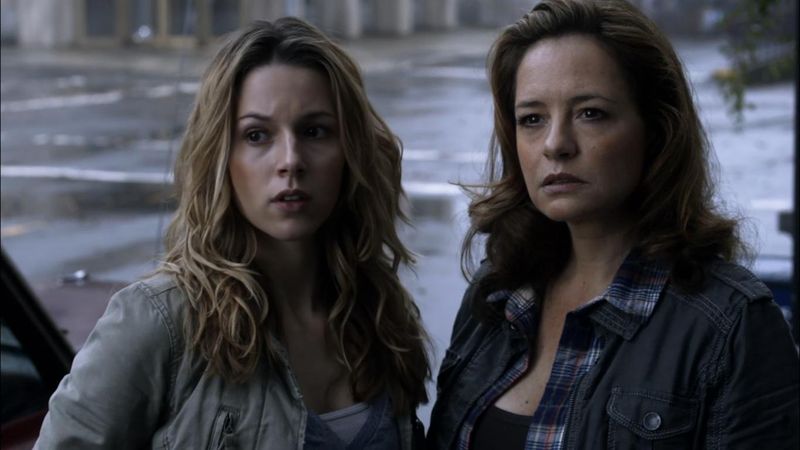
Jo Harvelle wanted to prove she belonged beside experienced hunters, and Alona Tal gave that struggle plenty of heart. Her main exit came when the writers killed Jo during season five, not through a clearly established decision to quit.
Tal later expressed frustration about how the character was understood and hoped to return for the final season. That appearance never happened.
Her experience is a reminder that wanting another chapter does not guarantee writers will deliver.
5. Julian Richings: Death’s Exit Was a Story Choice
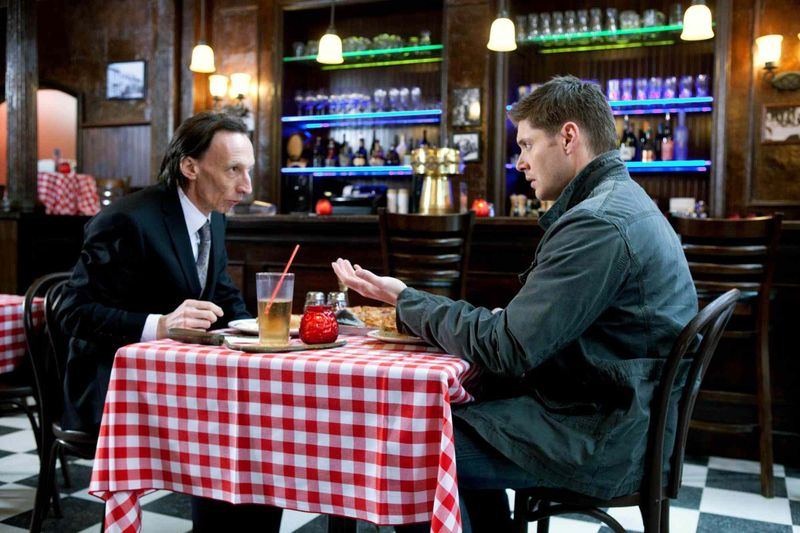
A quiet voice and a plate of food made Death strangely unforgettable. Julian Richings left the original role when Dean killed the character in season ten, creating room for a different version of Death later.
Richings also worked on Orphan Black around that period. However, overlapping projects alone do not prove he left Supernatural to take that job.
The clearest explanation is the storyline itself, rather than a confirmed personal decision to trade one series for another.
6. Kurt Fuller: Comedy Offered a Welcome Change
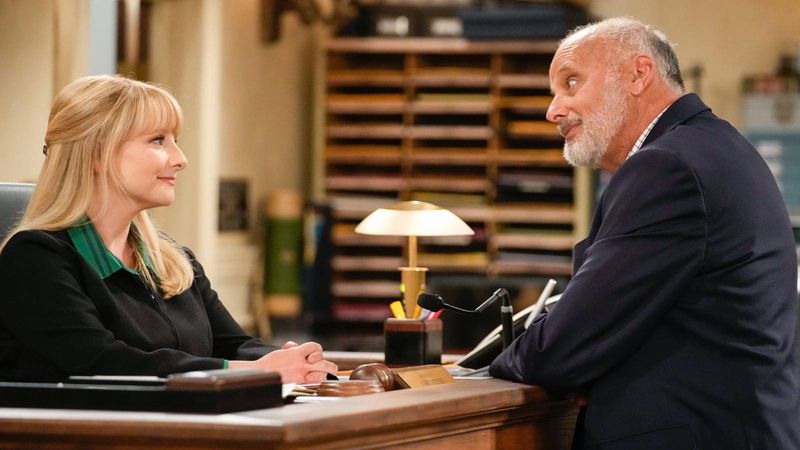
Playing an angel did not make Kurt Fuller the good guy. Zachariah bullied and threatened his way through the story until Dean killed him, ending Fuller’s main run as the character.
After that, the comedy Better With You offered a lighter change, which Fuller described as a welcome relief. Enjoying a nicer role does not mean he demanded Zachariah’s death.
His career shift makes more sense as a fresh opportunity after a villain’s storyline had ended.
7. Rick Worthy: A Memorable Guest Role Stayed Limited
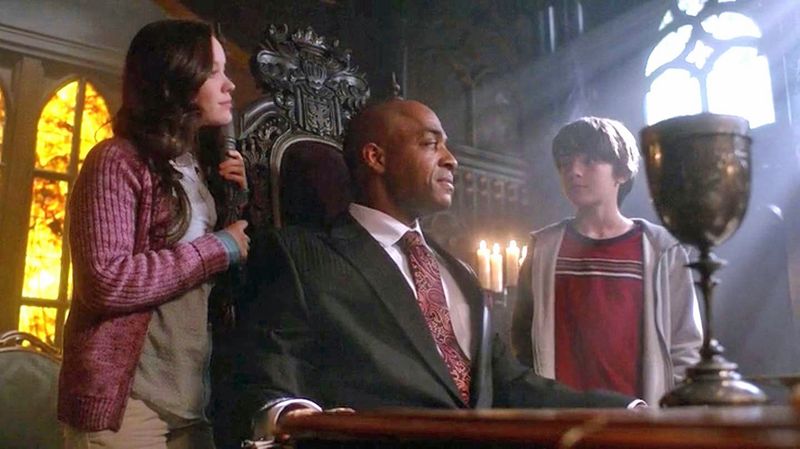
The Alpha Vampire could make a room feel dangerous without raising his voice. Rick Worthy brought that presence to a recurring part, but the role never became a steady place in the main cast.
He has discussed auditioning for Crowley, a larger opportunity that went to Mark Sheppard. Missing that role helps explain his different path through the series, not why he personally quit.
His eventual exit followed the Alpha Vampire’s death during season twelve’s storyline.
8. Jeffrey Dean Morgan: Other Sets Kept Calling
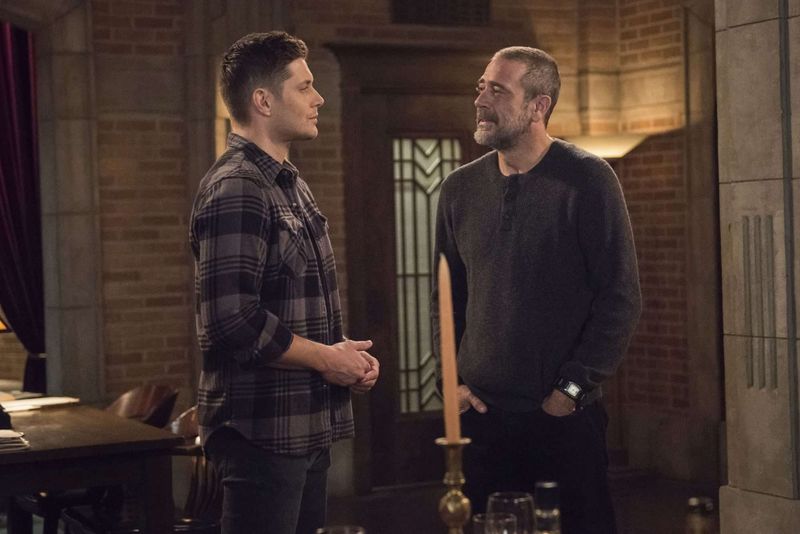
John Winchester’s shadow stayed over the show long after his early death. Bringing Jeffrey Dean Morgan back, however, meant finding space in a career packed with other television and film work.
His return for the three hundredth episode gave the family a rare reunion. Later, pandemic restrictions complicated hopes for another appearance near the ending.
His limited visits were not evidence that he rejected the series; timing and production limits made those reunions hard to arrange.
9. Katie Cassidy: Ruby’s Recasting Had Different Explanations
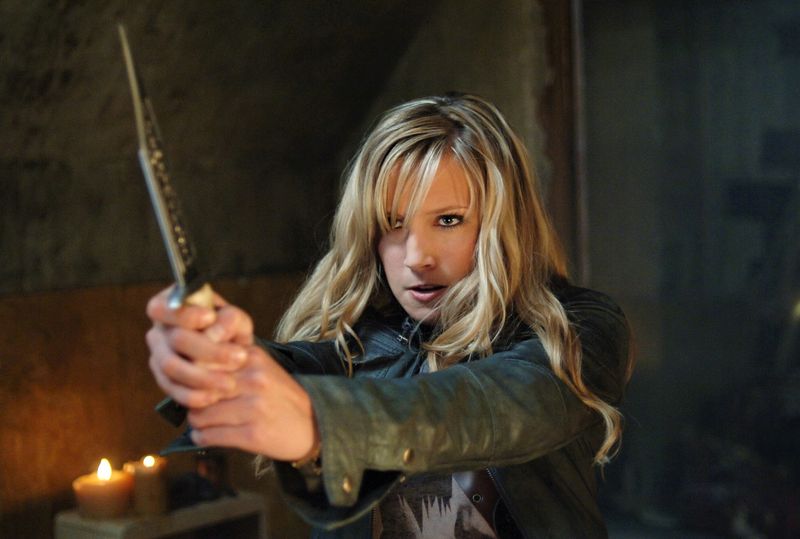
Ruby returned with a different face, leaving viewers wondering what happened to Katie Cassidy. Series creator Eric Kripke pointed to budget limits when explaining why the production could not keep her.
Cassidy offered another angle: her character’s future was unclear, she had an option to leave, and she chose to pursue Harper’s Island. Both accounts belong in the story.
Reducing the change to a firing or a feud would leave out the explanations they publicly shared.
10. Rachel Miner: Meg’s Goodbye Had a Health Context
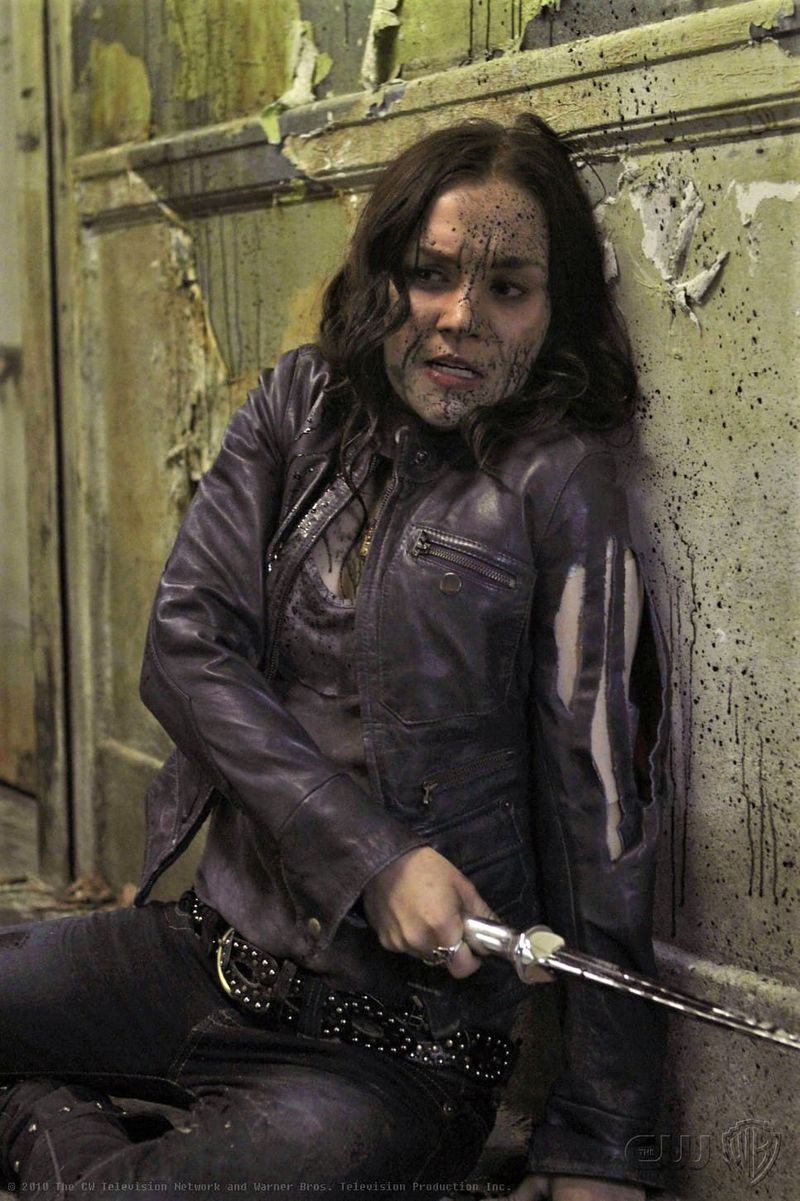
Meg’s sharp humor hid a surprising amount of loyalty by the end. Rachel Miner was also dealing with multiple sclerosis, a condition that affected her ability to keep working in physically demanding ways.
The writers already had plans for Meg’s death, while Miner has suggested her health may have influenced the decision. That distinction matters: illness was part of her experience, but it should not be presented as the single confirmed reason the character was killed.
11. Richard Speight Jr.: Gabriel Left, but the Director Stayed
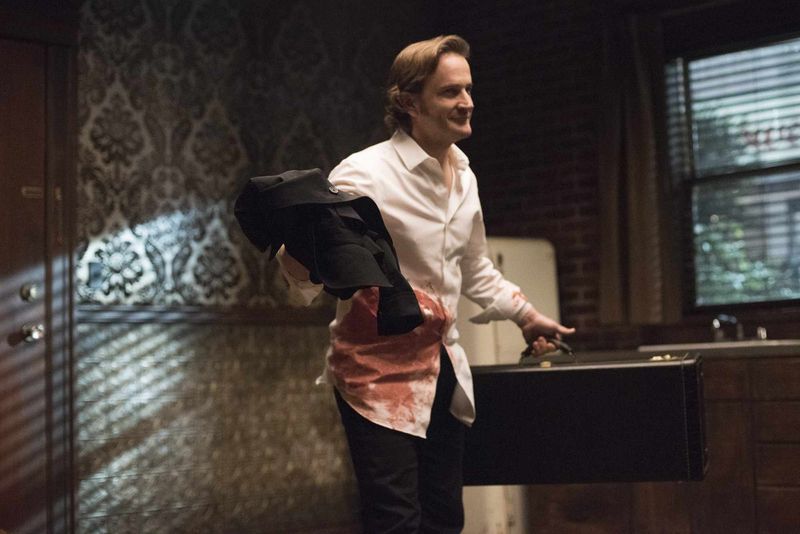
A trickster never makes departure simple. Richard Speight Jr. played Gabriel through apparent deaths and returns, so his changing screen time was already part of the character’s unusual journey.
Off camera, he built another role within the same production by directing episodes, including work in the final season. Calling this a full departure misses half the story.
Even when Gabriel was absent, Speight could still help shape the performances and scenes that viewers saw each week.
12. Carrie Anne Fleming: A Guest Appearance During Personal Strain
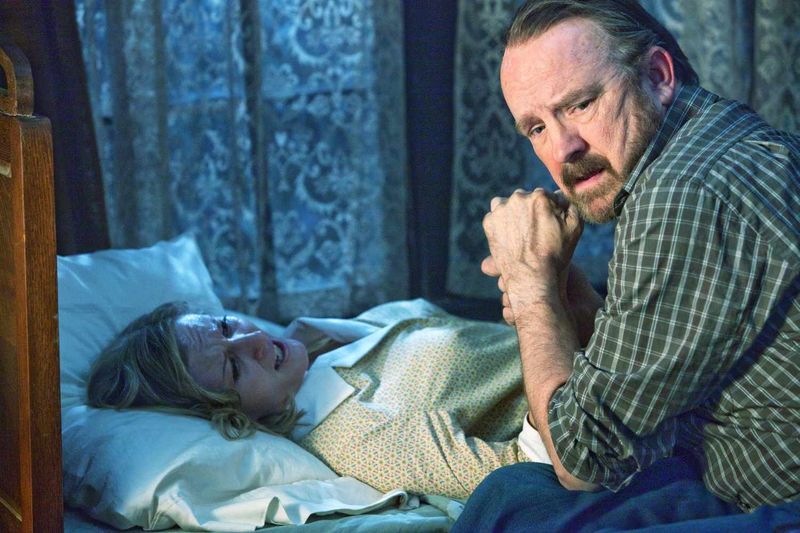
Karen Singer’s return brought Bobby’s grief into focus, but Carrie Anne Fleming was facing private struggles during her first appearance. She described postpartum depression and the strain of preparing to leave her marriage.
Those experiences made working difficult. Still, they should not be treated as proof that she quit Supernatural because of them.
Karen was a guest character with limited appearances. The careful takeaway is about the challenges Fleming faced, not a confirmed explanation for leaving.
13. Samantha Smith: Mary’s Ending and the Finale Were Separate
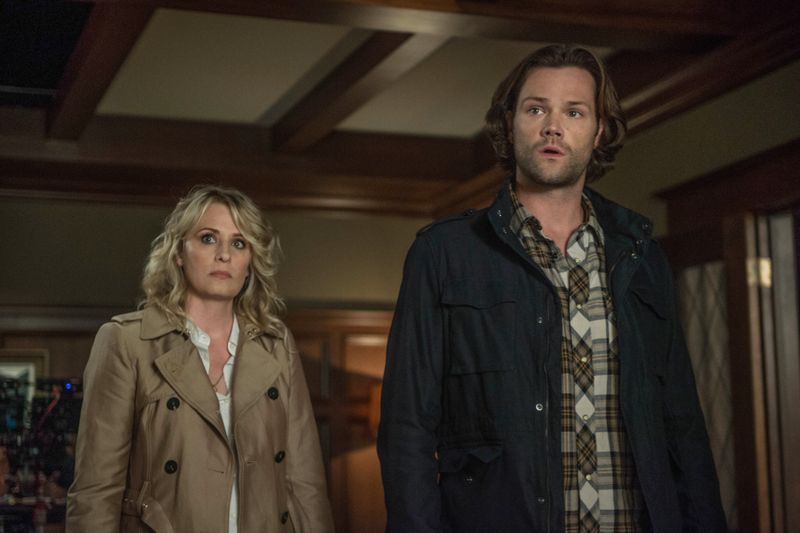
Mary Winchester’s return gave the brothers something they had wanted since childhood. Samantha Smith’s later exit followed Mary’s death in season fourteen, a major story choice rather than a reported decision to walk away.
A possible appearance near the series ending was a separate matter. Pandemic restrictions narrowed plans for a larger reunion of familiar faces.
Keeping those events apart explains why Mary’s story ended earlier and why viewers did not get every hoped for farewell.
14. Felicia Day: Charlie’s Missing Farewell Was Not a Rejection
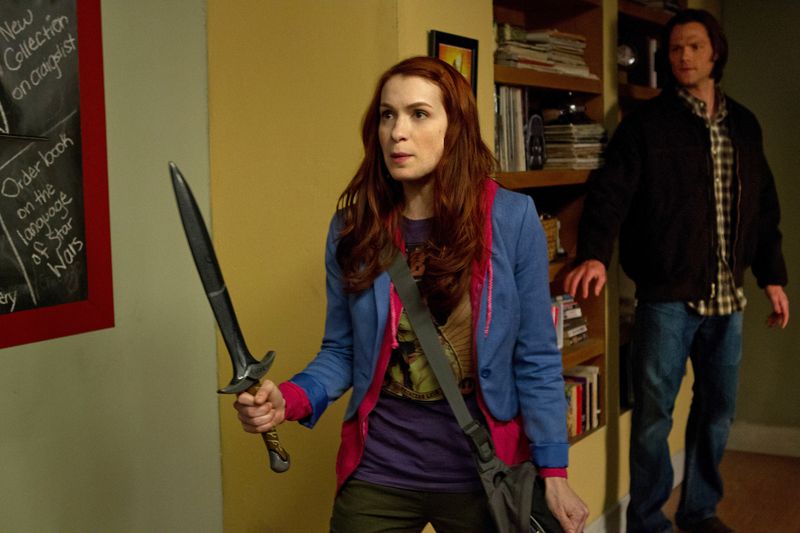
Charlie made geeky enthusiasm feel right at home among monsters and hunters. The original character died in season ten, though Felicia Day later returned as a Charlie from another world.
Plans for the finale also included a larger gathering in heaven, but pandemic travel and filming limits forced changes. That missing celebration was not proof Day wanted out.
Her history with the show includes a character death, another role, and a farewell plan that could not happen.
15. Jared Padalecki and Jensen Ackles: Ending the Road Together
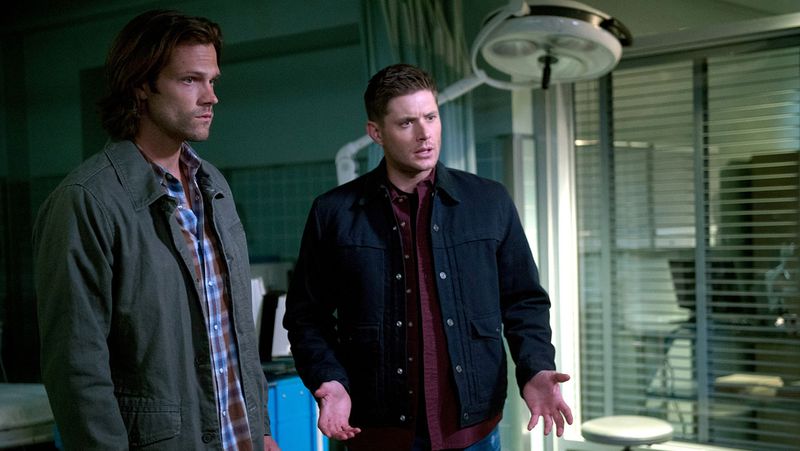
After fifteen seasons, the brothers’ biggest goodbye came from a shared decision about the show’s future. Jared Padalecki and Jensen Ackles discussed ending Supernatural with the people who helped make it, rather than simply abandoning their roles.
The aim was to finish while the series still felt strong. That does not mean every creative choice pleased everyone, but it separates the ending from rumors of a sudden split.
Their departure closed the series, not just individual storylines.