
Sunday nights once meant gathering around the television to see who Ed Sullivan would introduce next. His variety show brought rock stars, comedians, singers, and even a tiny puppet mouse into American homes.
Some guests became overnight sensations, while others surprised viewers or challenged the rules. Their performances still help tell the story of how entertainment changed.
1. Elvis Presley: The Moves That Shook Television
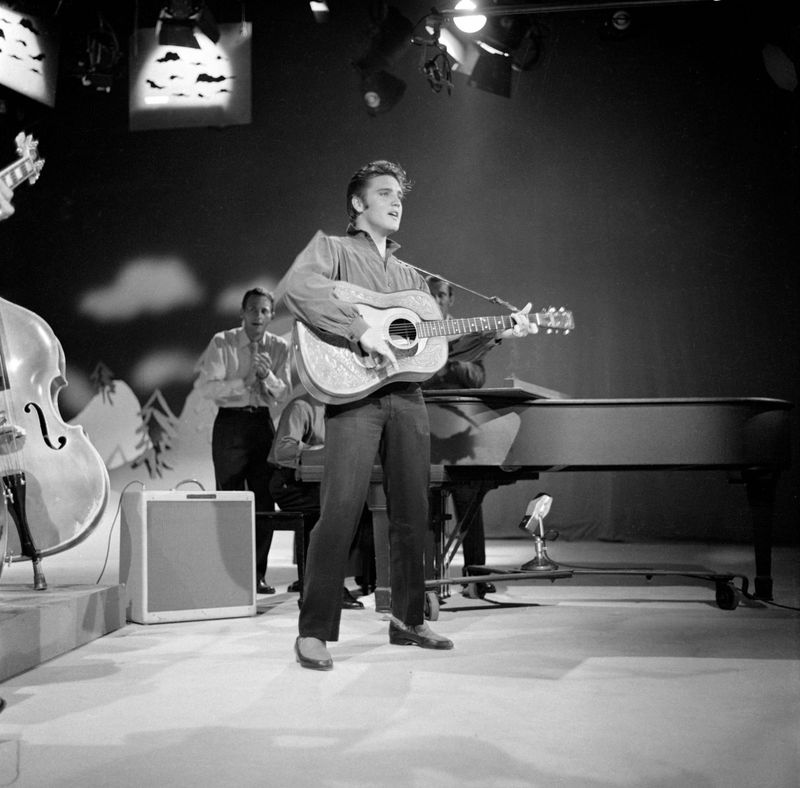
A shaking leg could cause quite a stir in 1956, especially when millions of families were watching. Elvis made his Sullivan debut on September 9, drawing an enormous audience while actor Charles Laughton filled in as host.
By his January 1957 appearance, cameras famously showed him only from the waist up. Watch those clips together to see how his easy charm and lively music challenged television’s cautious rules without losing their spark or youthful appeal.
2. The Beatles: A Sunday Night Turning Point
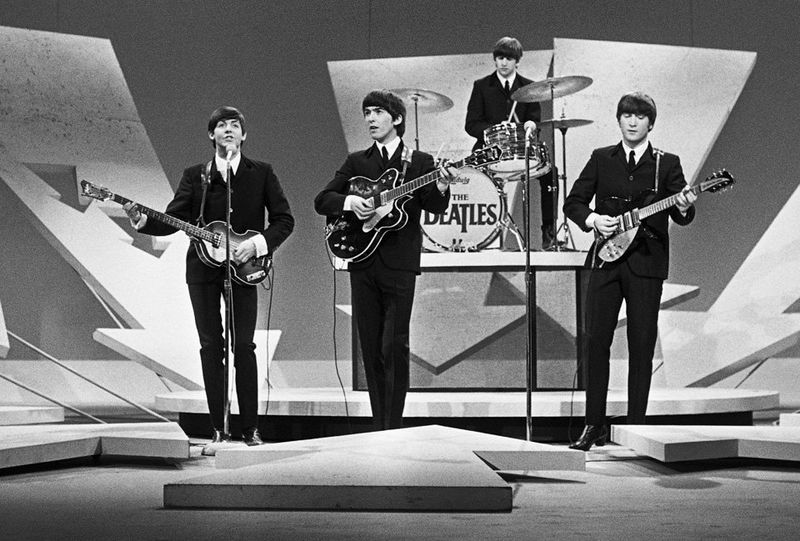
Screams nearly became part of the soundtrack when four young musicians from Liverpool stepped onto Sullivan’s stage. Their February 9, 1964, debut attracted about 73 million viewers and helped turn American interest into full Beatlemania.
Songs including All My Loving introduced their bright harmonies, matching suits, and playful confidence. Look beyond the screaming fans, and you can spot a tightly rehearsed band making a huge television moment feel wonderfully fresh, friendly, and almost surprisingly effortless.
3. The Rolling Stones: Trouble Behind a Lyric Change
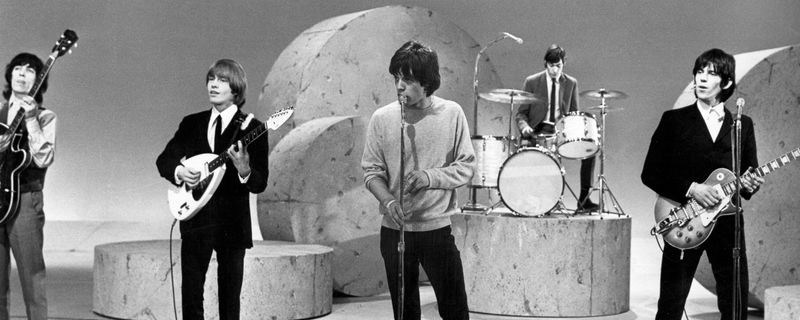
One small word change became a lasting piece of rock television history. Before their January 15, 1967, performance, the Stones were asked to replace the suggestive title line of Let’s Spend the Night Together with Let’s Spend Some Time Together.
Mick Jagger complied, but his exaggerated delivery and eye movement made the compromise memorable. Across six appearances, the band brought a rougher sound that contrasted sharply with Sullivan’s tidy presentation and polite Sunday evening setting.
4. The Supremes: Motown Meets Sunday Best
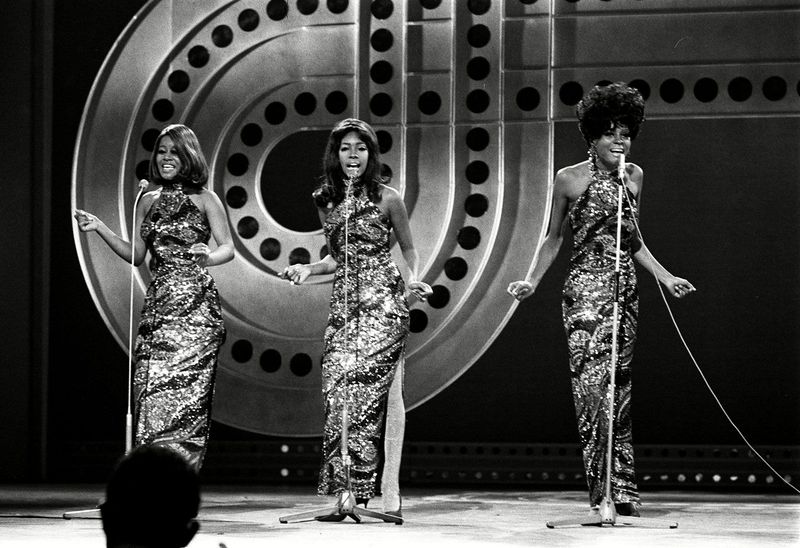
Matching gowns, graceful steps, and bright harmonies made every entrance feel like an occasion. Sullivan warmly welcomed the Supremes, whose repeated visits helped bring Motown’s sound to households across the country during the 1960s.
Diana Ross, Mary Wilson, and Florence Ballard combined polished movement with songs that were easy to love. Their clips offer a simple lesson in stagecraft: small gestures, clear expressions, and teamwork can hold an audience just as strongly as flashy effects.
5. The Jackson 5: Big Talent in a Small Package
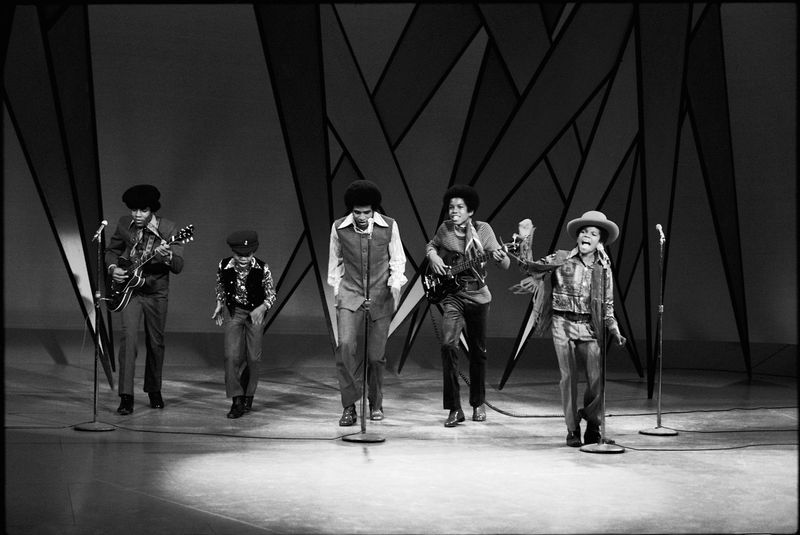
At just eleven, Michael Jackson already knew how to command a room. When the Jackson 5 appeared on December 14, 1969, Sullivan introduced a sensational group, and the brothers quickly proved the praise was earned.
Their set included I Want You Back, pairing sharp rhythms with Michael’s remarkably confident singing. Pay attention to the shared timing rather than only the lead singer: the group’s family teamwork helped make their television arrival such an exciting event.
6. Louis Armstrong: A Smile With a Mighty Sound
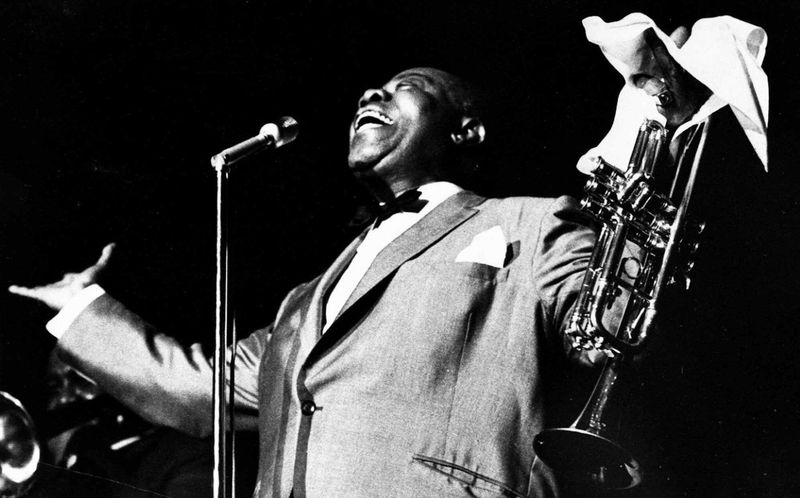
Few performers could make a trumpet phrase and a gravelly voice feel so welcoming. Armstrong brought both to Sullivan’s program, offering viewers a warm introduction to one of jazz’s most important figures through his many appearances.
His connection with the host also extended beyond television, including trips to entertain American troops. Watch how he balances musical skill with an open smile; his appeal came from making remarkable talent feel like a conversation with old friends.
7. The Doors: The Word That Stayed In
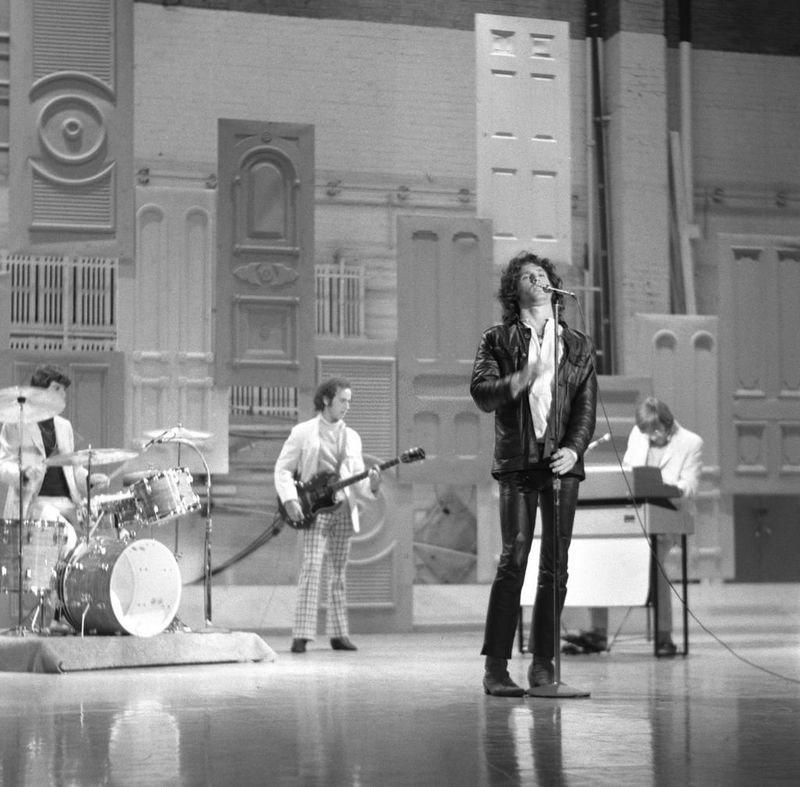
A request backstage set up one of the show’s most famous clashes. Before the Doors performed Light My Fire on September 17, 1967, they were told to avoid the word higher because producers worried about a possible drug reference.
Jim Morrison sang it anyway, and the band never returned to the program. The moment captures a growing gap between rock musicians and television gatekeepers, showing how a single lyric could become a test of control.
8. Stevie Wonder: A Teenage Musical Spark
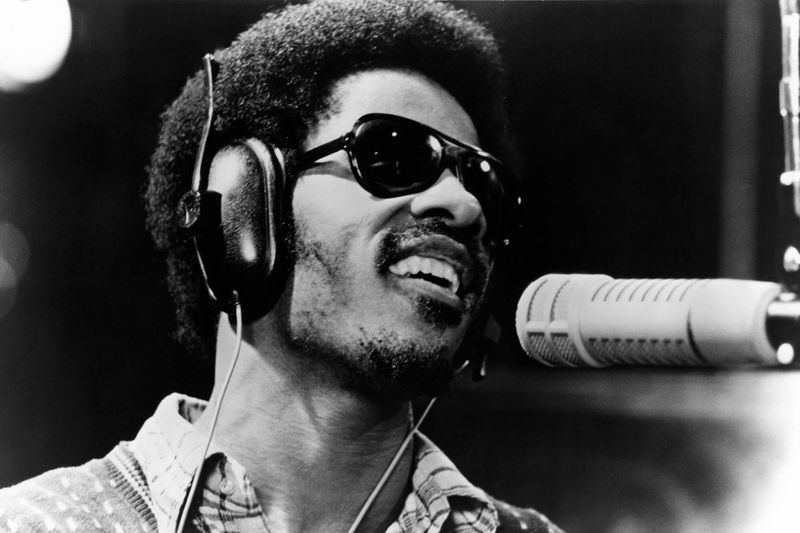
Long before his landmark albums, a teenage harmonica player brought a burst of joy to Sullivan’s stage. Stevie Wonder was thirteen when he first appeared in 1963, performing the hit that made him famous, Fingertips.
His lively rhythm and musical confidence made his age seem almost beside the point. Listen for the playful exchanges between soloist and band, a reminder that great performances often grow from musicians responding closely to one another in the moment.
9. James Brown: Energy That Filled the Screen
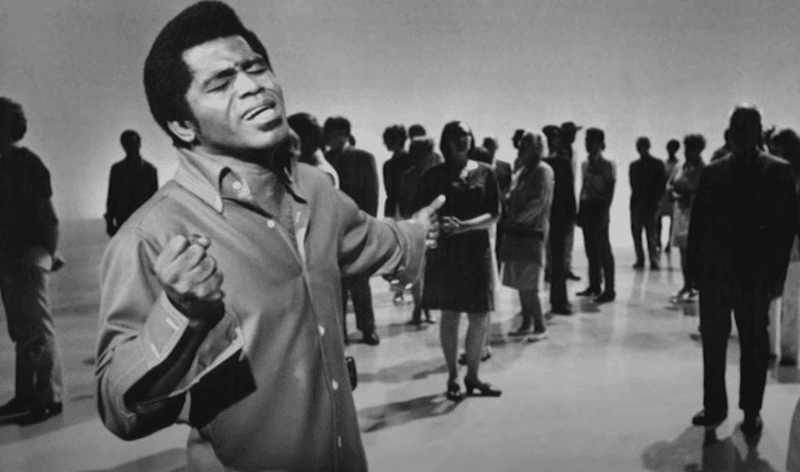
Sitting still was hardly an option when the hardest working man in show business took over. Brown’s Sullivan performances mixed urgent singing, quick footwork, and tight band arrangements into a thrilling display of control and stamina.
His famous cape routine turned exhaustion into theater, with an attendant covering his shoulders before he surged back toward the microphone. Notice how carefully the band follows him: beneath the wild excitement sits a remarkably disciplined group of musicians.
10. Topo Gigio: The Mouse Who Won Hearts
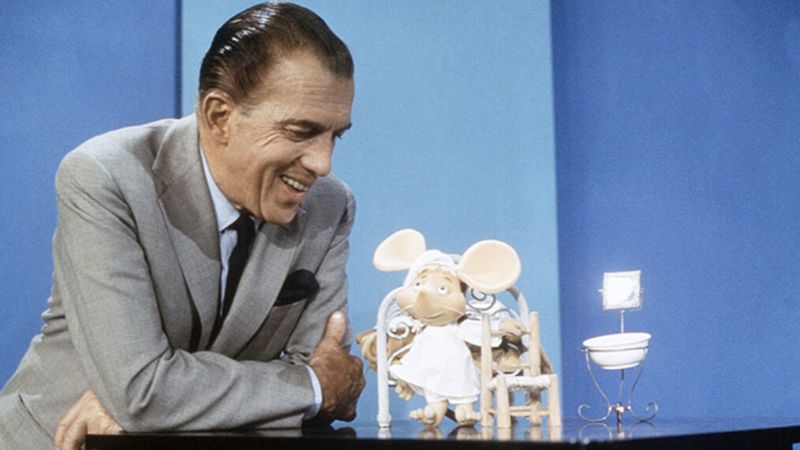
Not every unforgettable guest needed a guitar, a hit record, or even a human face. Topo Gigio, the little Italian mouse puppet, charmed viewers with oversized ears, shy manners, and affectionate exchanges with Sullivan during dozens of appearances.
The carefully hidden puppeteers gave him movements that seemed surprisingly alive. His visits offered a gentle break from louder acts and showed why variety television worked: a tiny character could earn applause alongside the world’s biggest stars.
11. Wayne and Shuster: Comedy Worth Inviting Back
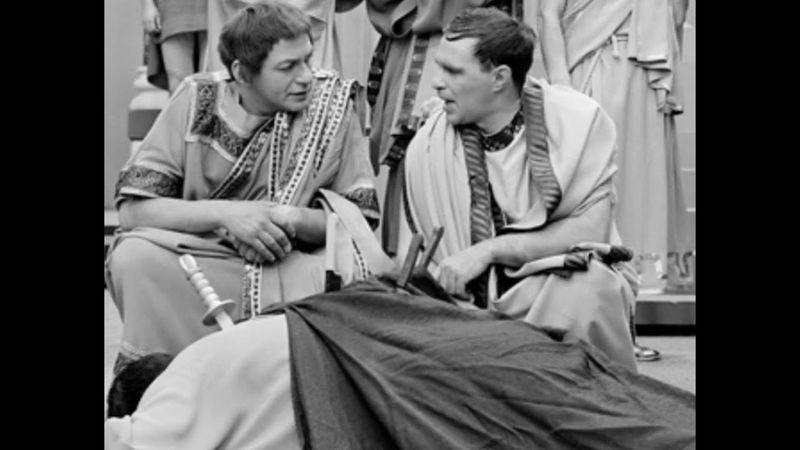
Ancient Rome and detective stories might sound like an odd pairing, but these Canadian comedians made it work. Johnny Wayne and Frank Shuster became Sullivan regulars, returning dozens of times with clever sketches that mixed familiar stories and surprising jokes.
Their celebrated Rinse the Blood Off My Toga spoof blended Shakespeare’s Julius Caesar with crime drama. For a fun viewing challenge, catch how many laughs come from serious delivery rather than silly faces or loud shouting.
12. Joan Rivers: Sharp Jokes in a Polite Setting
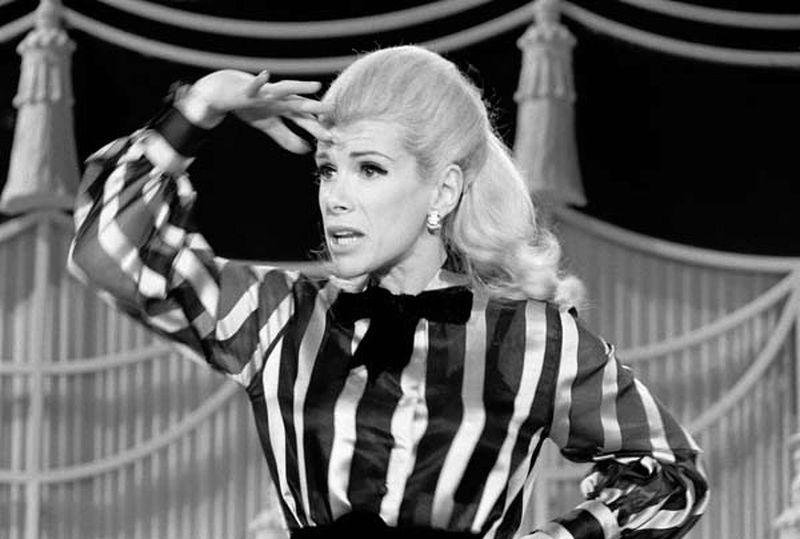
Dating, marriage, and social pressure became comic targets when a quick talking newcomer took the microphone. Sullivan introduced Joan Rivers on May 22, 1966, giving her pointed observations a place before a large family audience.
Her humor challenged the idea that women should simply smile and accept unfair expectations. Early clips reveal a performer building laughs through pace and honesty, using familiar worries to make viewers recognize the strange rules hiding inside everyday social life.
13. Barbra Streisand: A Voice That Told Stories
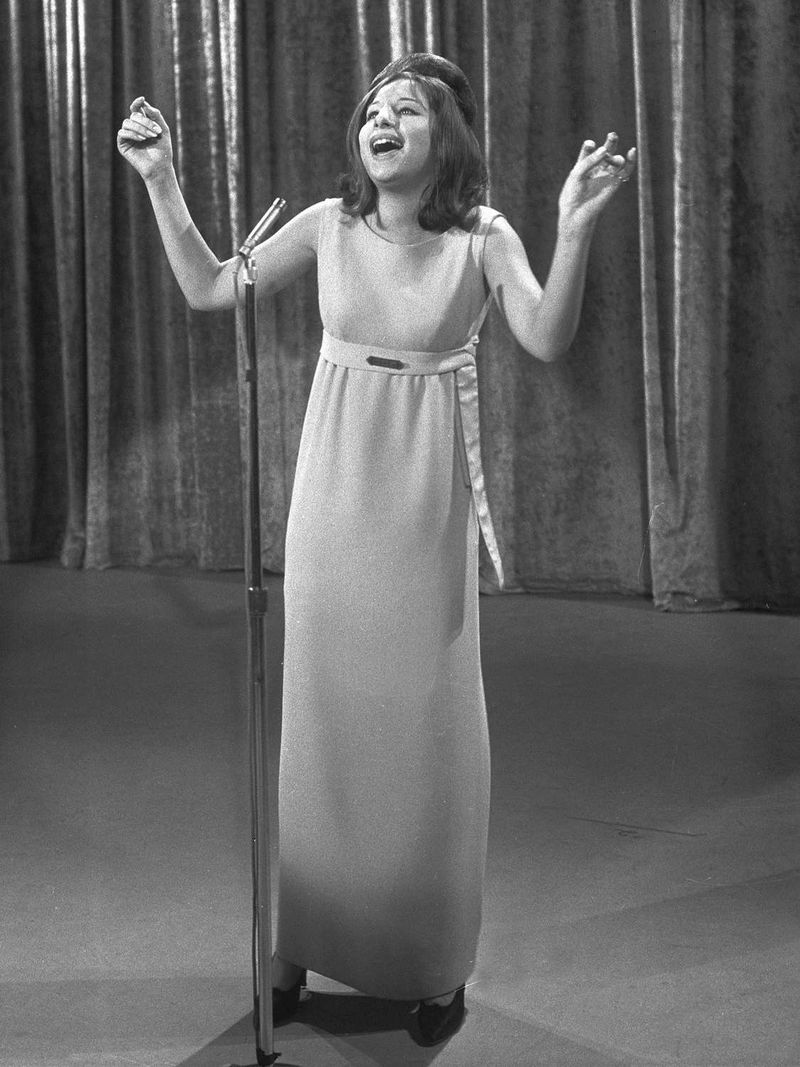
Sometimes a singer can hold attention without taking more than a few steps. Early Sullivan appearances gave audiences a chance to hear Streisand’s striking voice and watch the careful expressions that made each lyric feel personal.
Before she became a major film star, television helped introduce her unusual blend of vocal power and acting skill. Choose a quiet moment in a performance and notice how a pause or softened phrase can carry the whole story.
14. Buddy Holly: Rock Without the Fancy Packaging
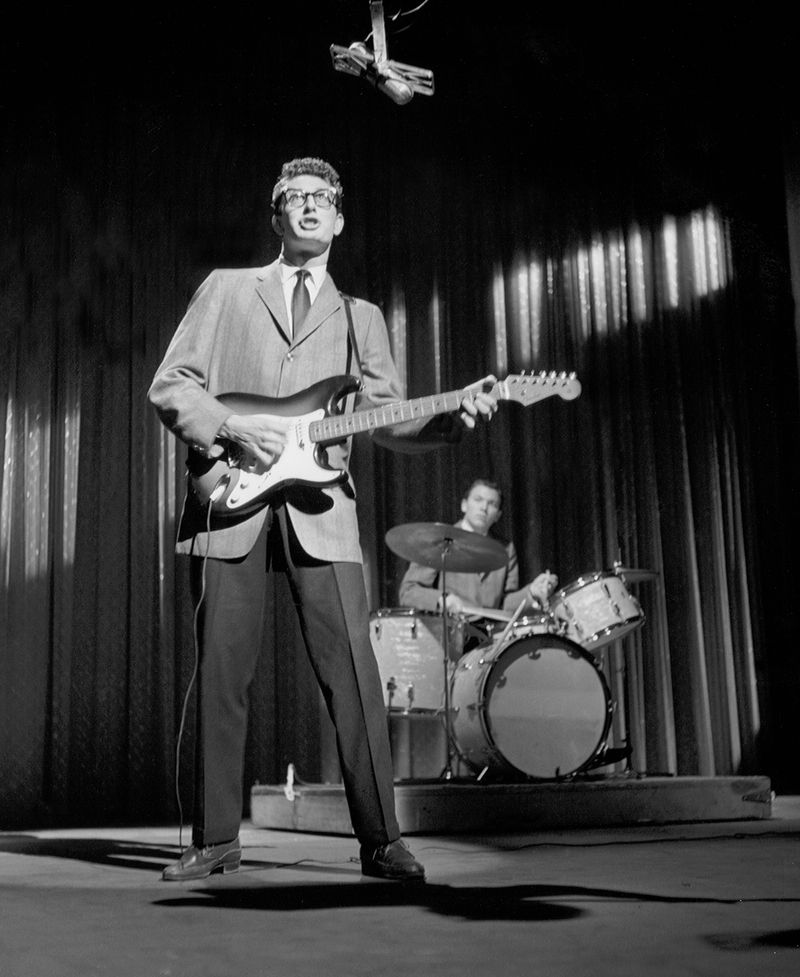
Thick glasses and an ordinary looking suit hardly suggested a musical rebel, yet the sound told another story. Holly and the Crickets appeared in 1957, bringing their lean guitar style and catchy songs to a national audience.
Performances of That’ll Be the Day and Peggy Sue captured rock and roll while it was still young. His clear vocals and direct approach show that a distinctive musical identity does not require an elaborate costume or spectacle.
15. Jefferson Airplane: A Psychedelic Wake-Up Call
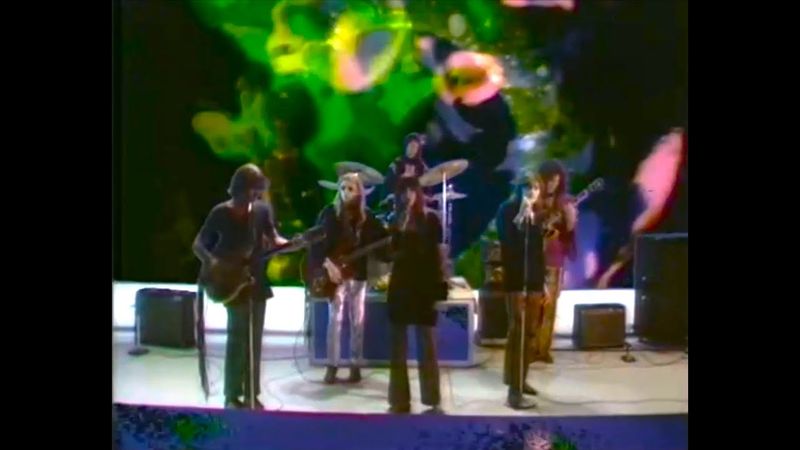
Sunday evening television met the restless spirit of San Francisco when this psychedelic band arrived. Their 1968 performance of Crown of Creation brought forceful music and challenging ideas into a setting better known for family entertainment.
Grace Slick’s commanding presence helped make the contrast especially striking, and the appearance drew complaints from some viewers. Seen today, the clip reveals a country arguing about change, with one television stage briefly bringing very different generations face to face.