
Food trends come and go, and what was once a dinner table staple can quietly fade into history. Baby Boomers grew up with dishes that were considered comforting, impressive, and totally normal back in the day.
Many of these meals would leave younger generations scratching their heads today. Get ready for a trip back in time through some truly iconic, and occasionally bizarre, classics from the Boomer kitchen.
1. Jell-O Salad
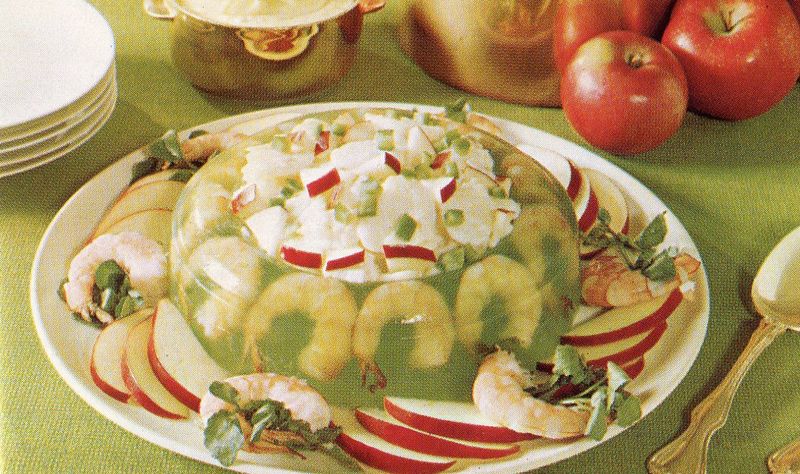
Nothing says mid-century American cooking quite like a wobbly, fruit-filled Jell-O mold sitting proudly at the center of the table. Boomers brought these jiggly creations to every potluck, holiday dinner, and church gathering imaginable.
Some versions included vegetables, cream cheese, or even canned tuna suspended inside the gelatin. Younger generations today would likely stare in confusion.
It was part science experiment, part side dish, and completely unforgettable.
2. Liver and Onions
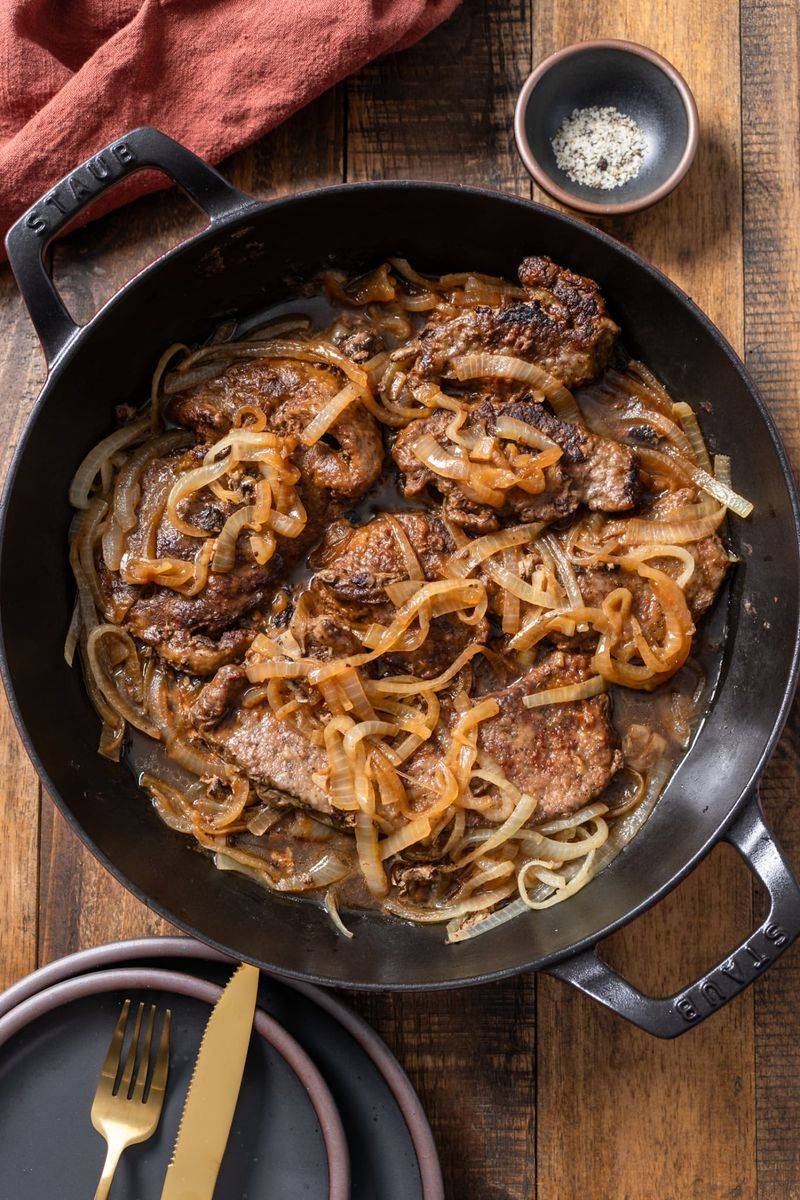
Back when wasting food was simply not an option, organ meats like liver were a weekly dinner staple in many Boomer households. Fried up with sweet caramelized onions, it was considered hearty, affordable, and nutritious.
Today, most younger people wrinkle their noses at the very mention of it. The strong, metallic flavor is an acquired taste that few Gen Z or Millennial cooks are rushing to acquire.
Still, it shaped a generation’s palate.
3. Deviled Eggs
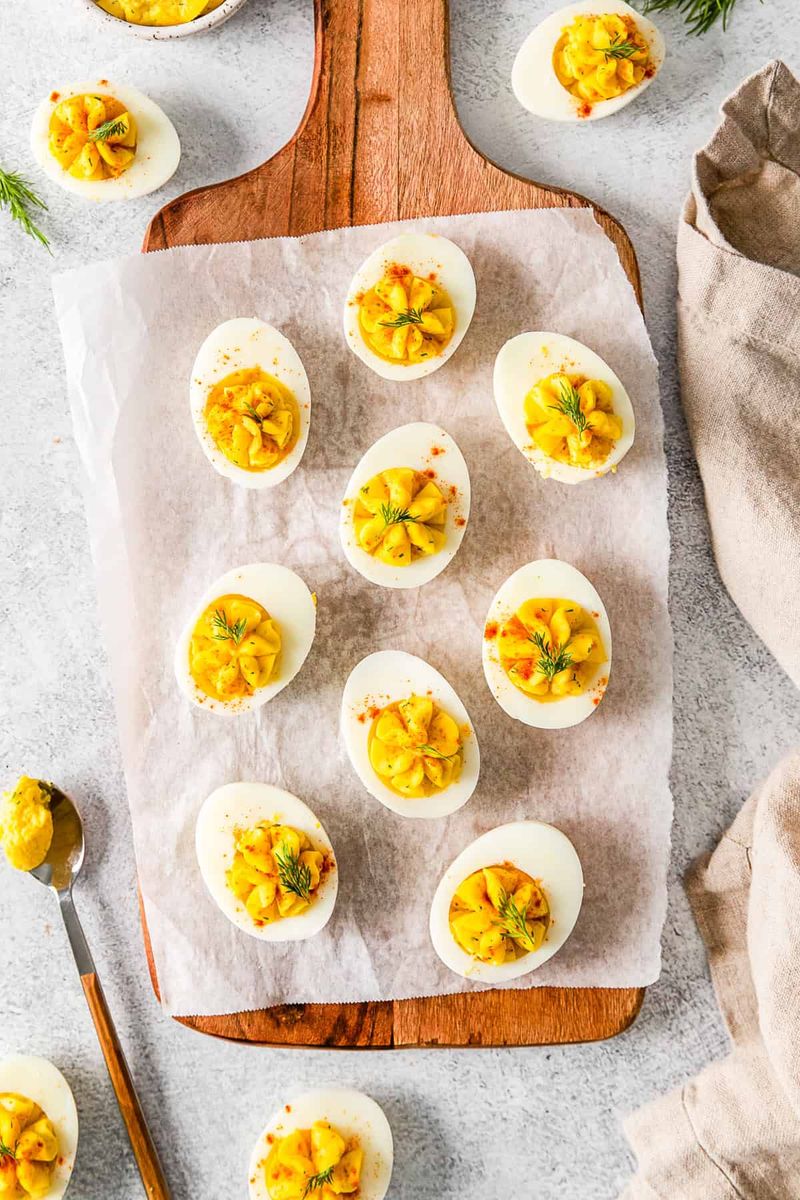
Deviled eggs were the crown jewel of every Boomer party spread. Halved hard-boiled eggs filled with a creamy, tangy yolk mixture and dusted with paprika were guaranteed to disappear fast at any family reunion or holiday table.
Surprisingly, deviled eggs have made a small comeback in recent years. But for Boomers, they were never just trendy – they were essential.
The recipe was often passed down with great seriousness through generations of home cooks.
4. Creamed Chipped Beef on Toast
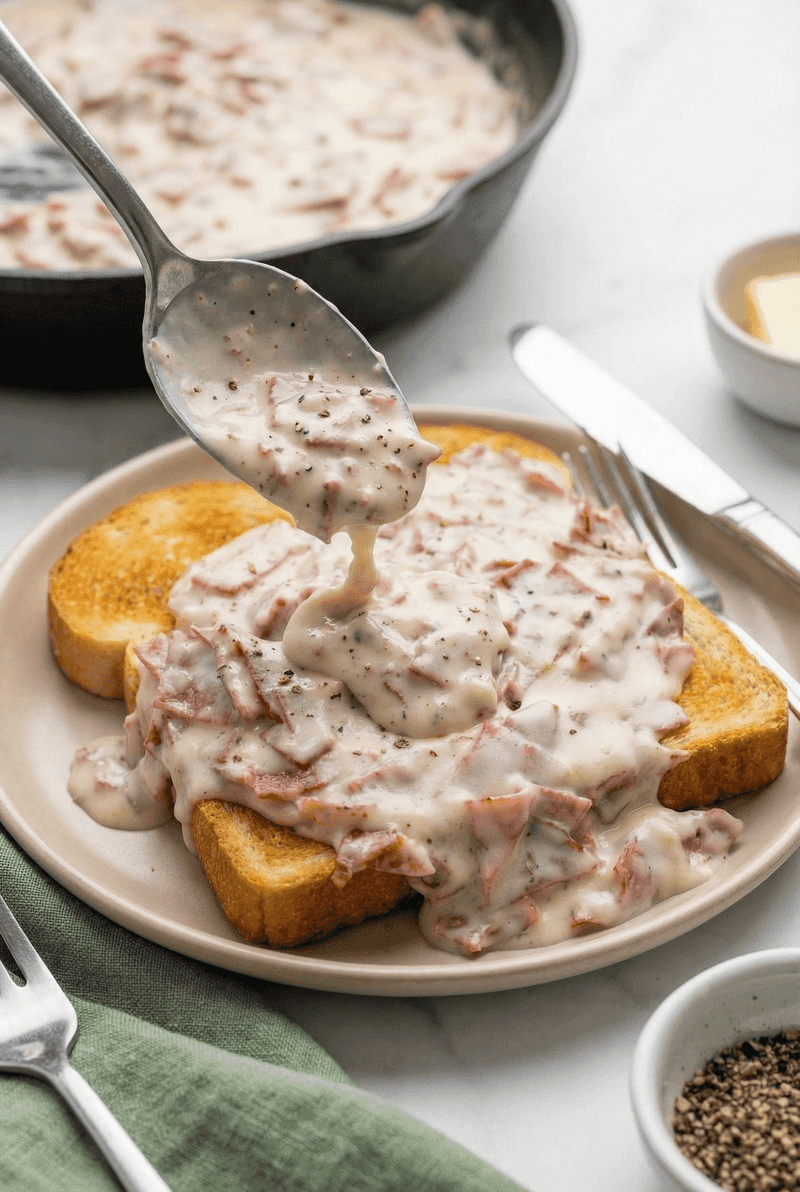
Affectionately nicknamed something unprintable by soldiers who ate it in the military, creamed chipped beef on toast was a Boomer breakfast icon. Thin slices of dried, salty beef were folded into a thick white gravy and ladled over plain white toast.
It was filling, cheap, and surprisingly satisfying on a cold morning. Younger cooks today rarely stumble across this dish unless a grandparent is doing the cooking.
It belongs firmly to a different era of American eating.
5. Ambrosia Salad
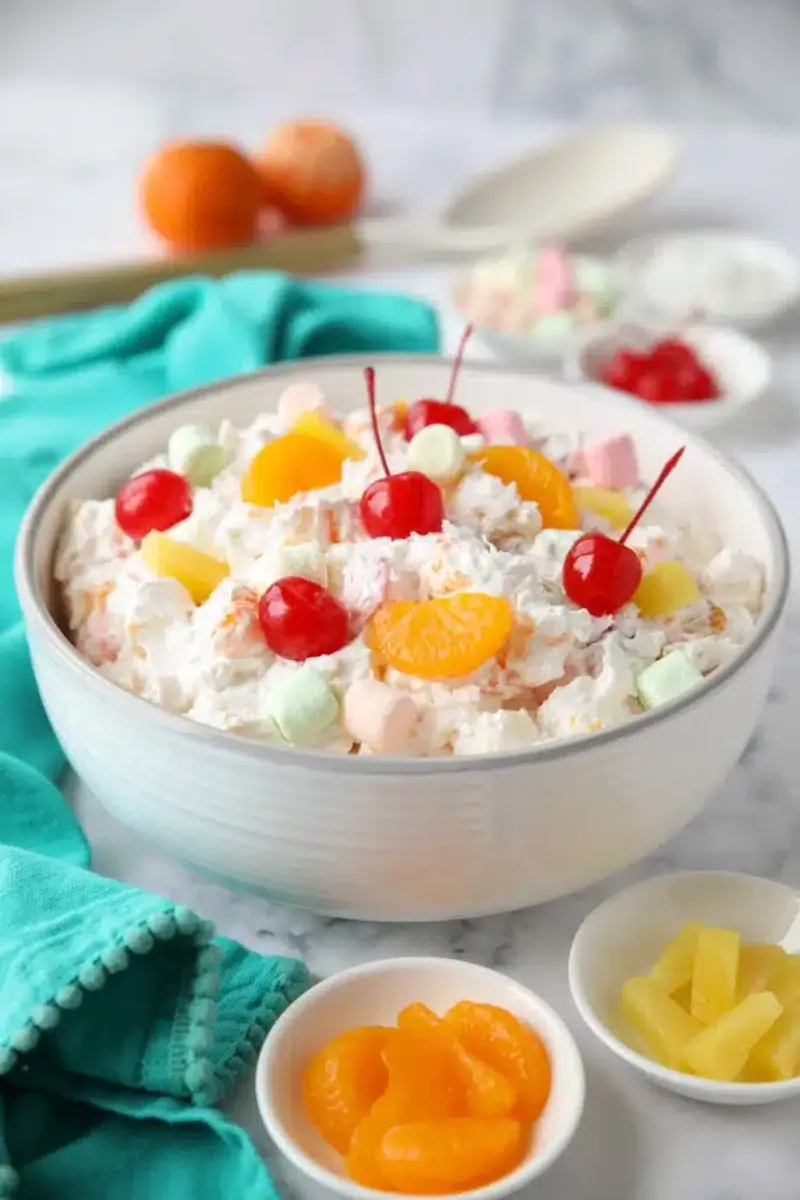
Sweet, fluffy, and loaded with canned fruit, ambrosia salad was considered fancy enough for holiday tables across America during the Boomer era. The mix of mandarin oranges, coconut, marshmallows, and whipped topping made it feel almost dessert-like.
Many families argued fiercely over the correct recipe. Some added maraschino cherries, others stirred in sour cream.
Younger generations familiar with fresh, farm-to-table eating might find this sugar-heavy dish a little overwhelming, but it holds serious nostalgic power for those who grew up with it.
6. Spam Casserole
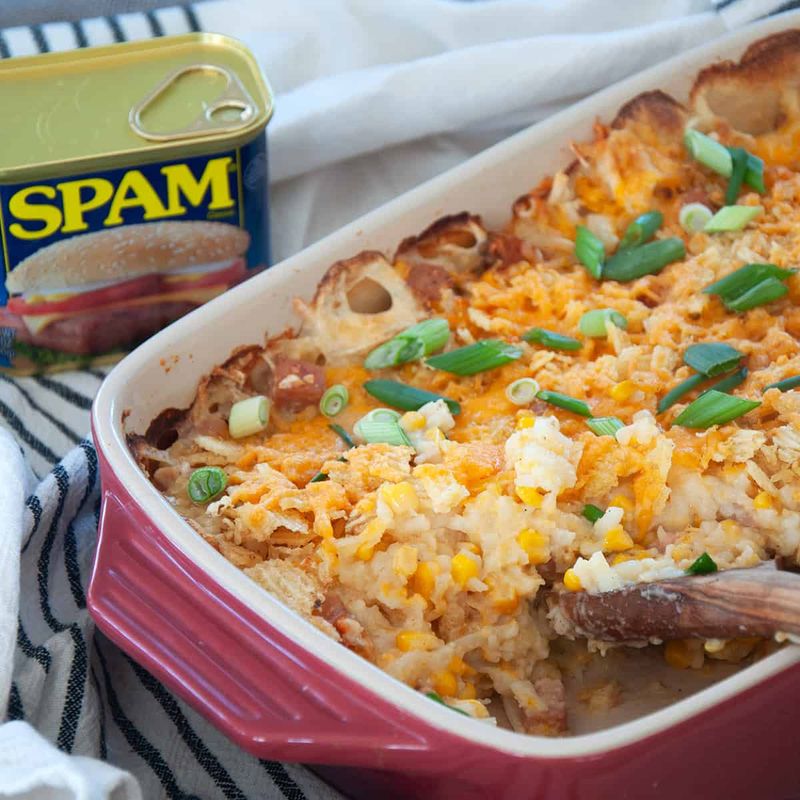
Spam – the canned, pre-cooked pork product – was a pantry hero in Boomer kitchens, especially in the years following World War II when fresh meat was harder to come by. Sliced, fried, or baked into casseroles, it showed up in countless weekly dinner rotations.
A classic Spam casserole might combine the meat with egg noodles, cream of mushroom soup, and cheese. It sounds unusual now, but millions of families ate it happily.
Spam still sells today, though its glory days were firmly in the Boomer era.
7. Tomato Aspic
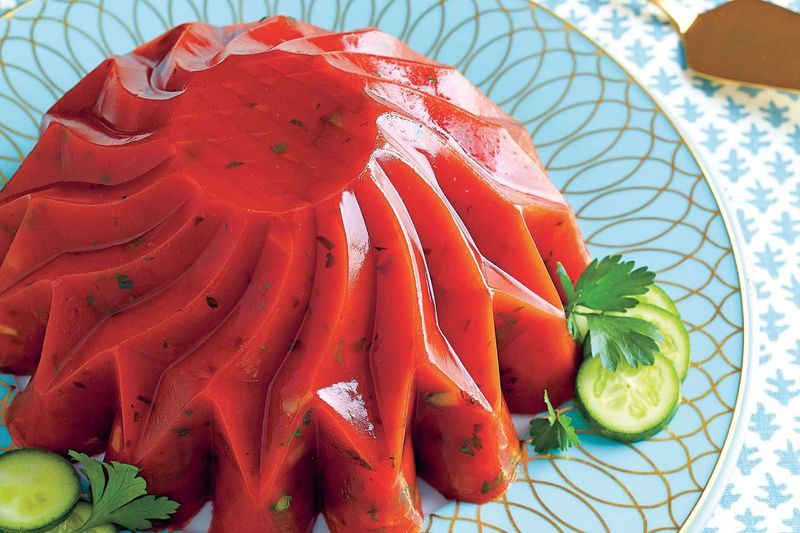
Tomato aspic sounds like something from a cooking show dare, but it was once considered an elegant, sophisticated dish. Made from seasoned tomato juice set with gelatin, it was often served at luncheons and dinner parties throughout the mid-20th century.
Sometimes it contained celery, olives, or shrimp floating inside. It was savory, cold, and jiggly – a combination that modern diners rarely seek out.
For Boomers who grew up with it, however, tomato aspic was the height of refined home cooking.
8. Pigs in a Blanket
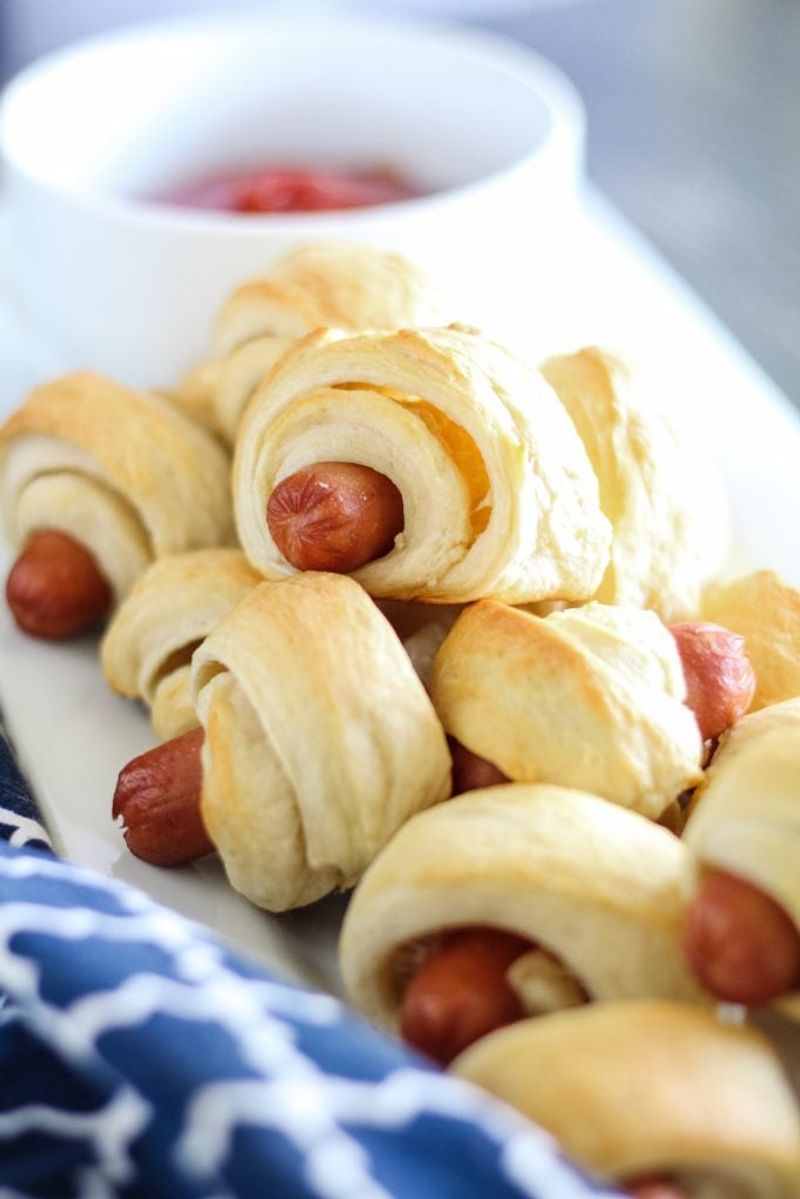
Few Boomer party appetizers were as beloved as pigs in a blanket. Mini cocktail sausages wrapped snugly in crescent roll dough and baked until golden – simple, warm, and impossible to eat just one of.
They showed up at every gathering from New Year’s Eve parties to birthday celebrations throughout the 1960s and 70s. While younger generations do still encounter them occasionally, the dish carries a particularly strong wave of nostalgia for anyone who grew up sneaking them off the appetizer tray.
9. Waldorf Salad
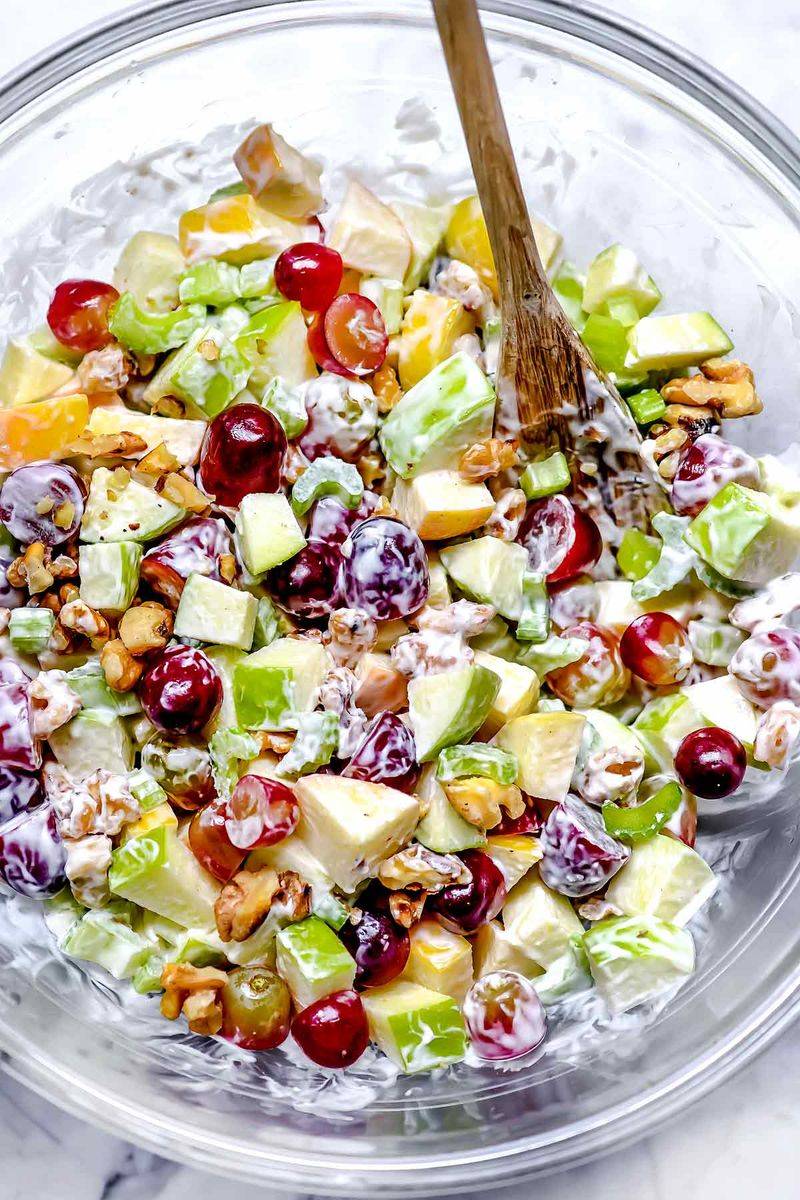
Created at the Waldorf-Astoria Hotel in New York back in the 1890s, the Waldorf salad became a Boomer-era staple at home kitchens and restaurant menus alike. Crisp apples, celery, and walnuts tossed in creamy mayonnaise made for a sweet-savory combination that felt genuinely elegant.
Younger diners today might find the heavy mayo dressing a bit old-fashioned. But in its heyday, serving a Waldorf salad at a dinner party meant you really knew what you were doing in the kitchen.
10. Fondue
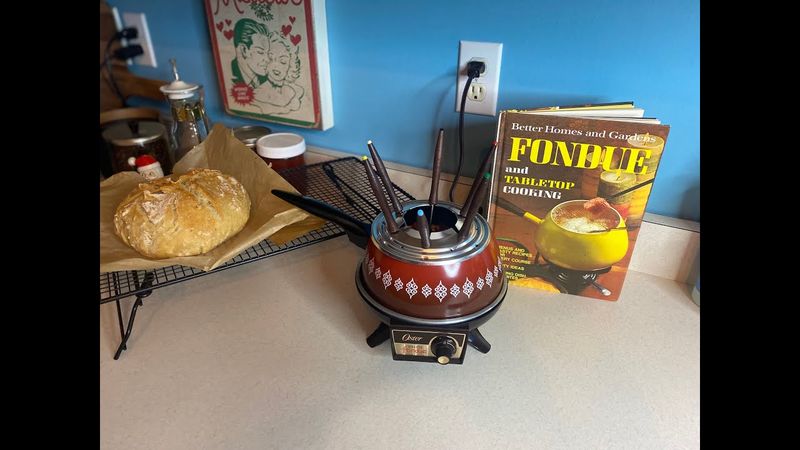
Fondue was the ultimate dinner party showstopper of the 1970s. A bubbling pot of melted cheese or chocolate set over a small flame, with guests gathered around dipping bread, fruit, or vegetables on long forks – it was interactive, social, and completely of its time.
Fondue sets were a popular wedding gift and sat in millions of kitchen cabinets across the country. The trend faded, but a certain generation still lights up at the memory of gathering around a hot, cheesy pot on a Saturday evening.
11. TV Dinners
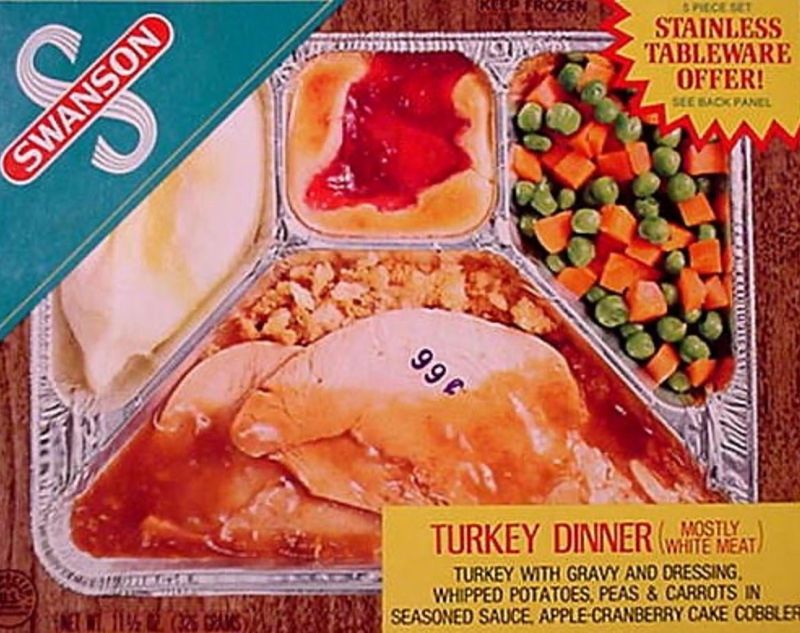
When Swanson launched the first TV dinner in 1953, it changed American eating habits forever. Boomers grew up eating these pre-portioned, aluminum-tray meals – turkey with gravy, mashed potatoes, and peas – while sitting in front of the television set.
It was considered a treat, not a compromise. The idea of a complete meal requiring zero cooking effort felt like the future.
Today’s frozen meals are far more sophisticated, but nothing captures the era quite like the original compartmentalized, foil-covered TV dinner tray.
12. Beef Stroganoff
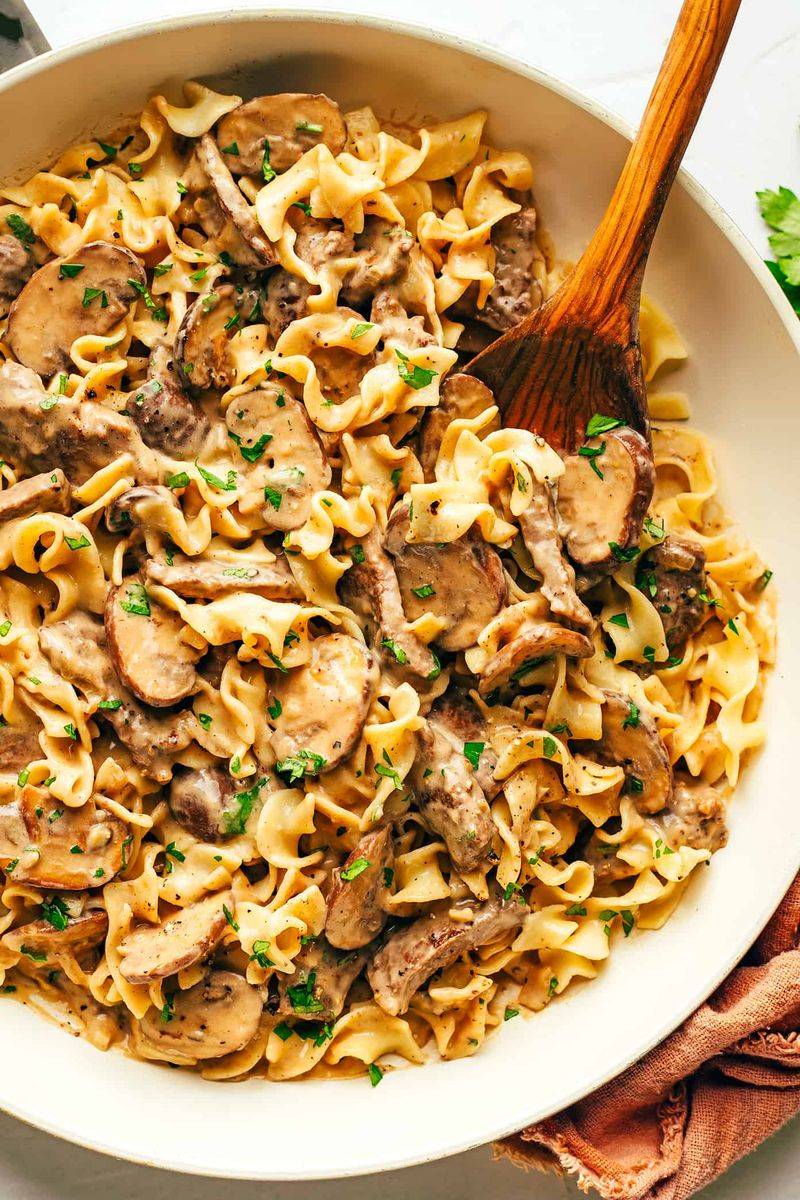
Rich, creamy, and deeply comforting, beef stroganoff was a weeknight winner in countless Boomer homes. Strips of beef cooked in a sour cream and mushroom sauce, served over buttery egg noodles – it felt luxurious without breaking the grocery budget.
Many families used a can of cream of mushroom soup as the shortcut base, making it even quicker to prepare. While it still appears in cookbooks today, younger home cooks tend to reach for different comfort food options, leaving stroganoff firmly in grandma territory.
13. Cottage Cheese with Fruit
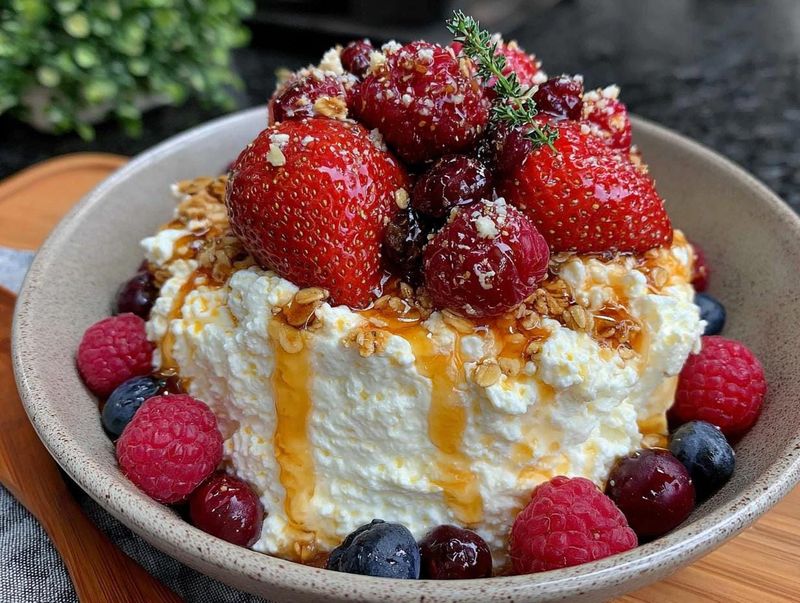
Before yogurt parfaits became the trendy healthy snack of choice, cottage cheese with fruit was the go-to option for Boomer-era health-conscious eaters. A scoop of creamy cottage cheese alongside canned peaches, pineapple, or pears was considered a perfectly balanced lunch or light dessert.
The texture of cottage cheese has always been polarizing, and younger generations seem to fall firmly in the “no thanks” camp. Still, cottage cheese is quietly making a comeback thanks to social media, so maybe its time has come again.
14. Chop Suey
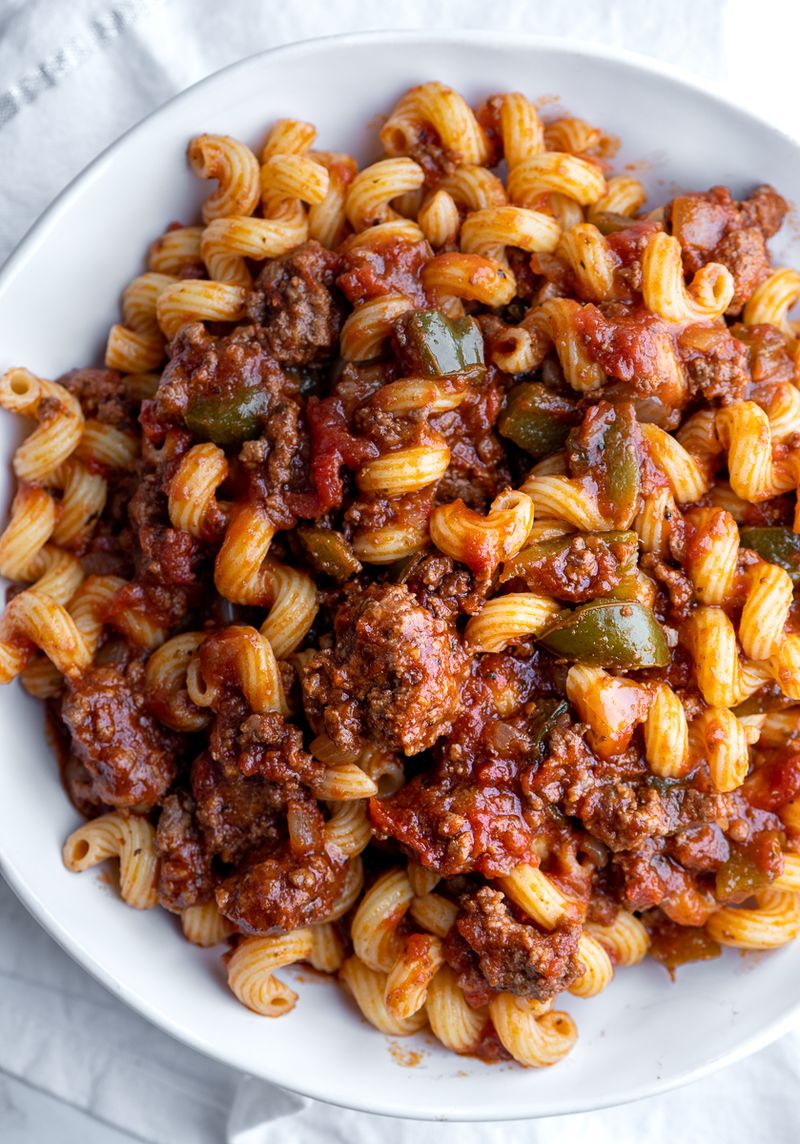
American chop suey has almost nothing to do with authentic Chinese cuisine, but Boomers loved it anyway. Ground beef, celery, onions, and bean sprouts cooked together in a savory sauce and served over rice or noodles made for an affordable, filling weeknight dinner.
It was one of those dishes that stretched a small amount of meat into a meal for the whole family. Younger generations familiar with actual Asian cuisine might find the original American version a bit puzzling, but it fed millions of households in its prime.
15. Mock Apple Pie
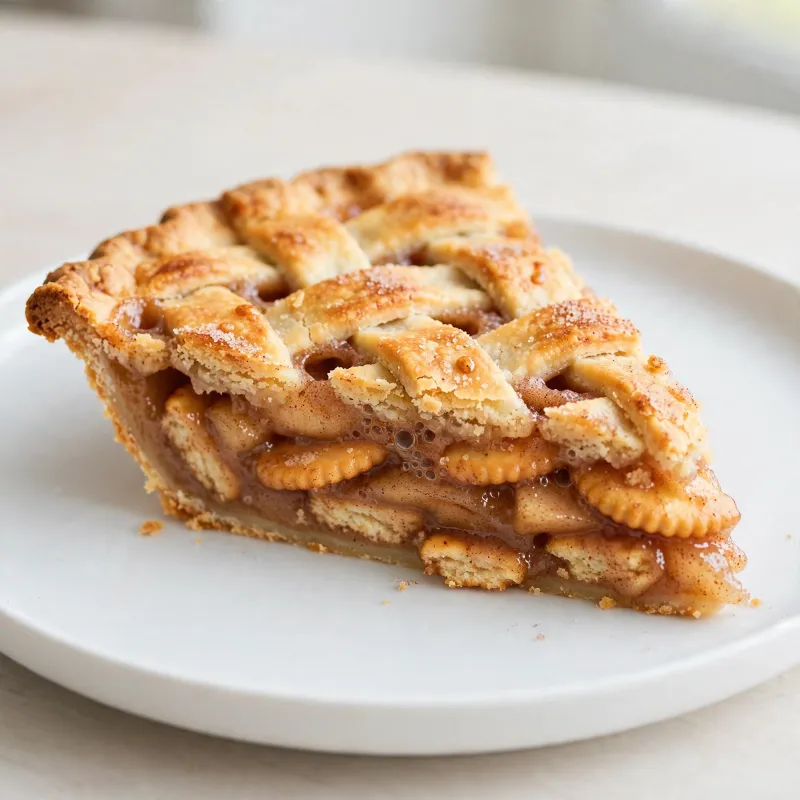
Here is a dish that sounds like a prank but was entirely real. Mock apple pie was made using Ritz crackers instead of actual apples, cooked in a sugary, cinnamon-spiced syrup that somehow mimicked the flavor of the real thing.
Ritz even printed the recipe on the box.
It originated during wartime rationing when fresh fruit was scarce and creativity in the kitchen was essential. Younger generations raised on fresh ingredients would likely be baffled, but it tasted surprisingly convincing to those who grew up eating it.
16. Potted Meat
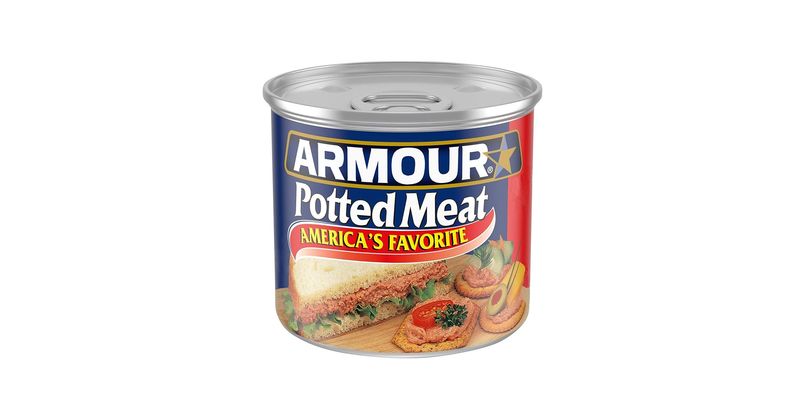
Potted meat – the spreadable canned meat product made from mechanically separated chicken, pork, and beef – was a legitimate pantry staple in Boomer homes. Spread on crackers, it served as a quick snack or light lunch without any cooking required.
The ingredients list was always a bit mysterious, but that never stopped millions of families from buying it regularly. Today, younger shoppers tend to avoid anything with an unrecognizable ingredient list.
Potted meat has faded to the back shelves, recognized mainly by those who grew up reaching for it.
17. Lime Pickles
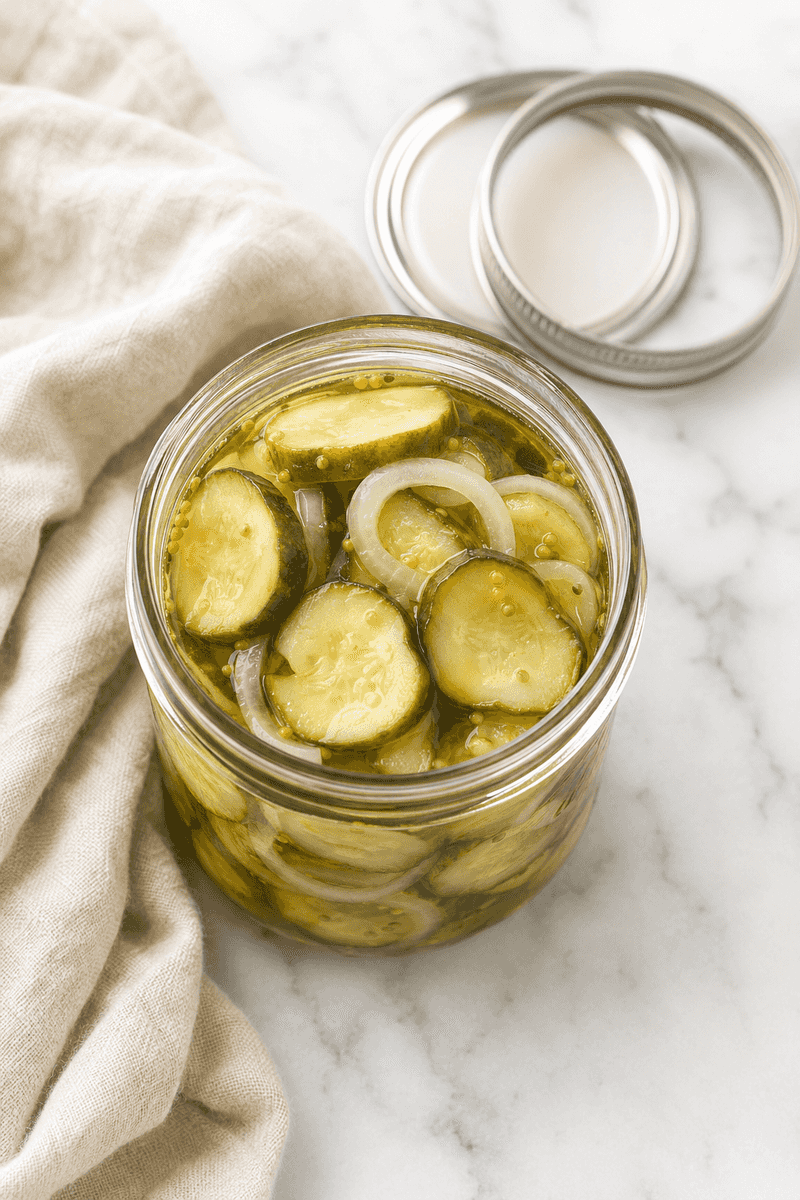
Home canning was a serious skill in the Boomer era, and lime pickles were among the most prized results of a summer canning session. Made by soaking cucumber slices in pickling lime before brining them, the pickles came out extraordinarily crisp and sweet.
The process took days and required patience, but the crunchy result was worth every hour. Younger generations who buy pickles from grocery store shelves rarely encounter this old-fashioned variety, making it one of the more obscure culinary traditions from the mid-20th century kitchen.
18. Oyster Stew
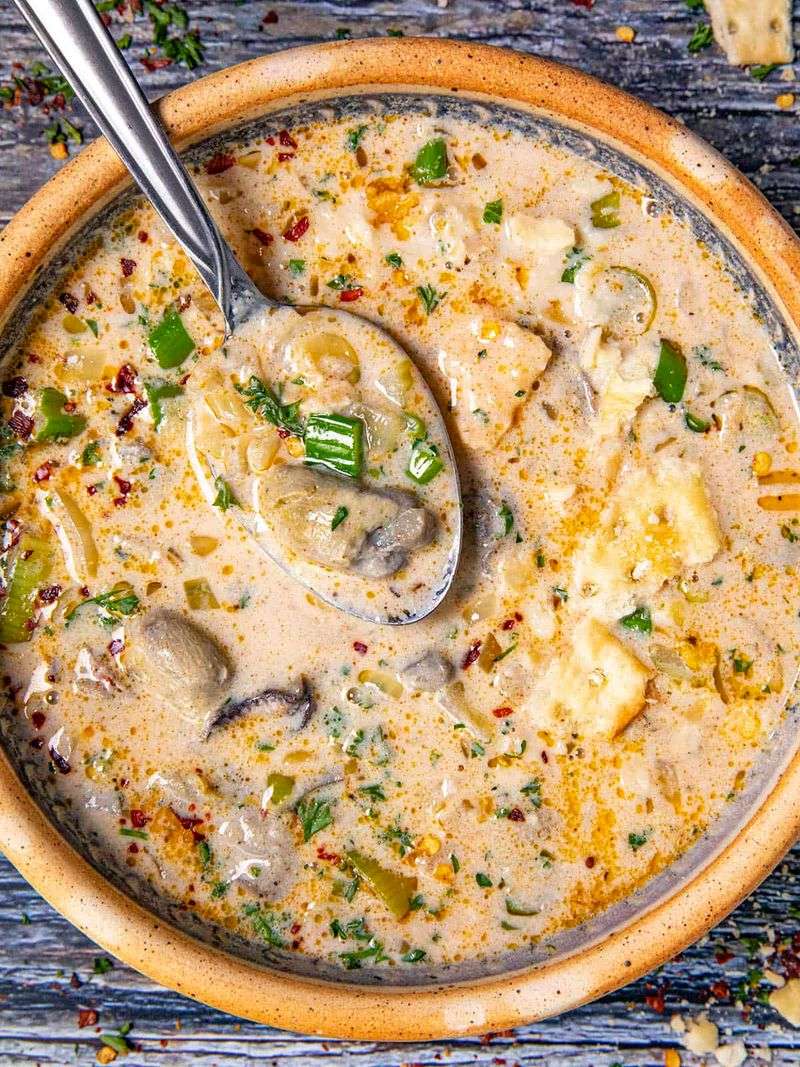
Oyster stew was a holiday tradition in many Boomer households, particularly on Christmas Eve. A simple, elegant dish made from whole oysters gently simmered in a rich milk or cream broth with butter, it was considered both luxurious and comforting at the same time.
The dish dates back centuries in American cooking, but it peaked in popularity during the mid-20th century. Younger generations who are unfamiliar with oysters outside of a raw bar setting might be surprised to learn this creamy stew was once a beloved seasonal staple.
19. Prune Juice
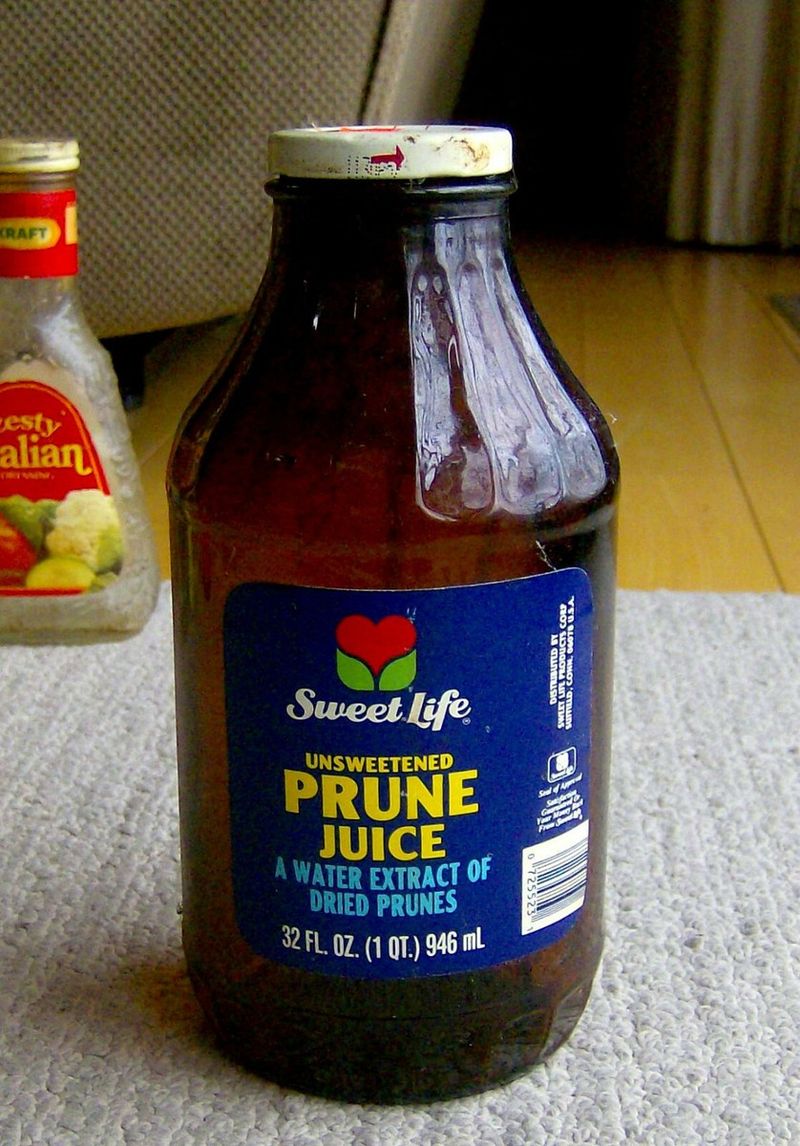
Prune juice has long been the butt of jokes, but in the Boomer era it was a genuinely popular beverage, especially among adults who valued its digestive benefits. Rich, dark, and intensely sweet, it was stocked regularly in refrigerators across America throughout the 1960s and 70s.
Younger generations tend to associate prune juice strictly with elderly people, making it one of the most age-coded foods on this list. Health-focused rebranding efforts have tried to modernize it under the name plum juice, but the reputation sticks stubbornly.
20. Chicken a la King
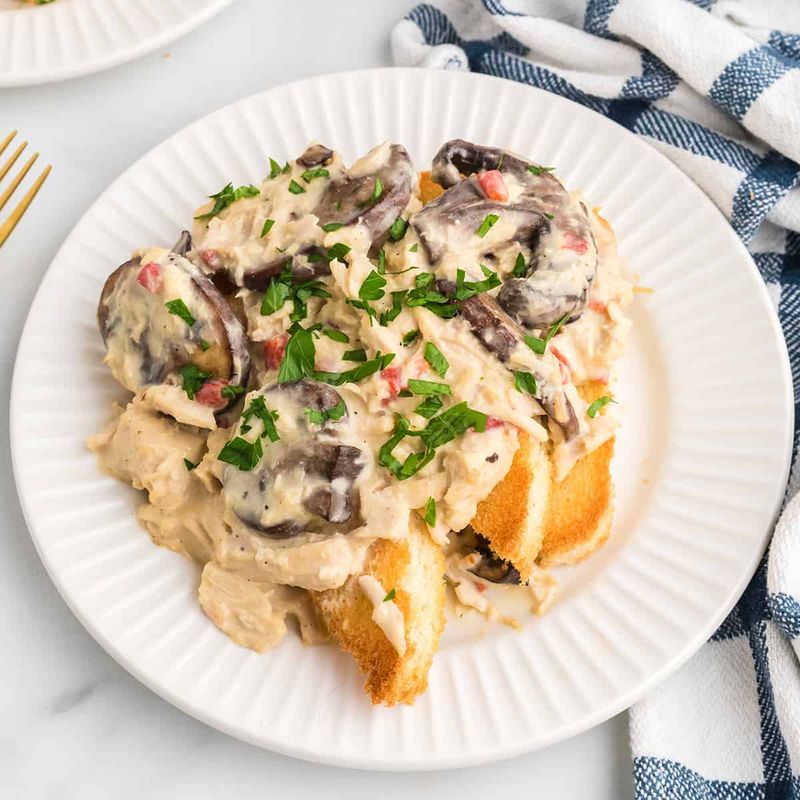
Chicken a la King sounds fancy, and in the Boomer era it genuinely was considered a special occasion dish. Diced chicken and vegetables folded into a thick, creamy white sauce, served over toast points, puff pastry shells, or rice – it looked impressive without requiring professional cooking skills.
Frozen versions became popular as convenience foods in the 1960s, which helped cement its place in the weekly dinner rotation. Today it rarely appears on restaurant menus or home dinner tables, making it a true relic of mid-century American entertaining.
21. Fruitcake
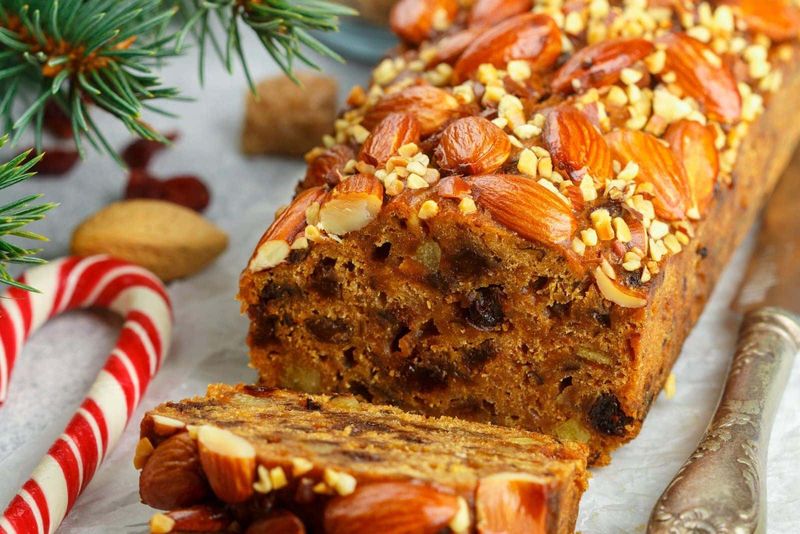
Few foods have a reputation quite as complicated as fruitcake. Dense, sticky, packed with candied fruit and nuts, and soaked in alcohol, it was a standard Christmas gift and holiday centerpiece in the Boomer era.
Recipes were often closely guarded family secrets.
Today, fruitcake is more likely to be the subject of a holiday joke than a dessert anyone actually requests. Younger generations have largely abandoned it in favor of cookies and layer cakes.
Yet fruitcakes can last for months or even years – which says a lot about their unique chemistry.