
What you eat shows up on your face, whether you like it or not. For men, skin health often takes a backseat to other health goals, but the right foods can make a real difference in how your skin looks and feels.
From reducing redness to fighting off dullness, your plate holds more power than any face wash. These 16 foods are easy to find, simple to add to your meals, and packed with nutrients your skin will thank you for.
1. Avocado
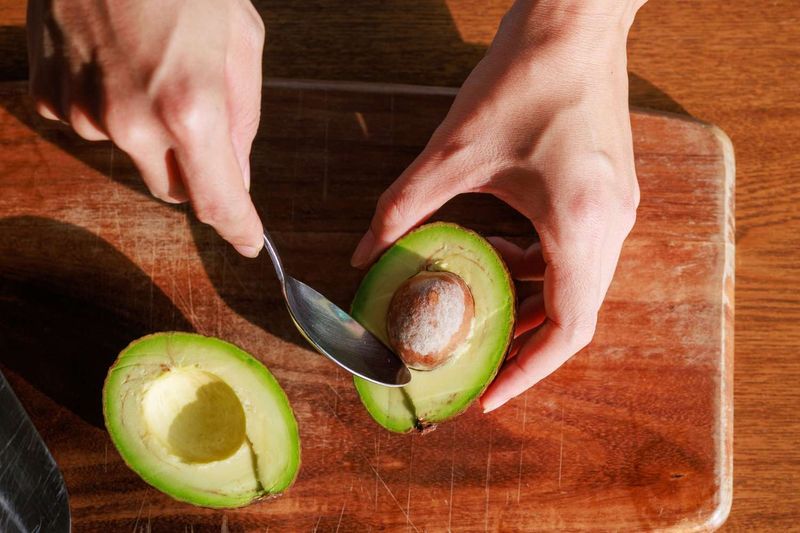
Avocados are basically nature’s moisturizer in food form. They are loaded with healthy fats, especially monounsaturated fat, which helps your skin stay soft and hydrated from the inside out.
They also contain vitamin E, a powerful antioxidant that protects skin cells from damage caused by sun and pollution. Adding half an avocado to your lunch a few times a week is an easy, tasty upgrade your skin will notice.
2. Salmon
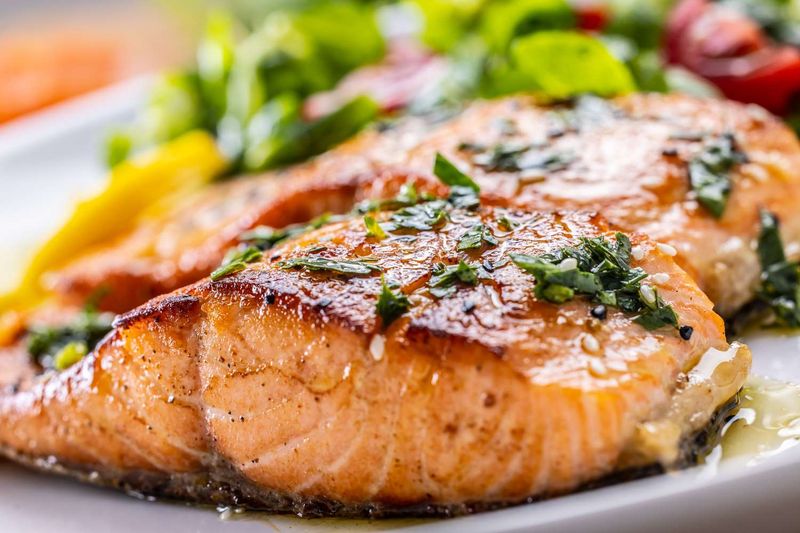
Few foods pack as much skin-friendly nutrition as salmon. It is rich in omega-3 fatty acids, which reduce inflammation and help keep your skin looking smooth rather than red or blotchy.
Omega-3s also support the skin barrier, which is the protective layer that holds moisture in and keeps irritants out. Eating salmon two or three times a week can noticeably calm irritated skin and give your complexion a healthier, more even tone over time.
3. Sweet Potatoes
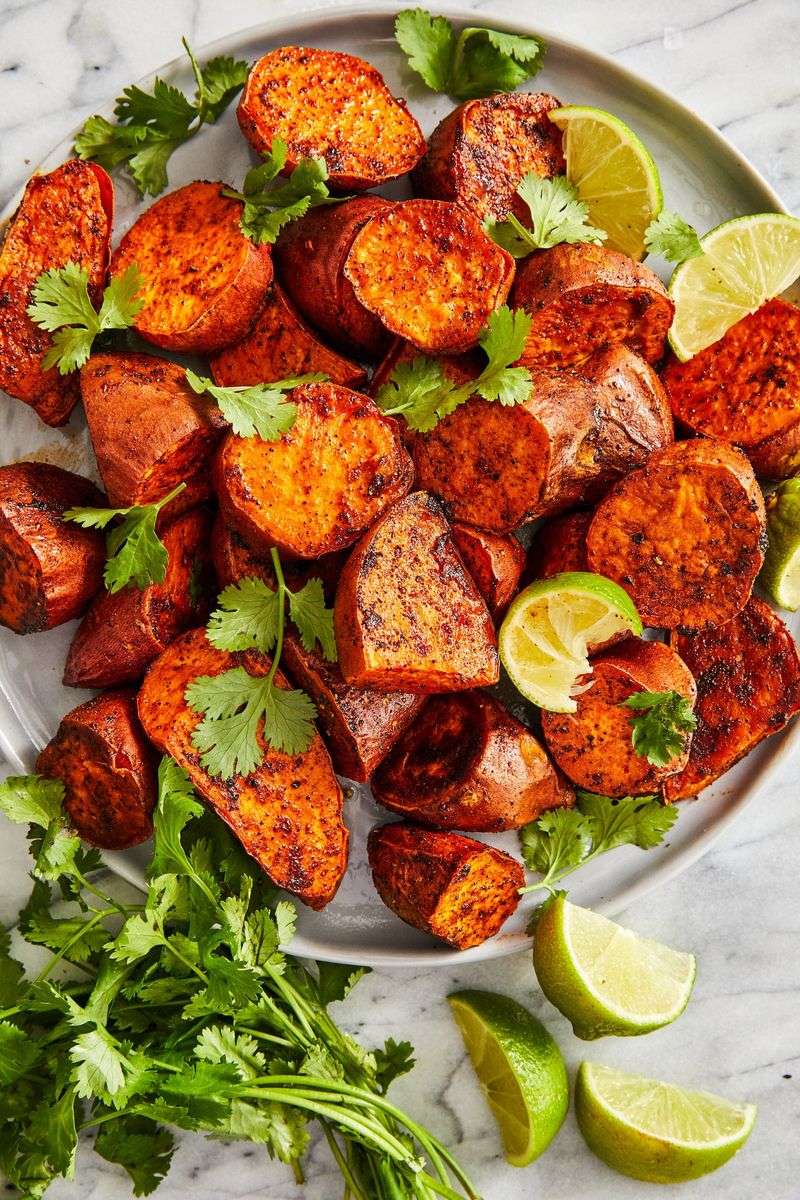
Sweet potatoes get their bright orange color from beta-carotene, a plant compound your body converts into vitamin A. Vitamin A is one of the most important nutrients for skin cell turnover, meaning it helps old, dull skin cells shed and fresh ones take their place.
Think of it as a natural skin refresh. Swap regular fries for roasted sweet potato wedges and you are giving your body a serious skin-boosting upgrade without much effort at all.
4. Walnuts
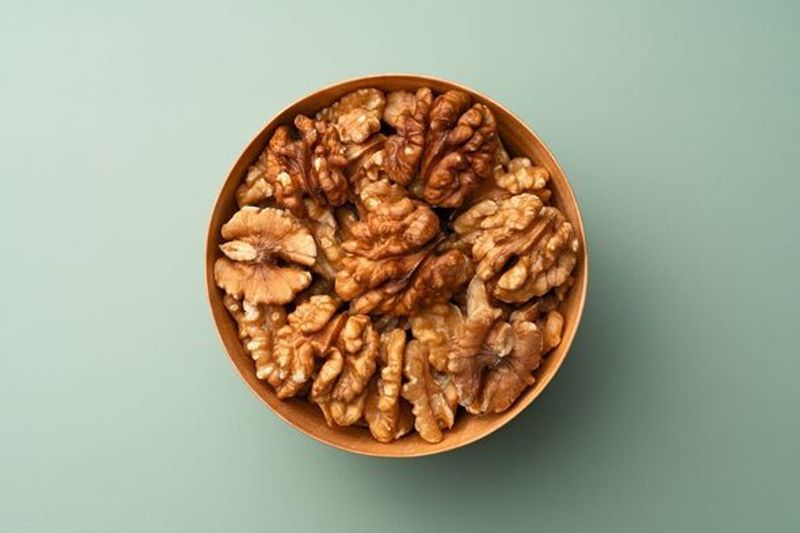
Walnuts are one of the best plant-based sources of omega-3 fatty acids, making them a smart snack for men who do not eat much fish. They also contain zinc, which plays a key role in wound healing and controlling oil production in the skin.
Too little zinc can lead to more breakouts and slower healing of blemishes. Tossing a small handful of walnuts into your morning oatmeal or afternoon snack routine is a simple, no-fuss skin win.
5. Tomatoes
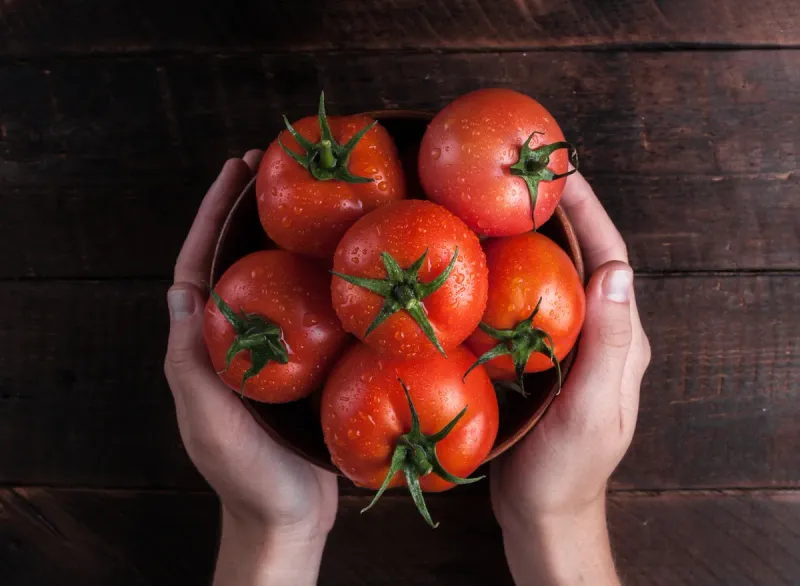
Tomatoes are packed with lycopene, a powerful antioxidant that has been studied for its ability to protect skin from UV damage. While it is not a replacement for sunscreen, lycopene helps neutralize the free radicals that sunlight creates on your skin.
Interestingly, cooked tomatoes actually deliver more lycopene than raw ones, so tomato sauce, roasted tomatoes, and tomato soup are all great choices. Your pasta night just became a skincare routine without you even trying.
6. Green Tea

Green tea has been used for centuries in Asian cultures, and science now backs up many of its health benefits. It contains catechins, a type of antioxidant that helps protect skin from sun damage, reduce redness, and improve skin hydration and elasticity.
Swapping one or two of your daily coffees for green tea is a low-effort change that adds up over time. Your skin gets steady antioxidant support, and you still get a mild caffeine boost to keep you going.
7. Broccoli
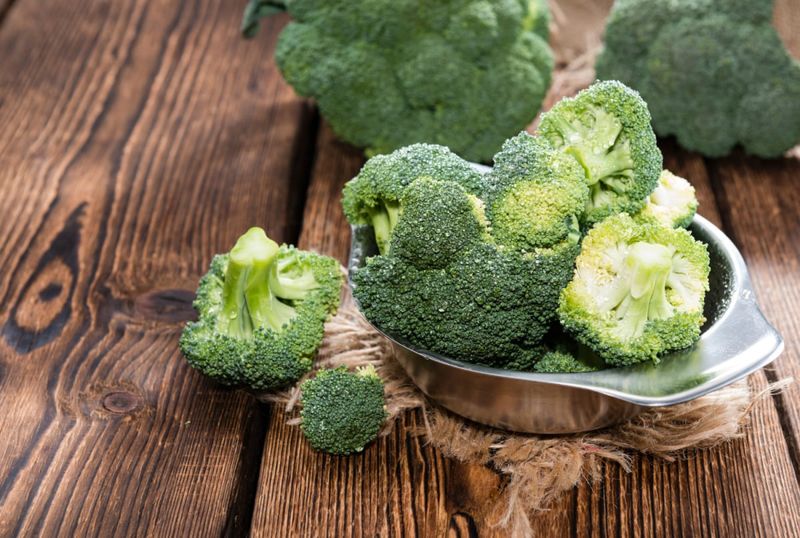
Broccoli might not be the most exciting vegetable on the plate, but it earns serious respect in the skin department. It contains vitamins C and K, zinc, and a compound called sulforaphane, which research suggests may help protect skin cells from sun damage.
Vitamin C, in particular, is essential for collagen production, which keeps skin firm and elastic. Steam it, roast it, or toss it in a stir-fry.
Either way, your skin benefits from every bite.
8. Dark Chocolate
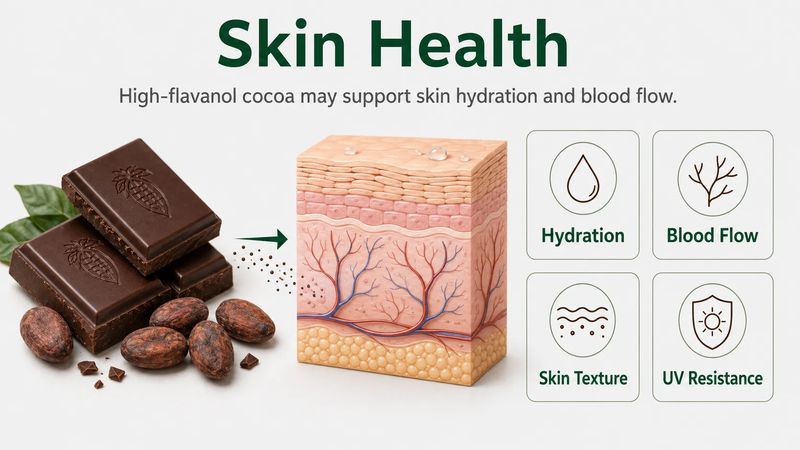
Good news for chocolate lovers: dark chocolate with at least 70 percent cocoa content is genuinely good for your skin. The cocoa flavanols in dark chocolate improve blood flow to the skin, increase hydration, and may reduce roughness and sun sensitivity over time.
Studies have shown that people who regularly consumed high-flavanol cocoa had smoother, better-hydrated skin after just a few weeks. Keep portions reasonable, around one or two squares a day, and choose quality over quantity.
9. Sunflower Seeds
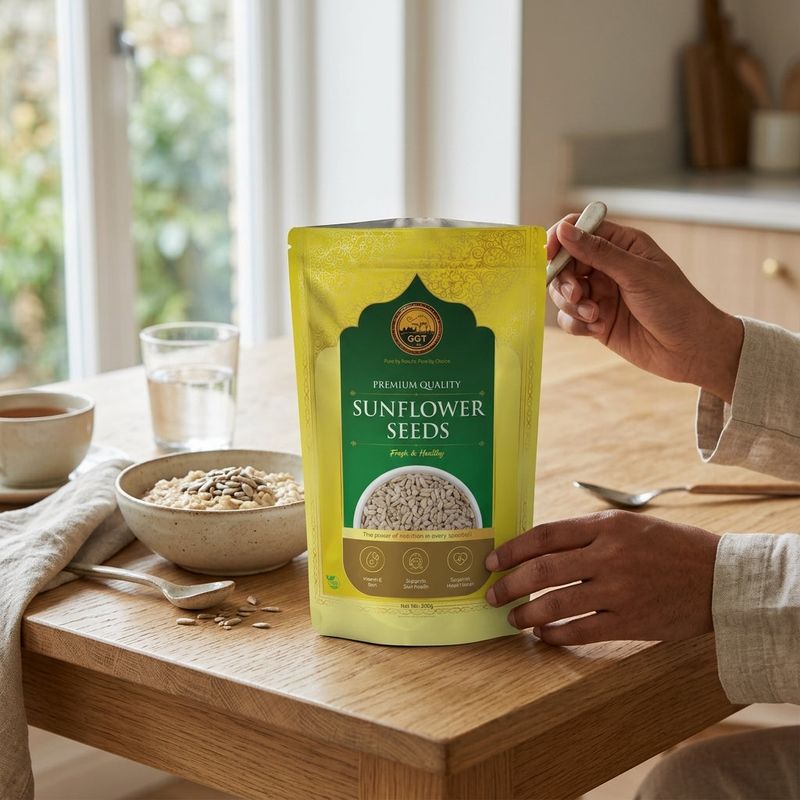
Sunflower seeds are a surprisingly powerful snack for skin health. Just one ounce delivers a solid dose of vitamin E, which acts like a shield for your skin cells against oxidative stress and environmental damage.
Vitamin E also works best when paired with vitamin C, so try eating sunflower seeds alongside a piece of fruit for a smart nutritional combo. Sprinkle them on salads, mix into trail mix, or snack on them plain.
Simple, crunchy, and effective.
10. Red Bell Peppers
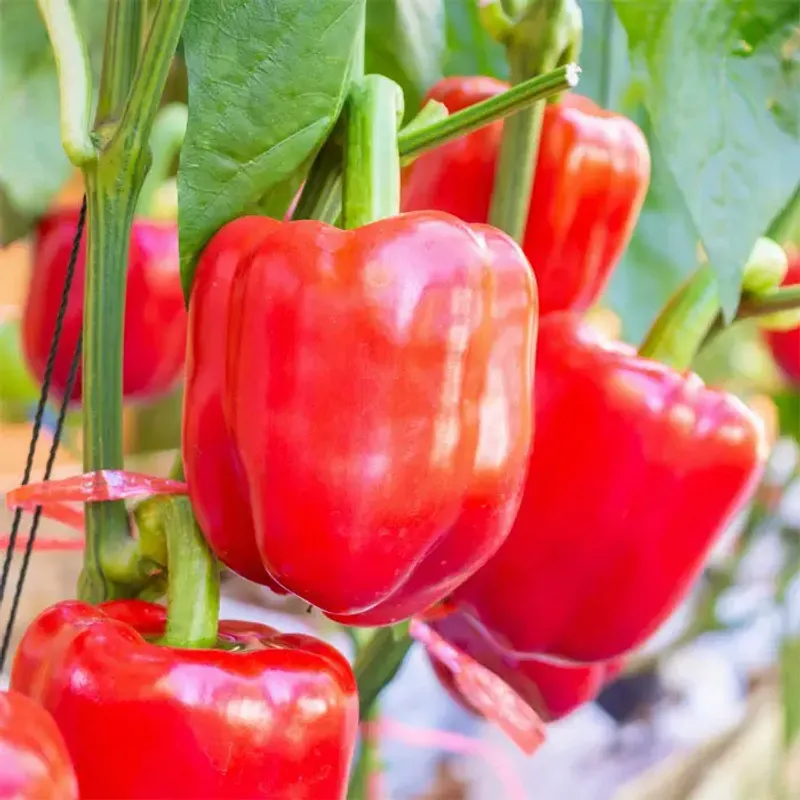
Red bell peppers contain more vitamin C than oranges, which makes them an underrated skin food hiding in plain sight. Vitamin C is essential for collagen synthesis, the process that keeps skin firm, bouncy, and youthful-looking over time.
They also contain carotenoids, which give them their vibrant color and offer additional antioxidant protection for skin cells. Slice them up for snacking, toss them in a stir-fry, or roast them as a side dish.
Any way you eat them works.
11. Greek Yogurt
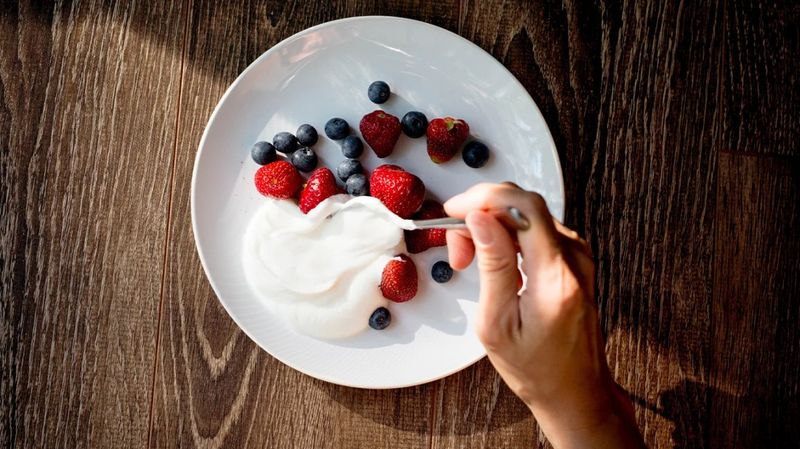
Your gut health and your skin health are more connected than most people realize. Greek yogurt is rich in probiotics, the beneficial bacteria that help keep your digestive system balanced.
When your gut is healthy, inflammation throughout the body tends to drop, and that often shows up as clearer, calmer skin.
Greek yogurt also delivers protein, which supports skin repair and renewal. Choose plain varieties over flavored ones to avoid extra added sugars that can work against your skin goals.
12. Spinach
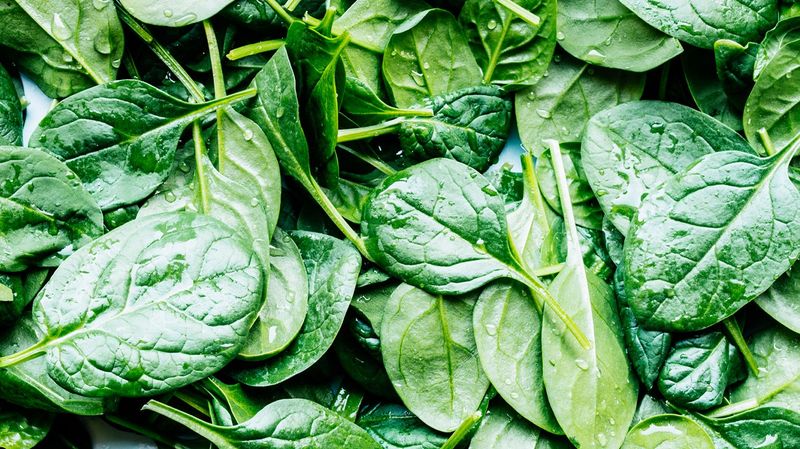
Popeye was onto something. Spinach is loaded with vitamins A, C, and E, along with iron and folate, all of which contribute to healthier-looking skin in different ways.
Vitamin A helps with cell turnover, vitamin C boosts collagen, and vitamin E protects against damage.
Iron supports healthy blood flow, which gives skin a natural, healthy color. Toss a handful into smoothies, eggs, or pasta and you will barely taste it while still getting all the benefits.
13. Oysters

Oysters are one of the best dietary sources of zinc on the planet, and zinc is a nutrient that does a lot of heavy lifting for skin health. It helps regulate oil production, speeds up wound healing, and plays a role in reducing acne-related inflammation.
Men who struggle with breakouts or oily skin may benefit from getting more zinc in their diet. You do not need to eat oysters every day, but adding them occasionally as a treat is a smart move for your skin.
14. Blueberries
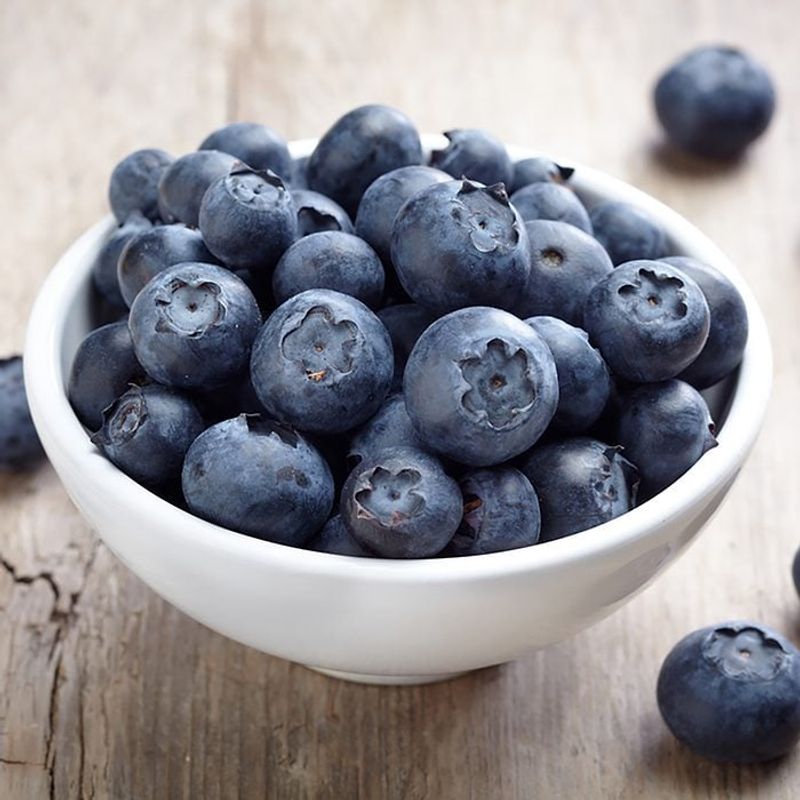
Small but mighty, blueberries are packed with antioxidants that help protect your skin from the daily wear and tear of sun exposure, stress, and pollution. Their deep blue color comes from anthocyanins, plant pigments that are especially effective at neutralizing free radicals before they damage skin cells.
Regular consumption of berries has been linked to slower skin aging in several studies. Add them to oatmeal, blend them into smoothies, or eat them by the handful as an easy, satisfying snack.
15. Flaxseeds
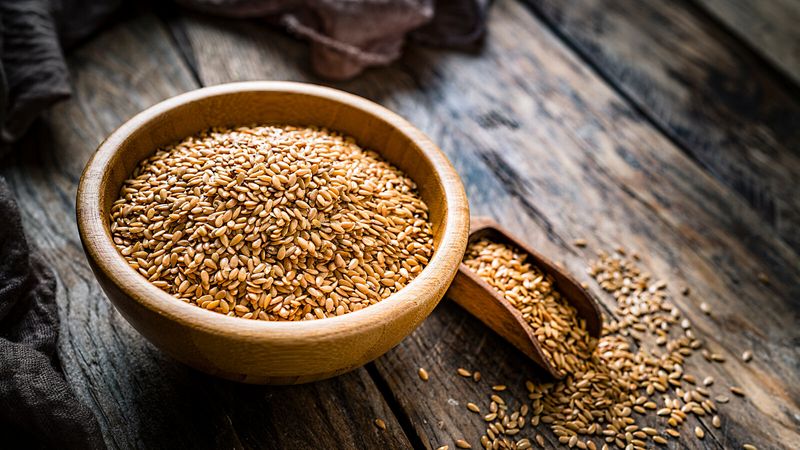
Flaxseeds are a plant-based powerhouse for skin hydration. They are rich in alpha-linolenic acid, an omega-3 fatty acid that helps reduce skin inflammation and keeps the skin barrier functioning properly.
A well-functioning skin barrier means less dryness, less sensitivity, and better overall texture.
Ground flaxseeds are easier for your body to absorb than whole ones, so grind them before adding to smoothies, yogurt, or oatmeal. Just one tablespoon a day goes a long way for your skin.
16. Eggs

Eggs are one of the most complete foods you can eat for skin health, and they are easy to prepare in dozens of ways. They contain biotin, a B vitamin that supports healthy skin, hair, and nails, along with high-quality protein that helps the body repair and build new skin tissue.
The yolk also provides lutein and zeaxanthin, antioxidants that protect skin from oxidative damage. Whether scrambled, boiled, or poached, eggs are a skin-friendly staple worth keeping in regular rotation.