
Some singers can hit notes so high or low that it seems almost impossible for a human voice to reach them. Vocal range is one of the most impressive qualities a singer can have, and certain artists have pushed that boundary far beyond what most people thought was achievable.
From whistle-register divas to record-breaking bass singers, these 20 vocalists have amazed audiences and vocal coaches alike. Get ready to meet the singers whose voices seem to defy the laws of nature.
1. Tim Storms
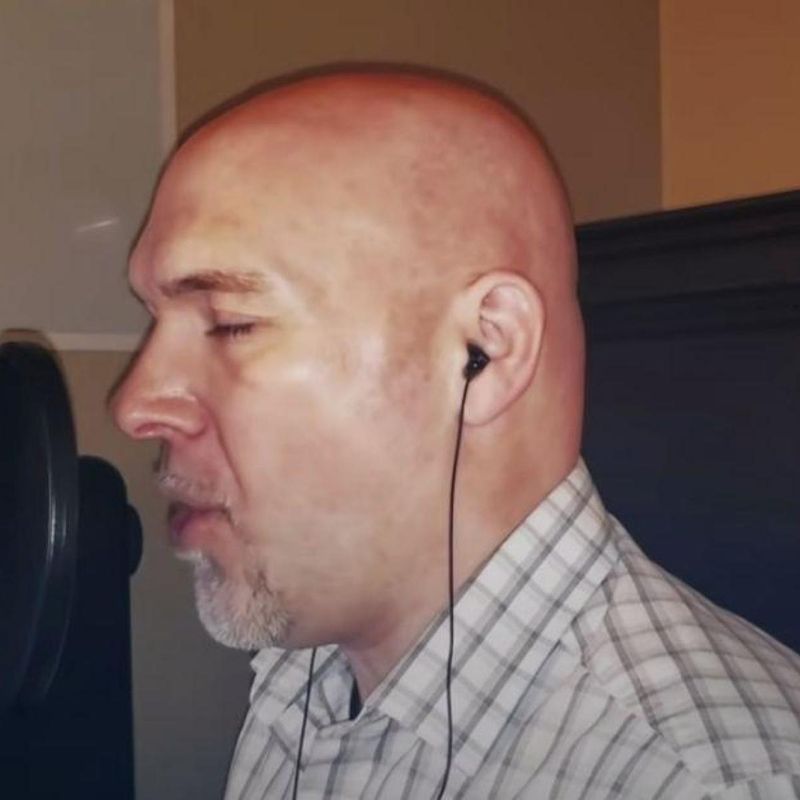
Holding not one but two Guinness World Records, Tim Storms is in a league entirely his own. His vocal range spans an unbelievable 10 octaves, stretching from G/G#-5 all the way up to G/G#5.
That low end is so deep that most humans cannot even hear it without special equipment.
Storms also holds the record for the lowest note ever produced by a human voice. His voice is a true scientific marvel that has left researchers and music fans completely speechless.
2. Georgia Brown
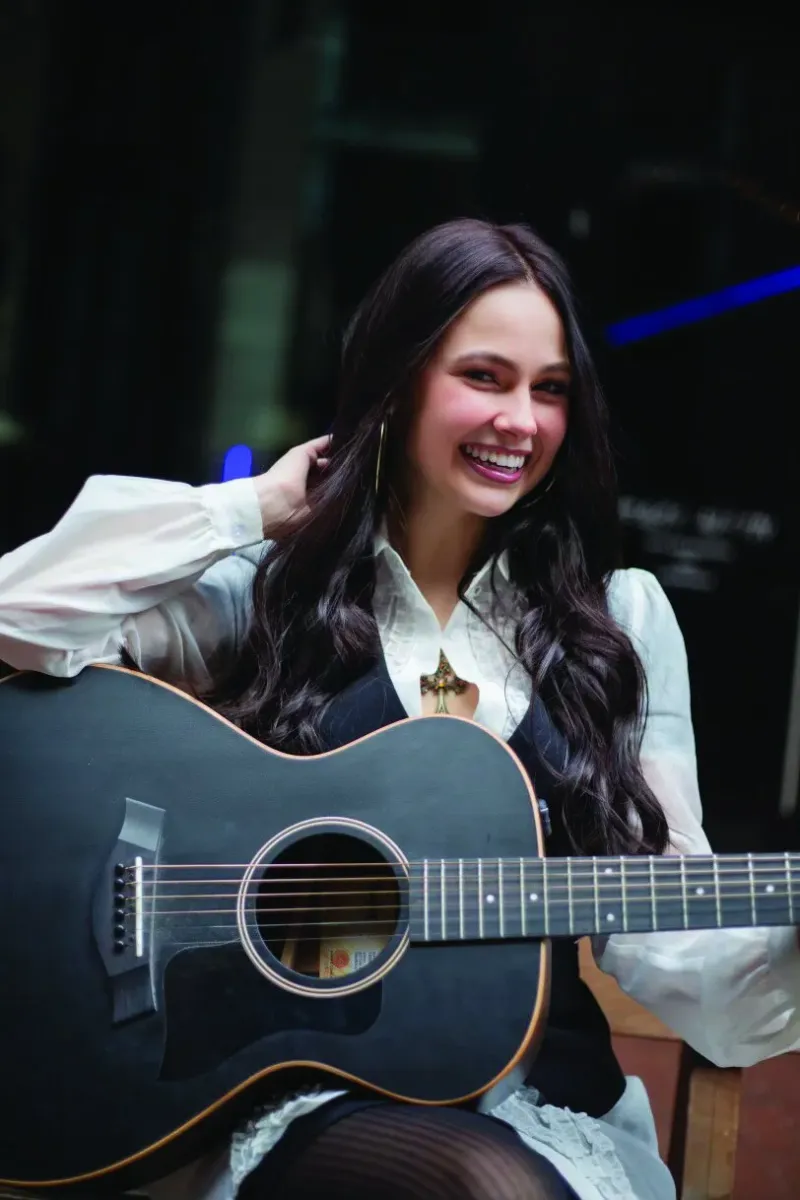
Georgia Brown shattered expectations when Guinness World Records officially recognized her 8-octave vocal range, stretching from G2 all the way up to G10. That upper register is so extraordinarily high that it borders on ultrasonic territory, far beyond what most trained singers ever attempt.
She holds the record for the highest verified female vocal range in history. Brown blends her jaw-dropping range with genuine musicality, proving that her voice is not just a party trick but a true instrument of rare beauty.
3. Vitas
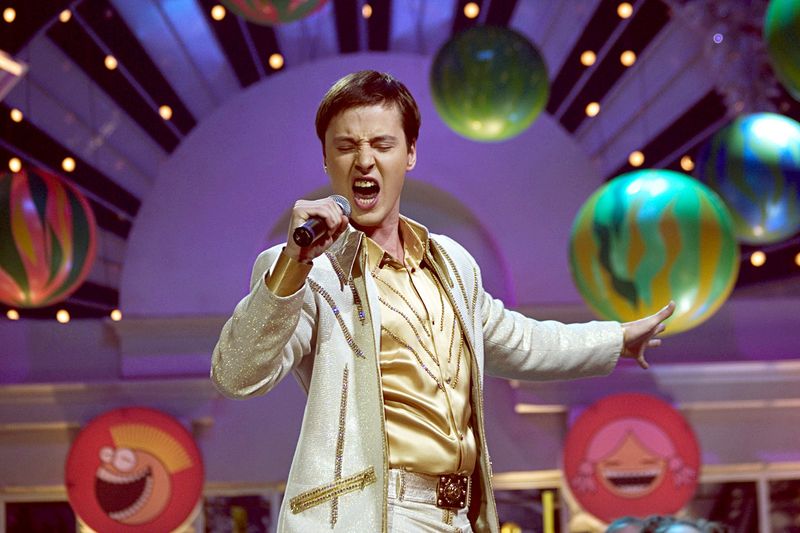
When Vitas first appeared on Russian television in the early 2000s, audiences were stunned by the otherworldly sounds coming out of him. His 7-octave range allows him to glide from a deep baritone growl to piercing falsetto notes that sound almost electronic.
What makes him especially captivating is his ability to switch between registers with lightning speed. Vitas blends classical training with pop showmanship, creating a performance style that is unlike anything else in modern music.
4. Dimash Kudaibergen
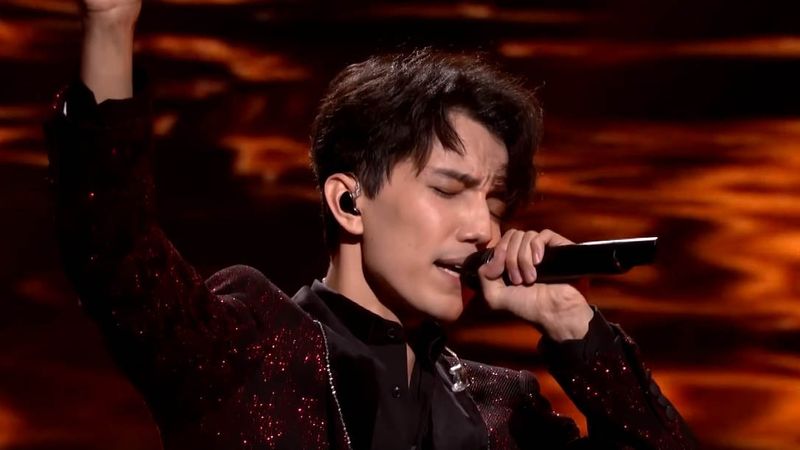
Born in Kazakhstan, Dimash Kudaibergen became a global sensation almost overnight after his performances went viral online. His vocal range stretches an astonishing 6 to 7 octaves, allowing him to move effortlessly from thunderous low notes to crystal-clear, bell-like tones in a single breath.
Trained in classical and folk traditions, Dimash brings emotional depth to every note he sings. Fans around the world, known as “Dears,” follow him passionately and credit his voice as genuinely life-changing to hear live.
5. Adam Lopez
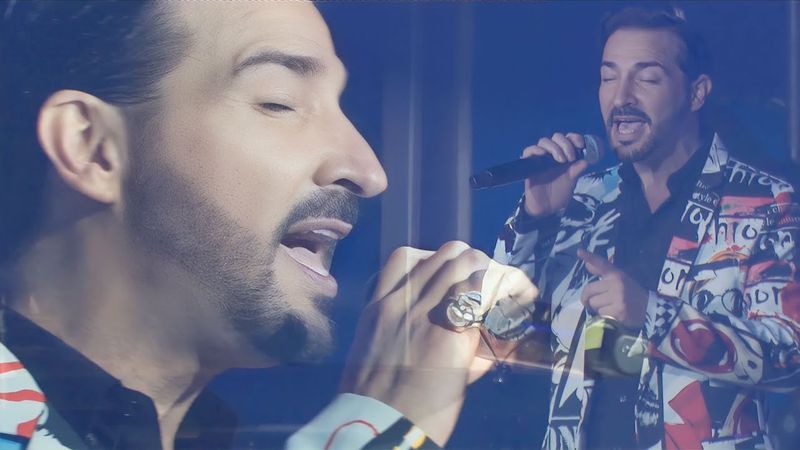
Australian countertenor Adam Lopez possesses a 6-octave range that runs from E2 all the way up to E-flat 8, a span that places him among the most technically gifted vocalists alive. His voice floats effortlessly into registers that most tenors would not dare attempt.
Lopez has performed internationally and earned recognition for combining classical technique with contemporary flair. His ability to hit extreme high notes cleanly, without strain, is what truly separates him from other talented singers in his field.
6. Mike Patton

Few vocalists in rock history have used their voice as creatively as Mike Patton, the frontman of Faith No More. His recorded range spans over 6 octaves, from a guttural E1 to a soaring E7, and he uses every corner of that range with theatrical confidence.
Known as a “vocal chameleon,” Patton shifts from low growls to operatic highs within the same song. His work across bands like Mr. Bungle and Fantomas proves he treats his voice as the ultimate experimental instrument.
7. Mariah Carey
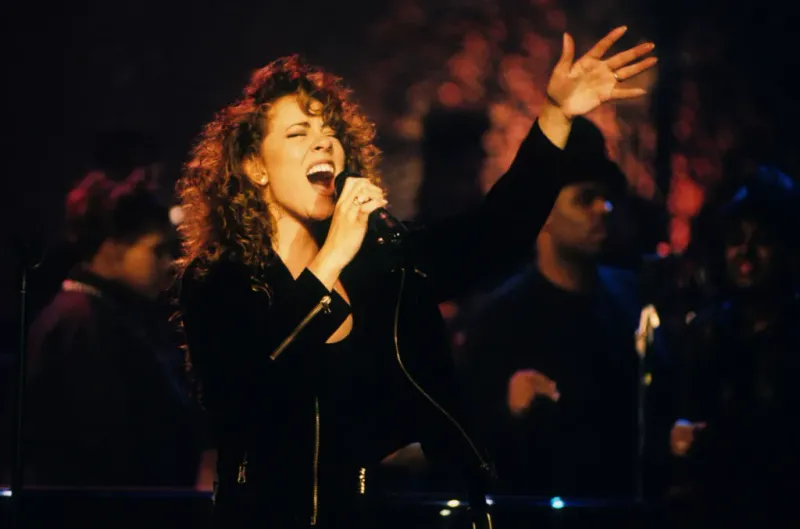
Mariah Carey’s whistle register is so iconic that it has become a signature sound instantly recognized worldwide. Her 5-octave range stretches from G2 to G7, giving her the ability to sing powerful chest-voice ballads and then effortlessly soar into glass-shattering high notes.
She has sold over 200 million records globally, and her vocal technique remains a benchmark for aspiring singers everywhere. Songs like “Emotions” and “Heartbreaker” showcase a range that very few artists in pop history have ever come close to matching.
8. Axl Rose
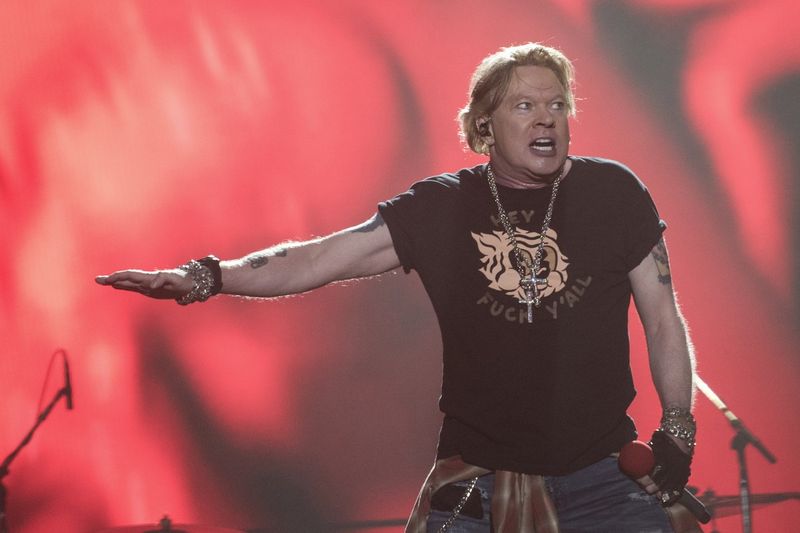
Axl Rose of Guns N’ Roses is one of rock music’s most electrifying vocalists, and his 5-octave range is a big reason why. He can drop into a deep, gravelly baritone and then launch into piercing high notes like B6 and C7 within the same performance.
A 2008 vocal study ranked Axl among the greatest rock singers based on his documented range. His raw, untrained style adds an unpredictable edge that makes every live performance feel thrillingly dangerous and impossible to look away from.
9. Chante Moore
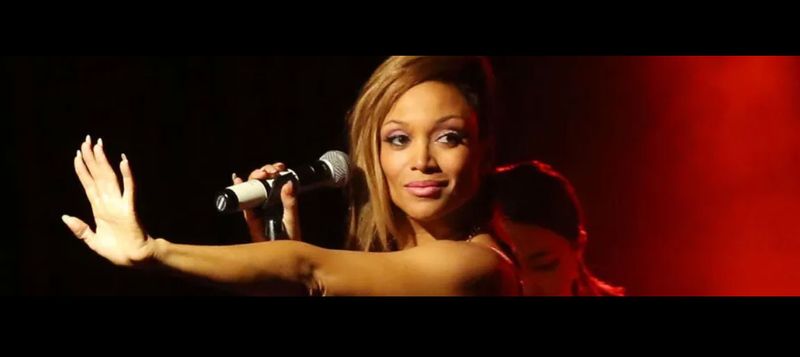
Chante Moore may not always get the headlines she deserves, but inside the R&B world, her voice commands deep respect. Her impressive 5-octave soprano range gives her an extraordinary ability to move between warm, soulful low tones and breathtaking high-register runs with silky ease.
Moore blends technical brilliance with heartfelt expression, making every note feel personal and genuine. Her vocal control and tonal richness have influenced a generation of R&B singers who study her recordings as a masterclass in what a truly gifted soprano can accomplish.
10. Yma Sumac
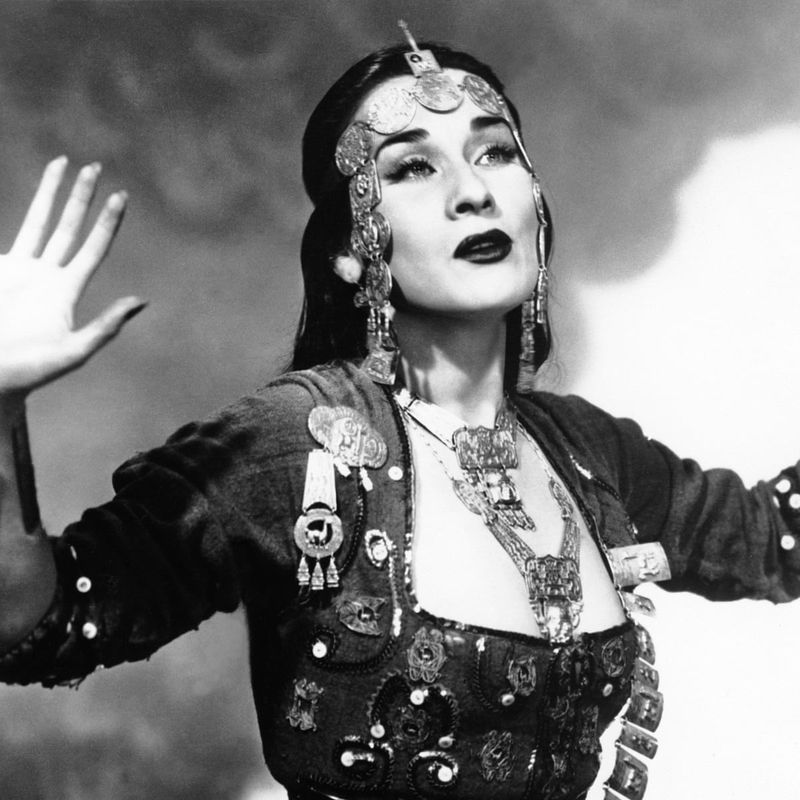
Long before vocal range became a topic of internet debate, Yma Sumac was already bending minds in concert halls across the world. This Peruvian soprano stunned 1950s audiences with a voice that spanned more than 5 octaves, from E2 to G7, blending exotic folk elements with operatic power.
Legends swirled around her, including rumors that she was Incan royalty, adding to her mystique. Her recordings still sound astonishing today, a reminder that extraordinary vocal gifts have always existed, long before viral videos made them famous.
11. Christina Aguilera
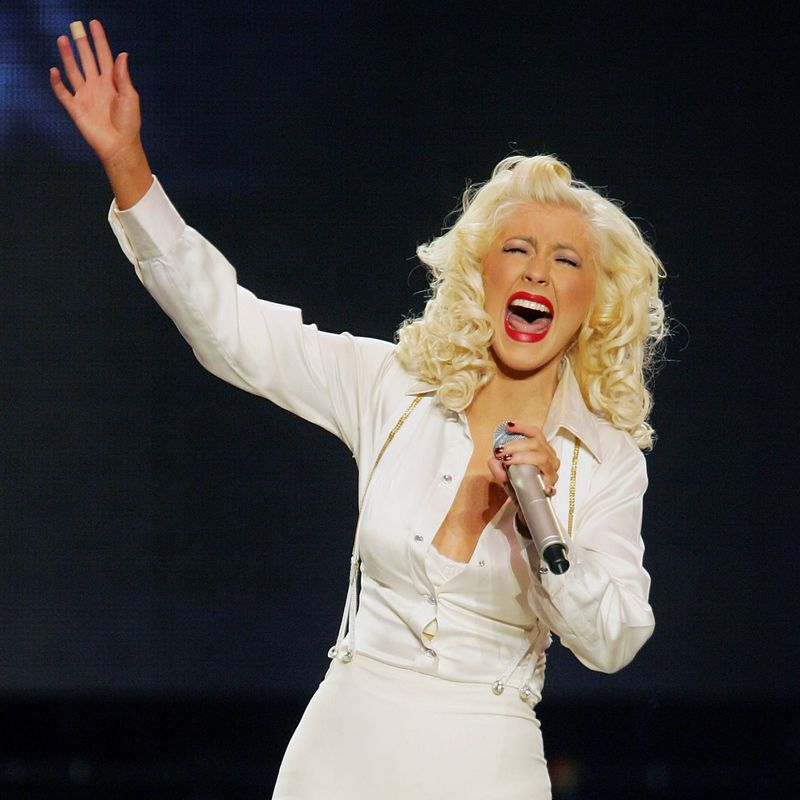
Christina Aguilera arrived on the music scene as a teenager and immediately made it clear she was not an ordinary pop singer. Her 4-octave range, running from C3 to C7, gives her the tools to deliver both tender, intimate ballads and roof-raising power performances with equal conviction.
Her vocal runs and melismatic style have become a defining sound of early 2000s pop music. Hits like “Beautiful” and “Fighter” highlight how she uses her range not just to impress technically, but to tell deeply emotional stories through song.
12. Freddie Mercury
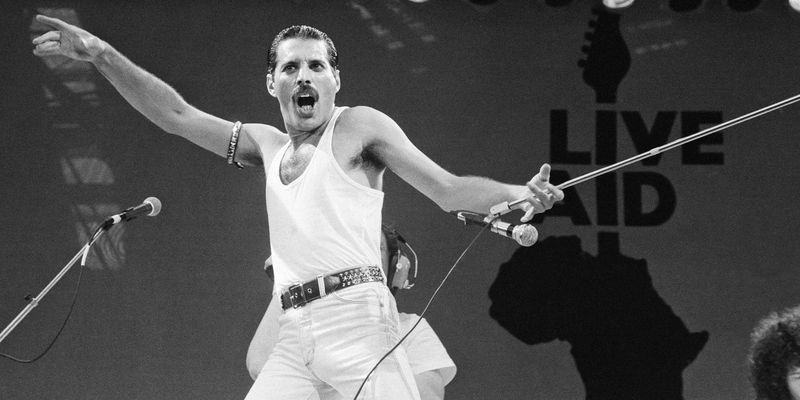
Freddie Mercury was more than a rock star; he was a force of nature. His 4-octave range, spanning from F2 to D7, gave him the flexibility to command arenas with thunderous anthems like “Bohemian Rhapsody” and whisper tender moments in songs like “Love of My Life.”
Interestingly, scientists who studied his voice found that he used subharmonics, a technique more common in Tuvan throat singing. That discovery confirmed what fans always knew: Freddie Mercury’s voice was something genuinely one-of-a-kind in rock history.
13. Steven Tyler
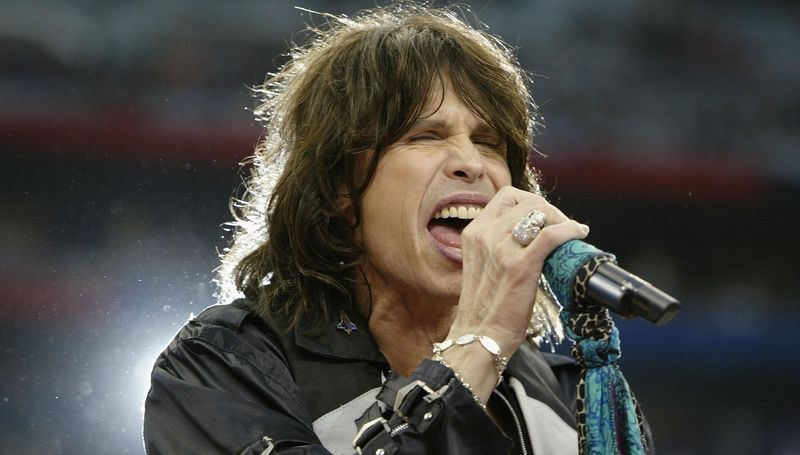
Steven Tyler has been the screaming, wailing heart of Aerosmith for over five decades, and his 4-octave vocal range is a core part of that enduring legacy. His voice stretches from G2 down low to B-flat 6 up high, covering gritty rock growls and soaring emotional peaks.
What makes Tyler special is the personality packed into every note. He does not just sing; he performs with his entire body.
Songs like “Dream On” showcase the kind of raw, aching power that only a voice seasoned by decades of hard rock can deliver.
14. Prince
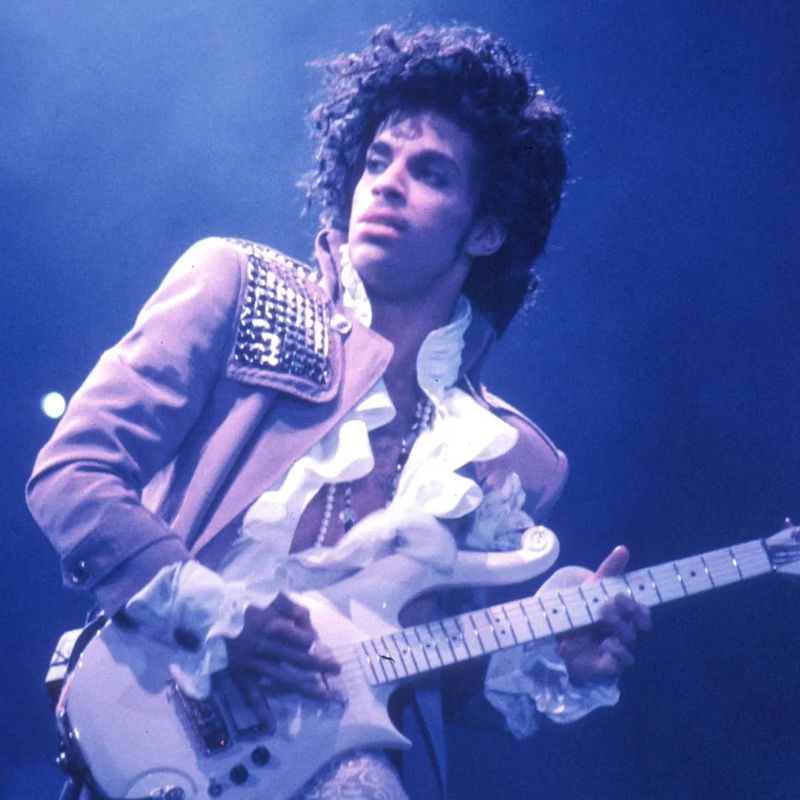
Prince was one of music’s greatest multi-instrumentalists, but his voice deserves just as much admiration as his guitar work. His 4-octave range ran from F2 to C7, allowing him to growl soulfully in baritone one moment and then soar into a delicate, heartbreaking falsetto the next.
That flexibility made him nearly impossible to categorize, which was exactly how he liked it. From the funky swagger of “Kiss” to the emotional sweep of “Purple Rain,” Prince used his voice to color every genre he touched with unmistakable brilliance.
15. Ariana Grande
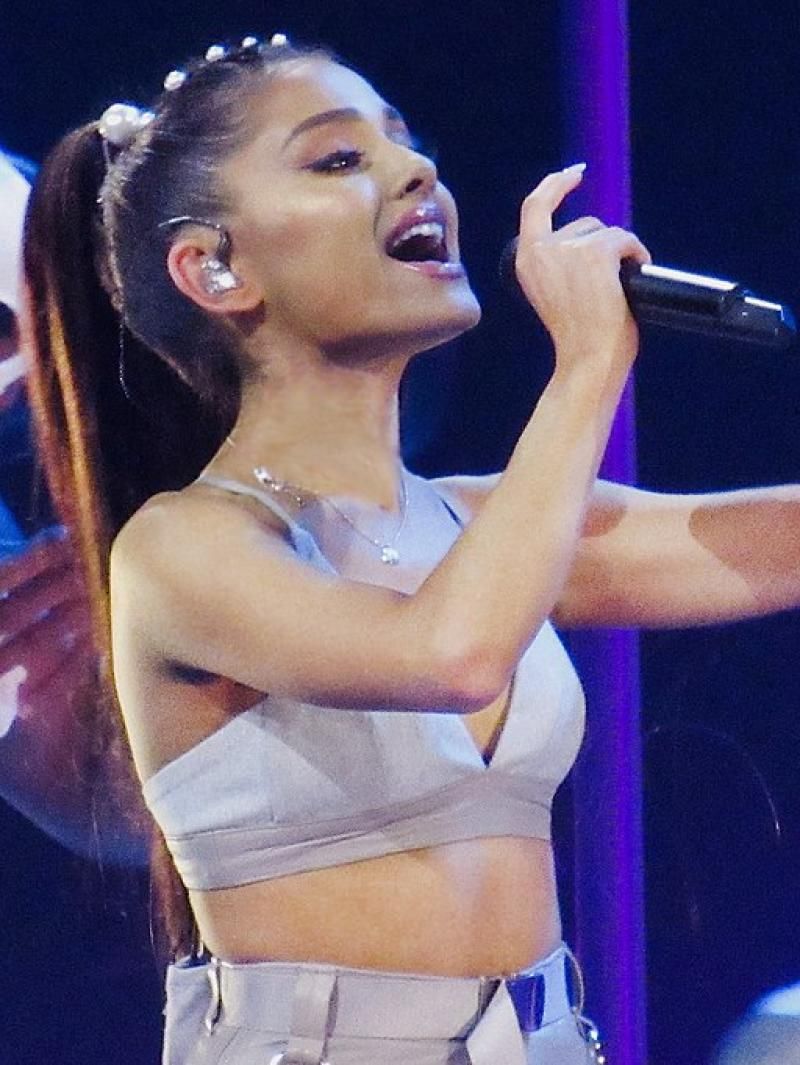
Do not let the bubbly pop image fool you: Ariana Grande is a serious vocal technician with a 4-octave range stretching from D3 to E7. Her voice moves through chest, mixed, head, and whistle registers with a smoothness that leaves even trained vocal coaches impressed.
Grande grew up performing in musical theater, which gave her a strong technical foundation beneath all those chart-topping pop hits. Songs like “No Tears Left to Cry” and “God is a Woman” demonstrate how she uses her full range to create performances that feel effortlessly powerful.
16. Minnie Riperton
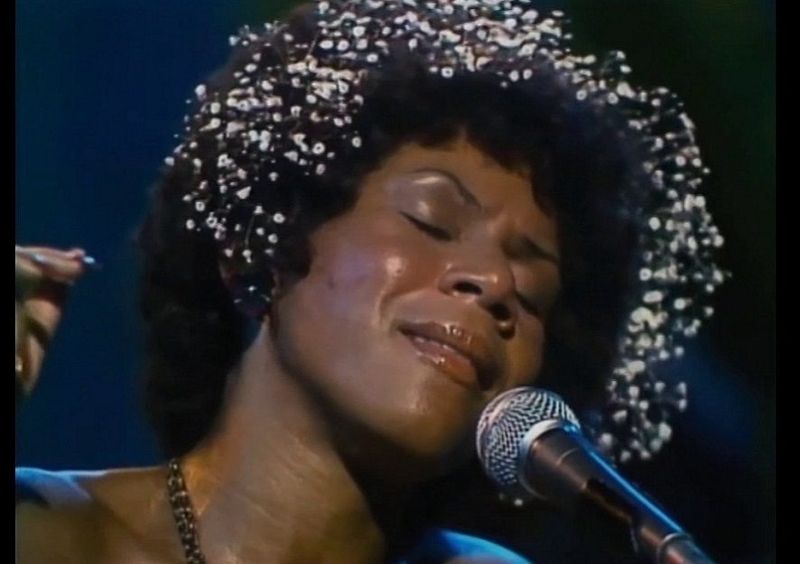
Minnie Riperton’s voice was so extraordinarily high that it seemed to exist in a world beyond ordinary music. Her 4-octave range, from G3 to F7, included a whistle register that she used with breathtaking naturalness on her 1975 smash hit “Lovin’ You,” a song that still sounds magical today.
Tragically, she passed away from cancer at just 31 years old, leaving behind a small but stunning body of work. Her influence on later whistle-register singers, especially Mariah Carey, is something the music world continues to acknowledge with enormous gratitude.
17. Celine Dion
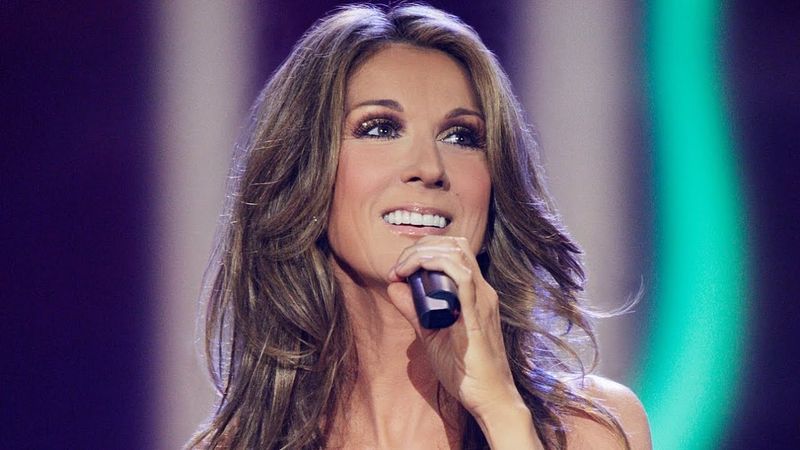
Celine Dion built one of the best-selling music careers in history on the foundation of a voice that simply does not quit. Her 4-octave range stretches from G#2 to E6, giving her the depth to deliver dramatic ballads with an emotional weight that can move audiences to tears.
Her Las Vegas residency, which ran for years to sold-out crowds, proved that her voice only grew more commanding with time. “My Heart Will Go On” from Titanic remains one of the most recognizable vocal performances in modern pop culture history.
18. Robert Plant
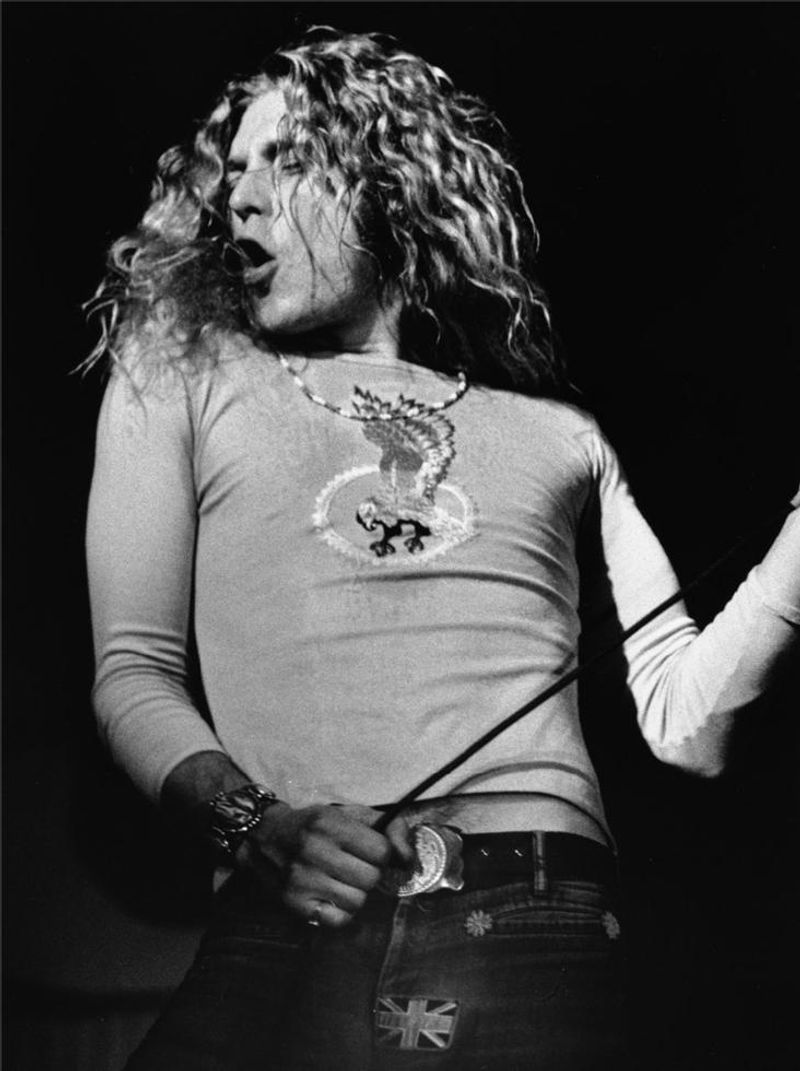
Robert Plant redefined what a rock singer could sound like when Led Zeppelin burst onto the scene in the late 1960s. His 4-octave range, from G2 to C#6, gave him the power to shake stadium walls with “Whole Lotta Love” and then turn achingly tender in “Stairway to Heaven.”
Plant’s voice carried a raw, bluesy spirit that felt untamed and primal. Even decades after Led Zeppelin’s peak, his recordings still sound ferociously alive, proof that genuine vocal personality is every bit as important as technical range.
19. Whitney Houston
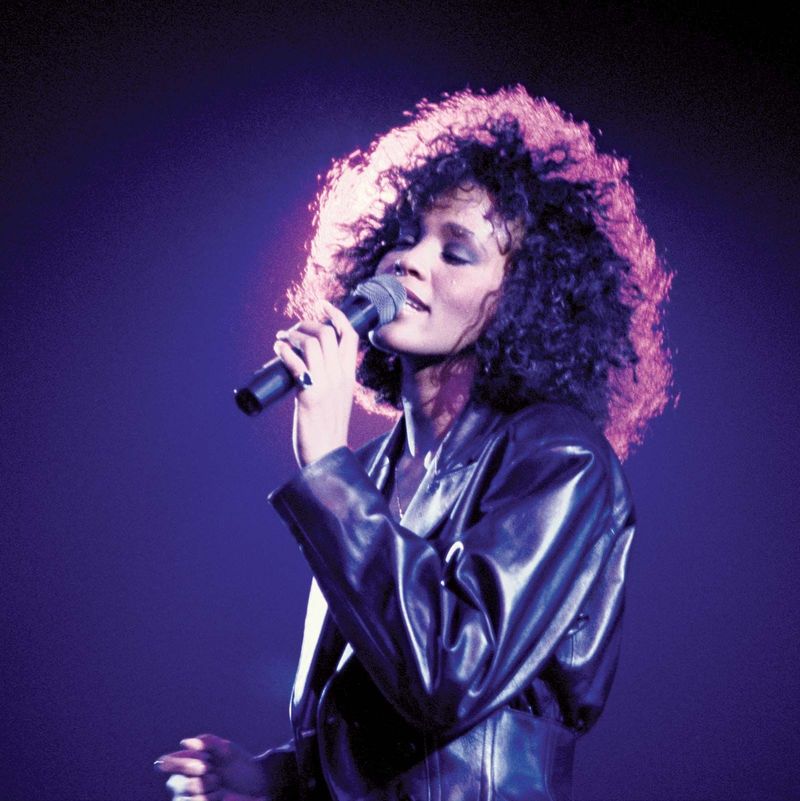
Whitney Houston is widely considered one of the greatest singers in music history, and her voice is the reason why. Spanning approximately 3.5 to 4 octaves, her range was matched by an emotional power and tonal purity that made every performance feel like a genuine event.
Her 1992 recording of “I Will Always Love You” is often cited as one of the greatest vocal performances ever captured on tape. Whitney did not just sing songs; she transformed them into experiences that listeners carry with them for the rest of their lives.
20. Geoff Tate
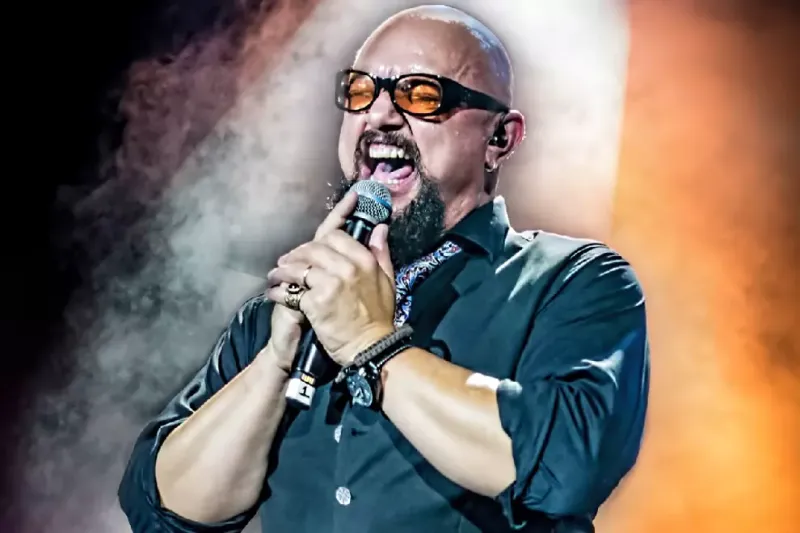
Progressive metal is not exactly known for producing vocalists with classical-style range, but Geoff Tate of Queensryche broke that mold completely. His 4-octave range gave the band a vocal identity that stood far above the typical metal screamer, blending operatic precision with hard-edged rock intensity.
Albums like “Operation: Mindcrime” and “Empire” showcased Tate’s ability to handle complex, multi-layered vocal arrangements that most rock singers would find overwhelming. His influence on the genre helped open the door for a more sophisticated approach to vocal performance in heavy music.