
Wuthering Heights set the gold standard for stormy, passionate love stories wrapped in fog, moors, and heartbreak. But it is far from the only novel that deserves the big-screen treatment.
Literary history is full of intense, gothic, and deeply emotional period romances that have either never been adapted or are long overdue for a fresh, modern version. Here are 20 unforgettable period love stories that filmmakers should absolutely bring to life.
1. Villette by Charlotte Bronte (1853)
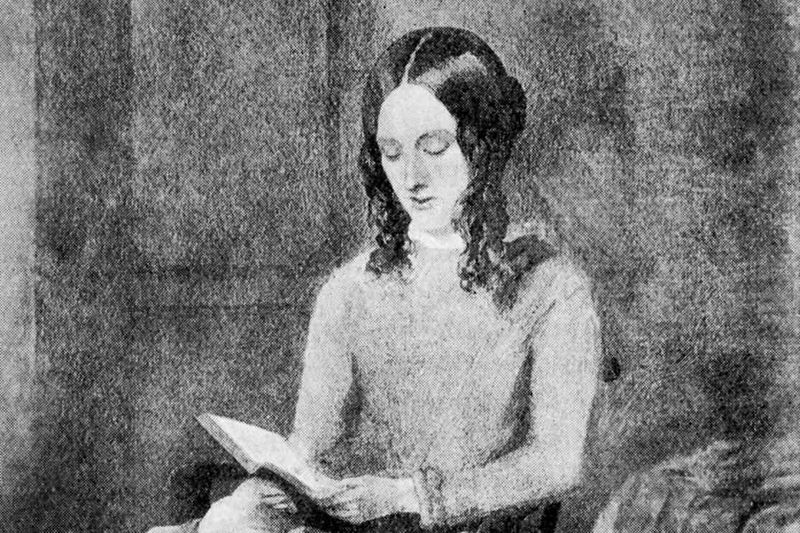
Charlotte Bronte poured her own heartbreak into this quiet, aching novel about Lucy Snowe, a young Englishwoman teaching abroad in a fictional French city. Unlike the bold romance of Jane Eyre, Villette is raw with loneliness and unspoken desire.
Lucy falls for a sharp, complicated man named Paul Emanuel, and watching their bond slowly unfold feels almost painfully real. BBC adapted it twice, but a sweeping cinematic version with today’s talent could finally give this underrated gem the audience it deserves.
2. The Tenant of Wildfell Hall by Anne Bronte (1848)
Anne Bronte was the boldest Bronte sister, and this novel proves it. Helen Graham flees her abusive, alcoholic husband and hides at a decaying manor, which was an act of radical courage for a woman in the 1840s.
A brooding neighbor named Gilbert Markham falls hard for her mysterious strength. While the BBC made miniseries in 1968 and 1996, a powerful modern film could honor Anne’s feminist fire with the epic scale this story truly earned.
3. Lady Audley’s Secret by Mary Elizabeth Braddon (1862)
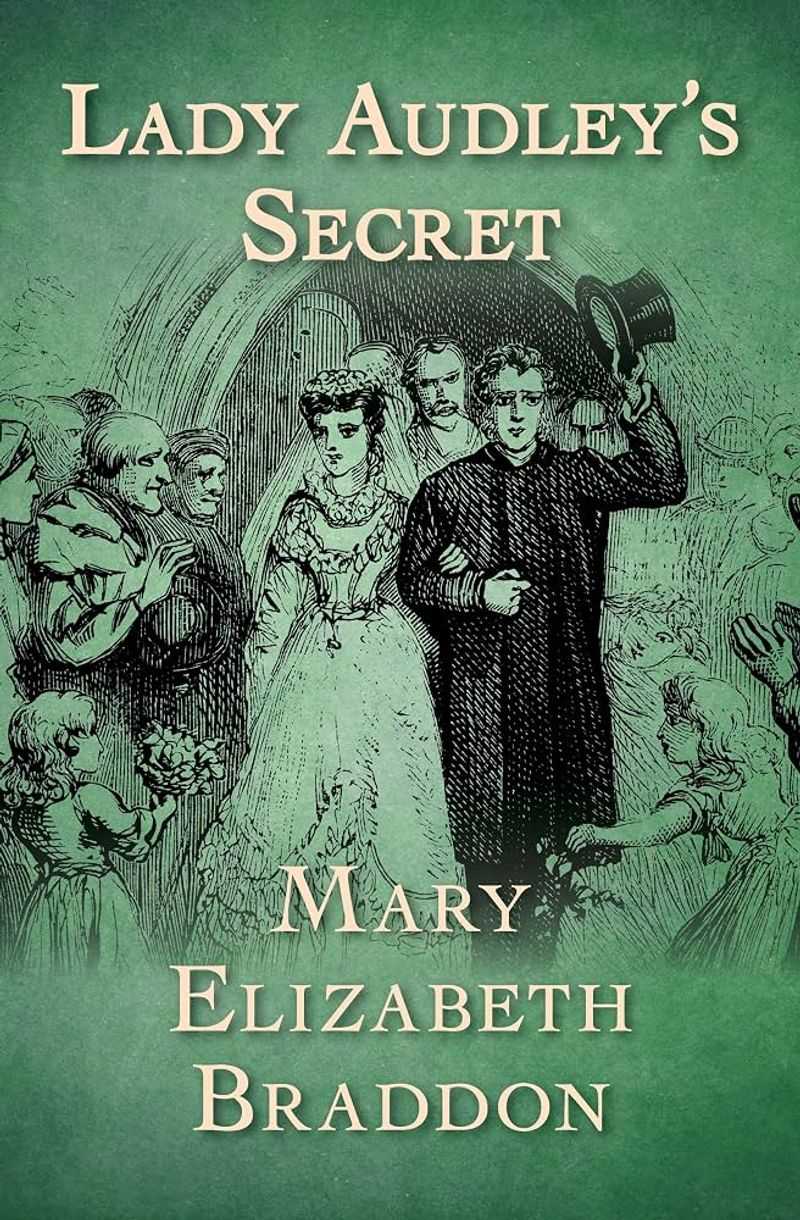
Behind Lady Audley’s angelic face lies one of Victorian fiction’s most thrilling secrets. Published in 1862, this sensation novel follows a young woman who will do anything to protect her carefully constructed new life, including actions that cross into dangerous territory.
Silent film adaptations existed, but a lush, high-budget cinematic version could turn this page-turner into a true blockbuster. Think sharp costumes, gaslit interiors, and a leading lady who keeps audiences guessing until the final frame.
4. Dragonwyck by Anya Seton (1944)
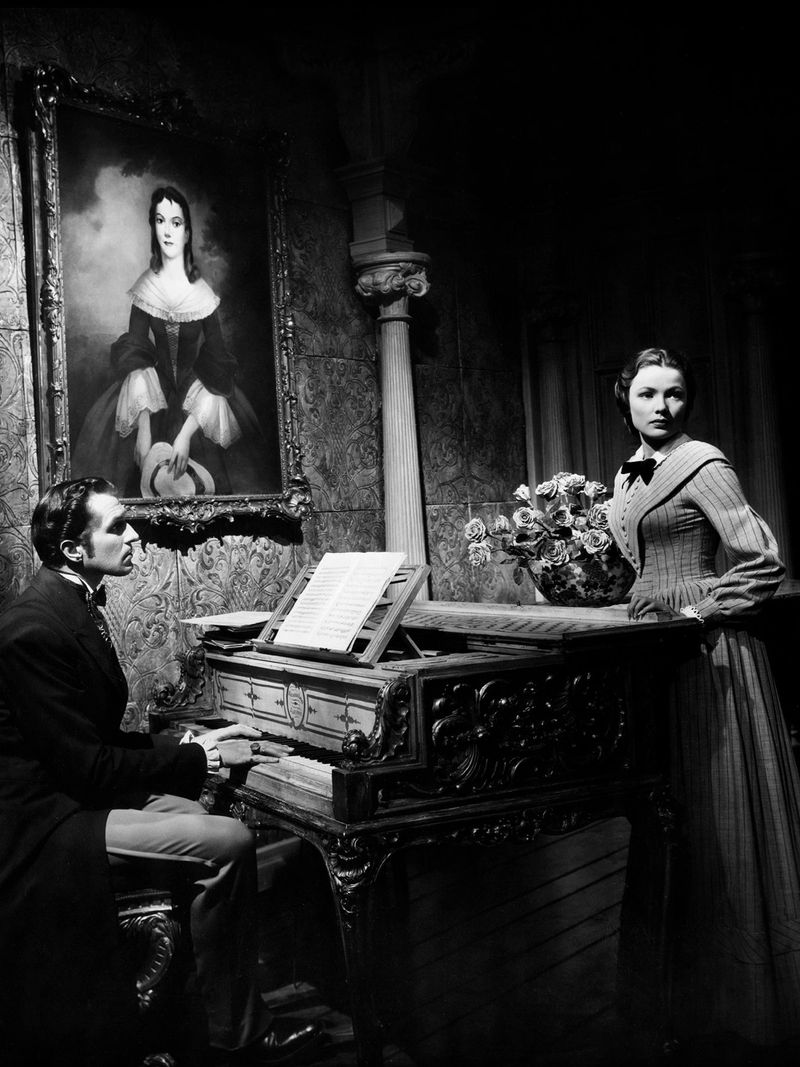
Set in the misty Hudson Valley of 1844, Dragonwyck follows Miranda Wells, a farm girl invited to live with her wealthy and eerily controlling cousin Nicholas Van Ryn at his magnificent estate. The atmosphere practically drips with dread.
Gene Tierney and Vincent Price starred in the 1946 film, but the story deserves a fresh, darker retelling that leans into its gothic roots. Class, obsession, and quiet terror make this one a natural fit for a prestige period production.
5. The Lady of the Camellias by Alexandre Dumas fils (1848)
Long before Moulin Rouge made audiences sob, Alexandre Dumas fils wrote this devastating love story about Marguerite Gautier, a glamorous Parisian courtesan who falls deeply in love with the idealistic Armand Duval. Their romance is doomed from the start.
Baz Luhrmann borrowed heavily from this tale, but a faithful, period-accurate film adaptation could show the full emotional weight of Marguerite’s sacrifice. Tragic, lush, and heartbreaking, this story screams for a serious cinematic adaptation.
6. Jamaica Inn by Daphne du Maurier (1936)
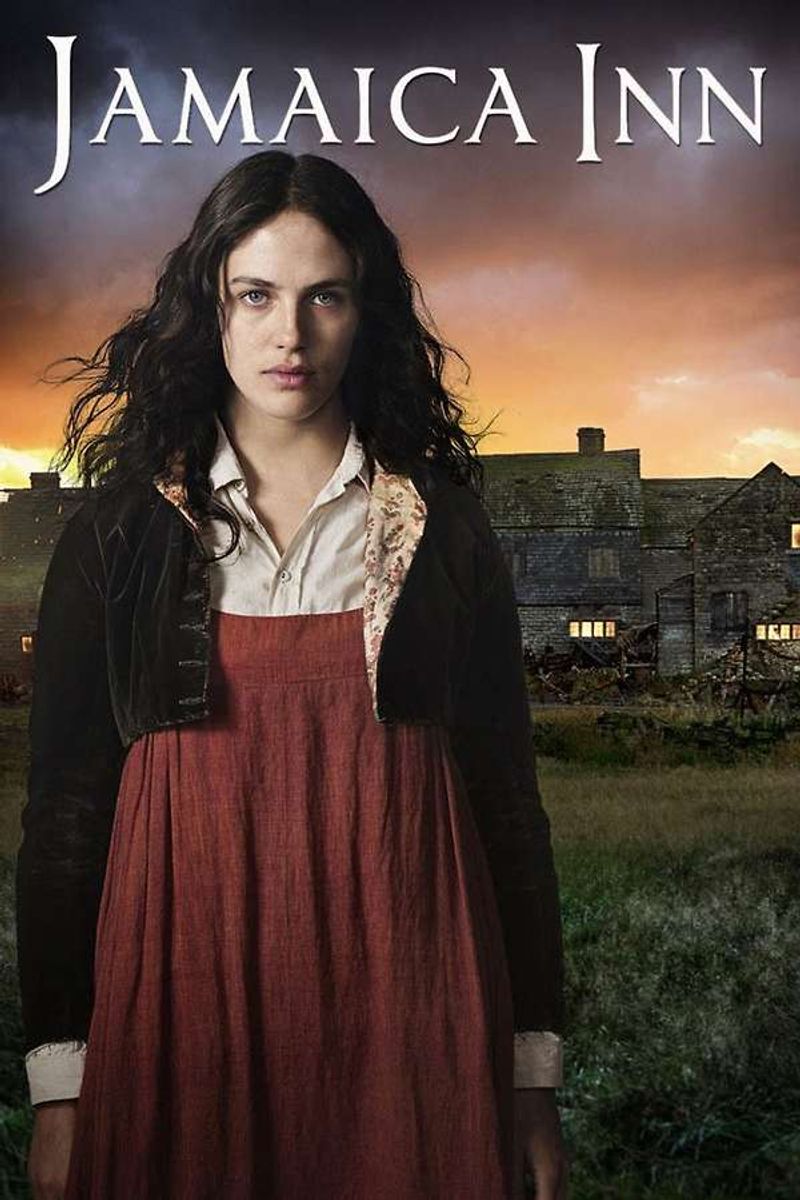
Daphne du Maurier had a talent for making landscapes feel dangerous, and Jamaica Inn is proof. Set in 1820s Cornwall, it follows young Mary Yellan as she uncovers a terrifying smuggling operation run by her brutal uncle at a remote, wind-howling inn.
Hitchcock adapted it in 1939, and the BBC revisited it in 2014, but neither version fully captured the novel’s gothic romance and wild atmosphere. A bold new film could finally do justice to du Maurier’s dark, breathless storytelling.
7. The Woman in White by Wilkie Collins (1860)
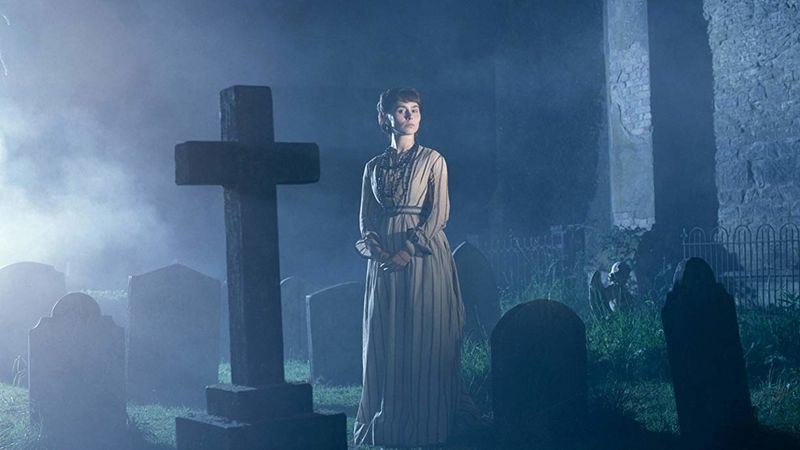
Wilkie Collins basically invented the thriller genre with this 1860 masterpiece. Walter Hartright encounters a terrified woman dressed in white on a dark road, and that single moment pulls him into a conspiracy of identity, greed, and obsessive love.
Multiple TV versions exist, but none have truly captured the novel’s cinematic potential on a major screen. A big-budget film with sweeping English countryside visuals and a twisty, suspenseful script could finally make this Victorian sensation the global hit it deserves to be.
8. Rebecca by Daphne du Maurier (1938)
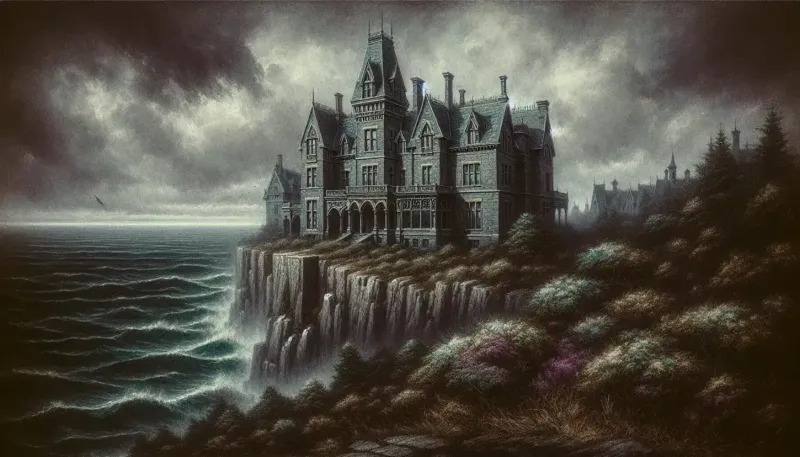
“Last night I dreamt I went to Manderley again.” That opening line alone sends chills. Du Maurier’s Rebecca follows a young, nameless narrator who marries a wealthy widower and moves into his haunted estate, where the memory of his first wife rules everything.
Hitchcock’s 1940 film is iconic, and Netflix tried again in 2020, but readers agree neither version fully nailed the suffocating psychological tension. A new prestige adaptation with a modern director’s vision could finally get it completely right.
9. Tess of the d’Urbervilles by Thomas Hardy (1891)
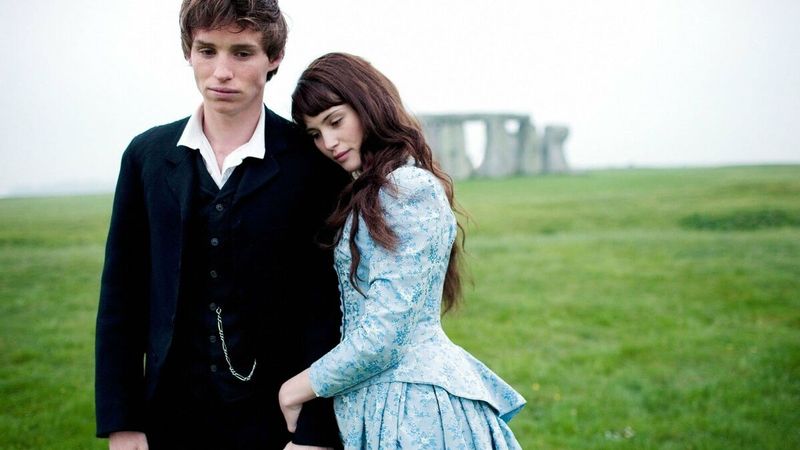
Few novels carry as much emotional devastation as Thomas Hardy’s Tess. The story follows Tess Durbeyfield, a kind, hardworking country girl whose life is derailed by betrayal, social cruelty, and a love that arrives far too late to save her.
Roman Polanski filmed it beautifully in 1979, and the BBC made a solid miniseries in 2008. Still, a new version with a fresh feminist lens and modern cinematography could make Tess’s tragedy resonate powerfully with today’s audiences in ways previous versions never quite managed.
10. My Cousin Rachel by Daphne du Maurier (1951)
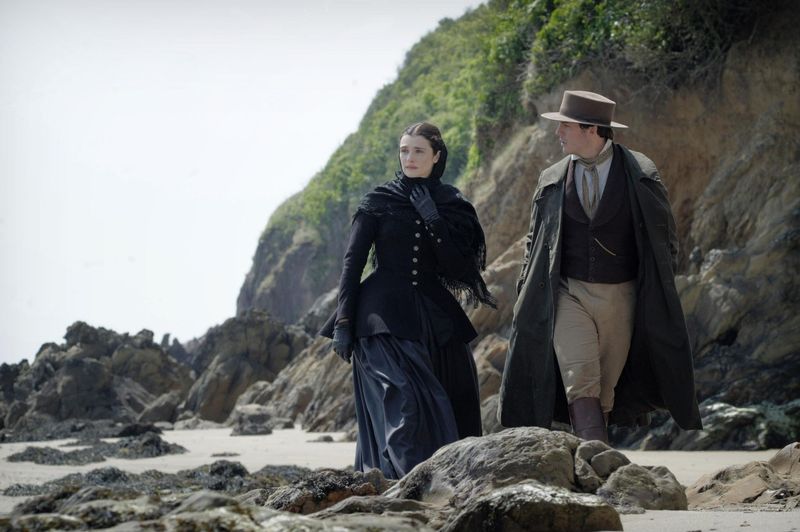
Is Rachel a loving widow or a cold-blooded poisoner? Du Maurier never quite tells you, and that is exactly what makes this novel so addictive.
Young Philip inherits his cousin’s Cornish estate and becomes dangerously obsessed with the mysterious woman his cousin married.
Films came in 1952 and 2017, but neither adaptation fully committed to the novel’s delicious, nerve-shredding ambiguity. A version that truly keeps audiences split right down the middle about Rachel’s guilt would be a modern gothic masterpiece waiting to happen.
11. The Mysteries of Udolpho by Ann Radcliffe (1794)
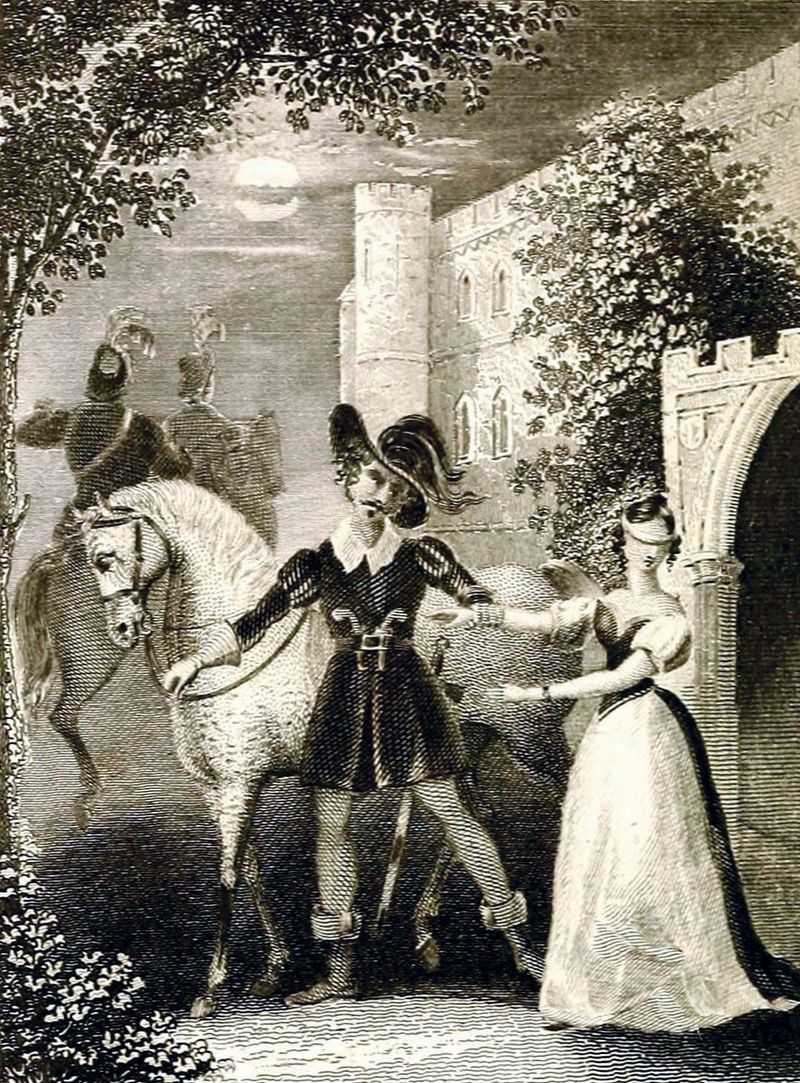
Ann Radcliffe practically wrote the rulebook on gothic fiction with this 1794 novel, and yet it almost never gets talked about today. Emily St. Aubert is imprisoned in a sinister Italian castle by her villainous uncle, surrounded by eerie mysteries and a forbidden romance.
Jane Austen even parodied it in Northanger Abbey, which shows how culturally massive it once was. A lavish period film with atmospheric Italian castle settings could introduce this foundational gothic love story to an entirely new generation of readers.
12. North and South by Elizabeth Gaskell (1855)
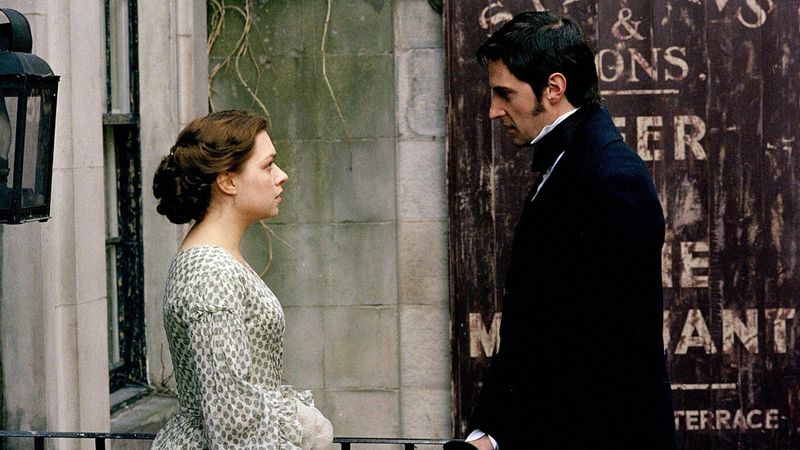
Margaret Hale moves from a quiet southern English village to a gritty industrial northern town and clashes hard with the proud mill owner John Thornton. Their arguments crackle with tension, and their slow-burn romance is deeply satisfying.
The 2004 BBC adaptation is beloved, but fans have longed for a big theatrical film version for years. Richard Armitage made Thornton iconic on television, yet the story’s themes of class conflict and stubborn love feel built for a sweeping cinematic experience.
13. The Scarlet Letter by Nathaniel Hawthorne (1850)
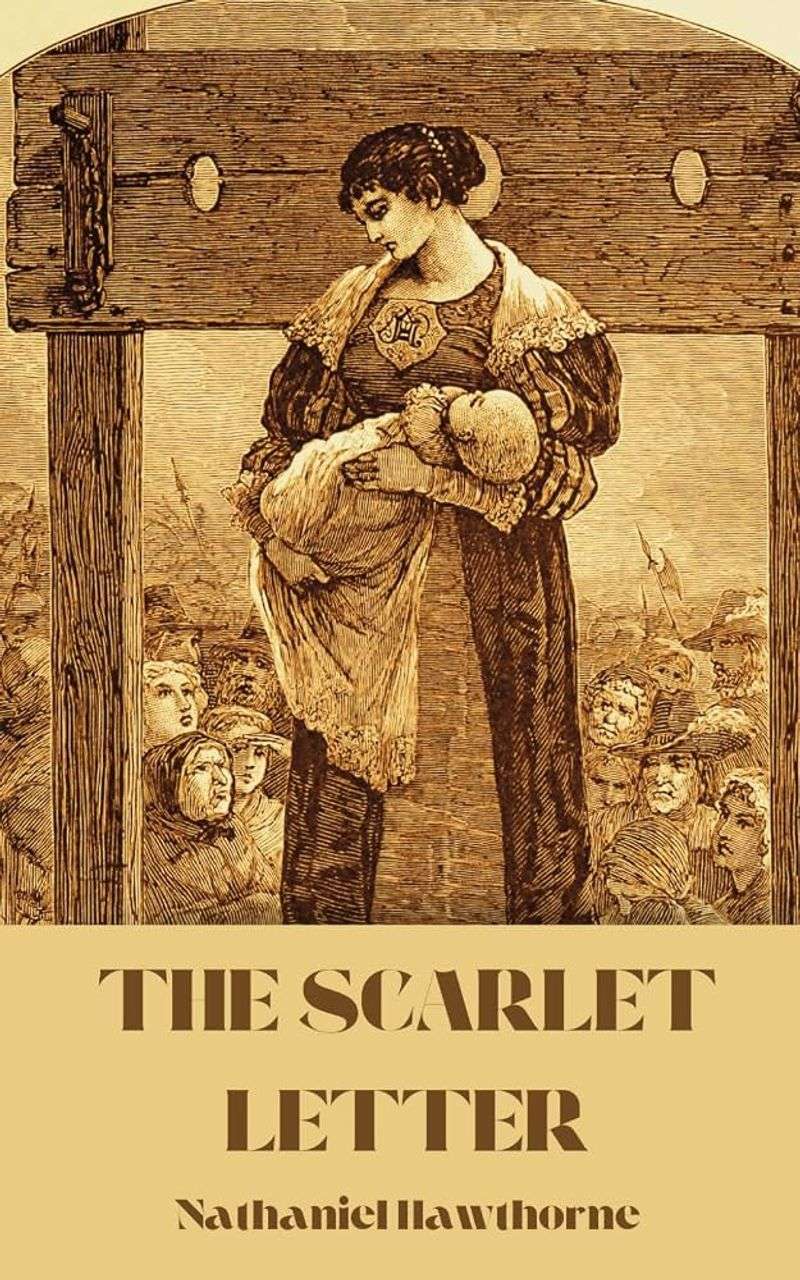
Hester Prynne’s story is one of the most emotionally complex love stories in American literature. Forced to wear a scarlet letter as public punishment for an affair, she endures years of shame while secretly sharing a painful bond with the man she loves, a respected minister hiding his own guilt.
Several film versions exist, but most miss the true emotional depth of Hawthorne’s exploration of love, shame, and hypocrisy. A faithful, beautifully crafted adaptation could finally give Hester the powerful, nuanced story she deserves.
14. Middlemarch by George Eliot (1871)
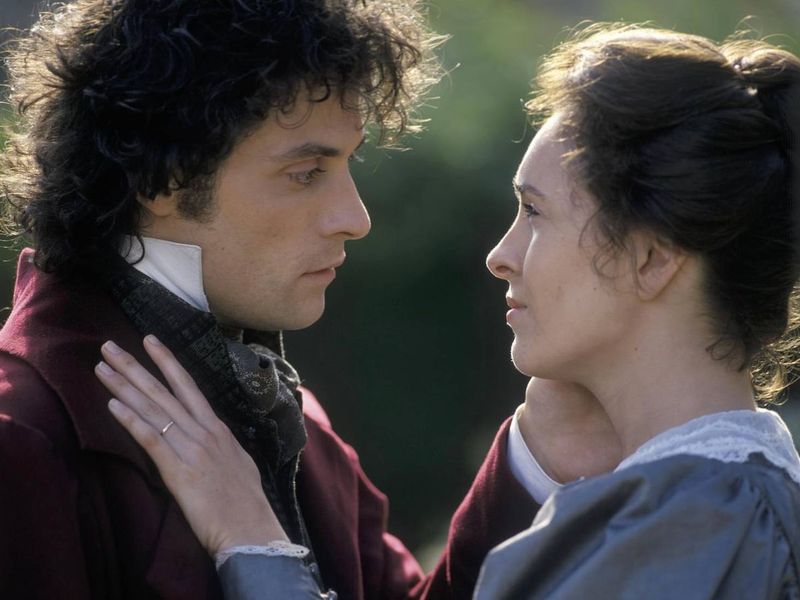
George Eliot’s Middlemarch is often called the greatest English novel ever written, and its love stories are a big reason why. Dorothea Brooke marries the wrong man out of misguided admiration, then slowly discovers a truer, quieter love she nearly lets slip away.
The 1994 BBC miniseries is excellent but feels dated now. A modern cinematic version with sharp writing and strong performances could introduce Eliot’s rich, compassionate world to millions of viewers who have never picked up the book.
15. The Hunchback of Notre Dame by Victor Hugo (1831)
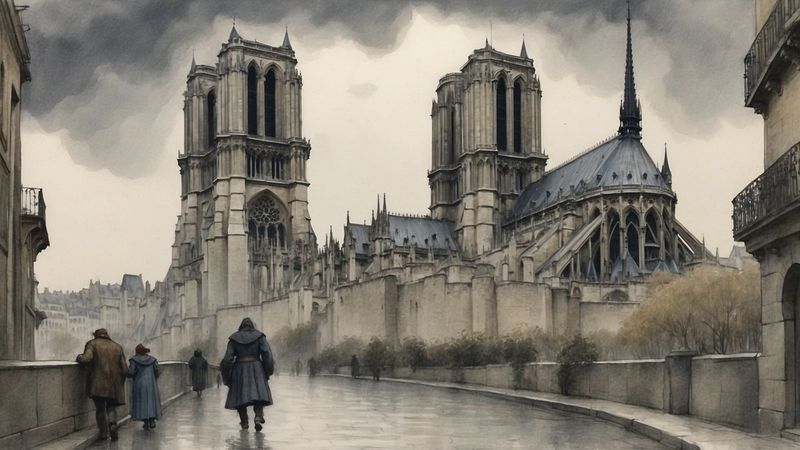
Victor Hugo’s 1831 novel is not just a tale of a bell ringer with a kind heart. Quasimodo’s silent, selfless love for Esmeralda, alongside the terrifying obsession of the archdeacon Frollo, creates one of literature’s most emotionally devastating love triangles.
Disney softened it considerably in 1996, and most adaptations focus on spectacle over emotional depth. A faithful, adult-oriented period film set in the brooding streets of medieval Paris could finally capture Hugo’s heartbreaking exploration of love, beauty, and cruelty.
16. Agnes Grey by Anne Bronte (1847)
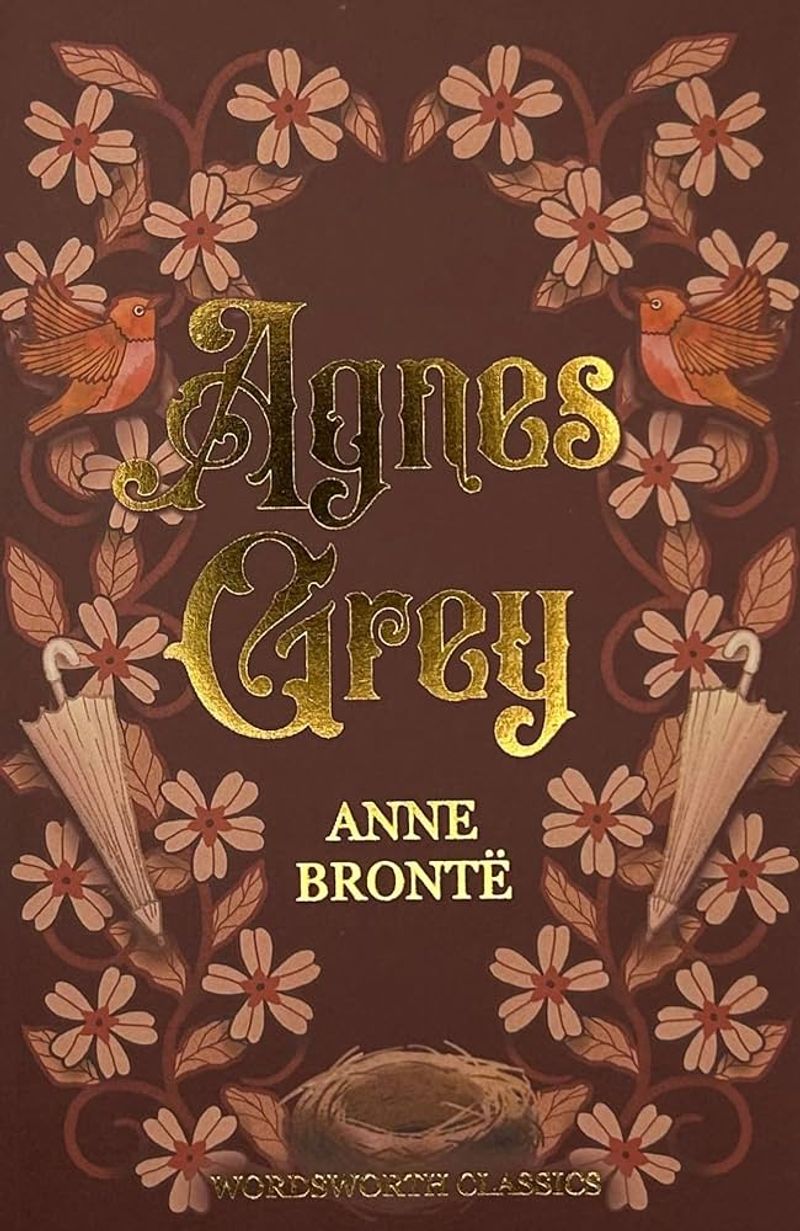
Anne Bronte’s first novel is quieter than her sister Charlotte’s work, but its emotional honesty cuts just as deep. Agnes Grey works as a governess in wealthy households, enduring cruelty and condescension, while falling for a kind curate who notices her quiet worth.
Unlike Jane Eyre, Agnes’s love story is gentle rather than dramatic, but it is no less moving. This novel has rarely been adapted and deserves a sensitive, beautifully shot film that celebrates the dignity of ordinary women who love with quiet, steady hearts.
17. The Portrait of a Lady by Henry James (1881)
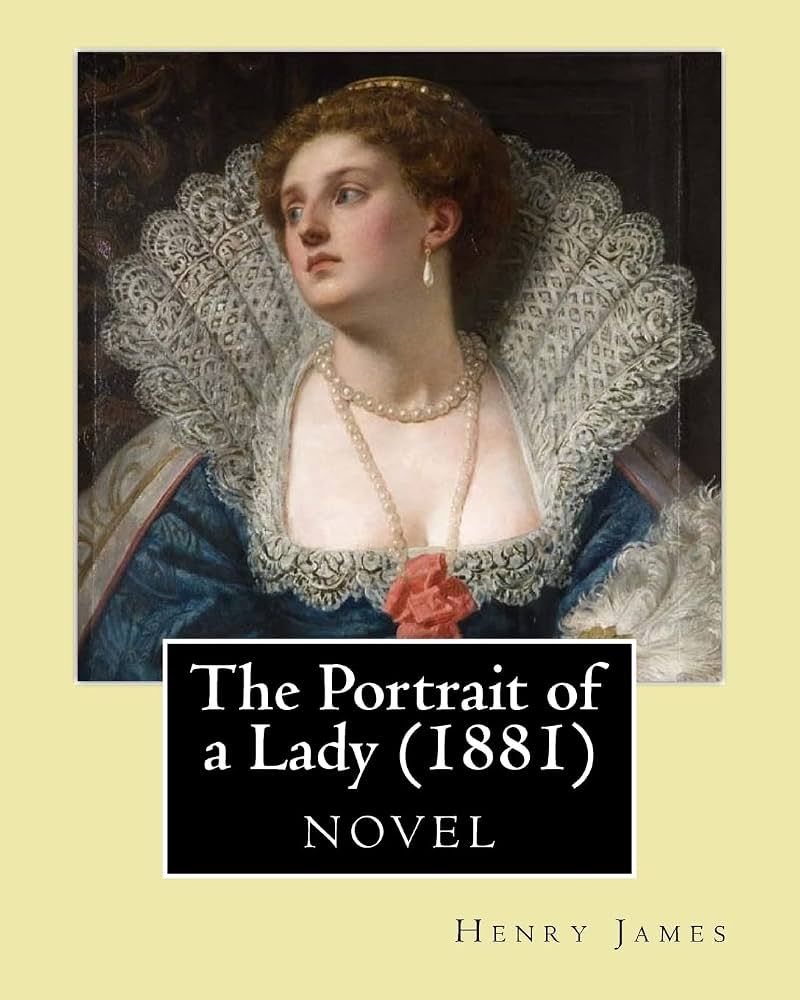
Isabel Archer arrives in Europe full of ambition and refuses every easy path offered to her. Then she meets Gilbert Osmond, a charming, calculating man who turns her free spirit into a cage.
Henry James wrote this as a slow, painful portrait of a brilliant woman trapped by her own choices.
Jane Campion directed a moody 1996 version, but the novel’s psychological richness still feels underexplored on screen. A new adaptation with a bolder, more emotionally direct approach could make Isabel’s tragedy hit audiences like a freight train.
18. Far from the Madding Crowd by Thomas Hardy (1874)
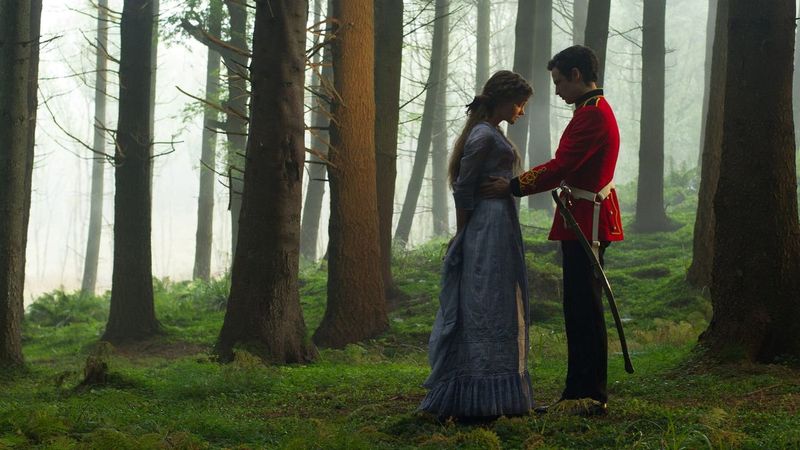
Bathsheba Everdene owns her farm, makes her own decisions, and refuses to be pushed around by anyone. Hardy gave readers one of Victorian fiction’s most fiercely independent heroines, surrounded by three very different men, each loving her in completely opposite ways.
A 2015 film adaptation starred Carey Mulligan and was warmly received, but Hardy fans know the novel’s emotional complexity goes even deeper. The story’s sunlit English countryside, combined with its turbulent love triangle, feels made for a rich, expansive cinematic retelling.
19. Cousin Bette by Honore de Balzac (1846)
Cousin Bette is not a love story in the traditional sense. Lisbeth Fischer’s obsessive, all-consuming passion for a Polish sculptor she cannot have drives her to quietly and methodically destroy the wealthy family who has always overlooked her.
Balzac wrote jealousy as a full-blown gothic force.
This 1846 French novel has rarely received the major screen treatment it deserves. A lush, sharp adaptation set in glittering 19th-century Paris could be a deliciously dark psychological drama with a villain audiences would love to hate.
20. Armadale by Wilkie Collins (1866)
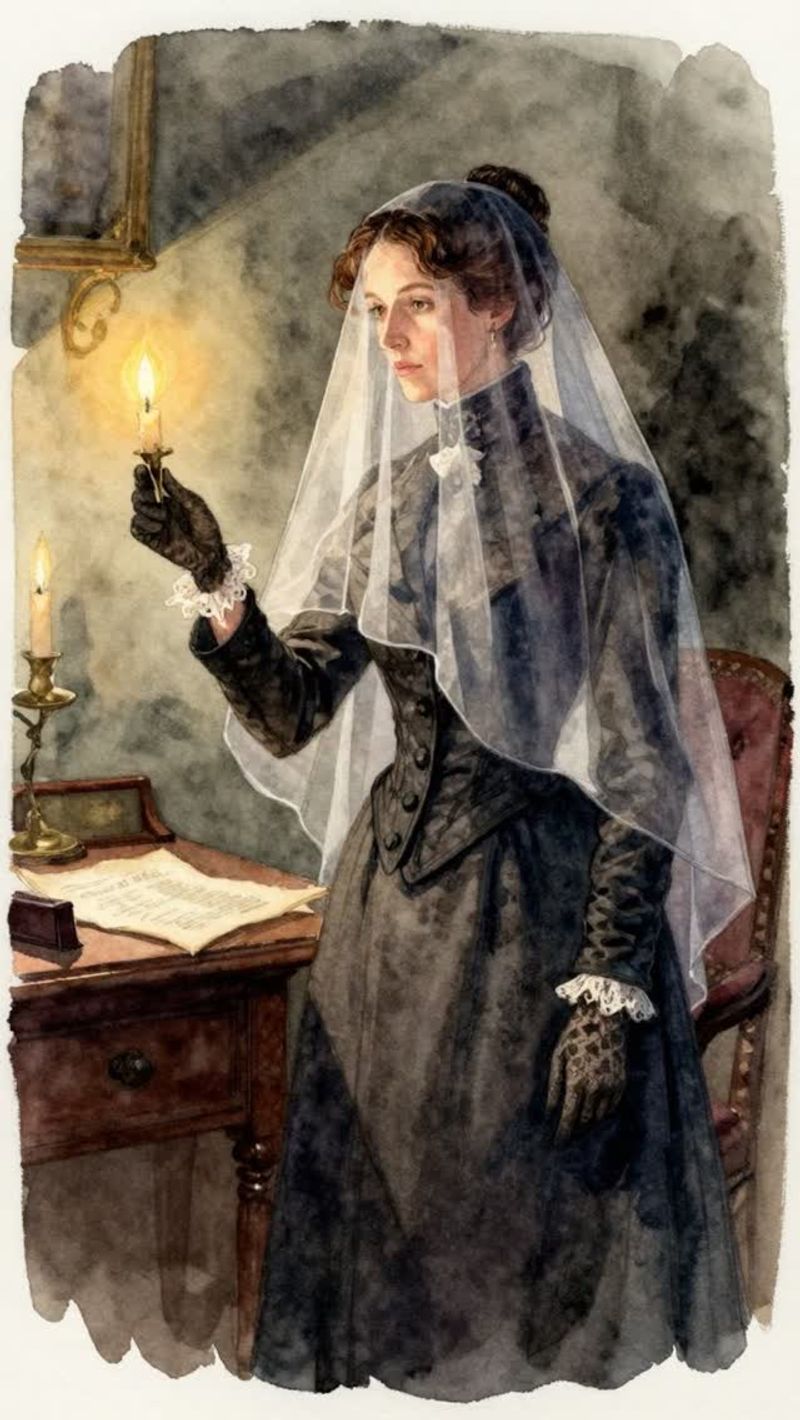
Wilkie Collins outdid himself with this sprawling 1866 thriller. Two men named Allan Armadale, linked by a shared dark family history, fall under the dangerous spell of Lydia Gwilt, one of Victorian fiction’s most cunning and complex female villains.
The romance is twisted, electric, and genuinely unsettling.
Collins is mostly remembered for The Woman in White, but Armadale is arguably wilder and more cinematic. A bold, atmospheric adaptation could finally bring this underrated Victorian thriller the recognition it has always deserved.