
Europe is full of famous foods like French croissants, Italian pasta, and Spanish tapas. But tucked away in small villages and forgotten corners of the continent are dishes so delicious they make you wonder why nobody is talking about them.
From mountain valleys to coastal fishing towns, these regional recipes carry centuries of history in every bite. Get ready to discover some of the most underrated flavors Europe has to offer.
1. Cjarsons – Carnia, Friuli-Venezia Giulia, Italy
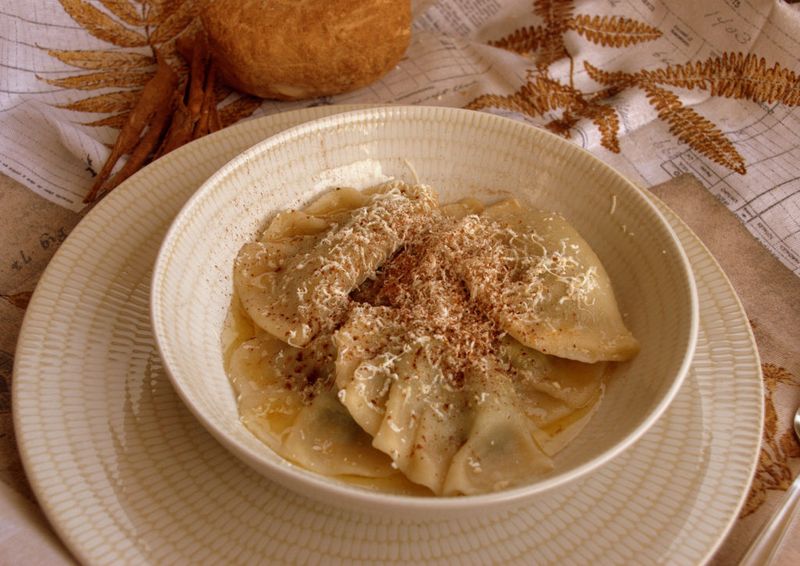
Hidden in the Alpine valleys of Carnia, Cjarsons is a pasta unlike anything you have tasted before. Each small ravioli is filled with a wild mix of sweet and savory ingredients, including raisins, herbs, chocolate, and sometimes cinnamon.
Then it gets drizzled with melted butter and dusted with smoked ricotta.
The combination sounds strange, but it works beautifully. This dish dates back hundreds of years and reflects the creative spirit of mountain communities who used whatever ingredients they had.
2. Kalakukko – North Savo, Finland
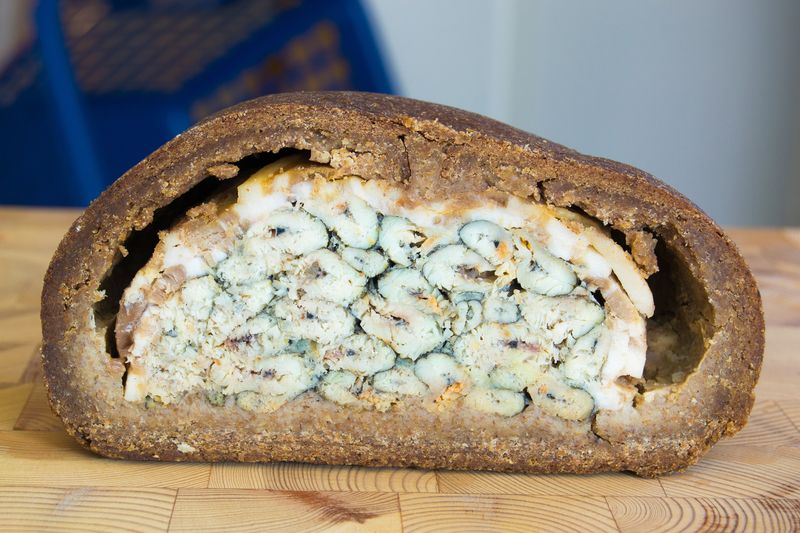
Imagine a loaf of dark rye bread that is also secretly a fish pie. That is exactly what Kalakukko is, and people in North Savo, Finland have been baking it for centuries.
Small fish, usually vendace or perch, are packed inside rye dough along with fatty pork and then slow-baked for hours.
The result is a dense, hearty meal that kept Finnish farmers going through brutal winters. It even has protected regional status in the European Union.
3. Farinata di Cavolo Nero – Lucchesia, Tuscany, Italy
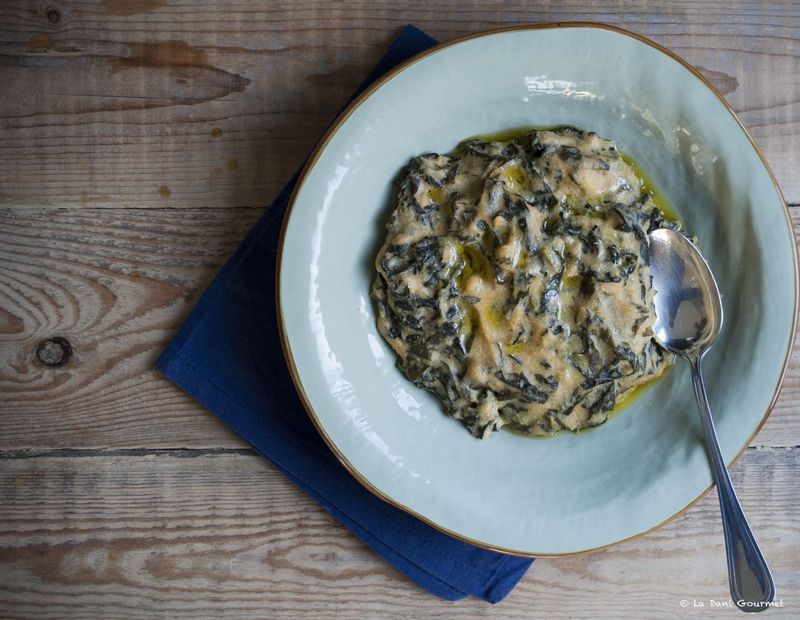
Not to be confused with the chickpea flatbread also called farinata, this version from the hills around Lucca is a thick, warming porridge made with cornmeal and dark, leafy cavolo nero kale. Peasant farmers created it as a filling winter meal using the simplest ingredients from their gardens.
The flavor is earthy, slightly bitter, and deeply satisfying. A generous pour of local extra-virgin olive oil on top transforms this humble bowl into something genuinely special.
4. Botillo del Bierzo – El Bierzo, Castile and Leon, Spain
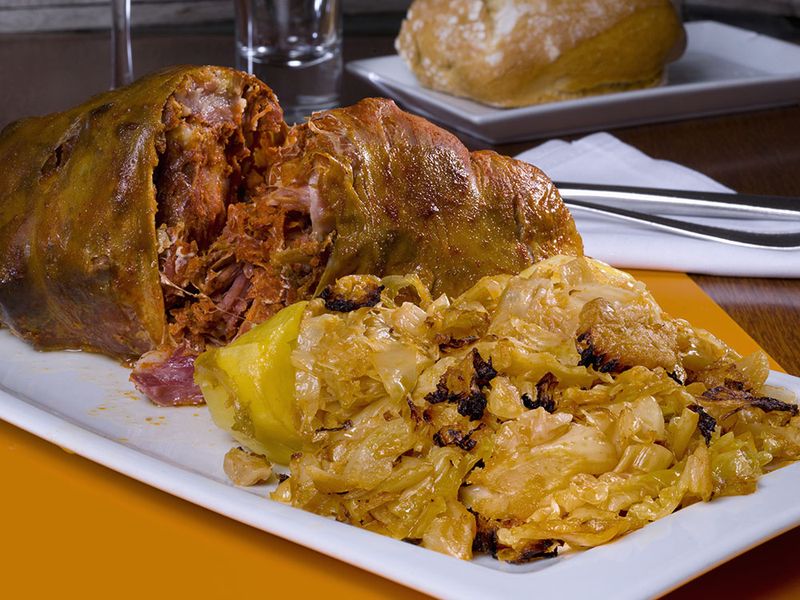
El Bierzo sits in a quiet valley in northwestern Spain, and it produces one of the most dramatic pork dishes on the continent. Botillo is a smoked sausage casing packed with seasoned pork ribs, tail, and other cuts, then slow-cooked until everything is falling-apart tender.
Locals serve it with boiled potatoes and cabbage for a meal that is pure comfort food. It earned EU protected geographical status, yet most tourists have never even heard its name.
5. Magiritsa – Epirus, Greece
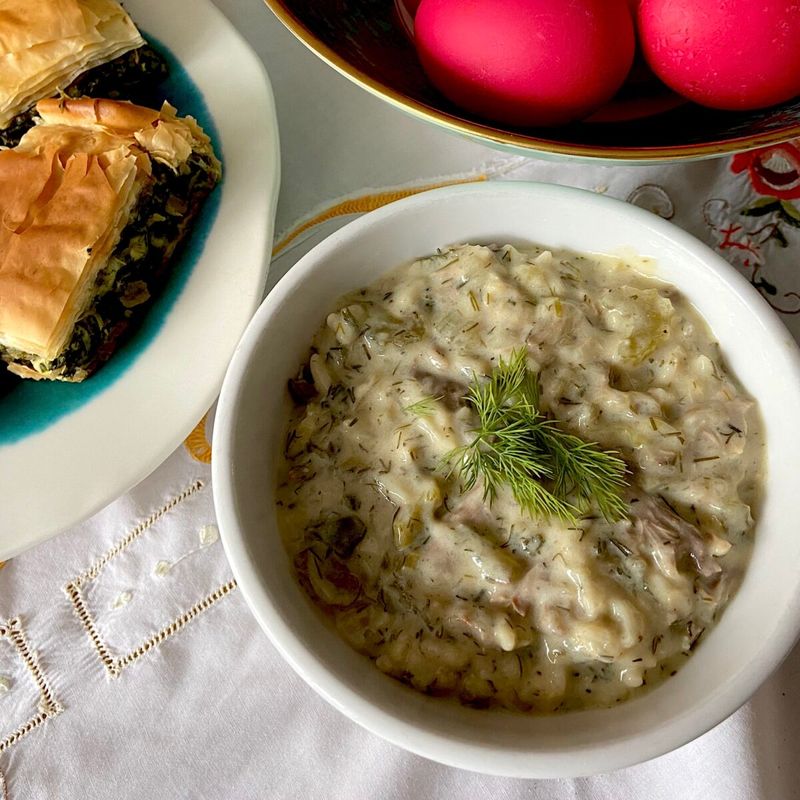
Every Easter midnight in Epirus, families break their long Lenten fast with a bowl of Magiritsa, a rich soup made from lamb offal, spring onions, dill, and a silky egg-lemon sauce called avgolemono. The flavor is bright, tangy, and deeply aromatic in the best possible way.
Most food travelers stick to Greek salad and souvlaki, completely missing this extraordinary tradition. Magiritsa is the kind of dish that connects generations around a table in a way few foods can.
6. Tteok-Inspired Spatzle Fusion – Alsace, France
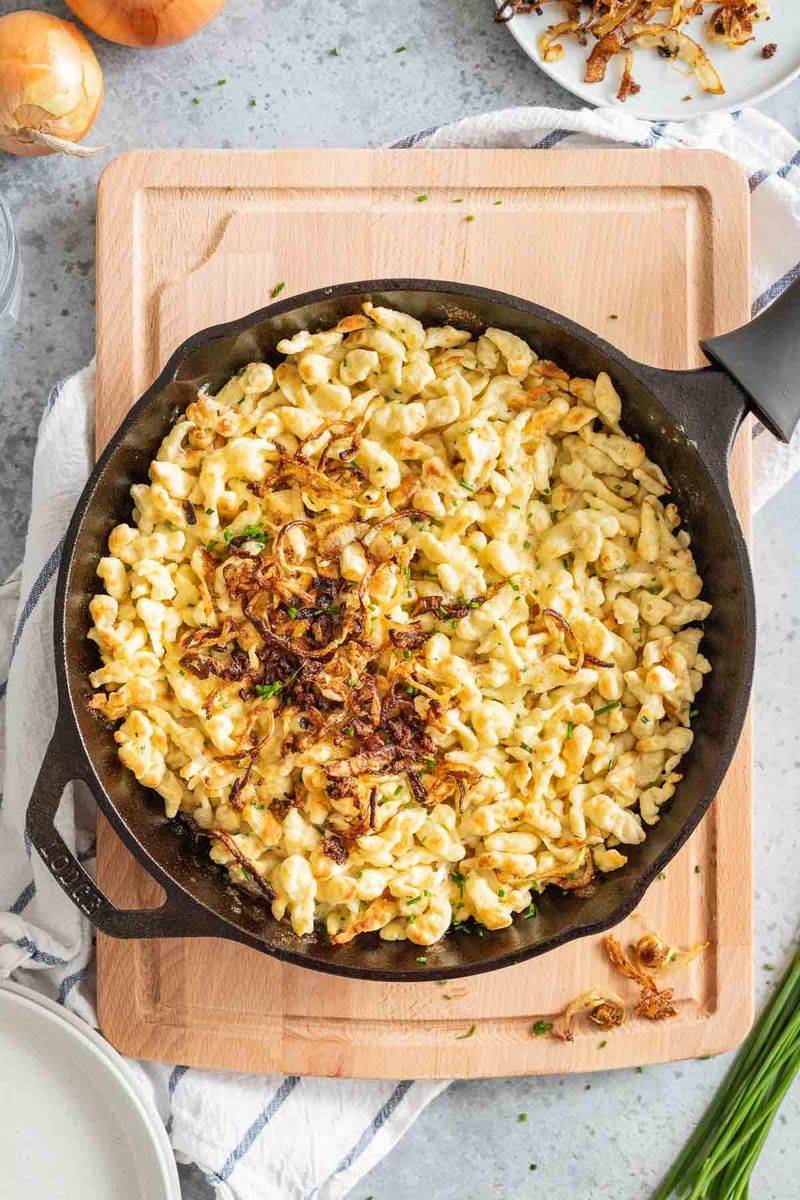
Alsace sits squeezed between France and Germany, and its food reflects both cultures in fascinating ways. Spatzle, the region’s beloved egg-noodle dumplings, are often pan-fried in butter with caramelized onions and topped with pungent Munster cheese to create a dish called Spatzle au Munster.
Most visitors to Strasbourg eat choucroute and move on, never discovering this golden, cheesy skillet meal hiding on local menus. The crispy edges and gooey center make it completely irresistible on a cold evening.
7. Skubanky – Moravia, Czech Republic
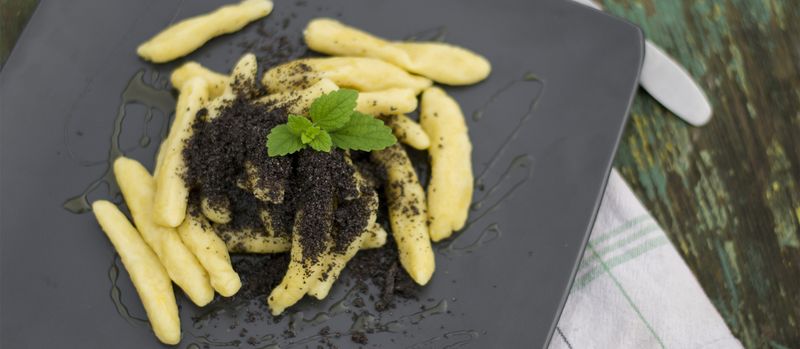
Sweet potato dumplings might sound like a dessert experiment gone rogue, but Skubanky from Moravia is a beloved main course that Czechs have eaten for generations. Soft potato dough is shaped into small dumplings, boiled, and then generously coated in ground poppy seeds, sugar, and melted butter.
The combination is nutty, sweet, and comforting in a way that feels like a warm hug. Grandmother recipes for Skubanky vary from village to village, making each version a little different.
8. Ojja – Sfax Influence via Malta’s Gozo Island
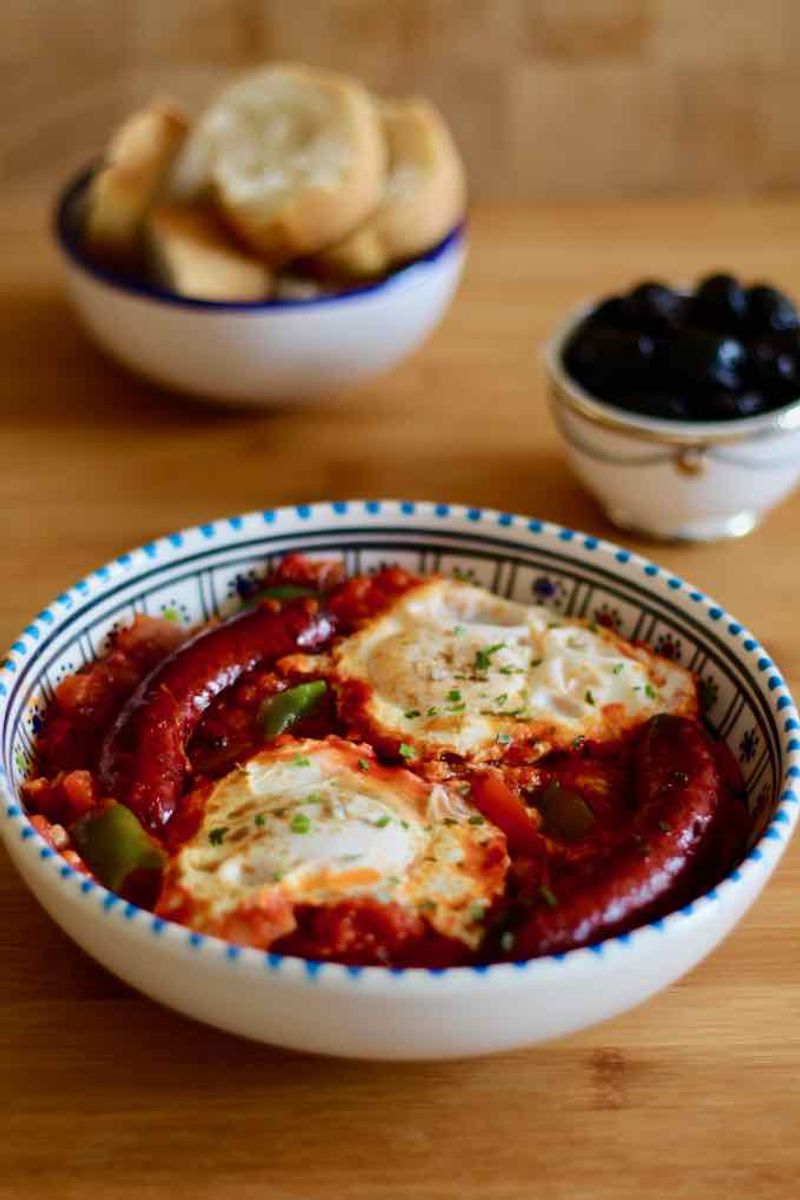
On the tiny Maltese island of Gozo, a dish called Ojja shows just how many cultures have shaped this small corner of the Mediterranean. Rooted in North African tradition, it is a bubbling pan of spiced tomatoes, peppers, and garlic with eggs poached right in the sauce.
Sometimes merguez sausage joins the party, making it even more flavorful. Gozitans eat it for breakfast, lunch, or dinner without apology, and honestly, that flexibility alone makes it worth knowing about.
9. Koldolmar – Dalarna, Sweden
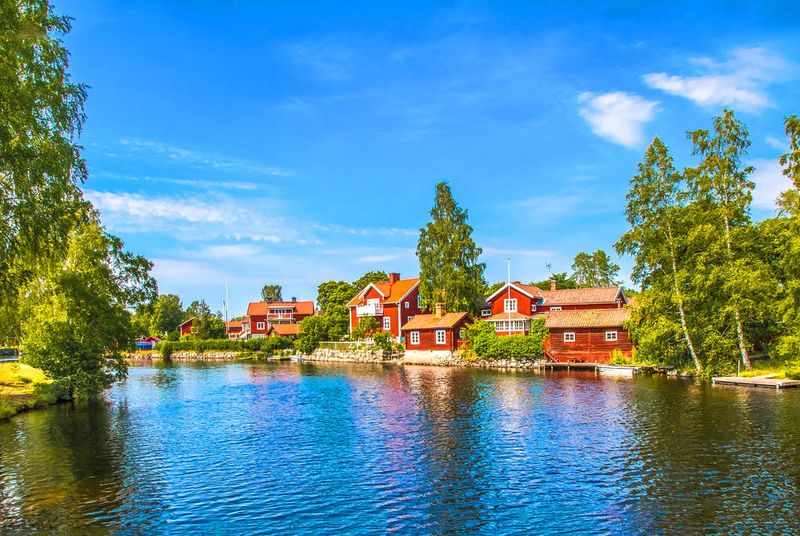
Sweden adopted cabbage rolls from the Ottoman Empire back in the 1700s, and Dalarna turned them into something entirely its own. Called Koldolmar, these rolls are stuffed with a mixture of minced pork and barley, then braised and served with lingonberry jam and a cream sauce.
The sweet-savory combination is classic Swedish cooking at its finest. Most people think of meatballs when they imagine Swedish food, but Koldolmar from Dalarna deserves equal billing on the world stage.
10. Broufado – Camargue, Provence, France
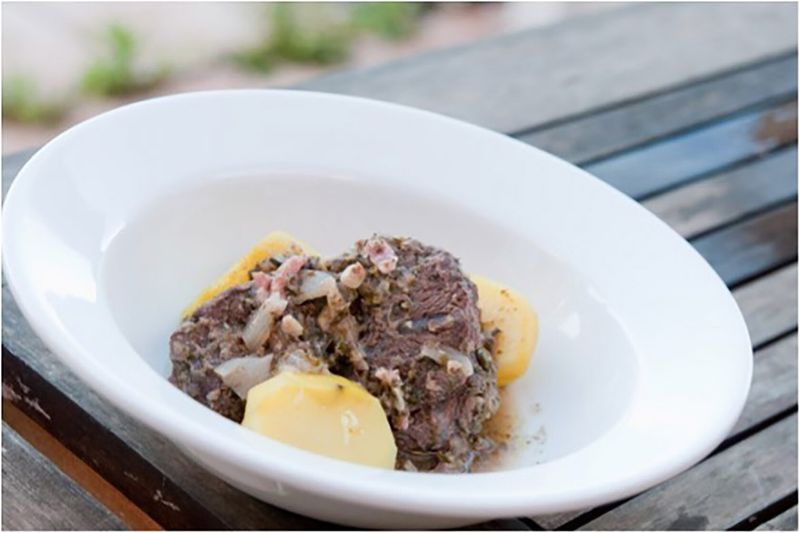
The Camargue is a wild, marshy region in southern France known for its flamingos and white horses. It is also home to Broufado, a slow-braised stew made from the meat of Camargue bulls, cooked low and slow with capers, anchovies, and onions until incredibly tender.
The anchovies melt completely into the sauce, adding a deep, savory richness without any fishy taste. This is cowboy food, French-style, and it is far more exciting than anything you will find in a typical Provencal tourist restaurant.
11. Pljukanci – Istria, Croatia
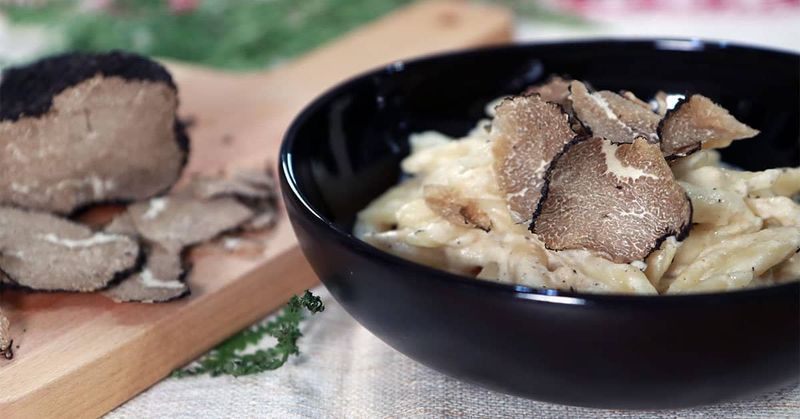
Istria is Croatia’s truffle country, and Pljukanci is the pasta that shows it off best. These thick, hand-rolled noodles are formed by rolling small pieces of dough between the palms, giving each one a slightly irregular, rustic shape that grabs onto sauce beautifully.
Tossed with local truffle paste and wild mushrooms, a bowl of Pljukanci tastes like the forest floor in the most wonderful way imaginable. Istria remains one of Europe’s most underrated food destinations, and this dish is a big reason why.
12. Hafnarfjordur Kjtsupa – Western Iceland

Iceland barely qualifies as a European food destination in most people’s minds, but the lamb soup called Kjtsupa from the fishing villages near Hafnarfjordur is worth crossing an ocean for. Made with tender chunks of Icelandic lamb, turnip, carrots, and onions in a clear, deeply flavored broth, it is simplicity perfected.
Icelandic lamb grazes freely on wild herbs and grasses, giving the meat an unusually clean, sweet flavor. A bowl of this on a cold, windy day feels like a rescue.
13. Zlikrofi – Idrija, Slovenia
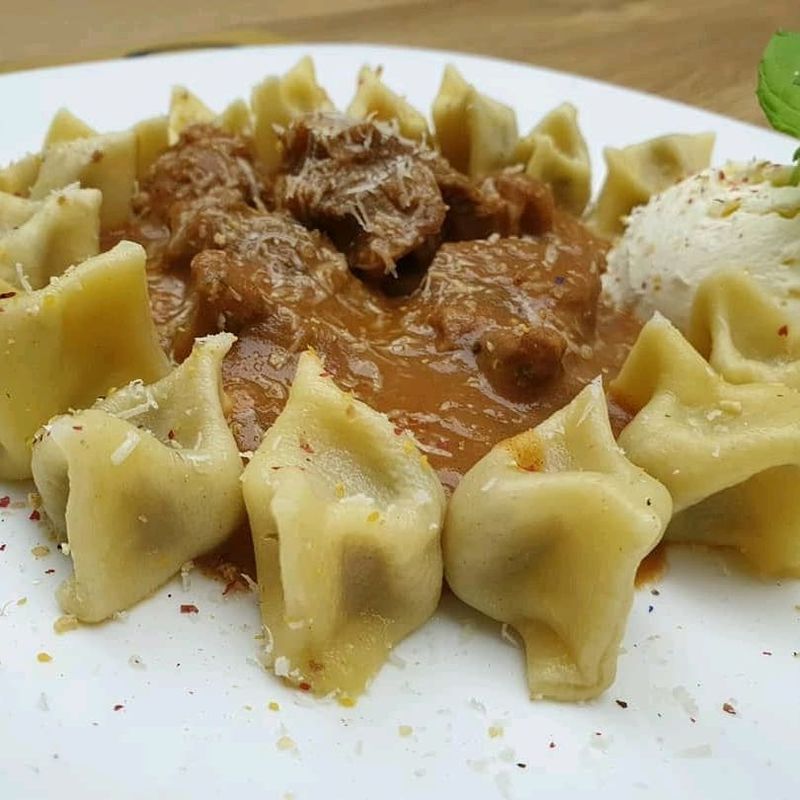
The mountain town of Idrija in Slovenia is famous for two things: mercury mines and Zlikrofi. These tiny, boat-shaped pasta parcels are filled with a mixture of potato, lard, and chives, then topped with a savory bacon and onion sauce called zelodec.
Zlikrofi became the first Slovenian food to receive EU protected status, which tells you everything about how seriously locals take them. Each dumpling is small enough to eat in one bite, making them dangerously easy to keep ordering.
14. Tarhana Corbasi – Thrace, Turkey-in-Europe
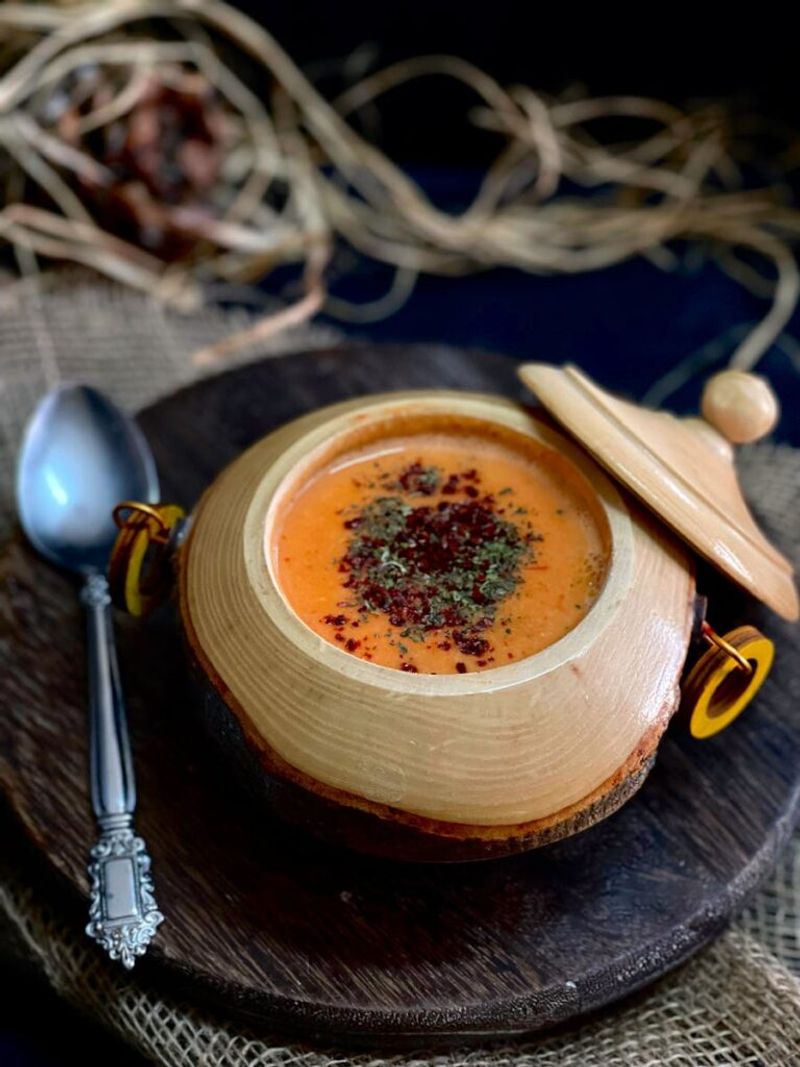
European Turkey, known as Thrace, is one of the continent’s most overlooked food regions. Tarhana Corbasi is a thick, tangy soup made from tarhana, a dried fermented mixture of wheat, yogurt, tomatoes, and peppers that gets crumbled into broth and simmered until creamy.
The fermentation gives it a pleasantly sour kick that wakes up your taste buds. Families often make their own tarhana in summer, drying it on rooftops, so each household’s version carries a slightly different, personal flavor.
15. Brovada e Muset – Friuli, Italy
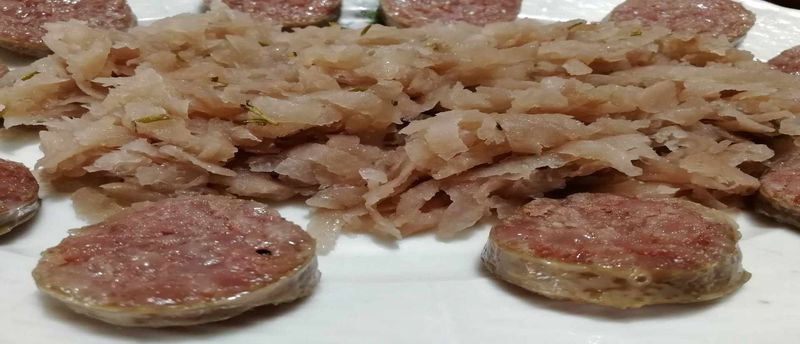
Few dishes capture the spirit of peasant ingenuity quite like Brovada e Muset from Friuli. Brovada is made from turnips fermented for weeks in grape marc, the leftover skins and seeds from winemaking, which gives them an intensely tangy, slightly funky flavor.
Muset is a soft, spiced cotechino-style sausage that balances the tartness of the turnips perfectly. Together they form a dish that is earthy, bold, and completely unlike anything you will find on a standard Italian restaurant menu anywhere in the world.