
The Baby Boomer generation, born between 1946 and 1964, shaped much of modern American life. As they age, a wealth of skills, values, and everyday habits are quietly fading into history.
Some of these losses are practical, while others run much deeper, touching on character, community, and connection. Here is a look at twenty meaningful things that risk disappearing when this remarkable generation is gone.
1. DIY and Practical Home Maintenance Skills
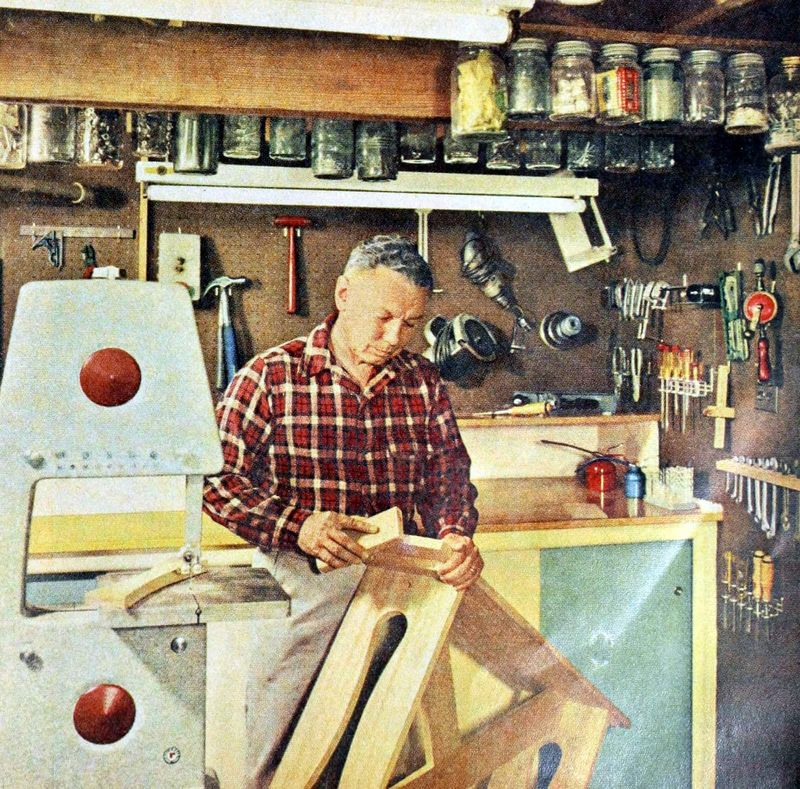
Ask a Baby Boomer how to fix a dripping faucet, and chances are they already know. Growing up in an era where calling a professional was the last resort, this generation learned to bleed radiators, patch drywall, and rewire basic fixtures without a YouTube tutorial.
That hands-on confidence built real self-sufficiency. Today, many younger adults rent professionals for even the smallest jobs, making this practical knowledge increasingly rare with each passing year.
2. The Repair Before You Replace Mindset
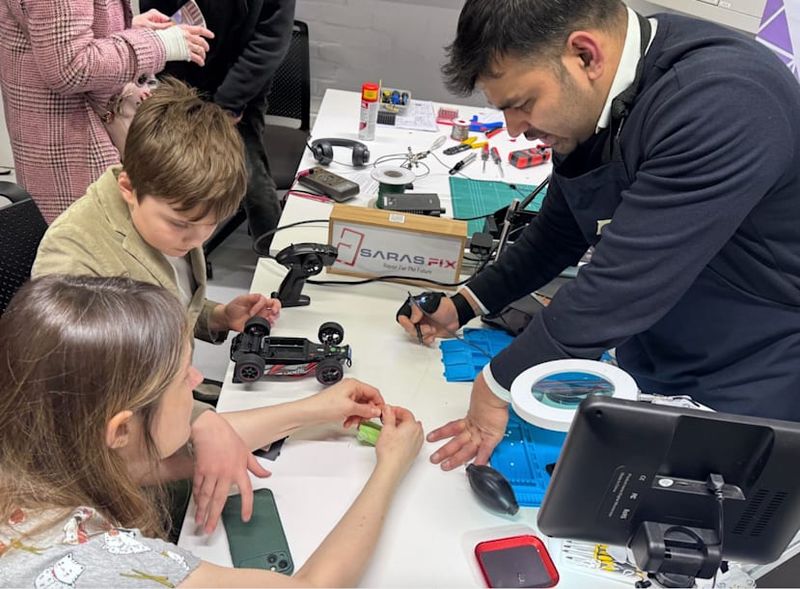
Throwing something away the moment it breaks would have seemed almost wasteful to most Boomers. Appliances got serviced, shoes got resoled, and worn jeans got patched rather than tossed in the trash.
This mindset was rooted in genuine respect for craftsmanship and resources. Fast-forward to today, and disposable culture has largely taken over.
Knowing how to restore something rather than replace it is a quietly disappearing art that once saved families real money.
3. Navigating With Physical Road Maps
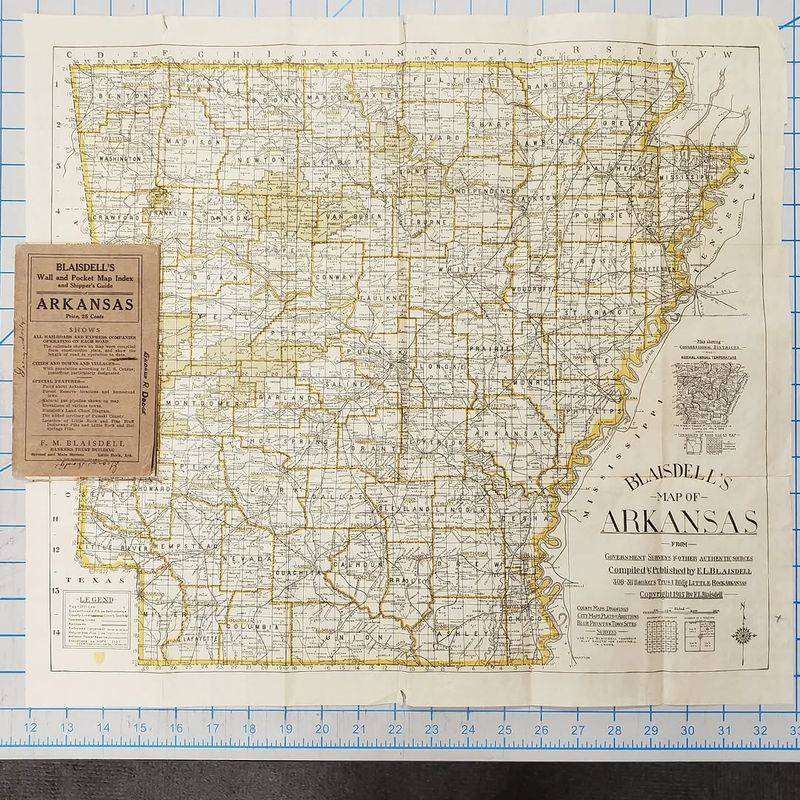
Before GPS existed, road trips required actual preparation. Baby Boomers studied paper maps before long drives, traced routes with their fingers, and learned to read highway signs with confidence.
Folding one of those maps back correctly was practically a skill of its own. Spatial thinking, patience, and a solid sense of direction were all part of the package.
GPS has made life easier, but it has also quietly erased a generation of sharp, map-reading navigators.
4. Memorizing Important Phone Numbers
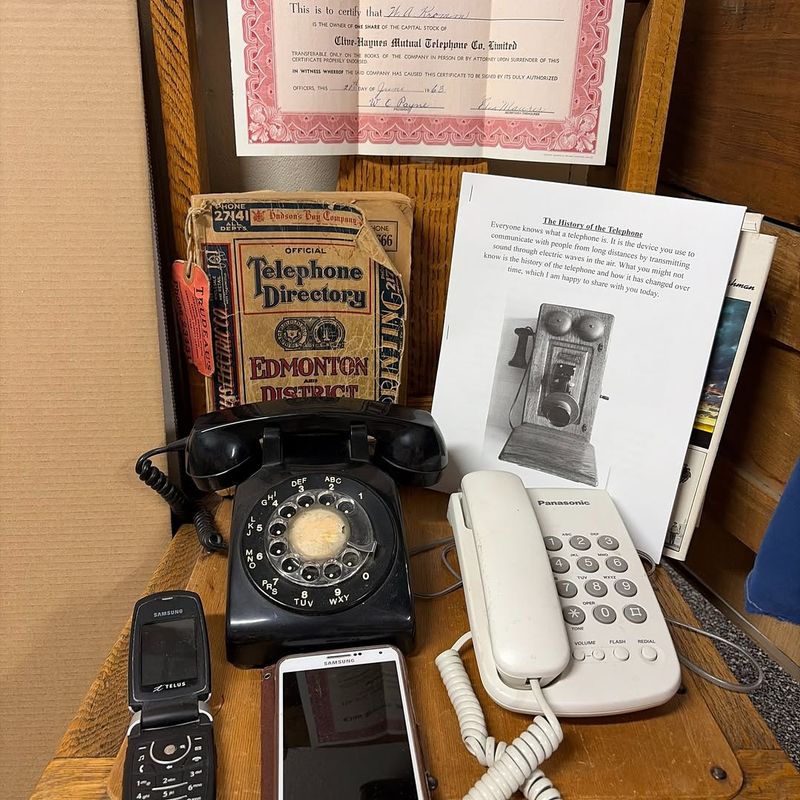
Quick, what is your best friend’s phone number? Most people today have no idea, because smartphones remember everything for us.
Baby Boomers had no such luxury. Phone numbers for family, doctors, and neighbors were stored in their heads, not their devices.
That mental habit trained a kind of reliable, everyday memory that smartphones have largely replaced. Losing this skill means losing a small but meaningful form of mental independence that once felt completely normal.
5. Cursive Writing and Handwritten Letters
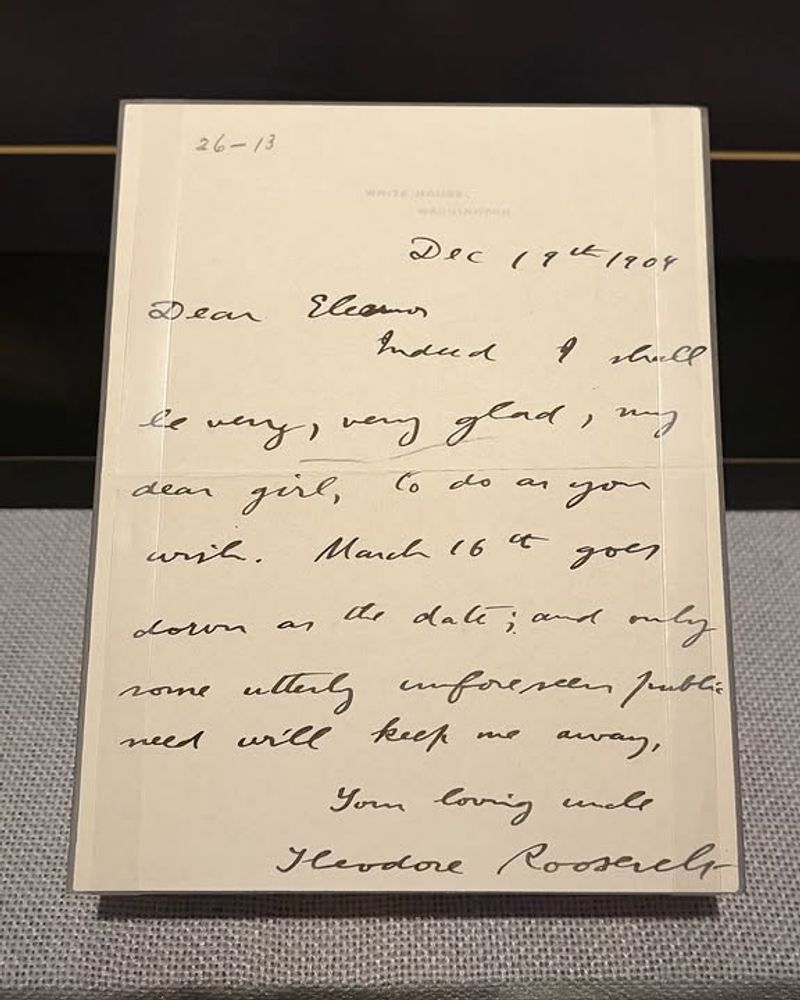
There was something deeply personal about receiving a handwritten letter in the mail. Baby Boomers learned cursive as a classroom staple and used it to write heartfelt thank-you notes, birthday cards, and correspondence that felt genuinely human.
Many schools have dropped cursive from their curriculum entirely. The flowing script that once connected generations is fading fast.
Worse, younger people may soon be unable to read historical cursive documents at all, making this loss far bigger than it first appears.
6. Cooking Meals Completely From Scratch

Sunday dinners once meant hours in the kitchen, not an app on a phone. Many Boomers grew up learning to cook full meals from scratch, relying on handwritten recipe cards passed down through families rather than food delivery services.
Knowing how to make bread, broth, or pie crust without a mix or a kit is becoming increasingly uncommon. That kitchen confidence, built through trial and error over years, carried real nutritional and financial value that convenience culture has quietly traded away.
7. Balancing a Checkbook and Paper-Based Finances

Every month, Boomers sat down with their checkbook register and made sure every transaction added up to the penny. It was methodical, sometimes tedious, but it built a sharp awareness of exactly where money was going.
Online banking and automatic tracking apps have replaced that habit for most people. The problem is that passive monitoring is not the same as active understanding.
The discipline of paper-based financial tracking taught money management lessons that many younger generations simply never learned the same way.
8. Driving a Manual Transmission Vehicle

Learning to drive a stick shift was practically a rite of passage for Boomers. The coordination of clutch, gear, and throttle created a physical connection to the car that automatic transmissions simply cannot replicate.
Today, fewer than 20 percent of cars sold in the US have manual transmissions, and younger drivers rarely learn the skill. Beyond nostalgia, knowing how to drive a stick shift is genuinely useful in emergencies and when traveling abroad, where manual cars remain far more common.
9. Formal Etiquette and Social Manners

Using “Mr.” and “Ms.,” writing proper RSVPs, and dressing respectfully for public occasions were all standard expectations when Boomers were growing up. These small gestures signaled respect for others and for shared social spaces.
Casual culture has replaced many of those norms, and while that shift has its benefits, something meaningful has also been lost. The art of formal etiquette communicated care, thoughtfulness, and awareness of others in a way that a quick text message simply cannot match.
10. Preference for Face-to-Face and Phone Call Communication

For Boomers, a real conversation meant hearing a voice or seeing a face. Picking up the phone to settle something important was second nature, and sitting down for a face-to-face chat was the standard for anything meaningful.
Text threads and email chains have largely replaced that directness. Something gets lost in translation when tough conversations happen through screens and delayed replies.
The Boomer preference for real-time, personal communication built relationships with a depth that digital messaging often struggles to recreate.
11. Civic Engagement and Community Involvement
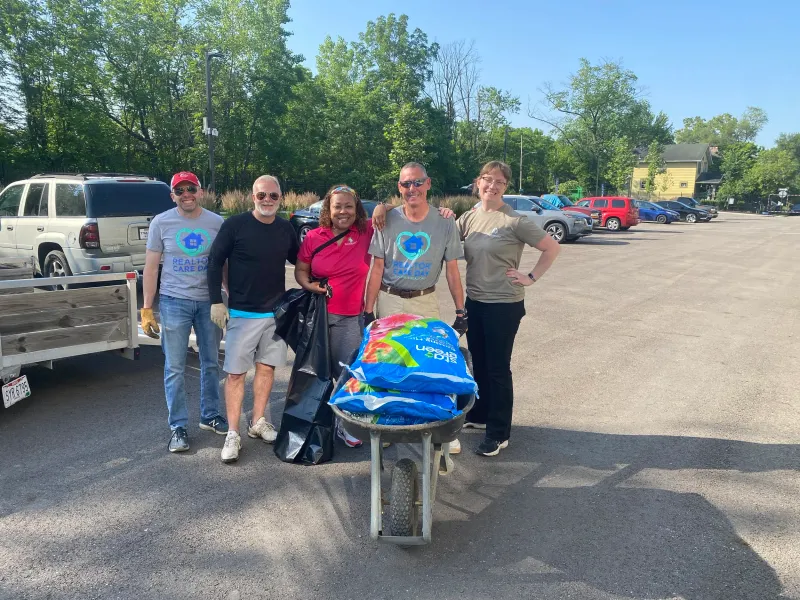
Voter turnout, neighborhood associations, local civic clubs, and volunteer fire departments all saw strong Boomer participation for decades. This generation showed up, not just online, but in real life, to shape the communities they lived in.
Studies consistently show that civic engagement is declining among younger generations. The Boomer habit of attending town halls, joining service organizations, and investing personal time in local causes created community bonds that are genuinely difficult to rebuild once they fade away.
12. Physical Photo Albums and Printed Memories
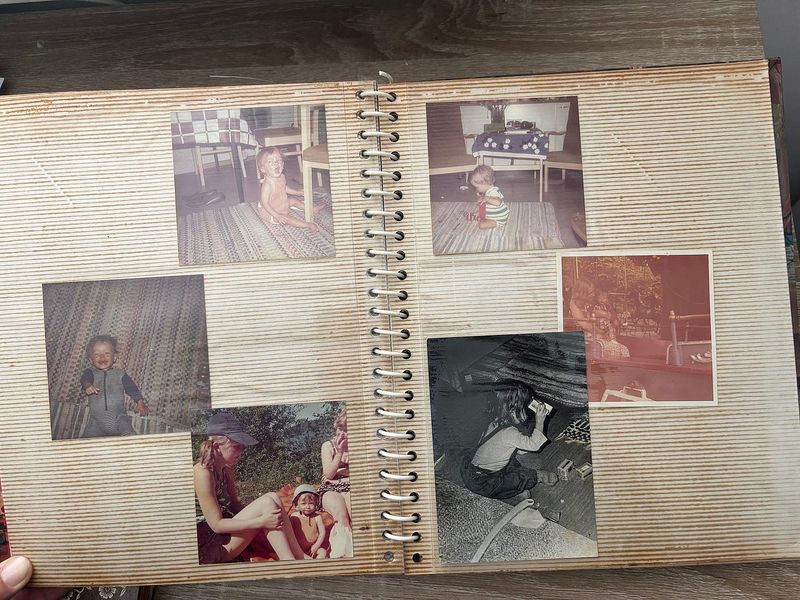
There is something irreplaceable about holding a printed photograph in your hands. Baby Boomers filled albums with carefully labeled pictures from birthdays, vacations, and ordinary Tuesday afternoons that somehow became extraordinary over time.
Cloud storage holds millions of images today, but most never get printed or revisited. Physical albums survived floods, moves, and decades.
They told stories in sequence and invited people to sit together and remember. When this generation is gone, those curated, tangible memory collections may go with them.
13. Landline Phones and the Expectation of Answering Calls

When the phone rang in a Boomer household, someone answered it. No caller ID, no screening, no voicemail avoidance.
Picking up was simply the social contract, and conversation happened whether you were ready or not.
That expectation built a certain social ease with unplanned communication. Today, even a scheduled call can feel like an intrusion to younger generations.
The landline era created habits of availability and directness that are slowly disappearing as phone anxiety becomes increasingly common among adults.
14. Patience as a Practiced Virtue

Nothing in the Boomer world was instant. Waiting for photos to develop, sitting through commercials, or standing in line without a phone in hand were all just ordinary parts of life.
Patience was not a personality trait back then, it was a basic requirement.
On-demand culture has quietly eroded that tolerance for waiting. The ability to remain calm and composed when things do not happen immediately is a genuinely valuable life skill, and one that fewer people seem to be building today.
15. Loyalty to a Single Employer and Career-Long Dedication

Working thirty years for one company and retiring with a pension and a gold watch was not just a cliche, it was a genuine reality for millions of Boomers. That loyalty went both ways, with employers often investing deeply in long-term employees.
Job-hopping is now the norm, and pensions have largely been replaced by individual retirement accounts. The era of career-long dedication to a single organization is fading, and with it goes a sense of institutional belonging that shaped entire communities.
16. Strong Self-Reliance and Independent Problem-Solving

Before Google existed, figuring something out meant actually figuring it out. Boomers developed a problem-solving resilience born from necessity, whether that meant troubleshooting a broken appliance or navigating a tough personal situation without online advice forums.
That independence bred a quiet competence that showed up across all areas of life. Younger generations have extraordinary access to information, but the habit of sitting with a problem and working through it independently, without immediately reaching for a device, is becoming genuinely uncommon.
17. Thriftiness and Living Within Financial Means

Coupons were not embarrassing, they were smart. Many Boomers grew up in households where every dollar was tracked, sales were planned around, and spending beyond your means was genuinely frowned upon.
Consumer debt culture has shifted those values dramatically. Credit card spending, buy-now-pay-later options, and lifestyle inflation have become normalized in ways that would have seemed reckless to many Boomer households.
The quiet discipline of living within your means, without apology or exception, is one of the generation’s most underrated legacies.
18. Unsupervised Childhoods and Freedom to Explore
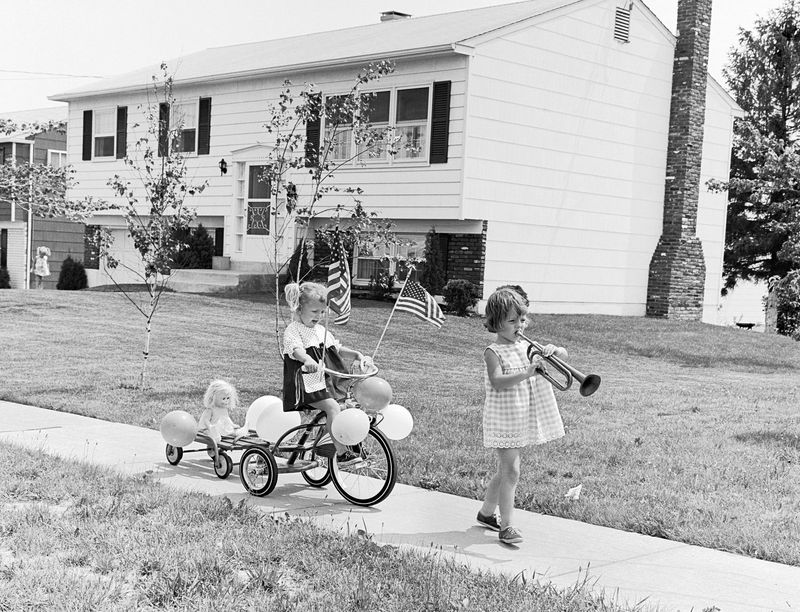
“Be home before dark” was the only rule. Boomer kids roamed neighborhoods, built forts in empty lots, and settled disputes without adult intervention.
That freedom was not neglect, it was how independence and resilience got built.
Helicopter parenting and legitimate safety concerns have changed childhood dramatically. Structured schedules and supervised playdates have replaced the unscripted adventures that shaped a generation.
The unmonitored freedom Boomers experienced gave them a foundational confidence in navigating the world on their own terms.
19. Boredom as a Catalyst for Creativity

With no smartphones, streaming services, or social media feeds to fill every quiet moment, Boomers got bored. And boredom, it turns out, is where creativity lives.
Backyard games, hand-drawn comic books, and elaborate imaginary worlds were all born from having nothing scheduled to do.
Constant digital stimulation has made genuine boredom almost extinct for younger generations. The discomfort of an empty afternoon once pushed kids to invent, build, and imagine.
That creative muscle, developed through unstructured time, is quietly going out of style.
20. Relatively Accessible Path to Homeownership

In the 1970s and 1980s, a single income could realistically buy a starter home in many American cities. Baby Boomers entered the housing market at a time when prices, while not trivial, were far more proportional to wages than they are today.
For millions of younger Americans, homeownership feels permanently out of reach. The Boomer experience of building equity early and using a home as a financial foundation shaped generational wealth in ways that are becoming increasingly difficult for the next generations to replicate.