
Some foods are perfectly fine on their own, but add a splash of something sour and suddenly everything changes. A squeeze of lemon, a spoonful of yogurt, or a drizzle of vinegar can wake up flavors you never noticed before.
Sourness cuts through richness, brightens dull dishes, and adds a layer of excitement that keeps you coming back for more. Get ready to look at some everyday favorites in a whole new way.
1. Fried Chicken
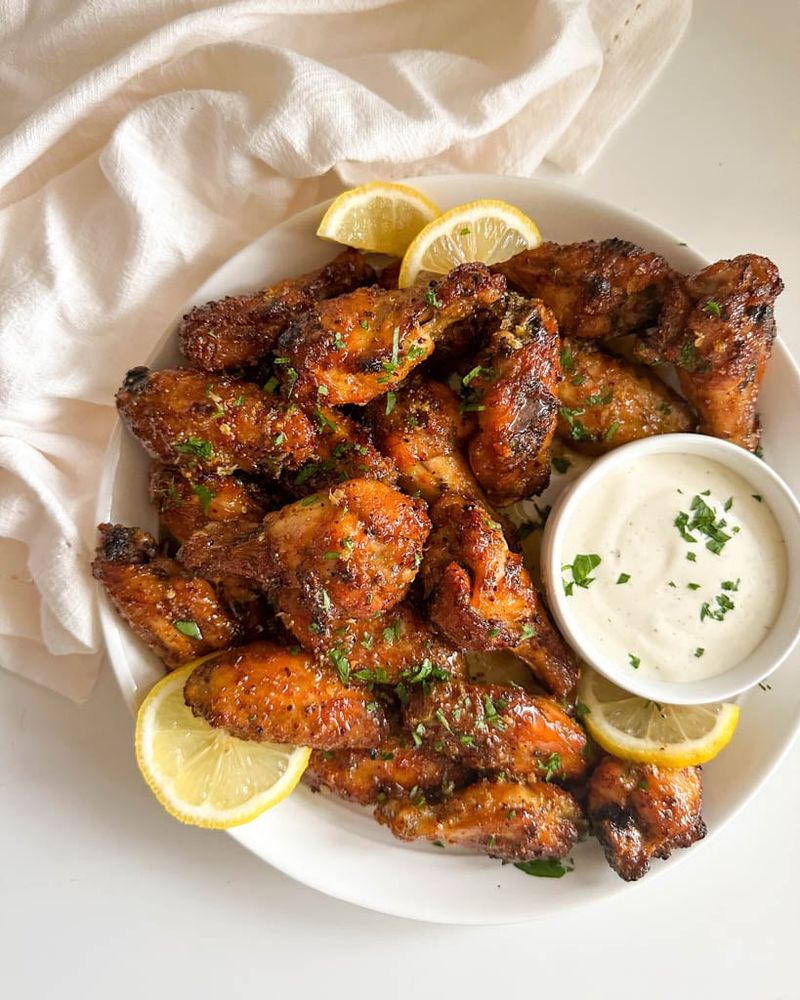
Fried chicken is already one of the most satisfying foods on the planet. But squeeze a little lemon over that crunchy, golden crust and something magical happens.
The acid cuts right through the grease and makes every bite feel lighter and brighter.
Pickled jalapeños or a tangy buttermilk dipping sauce work just as well. The sour element keeps your taste buds from getting overwhelmed by the richness, so you actually want more.
2. Avocado Toast
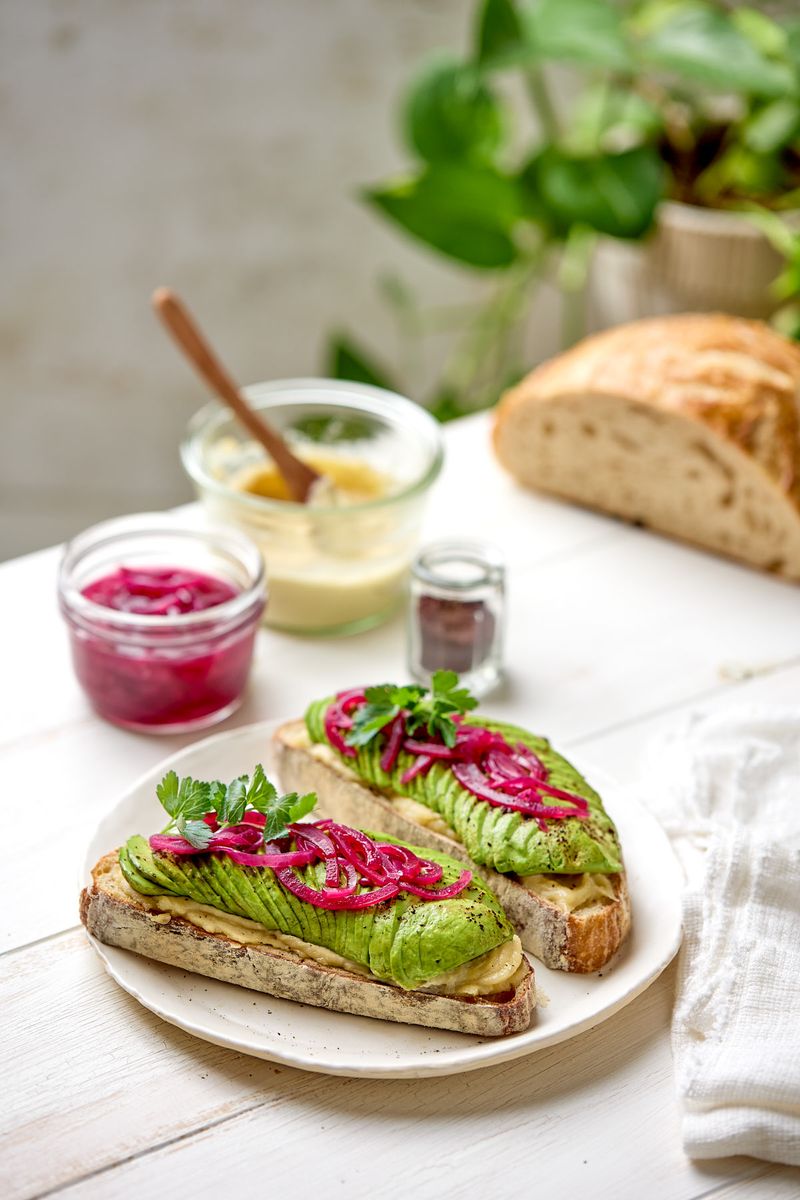
Avocado toast became a breakfast legend for good reason, but without something sour it can taste a little flat. A good squeeze of lime juice or a splash of apple cider vinegar changes everything almost instantly.
The creamy avocado really needs that bright contrast to come alive. Pickled red onions on top add both sourness and a pop of color, making the whole dish look and taste far more exciting than before.
3. Tacos
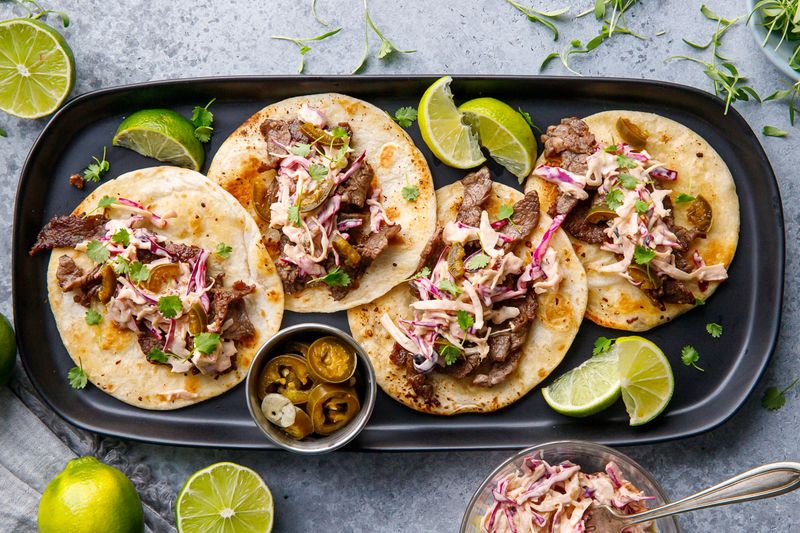
A taco without something sour is like a song missing its chorus. Lime juice is the classic move, but pickled cabbage, salsa verde, or a drizzle of crema with a vinegar kick all do the job beautifully.
Sourness balances the spice and the richness of the meat in a way that nothing else can. Street taco vendors around the world have known this secret for generations, and one bite tells you exactly why.
4. Lentil Soup
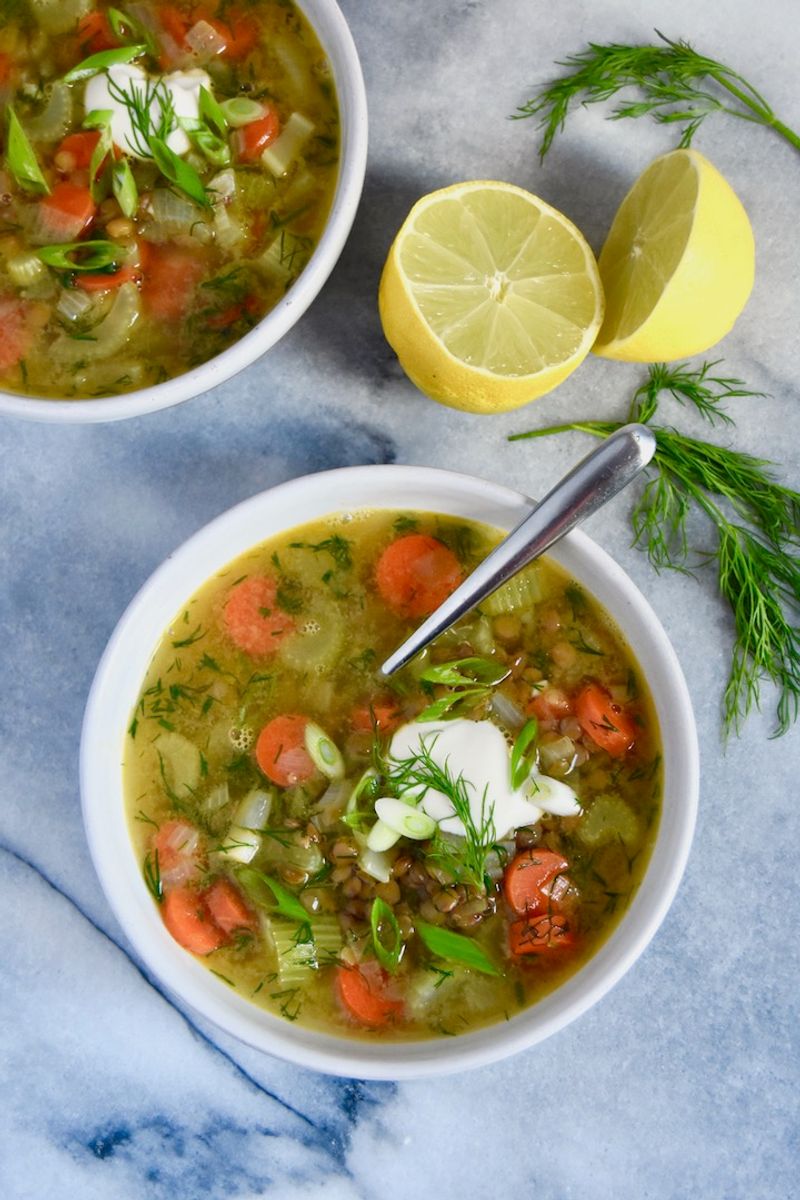
Lentil soup is hearty, filling, and deeply comforting, but it can sometimes taste a bit heavy. A squeeze of lemon juice stirred in right before serving lifts the whole bowl in a way that feels almost surprising.
Many Middle Eastern recipes also add a spoonful of yogurt on top, which brings a creamy tang that pairs perfectly with the earthy lentils. That tiny sour touch turns a simple soup into something genuinely memorable and satisfying.
5. Grilled Fish
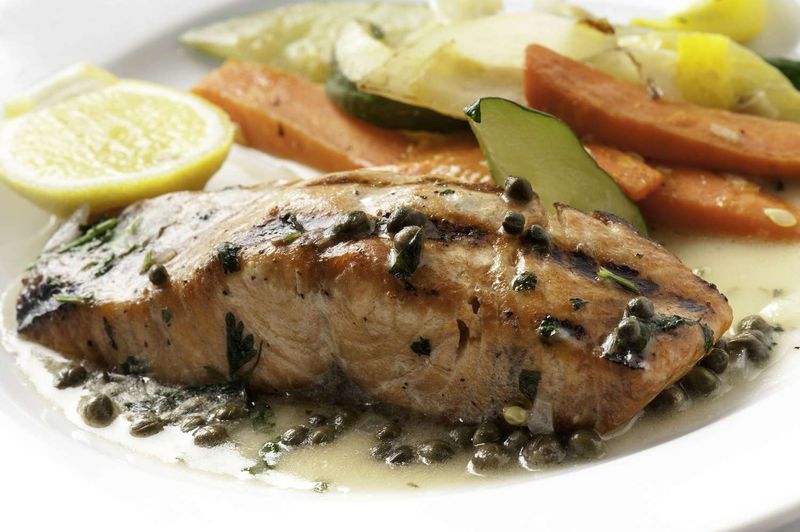
Grilled fish and lemon have been best friends for centuries, and there is a scientific reason why. The citric acid in lemon reacts with the fish proteins in a way that actually enhances the seafood flavor rather than hiding it.
Capers, pickled cucumbers, or a sharp green herb sauce also work wonderfully. These sour additions keep the fish from tasting too mild or one-dimensional, turning a simple weeknight dinner into something worth talking about.
6. Hummus
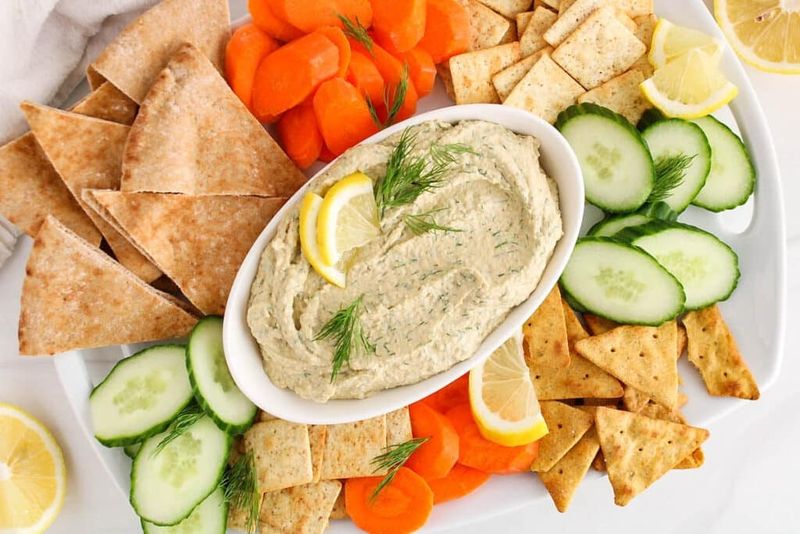
Store-bought hummus is convenient, but it often lacks that special spark. A generous squeeze of fresh lemon juice and a tiny bit of lemon zest stirred in can transform it from average to genuinely crave-worthy.
Some cooks add a spoonful of tahini with a splash of white wine vinegar for extra depth. The sour notes cut through the dense chickpea base and make the hummus taste fresher, lighter, and far more complex than it started out.
7. Peanut Butter Sandwiches
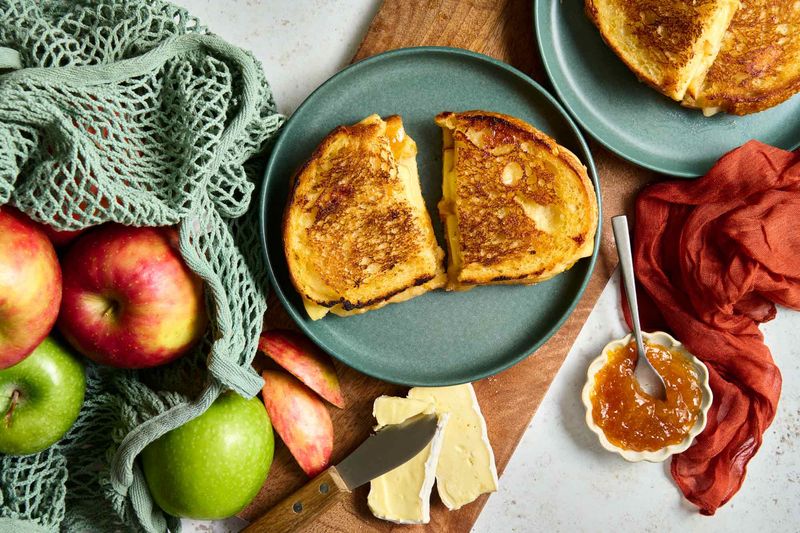
Peanut butter is rich, sticky, and deeply nutty, which means it desperately needs a sour counterpart to keep things interesting. Most people reach for jelly, but tart cherry jam or a thin layer of lemon curd is a revelation.
Even a few slices of pickled apple inside the sandwich can completely change the experience. The sourness cuts through the peanut butter’s thickness, making each bite feel balanced rather than overwhelming.
It sounds unusual but tastes absolutely brilliant.
8. Roasted Potatoes
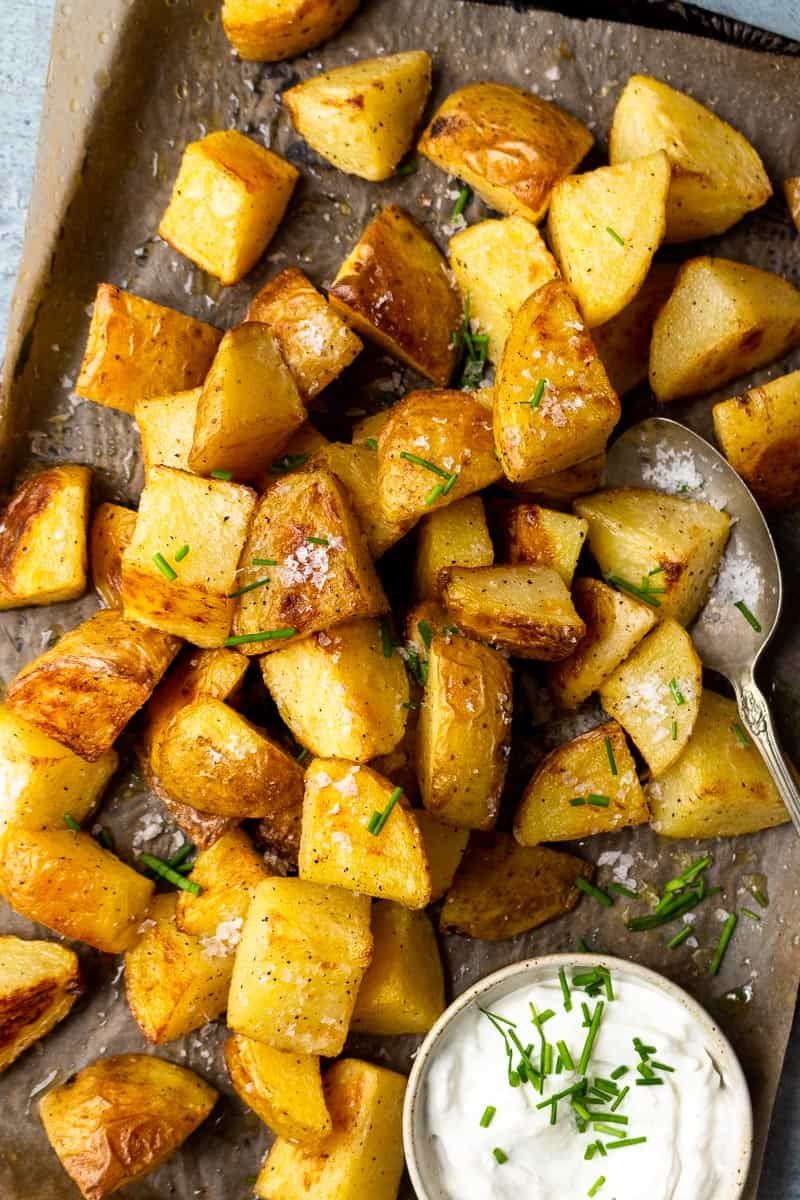
Roasted potatoes are crispy, golden, and deeply comforting, but they can taste a little one-note without the right accompaniment. Sour cream is the obvious pairing, but a malt vinegar drizzle or a squeeze of lemon after roasting adds a whole new dimension.
In the UK, salt and vinegar on chips is basically a national tradition for good reason. That sharp, tangy hit makes the starchy potato taste more complex and keeps you reaching back into the bowl again and again.
9. Pulled Pork
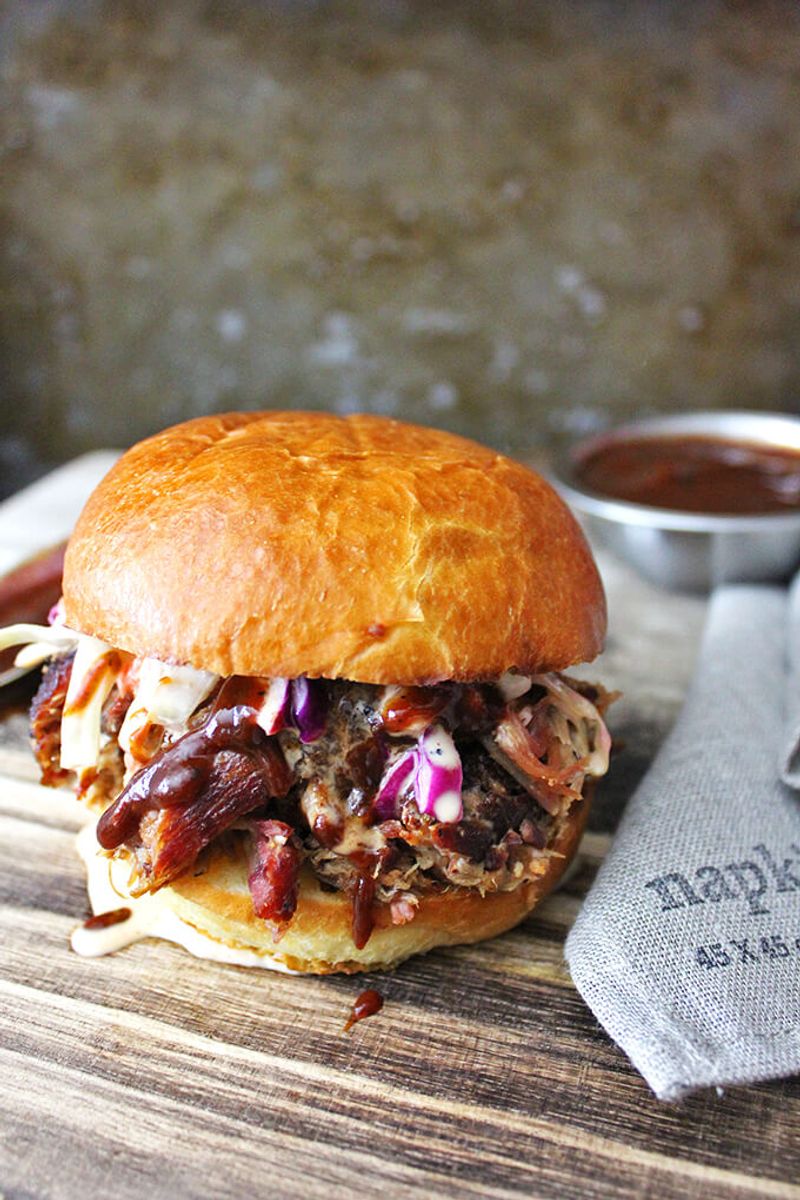
Pulled pork is smoky, fatty, and incredibly rich, which is exactly why it needs something sour to keep it from feeling too heavy. Carolina-style barbecue sauce is built almost entirely on vinegar, and that tradition exists for a very good reason.
Tangy coleslaw piled right on top of the pork in a bun is another classic move. The crunch and sourness of the slaw balance the soft, fatty meat perfectly, creating a combination that feels both rustic and deeply satisfying.
10. Eggs
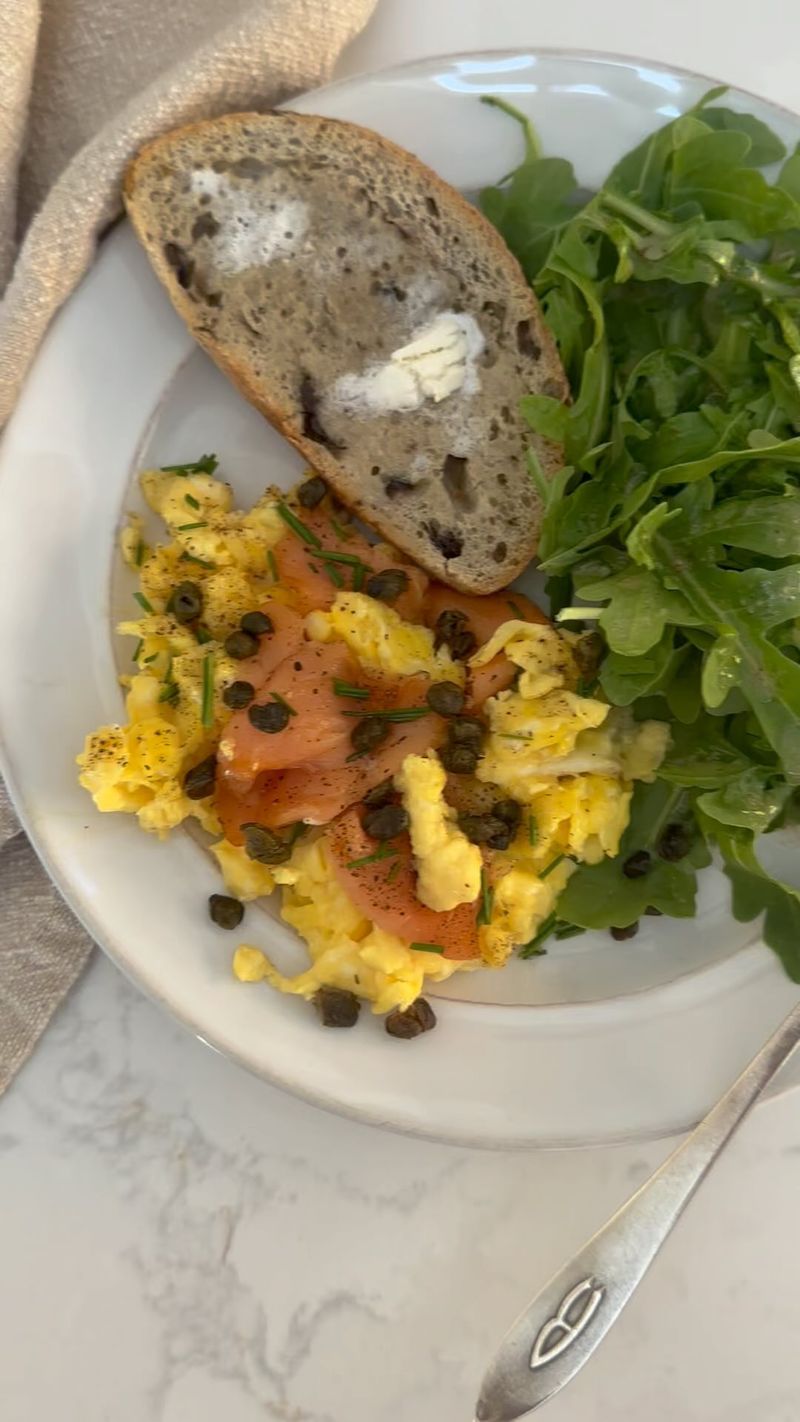
Eggs are mild, creamy, and endlessly versatile, but they have a tendency to taste a little plain without the right partner. Hot sauce, pickled capers, or a splash of white wine vinegar stirred into scrambled eggs changes the flavor profile completely.
Deviled eggs are a perfect example of this idea in action, using mustard and vinegar to create that signature tangy punch. Even a few drops of lemon juice on a fried egg makes breakfast feel noticeably more vibrant and alive.
11. Grilled Corn

Grilled corn is sweet, smoky, and absolutely delicious straight off the grill. But Mexican street corn, known as elote, proves that adding something sour takes it to a completely different level of deliciousness.
The combination of lime juice, crema, and cotija cheese creates a sour, creamy, salty coating that clings to every kernel. That tangy lime element balances the corn’s natural sweetness and the char from the grill in a way that feels both bold and incredibly satisfying.
12. Chocolate Cake

Chocolate cake sounds perfect on its own, but bakers have known for a long time that a little sourness makes chocolate taste even more chocolatey. Sour cream in the batter adds moisture and a subtle tang that deepens the whole flavor.
Serving a slice with a tart raspberry sauce or a scoop of lemon sorbet creates a contrast that wakes up your taste buds between bites. The sourness makes the sweetness of the chocolate feel more intentional and far less cloying.
13. Rice Bowls
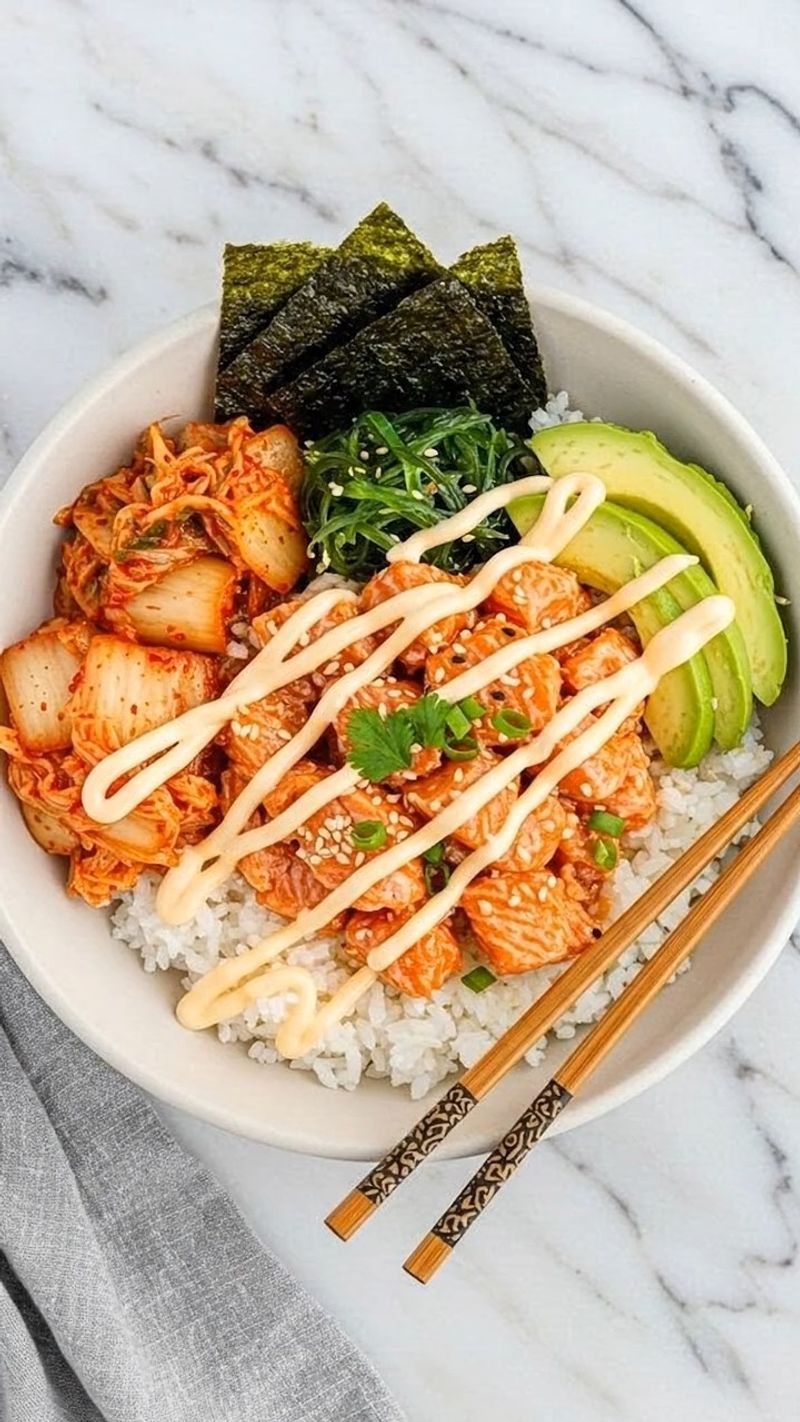
Plain rice bowls can feel a little uninspiring, but a sour component can completely change that. Pickled ginger, a drizzle of ponzu sauce, or a spoonful of kimchi adds brightness that plain rice simply cannot provide on its own.
Japanese-inspired rice bowls often use rice vinegar as a base seasoning, and that slight tang is what makes sushi rice taste so distinctly different from regular cooked rice. A small sour element ties all the toppings together into one cohesive and crave-worthy dish.
14. Beef Stew
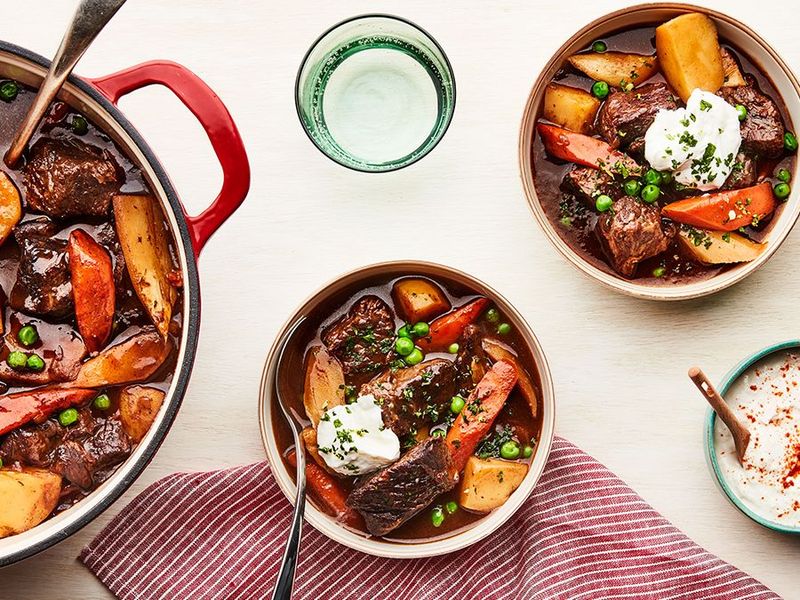
Beef stew is one of those deeply comforting dishes that fills the whole house with a wonderful smell. But without a touch of acidity, even the best stew can taste flat and one-dimensional after the first few bites.
Adding a splash of red wine vinegar or a squeeze of tomato paste near the end of cooking brightens the whole pot. Horseradish cream served on the side adds a sharp, tangy contrast that cuts through the richness of the beef beautifully.
15. Cheese and Crackers
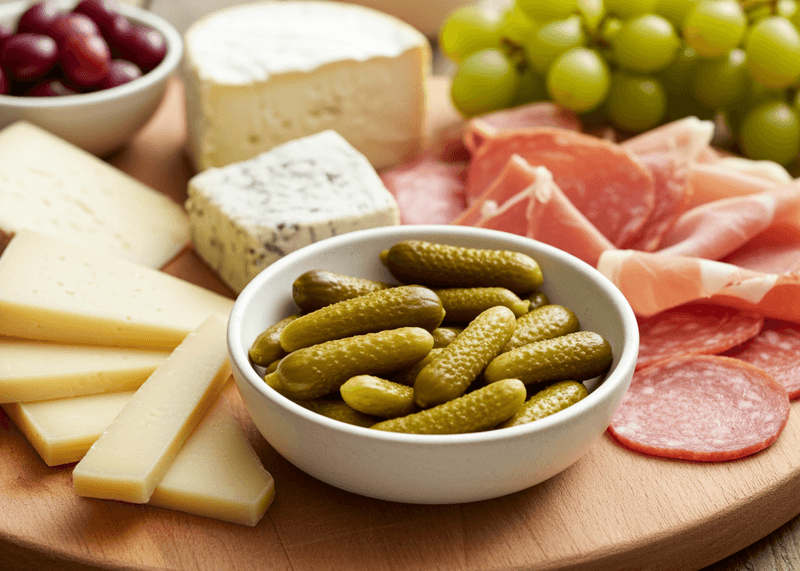
Cheese and crackers seem simple enough, but the best charcuterie boards always include something sour to balance the rich, fatty cheeses. Pickled cornichons are a classic choice, and their sharp vinegary crunch cuts right through aged cheddar or creamy brie.
Whole grain mustard and tart fruit preserves serve a similar purpose. The sourness prevents the cheese from feeling too heavy on the palate and actually makes each variety taste more distinct and interesting than it would on its own.
16. Pancakes
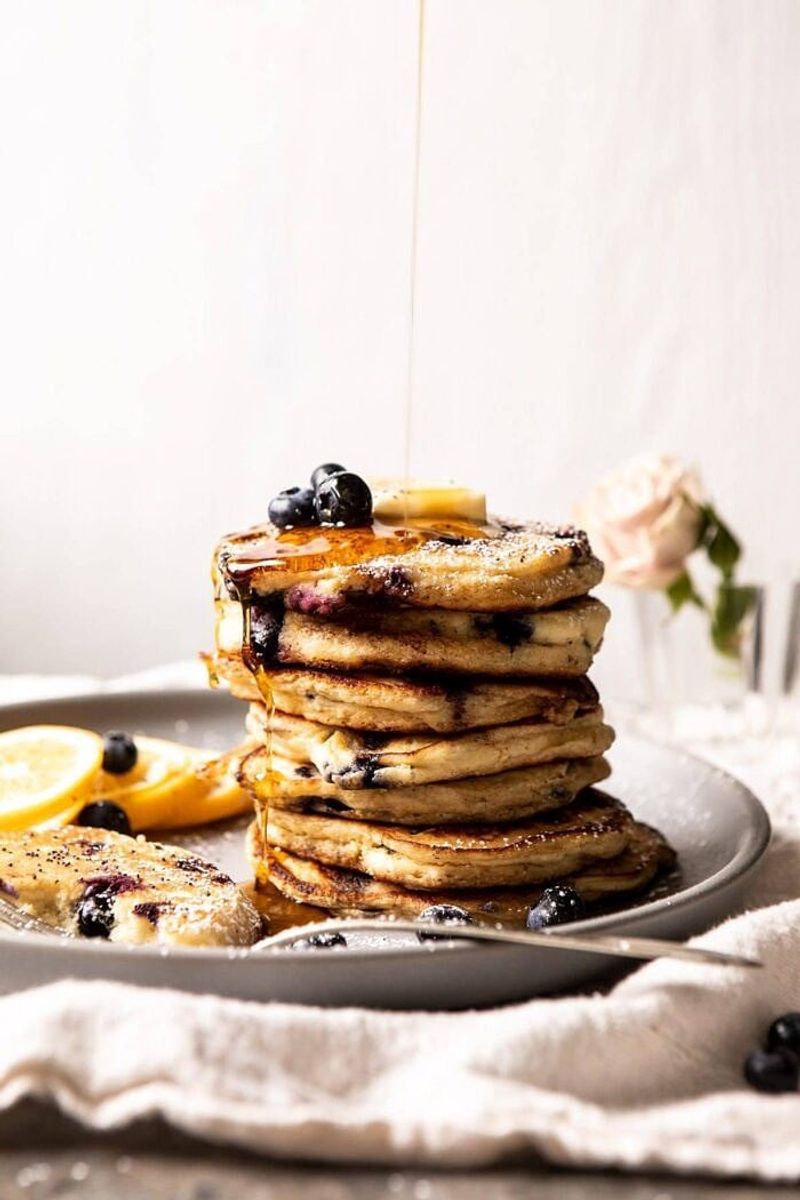
Pancakes are a weekend morning staple, but drowning them in maple syrup alone can make the whole stack feel overly sweet by the last few bites. Lemon curd served on the side changes the entire dynamic in the best possible way.
Buttermilk itself is slightly sour, which is exactly why buttermilk pancakes taste so much better than regular ones. A squeeze of lemon over fresh berries used as a topping also adds a bright, fruity tang that keeps every bite feeling fresh.
17. Roasted Carrots
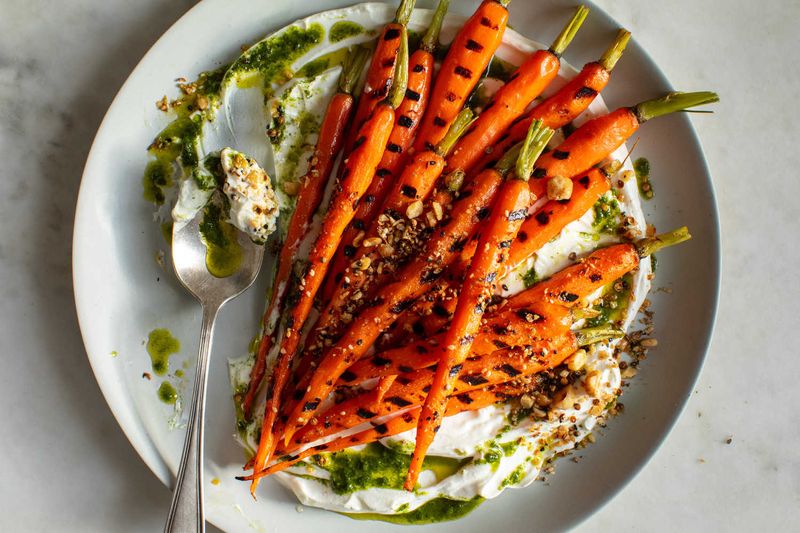
Roasted carrots get wonderfully sweet and caramelized in the oven, which is delicious but can sometimes feel a little one-sided. A drizzle of balsamic vinegar or a squeeze of fresh orange juice adds a sour note that balances the sweetness perfectly.
Yogurt-based dressings with a little lemon zest also work beautifully as a dipping sauce or drizzle. That contrast between sweet, roasted carrots and a sharp, tangy topping makes a simple vegetable side dish feel genuinely exciting and restaurant-worthy.
18. Burgers
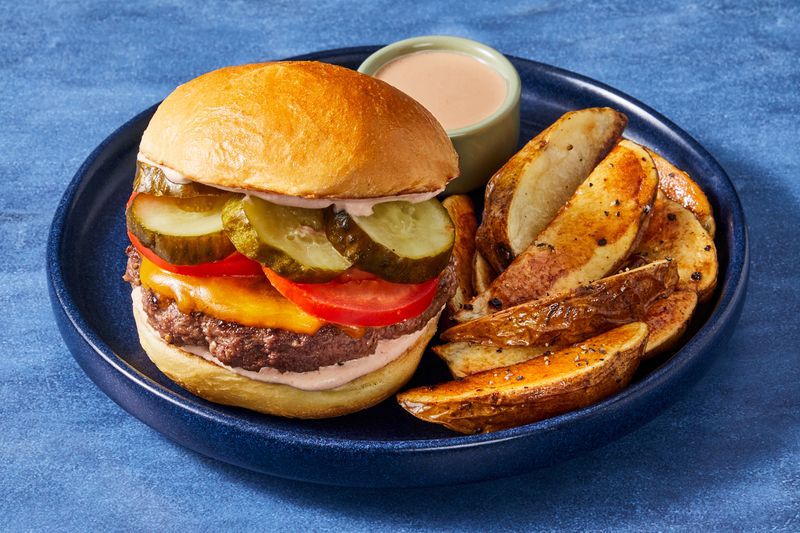
Nobody debates whether a burger needs pickles, because the answer is obviously yes. Those briny, vinegary slices of cucumber do far more than add crunch – they provide the sour counterpoint that keeps the rich beef patty from tasting too heavy.
Special sauce, which almost always contains pickle relish or a vinegar-based component, works the same way. Even a splash of ketchup, which is more acidic than most people realize, plays a role in balancing all that savory, meaty goodness in every single bite.
19. Popcorn
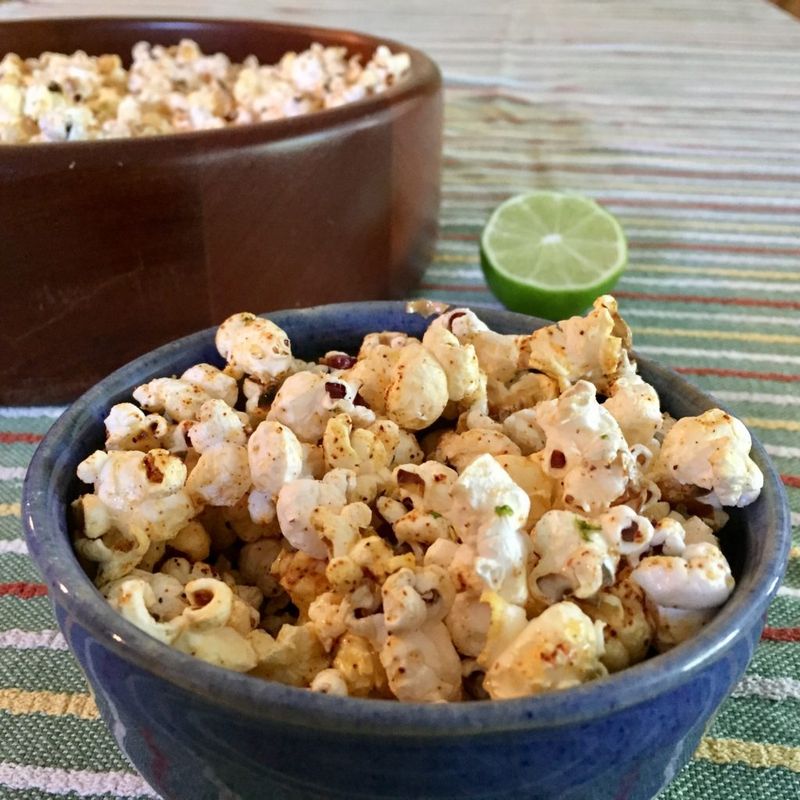
Popcorn is one of the most snackable foods in existence, and adding a sour element takes it from background snack to the star of the show. Tajin seasoning, which blends chili, lime, and salt, has become wildly popular for exactly this reason.
Citric acid powder mixed with a little salt gives popcorn that same tangy punch without any heat. Even a light spray of lime juice before tossing in seasoning creates a flavor experience that is far more addictive than plain buttered popcorn could ever be.
20. Vanilla Ice Cream
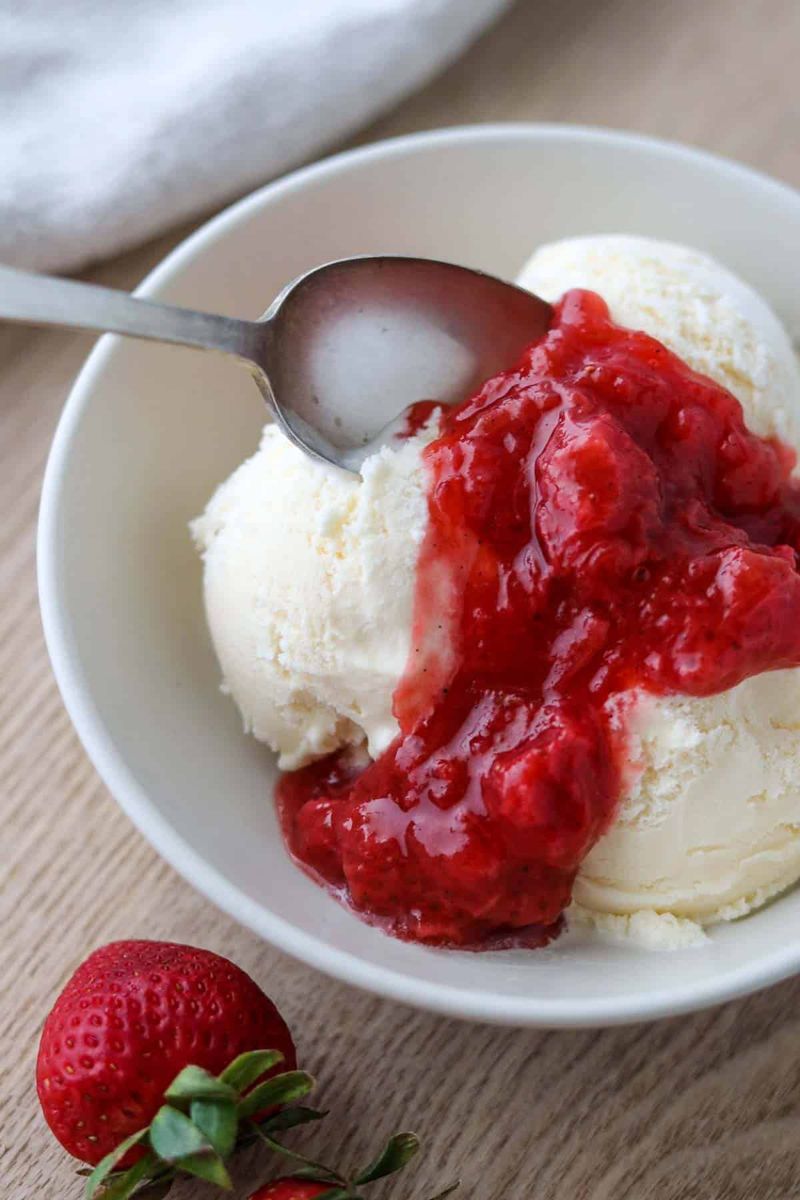
Vanilla ice cream is sweet, creamy, and universally loved, but it can sometimes taste a little plain without the right topping. A tart fruit compote made with rhubarb, sour cherries, or passion fruit changes the whole experience dramatically.
The contrast between cold, sweet cream and a warm, sour fruit sauce is genuinely exciting to eat. Lemon sorbet served alongside a scoop of vanilla achieves the same effect, with the sharp citrus making the vanilla taste richer and more complex than it ever does alone.