
When the days get short and the sun hides behind clouds, your body has a harder time making vitamin D. This vitamin helps keep your bones strong, your mood steady, and your immune system ready to fight off colds.
The good news is that your plate can help fill the gap. Here are some tasty foods that bring a little sunshine to your winter meals.
1. Wild Salmon
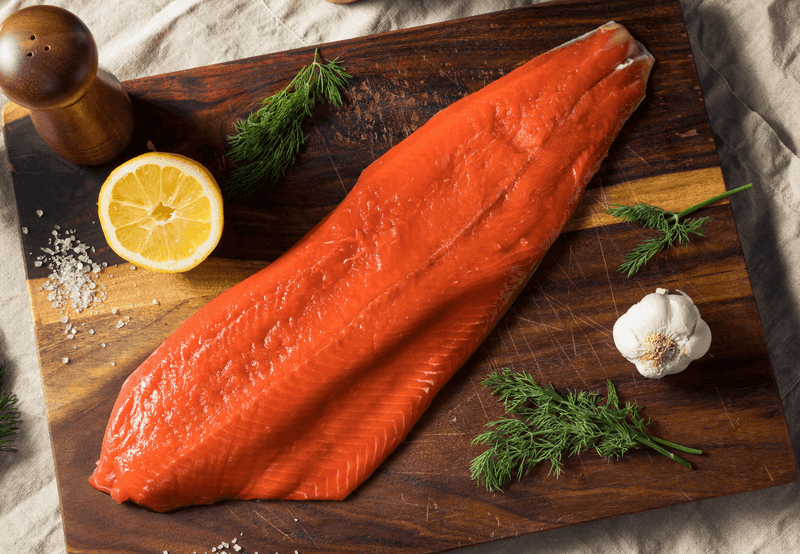
Picture a pink, flaky fillet sizzling in a pan on a snowy evening. Wild salmon is one of the richest natural sources of vitamin D you can find.
A single serving can give you most of what you need for the whole day.
Wild-caught fish usually has more vitamin D than farmed fish. Try baking it with lemon and garlic, or flake leftovers into a salad for an easy lunch the next day.
2. Canned Sardines
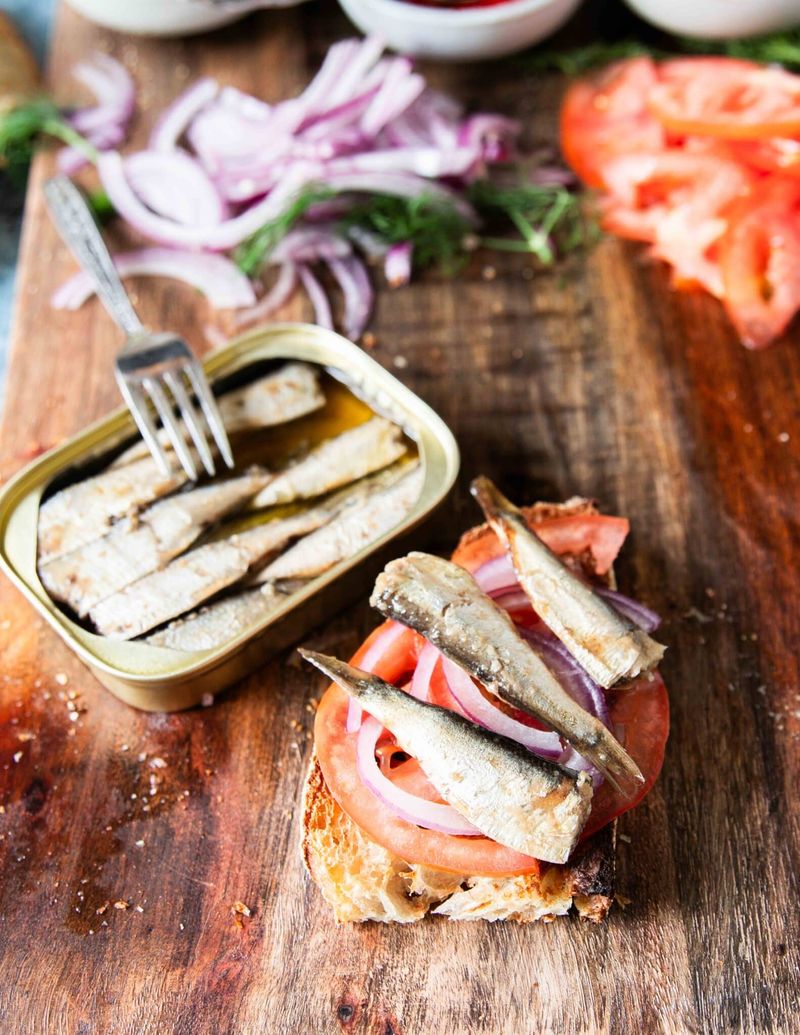
Tiny fish, big payoff. Sardines might look funny in their little tin, but they pack a surprising punch of vitamin D, calcium, and healthy fats.
Since you eat the soft bones too, your skeleton gets a double boost. Mash them onto whole grain toast with a squeeze of lemon, or toss them into pasta with garlic and olive oil.
Fun fact: sardines got their name from the Italian island of Sardinia, where they were once caught in huge numbers.
3. Egg Yolks
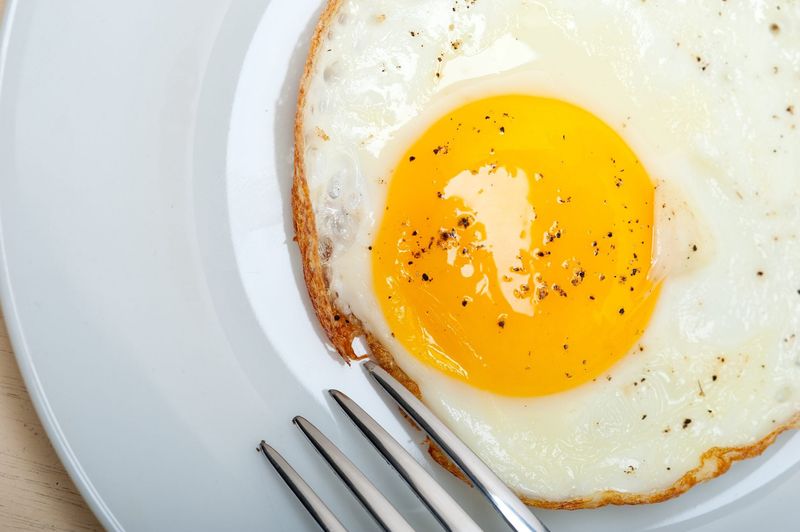
Ever notice how a fried egg looks like a little sun? That golden yolk is exactly where the vitamin D hides, so skipping it means missing out.
Eggs from hens raised outdoors or fed special diets can carry even more of this nutrient. Scramble them for breakfast, hard boil a batch for snacks, or drop one on top of fried rice.
They are cheap, quick, and easy to love any day of the week.
4. UV-Exposed Mushrooms
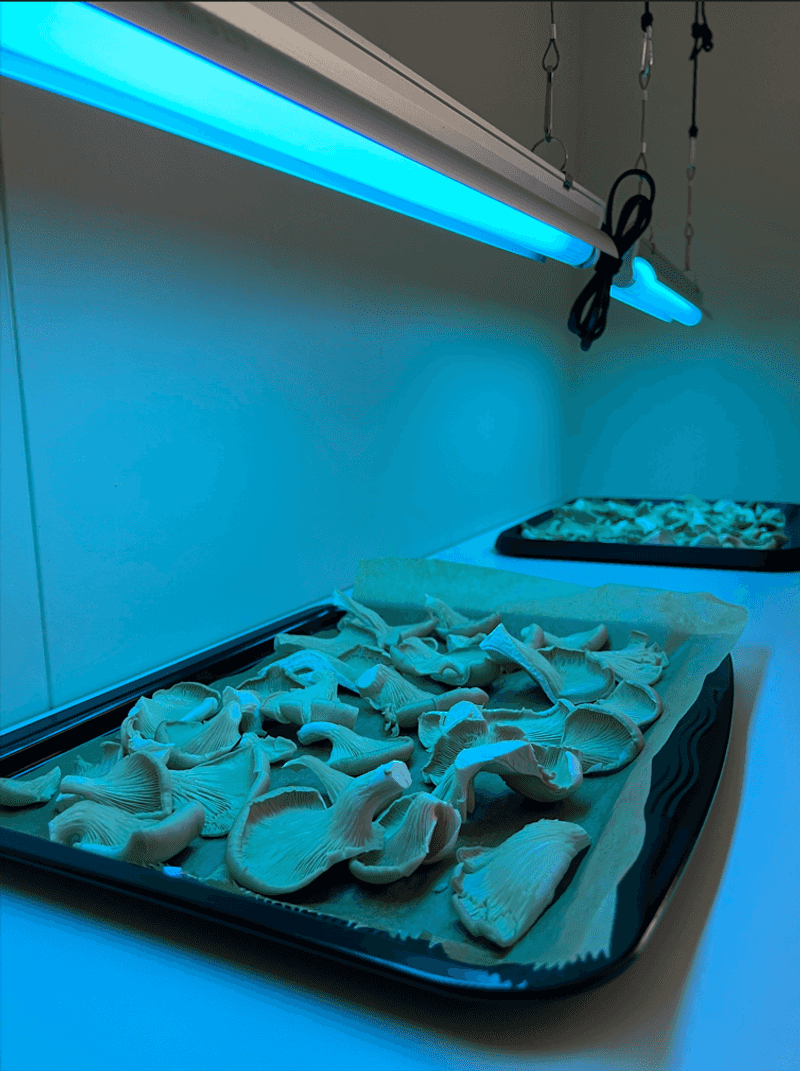
Here is a neat trick: mushrooms can soak up sunlight almost like people do. When they are exposed to UV light, they start making vitamin D on their own.
Look for packages labeled UV-treated at the store. You can even set regular mushrooms on a sunny windowsill for an hour before cooking.
Sauté them with butter, stir them into soup, or pile them on pizza. They are a great pick for vegetarians looking to boost their levels.
5. Fortified Milk
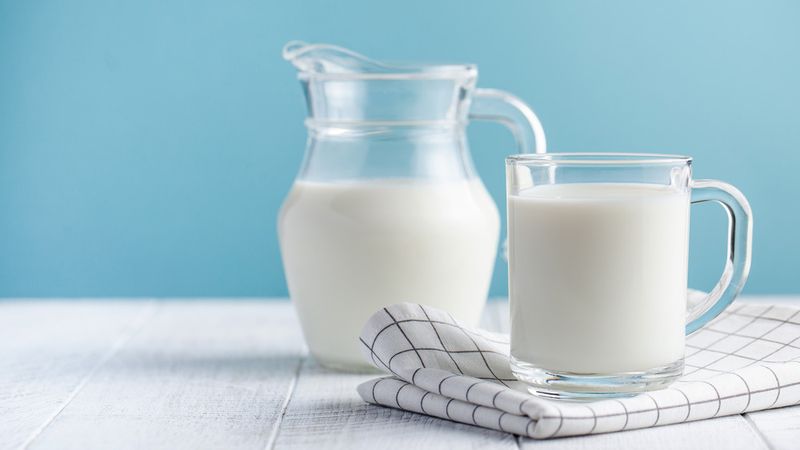
Grandma was onto something when she poured you a glass of milk with dinner. In many countries, cow’s milk has vitamin D added, making it an easy everyday source.
One cup gives you a solid chunk of your daily needs, plus calcium that works as a team with vitamin D. Pour it over cereal, blend it into hot cocoa, or use it in mashed potatoes.
Check the label to make sure your brand is fortified.
6. Cod Liver Oil
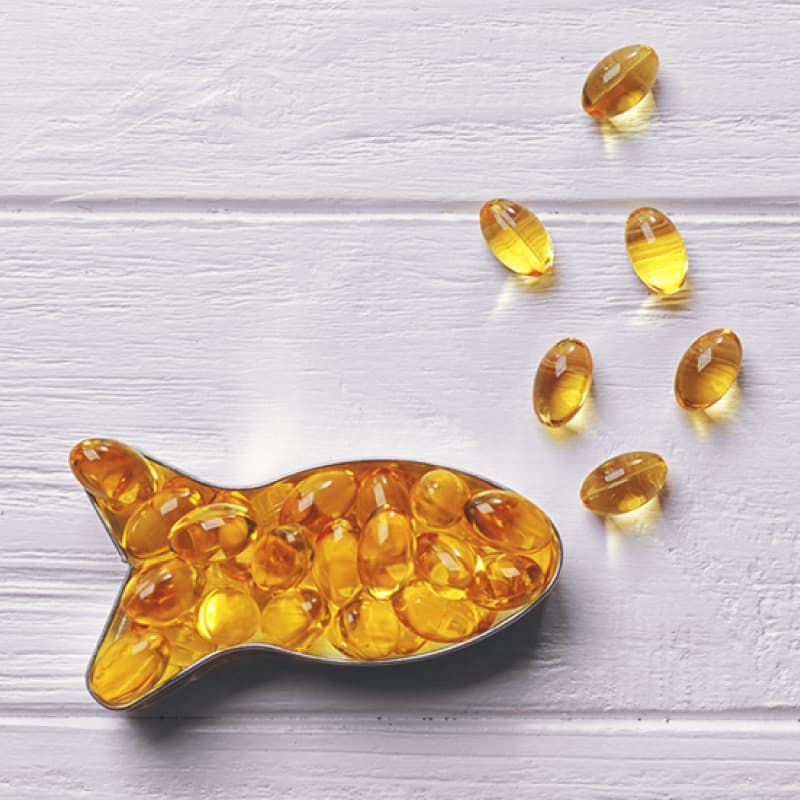
Let’s be honest, cod liver oil has a reputation for tasting fishy. Still, people have trusted it for generations, and for good reason.
Just one teaspoon contains more vitamin D than most people need in a day, plus vitamin A and omega-3 fats. Today you can buy lemon-flavored versions or easy capsules that skip the taste entirely.
Talk with a parent or doctor before starting, since too much vitamin A is not a good thing.
7. Rainbow Trout
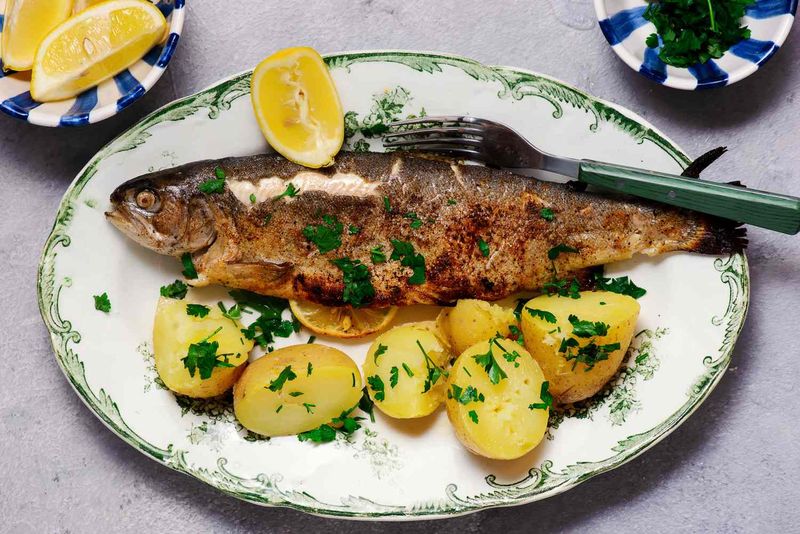
Anglers love catching rainbow trout, and your body will love eating it. Most trout sold in stores is farm raised, and it still delivers a strong dose of vitamin D.
The mild, slightly nutty flavor makes it a friendly choice for kids who are unsure about fish. Pan fry it with a little butter and herbs until the skin gets crispy.
Serve it with roasted potatoes for a warm and filling winter supper.
8. Canned Tuna
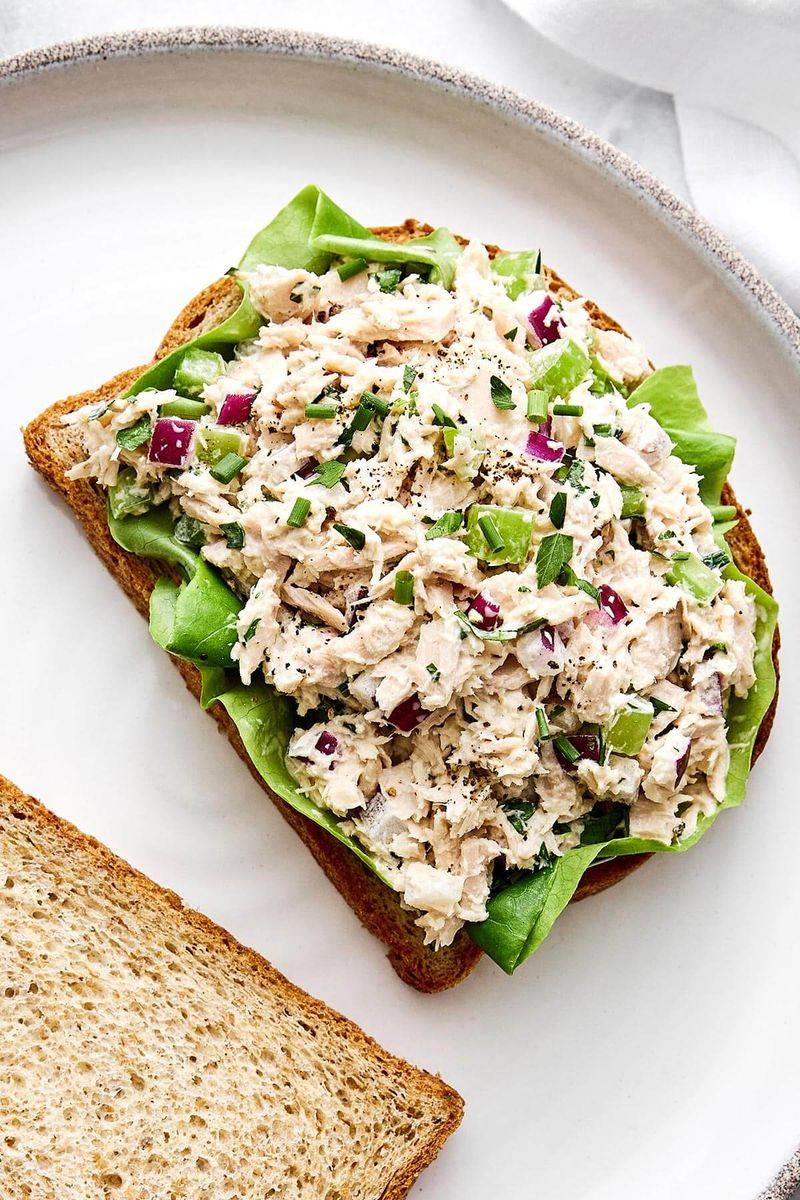
Sitting quietly in your pantry is one of the easiest vitamin D foods around. Canned tuna is affordable, lasts for ages, and needs zero cooking.
Light tuna usually has less mercury than albacore, so it is a smart pick for regular meals. Mix it with a bit of mayo and celery for a classic sandwich, or stir it into a warm noodle bake.
Aim for a couple of servings a week to stay safe and well fed.
9. Fortified Orange Juice
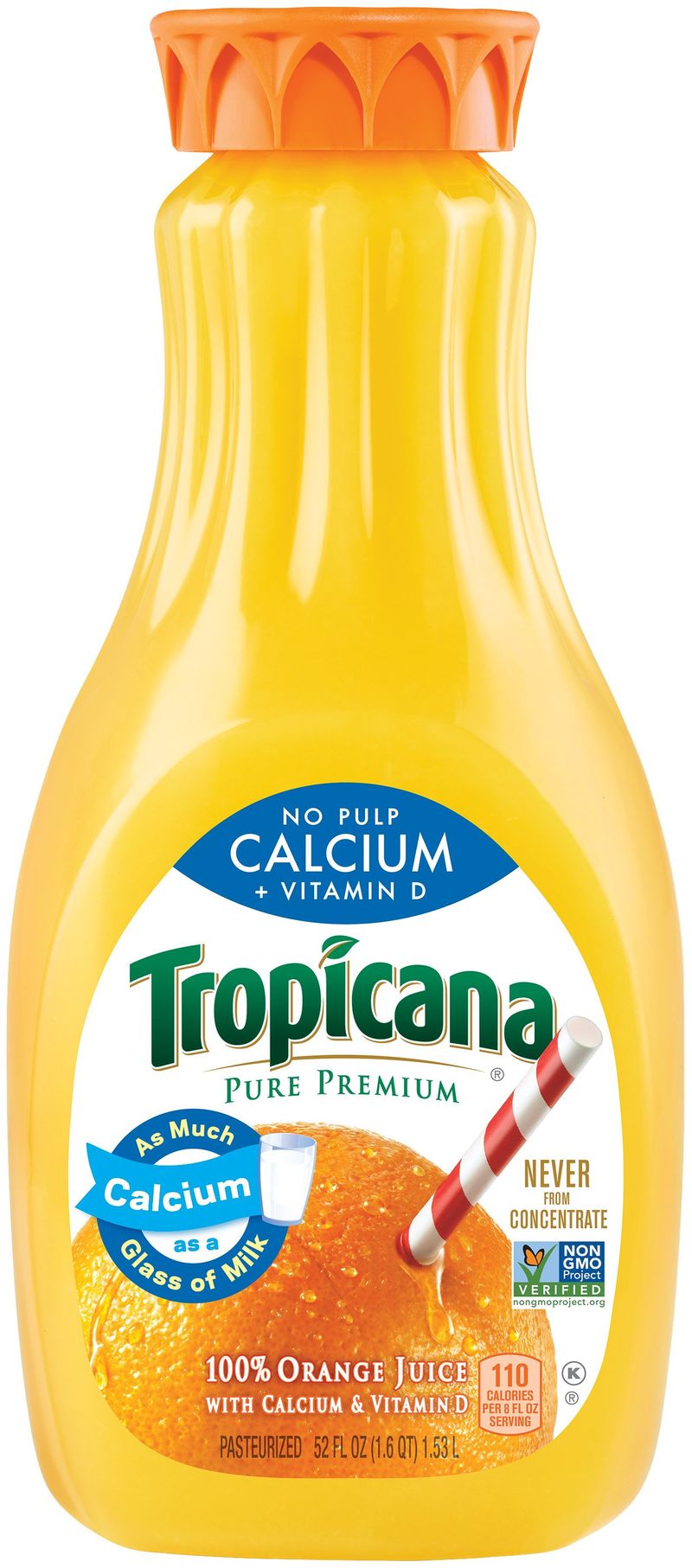
Not a milk fan? No problem.
Some orange juice brands now add vitamin D and calcium, turning your morning glass into a little sunshine boost.
It is especially handy for anyone who avoids dairy. Read the carton carefully, because not every juice is fortified.
Since juice has natural sugar, one small glass with breakfast is plenty. Pair it with eggs or toast, and you are off to a bright start, even on a gray morning.
10. Fortified Breakfast Cereal
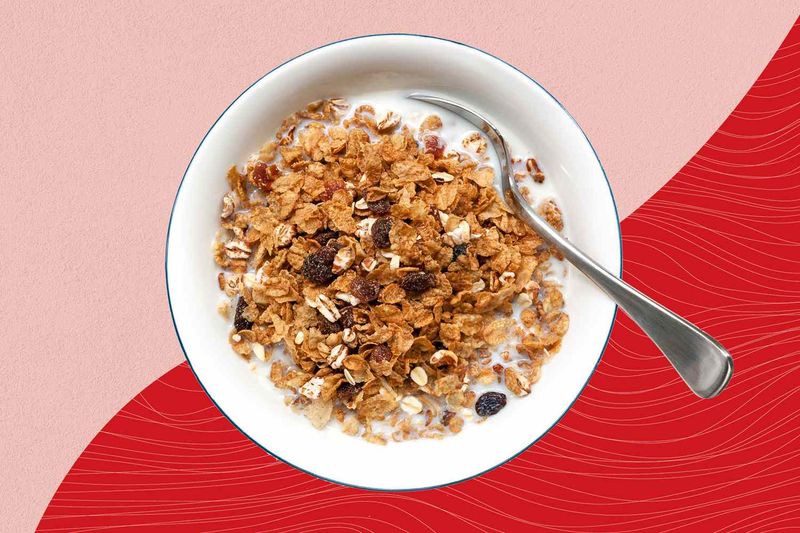
Crunch, crunch, vitamin D! Many breakfast cereals have vitamins added during production, and vitamin D often makes the list.
Pouring fortified milk on top doubles the benefit in one simple bowl. Choose options with whole grains and less sugar to keep your energy steady until lunch.
Toss on some berries or sliced banana for extra flavor. It is a fast, kid-friendly way to sneak more nutrients into those dark, rushed school mornings.
11. Herring

In Scandinavia, where winter nights stretch on for ages, herring is a beloved staple. That is no accident, since this oily fish is loaded with vitamin D.
You can find it pickled, smoked, or fresh. Pickled herring on dark rye bread is a classic Nordic snack, though it can be salty, so enjoy it in small amounts.
Grilled fresh herring is another tasty choice with a rich flavor that warms you up from the inside.
12. Fortified Yogurt
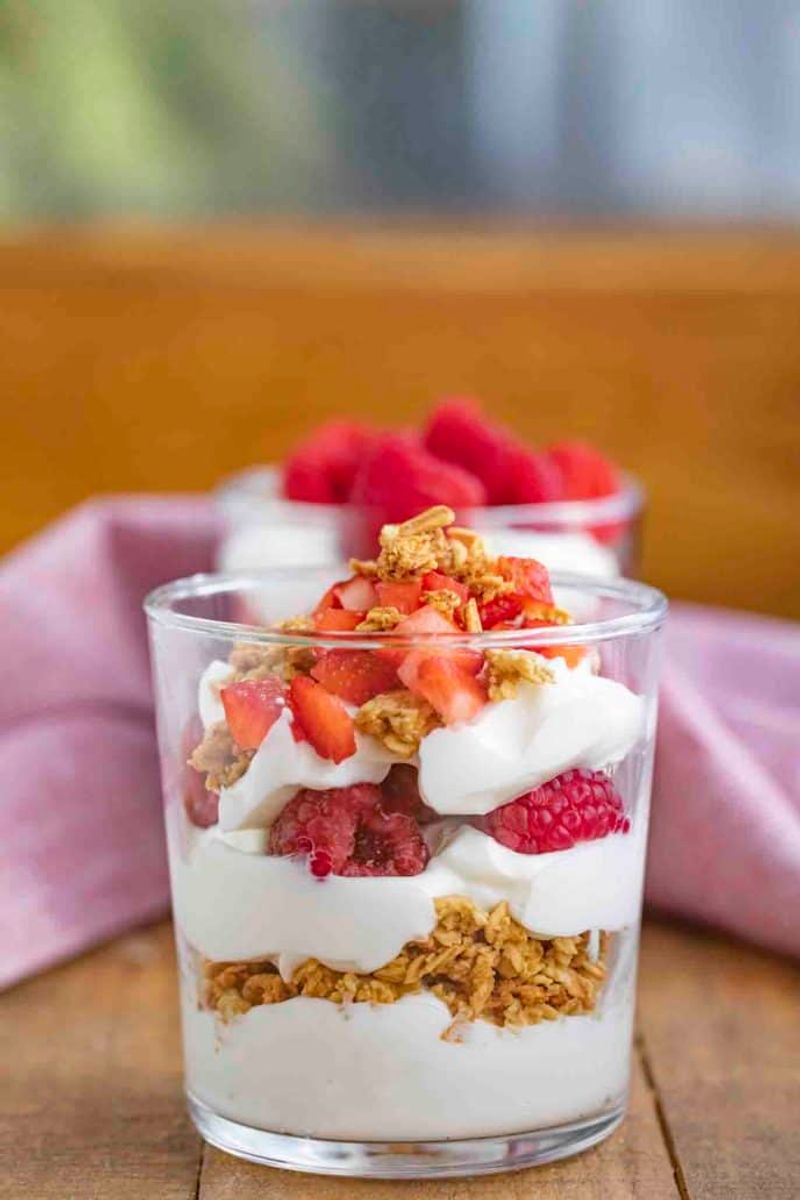
Creamy, cool, and good for your gut, yogurt can also help with vitamin D when the label says fortified. Not every brand adds it, so take a quick peek before buying.
Layer it with granola and fruit for a pretty parfait. Swirl in some honey for a sweet snack, or use plain yogurt as a topping on chili instead of sour cream.
You get protein, calcium, and friendly bacteria all in one spoonful.
13. Fortified Plant Milks
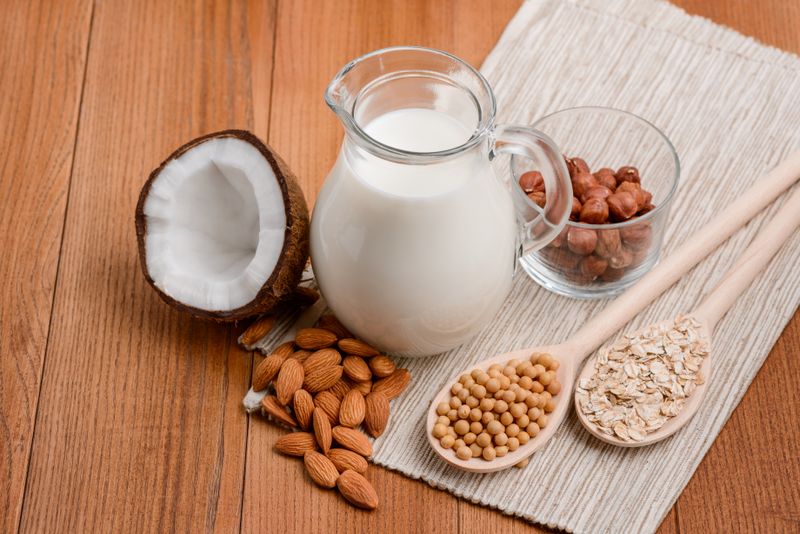
Soy, almond, and oat milks have become super popular, and many of them come with vitamin D added. That makes them a helpful swap for vegans or anyone with a dairy allergy.
Soy milk tends to have the most protein of the group. Shake the carton well, because added nutrients can settle at the bottom.
Use your favorite in smoothies, oatmeal, or a cozy cup of hot chocolate on a chilly afternoon.
14. Mackerel
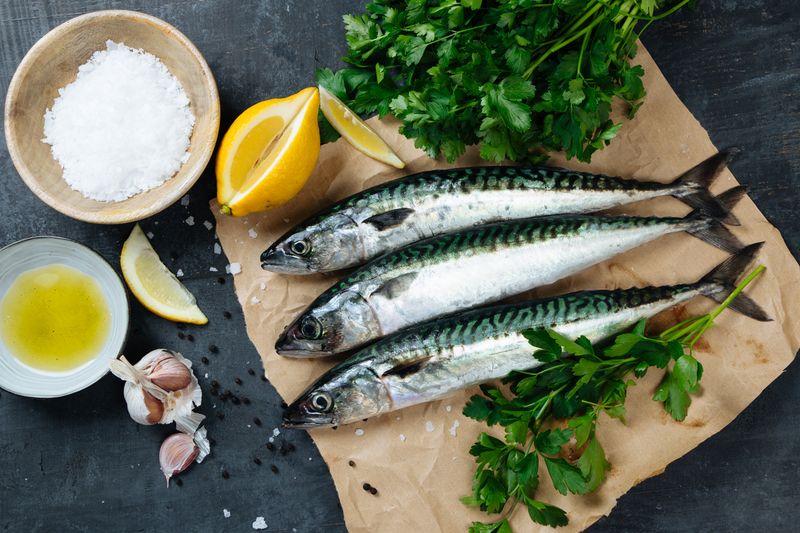
Shiny and striped, mackerel swims in cold oceans and brings bold flavor to the table. It is also one of the best fish choices for vitamin D and heart-healthy omega-3s.
Atlantic mackerel is lower in mercury than king mackerel, so it is the better pick. Smoked mackerel is ready to eat and tastes amazing mashed into a spread with cream cheese.
Spread it on crackers for a snack that feels a little fancy.
15. Beef Liver
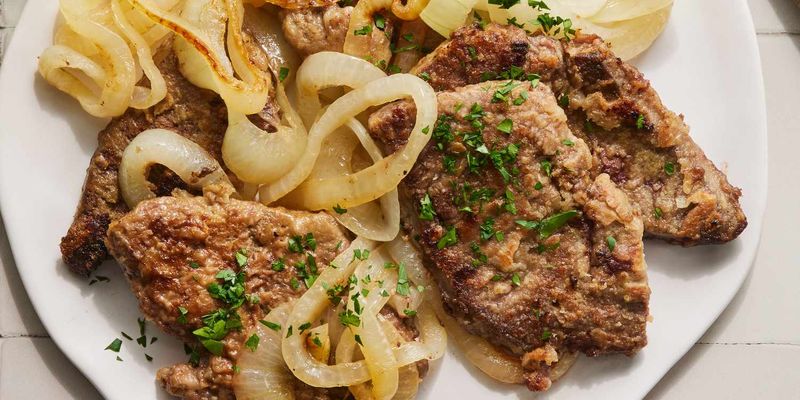
Old-school cooks swore by liver and onions, and nutrition science backs them up. Beef liver offers some vitamin D along with iron, protein, and vitamin B12.
The flavor is strong, so many families cook it with sweet caramelized onions to balance things out. Because liver is very high in vitamin A, once a week or less is plenty.
Think of it as a powerful bonus food rather than an everyday meal.
16. Swiss Cheese
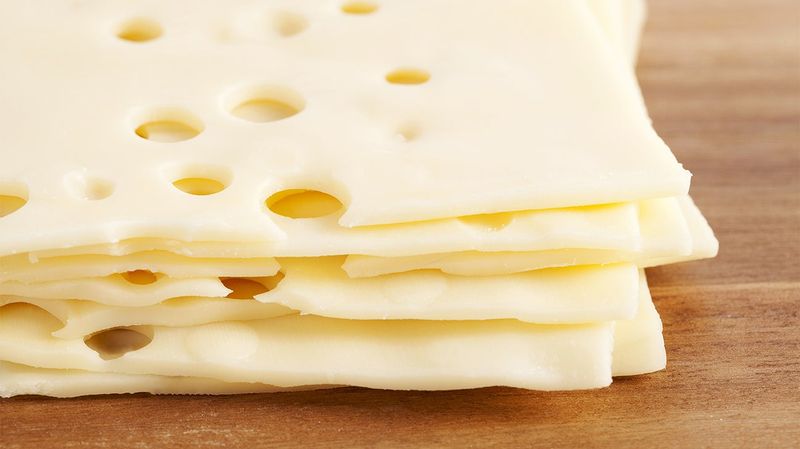
Those famous holes in Swiss cheese come from gas bubbles made by bacteria while it ages. Pretty cool, right?
Cheese is not a huge vitamin D source, but Swiss and cheddar offer small amounts that add up over the day. They also bring calcium, which needs vitamin D to do its job.
Melt a slice onto a turkey sandwich or cube some for an after-school snack with apple slices.
17. Shrimp
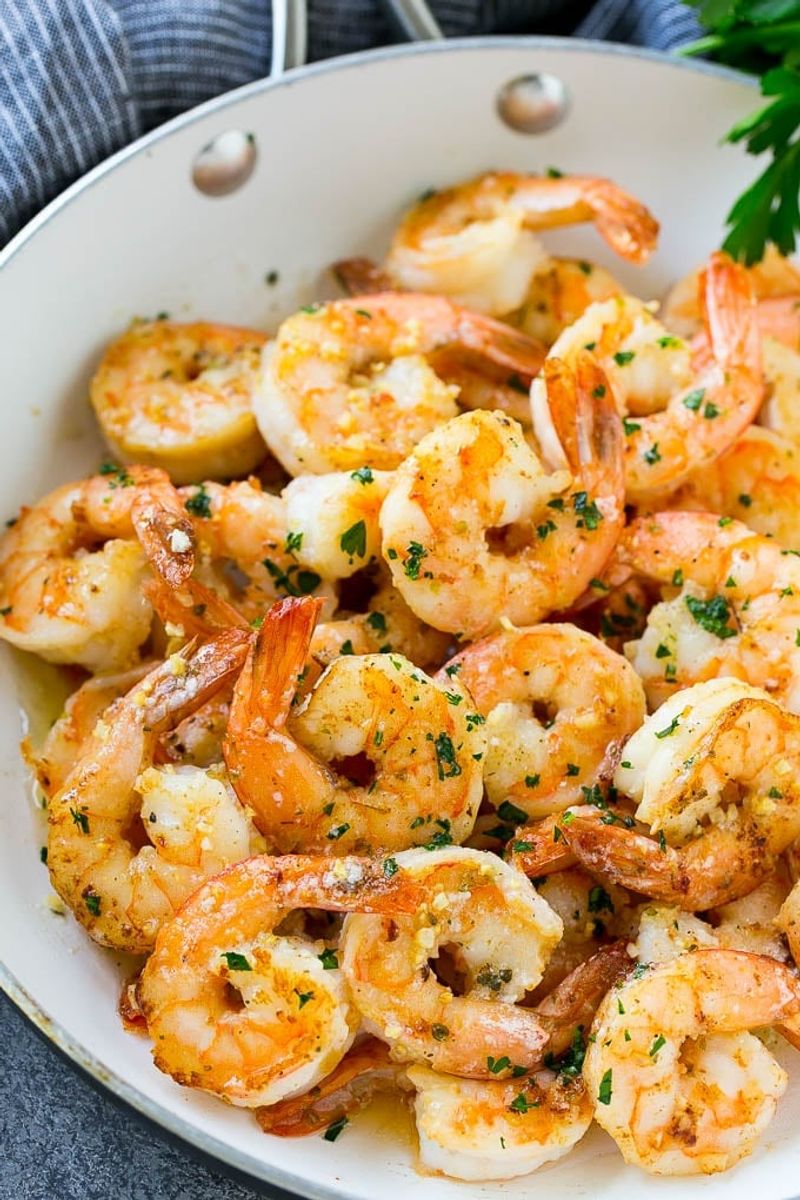
Shrimp cooks in just a few minutes, which makes it perfect for busy weeknights. Besides being quick, it provides a modest amount of vitamin D and lots of lean protein.
It is also low in fat, though it does contain some cholesterol. Toss shrimp with garlic butter and serve over rice, or skewer it for an indoor grilling night.
Kids often enjoy dunking cooked shrimp into cocktail sauce like little edible spoons.
18. Fortified Tofu
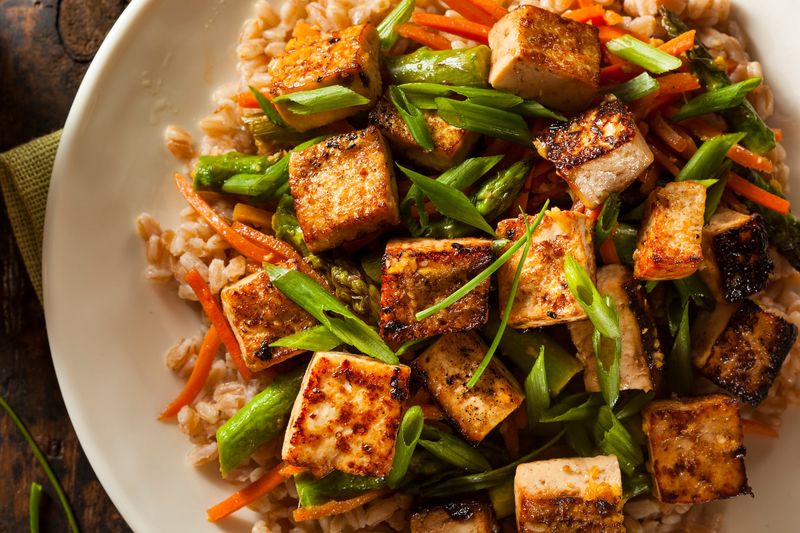
Tofu gets teased for being bland, but that is its secret strength. It soaks up whatever flavors you cook it with, from soy sauce to spicy peanut sauce.
Some brands add vitamin D and calcium, making tofu a smart plant-based choice in winter. Press out the extra water, then bake or pan fry the cubes until golden.
Toss them into a veggie stir fry, and even picky eaters might ask for seconds.
19. Pork Chops
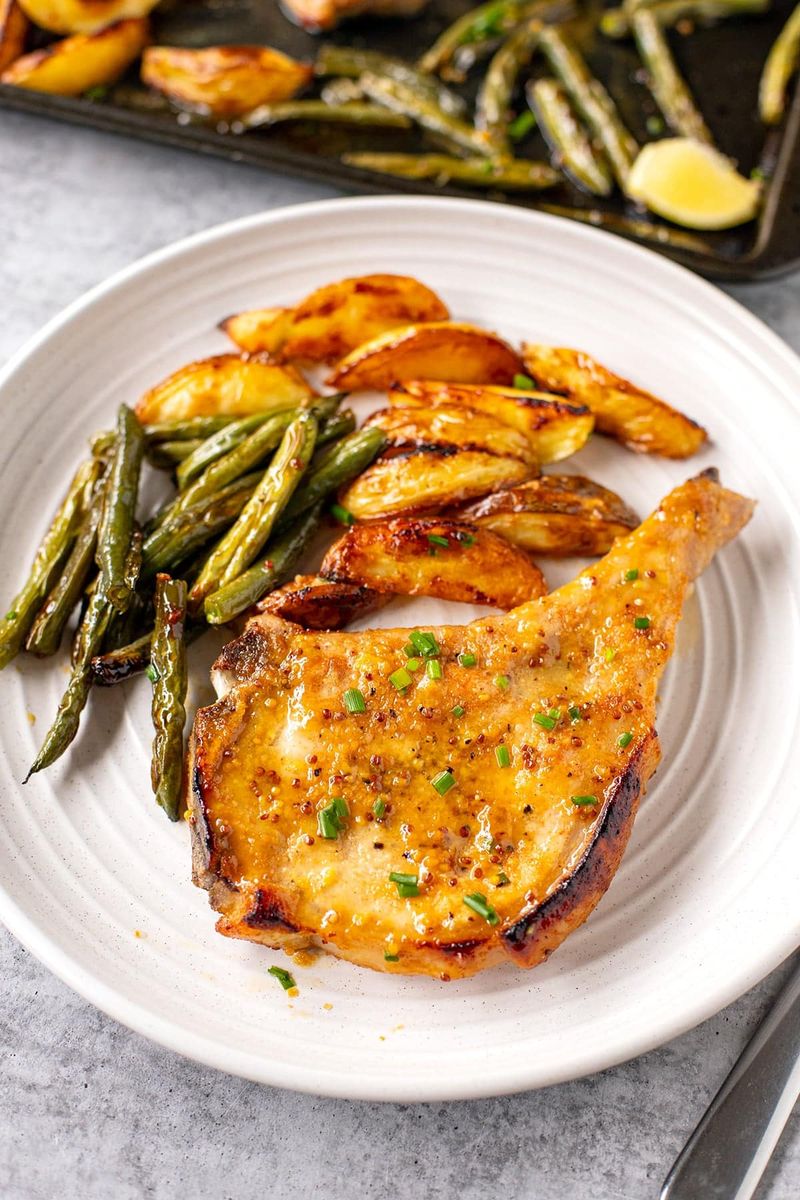
Surprise! Pork is one of the few meats with a noticeable amount of vitamin D, especially cuts like chops and loin.
Pigs raised outdoors in the sun usually pass along more of this nutrient. Season your chops with salt, pepper, and a little garlic, then pan sear them until juicy.
Roasted apples on the side make a sweet, cozy pairing that tastes like fall and winter rolled into one comforting dinner.