
Seeing a favorite book become a movie can be exciting, but its author may feel very differently. Changed characters, missing themes, and new endings have left some writers deeply disappointed.
Their complaints reveal how much a story can change on its way to the screen. Alongside theatrical films, this list includes two television adaptations that sparked similar disputes.
1. Percy Jackson & the Olympians: The Lightning Thief: Growing Up Too Fast
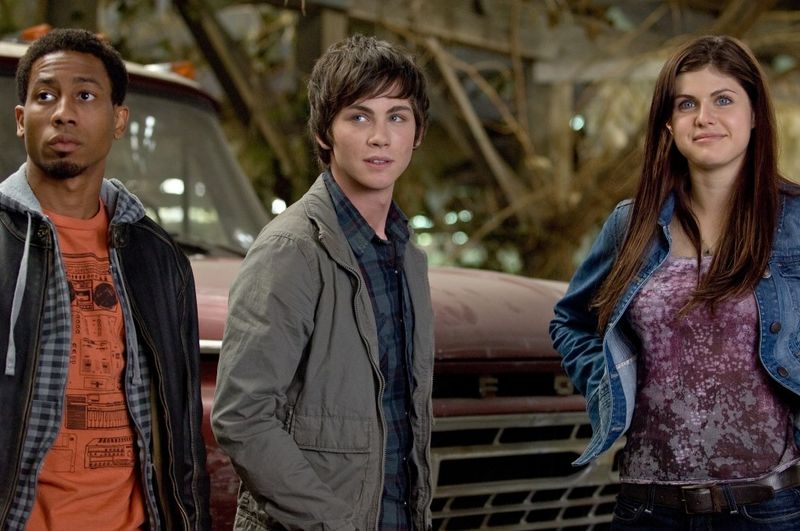
Growing older was no small detail for Rick Riordan’s young heroes. He objected to the 2010 movie’s older characters and warned that the change would hurt future stories.
His criticism came from reading scripts, not watching the finished films.
Riordan later compared the experience to seeing his life’s work put through a meat grinder. For readers, the dispute shows why a character’s age can shape an entire adventure, rather than simply change its target audience.
2. I Know What You Did Last Summer: Suspense Becomes Slasher Horror
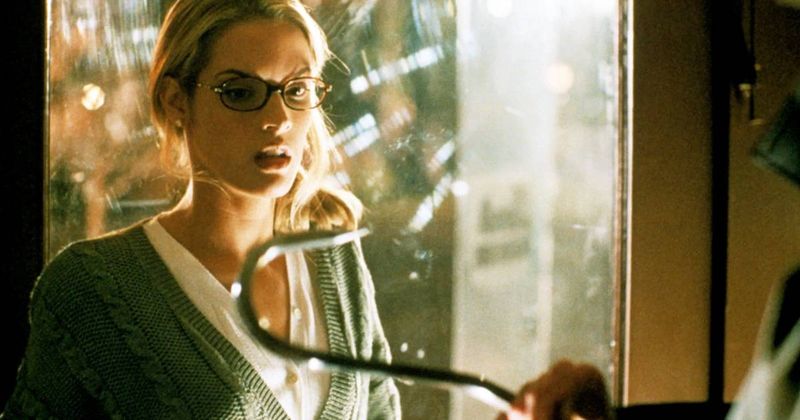
A hook wielding killer was not what Lois Duncan had written. Her 1973 novel built tension around guilt, secrets, and the consequences of a terrible choice.
The 1997 adaptation turned that setup into a slasher movie.
Duncan said she was horrified by the result and had little involvement in production. Expect a major change in tone if you compare them: the book relies on psychological suspense, while the movie puts physical danger at center stage.
3. A Clockwork Orange: An Ending Changes the Argument
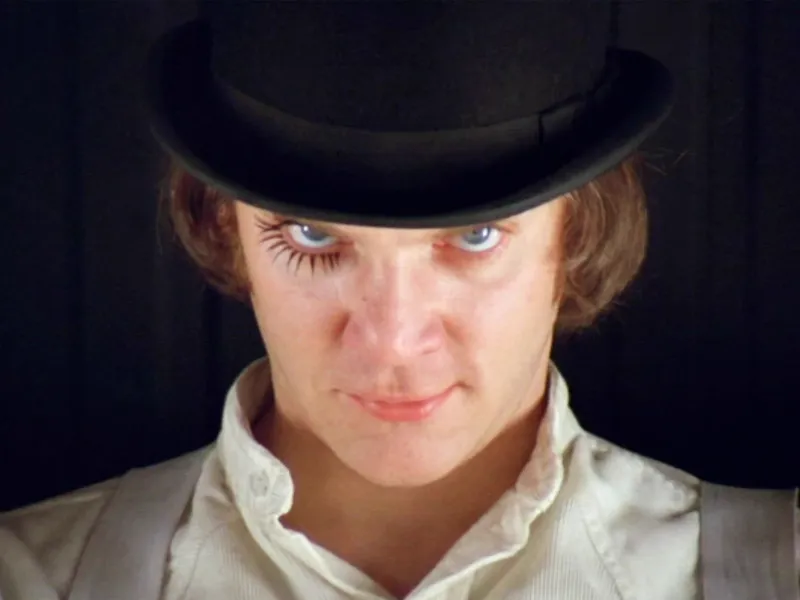
Can a missing chapter change a story’s whole message? Anthony Burgess believed the final chapter of his British novel mattered because it allowed Alex to begin outgrowing violence.
Stanley Kubrick’s 1971 film followed the shorter American version instead.
Burgess later resented how strongly the movie’s shocking imagery defined his book. His objections offer a useful reading tip: check which edition you have before comparing endings, because the published versions themselves do not tell exactly the same story.
4. The Shining: A Father Without a Gradual Fall
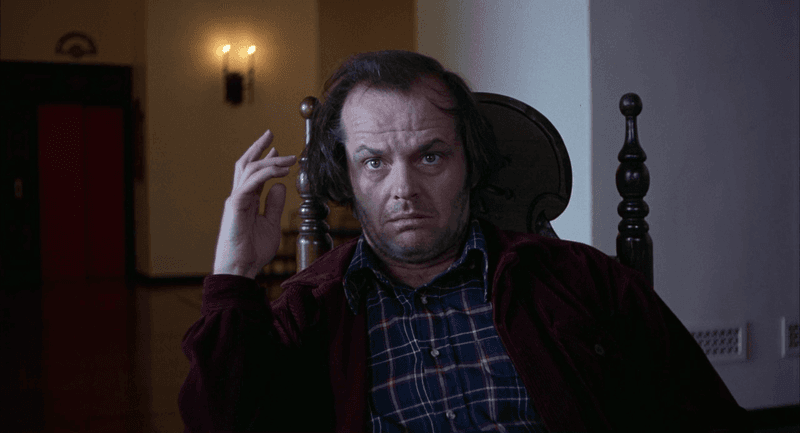
For Stephen King, Jack Torrance needed somewhere to fall from. He felt Stanley Kubrick’s 1980 movie made Jack seem unstable from the beginning, weakening the tragedy of his gradual collapse.
King also objected to Wendy’s frightened, diminished screen portrayal.
Although the film became a horror landmark, its author found it emotionally cold. Watching after reading the novel makes the disagreement clearer: both versions deliver fear, but they build very different relationships with the troubled Torrance family.
5. The NeverEnding Story: Fantasy Loses Its Meaning
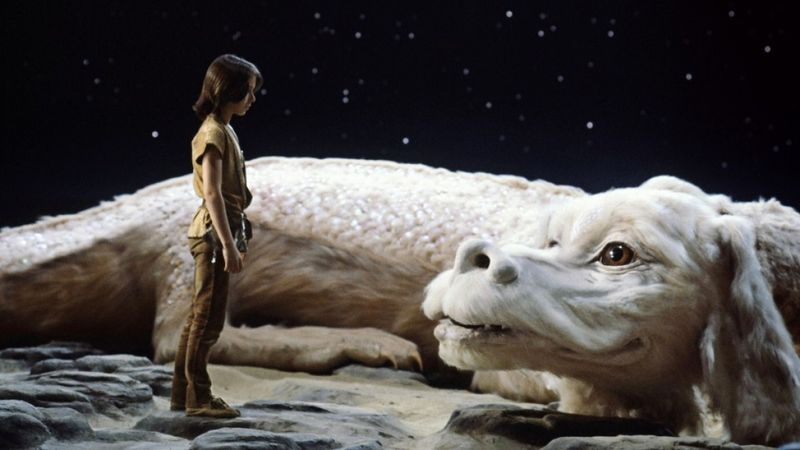
Behind the flying luckdragon and sweeping music stood a furious author. Michael Ende believed the 1984 adaptation turned his thoughtful fantasy into a commercial spectacle.
He publicly rejected the result and tried unsuccessfully to stop its release through legal action.
The movie mainly covers the novel’s first half, leaving much of Bastian’s difficult journey unexplored. Reading beyond that familiar adventure reveals why Ende saw his book as more than a colorful escape into a magical world.
6. Mary Poppins: Too Much Sugar for Her Creator
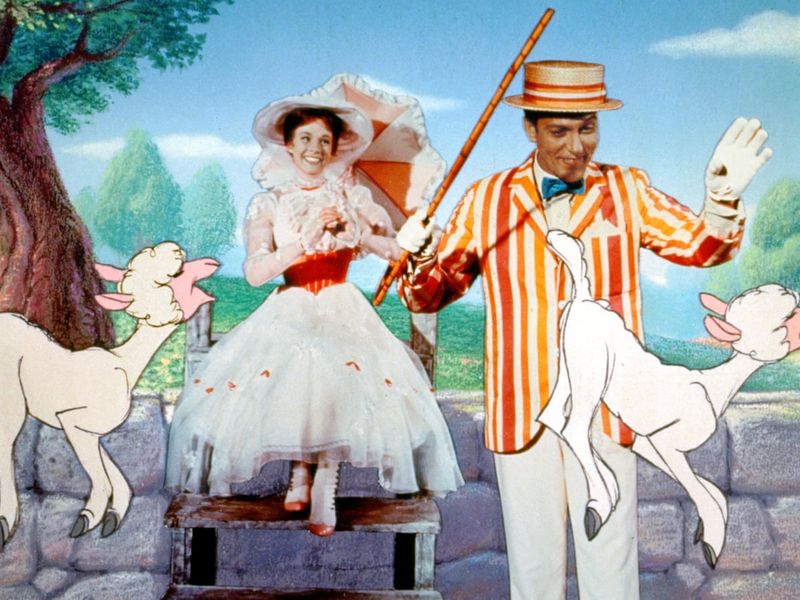
A spoonful of sugar did not sweeten the deal for P. L.
Travers. She resisted the cheerful tone, animation, and other choices in Disney’s 1964 musical.
Her Mary Poppins was sterner and stranger than the warmly remembered screen nanny.
Their creative battle later inspired Saving Mr. Banks, itself a dramatized account rather than a complete record. Try the original stories for a sharper character, and remember that a beloved adaptation can still disappoint its own creator.
7. My Foolish Heart: Salinger’s Last Hollywood Deal
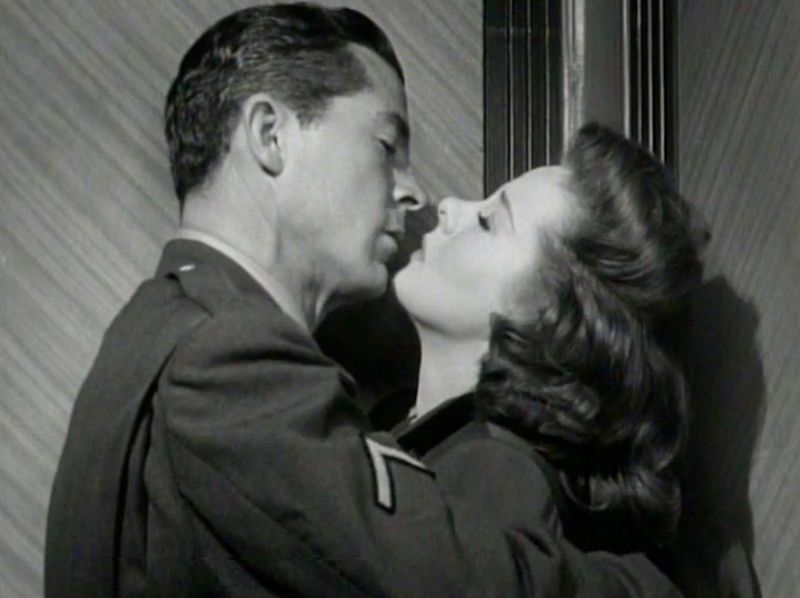
Hollywood got one chance with J. D.
Salinger, and he regretted it. My Foolish Heart, released in 1949, expanded his short story Uncle Wiggily in Connecticut into a sentimental wartime romance.
That approach shifted attention away from the original’s bitter disappointment.
Salinger strongly disliked the adaptation and did not authorize further films of his fiction. The episode helps explain why readers still cannot watch an approved movie version of The Catcher in the Rye in theaters.
8. Willy Wonka & the Chocolate Factory: Charlie Moves Aside
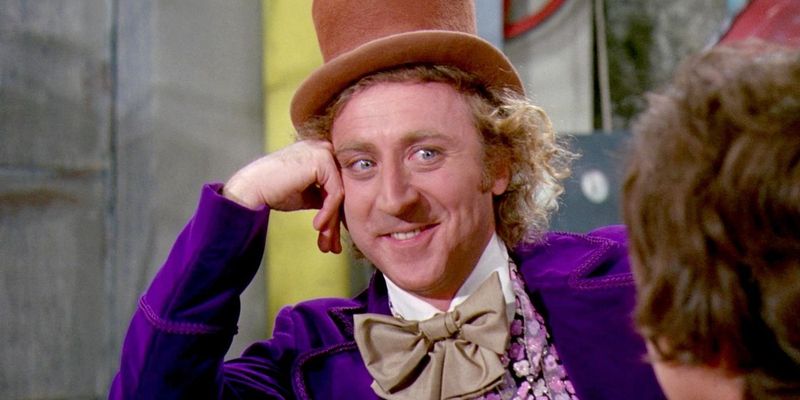
Even the title signaled a shift Roald Dahl disliked. His book centered Charlie, but the 1971 movie placed Willy Wonka’s name first.
Dahl objected to changes in his screenplay and was unhappy with Gene Wilder’s interpretation of the candy maker.
Many viewers treasure the film’s odd humor and memorable songs, making this disagreement especially striking. Compare how each version treats Charlie’s quiet goodness: a supporting change can feel enormous when it moves attention from a story’s heart.
9. Charlotte’s Web: Songs Crowd the Barn
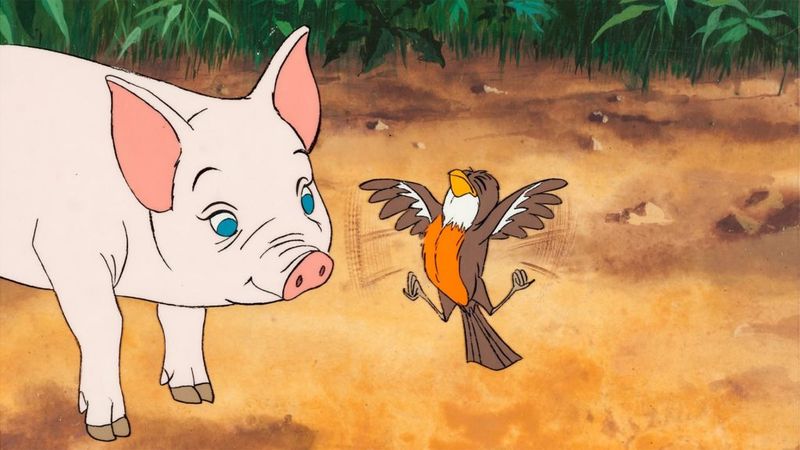
Sometimes a song can break the spell instead of deepening it. E.
B. White complained that the 1973 animated Charlotte’s Web repeatedly interrupted its story for cheerful musical numbers.
He also disliked the oversized treatment of the fair.
His concerns were about mood as much as plot. The novel finds wonder in ordinary farm life, friendship, and loss.
Reading a quiet chapter beside its musical screen version makes those differences easy to hear and feel immediately.
10. Breakfast at Tiffany’s: The Wrong Holly
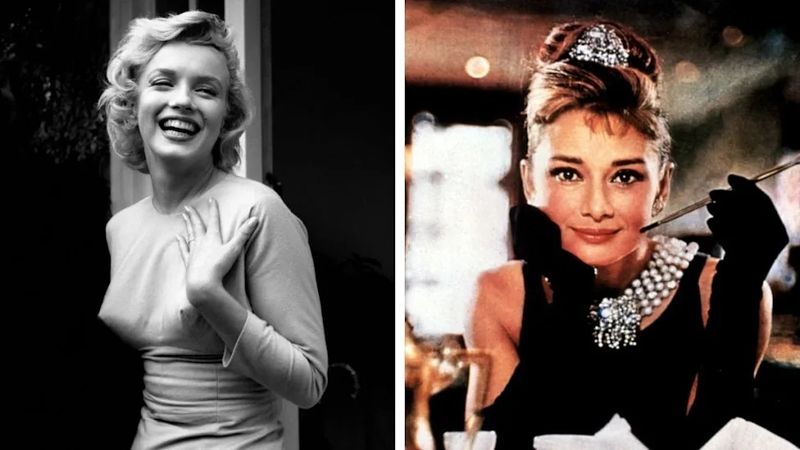
Audrey Hepburn became an icon as Holly Golightly, but Truman Capote wanted Marilyn Monroe. He considered the 1961 film badly miscast and disliked its broader changes.
The adaptation reshaped his narrator and gave the story a more conventional romantic direction.
That gap matters because the novella’s Holly is harder to pin down than a romantic movie heroine. Enjoy the famous costumes and music, but read Capote’s version for a less comforting portrait of loneliness and reinvention.
11. V for Vendetta: Politics Behind the Mask
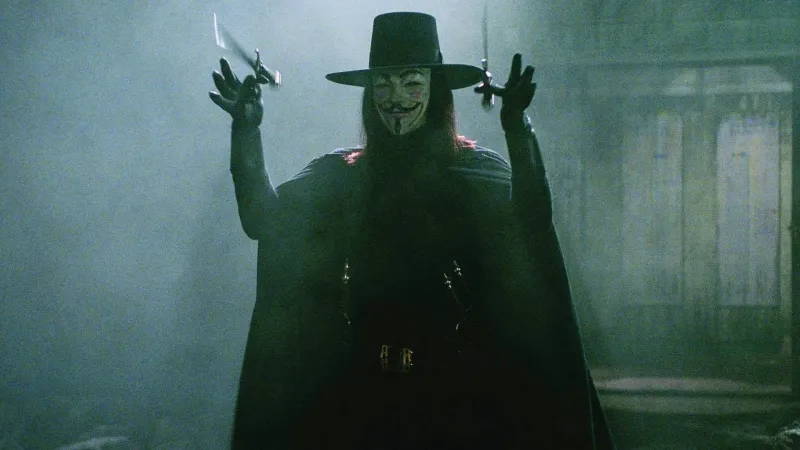
The smiling mask survived, but Alan Moore thought the politics did not. After reading the screenplay for V for Vendetta, he sharply criticized its approach.
He felt the adaptation replaced his British argument about fascism and anarchism with different political concerns.
Moore declined credit, while artist David Lloyd supported the film. Their differing reactions are a reminder that collaborators can disagree too.
Compare the graphic novel’s ideas with the movie’s message, rather than judging only visual similarities.
12. Legend of Earthsea: A World Whitewashed
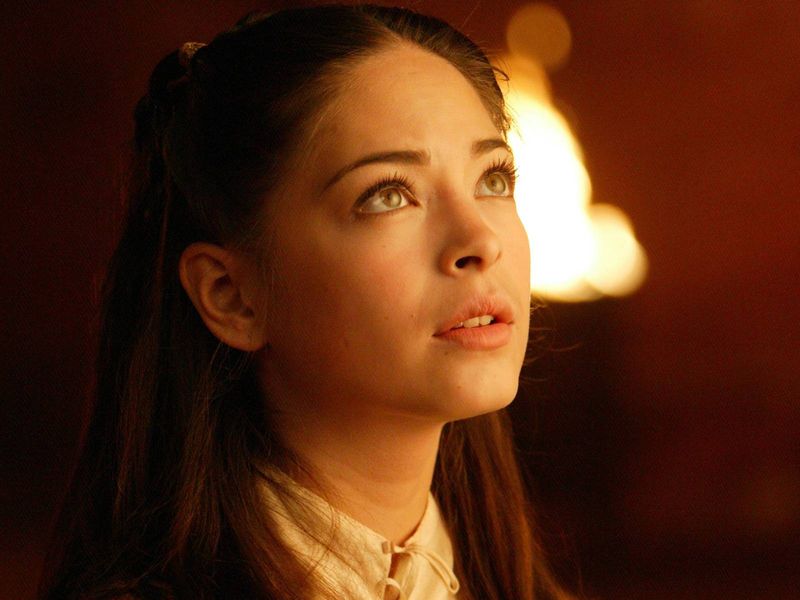
Skin color was part of Ursula K. Le Guin’s world, not a detail to erase.
She criticized the 2004 television miniseries Legend of Earthsea for casting white actors in key roles written as people of color, especially Ged.
In her essay A Whitewashed Earthsea, she also challenged its handling of her stories. Although not a theatrical film, this adaptation belongs in the discussion because it shows how casting can alter a fantasy world’s meaning and identity.
13. The Life You Save: An Unwelcome Happy Ending
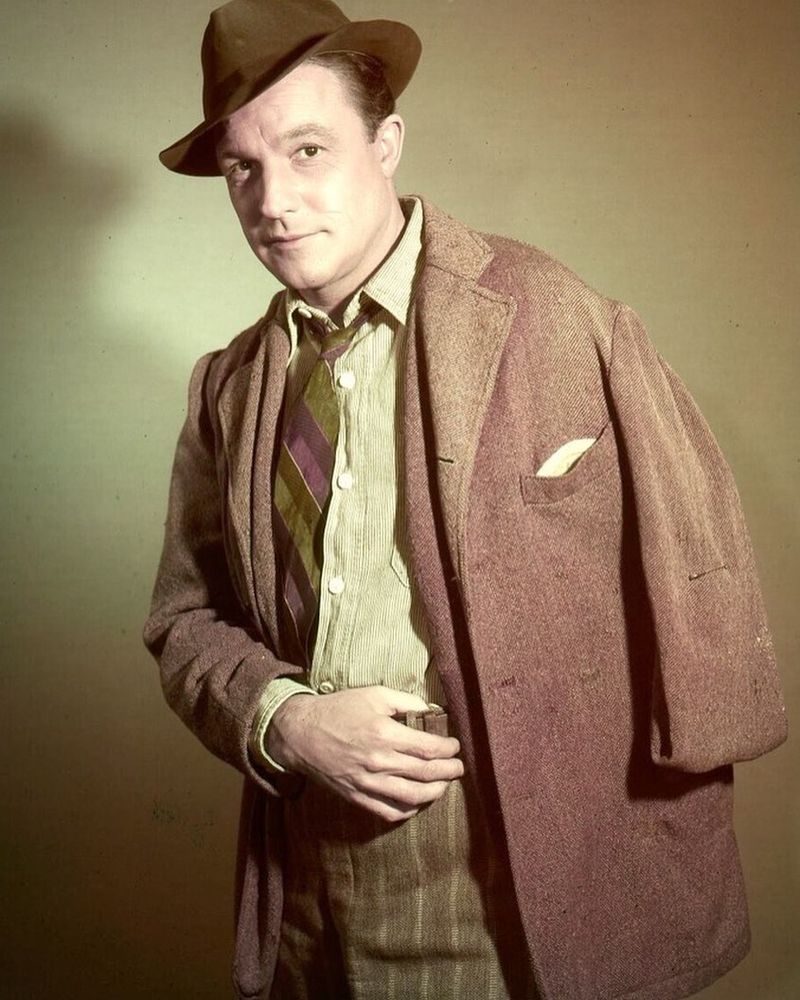
A cheerful finish can be the wrong kind of surprise. Flannery O’Connor objected when her unsettling short story The Life You Save May Be Your Own became a 1957 television production starring Gene Kelly.
The adaptation softened its dark direction.
Known as The Life You Save, the program traded troubling moral questions for a more reassuring outcome. O’Connor’s reaction highlights why endings matter: changing the final destination can change what every earlier choice means to the audience.
14. One Flew Over the Cuckoo’s Nest: Chief Loses His Voice
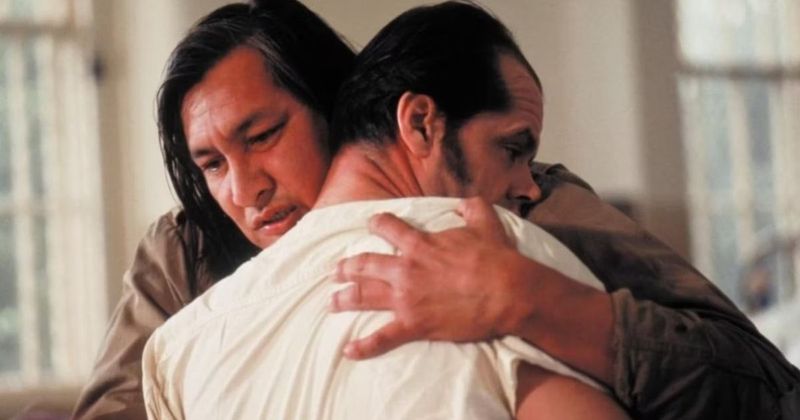
Whose eyes tell the story makes a difference. Ken Kesey’s novel unfolds through Chief Bromden, whose thoughts shape the reader’s experience of the hospital.
The 1975 film instead centers its dramatic action on R. P.
McMurphy.
Kesey opposed that shift and said he would not watch the movie. Its major awards did not settle his complaint.
Reading the novel reveals a stranger, more inward journey, reminding viewers that a narrator contributes much more than a voice.
15. The Last Man on Earth: A Survivor Miscast
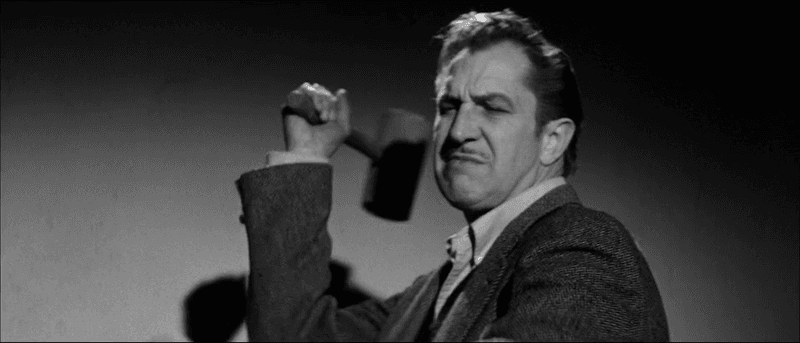
Vincent Price brought horror fame, but Richard Matheson questioned the fit. The author felt Price was miscast as the survivor in The Last Man on Earth, the 1964 adaptation of I Am Legend.
He also found the filmmaking disappointing.
Matheson acknowledged that it followed his story more closely than some later versions. That distinction is useful: keeping the basic plot does not guarantee the right atmosphere, performance, or emotional impact.
Faithfulness involves more than matching major events.