
Back in the 1960s, TV commercials were a whole different world. Advertisers said and showed things that would cause a major uproar if they aired today.
From promoting cigarettes to pushing outdated gender roles, these ads are a fascinating look at how much society has changed. Get ready to cringe, laugh, and shake your head at some of the most shocking commercials from that era.
1. Frito Bandito – Fritos
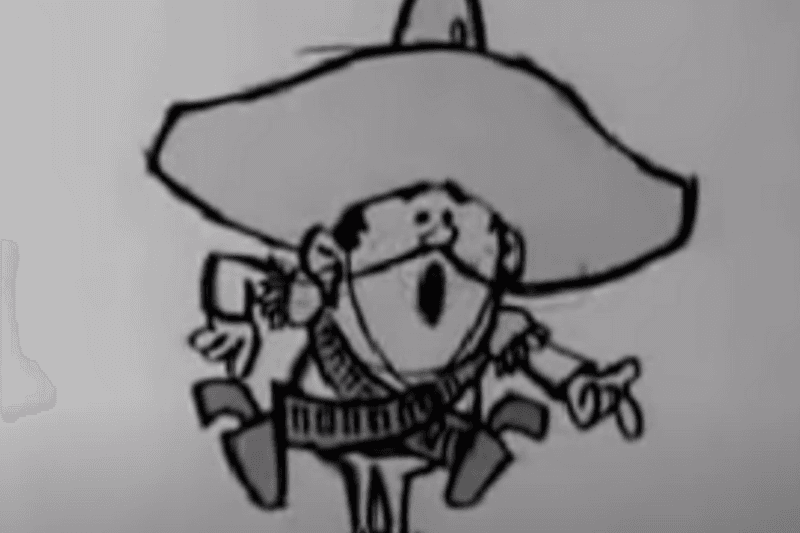
Picture a cartoon bandit with a thick accent sneaking around stealing corn chips from unsuspecting people. That was the Frito Bandito, Fritos’ mascot in the late 1960s.
He was drawn as a stereotypical Mexican outlaw, complete with a sombrero and bandoliers.
Mexican-American groups protested loudly, and eventually the character was pulled from TV. It’s a classic example of how advertisers used ethnic caricatures without thinking about the real harm they caused.
2. Daisy Ad – Lyndon B. Johnson Campaign

One of the most chilling political ads ever made aired only once during the 1964 presidential race. A little girl quietly counts daisy petals, and then a nuclear explosion fills the screen.
The message was clear: vote for Johnson or face nuclear war.
The ad was pulled after one airing because of public backlash, but it had already made its impact. Fear-based political advertising at this level would spark massive controversy in today’s media landscape.
3. Crisco Cooking Ads Reinforcing Gender Roles
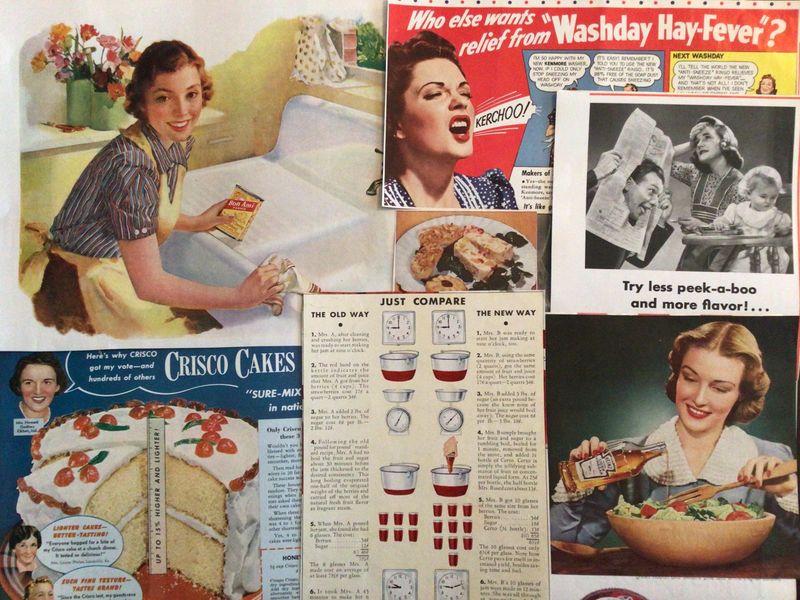
Crisco’s commercials from the 1960s basically told women their whole purpose was to cook for their husbands. A cheerful housewife would beam with pride as her husband praised her cooking, with Crisco taking the credit for her success.
Today, those ads feel incredibly tone-deaf about the role of women in society. Advertisers have come a long way in showing women as professionals, leaders, and individuals with goals beyond the kitchen.
4. Clairol Hair Dye Ads with Racial Undertones
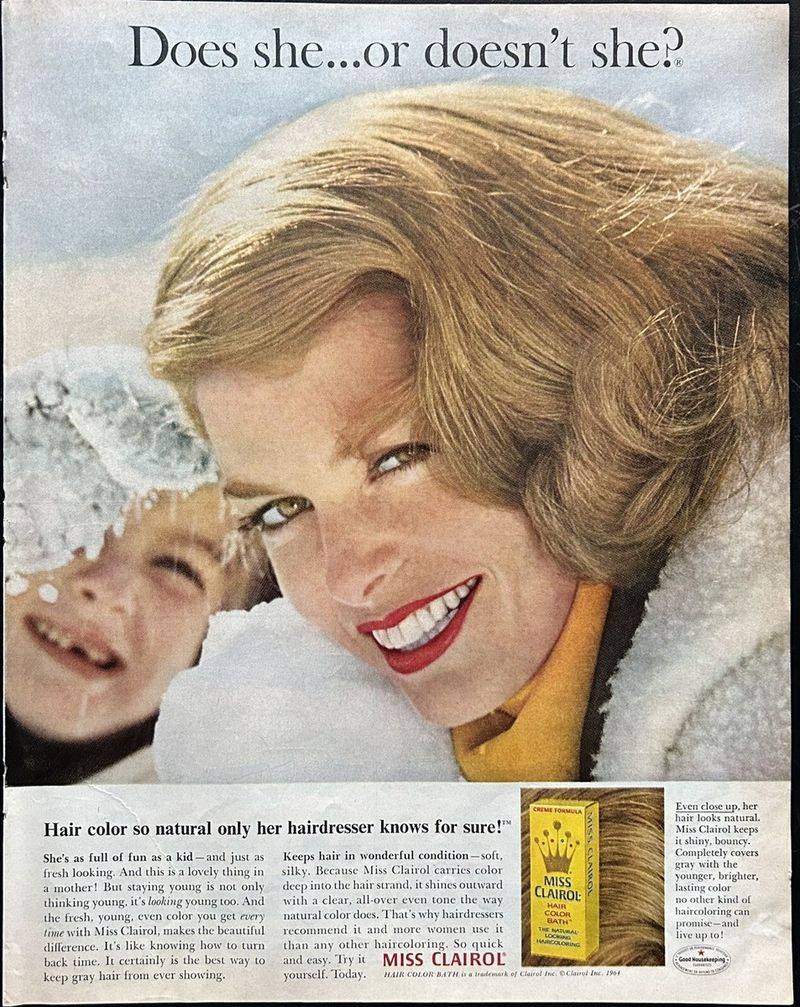
Clairol’s famous tagline “Does she or doesn’t she?” became iconic in the ’60s, but the ads almost exclusively featured white women with light hair as the beauty ideal. Women of color were largely invisible in these campaigns.
The underlying message was that lighter, straighter hair was the standard for attractiveness. That kind of narrow beauty standard caused real damage to how millions of women saw themselves, and it simply wouldn’t fly in today’s advertising world.
5. Pepsi Segregation-Era Separate Audience Ads
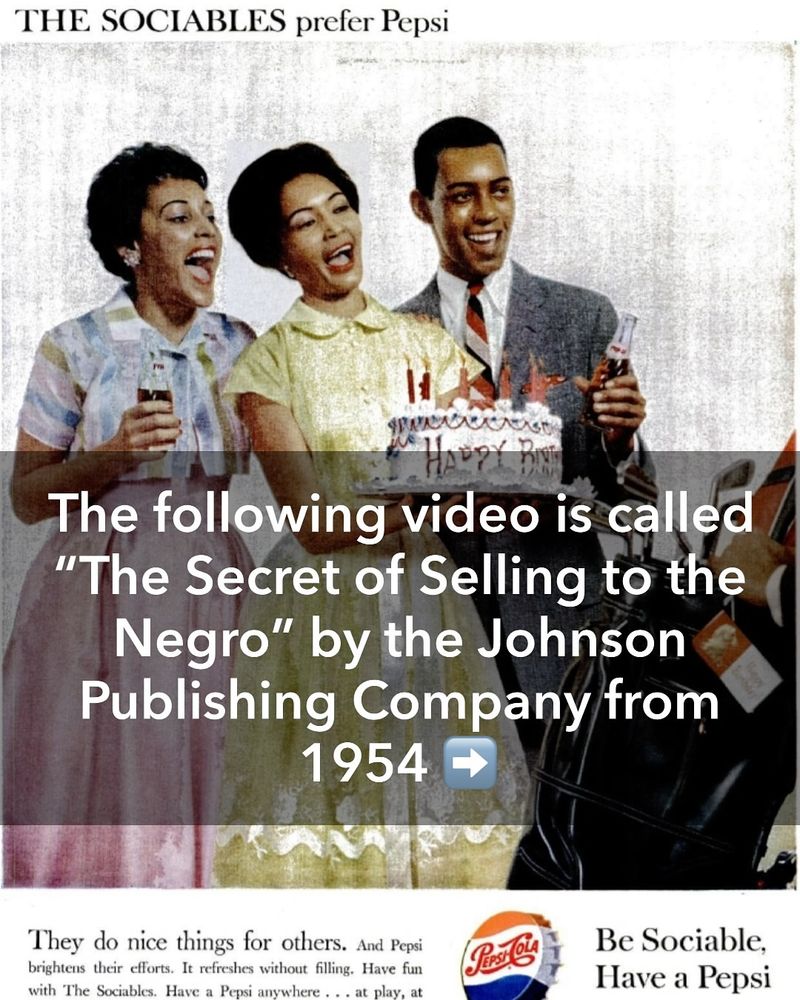
During the era of racial segregation, some major brands including Pepsi created entirely different ad campaigns for white and Black audiences. These weren’t just targeted ads; they reflected and reinforced the deeply divided society of the time.
Running racially segregated marketing campaigns today would be an instant PR disaster. The fact that this was once considered normal business strategy shows just how far advertising and society have had to travel toward equality.
6. Lucky Strike Cigarette Ads – Doctor Endorsed
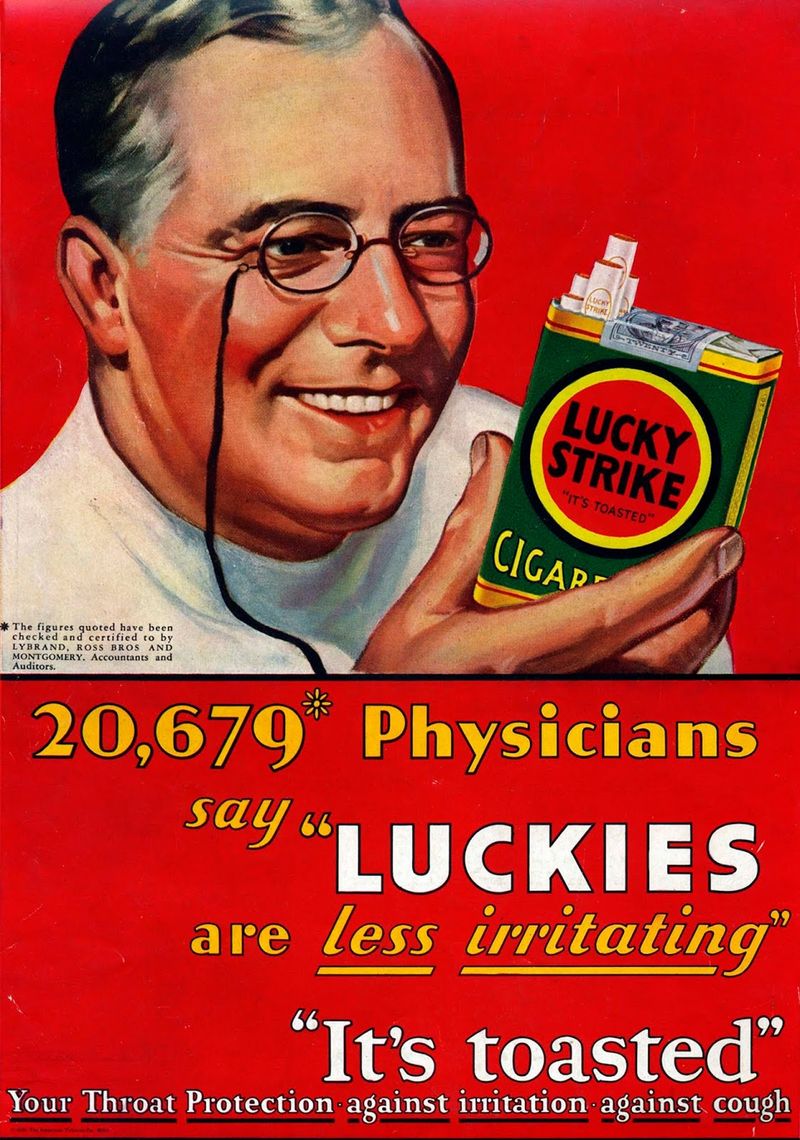
Hard to believe, but doctors once appeared in cigarette commercials. Lucky Strike ran ads where physicians essentially gave smoking their professional stamp of approval, claiming certain brands were easier on the throat.
We now know that cigarettes cause cancer and a host of other deadly diseases. The idea of a doctor endorsing a tobacco product on television today would be not just controversial but outright illegal under current advertising and health regulations.
7. Marlboro Man – Rugged Smoking as Masculinity
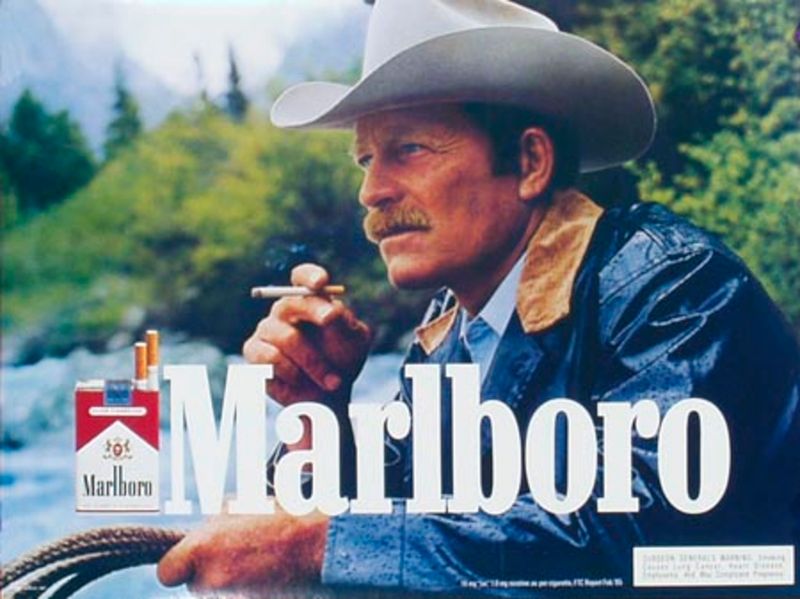
The Marlboro Man was one of the most successful advertising icons of the 20th century, turning cigarette smoking into a symbol of rugged, masculine freedom. Cowboys rode across sweeping landscapes, cigarette in hand, looking effortlessly cool.
What the ads never showed was the toll smoking took on those very cowboys, several of whom died from smoking-related illnesses. Glamorizing tobacco use with such powerful imagery would be completely banned from television under today’s strict advertising laws.
8. Volkswagen Lemon Ad – Mocking Safety Standards
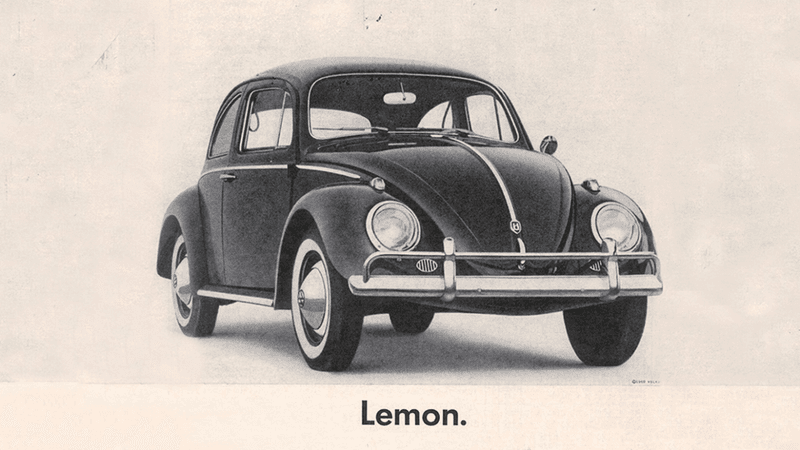
Volkswagen’s famous “Lemon” ad was actually groundbreaking for its honesty, but it also casually highlighted that cars with serious defects were regularly sent back before reaching consumers. The implication was that quality control was a constant battle.
Today, with strict automotive safety regulations and consumer protection laws, the casual tone around potentially defective vehicles would raise serious legal red flags. What was once clever advertising now reads as a surprisingly blunt admission about manufacturing problems.
9. Schlitz Beer – Pressuring Women to Please Men
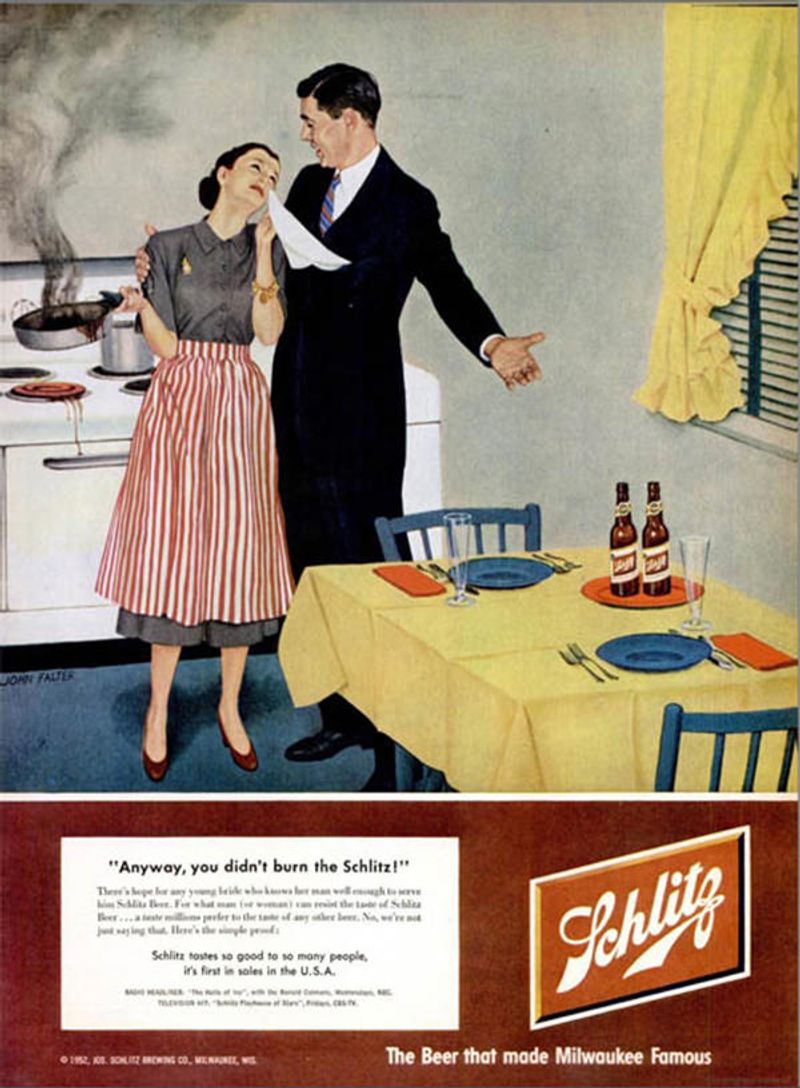
Schlitz Beer ran a commercial where a wife tearfully confesses she forgot to buy her husband’s beer. The husband’s reaction was cold and disappointed, making it clear her worth depended on keeping him happy with the right brand of beer.
Using emotional manipulation and female anxiety as a selling tool is something modern advertisers know better than to try. That kind of messaging would ignite fierce backlash from consumers and advocacy groups almost immediately today.
10. Ajax Cleanser – “Stronger Than Dirt” With Sexist Framing
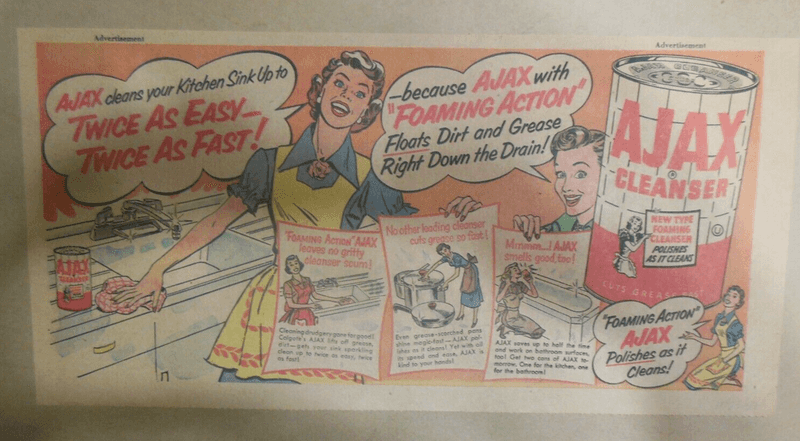
Ajax cleaning commercials from the ’60s weren’t subtle. The “White Knight” charged in on horseback to help a grateful housewife defeat dirt, framing cleaning as a woman’s battle and a man’s heroic rescue all at once.
The ads played directly into the idea that housework was exclusively a woman’s domain and that she needed a male figure to solve her problems. Brands today work hard to avoid exactly this kind of messaging, knowing audiences would push back hard.
11. Van Heusen Ties – Men Dominating Women
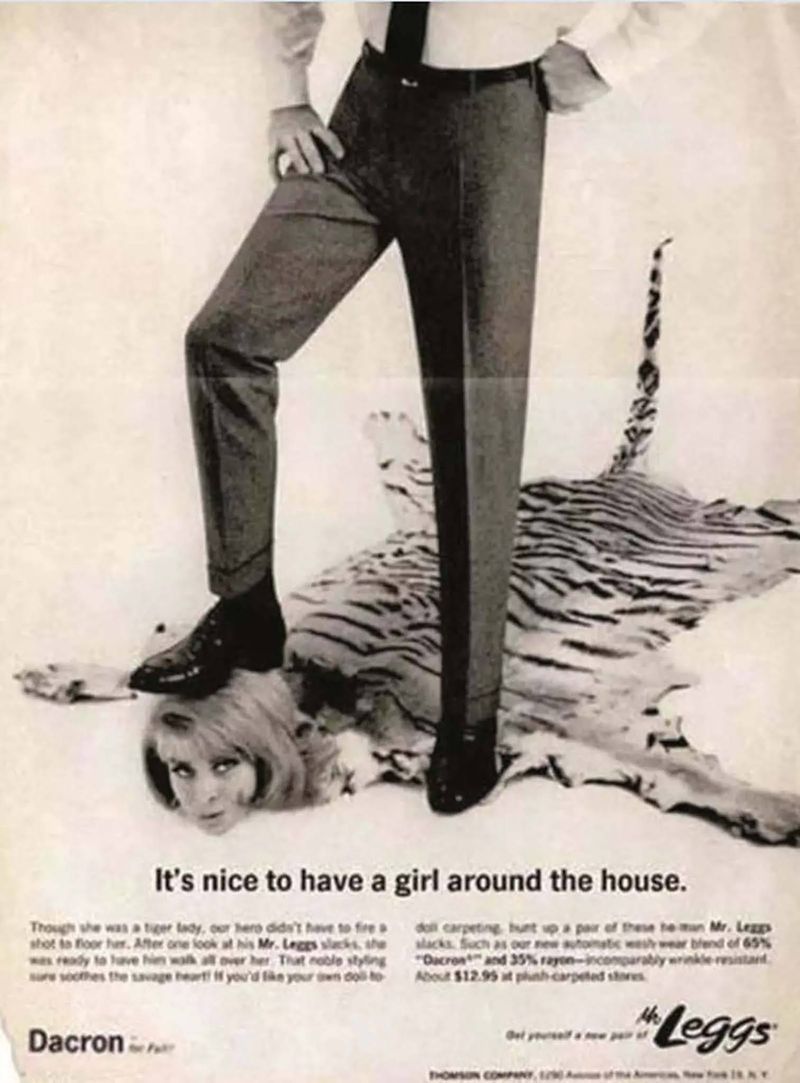
Van Heusen ran a print and TV campaign showing a woman literally kneeling at a man’s feet, serving him breakfast in bed with a look of pure devotion. The tagline celebrated the man’s power and control in the relationship.
Few ads from the ’60s capture the era’s blatant sexism quite so directly. Running anything remotely similar today would generate enormous backlash, and rightfully so.
It serves as a stark reminder of how normalized gender inequality once was in mainstream media.
12. Camel Cigarettes – More Doctors Smoke Camels
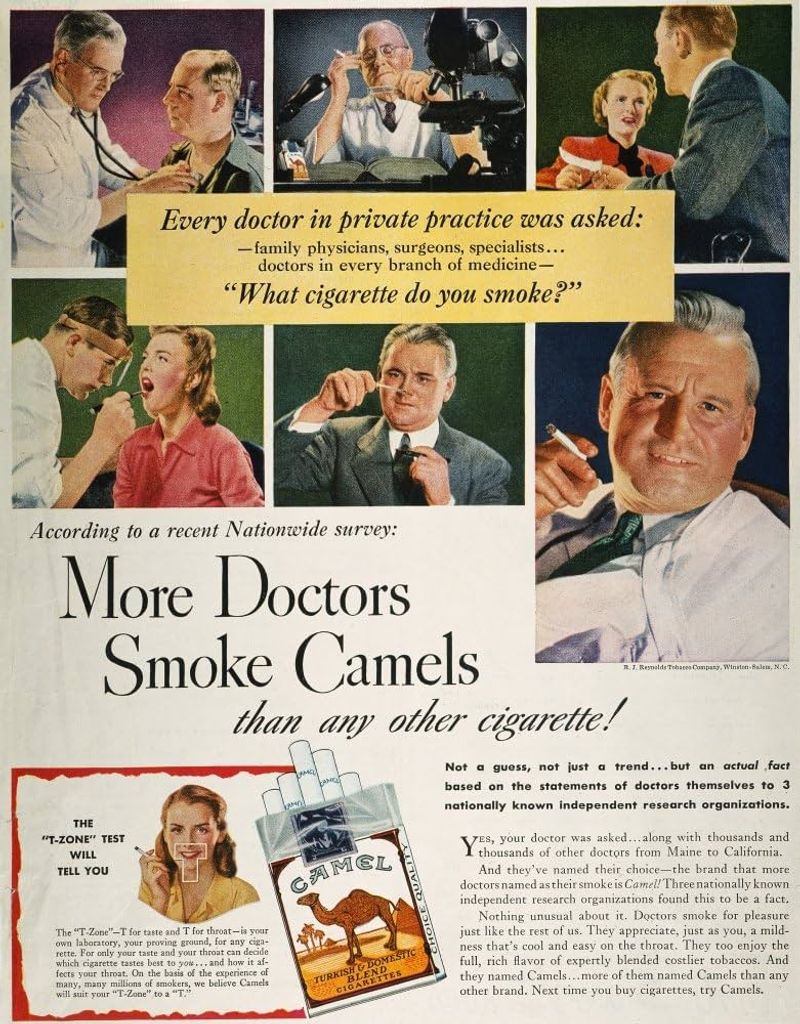
“More doctors smoke Camels than any other cigarette” was one of the most infamous taglines in advertising history. Camel used surveys of physicians to make smoking seem medically safe, even beneficial, to a trusting public.
Today, tobacco advertising on television is outright banned in the United States, and using medical professionals to endorse harmful products carries serious legal consequences. Looking back, it’s stunning how effectively fear of seeming uninformed pushed people toward dangerous habits.
13. Raid Bug Spray – Graphic and Disturbing Insect Deaths
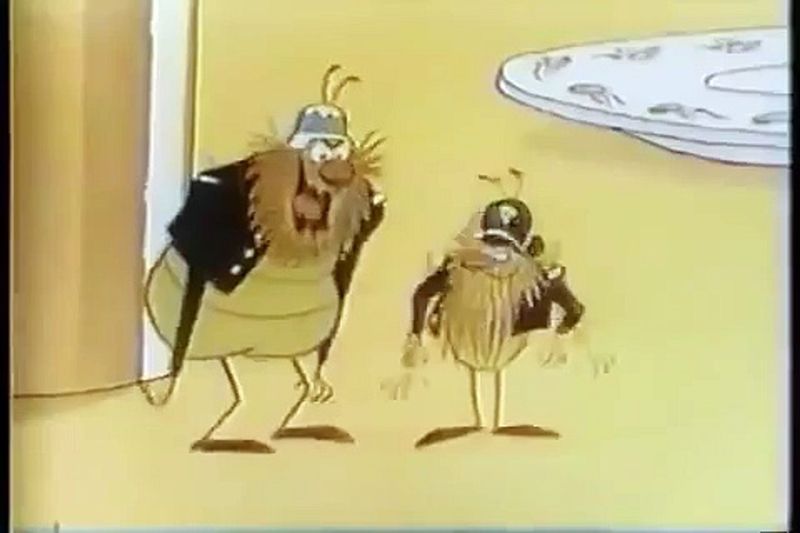
Raid’s animated commercials from the ’60s were surprisingly intense for family TV viewing. Cartoon bugs would scream, convulse, and dramatically collapse after being hit with the spray, all played for laughs in a bright, cheerful style.
While bug spray ads still exist, the level of graphic cartoon violence aimed at broad audiences including children would face more scrutiny today. It’s a quirky reminder that standards around what’s appropriate for general audiences have shifted quite a bit over the decades.
14. Kenwood Chef – “The Chef Does Everything But Cook”
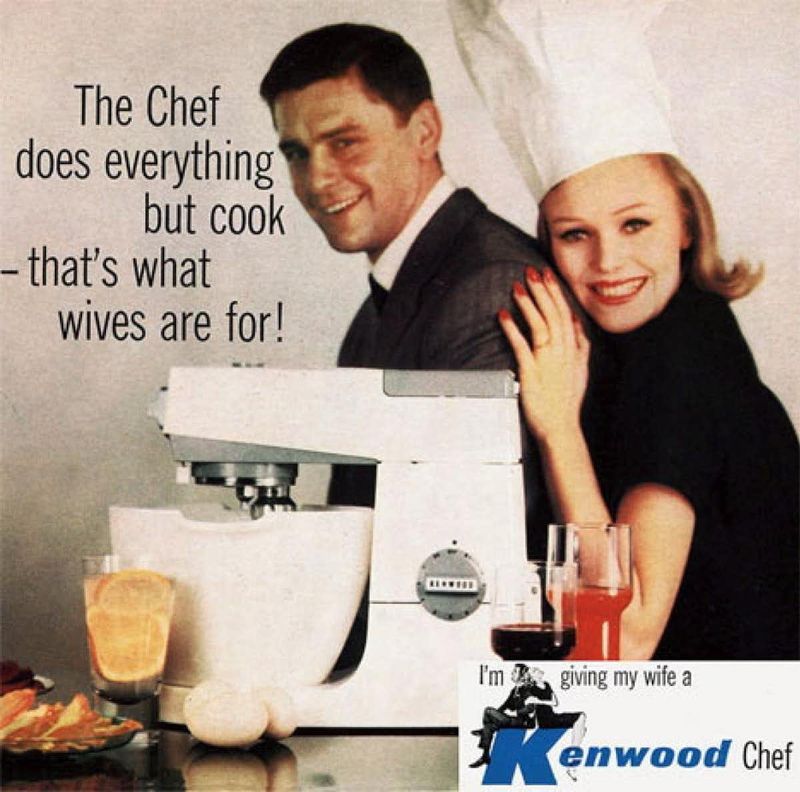
Kenwood ran a British ad in the ’60s with the tagline “The Chef does everything but cook – that’s what wives are for.” It was meant to be playful, but the joke landed squarely on the idea that women belonged in the kitchen.
That tagline would be career-ending for any marketing team today. It perfectly captures the casual, almost cheerful sexism that ran through so much advertising of the era, treated as harmless humor rather than a reflection of harmful attitudes.
15. Winston Cigarettes – The Flintstones Sponsorship
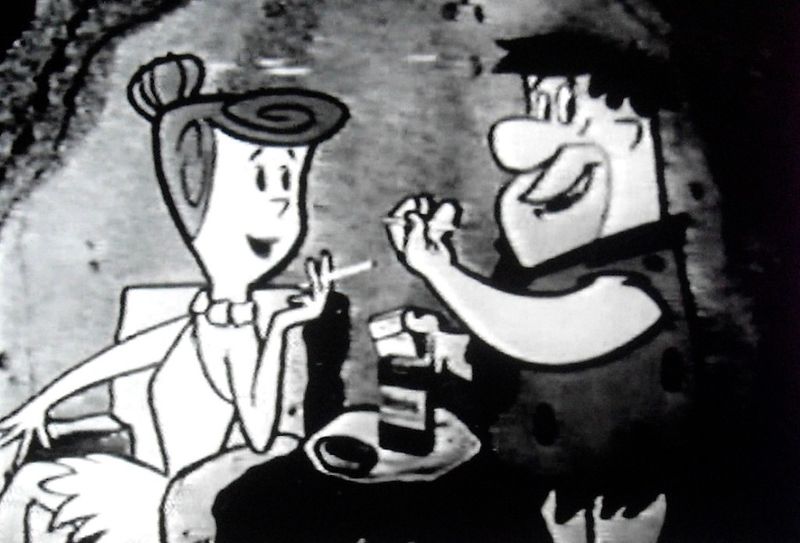
Yes, The Flintstones was originally sponsored by Winston cigarettes, and Fred and Barney actually appeared in cigarette commercials during the show’s early run. Two cartoon characters aimed at family audiences were cheerfully promoting tobacco products.
The idea of using beloved animated characters to sell cigarettes to a family audience today is almost unimaginable. It highlights how little thought was given to the impact of tobacco marketing on children during the early days of television advertising.
16. Lysol – Feminine Hygiene Ads With Shame Tactics
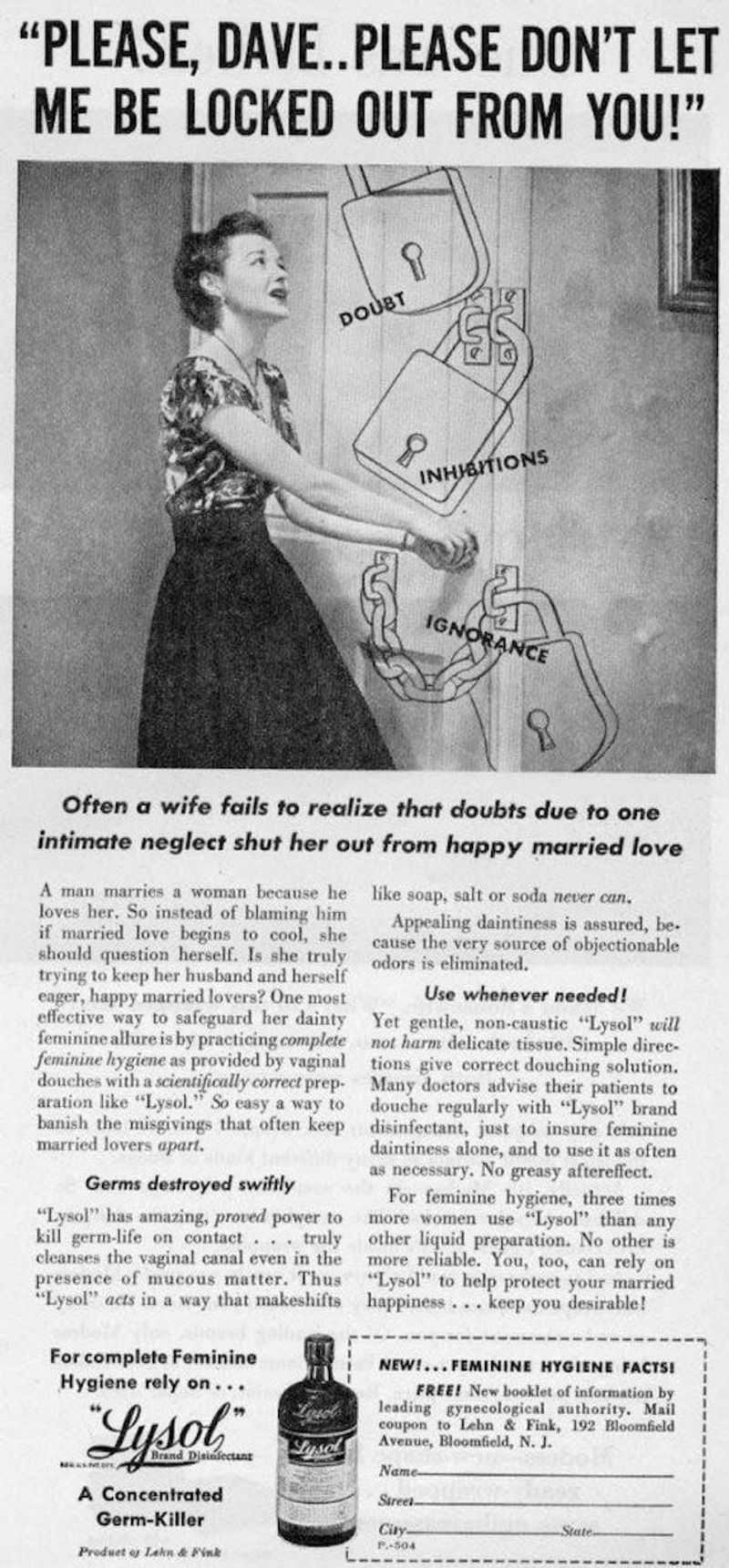
Lysol ran deeply uncomfortable ads in the mid-20th century suggesting women should use the disinfectant for intimate personal hygiene to keep their husbands happy. The ads played on shame and fear of rejection to sell cleaning products.
Using body shame and relationship anxiety to market products to women would draw fierce criticism from consumers and health professionals alike today. Doctors now warn that products like Lysol are genuinely harmful for the uses these ads promoted, making them shocking on multiple levels.
17. Chevrolet – Women as Clueless Drivers
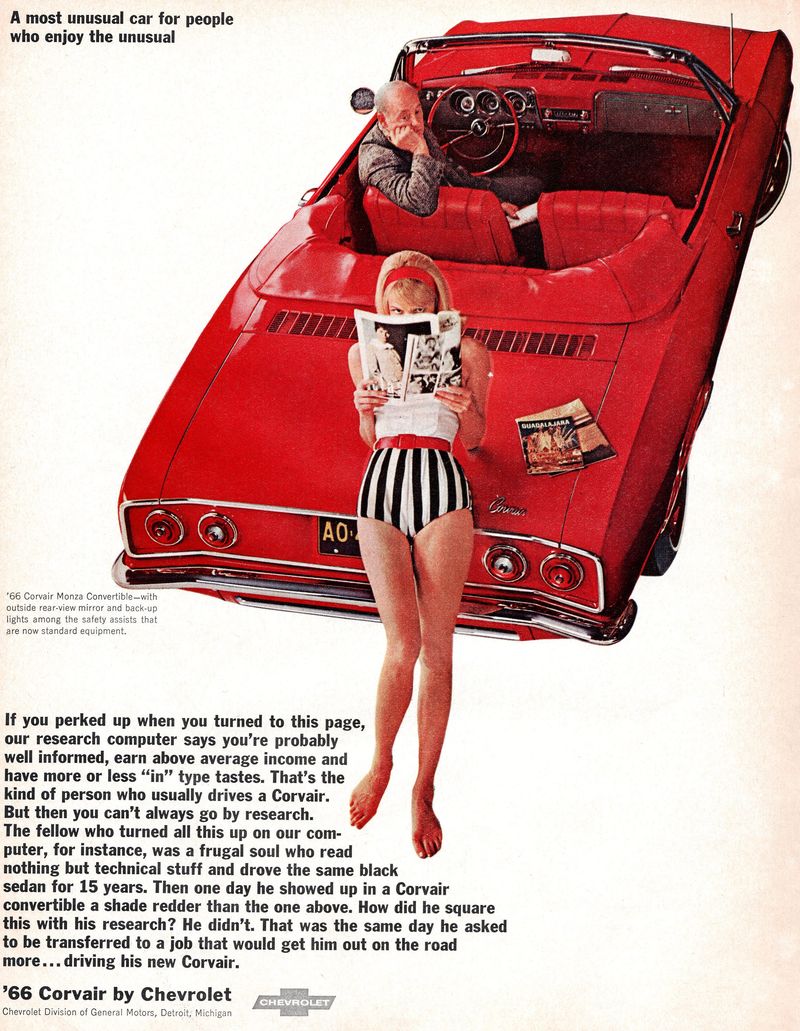
Plenty of car commercials from the ’60s portrayed women as hopelessly confused by anything mechanical. Chevy and other brands often used the “helpless female driver” trope to suggest their cars were so simple even a woman could handle them.
That framing was insulting then and is completely unacceptable now. Today, women make up a huge portion of car-buying decisions, and automakers know better than to alienate a massive and powerful consumer base with outdated and demeaning stereotypes.
18. Geritol – Tired Blood and Dependent Wives

Geritol’s commercials sold an iron supplement by suggesting that women’s exhaustion was a medical problem called “tired blood” that their husbands needed to manage for them. Husbands were shown handing the product to their weary wives like a prescription.
The paternalistic tone, treating women as incapable of managing their own health, would be mocked relentlessly today. It’s a fascinating example of how advertisers once spoke directly to men about their wives as if women weren’t even the real audience.
19. Pepsodent Toothpaste – Whitening for Racial Appeal
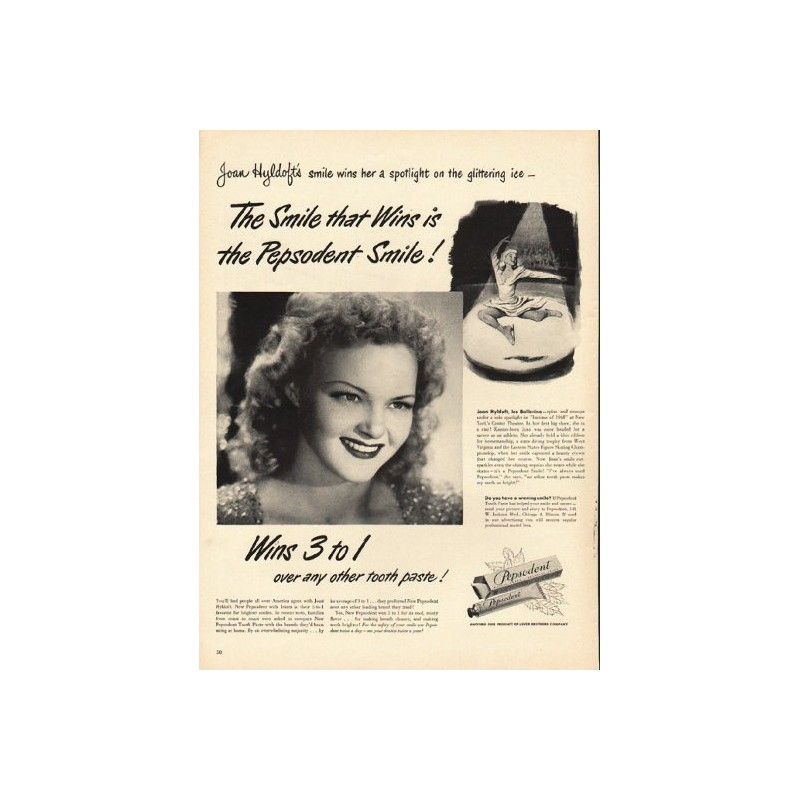
Some toothpaste ads from the ’60s leaned into the idea of “whiteness” in ways that carried uncomfortable racial undertones alongside the obvious dental hygiene message. The language and imagery used to sell a brighter smile often reflected the era’s racial biases.
Advertisers today are far more careful about the language and symbolism they use, knowing that even unintentional associations can cause significant harm. What once passed without a second glance now requires thoughtful review to ensure messaging is truly inclusive and respectful.