
Food has always been a big part of how people celebrate love. At weddings around the world, certain dishes are served because they stand for luck, wealth, happiness, or a long life together.
Some recipes have been passed down for hundreds of years, and every bite tells a story. Get ready to taste your way across the globe and discover what these special treats really mean.
1. Jordan Almonds from Italy and Greece
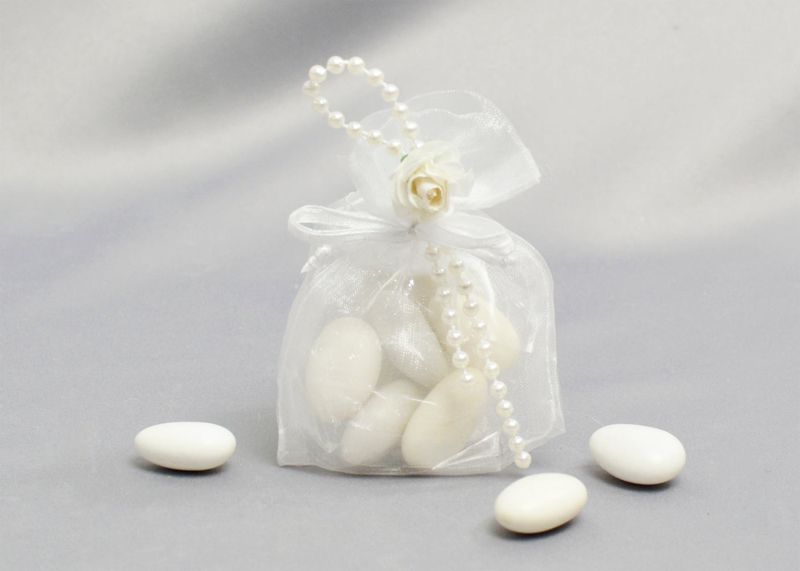
Five candy-coated almonds, tied in a tiny bag, make one of the sweetest wedding favors ever. In Italy they are called confetti, and in Greece, koufeta.
The odd number matters. Five stands for health, wealth, happiness, children, and a long life.
The bitter nut inside a sweet shell reminds couples that marriage has both hard and happy moments.
Planning a party? Wrapping five almonds in tulle is an easy, meaningful guest gift.
2. Croquembouche, the French Cream Puff Tower
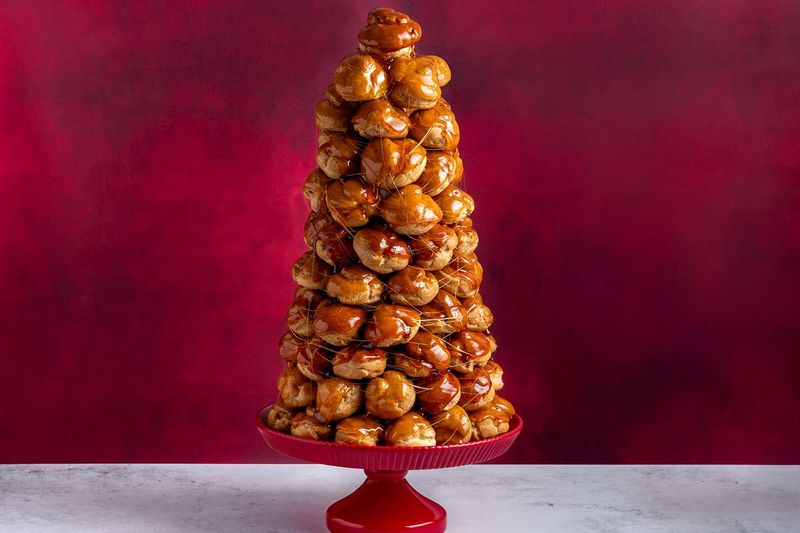
Picture a tower of cream puffs taller than a toddler, glued together with shiny caramel threads. That is the croquembouche, France’s showstopping wedding dessert.
Legend says couples once tried to kiss over a pile of sweet buns without knocking it down. Success meant a lifetime of good fortune.
Today guests often crack the hard caramel with a little hammer or knife. The crunchy, creamy bites taste as fun as they look.
3. Kransekake from Norway and Denmark
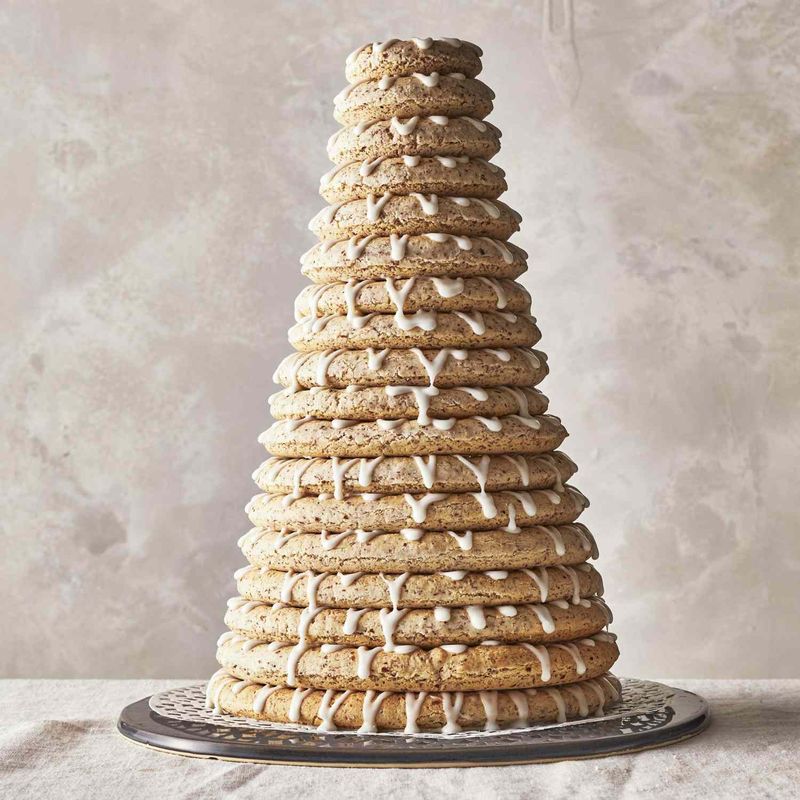
Stack eighteen or more almond rings from big to small and you get kransekake, a Scandinavian wedding favorite. Its chewy texture comes from almonds, sugar, and egg whites.
Some families hide a wine bottle in the hollow center as a surprise. When the bride and groom lift the top ring, the number of rings that stick is said to predict how many children they will have.
Squiggly white icing holds everything together beautifully.
4. Fruitcake in Britain
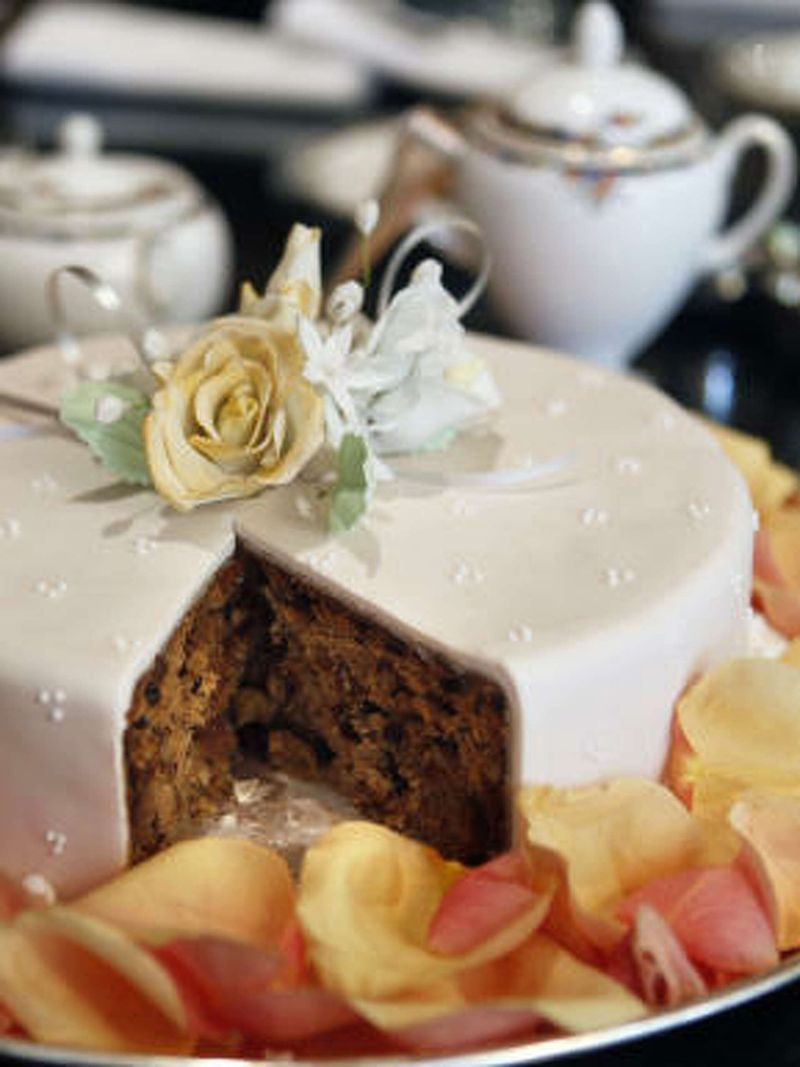
Royal weddings have made it famous. Prince William and Kate served a rich fruitcake at their 2011 celebration, following a very old British custom.
Packed with dried fruit, nuts, and spices, the cake stood for fertility and plenty. It also keeps for months, so many couples save the top tier to eat at their first anniversary or their baby’s christening.
Wrap leftovers tightly and brush with juice to keep them moist.
5. Sweet Rice Balls in China
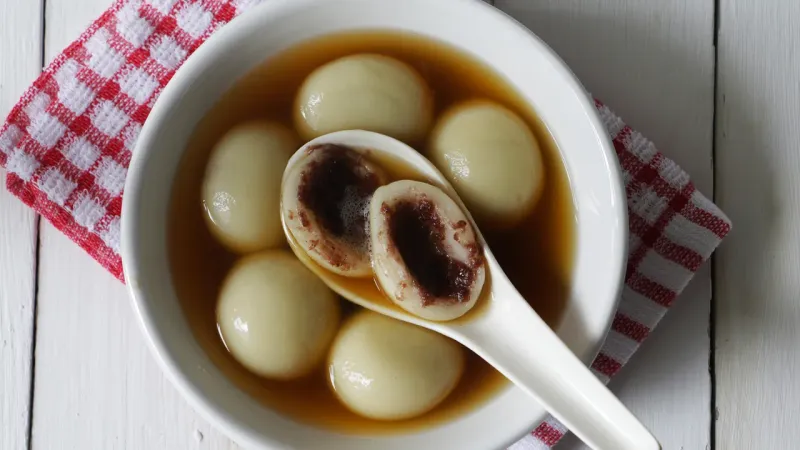
Round, soft, and filled with sweet sesame or red bean paste, tangyuan are little bites of togetherness. Chinese families often serve them during weddings.
Why round? The shape stands for wholeness and a family that stays united.
The name even sounds like the word for reunion.
Couples sometimes eat them together on the wedding morning for a sweet start. If you try making them at home, gently simmer so they don’t burst.
6. Whole Fish for Abundance
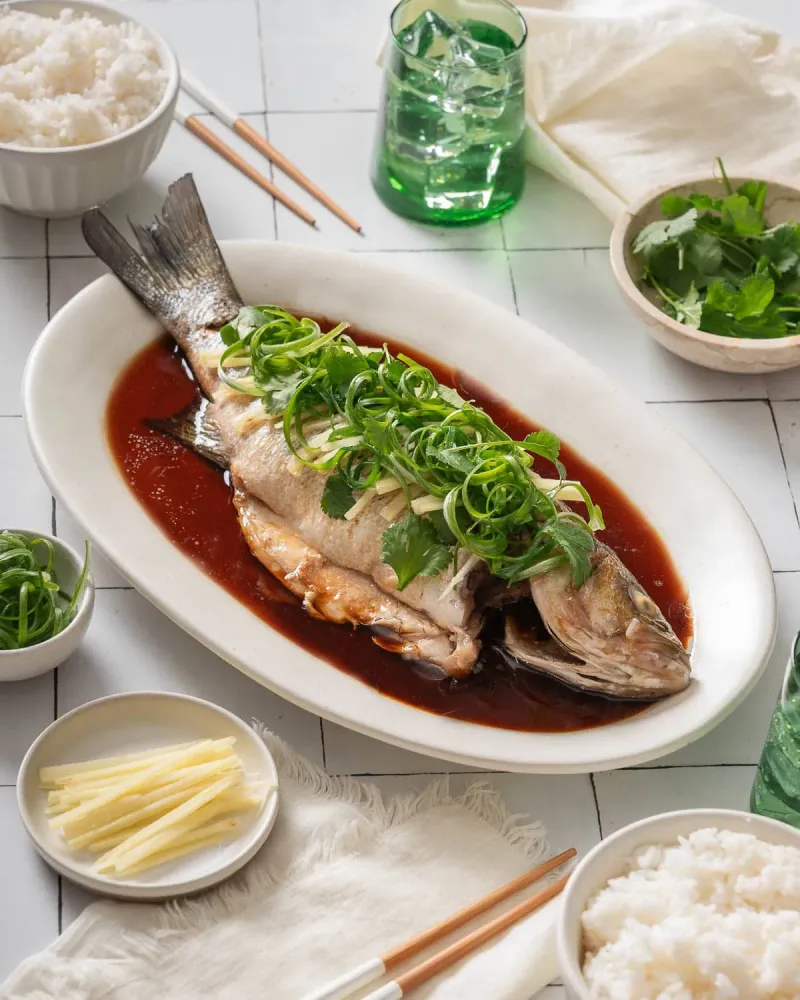
At Chinese wedding banquets, a whole steamed fish arrives with its head and tail still on. Nobody thinks that’s strange.
It’s actually very lucky.
The word for fish, yu, sounds like the word for surplus. Serving the fish complete means the couple’s life will have a good beginning and a happy ending.
Polite tip: don’t flip the fish over at the table. Some believe it brings bad luck, like a boat capsizing.
7. Laddoos in India
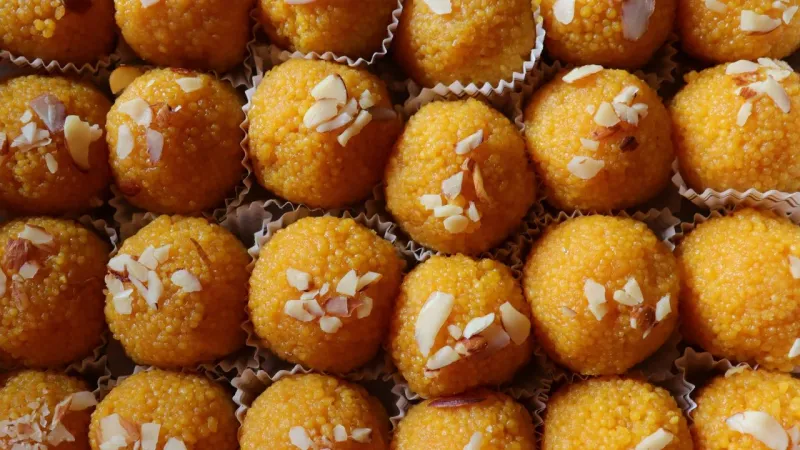
No Indian wedding feels complete without a tray of golden laddoos. These round sweets are made from flour, ghee, and sugar, sometimes with nuts or coconut.
Families share them when an engagement is announced and again at the ceremony. Handing someone a laddoo means you are spreading joy and sweetening their future.
Fun fact: boondi laddoos are built from hundreds of tiny fried droplets of chickpea batter pressed together by hand.
8. Wedding Cookies in Mexico
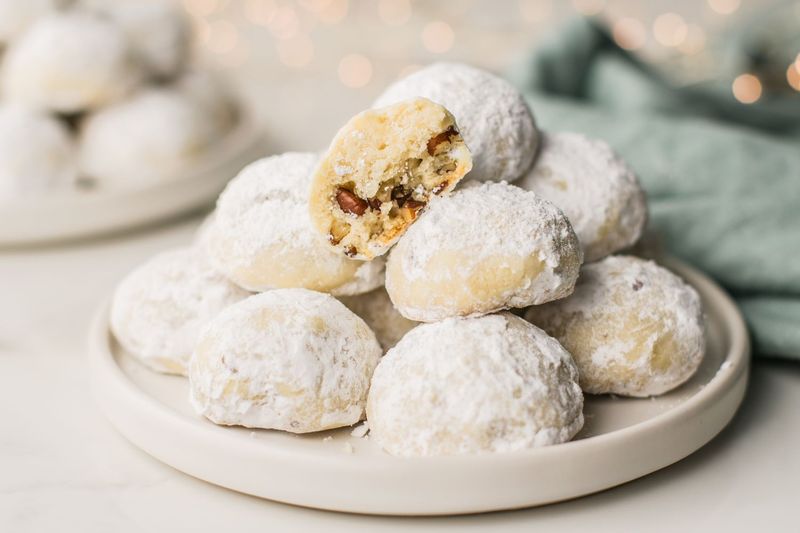
Crumbly, buttery, and covered in snowy sugar, Mexican wedding cookies melt the second they hit your tongue. Called polvorones, they’re often wrapped in tissue paper for guests.
Their white coating stands for purity, while the round shape hints at endless love.
Want to bake some? Toast the pecans first for deeper flavor, and roll the cookies in powdered sugar twice.
The second coat sticks better once they cool slightly.
9. Bread and Salt in Russia and Ukraine
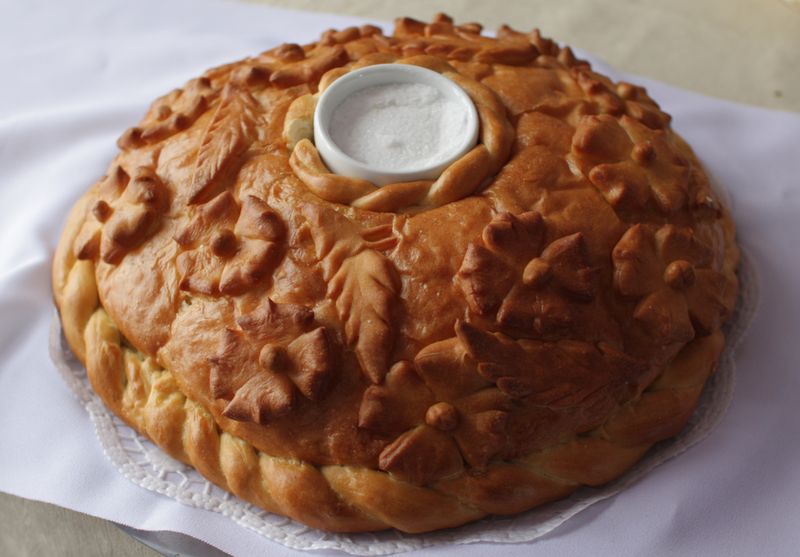
Parents greet the newlyweds holding a big round loaf on an embroidered towel, with a small dish of salt on top. It’s a beautiful Slavic welcome.
Bread means the couple will never go hungry. Salt represents the tough times they’ll face together.
Here’s the playful part: bride and groom each take a bite without using their hands. Whoever grabs the bigger piece is jokingly said to become head of the household.
10. Honey in Many Cultures
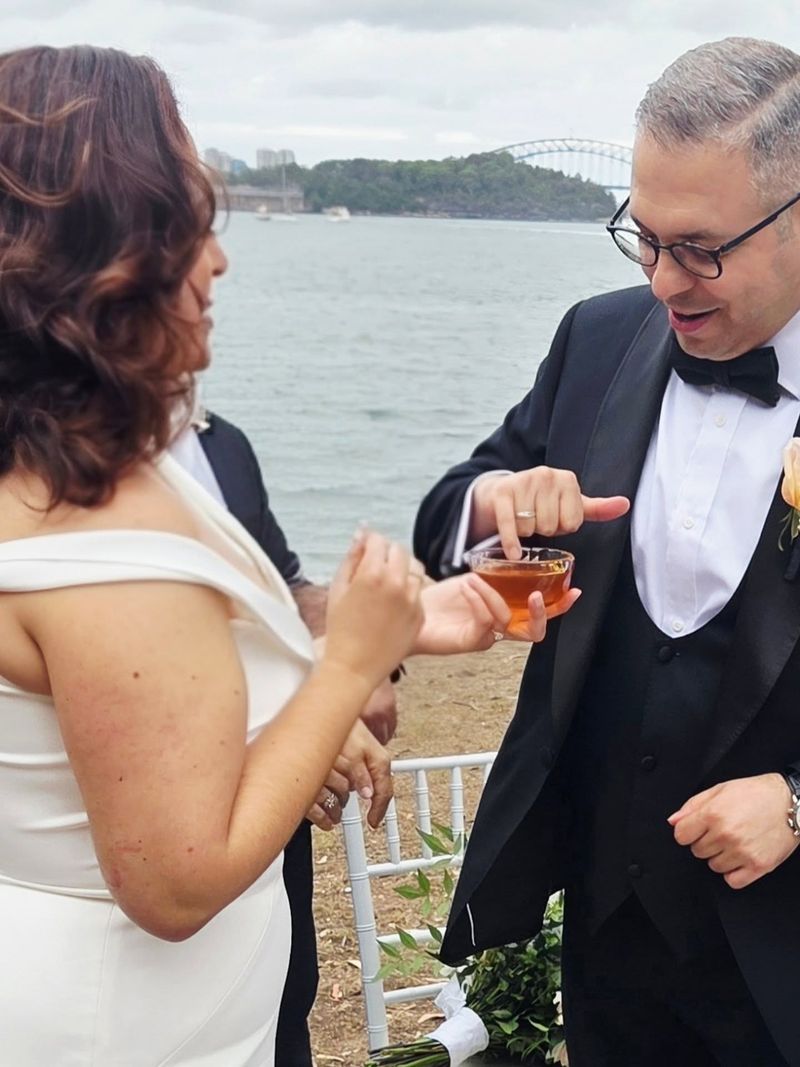
Ever wondered where the word honeymoon came from? Long ago in parts of Europe, newlyweds drank honey wine, called mead, for a full month after marriage.
Honey still shows up in weddings everywhere. In Iran, couples dip a finger in honey and feed each other.
In Poland, many dishes are sweetened with it.
The message is simple: may your words and days together always taste sweet. Small honey jars make lovely favors.
11. Sugared Almond Cake in Persian Weddings
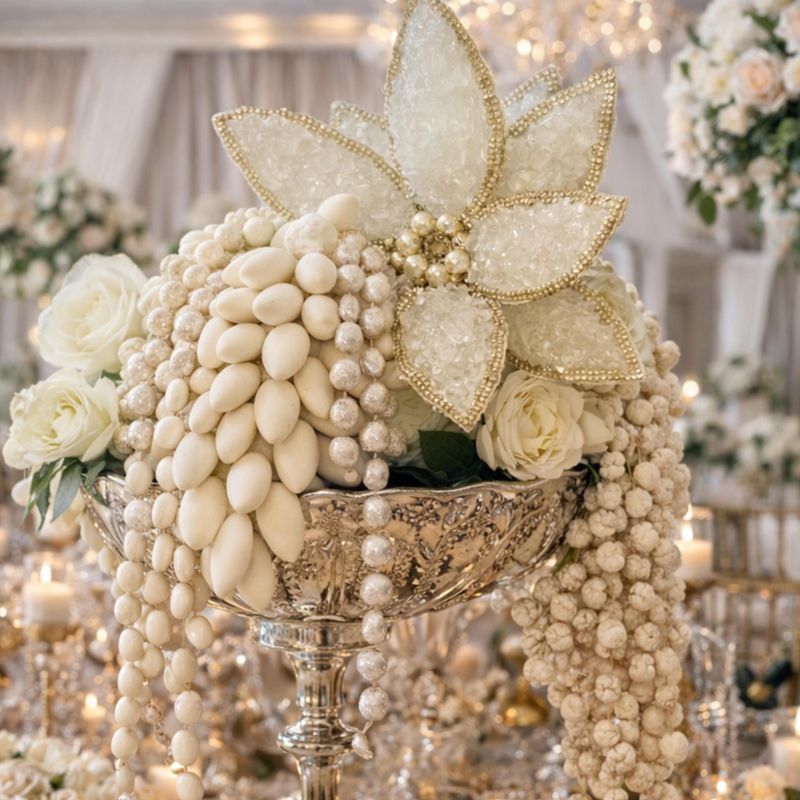
Persian weddings feature a gorgeous spread called the sofreh aghd. Every item on it has a job.
Look closely and you’ll spot noghl, sugar-coated almonds, plus decorated sugar cones. During the ceremony, women rub two cones together above the couple, sprinkling sugar like sweet snowflakes.
Bowls of nuts, flatbread, and colored eggs sit nearby, each wishing the pair abundance and fertility. It’s a feast for the eyes before anyone eats.
12. Mochi in Japan
Thump! Thump!
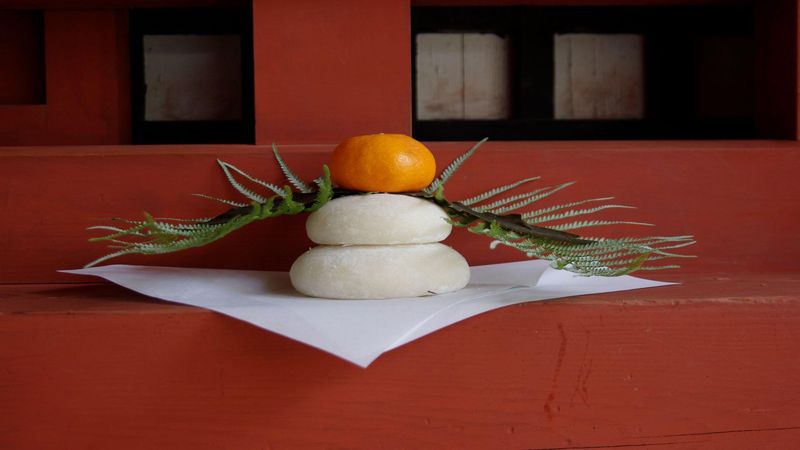
Pounding sticky rice with giant wooden mallets is loud, hard work. The result is mochi, a chewy cake Japanese families love for celebrations.
At weddings, red and white mochi often appear together. Those colors mean happiness and good fortune in Japan.
Because mochi is so sticky, it’s said to help the couple stick together. Just chew slowly.
Mochi is tasty, but it can be tricky to swallow.
13. Dates and Chestnuts in Korea
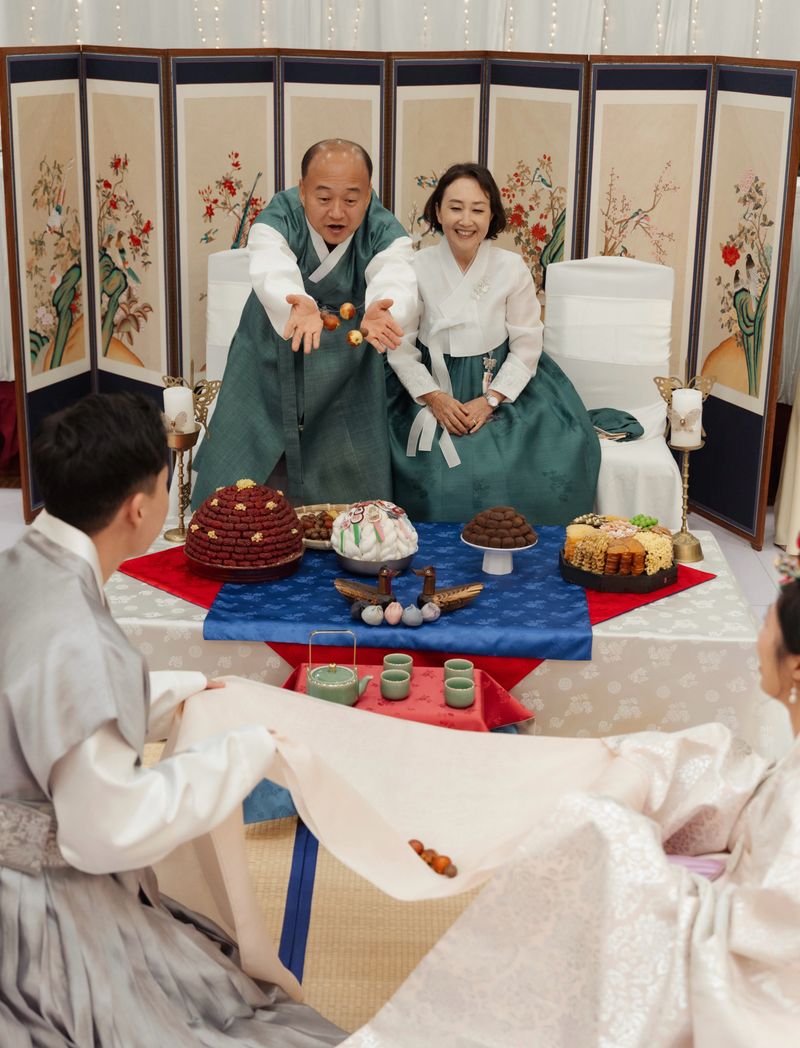
During a Korean ceremony called pyebaek, the groom’s parents toss dates and chestnuts toward the newlyweds. The bride tries to catch them in her wide hanbok skirt.
Each date caught stands for a son, and each chestnut for a daughter, according to tradition.
It’s laughter-filled and a little chaotic, which makes for great photos. Modern couples treat it as a joyful game more than a real prediction about their future kids.
14. Kola Nuts in Nigeria
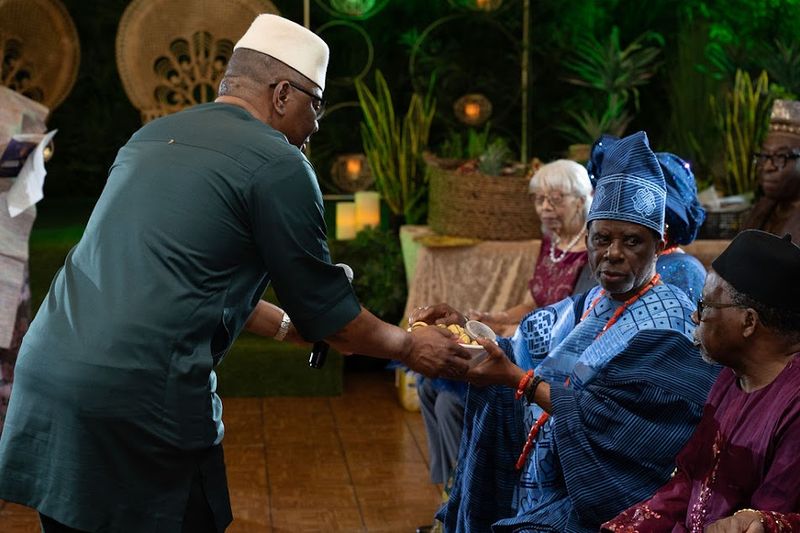
Respect is the main ingredient here. In many Nigerian weddings, especially among the Igbo, kola nuts are presented and blessed before anything else happens.
The slightly bitter nuts are broken and shared among families. Sharing shows unity, hospitality, and a promise to support one another.
Elders usually lead this moment with prayers. Guests quickly learn that kola is about honoring ancestors and community, not just grabbing a snack.
15. Baklava in Greece and Turkey
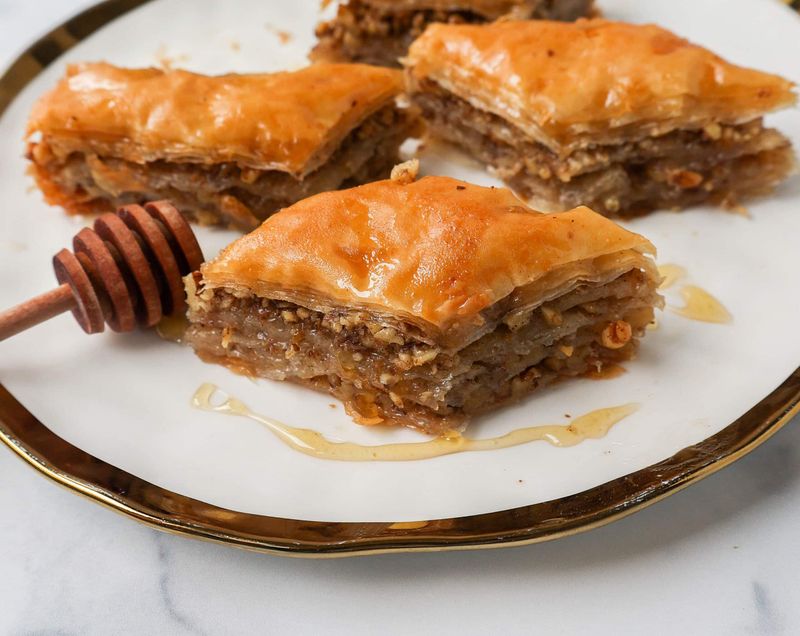
Layer after layer of paper-thin pastry, nuts, and honey syrup make baklava irresistible. Some Greek families serve it at weddings with a lovely twist.
Bakers may use exactly 33 layers of phyllo, one for each year of Jesus’s life, as a blessing. Others simply see the layers as building a strong home together.
Baking tip: pour cool syrup over hot baklava. That keeps it crisp instead of soggy.
16. Black Cake in the Caribbean
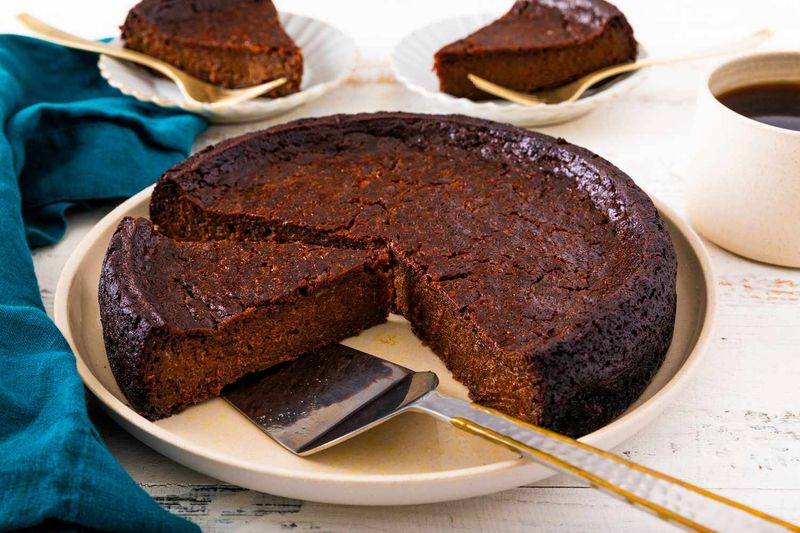
Months before a Jamaican or Trinidadian wedding, dried fruits start soaking in rum and wine. That patience creates black cake, a dark, rich treat.
Burnt sugar gives it the deep color. Families often bake it together, and grandmothers guard the recipe like treasure.
Guests sometimes take slices home wrapped in foil. One sweet old tradition says sleeping with a piece under your pillow helps you dream of your future love.
17. Philippine Rice Cakes
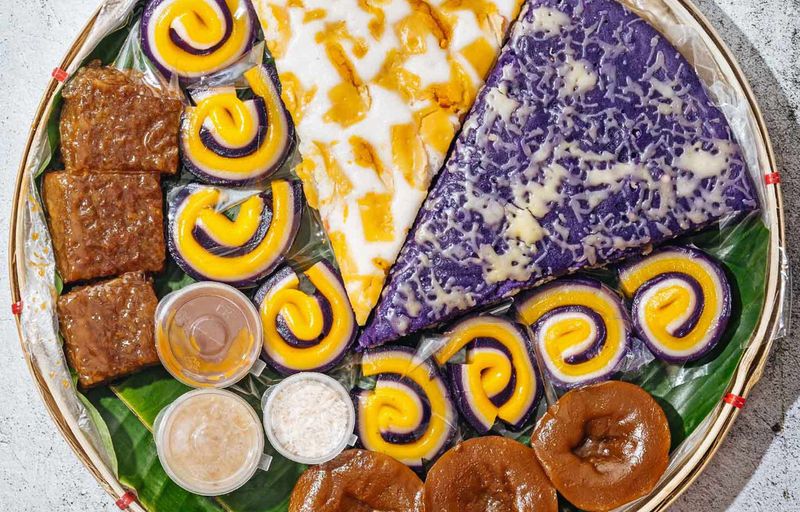
Sticky rice treats called kakanin are a must at many Filipino celebrations. Colorful sapin-sapin and coconut-topped bibingka disappear fast.
The sticky texture carries a hopeful meaning: the couple will cling to each other through every season.
Many Filipino weddings also include a feast with pancit noodles for long life. Pro tip if you’re a guest, don’t cut those noodles.
Shortening them is thought to shorten good fortune.
18. Groom’s Cake in the American South
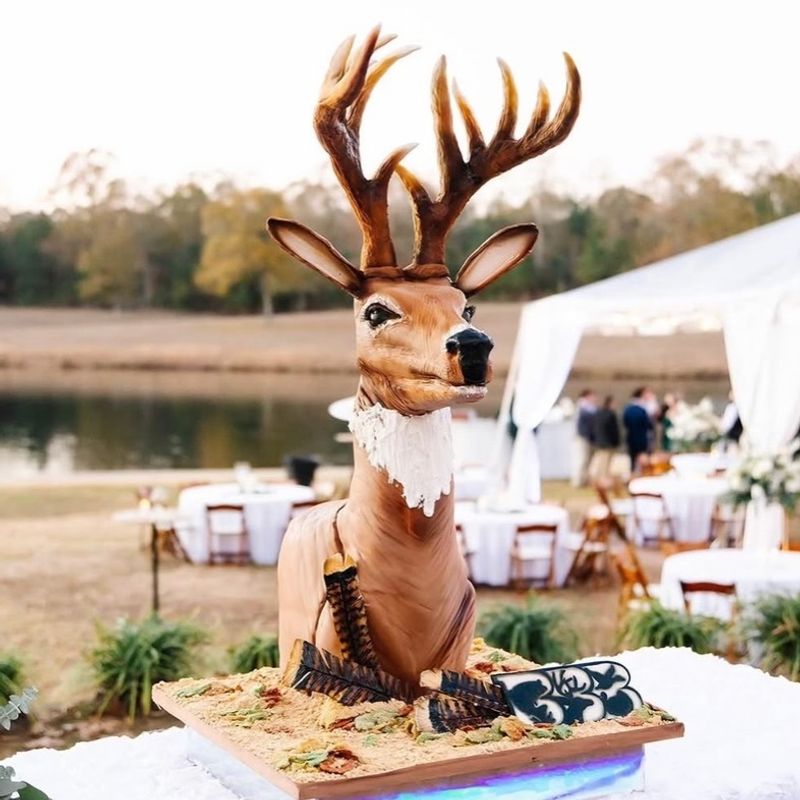
A chocolate cake shaped like a football? In the American South, that’s totally normal.
It’s called the groom’s cake.
While the main cake is usually white and fancy, the groom’s cake shows off his hobbies or personality. Think fishing boats, favorite teams, or even video game characters.
Back in the 1800s, single women slept with a slice under their pillow hoping to dream of a husband. Today it’s mostly about fun.
19. Bitter Herbs and Sweet Treats at Yoruba Weddings
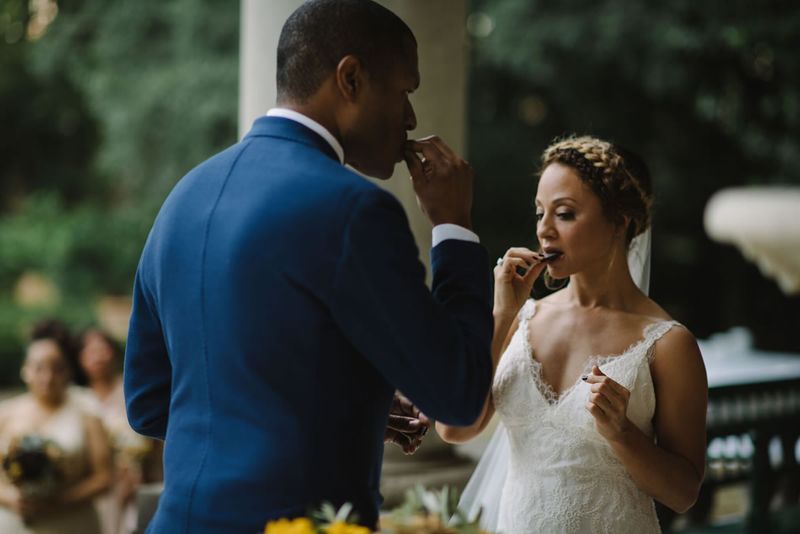
Imagine tasting lemon, vinegar, pepper, and honey in a row on your wedding day. Some African and African American ceremonies include a Tasting of the Four Elements.
Sour stands for disappointment, bitter for hard times, hot for passion, and honey for sweetness. Together they show that love includes every flavor.
It’s a short, meaningful ritual anyone can add to a ceremony. Guests usually smile watching the couple’s faces after that first sour sip.