
Every marriage goes through rough patches, but sometimes the problems run deeper than a bad week or a tough season. Recognizing when a relationship has truly broken down is one of the hardest things a person can face.
If you have been feeling lost, confused, or stuck in your marriage, these 19 warning signs may help you see things more clearly and make the best decision for your future.
1. Abuse of Any Kind

No one should ever feel afraid of the person they married. Physical, emotional, verbal, sexual, or financial abuse is never acceptable, and staying in an abusive marriage can cause serious, lasting harm to your mental and physical health.
Emotional abuse often involves one partner controlling the other, cutting them off from friends and family. If you find yourself changing your behavior just to avoid setting your spouse off, that is a major red flag that should not be ignored.
2. Repeated Infidelity

Cheating once can shatter trust, but repeated infidelity sends a clear message that your spouse is not committed to the marriage. Many couples do survive affairs with hard work and counseling, but when a partner keeps cheating, rebuilding real trust becomes nearly impossible.
Emotional affairs count too. When your spouse consistently shares their deepest thoughts and feelings with someone else, the emotional bond that holds a marriage together slowly erodes, often beyond repair.
3. Total Communication Breakdown

Healthy marriages run on open, honest conversation. When partners only talk about schedules and bills, never about feelings or dreams, the relationship quietly starves.
Worse, when every conversation turns into a fight with no resolution, communication has stopped working altogether.
Contempt is one of the most dangerous signs. Eye-rolling, sarcasm, and constant criticism tell your spouse that you see them as beneath you.
Relationship researchers call contempt the number one predictor of divorce.
4. Loss of Emotional and Physical Intimacy

Intimacy is the glue that separates a marriage from a business arrangement. When both emotional closeness and physical connection fade over a long period of time, couples can start feeling more like roommates than life partners.
Feeling consistently unloved, unsupported, or rejected by your spouse wears down your sense of self-worth. If neither of you is making an effort to reconnect, and the distance keeps growing, the marriage may have already shifted into survival mode rather than a true partnership.
5. Persistent Apathy Toward Each Other

Anger in a marriage, as painful as it is, actually means both partners still care enough to react. The real warning sign comes when neither of you feels anything at all.
Apathy, not fighting, is often the quiet signal that love has left the building.
When your spouse’s good news no longer excites you, and their bad days no longer move you, indifference has replaced the emotional bond. That kind of emptiness is very hard to reverse without serious, committed effort from both sides.
6. Unresolved Financial Conflicts

Money fights are among the top reasons marriages fall apart. Disagreements about spending habits, hidden debt, gambling problems, or one partner controlling all the finances can create a constant undercurrent of stress and resentment that never fully goes away.
Financial abuse is a real and serious issue too. When one spouse controls all the money and limits what the other can spend, it becomes a form of power and control.
Without a shared financial plan and mutual respect, money problems tend to snowball quickly.
7. Addiction That Goes Untreated
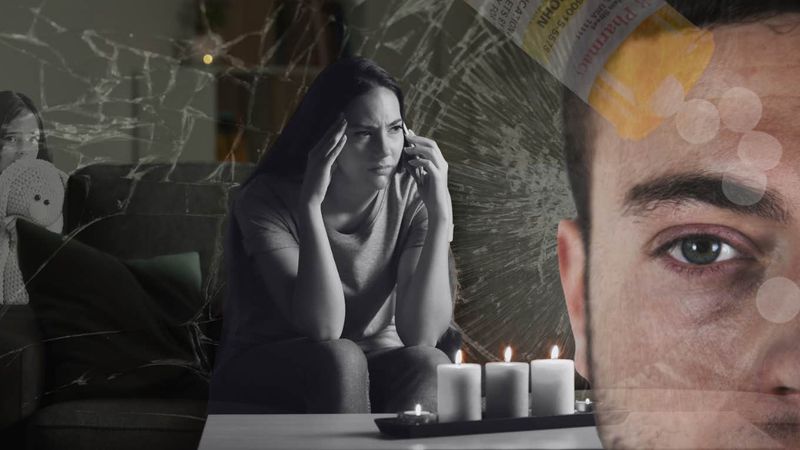
Living with a spouse who struggles with addiction to alcohol, drugs, gambling, or other destructive behaviors takes a serious toll on a marriage. When the addiction consistently becomes the priority over the family, partners are left feeling invisible and emotionally drained.
Recovery is possible, but it requires the addicted partner to genuinely want help. If your spouse refuses treatment repeatedly, and the cycle of broken promises keeps repeating, many people find that protecting their own health and safety becomes the only real option left.
8. A Complete Loss of Trust

Trust is the foundation every healthy marriage is built on. Once it is broken through lies, hidden finances, affairs, or repeated betrayals, rebuilding it takes enormous effort from both people.
Without trust, even small things become reasons for suspicion and conflict.
Some couples successfully rebuild trust with therapy and time. But when one partner keeps breaking promises without real change, or refuses to be transparent, the relationship becomes defined by constant anxiety instead of safety.
At that point, the foundation may be too damaged to repair.
9. Living Completely Separate Lives

Sharing a home does not mean sharing a life. When couples stop doing things together, make major decisions without consulting each other, and have no overlapping interests or goals, they are essentially living as strangers who happen to have the same address.
Growing apart can happen gradually, and it does not always mean anyone did something wrong. But when there is no desire to reconnect or find common ground, the marriage has become more of a legal arrangement than an actual relationship worth fighting for.
10. Constant Arguing With No Resolution

Every couple argues. The real problem is when the same fights repeat over and over, about money, chores, parenting, or anything else, and nothing ever gets resolved.
Recycled arguments are a sign that the underlying issues are not being addressed in a healthy way.
When arguments become the main form of communication in a marriage, both partners usually end up feeling unheard and exhausted. If you have tried talking it out many times and the cycle just keeps spinning, the relationship may be stuck in a pattern that neither person knows how to break.
11. Feeling Deeply Alone in the Marriage

Loneliness is hard enough on its own, but feeling lonely while you are technically with someone is a specific kind of pain. When one partner carries all the emotional weight, handles all the parenting, and manages everything alone, the imbalance creates deep resentment over time.
A marriage should feel like a team. If you regularly feel unsupported, unheard, or invisible to your spouse, that disconnection points to a serious gap in the relationship.
Feeling alone together is one of the clearest signs that something fundamental is missing between you two.
12. Imagining Life Without Your Spouse and Feeling Relief
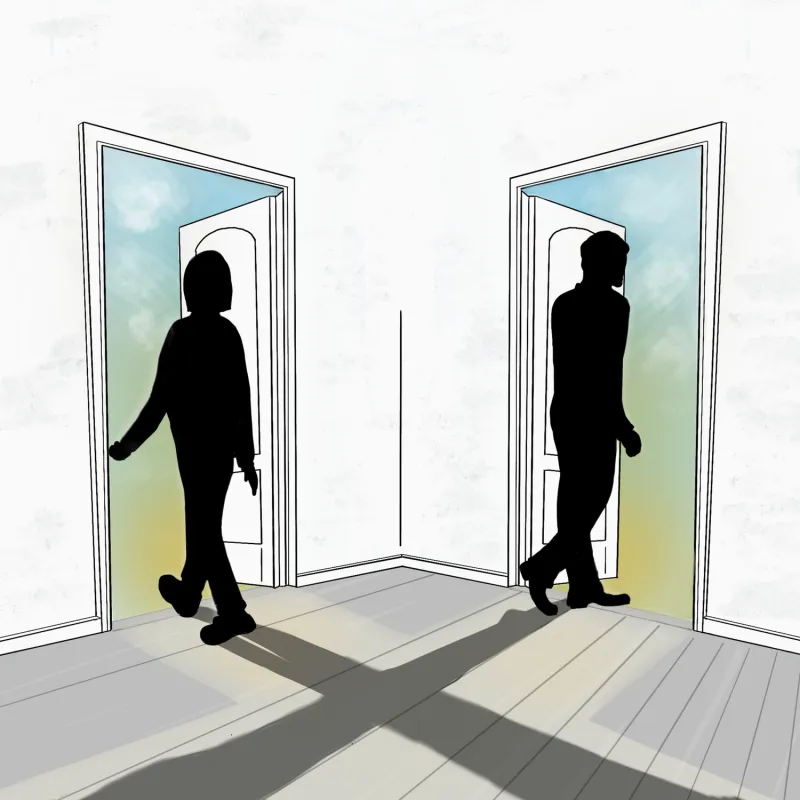
Most people in troubled marriages occasionally wonder what life might look like differently. But when those thoughts shift from curiosity to genuine relief, that emotional signal deserves serious attention.
Feeling lighter at the idea of being alone is not something to brush off.
Relief, rather than sadness, at the thought of your spouse being gone suggests your mind has already started moving toward the exit. That inner shift can be one of the most honest signals your heart sends you, even when you are not yet ready to say it out loud.
13. All Repair Efforts Have Stopped

Trying to fix a struggling marriage takes real courage and energy from both partners. Couples therapy, honest conversations, and changed behaviors are all part of the work.
But when one or both partners stop making any effort at all, it signals a loss of hope in the relationship.
Failed counseling attempts are not always the end of the road, but repeated failures combined with zero motivation to try again paint a telling picture. A marriage cannot heal when only one person is willing to put in the work needed to move things forward.
14. A Fundamental Lack of Respect

Respect is not just about being polite. It means valuing your partner’s opinions, listening when they speak, and treating them with basic human dignity even during disagreements.
Without respect, love cannot survive for long in any relationship.
When one spouse regularly belittles the other in public or private, mocks their ideas, or dismisses their feelings as unimportant, the damage builds up fast. A marriage without mutual respect becomes a place where both people feel small.
No amount of love can fully compensate for being consistently made to feel worthless.
15. One Spouse Controls All the Decisions
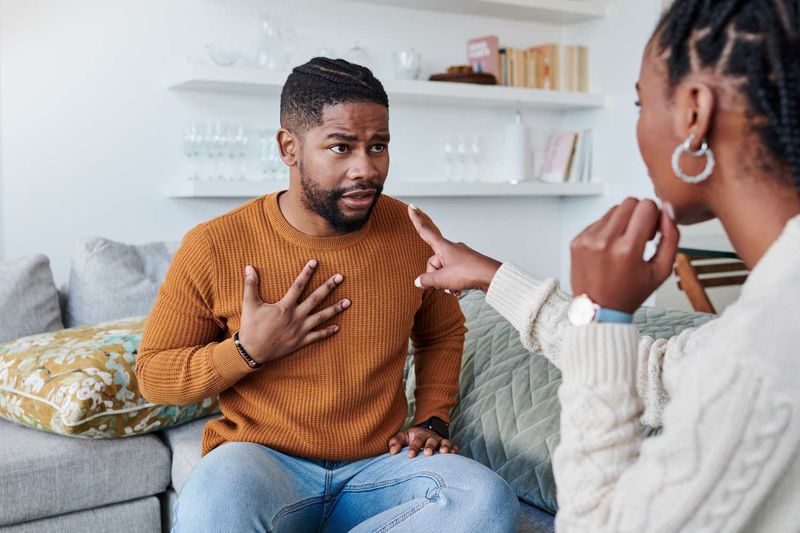
Marriage is supposed to be a partnership where both voices carry equal weight. When one spouse consistently makes all major decisions, from finances to parenting to where the family lives, without any real input from the other, the relationship becomes unbalanced and controlling.
Over time, the partner who is left out of decisions can start to feel invisible and powerless. That kind of imbalance often goes hand in hand with other controlling behaviors.
A healthy marriage requires both people to feel like they have a real say in the direction of their shared life.
16. Emotional Checkout

When a partner emotionally checks out, they are still physically present but mentally and emotionally gone. Conversations get one-word answers.
Shared plans stop being made. The warmth that once existed between two people just quietly disappears without any dramatic argument to mark it.
Emotional withdrawal can happen gradually, making it easy to miss until the distance feels enormous. If your spouse no longer seems invested in your happiness or the health of the relationship, and shows no interest in reconnecting, they may have already decided internally that the marriage is over.
17. Unmet Expectations That Keep Piling Up

Every person brings expectations into a marriage, some realistic and some not. When those expectations go unmet year after year, without honest conversation or compromise, the disappointment piles up and slowly poisons the relationship from the inside out.
Unrealistic expectations can create a gap between the marriage you imagined and the one you actually have. Talking openly about what each person needs is the only way to close that gap.
When neither partner is willing to have that conversation anymore, the expectations will never be met and resentment will keep growing.
18. A Private Sense of Finality

Sometimes one partner quietly reaches a point of no return long before any official conversation happens. There is no big blowup, no dramatic announcement, just an internal certainty that the marriage is finished.
That private sense of finality is deeply telling.
When someone has made up their mind on the inside but has not said it out loud yet, their behavior often shifts in subtle ways. They stop investing emotionally, stop planning for the future together, and start mentally preparing for a life on their own.
That inner decision is often the beginning of the end.
19. Secretly Researching Legal Options
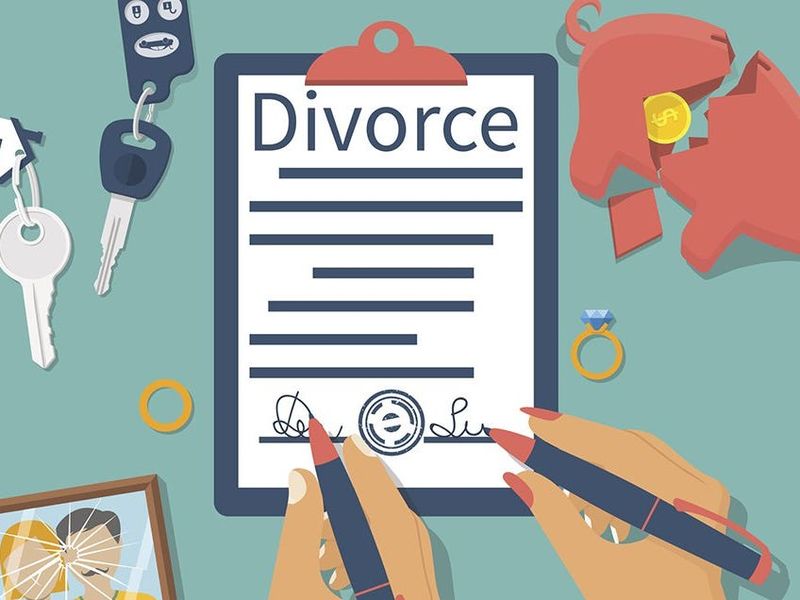
When someone starts quietly looking up divorce attorneys, separation agreements, or legal rights without telling their spouse, they have moved past wondering and into planning. That shift from thinking about leaving to researching how to leave is a significant step most people do not take lightly.
Secretly exploring legal options does not always mean a decision is final, but it strongly suggests one partner has mentally moved toward the exit. If you find yourself doing this regularly, it may be time to have an honest conversation with yourself and possibly a trusted professional about what you truly want.