
Being a grandparent is one of life’s greatest joys, but it comes with real responsibilities too. Some well-meaning grandparents accidentally create tension at home by doing things that clash with how parents are raising their kids.
Whether you’re a grandparent yourself or a parent navigating these tricky waters, knowing what habits to watch out for can make a huge difference. Here are 19 habits grandparents should drop for the sake of everyone’s happiness and family harmony.
1. Ignoring the Rules Parents Have Set

Every household runs on a set of rules, and parents work hard to keep things consistent. When grandparents ignore bedtime schedules, skip nap routines, or hand out snacks that aren’t allowed, it sends mixed messages to kids.
Children thrive on structure, and breaking that structure, even with good intentions, can cause real behavioral setbacks.
Respecting parental rules isn’t about following orders. It’s about supporting a stable environment where grandchildren can grow up feeling secure and understood.
2. Offering Unsolicited Parenting Advice

Parenting advice from the 1970s or 80s doesn’t always hold up today. Medical guidelines, safety recommendations, and child development research have all changed significantly over the decades.
Grandparents who constantly push outdated methods, like putting babies to sleep on their stomachs or skipping car seats, can put children at risk.
Unless someone asks for your input, hold back. A supportive nod goes a lot further than an unsolicited lecture on how things used to be done.
3. Sharing Pregnancy News Without Permission

Finding out a baby is on the way is one of the most personal and exciting moments a couple can experience. Grandparents who rush to share that news on social media or call every relative before the parents are ready can cause real hurt.
Some families wait to announce pregnancies for medical or emotional reasons.
Patience is key here. Wait until the parents give you the green light before spreading the exciting news to anyone outside the immediate family circle.
4. Reacting Negatively to the Baby’s Name
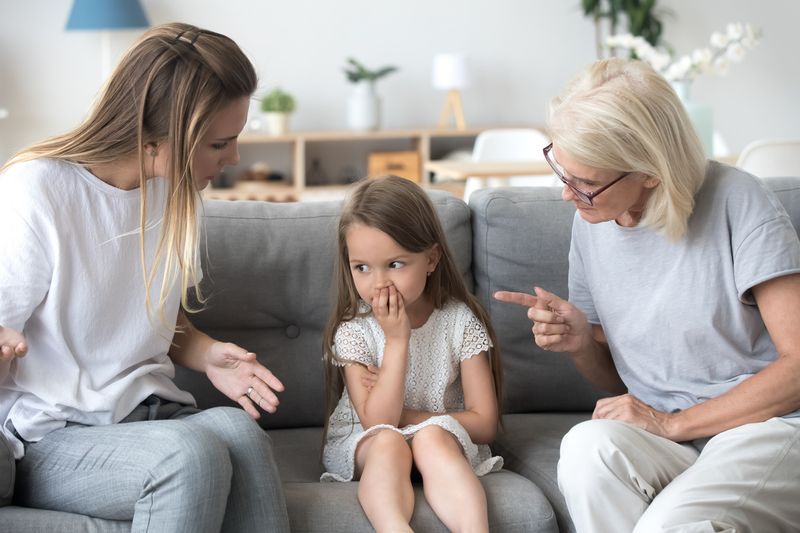
Parents spend months, sometimes years, thinking about what to name their child. Hearing a grandparent wrinkle their nose or say “Really?
That’s what you’re going with?” can sting badly. Negative reactions to a baby’s name create unnecessary tension and can damage the relationship right from the start.
Even if the name surprises you, choose kindness over criticism. A warm smile and a simple “That’s unique, I love it” costs nothing but means everything to new parents.
5. Dropping In Unannounced
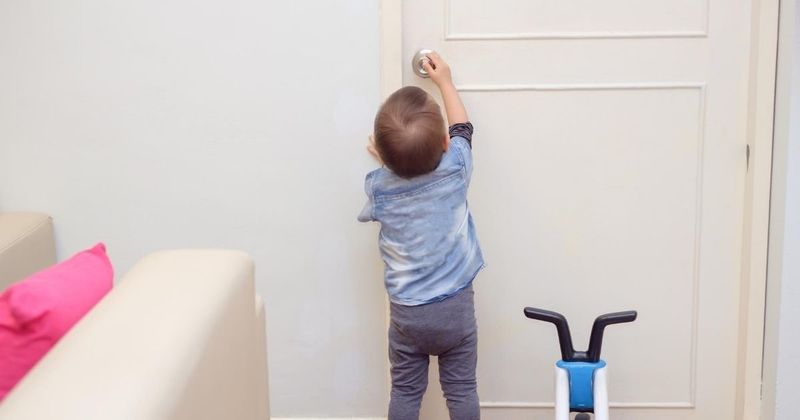
Surprise visits might feel like a loving gesture, but they rarely land that way. Young families deal with nap schedules, feeding times, and moments of pure exhaustion that outsiders don’t always see.
A grandparent showing up without warning can turn a tough day into a stressful one in seconds.
A quick text or phone call beforehand shows respect for the family’s time and space. It also means everyone is actually happy to see you when you arrive, which makes the visit so much better.
6. Buying Gifts Without Parental Approval

Gift-giving feels generous, but it can create real problems when parents haven’t been consulted. Buying a big toy right before a birthday, snagging a christening outfit the parents already chose, or loading a kid up with candy can interfere with plans already in place.
It can also quietly teach kids to expect things without boundaries.
Before spending on something significant, check in with Mom or Dad first. A simple conversation keeps everyone on the same page and avoids hurt feelings all around.
7. Overindulging and Spoiling Grandchildren
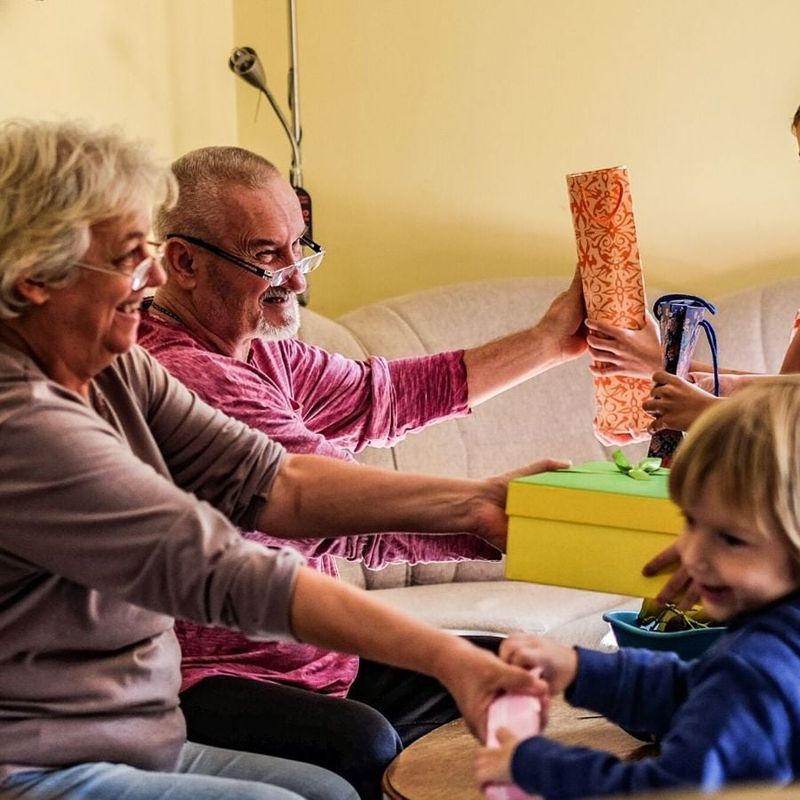
Grandparents love to spoil, and a little indulgence is part of the magic of having grandparents. But endless treats, constant gifts, and zero limits can backfire fast.
Kids who are always given whatever they want start to struggle with patience, gratitude, and self-control, all skills they need to thrive.
Balance is everything. Enjoy being the fun grandparent, but remember that a healthy dose of boundaries actually helps grandchildren feel more loved and secure in the long run.
8. Being Unreliable and Breaking Promises
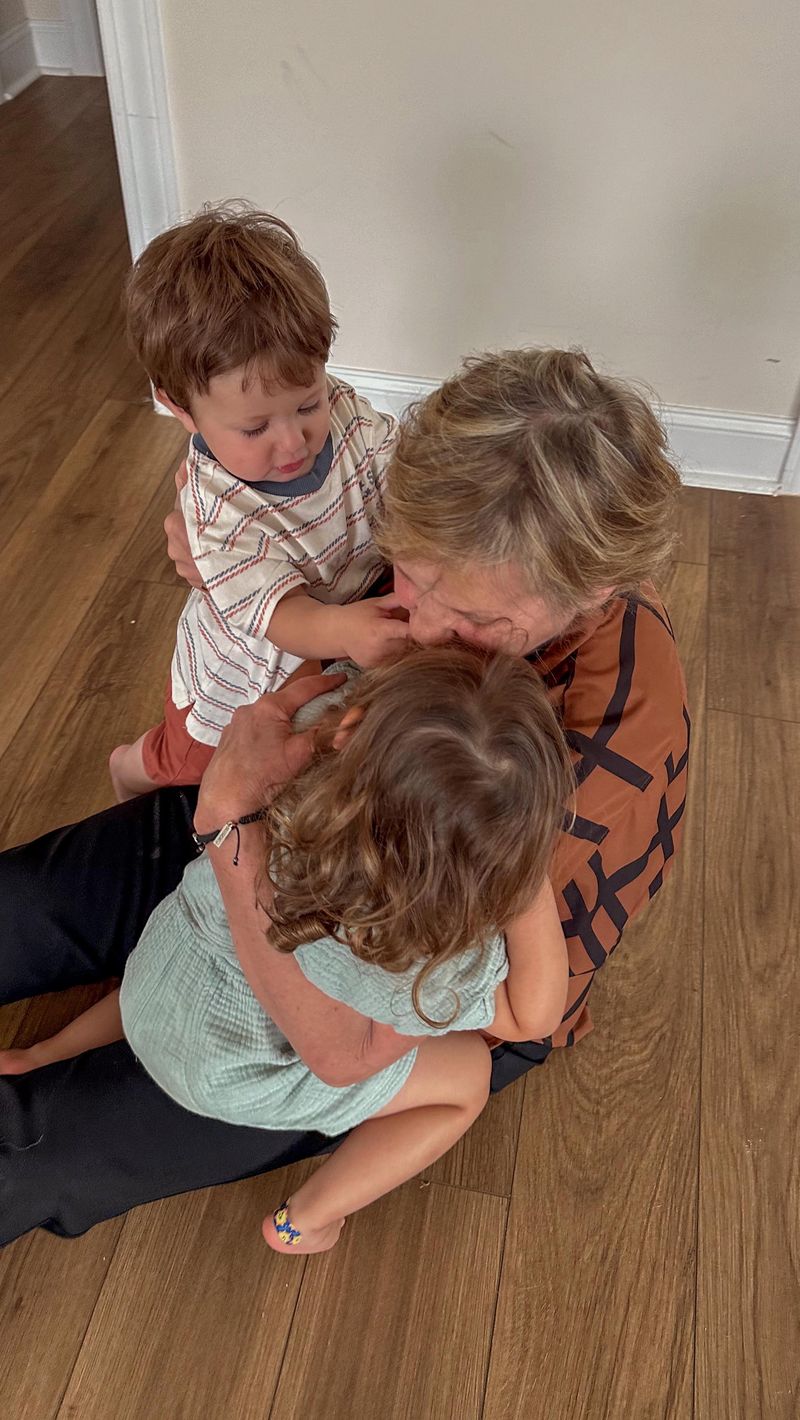
Kids take promises seriously. When a grandparent says they’ll show up to a recital, a game, or a weekend visit and then cancels repeatedly, it leaves a mark.
Trust is built through consistency, and grandchildren notice more than adults realize when someone keeps letting them down.
Being intentional about showing up, even in small ways, matters enormously. If something truly comes up, explain it honestly and reschedule quickly.
That follow-through teaches kids that they are worth prioritizing.
9. Ignoring a Child’s Dietary Rules

Food allergies, intolerances, and dietary choices are serious matters in many families. A grandparent who sneaks in forbidden foods, even saying “just a little won’t hurt,” can trigger allergic reactions, digestive issues, or simply undermine the nutritional goals parents have worked hard to establish.
Ask before feeding. It takes two seconds and shows parents that you respect the health and well-being of their child.
When in doubt, stick to foods you know are safe and approved by the family.
10. Focusing Too Much on Appearances

“You’d be so pretty if you lost a little weight” or “Why do you always look so messy?” – comments like these stick with kids for years. When grandparents constantly focus on how a grandchild looks instead of who they are, it quietly chips away at their self-esteem and confidence.
Try praising effort, creativity, and kindness instead. Telling a child “I love how hard you worked on that” builds something far more lasting than any comment about their appearance ever could.
11. Bringing Up a Child’s Weight
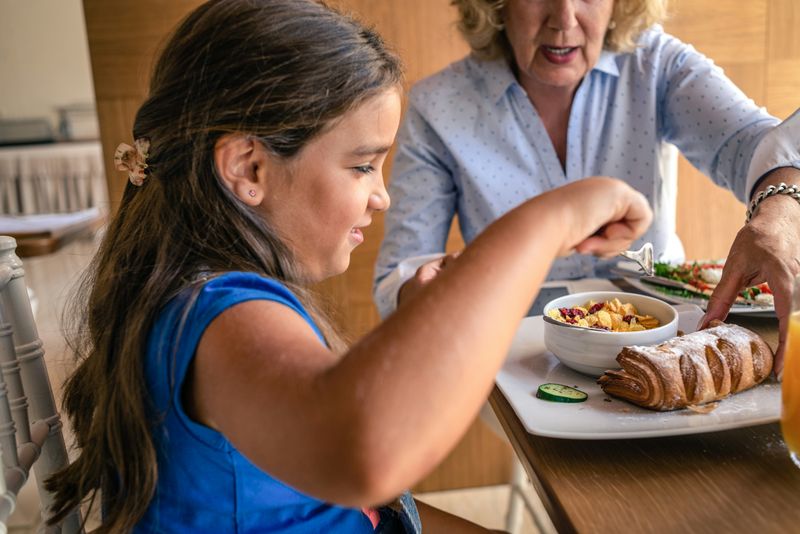
Commenting on a grandchild’s weight, even with the best intentions, can plant seeds of body image anxiety that last a lifetime. Kids are already navigating so much pressure around how they look.
Having a trusted family member point out their size can feel deeply hurtful and confusing.
Body talk is best left out of family conversations entirely. Grandparents can encourage healthy habits through fun activities and balanced meals, without ever making a child feel bad about the body they’re living in.
12. Posting Photos of Grandchildren Online Without Permission

Social media seems harmless, but parents have very real reasons for controlling what images of their children appear online. Privacy concerns, safety worries, and personal boundaries all factor in.
A grandparent who posts photos without asking first is overstepping in a significant way, even if the picture is adorable.
Always ask before you share. A quick “Is it okay if I post this?” shows parents that you value their judgment and keeps the relationship built on mutual respect rather than frustration and hurt feelings.
13. Demanding Clean Plates at Meals
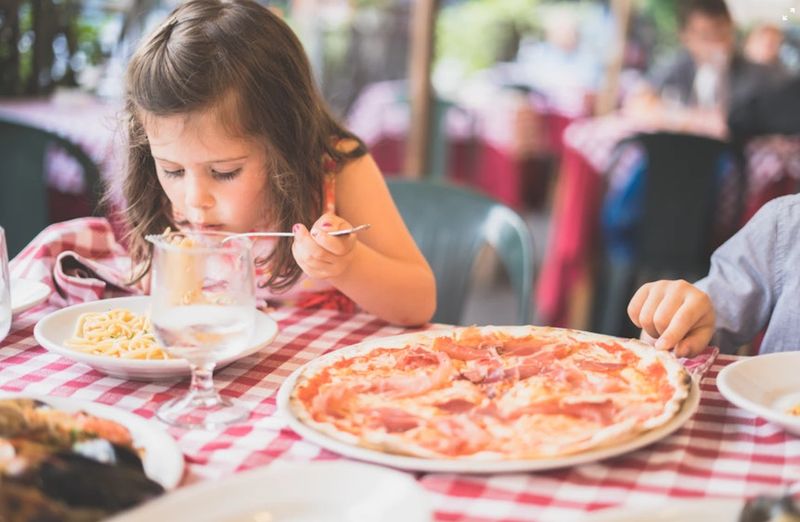
Forcing kids to finish every bite on their plate, no matter how full they feel, can mess with their natural hunger cues. Children are actually pretty good at knowing when they’ve had enough, and overriding that instinct can contribute to unhealthy eating patterns later in life.
It can also turn mealtimes into a stressful battleground.
Encourage trying new foods, but skip the pressure. A relaxed, positive mealtime experience does far more for a child’s relationship with food than any clean-plate rule ever will.
14. Refusing to Accept That Parenting Has Changed

“Back in my day, we never used car seats and everyone turned out fine” is not a winning argument. Parenting evolves because research and understanding of child development grow over time.
Grandparents who dig in and resist modern approaches create friction that wears everyone down.
Staying open-minded is a gift to the whole family. You don’t have to agree with every new parenting trend, but showing willingness to learn and adapt keeps relationships healthy and shows grandchildren what lifelong growth looks like.
15. Blaming a Child’s Partner During Disagreements

When conflicts arise over how grandchildren are being raised, it can be tempting to pin the blame on the partner who married into the family. This habit is especially toxic because it drives a wedge between couples and puts the grandchild right in the middle of adult drama they never asked for.
Handle disagreements with grace and fairness. Approach both parents as a united team rather than singling one out.
Respectful conversations lead to real solutions, while blame games only create lasting resentment that harms everyone involved.
16. Turning Parenting Conversations Into Arguments
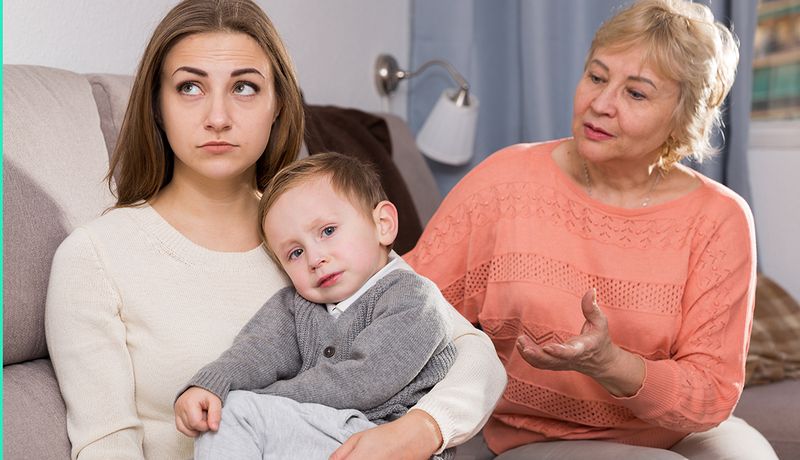
Disagreements about raising kids are normal, but the way those conversations happen matters enormously. When grandparents turn every difference of opinion into a full-blown argument, it shuts down communication and makes parents feel attacked rather than supported.
Nobody wins when conversations become shouting matches.
Choose a calm tone and genuinely listen before responding. Approach parenting differences as a team effort, not a debate competition.
Grandparents who communicate with respect earn far more influence over family decisions than those who simply argue the loudest.
17. Weighing In When Nobody Asked
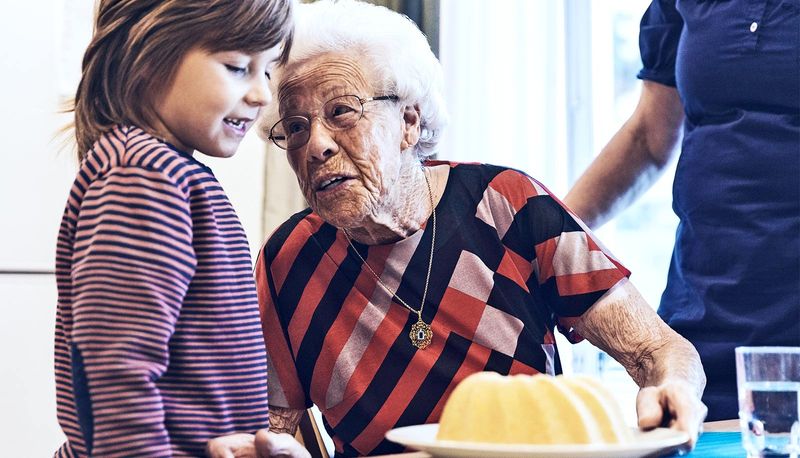
There’s a fine line between being helpful and being overbearing. Grandparents who jump into every parenting decision, whether they were invited to or not, quickly become exhausting.
Constant unsolicited commentary on sleep schedules, screen time, or discipline methods signals a lack of trust in the parents’ judgment.
Pick your moments carefully. Save your input for situations where it’s truly needed or when someone actually asks.
Knowing when to stay quiet is just as valuable as knowing what to say, and often more appreciated.
18. Neglecting Physical and Emotional Boundaries

Forcing hugs, kisses, or physical affection on a grandchild who isn’t comfortable with it sends the wrong message about bodily autonomy. Kids need to know that their “no” will be respected, even by the people who love them most.
Ignoring those signals, even playfully, can undermine a child’s ability to set their own limits.
Let grandchildren lead the way when it comes to physical affection. Respecting their comfort zone builds genuine trust and models the kind of healthy boundary-setting every child deserves to learn early.
19. Using Guilt Trips to Control Family Decisions

“After everything I’ve done for you, you won’t even let me take the kids for the weekend?” Sound familiar? Guilt trips are a form of emotional manipulation, and they poison family relationships over time.
When grandparents use guilt to get their way, it puts parents in an impossible position and models unhealthy communication for grandchildren watching nearby.
Honest, direct conversations are always more effective. Express your feelings openly without weaponizing them.
Families built on respect and transparency are far stronger than ones held together by obligation and guilt.