
Imagine getting married and having your husband move into your family’s community instead of leaving home yourself. New research suggests that some women in Iron Age Britain lived this way, keeping strong family ties while men arrived from elsewhere.
Their story challenges old ideas about women’s place in the ancient world. DNA, rich burials, and historical accounts offer clues, though they do not all tell the same story.
1. Some Husbands Joined Their Wives’ Communities
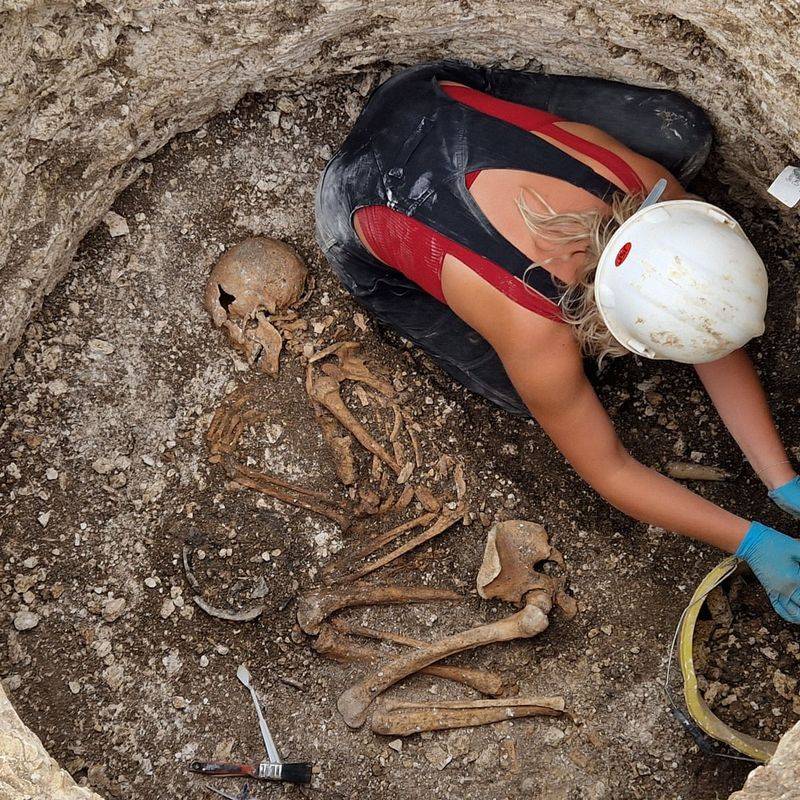
Wedding plans could mean packing the groom’s belongings, not the bride’s. Research published in Nature in 2025 found evidence that some Iron Age communities in southern Britain followed a pattern called matrilocality.
Women stayed near their own relatives, while men arrived from other groups. That arrangement could give wives a strong support network throughout marriage.
However, the findings describe particular communities, not a single marriage rule followed by every Celtic group across Europe at the time.
2. Ancient DNA Revealed a Family Pattern
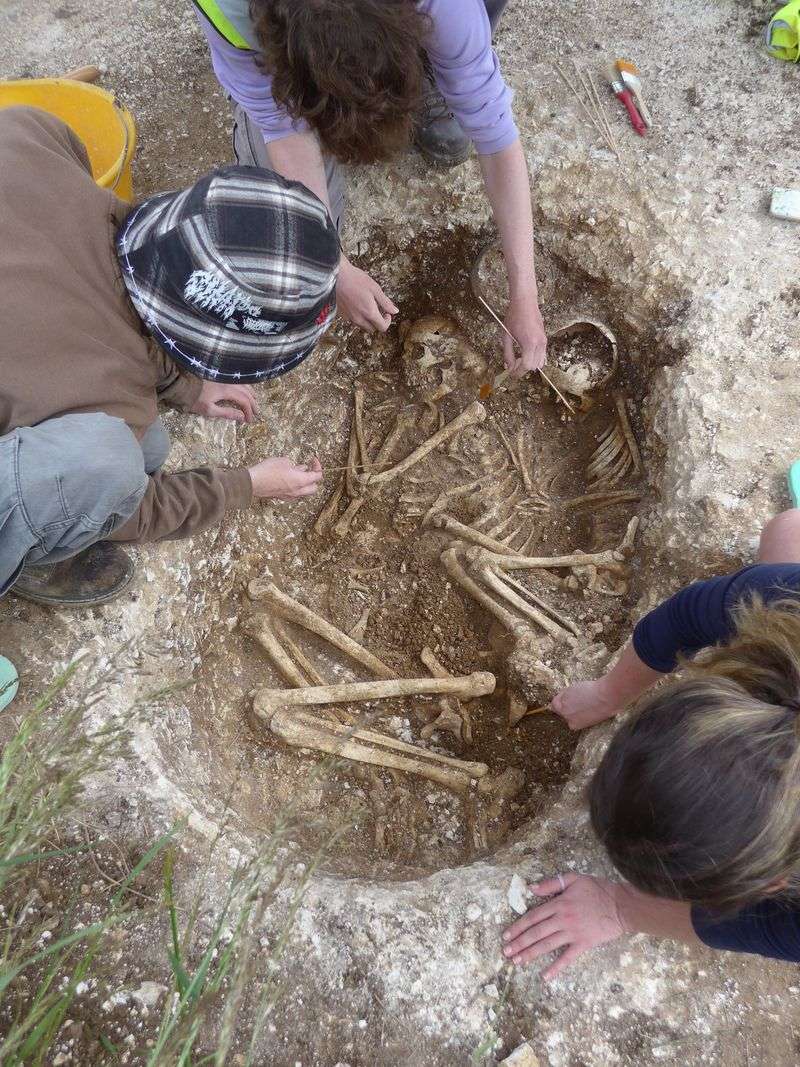
A cemetery can hold a family album without a single photograph. Scientists studied ancient DNA from people buried near Winterborne Kingston in Dorset, an area associated with the Durotriges.
Many individuals shared maternal ancestry, while men more often appeared unrelated to the main family group. Together, those clues suggest women formed the community’s lasting core.
DNA reveals biological relationships, though it cannot tell us exactly how couples felt or divided their daily household work between themselves.
3. Mothers Connected Generations
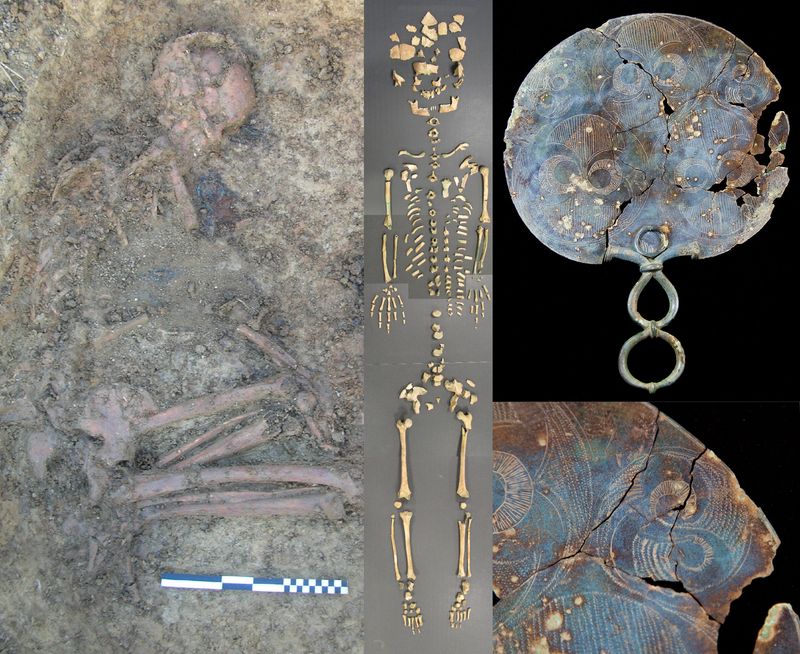
One maternal line linked many people buried at the Dorset site. Researchers traced that connection using mitochondrial DNA, which children usually inherit from their mothers.
The pattern suggests a community built around women’s relatives over several generations. Think of sisters, daughters, and grandchildren remaining connected to the same place.
Still, shared maternal ancestry does not prove that everyone carried the same family name or recognized one woman as their ruler within that particular ancient settlement itself.
4. Staying Home Could Strengthen a Wife’s Position
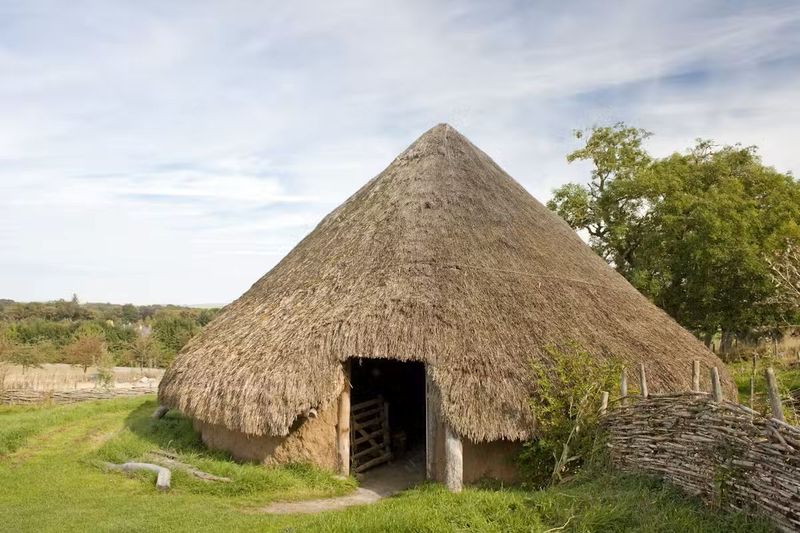
Having your relatives nearby can make a difficult day easier. For women in a matrilocal community, familiar people might help with childcare, food gathering, farming, and disagreements.
A husband entering that network would need to build relationships with his wife’s kin. Researchers see this as a possible source of female influence.
It remains an interpretation, however, because skeletons cannot reveal who settled arguments, controlled each harvest, or made every household decision in their everyday family lives.
5. Incoming Men Had New Ties to Build
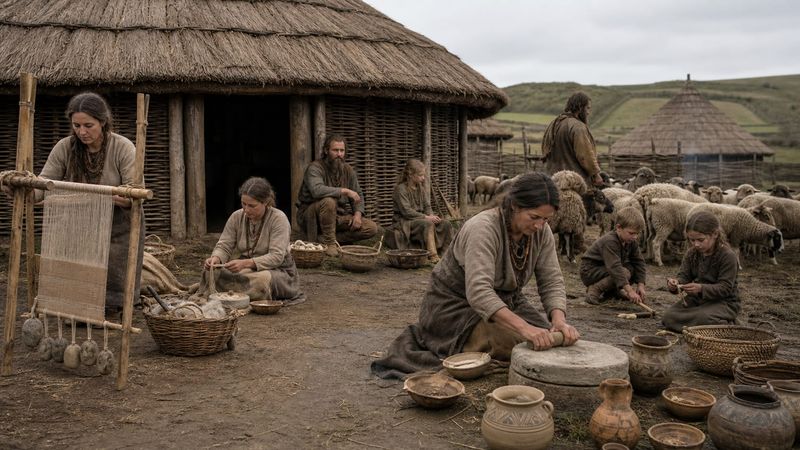
Moving into a partner’s community means learning more than a new address. Incoming men may have depended on local relatives for access to work, resources, and social connections.
That could make a wife’s family especially important to a couple’s future. The burial evidence supports movement between communities, but it does not provide written land agreements.
Claims that every husband automatically received his wife’s farm go further than the available evidence can safely support at present today.
6. Matrilocal Did Not Necessarily Mean Female Rule
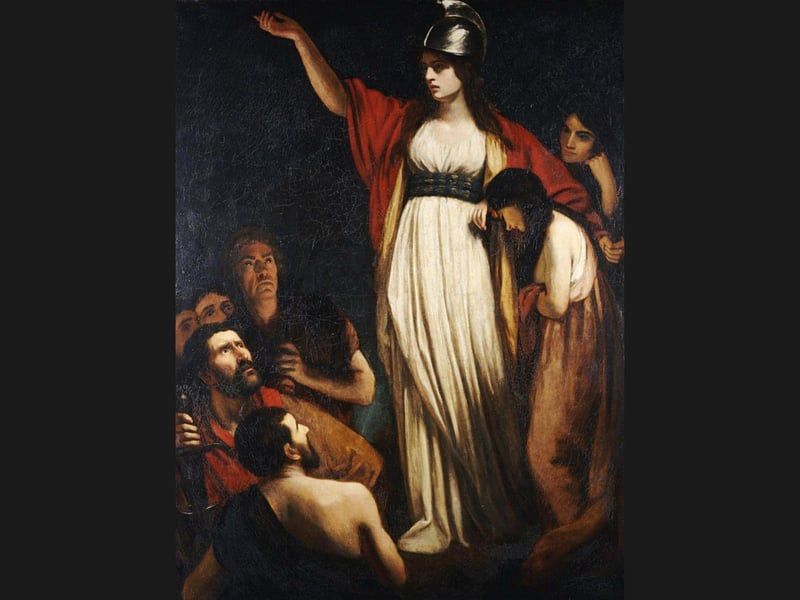
Living near a mother’s family is not the same as being governed by women. Matrilocality describes where couples settle, while matriarchy means a society in which women hold the main authority.
The Dorset research supports the first idea much more clearly than the second. Women may have enjoyed considerable influence without controlling every public office.
Keeping those terms separate helps us appreciate the discovery without turning a strong finding into a much larger claim about ancient government.
7. The Pattern Extended Beyond One Cemetery
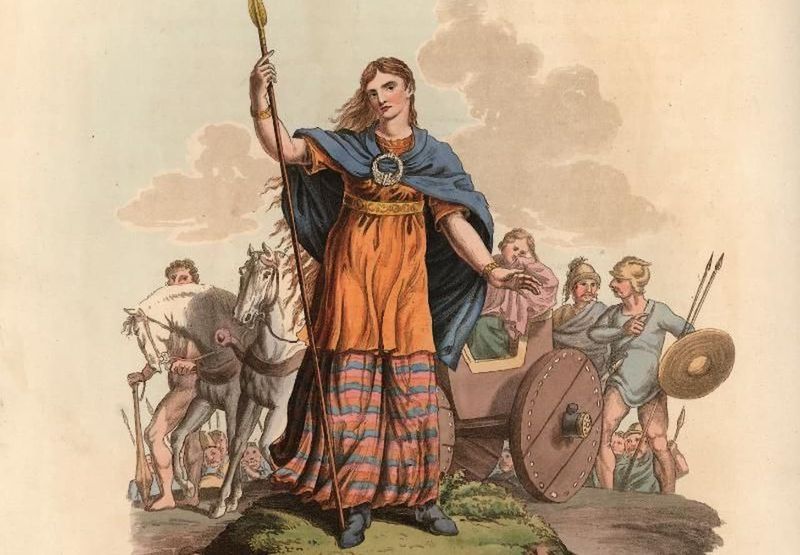
Dorset was not the only place offering clues about women staying put. The 2025 study compared its findings with genetic evidence from other British burial sites and identified wider signs of maternal family clustering.
That makes the discovery more than an unusual household story. Even so, the evidence varies by location and period.
A useful rule when reading headlines is to ask which communities were studied before assuming a pattern covered an entire island or continent.
8. Rich Graves Point to Respected Women
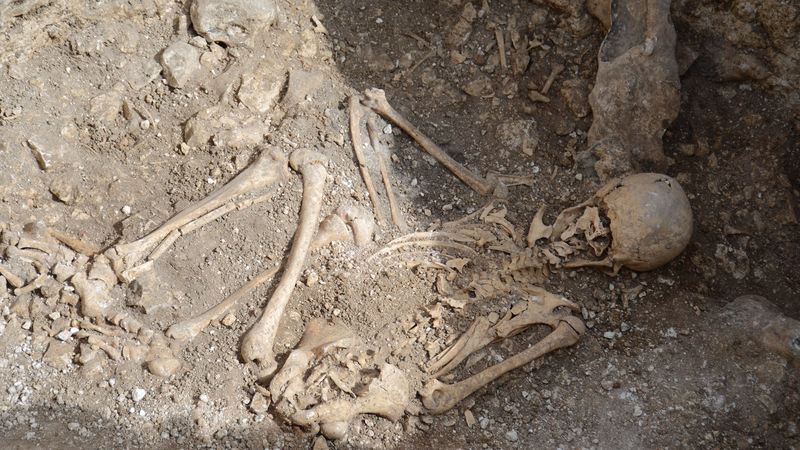
Beautiful objects sometimes followed women into the grave. At some Iron Age cemeteries, female burials contain valuable ornaments, pottery, and other carefully chosen goods.
Such treatment suggests that certain women held respected positions within their communities. Wealthy burial does not automatically prove political leadership, since objects can reflect family identity, ritual, or affection as well as rank.
Still, these graves challenge any picture of ancient women as people whose lives mattered little to those around them.
9. Celtic Communities Were Not All Alike
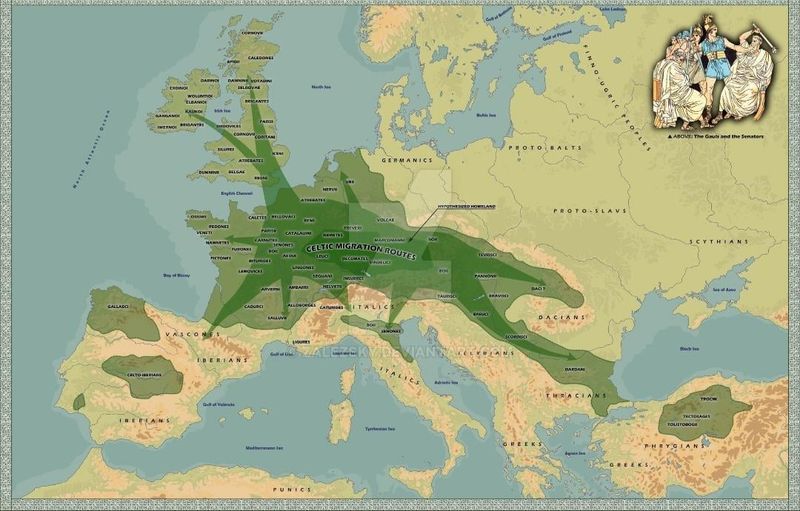
From Britain to continental Europe, communities called Celtic covered a huge area. They spoke related languages and shared some traditions, but they did not follow one government or identical household rules.
Customs also changed over centuries. Evidence from Iron Age Dorset therefore cannot explain every marriage in ancient Gaul or medieval Ireland.
Treat the word Celtic as a broad label, rather than a promise that all women enjoyed exactly the same rights wherever they happened to live.
10. Property Rights Need a Careful Timeline
Owning resources could give a woman room to negotiate. Early medieval Irish legal texts describe circumstances in which women held property and contributed goods to marriage.
Those rules were detailed, unequal, and shaped by status, family, and the marriage arrangement. They should not be presented as proof of unrestricted property rights for every Iron Age woman.
The helpful insight is narrower: some later Celtic language societies recognized women’s economic interests in ways that deserve close historical attention.
11. Marriage Could Involve Negotiated Agreements
A marriage could involve practical agreements as well as personal ties. Early Irish law recognized several kinds of unions, with different expectations about property and responsibilities.
This makes marriage look more varied than a simple story of wives belonging to husbands. However, calling all Celtic marriage purely contractual oversimplifies centuries of changing custom and belief.
For a clearer picture, ask when a legal text was written and whose relationships its rules actually described within that particular society.
12. Women Could Seek Separation Under Some Laws
Leaving a troubled union was possible under some early Irish legal rules. Texts list circumstances in which a wife could separate from a husband and describe how property might be divided.
That does not mean divorce was effortless or equally available to everyone. Wealth, rank, and family backing could affect a woman’s choices.
Nor should these later laws be copied directly onto Iron Age Britain, where the surviving evidence tells us far less about marriage disputes themselves.
13. Legal Independence Had Limits
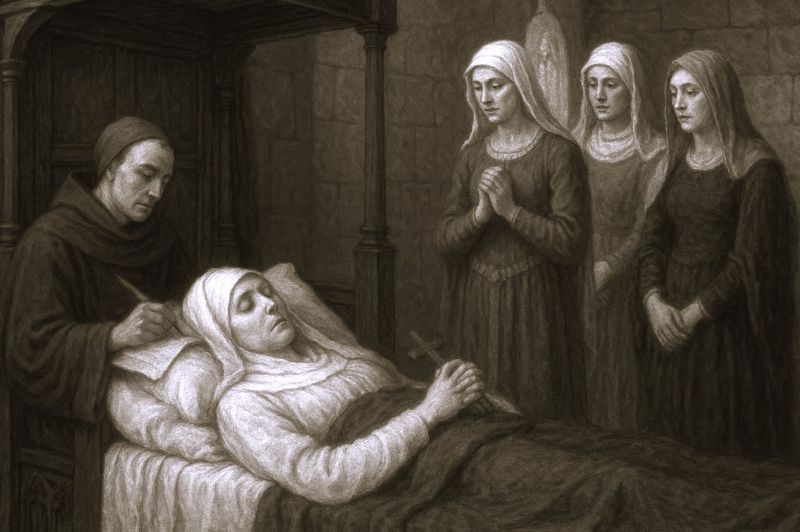
A bold claim about ancient equality can hide complicated rules. Statements that Celtic wives could always sue or conduct business without anyone’s consent are too broad for the surviving evidence.
Early Irish law often placed women within systems of guardianship and ranked people by status. Some women had greater freedom than others, especially in particular roles or circumstances.
Appreciating real opportunities does not require pretending that legal barriers disappeared for every woman in every Celtic speaking community.
14. Everyday Skills Helped Keep Communities Running
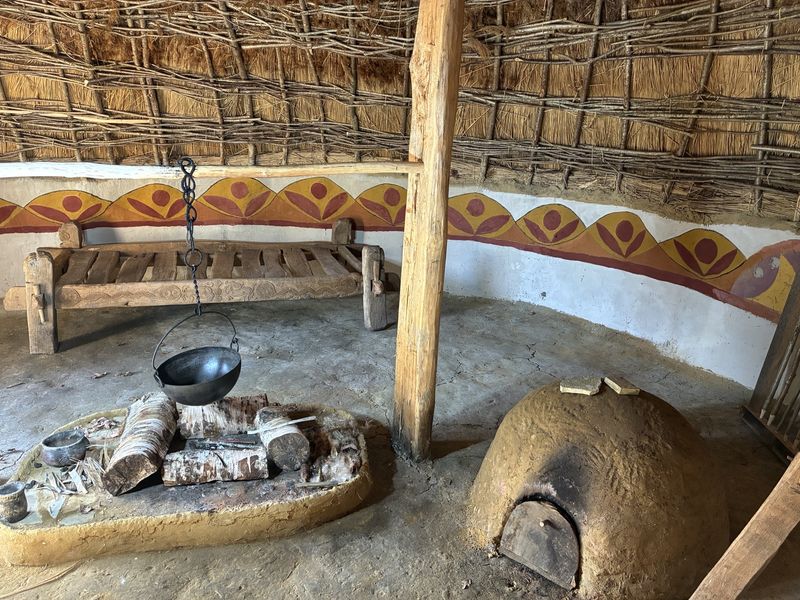
Cloth, meals, and stored grain mattered as much as famous battles. Archaeology reveals the tools of farming, weaving, food preparation, and other skilled work that supported Iron Age households.
Women likely played major parts in many of these tasks, although an object alone rarely identifies its user’s sex. Avoid assuming every spindle belonged to a woman or every tool to a man.
Household production required knowledge, cooperation, and decisions that could carry real weight within community life.
15. Female Religious Roles Appear in Ancient Accounts
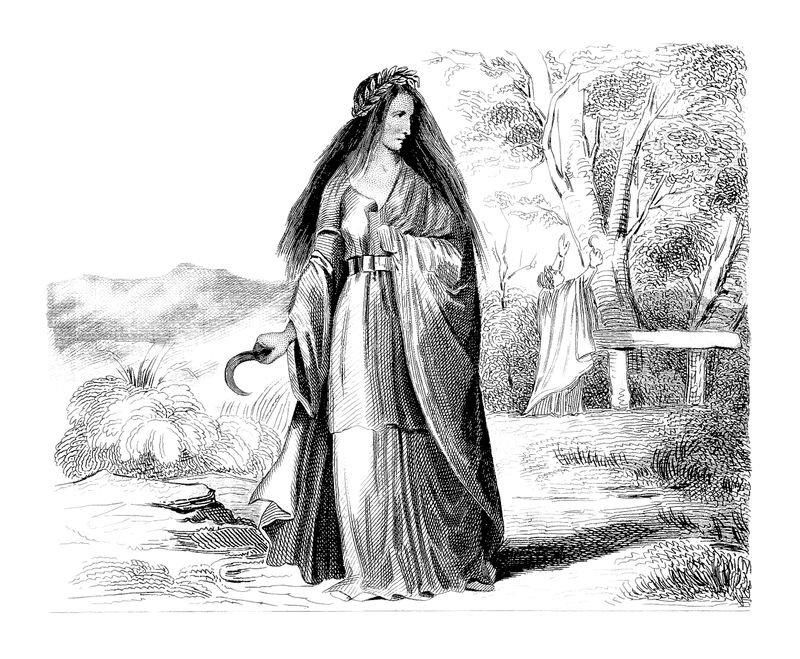
Not every influential woman carried a weapon. Ancient writers describe female religious figures among some Celtic peoples, and later traditions include women with prophetic or healing knowledge.
The evidence is uneven, so claims about a widespread, organized class of female druids need caution. Poets, healers, priestesses, and druids were not automatically interchangeable titles.
Their stories still suggest that spiritual knowledge could provide women with another source of respect beyond marriage, motherhood, wealth, or formal political office itself.
16. Boudicca Proved a Woman Could Lead a Revolt
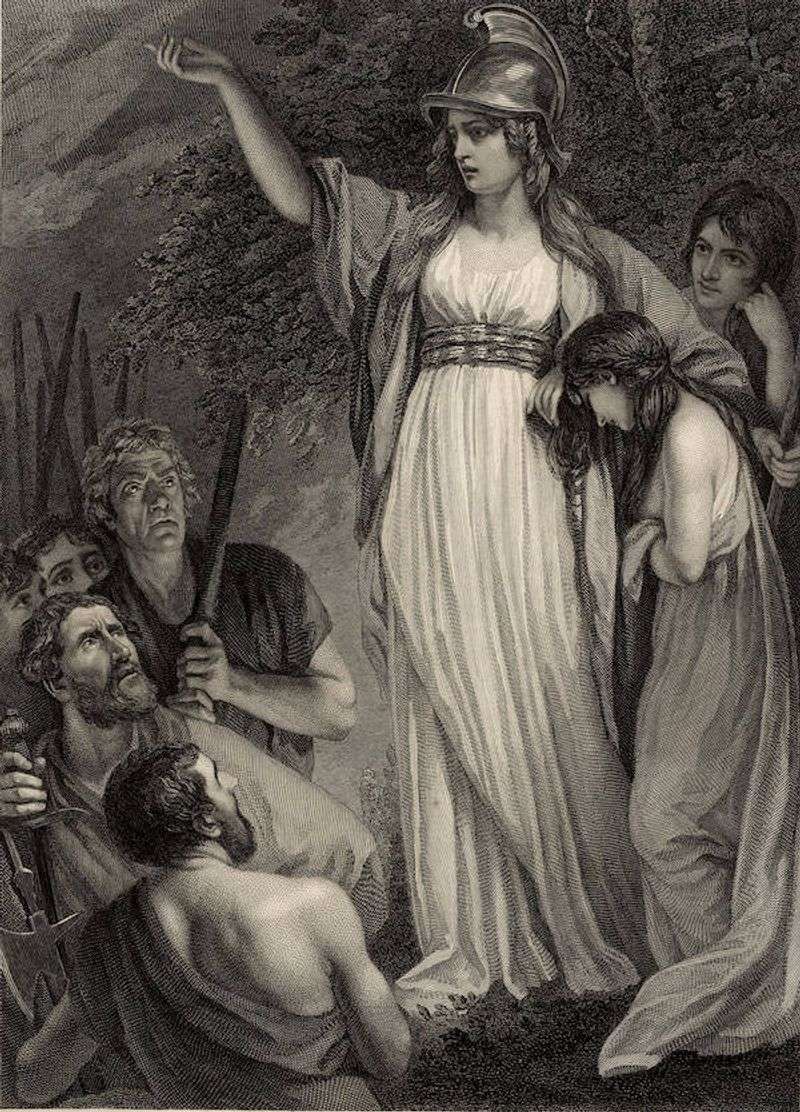
Rome faced a formidable opponent in Boudicca. The Iceni queen led a major rebellion in Britain around AD 60 or 61, after Roman abuses against her family and people.
Her forces attacked several Roman settlements before the revolt was defeated. Roman accounts provide the main written evidence, so details need careful reading.
Boudicca proves that female leadership was possible, but her extraordinary career does not show that every woman shared a queen’s authority or military responsibilities either.
17. Medb’s Power Belongs to the World of Legend
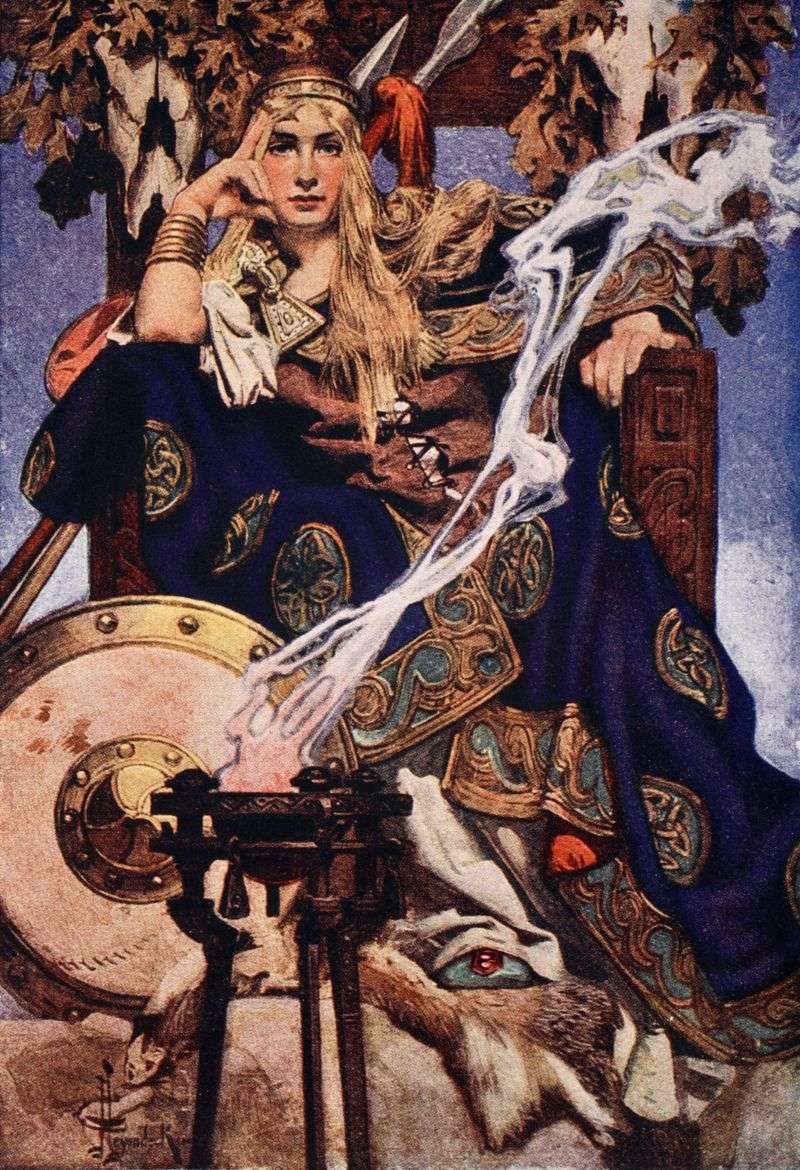
Arguments over wealth help launch one of Ireland’s best known epic stories. In the Táin Bó Cúailnge, Queen Medb compares her possessions with her husband’s and drives the struggle over a prized bull.
She is forceful, ambitious, and unwilling to fade into the background. Yet Medb is a legendary character preserved in medieval literature, not a documented Iron Age ruler.
Her story reveals ideas about female power, rather than providing a reliable guide to ordinary women’s rights.
18. Warrior Stories Do Not Prove Universal Combat Training
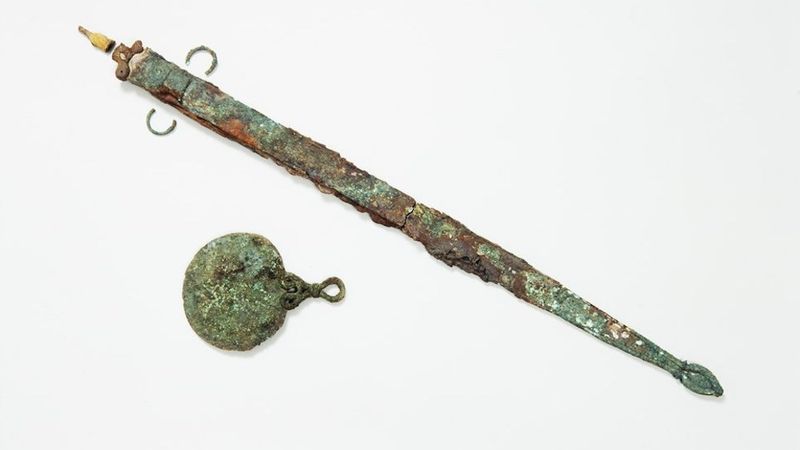
Sword wielding heroines make memorable stories, but memorable is not the same as common. Female warriors appear in Celtic traditions, and historical women sometimes commanded armed forces.
There is not enough evidence to say that Celtic girls generally received the same weapons training as boys. Even weapons placed in a grave require careful interpretation.
Look for several kinds of evidence before deciding that one remarkable burial or tale describes the daily experience of an entire ancient population.
19. Outsiders Noticed Women’s Public Influence
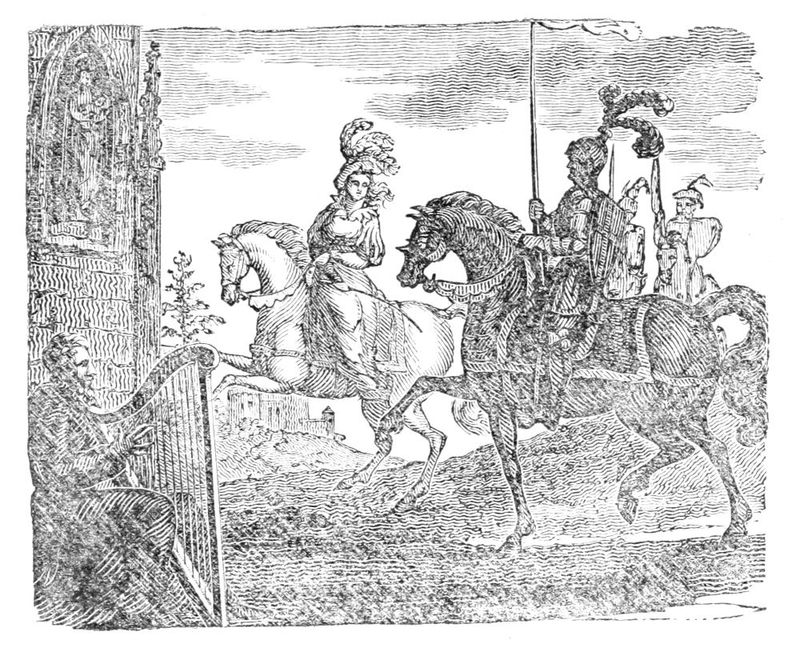
Peace talks, not just warfare, could bring women into public life. Plutarch preserved an account of Celtic women acting as mediators in disputes, suggesting that some traditions recognized their judgment.
Greek and Roman authors also described powerful women through their own cultural expectations, sometimes with surprise or hostility. Read those reports alongside archaeology rather than accepting every detail.
Together, different sources reveal women with meaningful influence while reminding us how much of their lives remains beyond reach.