
World War II brought hardship to dinner tables around the globe. With food rationing in full effect, families had to get creative just to put a meal on the table.
From fake apple pies made with crackers to coffee brewed from acorns, people found surprisingly clever ways to survive. These wartime foods tell a powerful story of human resilience, creativity, and the will to make the best out of very little.
1. Mock Apple Pie
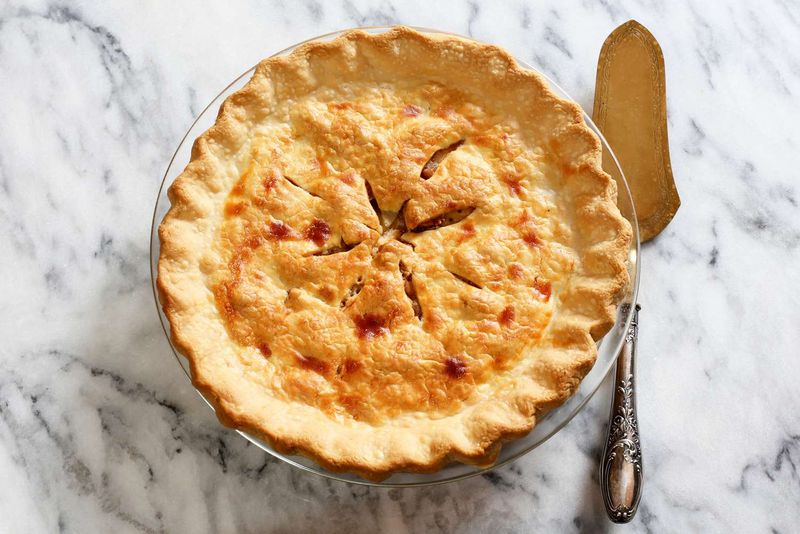
Believe it or not, this pie contains zero apples. During World War II, Ritz crackers soaked in sugar, lemon juice, cream of tartar, and cinnamon were baked into a pie shell that fooled many taste buds.
The result was surprisingly sweet and tangy, almost indistinguishable from the real thing.
Homemakers shared this recipe widely as a way to enjoy a familiar comfort food without using rationed ingredients. It became one of the most iconic examples of wartime kitchen creativity.
2. Powdered Eggs
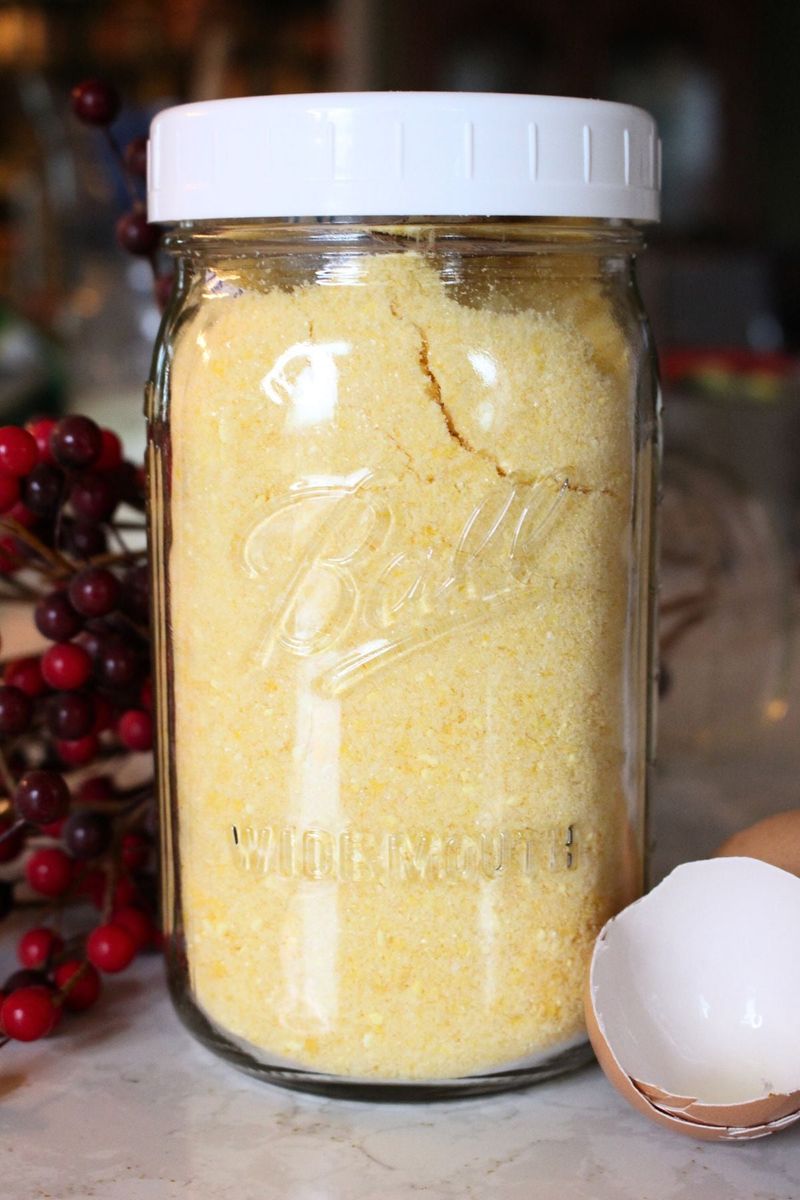
Fresh eggs were a luxury during the war, so powdered eggs stepped in to fill the gap. Manufactured by dehydrating real eggs, this shelf-stable powder could be mixed with water and used in scrambled eggs, baked goods, and omelets.
Soldiers and civilians alike depended on it daily.
Many people found the taste and texture a bit off, but they made it work. Powdered eggs were practical, long-lasting, and a true symbol of wartime ingenuity in the kitchen.
3. Spam and Canned Luncheon Meats
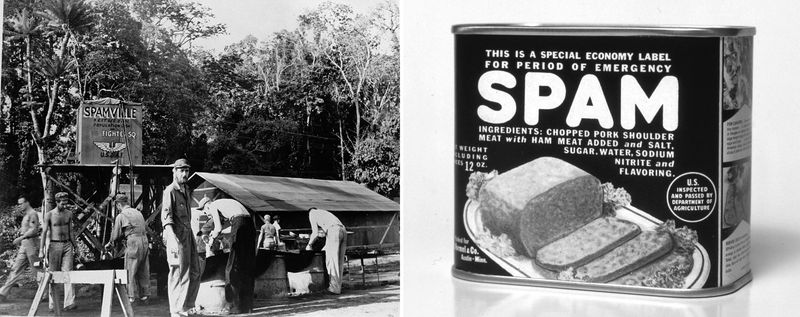
Spam may be a punchline today, but during World War II, it was practically a hero in a can. Introduced in 1937, Spam became a wartime staple because it was cheap, shelf-stable, and packed with protein.
Soldiers nicknamed it various things, but they still ate it at nearly every meal.
Back home, families fried it, baked it, and tossed it into casseroles. Spam even traveled overseas through the Lend-Lease program, feeding Allied troops across multiple continents.
4. Canned Sardines and Kippers
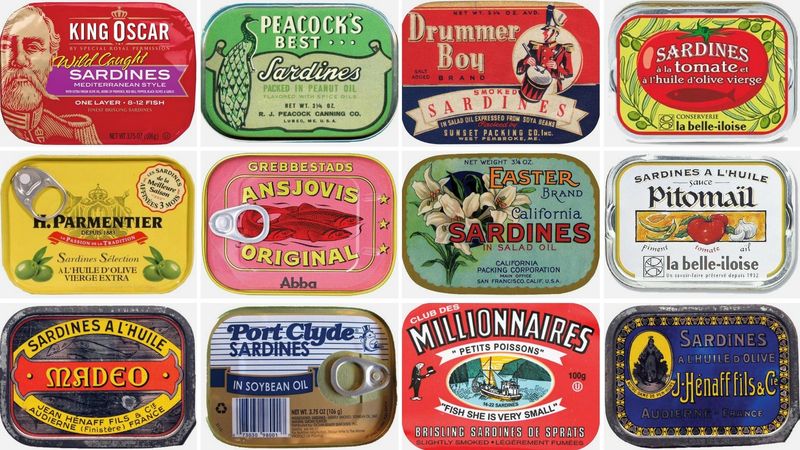
When fresh fish was hard to come by, canned sardines and kippers came to the rescue. Packed with omega-3 fatty acids, protein, and calcium, these small preserved fish delivered serious nutrition in a tiny package.
They required no refrigeration, making them ideal for wartime pantries and military field rations.
Kippers, which are smoked herring, were especially popular in Britain. Families served them on toast for breakfast or mixed them into simple pasta dishes to stretch a meal further.
5. Organ Meats: Liver, Heart, and Kidneys
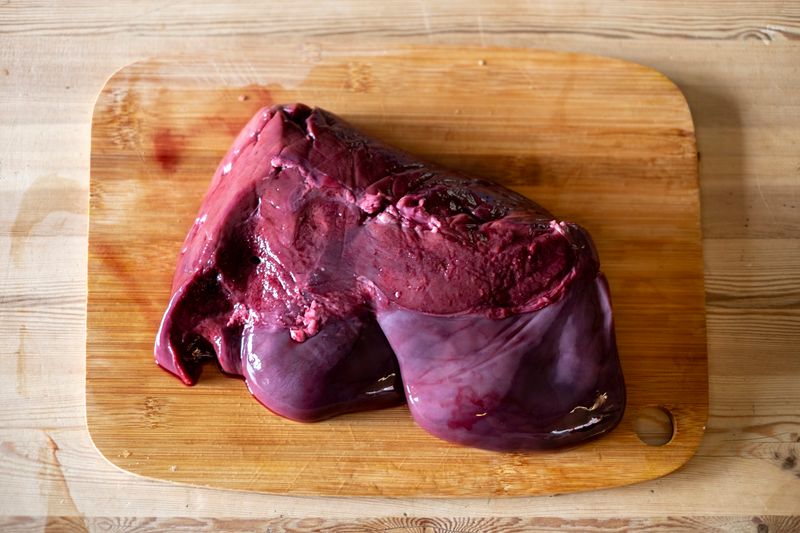
Cuts like liver, heart, and kidneys were rarely the first choice at the butcher shop before the war. But once rationing hit, nothing went to waste.
These organ meats were affordable, nutrient-dense, and widely available even when prime cuts had long disappeared from store shelves.
Liver fried with onions became a weeknight staple in many households. Rich in iron and vitamins, organ meats actually kept many wartime families healthier than they might otherwise have been during such a difficult period.
6. Bone Broth and Scrap Soup
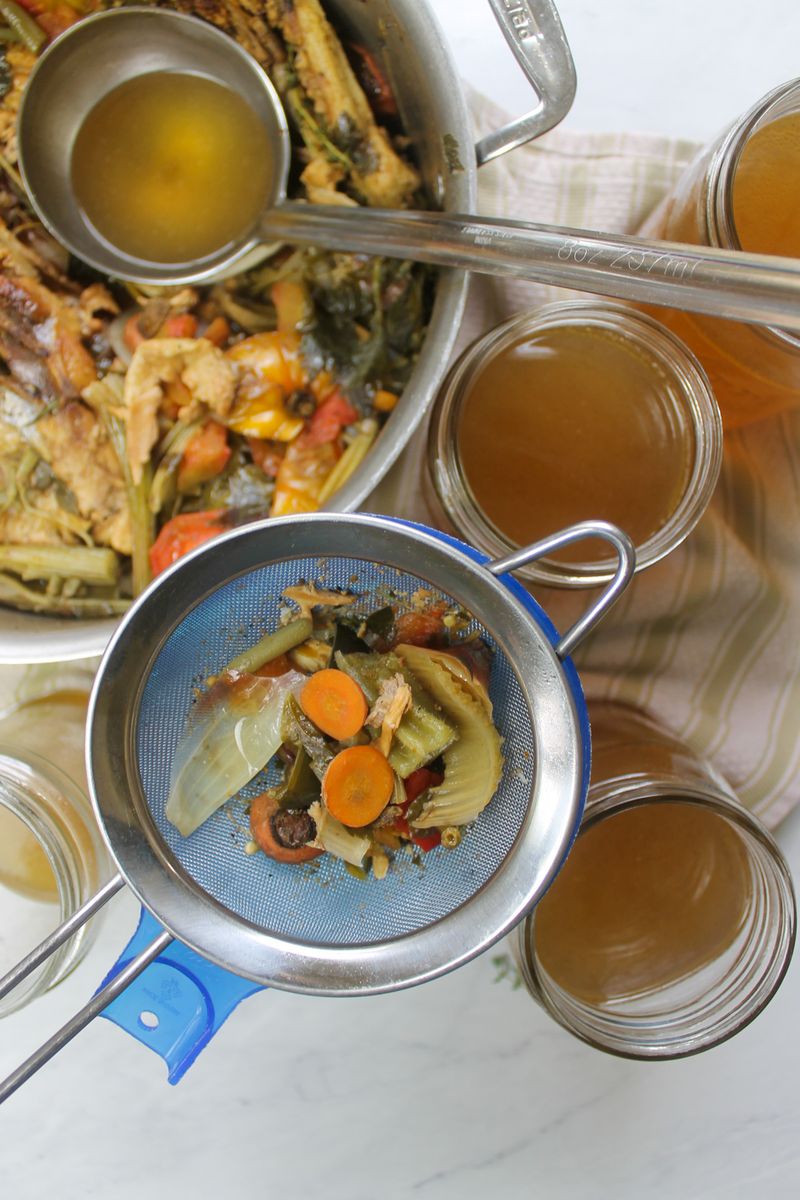
Nothing said wartime thriftiness quite like a pot of scrap soup bubbling on the stove. Families saved every bone, vegetable peel, and wilting herb to toss into a pot of boiling water.
The result was a warm, flavorful broth that could stretch a meal and warm cold bellies.
Government campaigns actually encouraged this habit, reminding citizens that wasting food hurt the war effort. Bone broth became both a nutritional lifeline and a patriotic act rolled into one steaming bowl.
7. Carrot-Based Desserts
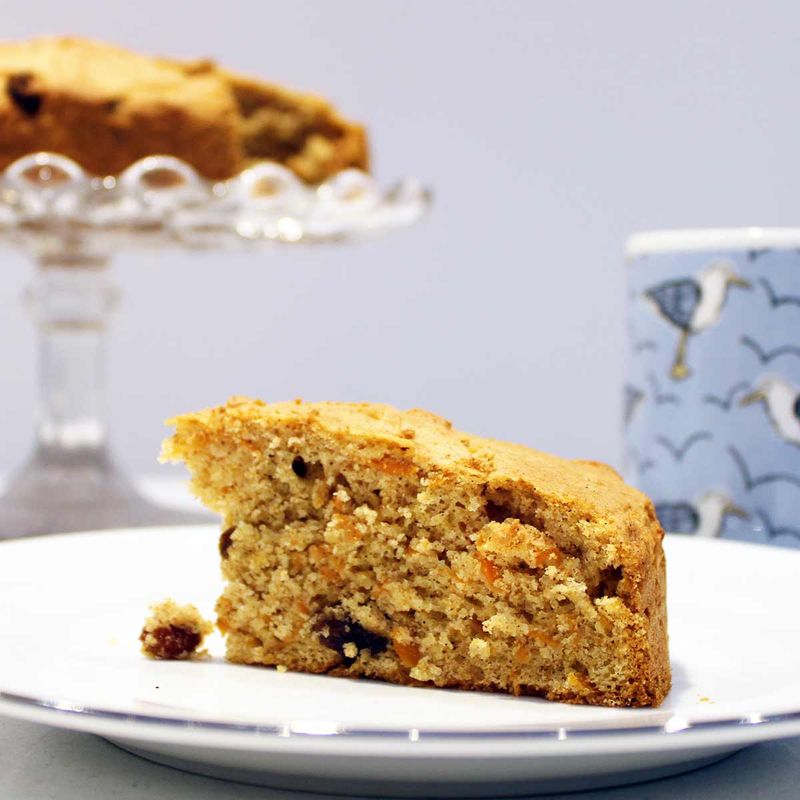
Sugar was strictly rationed during the war, so bakers turned to an unlikely hero: the carrot. Naturally sweet and widely grown, carrots were stirred into puddings, cakes, and biscuits to add sweetness without using precious sugar rations.
British bakers especially embraced this clever swap.
The British Ministry of Food even promoted carrot-based recipes through propaganda campaigns, featuring a cheerful mascot called Doctor Carrot. Carrot cake, which we enjoy freely today, has deep roots in wartime necessity and resourceful home baking.
8. Potato Bread
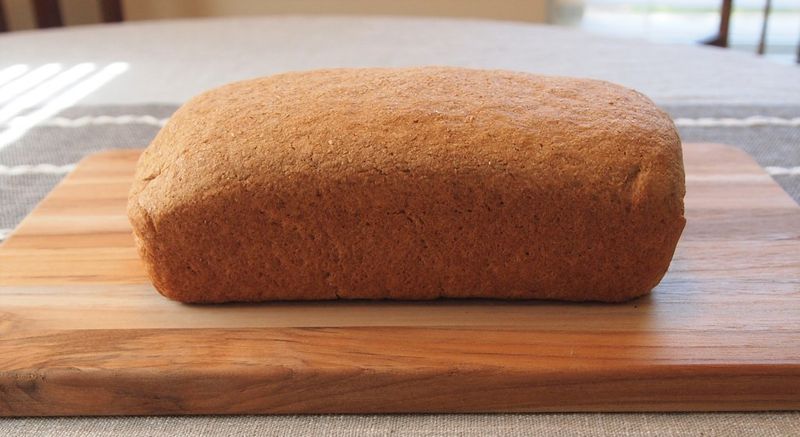
Flour was rationed, so bakers found that mashed potatoes could replace a portion of it without ruining the bread. Potato bread turned out moist, dense, and filling, which was exactly what hungry families needed.
Potatoes were also easier to grow at home, making them a reliable ingredient throughout the war.
Home bakers across Britain and the United States experimented with potato-heavy recipes to stretch their flour supply. The loaves may not have been airy, but they were satisfying and nourishing in every bite.
9. Victory Garden Vegetables, Especially Cabbage
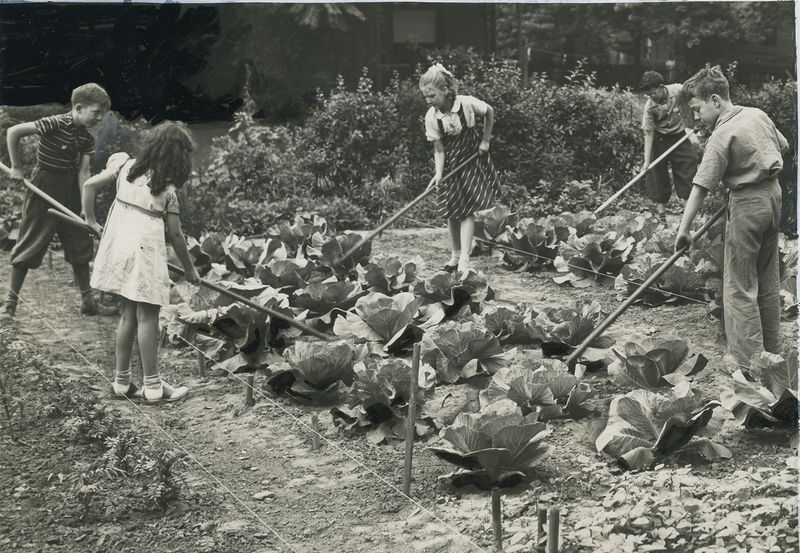
Millions of families dug up their lawns to plant Victory Gardens during the war. Cabbage became one of the most common crops because it grew fast, stored well, and could be cooked dozens of ways.
From coleslaw to sauerkraut to boiled side dishes, cabbage fed countless households through lean years.
By 1944, Victory Gardens produced roughly 40 percent of all vegetables grown in the United States. Growing your own food was not just practical, it was seen as a proud act of patriotism.
10. Meatless Meals with Beans and Lentils
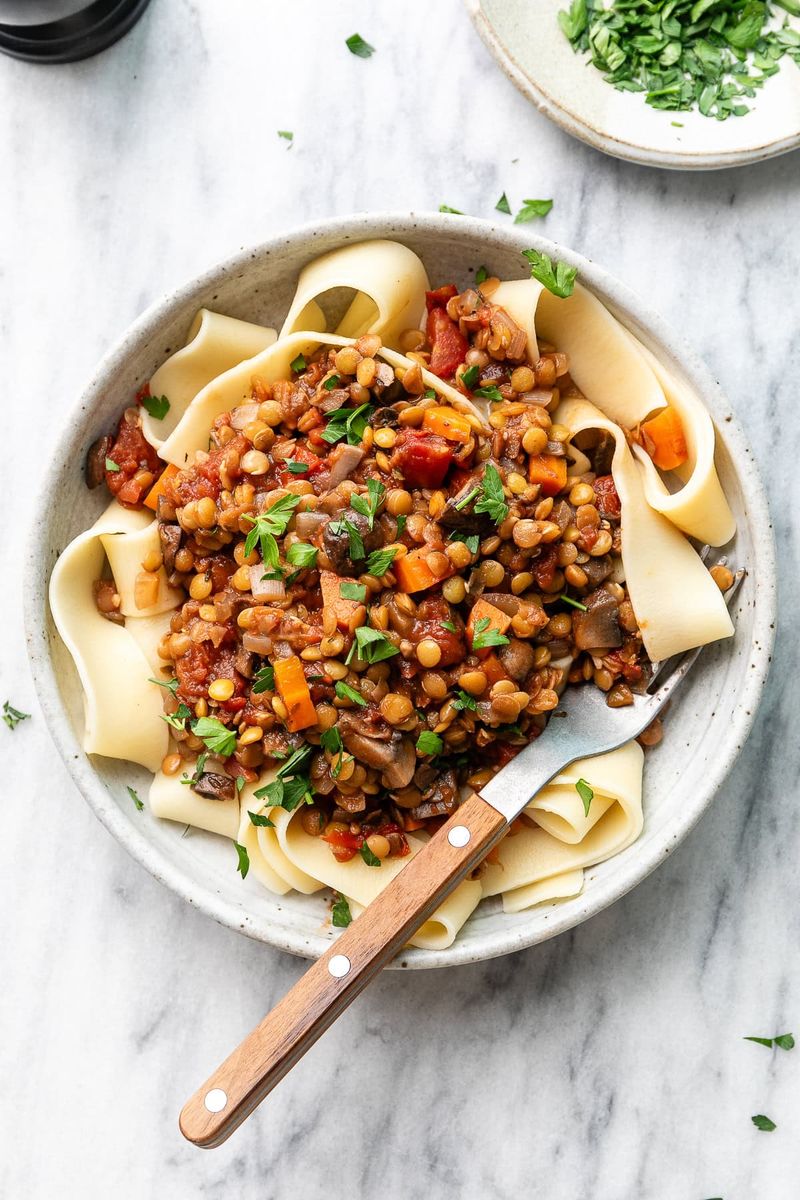
Meat was rationed, but beans and lentils were not. Resourceful cooks quickly learned to build satisfying, protein-rich meals around these humble legumes.
Lentil soup, bean casseroles, and split pea stews became regular fixtures on wartime dinner tables across the United States and Britain.
Legumes were cheap, filling, and easy to store for long periods, making them a practical choice during uncertain times. Many of the bean-based recipes developed during the war are still enjoyed today, often passed down through family cookbooks.
11. Mock Banana Made with Parsnips
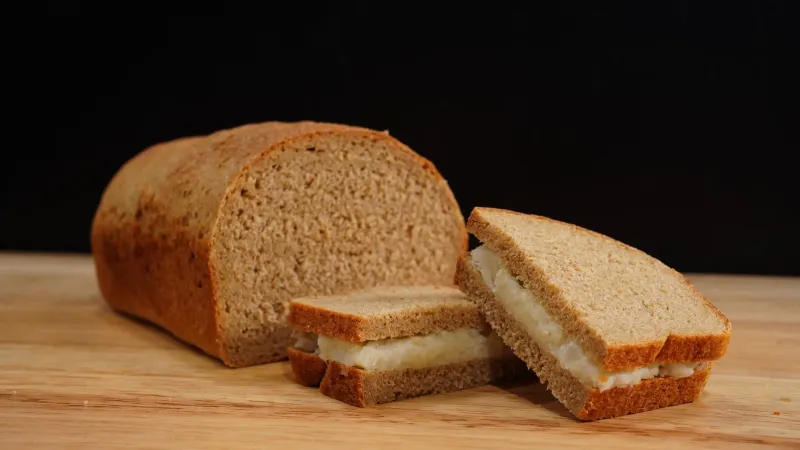
Bananas vanished from British shelves almost entirely during the war, as importing tropical fruit was considered a waste of vital shipping space. To satisfy the craving, the Ministry of Food suggested boiling and mashing parsnips, then flavoring them with banana essence.
Children who had never tasted a real banana reportedly loved it.
It sounds strange, but it worked well enough to keep people happy. This quirky substitution perfectly captures just how creative and determined wartime cooks had to be to keep morale up at the table.
12. Acorn Coffee
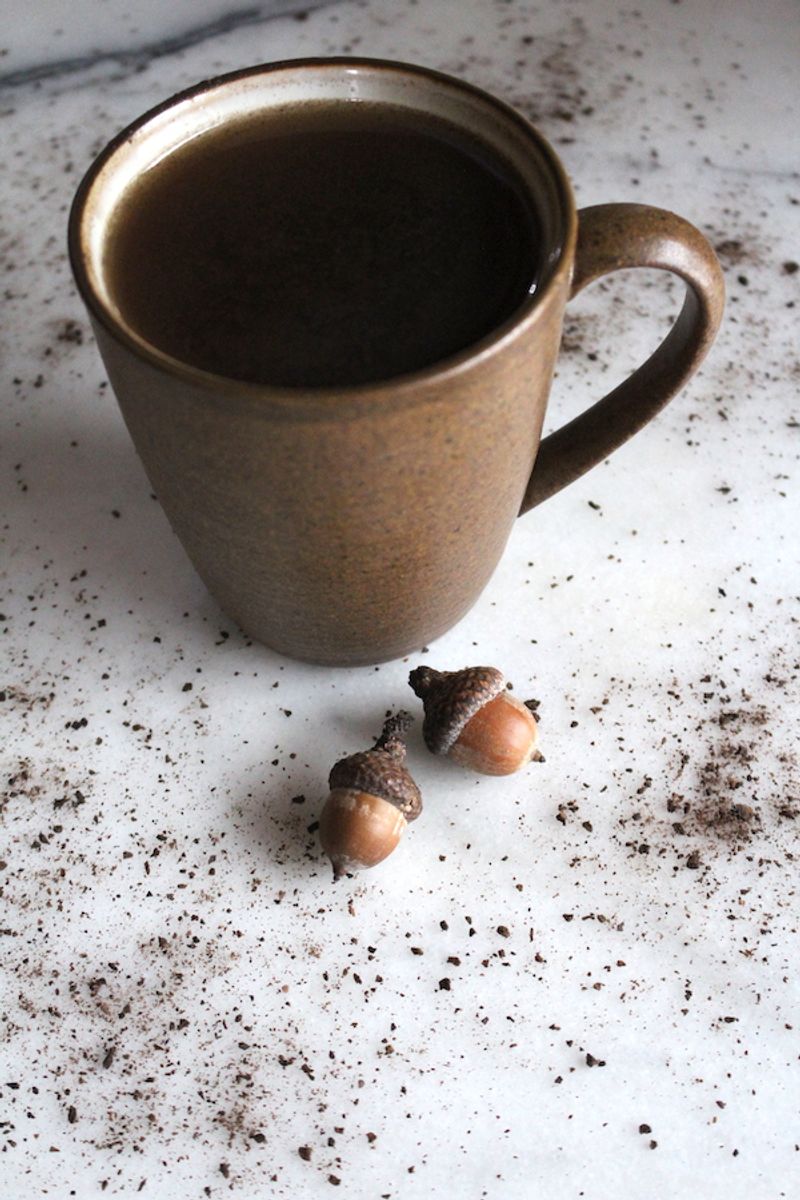
Real coffee became scarce during the war, especially in Europe, where supply chains were devastated. Resourceful people turned to roasted acorns as a caffeine-free substitute.
The acorns were dried, roasted until dark, then ground and brewed much like regular coffee grounds. The result had a nutty, earthy flavor.
Acorn coffee had actually been used in earlier centuries during times of famine, so the idea was not entirely new. Wartime brought it back out of necessity, reminding people that nature could provide when supply chains failed.
13. Dandelion Salad
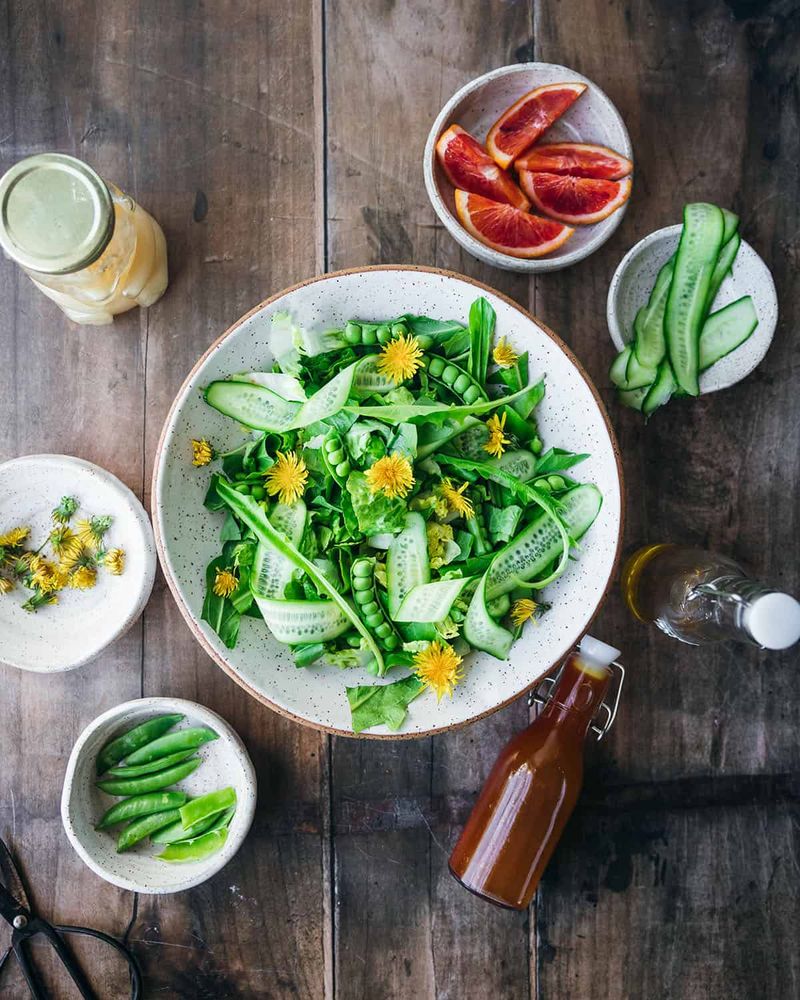
Most people today see dandelions as lawn pests, but during World War II, they were a free and nutritious food source. Dandelion greens are packed with vitamins A, C, and K, making them surprisingly healthy for a weed.
Foragers simply picked them from fields and roadsides, washed them, and tossed them into salads.
The greens have a slightly bitter taste, similar to arugula. Wartime cooks often balanced that bitterness with a simple vinegar dressing or mixed them with milder vegetables to create a more palatable dish.
14. Mock Goose Made with Lentils
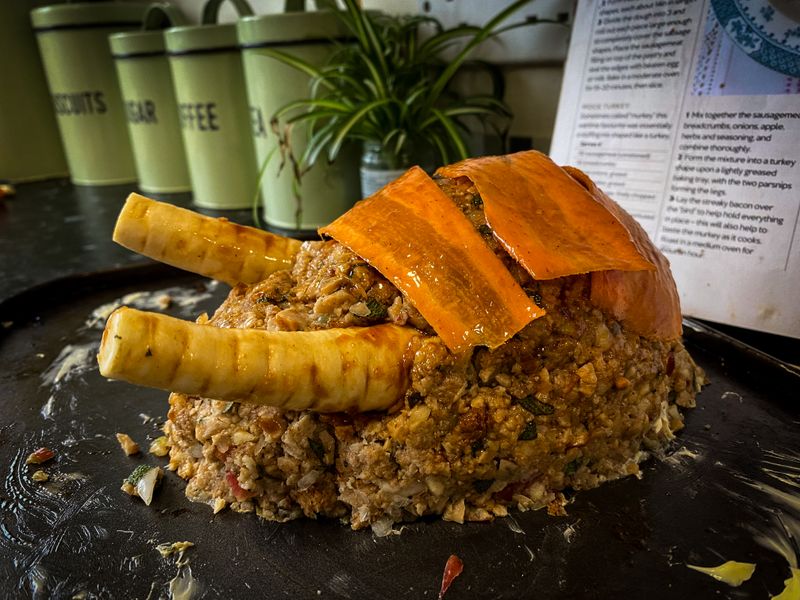
Roast goose was a traditional holiday centerpiece in Britain, but wartime rationing made real poultry nearly impossible to obtain for most families. Cooks turned to lentils, seasoning and shaping them into a loaf that mimicked the look and feel of a roasted bird.
Sage, onion, and gravy helped sell the illusion.
Mock goose may sound laughable now, but it shows how deeply people wanted to hold onto familiar traditions even in hard times. The dish kept holiday meals feeling special when real meat simply was not an option.
15. Soya Bean Fudge
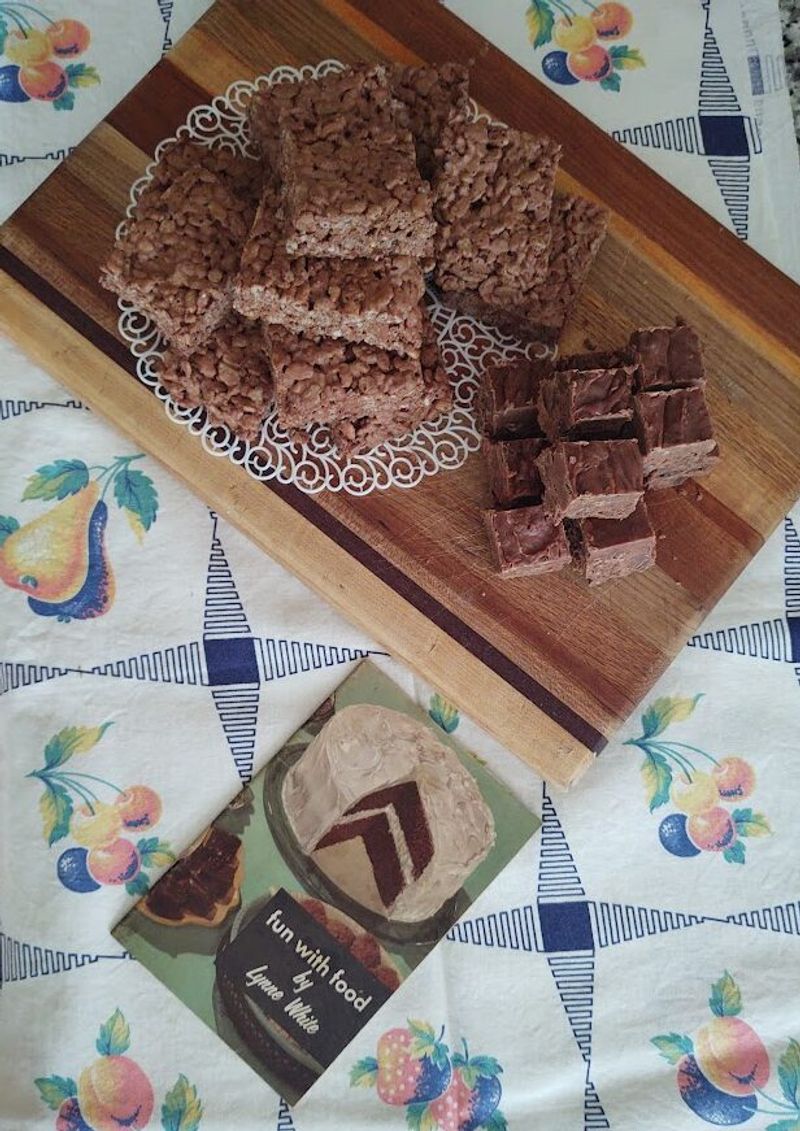
Sweet treats were hard to come by with sugar rationing in place, but soya bean fudge offered a clever workaround. Made from soy flour, margarine, and a small amount of sugar or sweetener, this protein-rich dessert gave people a little sweetness without breaking ration rules.
It had a dense, slightly grainy texture.
Soy-based foods were promoted heavily by wartime governments as nutritious alternatives to meat and dairy. Soya bean fudge may not sound glamorous, but for someone craving something sweet, it was a genuine treat worth savoring.
16. Canned Snoek
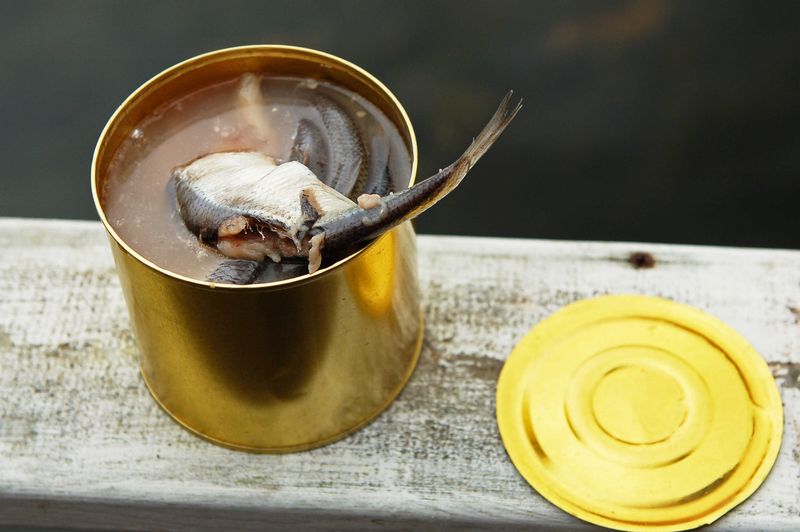
Snoek is a long, oily fish native to South African and Australian waters, and most British people had never heard of it before the war. When protein shortages grew critical, the British government imported massive quantities of canned snoek and urged citizens to eat it enthusiastically.
The public was far less enthusiastic.
Despite government-sponsored recipe leaflets showing how to make snoek pate and snoek fritters, most Britons found the fish too strong and oily for their taste. It remains one of the more memorable wartime food failures in British history.
17. Carrot Marmalade
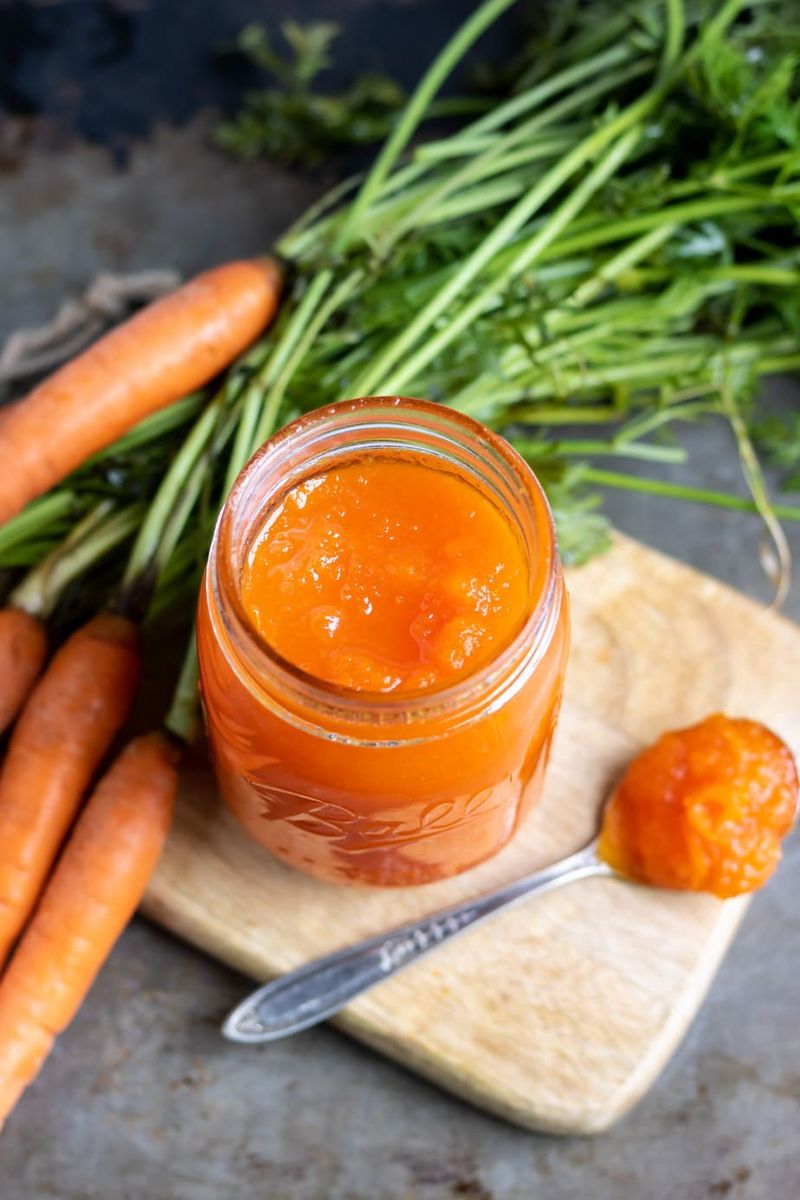
With oranges and other citrus fruits nearly impossible to import during wartime, traditional marmalade became a luxury. Thrifty cooks discovered that grated carrots simmered with a small amount of sugar, lemon juice, and citrus peel produced a surprisingly tasty spread.
The carrots added natural sweetness and a beautiful orange color.
Carrot marmalade was promoted by the British Ministry of Food as a smart way to use an abundant homegrown crop. Spread on toast in the morning, it brought a small but meaningful moment of normalcy to difficult wartime breakfasts.
18. Woolton Pie
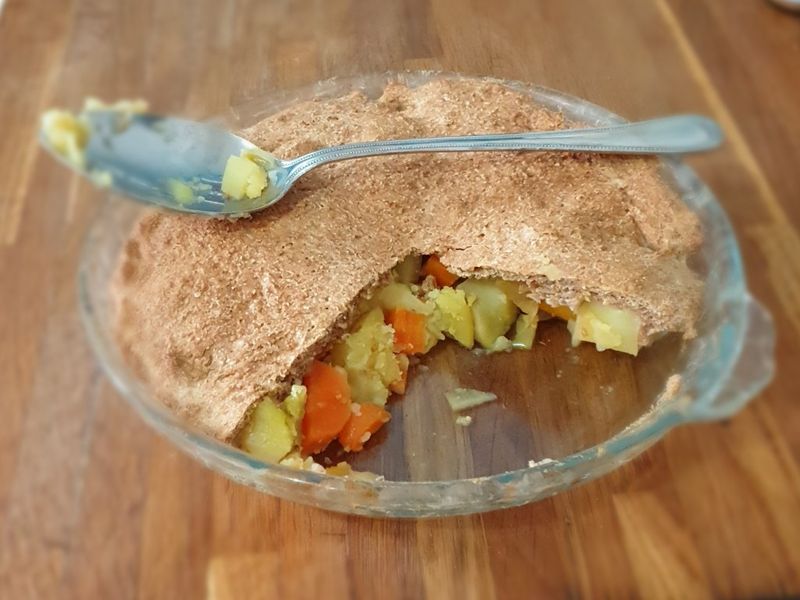
Named after Lord Woolton, Britain’s wartime Minister of Food, this vegetable pie became the unofficial dish of home-front Britain. Packed with whatever root vegetables were available, such as carrots, turnips, parsnips, and potatoes, it was filling, economical, and required no meat at all.
A rolled oat crust topped the whole thing off.
The pie was actively promoted by the government through cookbooks and radio programs. It was not exactly beloved, but it kept millions of people fed and became one of the most recognizable symbols of British wartime cooking.