
Some TV characters are supposed to be the heroes of their stories, but not everyone cheers them on. Whether it’s constant whining, bad decisions, or just plain selfishness, certain lead characters have a way of getting under viewers’ skin.
Fans kept watching their favorite shows despite these characters, not always because of them. Here’s a look at TV leads that secretly drove audiences a little crazy.
1. Ted Mosby from How I Met Your Mother
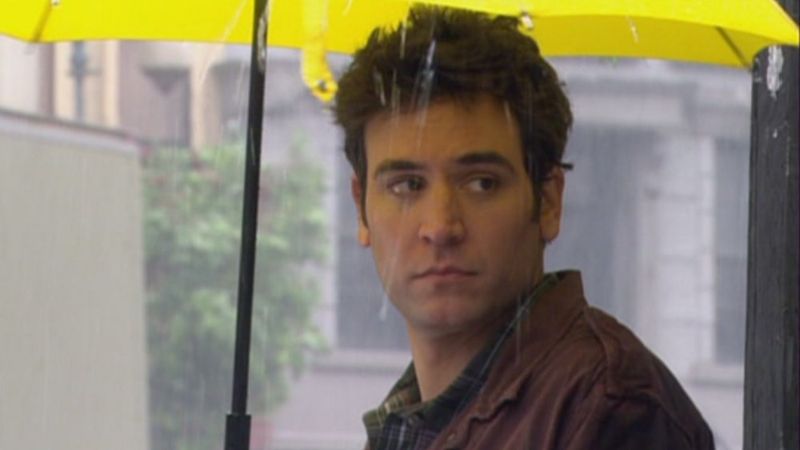
Ted Mosby spent nine whole seasons telling his kids a story that could have been wrapped up in one. His romantic idealism sounded sweet at first, but quickly turned exhausting.
Every relationship was treated like the love of his life, and viewers grew tired of the emotional rollercoaster.
He had a habit of making everything about himself, even during his friends’ big moments. Fans of the show often admitted they liked the supporting cast far more than Ted himself.
2. Piper Chapman from Orange Is the New Black
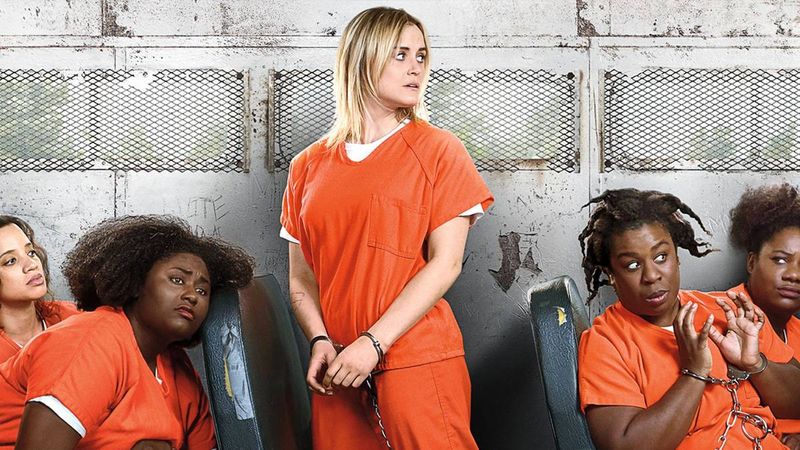
Piper Chapman had one of the most fascinating settings on television around her, yet somehow made it all about herself. Orange Is the New Black was packed with deeply compelling inmates whose stories deserved more screen time.
Instead, Piper’s privileged attitude and constant victimhood took center stage. Fans openly admitted they found her the least interesting person in Litchfield.
It became a running joke that the show improved every time she stepped aside and let someone else shine.
3. Meredith Grey from Grey’s Anatomy
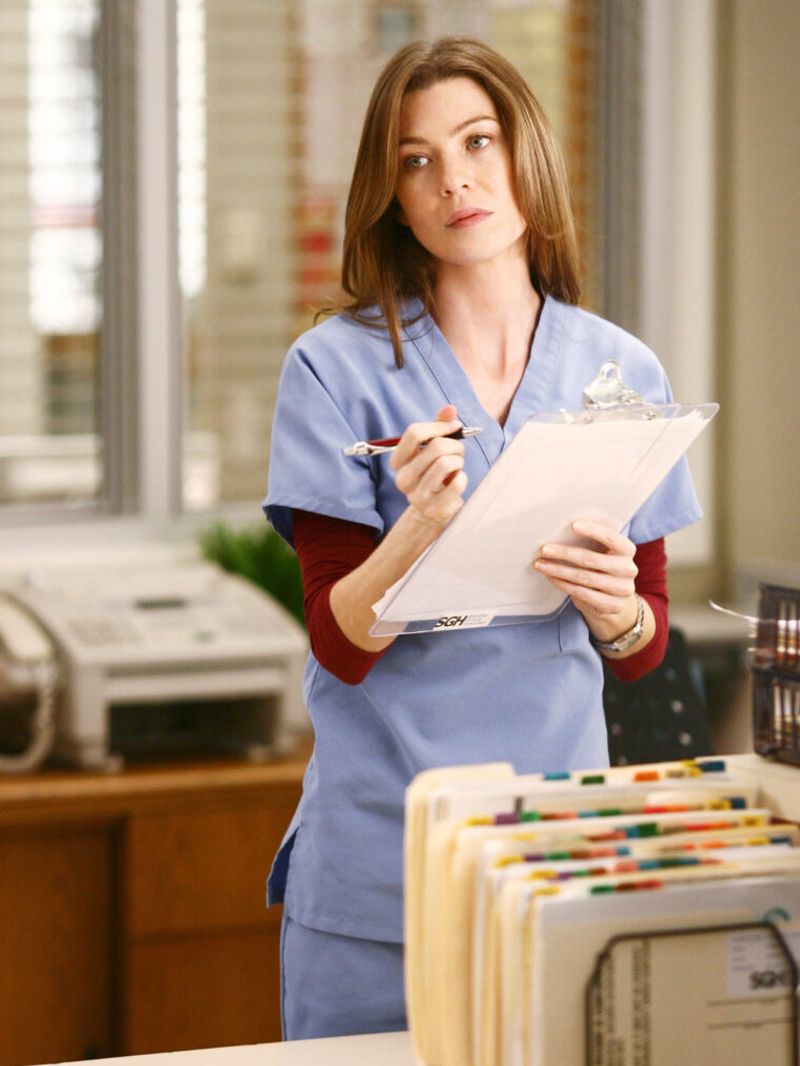
Grey’s Anatomy has survived for over 19 seasons, but Meredith Grey’s endless personal crises have tested many fans’ patience. Her dark and twisty personality was charming early on, but years of catastrophic bad luck made her feel like a drama magnet rather than a relatable protagonist.
Colleagues around her constantly suffered because of decisions tied to her storylines. Still, viewers kept tuning in, largely for the side characters and shocking medical cases rather than Meredith’s latest emotional spiral.
4. Elena Gilbert from The Vampire Diaries
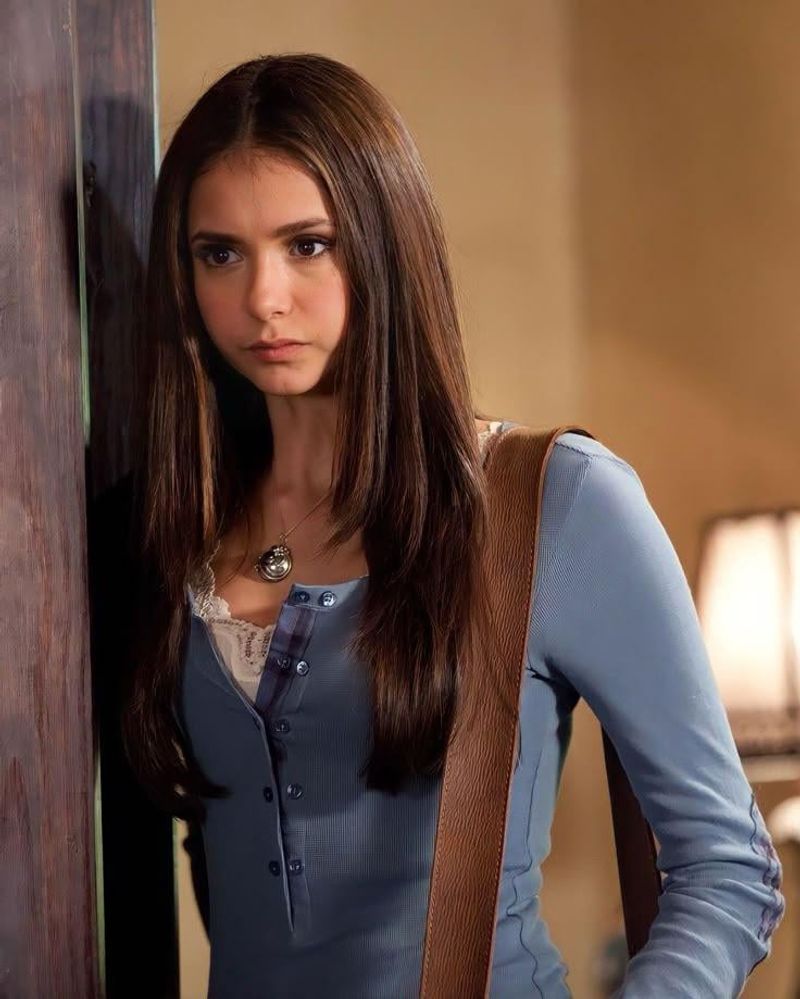
For a character surrounded by supernatural danger, Elena Gilbert spent a surprising amount of time agonizing over which vampire brother she liked more. The love triangle between her, Stefan, and Damon became one of the most drawn-out storylines in teen drama history.
Viewers who wanted action and mythology often felt dragged down by her indecision. Many fans admitted that once Elena left the show, the storytelling actually picked up speed and felt more adventurous than it had in years.
5. Ross Geller from Friends
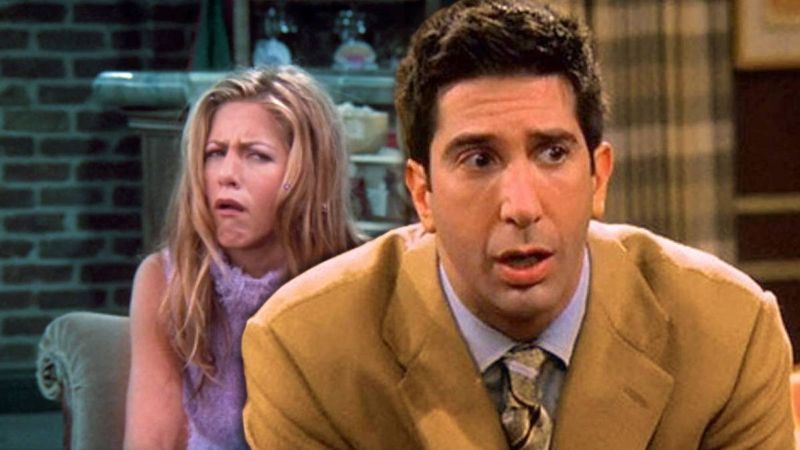
Ross Geller is technically one of the six main characters on Friends, but he often felt like the one everyone tolerated rather than loved. His obsession with Rachel, his bruised ego, and his constant need to be the smartest person in the room grew old fast.
The “we were on a break” argument became iconic not because it was romantic, but because it was exhausting. Ross had genuinely funny moments, yet his jealousy and pettiness overshadowed them more often than not.
6. Skyler White from Breaking Bad
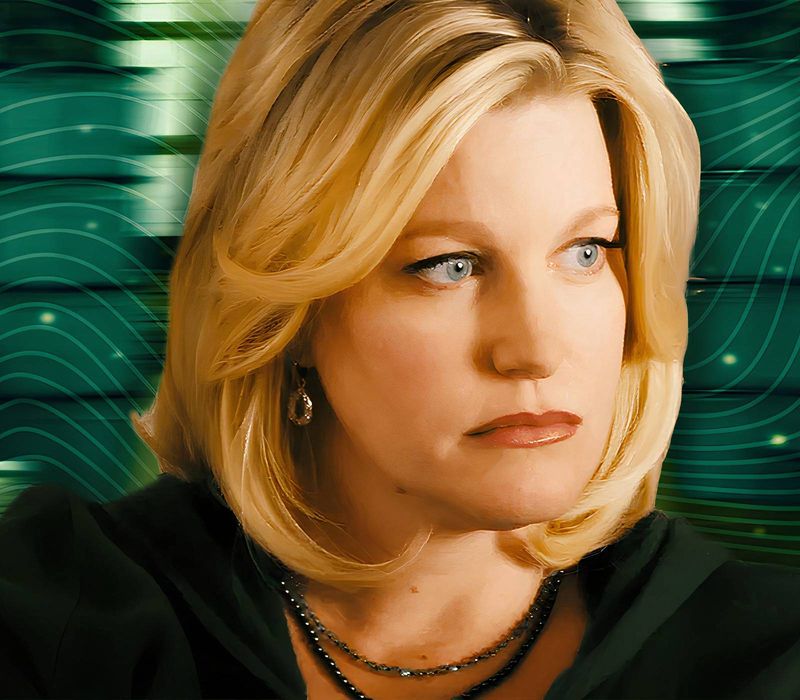
Skyler White had every logical reason to be upset with Walter, yet audiences turned on her anyway. She was one of the few voices of reason in Breaking Bad, trying to protect her family from a man spiraling into dangerous criminality.
Fans who were swept up in Walter’s antihero appeal often saw Skyler as an obstacle rather than a victim. Looking back, many viewers now recognize she was actually right about everything.
Her treatment by the fandom says a lot about how we root for bad guys.
7. Andrea from The Walking Dead
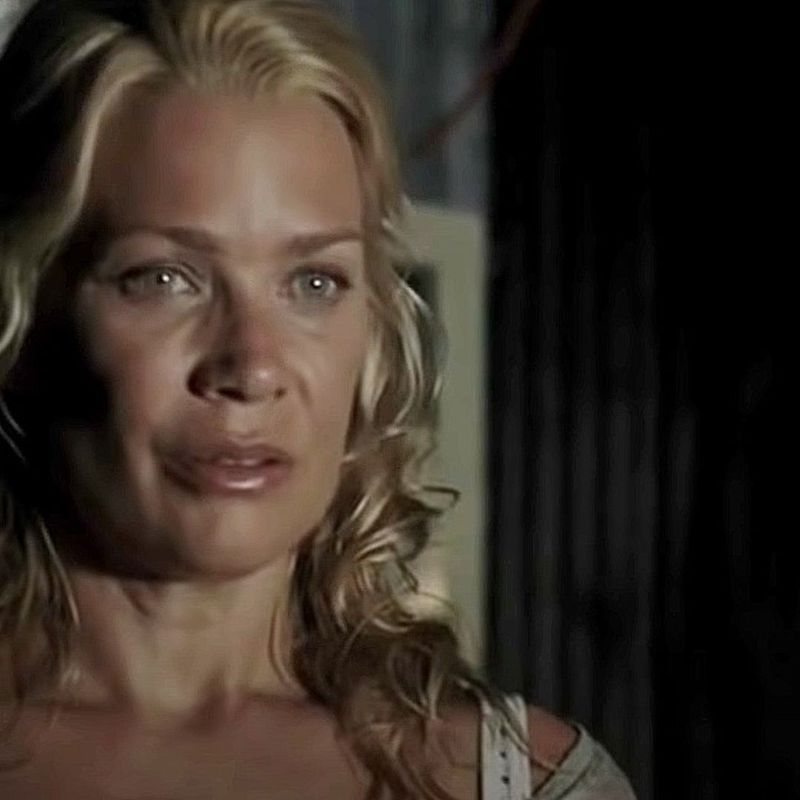
Andrea started The Walking Dead as a character with real potential. She was tough, determined, and showed early signs of becoming a strong survivor.
But somewhere along the way, her storylines veered into frustrating territory filled with poor choices and misplaced trust.
Her alliance with the Governor remains one of the most maddening decisions in the show’s run. Fans who watched her squander chance after chance to escape felt genuinely worn out by her arc, making her eventual fate feel more like a relief than a tragedy.
8. Serena van der Woodsen from Gossip Girl

Serena van der Woodsen was supposed to be the golden girl of Gossip Girl, but her charm wore thin over time. She floated through consequences that would have destroyed anyone else, relying on her looks and social status to reset after every disaster.
Friends, boyfriends, and family members repeatedly suffered because of her impulsive choices, yet Serena rarely faced real accountability. Viewers who noticed this pattern started rooting for practically anyone else in the cast, even the genuinely scheming characters, over the show’s supposed sweetheart.
9. Rory Gilmore from Gilmore Girls
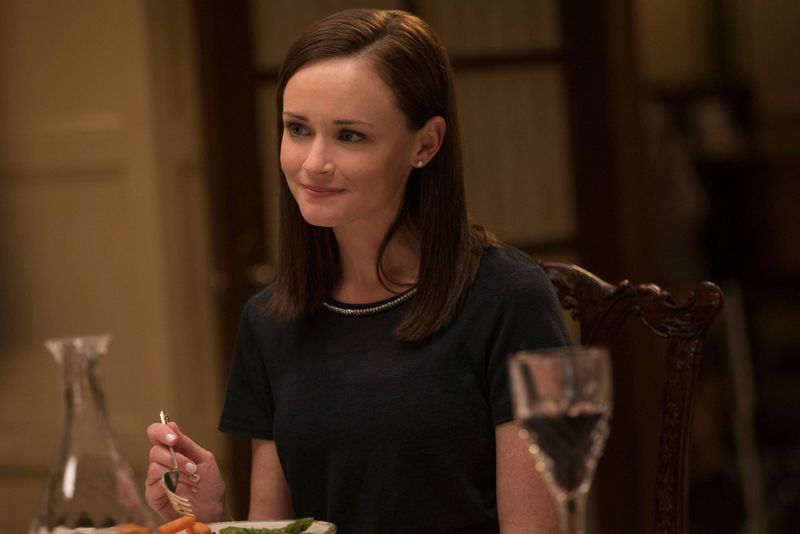
Rory Gilmore was practically a saint in the original Gilmore Girls run, but A Year in the Life revealed a version of her that many fans found hard to defend. She drifted through her 30s without direction, complained about opportunities others would jump at, and carried on an affair without much guilt.
The bookish, driven teenager audiences adored had somehow become someone who leaned heavily on privilege. Her fall from fan favorite to frustrating lead was one of the revival’s most talked-about surprises.
10. Carrie Bradshaw from Sex and the City
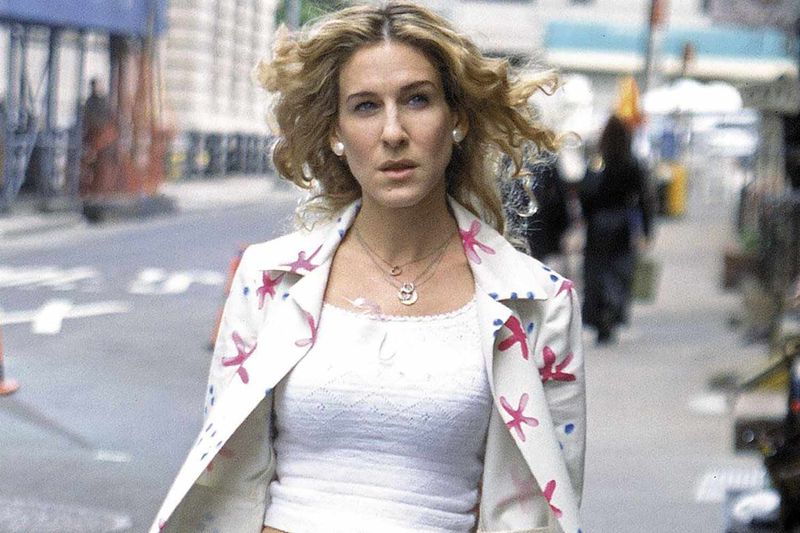
Carrie Bradshaw built a career writing about love and relationships while making almost every romantic mistake imaginable. She treated Big like a project, sabotaged Aidan twice, and frequently expected her friends to drop everything for her emotional crises.
The show framed her as a romantic idealist, but rewatching it reveals someone who rarely took responsibility for her own chaos. And Just Like That brought back many of the same patterns, reminding fans exactly why Carrie was always the most complicated person to root for.
11. Jack Shephard from Lost
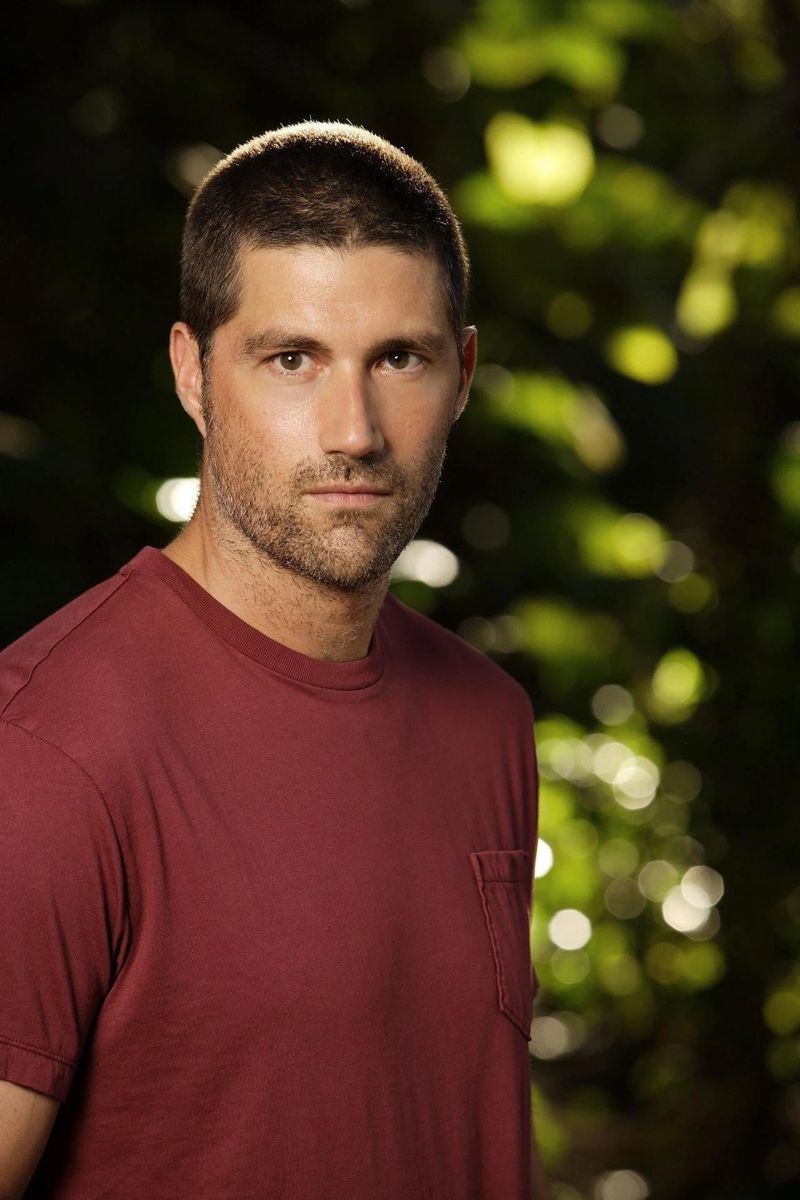
Jack Shephard was Lost’s default hero, but his need to fix everything often made things worse. He carried the emotional weight of the island on his shoulders and made sure everyone around him knew it.
His fix-it instincts came from a genuine place, but the execution was often stubborn and tunnel-visioned.
Sawyer fans especially found Jack’s leadership style grating. The show itself seemed aware of this tension, giving him some of the most frustrating decisions of any character in the series.
12. Rachel Berry from Glee
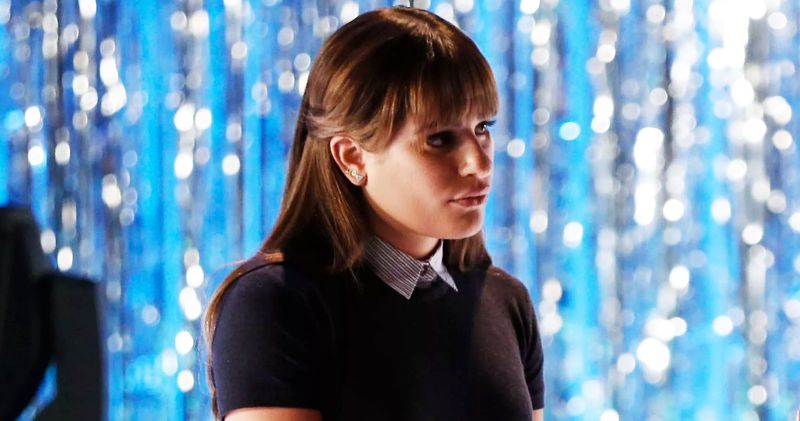
Rachel Berry was undeniably talented, and Glee made sure she never forgot it. Her relentless ambition pushed her to the top, but it also steamrolled every person who stood in her way.
Teammates, friends, and rivals all felt the impact of her single-minded pursuit of stardom.
What made her particularly grating was how she framed her selfishness as passion. Audiences respected her drive but often cringed at her behavior.
The show tried to soften her edges over time, though not always successfully.
13. Lucas Scott from One Tree Hill
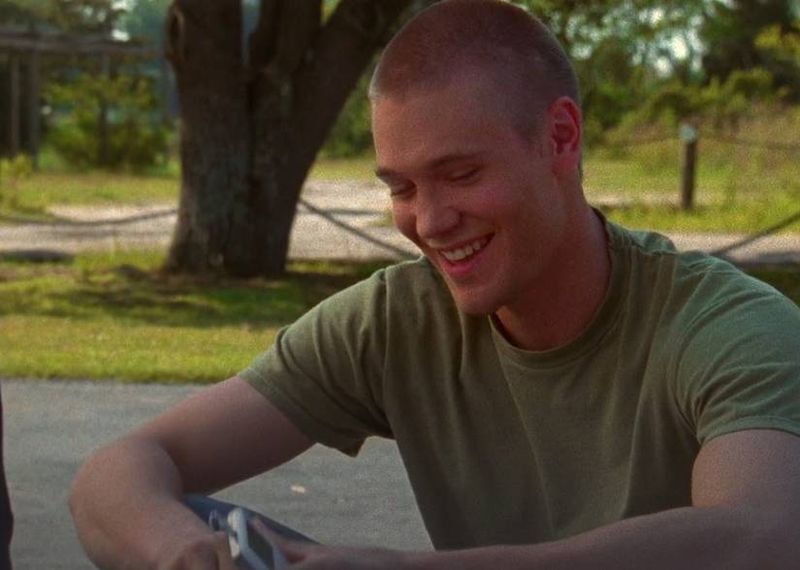
Lucas Scott narrated One Tree Hill like a philosopher-poet, which was either deeply moving or deeply eye-roll-inducing depending on your patience level. His brooding voiceovers and moral speeches gave the show much of its signature style, but they also made him come across as self-important.
He had a knack for judging other characters while making questionable choices of his own. Fans who loved the show’s emotional depth often did so in spite of Lucas, not because of him, gravitating toward Nathan or Haley instead.
14. Clay Jensen from 13 Reasons Why

13 Reasons Why tackled heavy subjects, and Clay Jensen was at the center of all of it. The problem was that his self-righteous attitude and habit of ignoring other people’s boundaries made him difficult to sympathize with, even when he was clearly suffering.
He made reckless decisions that put people around him in danger while still positioning himself as the moral compass of every situation. Viewers who connected with the show’s themes often wished a different character had been given the lead role.
15. Dan Humphrey from Gossip Girl
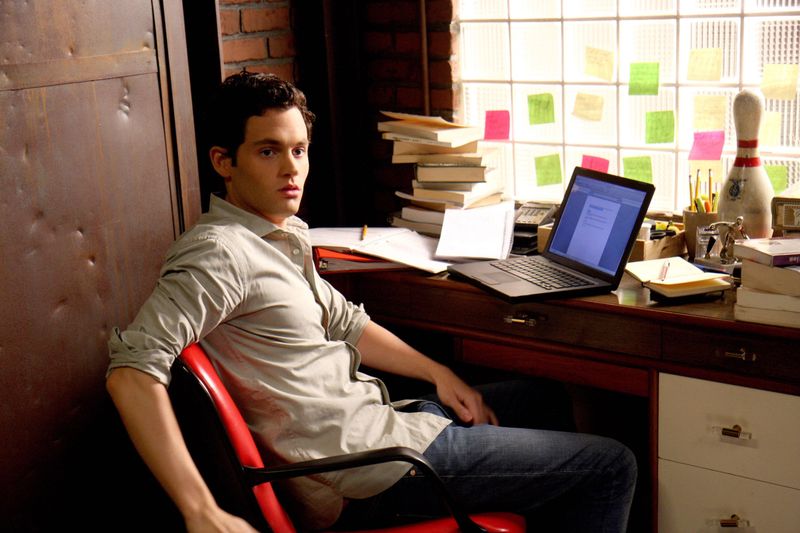
Dan Humphrey spent most of Gossip Girl presenting himself as the outsider with integrity, the Brooklyn kid who saw through the Upper East Side’s fakery. The reveal that he was Gossip Girl all along reframed every judgmental blog post as a calculated act of manipulation.
He weaponized other people’s secrets while maintaining an air of moral superiority. Looking back at his behavior through that lens made fans realize his outsider charm had been masking something far more calculating the entire time.
16. Don Draper from Mad Men
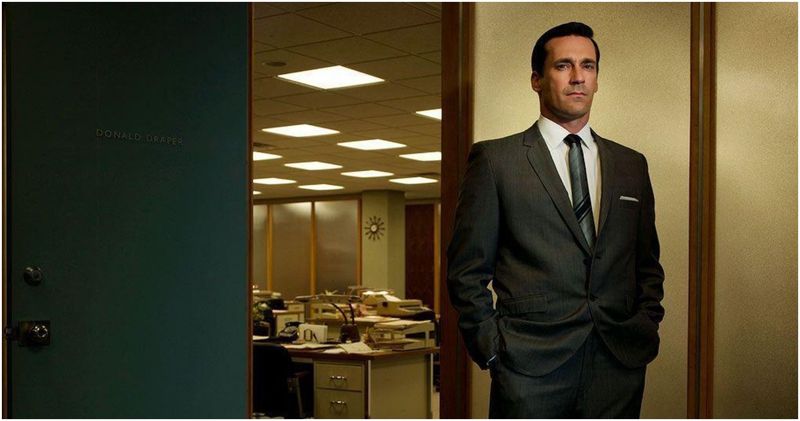
Don Draper was brilliant at his job and absolutely terrible at being a human being. Mad Men built him as a complicated antihero, and the show deserves credit for never fully letting him off the hook.
But watching him destroy every relationship in his life through dishonesty and emotional unavailability got exhausting.
His charisma made it easy to forgive him at first. Over time, though, the pattern became undeniable.
Don never really changed, and fans who hoped for growth were left with a beautifully crafted portrait of someone choosing self-destruction again and again.
17. Dawson Leery from Dawson’s Creek
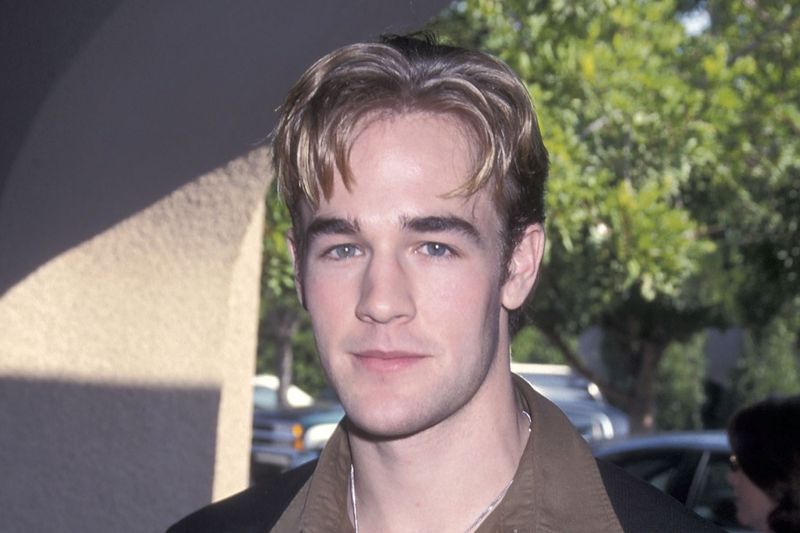
Dawson Leery had big dreams, a bigger ego, and an even bigger tendency to make every situation about himself. The whole town of Capeside seemed to revolve around his feelings, and viewers noticed pretty quickly.
His constant need for validation wore thin fast.
He treated the people around him like supporting characters in his own personal film. When Pacey and Joey got together, Dawson’s reaction made him even harder to sympathize with.
His self-pity was practically a character trait on its own.
Fans of the show often admitted they watched despite Dawson, not because of him.
18. Hannah Baker from 13 Reasons Why
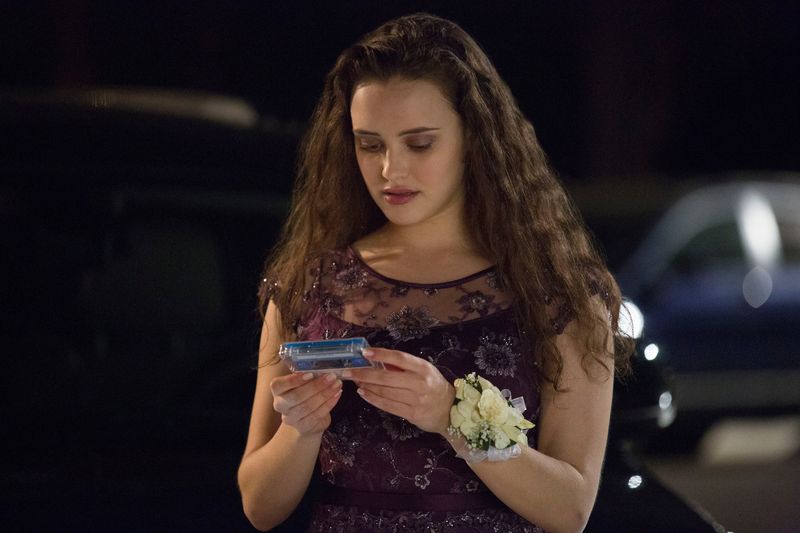
Hannah Baker was positioned as the emotional center of an entire series, but many viewers found her portrayal deeply frustrating rather than relatable. The show framed her story in a way that felt manipulative to some audiences, and that disconnect was hard to ignore.
Her recorded tapes placed heavy blame on those around her in ways that made viewers uncomfortable rather than empathetic. Some felt the narrative rewarded her perspective without enough balance or nuance.
Critics and fans alike questioned whether the show truly honored its subject or simply used it for dramatic effect season after season.