
Marvel Comics has always taken big creative risks, but sometimes those risks land with a thud. Over the decades, writers have completely changed beloved characters, only to face a wall of angry fans pushing back hard.
Whether it was erasing a marriage, switching bodies, or turning a hero into a villain, these rewrites left readers furious. Here are 18 times Marvel tried to shake things up and fans made it very clear they were not on board.
1. Spider-Man – The Clone Saga
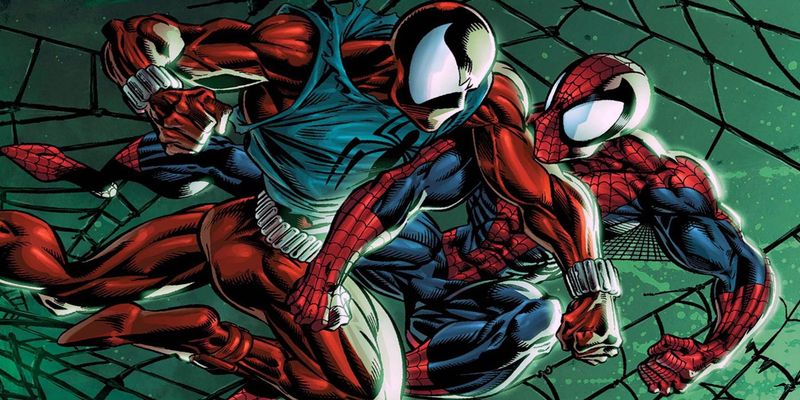
Back in the 1990s, Marvel decided to tell readers that the Spider-Man they had followed for years might actually be a clone. Ben Reilly, the supposed “real” Peter Parker, was set to take over the role permanently.
Fans were furious. The story dragged on for years, confusing readers and damaging trust in the brand.
What started as an interesting idea turned into one of the most criticized storylines in Marvel history, eventually forcing the publisher to reverse course entirely.
2. Spider-Man – One More Day
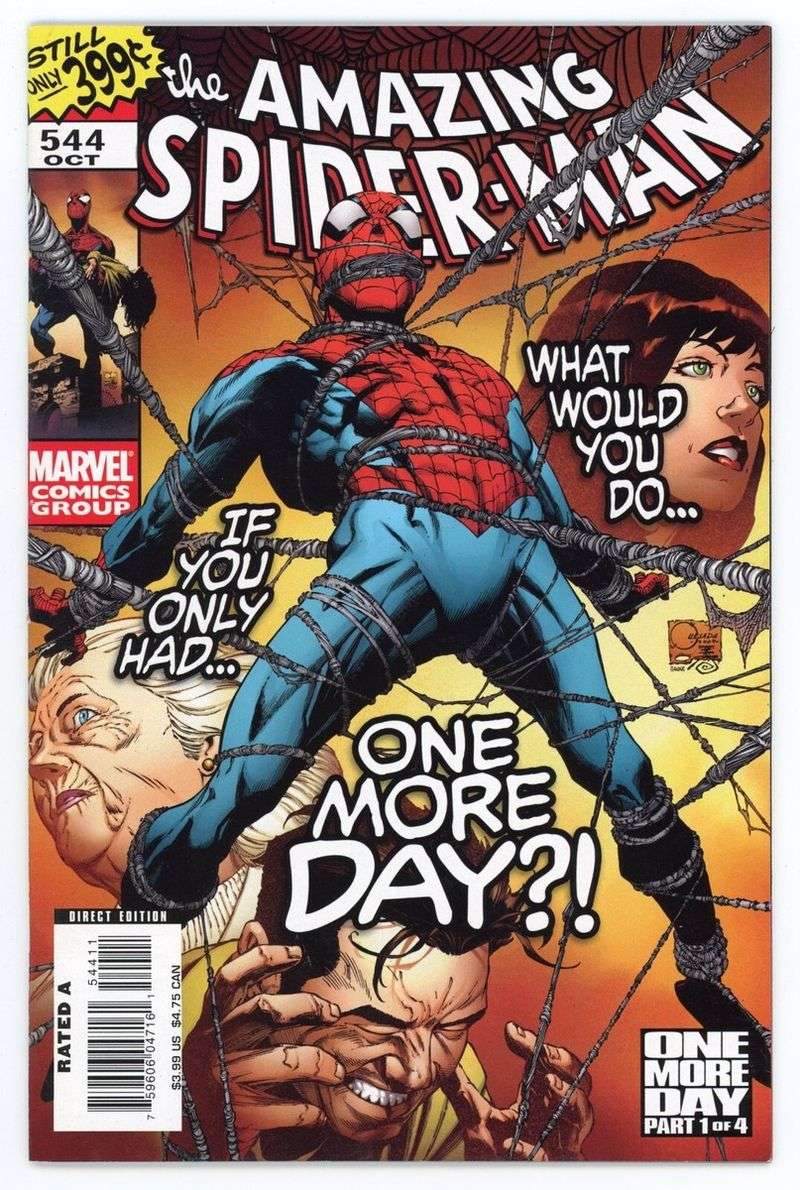
Few storylines have made Marvel fans as angry as “One More Day.” In 2007, Peter Parker made a deal with the demon Mephisto to save Aunt May’s life, and the cost was his entire marriage to Mary Jane Watson.
Years of storytelling were wiped out in one issue. Critics and fans called it the worst Spider-Man story ever printed.
Even acclaimed author George R.R. Martin weighed in with disapproval.
The backlash was so intense it is still talked about today.
3. Spider-Man – Sins Past
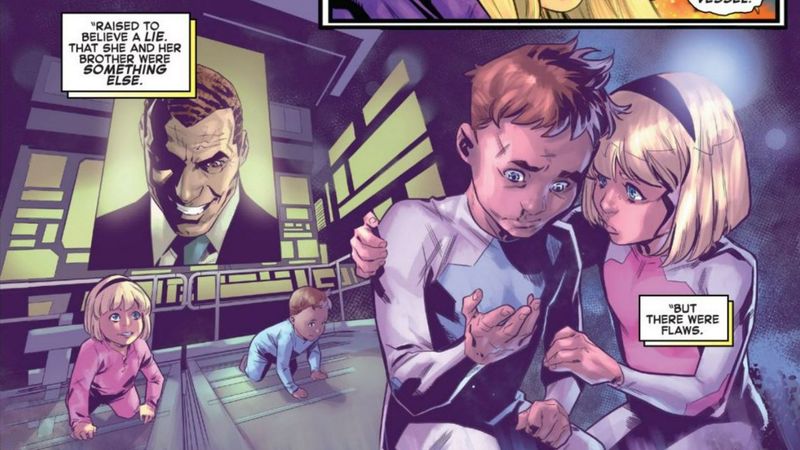
Imagine finding out your favorite character had a secret double life that completely contradicts everything you knew about her. That is exactly what “Sins Past” did to Gwen Stacy in 2004.
The story revealed she had an affair with Norman Osborn and secretly gave birth to twins who aged at a super-fast rate. Fans were horrified.
The revelation felt disrespectful to a beloved character. Marvel eventually retconned it out of existence, and readers were genuinely relieved to see it go.
4. Spider-Man – Chapter One by John Byrne
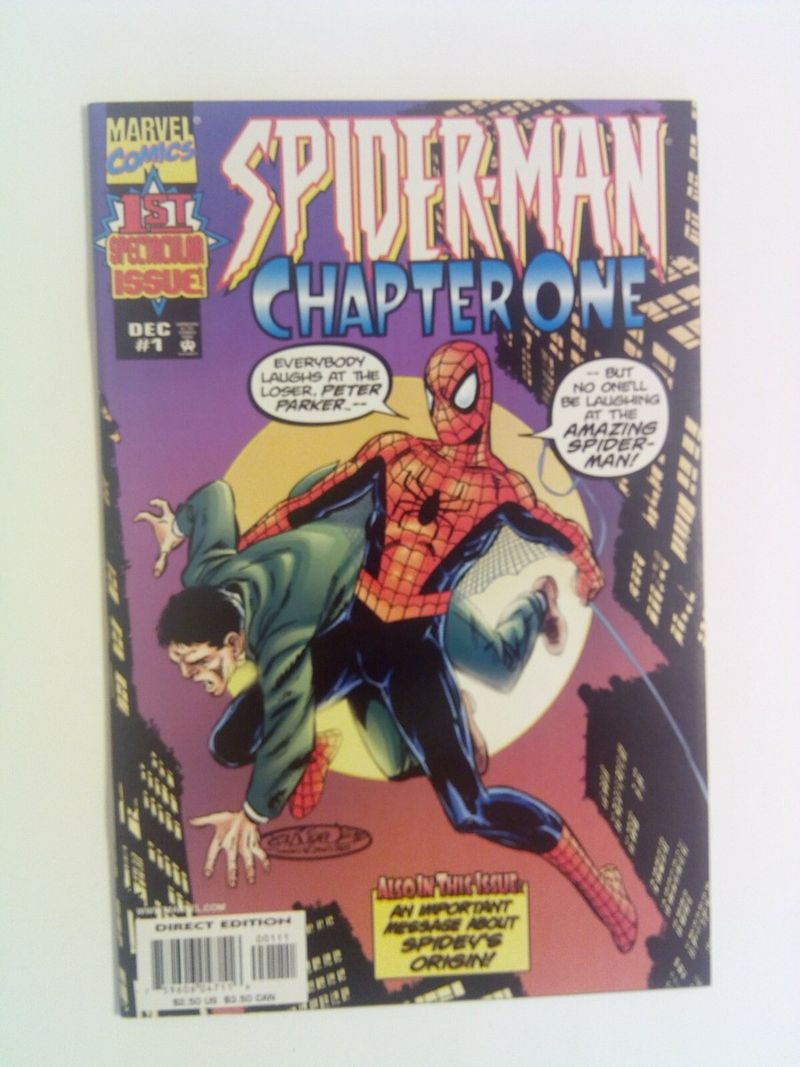
Retelling a classic origin story is always risky, but John Byrne’s “Spider-Man: Chapter One” showed just how badly it could go wrong. Released in the late 1990s, the series tried to modernize and re-tell how Peter Parker became Spider-Man.
Fans were not impressed. Critics described the project as a collection of bad ideas stacked on top of each other.
Many readers walked away from Spider-Man comics entirely because of it. The series became a cautionary tale about unnecessary tinkering with iconic origins.
5. Spider-Man – Superior Spider-Man
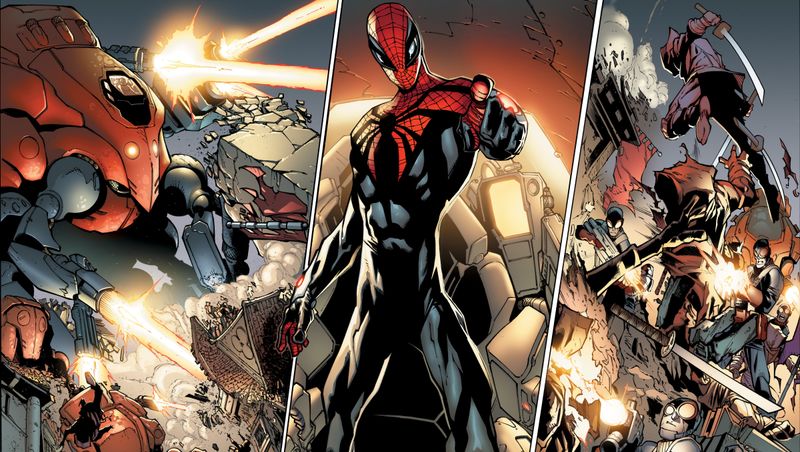
Doctor Octopus swapping minds with Peter Parker and then dying in Pete’s old body sounds like a wild fever dream, but Marvel actually published it in 2013. Otto Octavius became the Superior Spider-Man, running around as a hero while acting completely unlike Peter.
Fans were deeply unsettled. The most frustrating part was watching other heroes completely fail to notice something was off.
Many readers felt the storyline disrespected years of character development and called it a period that nearly broke their love for the character.
6. Captain America – Hydra Agent in Secret Empire
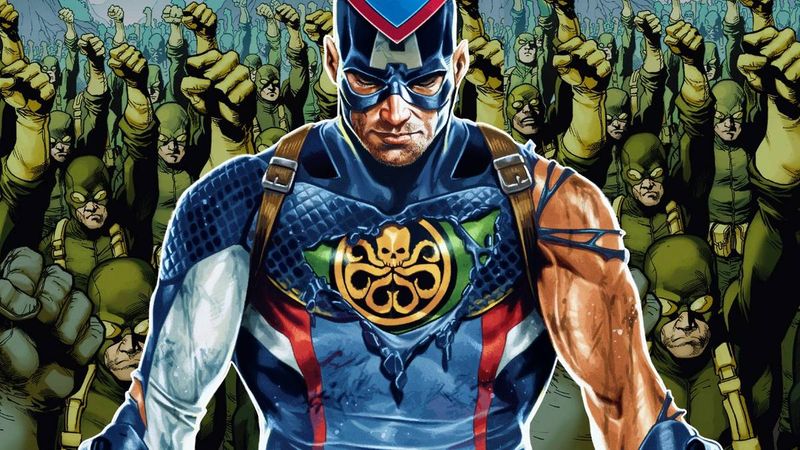
Turning Captain America into a Hydra sleeper agent was perhaps the boldest and most controversial creative choice Marvel made in the 2010s. The 2017 “Secret Empire” storyline revealed Steve Rogers had secretly been a Hydra loyalist his whole life, thanks to a reality-altering Cosmic Cube.
The backlash was immediate and massive. Since Hydra is widely associated with Nazis, fans felt Marvel had betrayed a character who literally punched Hitler on a comic cover.
The shockwaves rippled through the entire comic industry for months.
7. Scarlet Witch and Quicksilver – Not Magneto’s Children
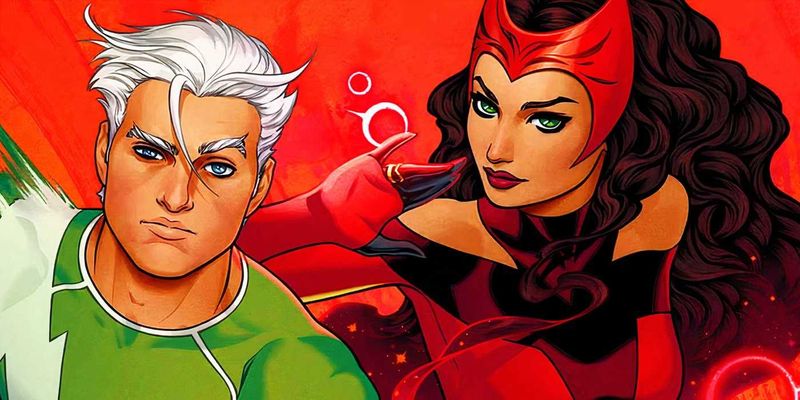
For decades, Scarlet Witch and Quicksilver being Magneto’s children was one of Marvel’s most emotionally loaded family dynamics. That history made their stories richer and their conflicts with their father deeply personal.
Then in 2015, a retcon revealed they were not his biological children at all, nor were they even mutants. The High Evolutionary had altered them genetically.
Fans felt blindsided. Years of emotional storytelling were essentially erased overnight, and the characters lost a defining piece of their identities without any satisfying replacement.
8. Iceman – Outed by Jean Grey
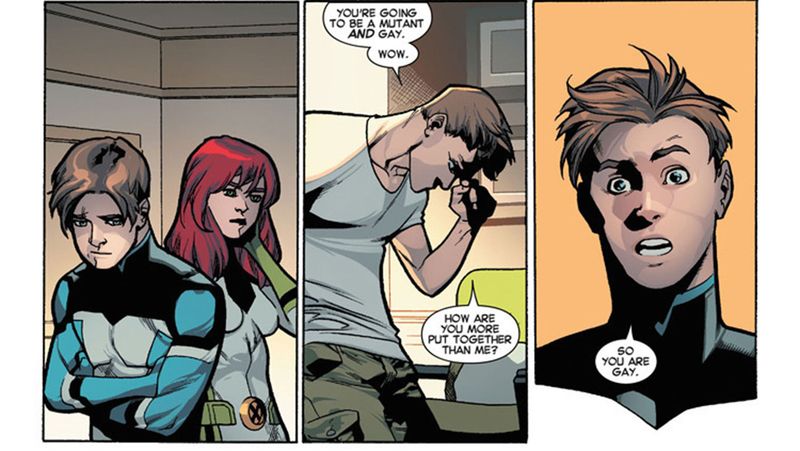
When the teenage version of Bobby Drake was outed as gay by Jean Grey reading his mind without permission, the reaction from fans was complicated. Many celebrated the representation, but the execution bothered a significant portion of readers.
The bigger issue was consistency. Adult Bobby had dated women for decades, and the storyline never fully addressed that contradiction in a satisfying way.
Critics also pointed out that having someone else forcibly reveal a person’s sexuality sent a problematic message, regardless of the story’s good intentions.
9. Iron Man – The Crossing and Teenage Tony Stark
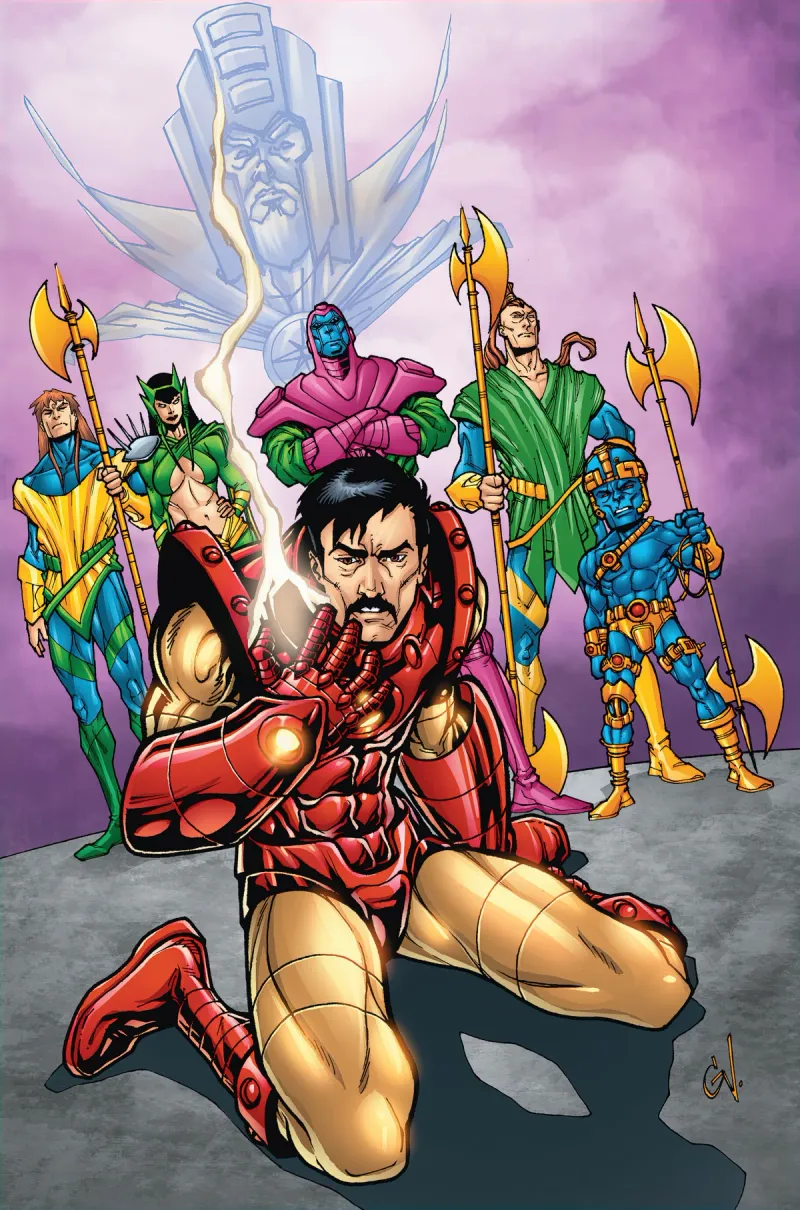
The 1996 “Crossing” storyline dropped a bombshell: Iron Man had secretly been working for the time-traveling villain Kang the Conqueror all along. To fix the mess, Marvel brought in a teenage alternate-universe Tony Stark to replace him.
Readers reacted with flat-out disbelief. Decades of heroism were casually tossed aside for a storyline that felt rushed and poorly thought out.
Marvel quietly abandoned the whole thing not long after, which told readers everything they needed to know about how well it had landed.
10. Iron Man – Superior Iron Man
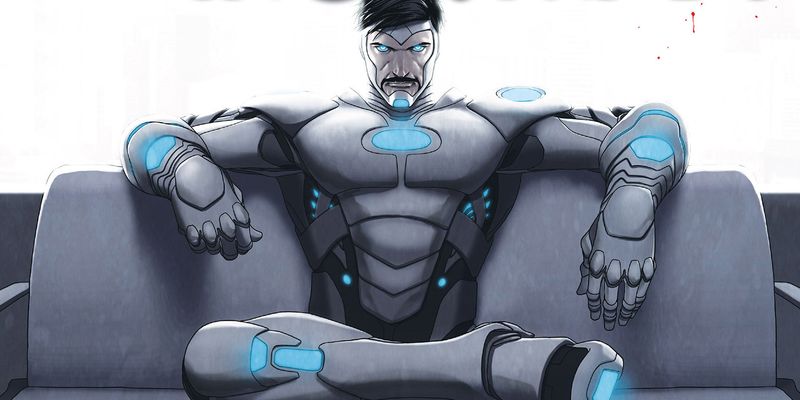
After a moral inversion event scrambled the ethics of several heroes, Tony Stark emerged as a selfish, manipulative version of himself called Superior Iron Man. He turned a cure for a disease into a subscription service.
Yes, really.
Some readers found the concept thought-provoking, but most felt it was a lazy heel turn that did not fit the character they had grown to love. The shift felt more like a stunt than genuine storytelling, and the inverted Tony never quite won the crowd over.
11. Ms. Marvel – MCU Powers and Origin Change
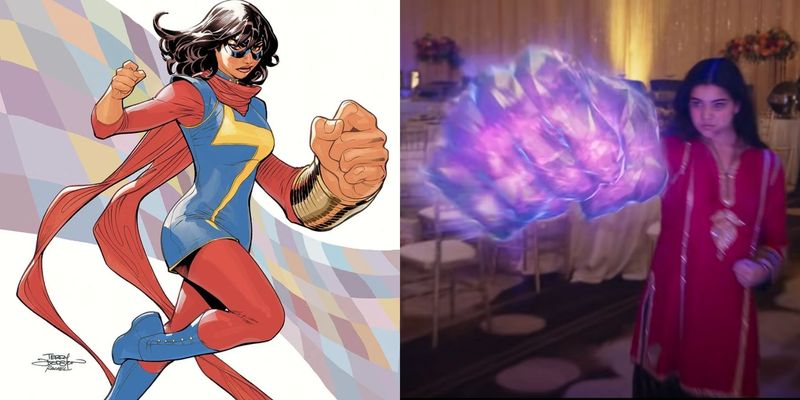
Kamala Khan’s stretchy embiggening powers are a core part of who she is in the comics. So when the Disney+ series swapped them out for glowing light constructs and changed her origin from Inhuman to mutant, fans felt the heart of the character had been altered.
The reaction was mixed at best and outright disappointed at worst. Many felt the changes were unnecessary and stripped away what made Kamala unique.
It stung even more when the comics later quietly updated her origin to match the MCU version.
12. Nightcrawler – Azazel Revealed as His Father
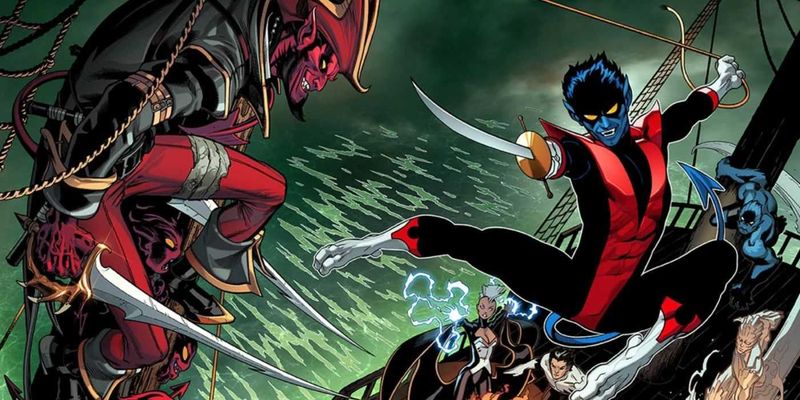
Nightcrawler has always been one of the X-Men’s most beloved members, partly because his kind and faithful personality contrasted so beautifully with his devilish appearance. That contrast had real storytelling power rooted in mystery.
Retconning his father as an actual demon named Azazel felt like it broke the spell. The storyline that introduced this change also included a disturbing subplot about Azazel seducing many women across centuries.
Fans thought it added unnecessary dark baggage to a character whose charm came from something far more hopeful and human.
13. Wolverine – Death in Logan (2017 Film)
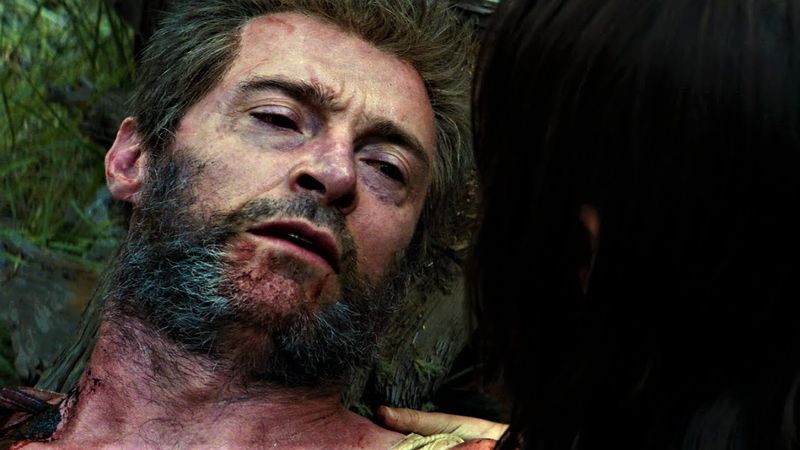
Watching Logan slowly die in the 2017 film was an emotional gut punch for many fans. Hugh Jackman gave a powerful performance, and the movie itself was widely praised.
But not everyone accepted the way it happened.
Wolverine’s whole thing is his healing factor. Watching adamantium poisoning gradually kill him struck some viewers as a convenient plot device that ignored years of established power levels.
The death felt divisive, with half the audience calling it poetic and the other half calling it a stretch they could not get past.
14. Wolverine – Hot Claws After Resurrection
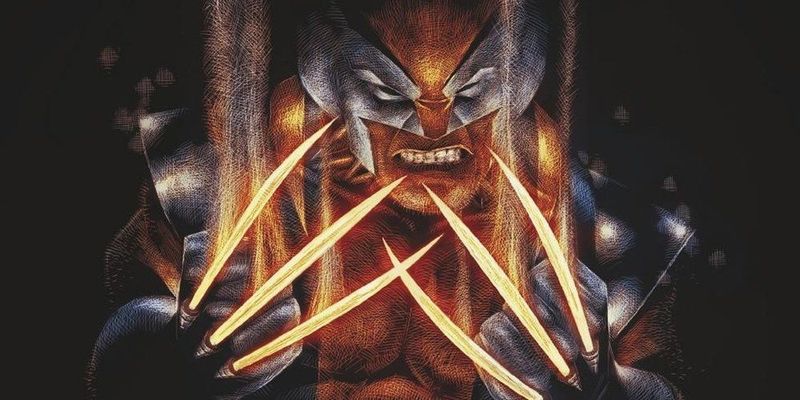
Coming back from the dead is already a big deal, but Marvel decided Wolverine needed a bonus power upgrade to go with his return. After his resurrection, Logan suddenly had “hot claws” that glowed with intense heat.
Fans were not exactly throwing a welcome-back party for this new ability. The power felt random and unnecessary, like someone added a feature nobody asked for.
Wolverine’s iconic adamantium claws were already plenty cool on their own, and most readers agreed the fiery upgrade was a change best forgotten quickly.
15. Jean Grey – Phoenix Force Retcon
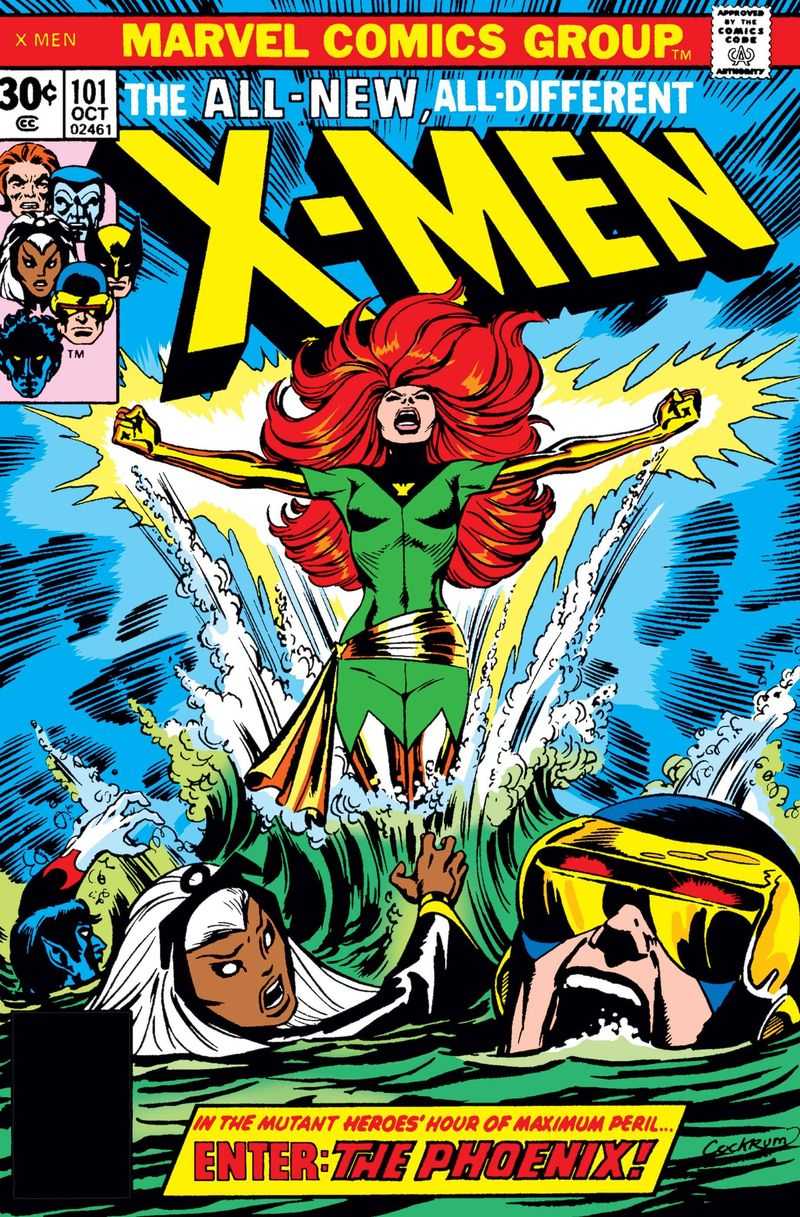
The Dark Phoenix Saga is one of the greatest Marvel stories ever told, largely because Jean Grey’s sacrifice at the end carried real emotional weight. Readers mourned her and felt the loss deeply.
Then Marvel revealed it was never really Jean at all. The cosmic Phoenix Force had simply copied her form while the real Jean slept in a cocoon at the bottom of a bay.
For many fans, that explanation hollowed out the entire saga. A story built on sacrifice suddenly had no sacrifice, which stung in a very specific way.
16. Psylocke – The Body Swap Storyline
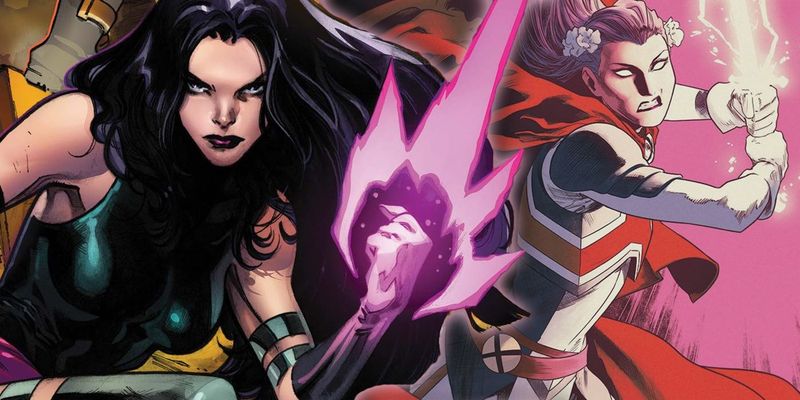
Betsy Braddock started out as a British woman with psychic powers. Then Marvel ran a storyline that placed her mind inside the body of a Japanese ninja named Kwannon, and she stayed that way for decades.
Readers had mixed feelings from the start, and criticism grew over the years as the problematic elements of the swap became harder to ignore. The switch felt like it was driven more by aesthetics than story logic.
Marvel eventually brought Kwannon back in her own body, which many fans considered long overdue and the right call.
17. The Ancient One – Gender and Race Swap in Doctor Strange (MCU)
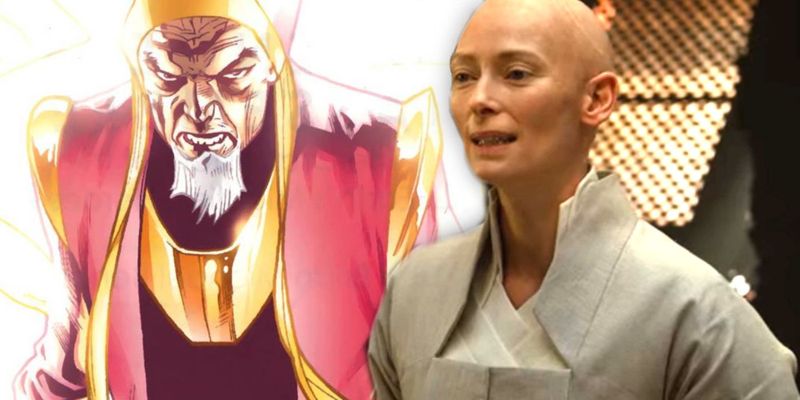
The Ancient One in Marvel Comics is a very old Asian man. When the 2016 Doctor Strange film cast Tilda Swinton, a white British woman, in the role, the controversy was immediate and widespread.
Critics called it whitewashing, plain and simple. Marvel Studios president Kevin Feige later admitted publicly that the decision was a mistake.
The creative team had tried to sidestep one stereotype but ended up creating a different problem entirely. It became one of the most discussed casting decisions in the MCU’s history, and not for flattering reasons.
18. Taskmaster – MCU Origin Change in Black Widow
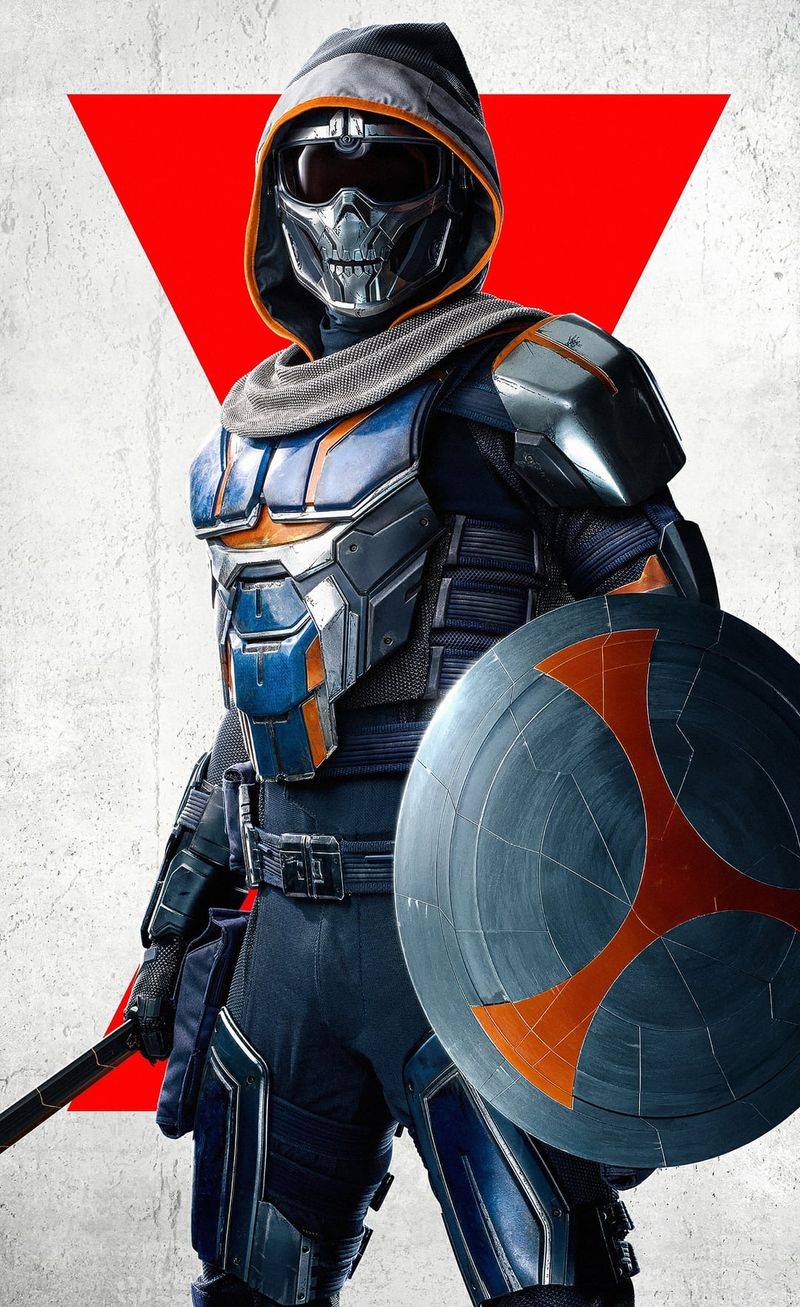
In the comics, Taskmaster is a mercenary with photographic reflexes who can copy any fighting style he watches. He is a fan-favorite villain with a sharp personality and a long history in Marvel stories.
The Black Widow film transformed the character into a brainwashed woman whose abilities came from a procedure performed by her father. The gender swap alone was not the issue, but the removal of the character’s personality and agency left fans cold.
The big reveal fell completely flat, and many viewers felt the MCU had wasted one of Marvel’s most interesting villains.