
Sometimes the best songs are the ones nobody took seriously at first. Rock history is full of tracks that started as pranks, throwaway ideas, or inside jokes — yet somehow ended up topping the charts.
From nonsense lyrics meant to confuse fans to riffs that were just warm-up exercises, these songs prove that great music can come from the most unexpected places. Get ready to hear the hilarious stories behind some of rock’s most beloved hits.
1. D’yer Mak’er by Led Zeppelin
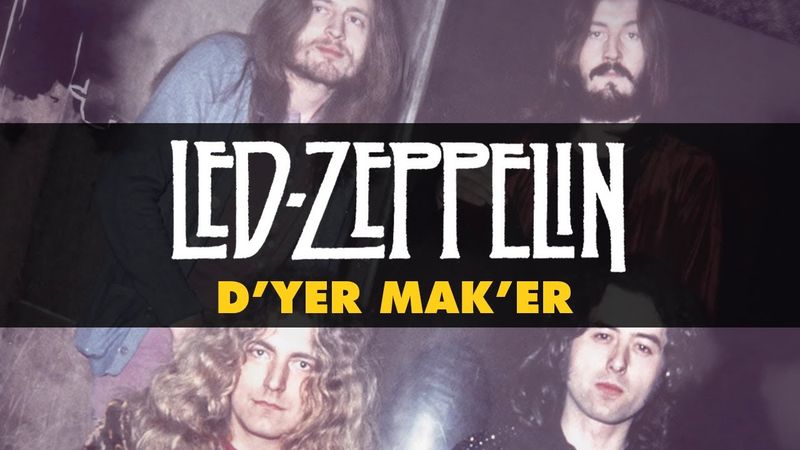
A Cockney joke gave this 1973 track one of rock’s most confusing titles. Say “Did you make her?” fast enough, and it sounds like “Jamaica” — and that pun became the song’s name.
Led Zeppelin built a dub-reggae groove around it, something totally different from their usual hard rock sound.
Robert Plant’s soulful vocals carried the track while the rhythm pulsed like a tropical heartbeat. Critics were divided, but fans loved it, pushing it to number 99 on the Billboard Hot 100.
2. Karma Police by Radiohead
Inside jokes between bandmates rarely turn into career-defining anthems, but Radiohead managed exactly that. Whenever someone in the group acted out, the others would jokingly threaten to call the “karma police” on them.
That running gag became the seed for one of 1997’s most haunting rock songs.
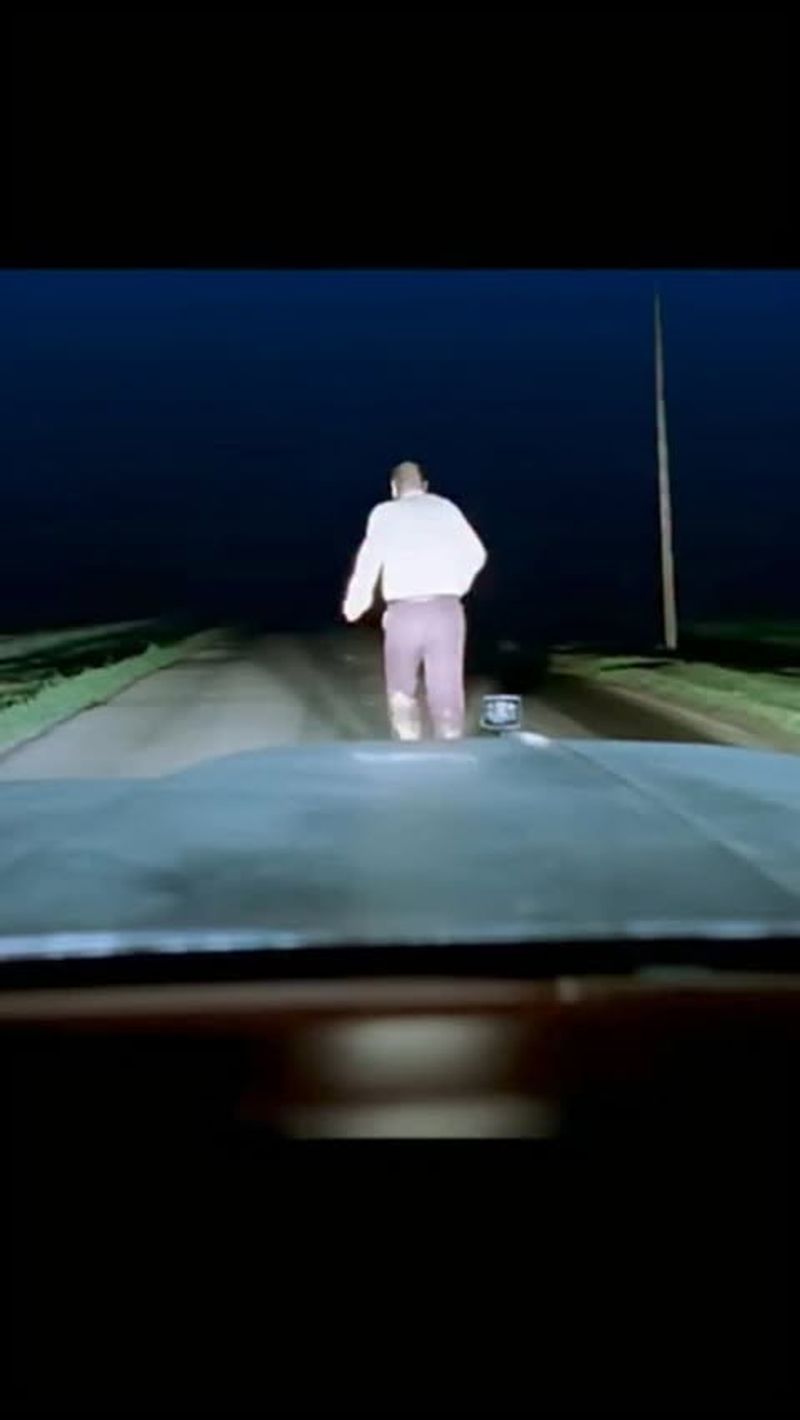
Thom Yorke shaped the phrase into a slow-burning meditation on justice and frustration. The music video, featuring a car chase through dark country roads, only added to the song’s eerie pull.
3. Sweet Child O’ Mine by Guns N’ Roses
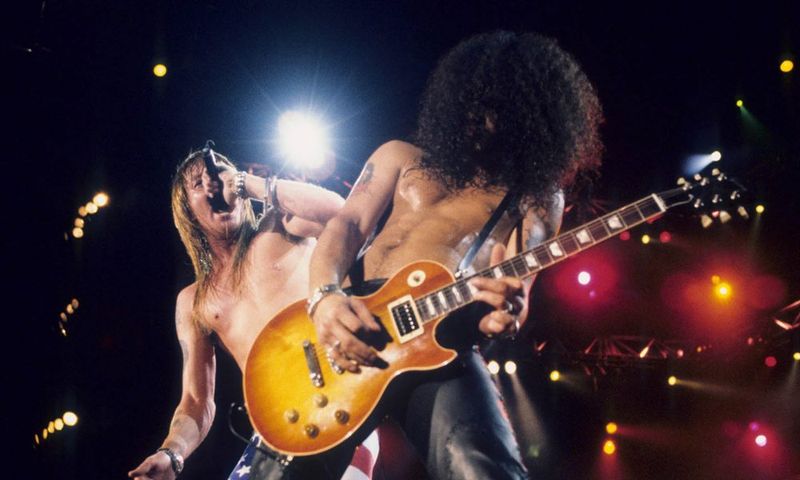
Slash called it a “circus melody” — a silly string-skipping exercise he played during warm-ups just to goof around. He never thought it was serious enough for a real song.
Then Axl Rose walked in, heard the riff, and immediately started writing words to match it.
That accidental jam became Guns N’ Roses’ first and only number one hit on the Billboard Hot 100. Even the ending was unplanned — Axl’s repeated “where do we go now” was literally him asking the producer what to do next.
4. I Am The Walrus by The Beatles
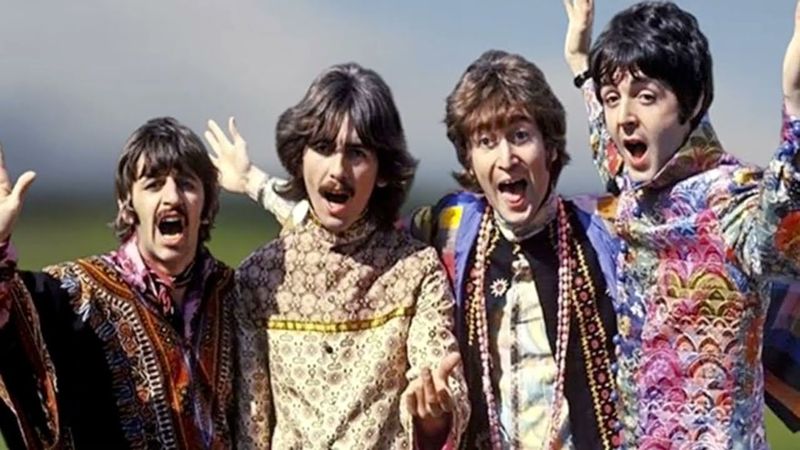
John Lennon had a mischievous goal when writing this track: confuse everyone who tried to analyze it. Fans and academics were picking apart Beatles lyrics, searching for deep meaning, so Lennon stuffed this song full of deliberate nonsense to mess with them.
Lines like “I am the eggman” were pure chaos by design.
The joke worked a little too well. Critics and listeners became even more obsessed, turning it into one of the band’s most discussed psychedelic masterpieces from the Magical Mystery Tour era.
5. You Ain’t Seen Nothing Yet by Bachman-Turner Overdrive
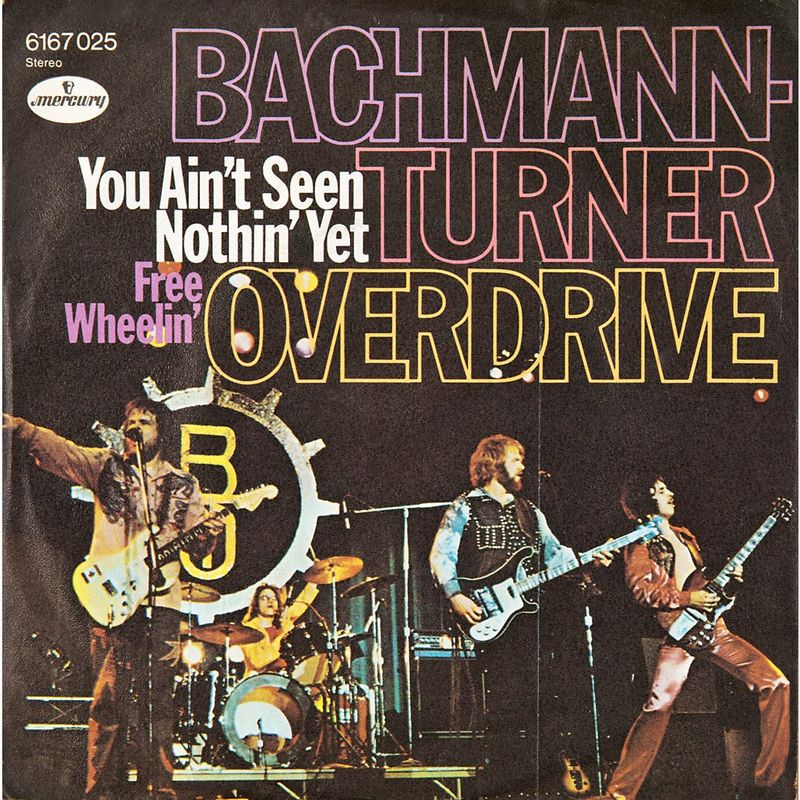
Randy Bachman recorded this track purely as a private joke for his brother Gary, who had a stutter. The exaggerated stuttering vocals were never meant to leave the studio.
Bachman considered it a throwaway — a funny demo, nothing more.
The record label heard it and disagreed completely. They pushed for its release over Bachman’s protests, and the song shot straight to number one on the Billboard Hot 100 in 1974.
It remains BTO’s biggest hit to this day, all because of a brotherly prank.
6. The Purple People Eater by Sheb Wooley
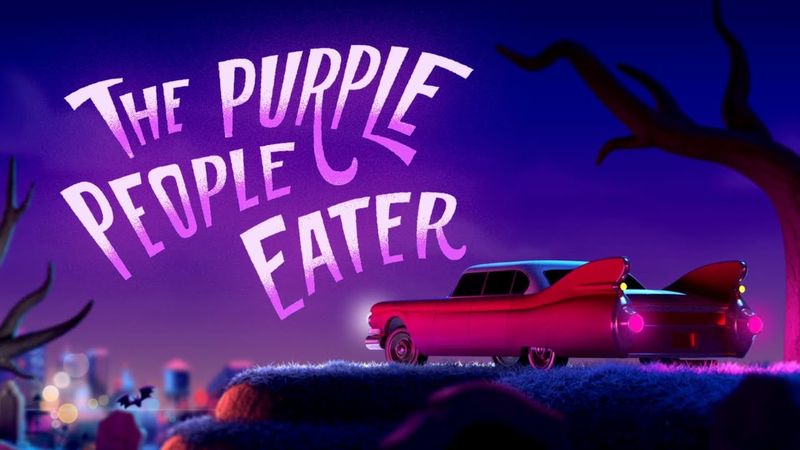
A child’s silly story about a one-eyed, one-horned flying creature sparked this 1958 novelty track. Sheb Wooley thought the idea was ridiculous — actually, he reportedly called it the worst thing he had ever written.
He recorded it anyway, expecting nothing.
The song became a massive crossover smash, spending three weeks at number one on the Billboard Hot 100. Kids went wild for it, adults couldn’t stop humming it, and Wooley was left scratching his head at how a joke turned into a phenomenon.
7. The Streak by Ray Stevens
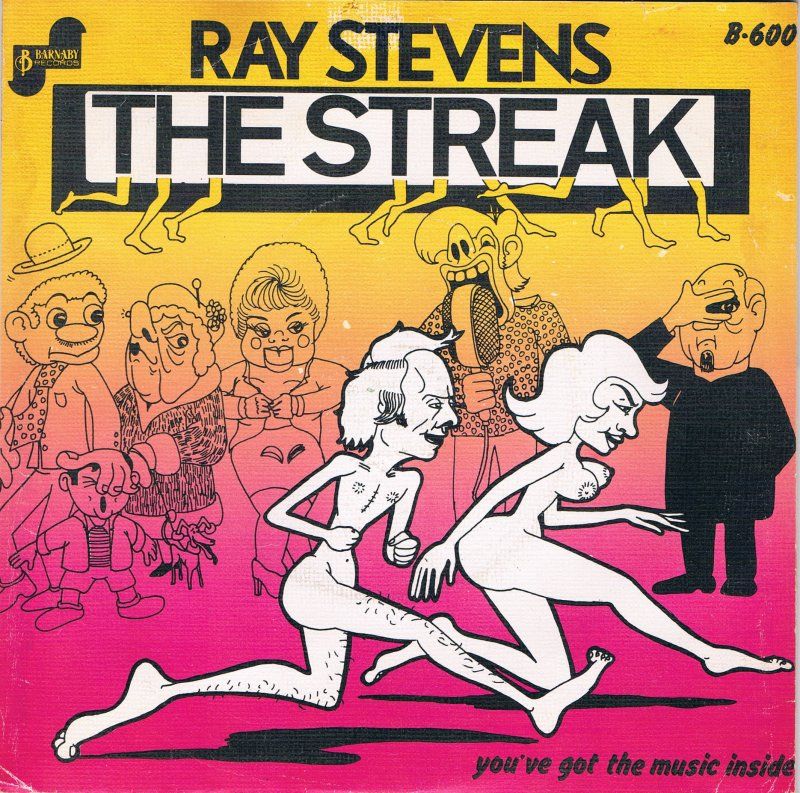
Streaking — running naked through public places — was a wild cultural craze in 1974, and Ray Stevens saw nothing but comedic gold in it. He wrote and recorded this novelty track quickly, riding the trend with a wink and a grin.
Nobody expected it to do more than get a few laughs.
Surprise! “The Streak” rocketed to number one on the Billboard Hot 100, proving that silly cultural moments can produce genuine chart-toppers. Stevens delivered the song with perfect comic timing, making it impossible to resist.
8. My Ding-a-Ling by Chuck Berry
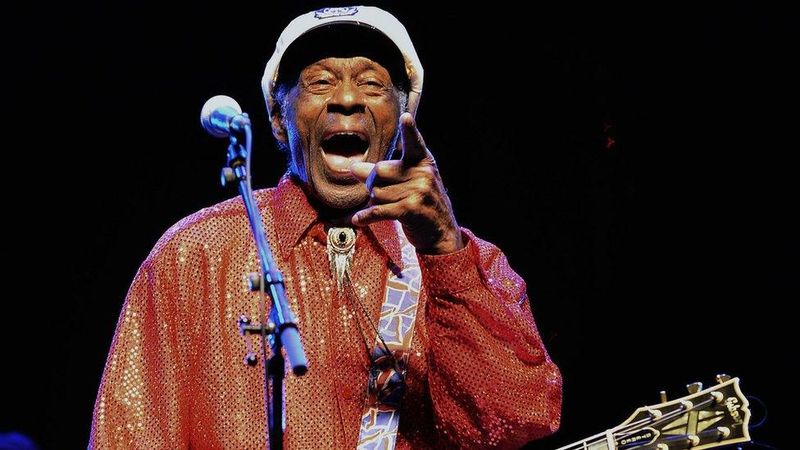
Chuck Berry didn’t even write this one — he adapted it from an older novelty song and turned it into a live crowd-pleaser. The double-meaning humor is obvious, but Berry played it with such gleeful energy that audiences couldn’t help joining in.
It was pure fun, not high art.
When a live version was released in 1972, it did something none of his classic rock and roll singles had ever done: it hit number one in America. His biggest hit was a silly bell song.
Rock and roll is full of surprises.
9. I’m Too Sexy by Right Said Fred
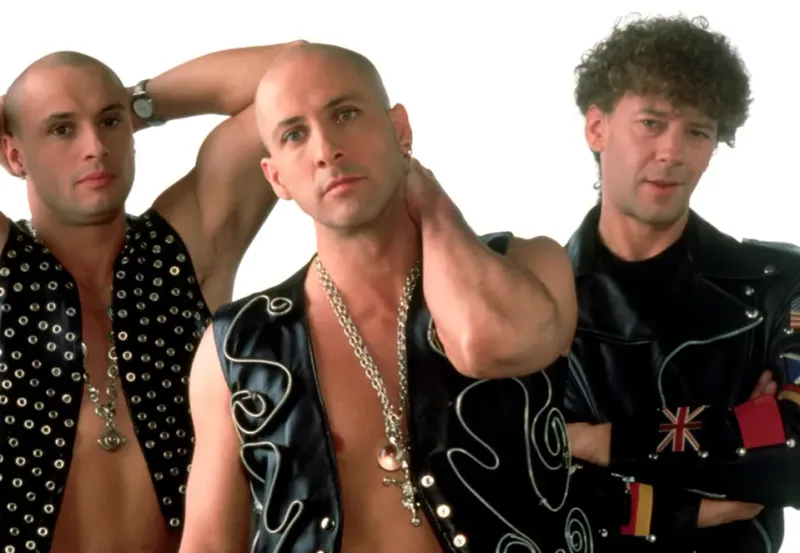
Written as a sharp parody poking fun at vain, self-obsessed models, “I’m Too Sexy” was never meant to be taken at face value. Brothers Richard and Fred Fairbrass were laughing at vanity culture, not celebrating it.
Most listeners, however, completely missed the joke and treated it as a genuine confidence anthem.
That misreading sent the song soaring to number one on the Billboard Hot 100 in 1992 and to the top of charts in six other countries. Few parodies have ever accidentally succeeded this spectacularly.
10. Witch Doctor by David Seville
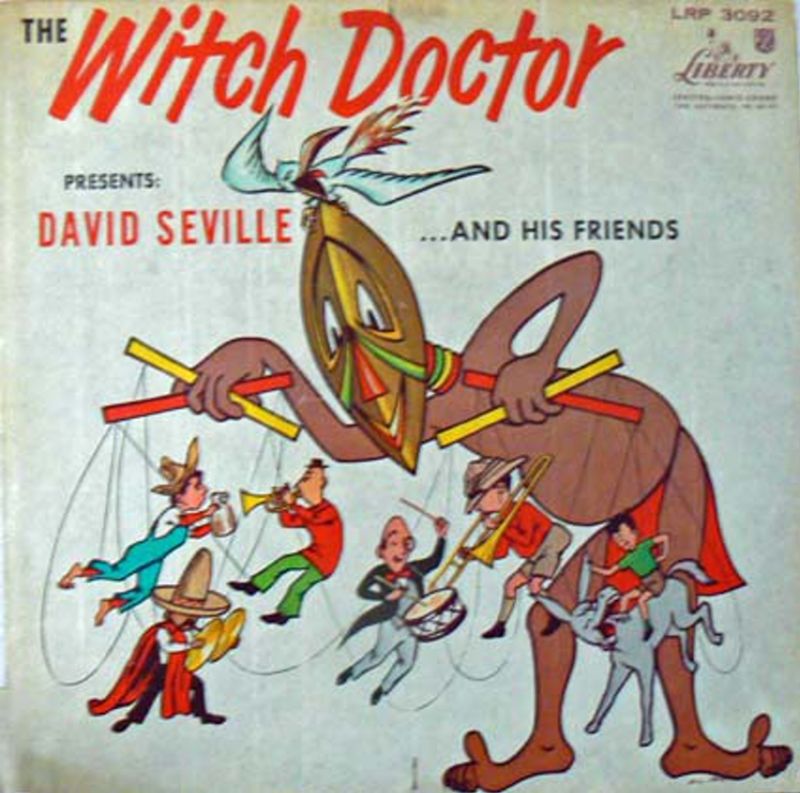
Ross Bagdasarian was desperate for a hit in 1958. His solution?
Speed up a vocal track until it sounded like a chipmunk chanting nonsense syllables. The result was the unforgettable “Oo ee oo ah ah ting tang walla walla bing bang” hook that has lived rent-free in people’s heads for decades.
Far from being laughed off, the song hit number one on the Billboard Hot 100. That sped-up vocal trick also inspired Bagdasarian to create Alvin and the Chipmunks, a franchise that outlasted almost everything else from that era.
11. Song 2 by Blur
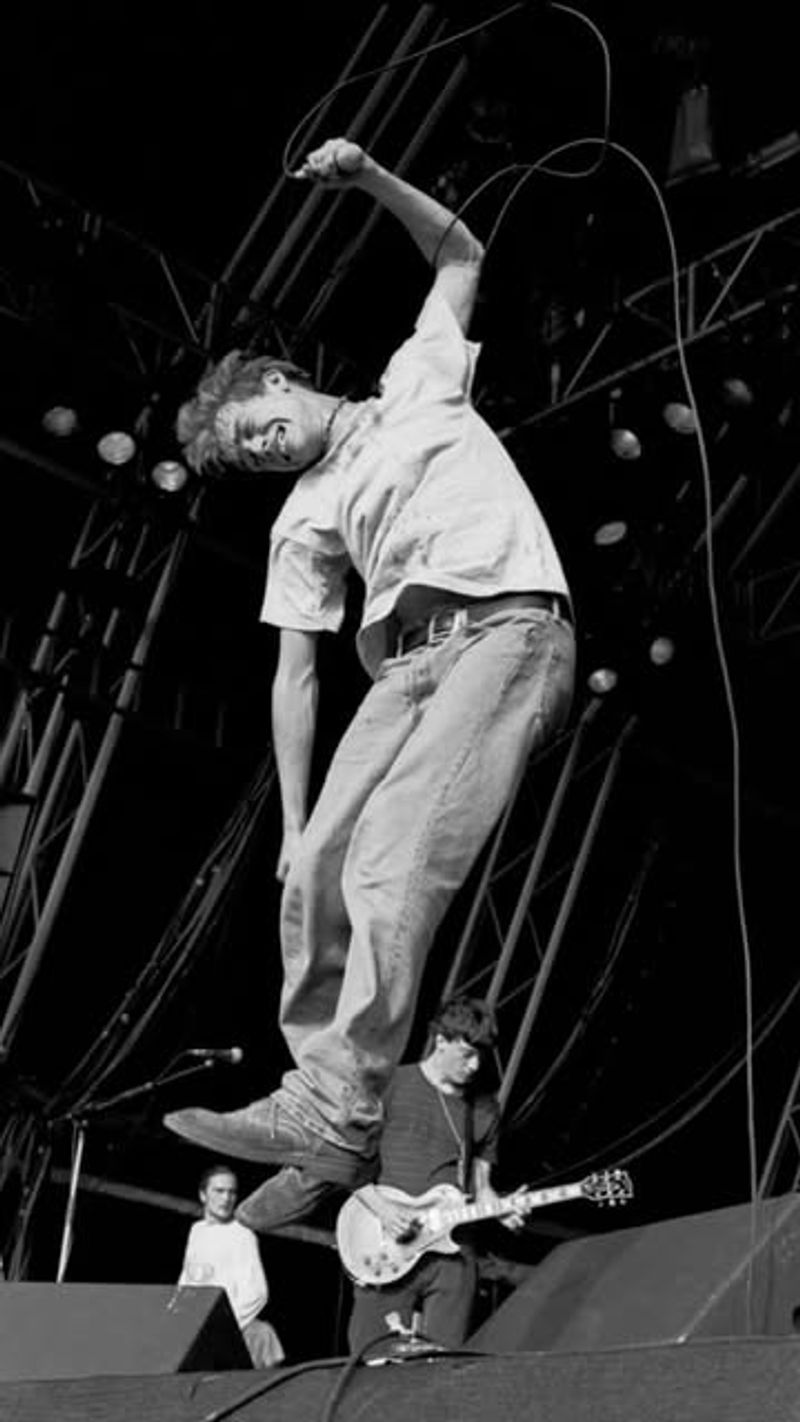
“Woo-hoo!” Few rock moments are more instantly recognizable — and the whole thing started as an act of rebellion. Blur created this abrasive, two-minute blast of noise specifically to annoy their record label executives, who kept pushing them toward a more commercial American sound.
The band thought it was a throwaway provocation.
It completely backfired in the best way possible. “Song 2” became Blur’s biggest international hit in 1997, landing in films, video games, and sports arenas worldwide. Their joke at the label’s expense turned into a global earworm.
12. Loser by Beck
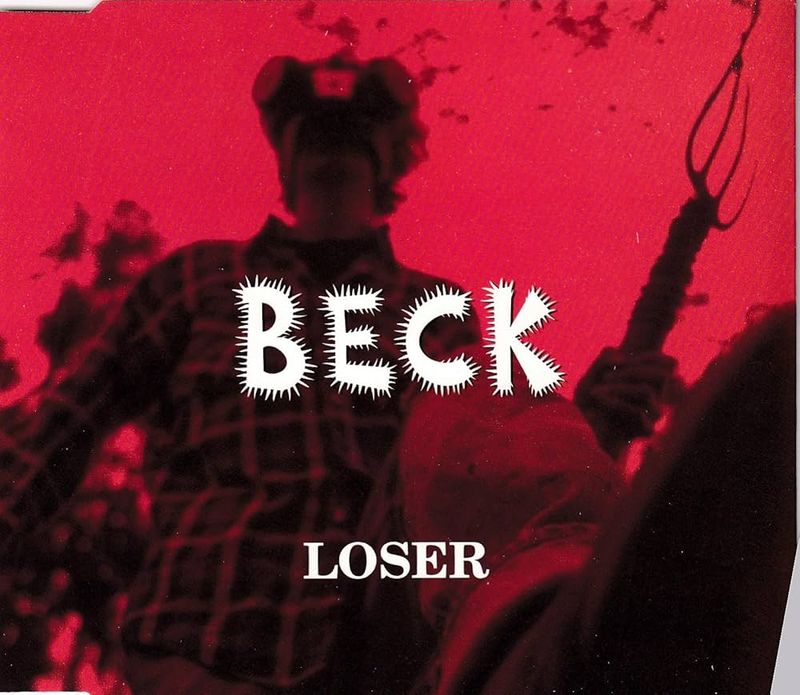
Beck used to rap streams of made-up, glorified gibberish during long sets at noisy clubs just to see if anyone was actually paying attention. That self-deprecating, absurdist habit fed directly into “Loser,” a track built on mumbled rhymes and a laid-back hip-hop beat.
The opening line — “In the time of chimpanzees I was a monkey” — set the tone perfectly.
Released in 1994, the song became a generation-defining alternative anthem. Beck’s joke about his own mediocrity launched one of the decade’s most distinctive careers.
13. Heart of Glass by Blondie
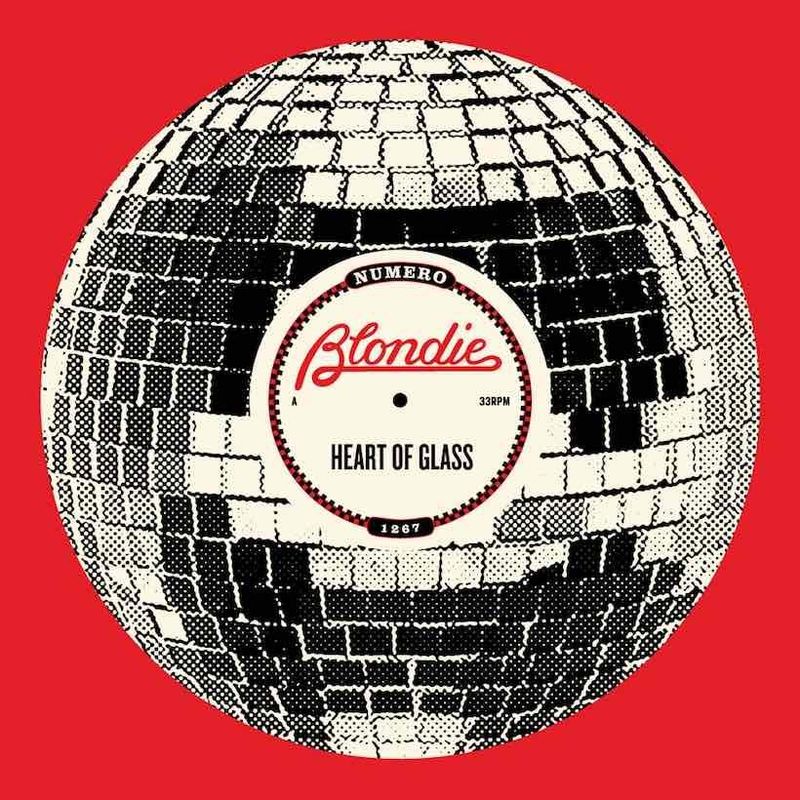
Blondie viewed their disco experiment as a novelty — a quirky detour from their punk-pop roots that might add some variety to an album. Debbie Harry and the band weren’t even sure it belonged on the record.
It felt too smooth, too polished, too far from their usual edge.
Audiences saw it differently. “Heart of Glass” became Blondie’s first number one hit in the US and UK in 1979. What the band dismissed as a fun side experiment turned out to be the song that defined their legacy.
14. The Bitch Is Back by Elton John
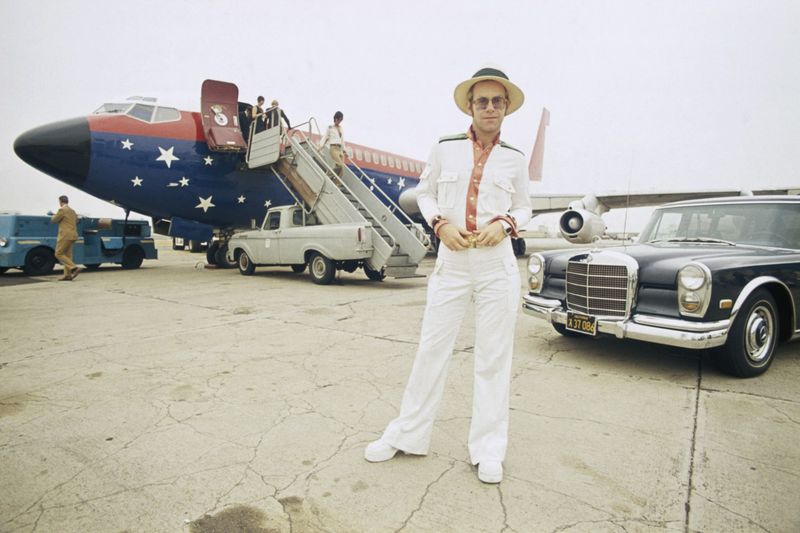
Bernie Taupin’s then-wife Maxine handed him the title on a silver platter. After watching Elton complain about absolutely everything on tour, she sighed and said, “The bitch is back.” Taupin scribbled it down immediately, knowing it was perfect.
Elton didn’t just accept the song — he claimed it as his personal theme.
Released in 1974, the track became a glam-rock staple with a swaggering piano riff and zero apologies. Elton’s willingness to own the joke gave the song its fearless, larger-than-life personality.
15. (You Gotta) Fight For Your Right (To Party!) by Beastie Boys
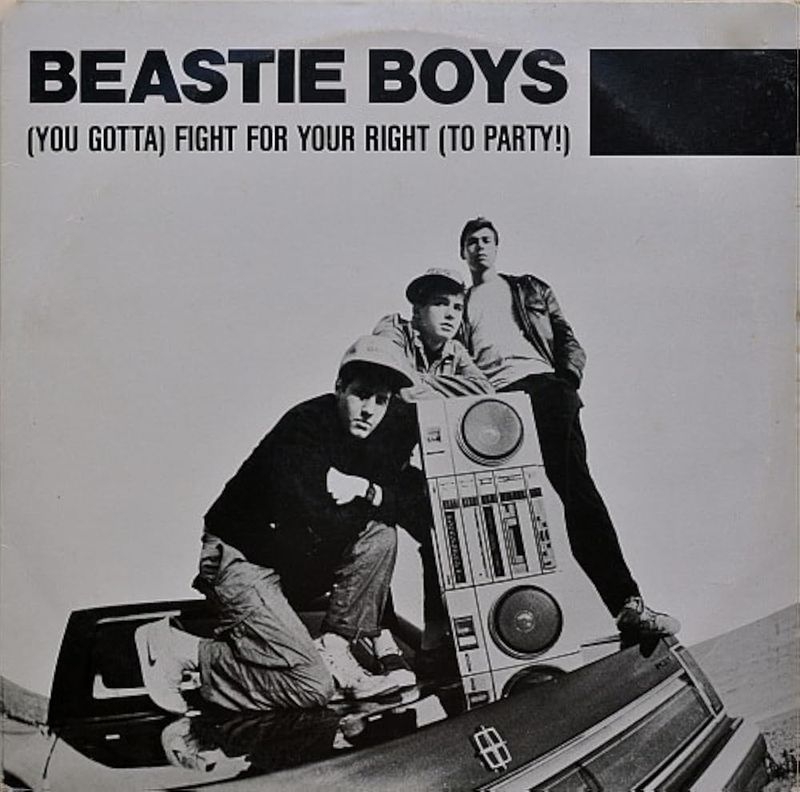
The Beastie Boys wrote this as a total goof — a parody of the dumb, hedonistic party anthems that hair-metal bands were cranking out in the mid-1980s. They were mocking the genre, not celebrating it.
The irony was thick, the satire was obvious — to the band, at least.
Most listeners heard it straight and lost their minds. “Fight For Your Right” became a genuine party anthem in 1987, helping launch the Beastie Boys into superstardom. Their joke accidentally became the very thing it was making fun of.
16. Turning Japanese by The Vapors
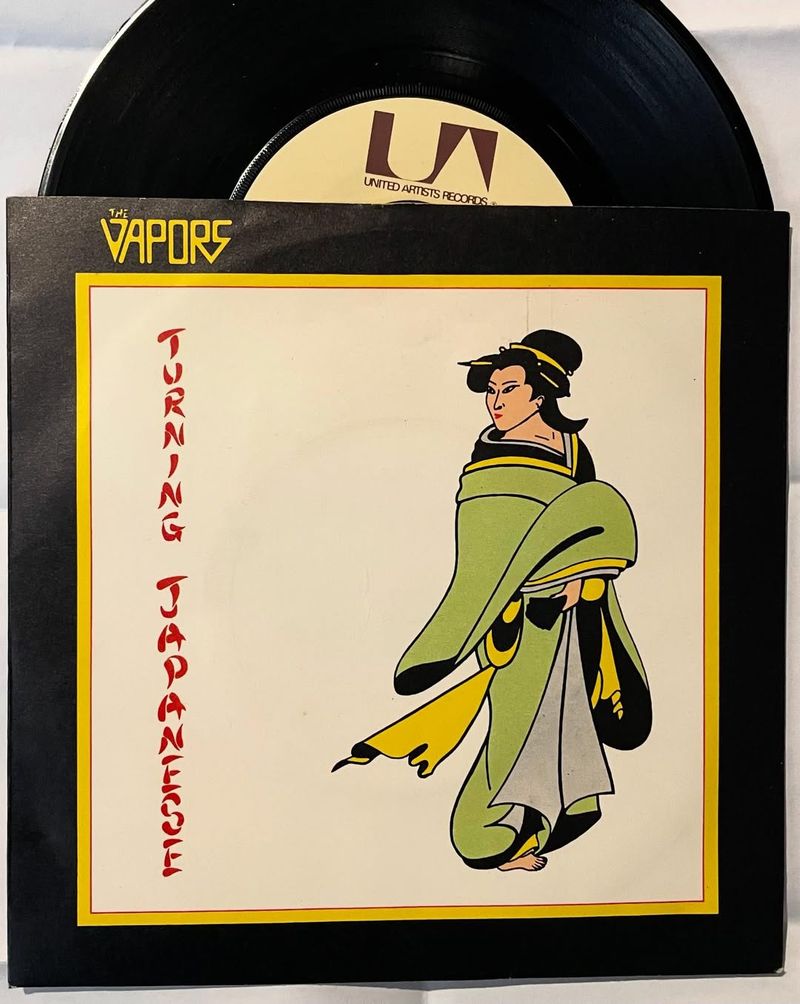
Frontman David Fenton wrote this as a sarcastic, jittery portrait of someone completely unraveling after a bad breakup. The obsession, the paranoia, the feeling of becoming someone unrecognizable — it was meant to be darkly comic.
Fenton used “turning Japanese” as a metaphor for losing your mind over lost love.
The new wave energy of the track made it impossible to ignore in 1980. It climbed the UK charts and earned international attention, proving that a sarcastic joke about romantic meltdowns could resonate with listeners everywhere.
17. Black Betty by Ram Jam
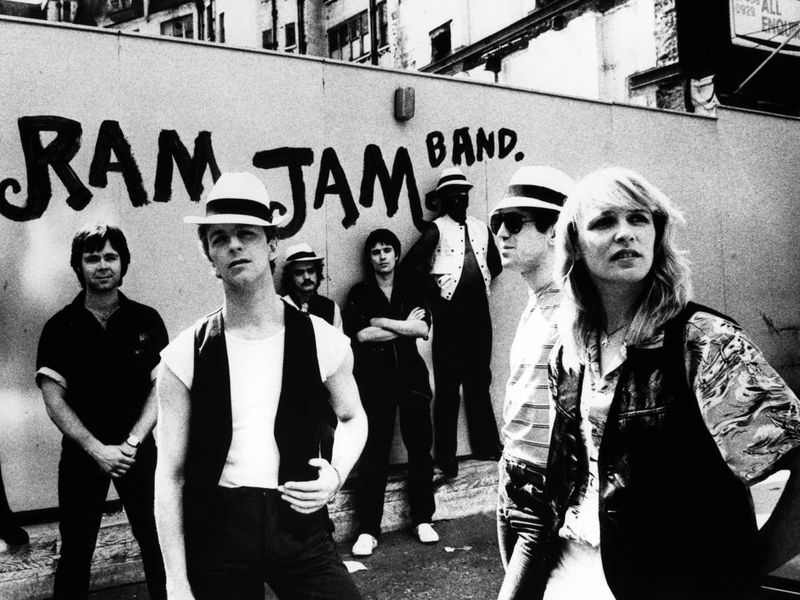
Ram Jam took a rough old American folk song and cranked it up to hard rock volume. Even after recording it, the band figured it was too raw and repetitive for radio play.
They genuinely thought stations would pass on it, calling it too weird for mainstream audiences.
Radio programmers disagreed completely. “Black Betty” became a surprise hit in 1977, cracking the top 20 on the Billboard Hot 100. Its stomping, relentless energy turned the band’s self-doubt into one of the decade’s most memorable rock moments.
18. Escape (The Pina Colada Song) by Rupert Holmes
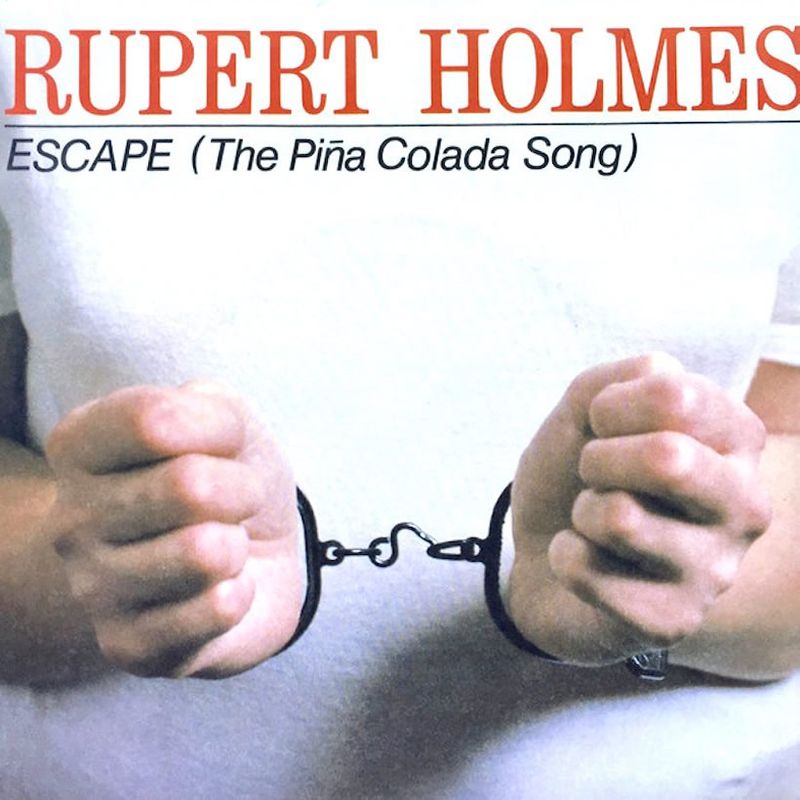
Rupert Holmes wrote this purely to amuse himself. The story of a bored couple who both secretly try to cheat on each other — only to discover they’ve been matched with their own partner — struck him as a funny, ironic little tale. “Pina coladas” made it into the lyrics mostly because the phrase fit the rhythm and made him laugh.
Holmes expected to bury it on an album. Instead, it became the final number one hit of the entire 1970s in America.
Not bad for a song written as a private joke.