
Jazz would not be the same without the brilliant trumpeters who poured their hearts into every note. From the smoky clubs of New Orleans to stages around the world, these musicians changed the way we hear and feel music.
Their bold ideas, technical skill, and raw emotion turned the trumpet into one of jazz’s most powerful voices. Get ready to meet the legends who made jazz history.
1. Louis Armstrong
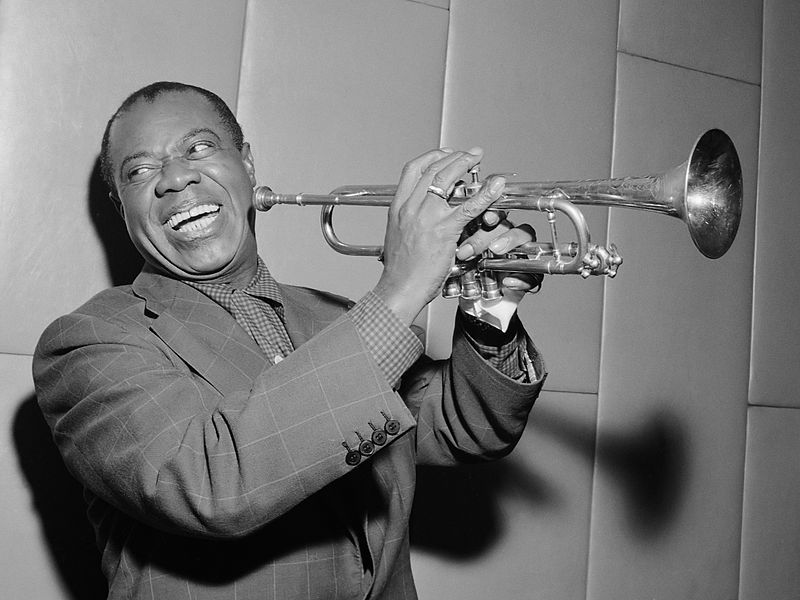
Few people in music history have left a mark as deep as Louis Armstrong. Known as “Satchmo,” he transformed jazz by shifting the spotlight from group playing to individual solos, changing everything about how jazz performers expressed themselves.
Armstrong also popularized scat singing and his vocal style influenced nearly every singer who came after 1930. His charisma and trumpet wizardry helped spread jazz around the entire world, making him a true global ambassador of American music.
2. Dizzy Gillespie
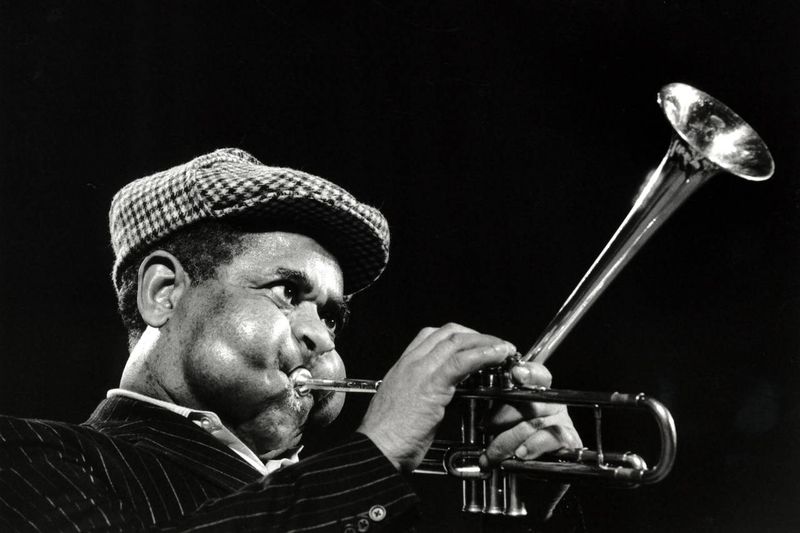
That trademark upward-bent trumpet was not just for show — Dizzy Gillespie accidentally sat on his horn in 1953, liked the new sound, and kept it that way forever. Alongside Charlie Parker, he co-created bebop, one of jazz’s most exciting and complex styles.
Gillespie was also a musical trailblazer who blended Afro-Cuban and Caribbean rhythms into jazz. His composition “Manteca” remains a landmark piece that proves just how far his creative vision stretched beyond ordinary boundaries.
3. Miles Davis
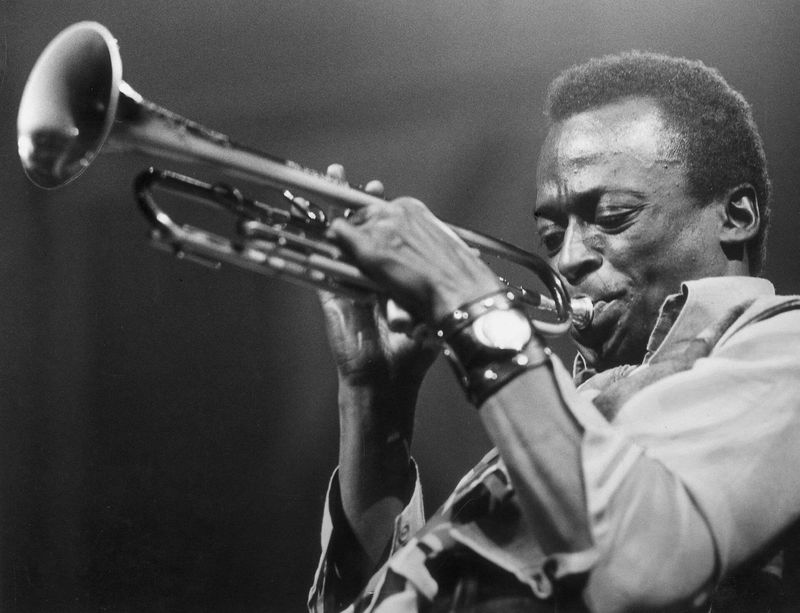
Cool, mysterious, and always ahead of his time — Miles Davis never stayed in one musical lane for long. He led the cool jazz movement in the late 1940s, then pivoted to modal jazz, and eventually helped create jazz-rock fusion.
His landmark albums like “Kind of Blue” remain among the best-selling jazz records ever made. Davis had a rare gift for reinventing himself without ever losing that unmistakable, soulful trumpet voice that made audiences stop and truly listen.
4. King Oliver (Joe Oliver)
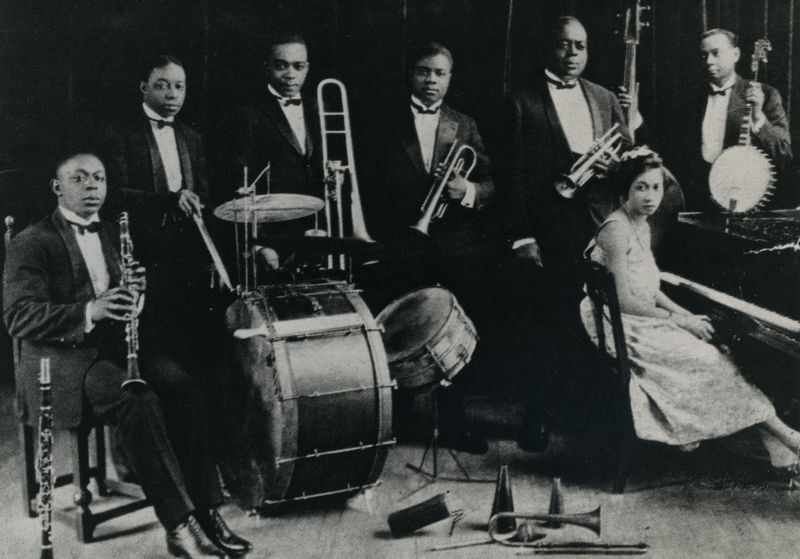
Before Louis Armstrong became a star, he was learning from Joe “King” Oliver, the man who gave him his first big break. Oliver’s Creole Jazz Band was one of the most exciting groups in early jazz, famous for theatrical “wa-wa” trumpet effects that sounded almost human.
His mentorship of Armstrong shaped the entire future of jazz. Without King Oliver’s guidance and musical example, the story of jazz trumpet history might have looked very different from what we know today.
5. Buddy Bolden
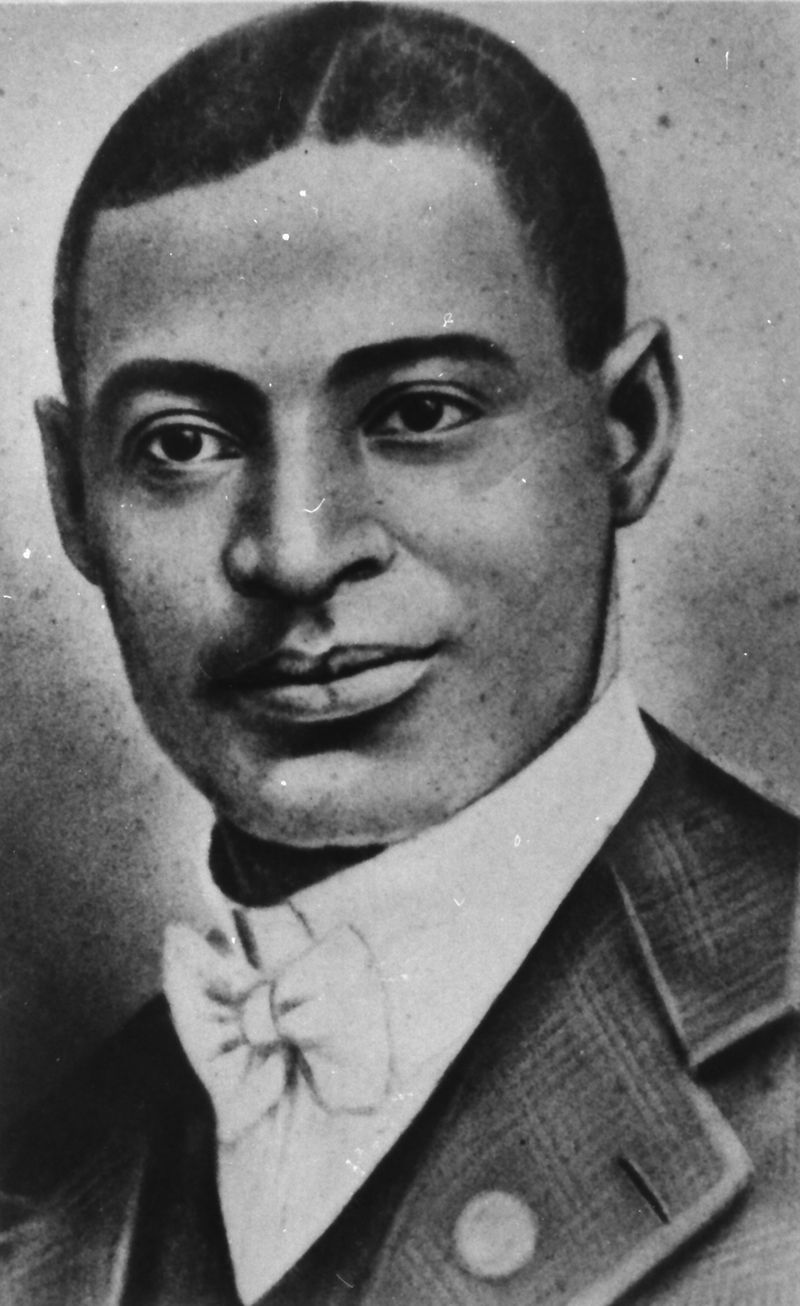
Long before recordings existed to capture his sound, Buddy Bolden was already a legend on the streets of New Orleans. Many historians credit him as the very first jazz musician, blending ragtime rhythms and blues feeling into something entirely new around the turn of the 20th century.
Sadly, he never recorded a single note. Still, his magnetic performances inspired a whole generation of musicians who went on to shape jazz into the art form millions love today.
6. Roy Eldridge
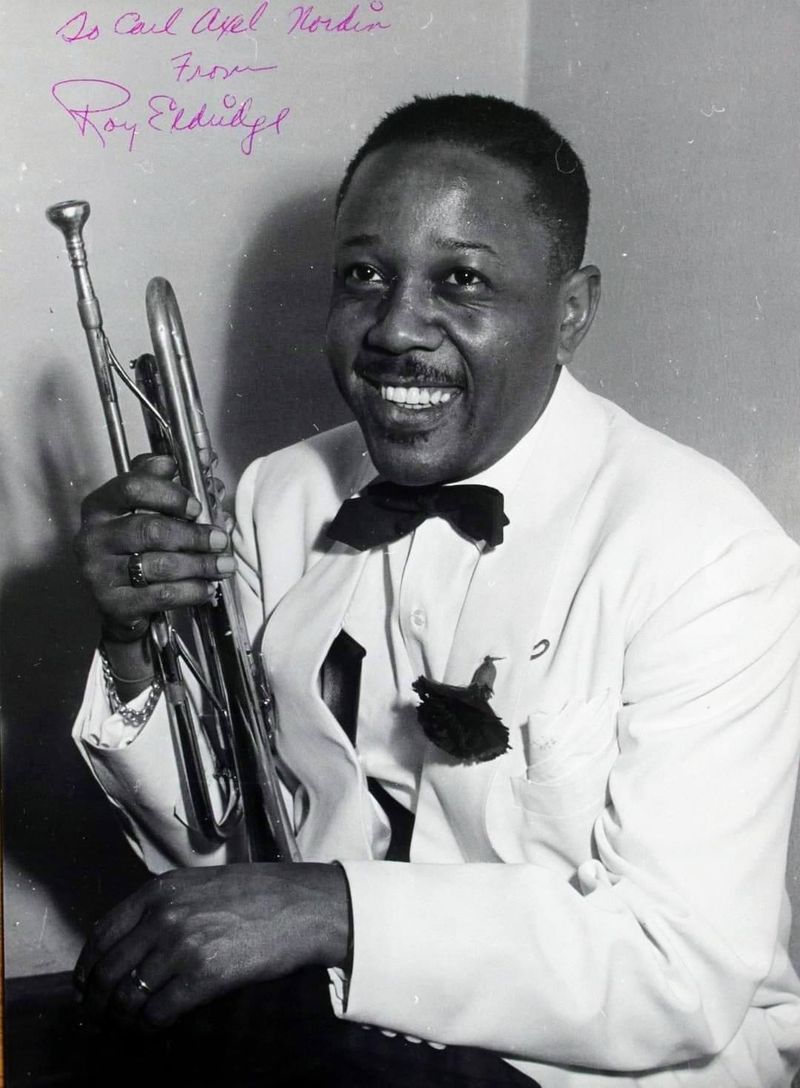
Nicknamed “Little Jazz,” Roy Eldridge packed an enormous amount of fire and energy into his playing. He served as the musical bridge between Louis Armstrong’s swing-era dominance and the modern bebop innovations of Dizzy Gillespie, influencing both generations powerfully.
His daring harmonic ideas and blistering solos pushed trumpet technique into exciting new territory. Eldridge was also notable for crossing racial barriers during the segregated swing era, performing alongside white bandleaders at a time when that was far from common.
7. Fats Navarro
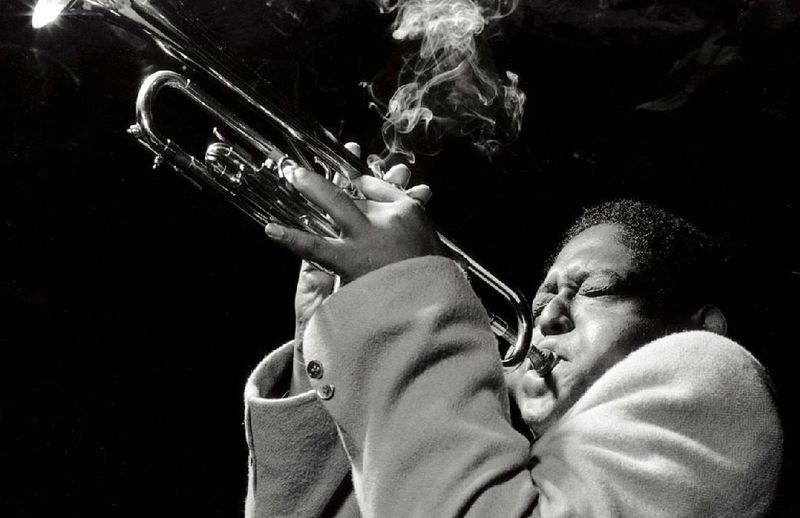
Theodore “Fats” Navarro had a tone so warm and full that fellow musicians would stop mid-conversation just to hear him play. A bebop pioneer in the 1940s, his melodic creativity was remarkably mature for someone who died tragically young at just 26 years old.
His influence stretched far beyond his short life, shaping the styles of Miles Davis, Clifford Brown, and Lee Morgan. Navarro proved that clean articulation and lyrical beauty could coexist with bebop’s blazing technical demands.
8. Clifford Brown
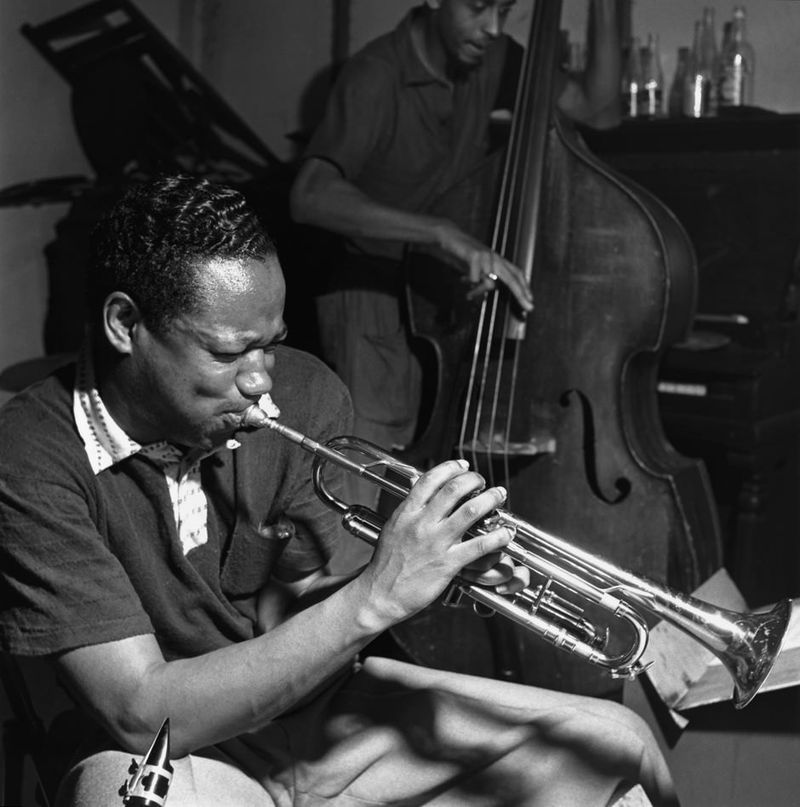
In just a few short years, Clifford Brown managed to redefine what a jazz trumpet could do. His playing combined technical brilliance with deep emotional warmth, producing a sound that felt both perfectly controlled and wildly alive at the same time.
Brown’s career was cut short in a tragic car accident in 1956 when he was only 25. Despite that, his recordings continue to be studied by trumpet students worldwide, and his influence on Lee Morgan and Freddie Hubbard remains unmistakable and enduring.
9. Lee Morgan
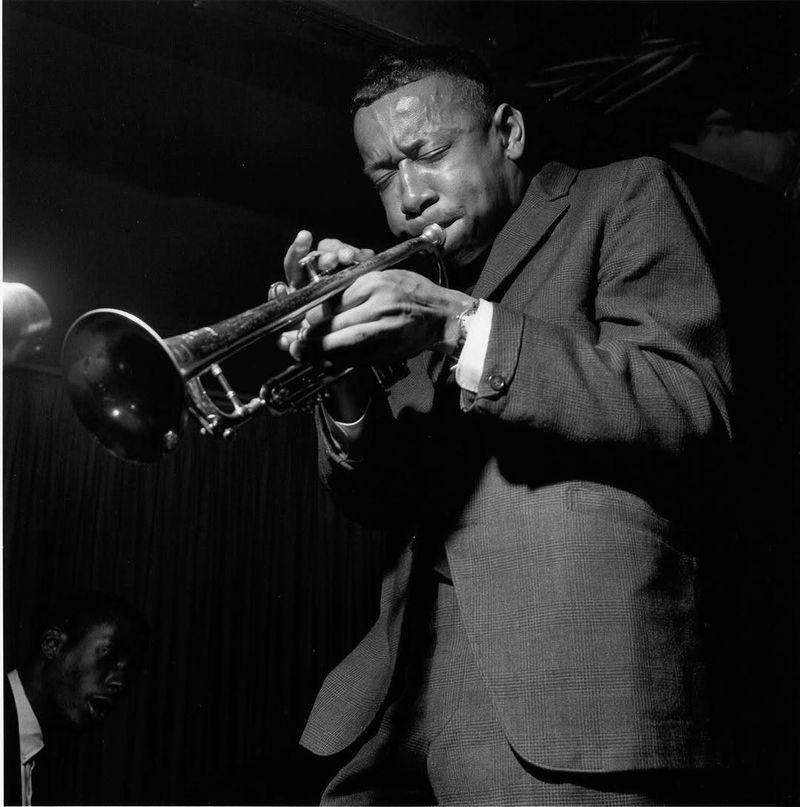
At just 18 years old, Lee Morgan was already recording with Dizzy Gillespie’s big band — a fact that tells you everything about his extraordinary natural talent. A cornerstone of the Blue Note Records label, his hard bop playing was rich, soulful, and endlessly inventive.
His 1964 composition “The Sidewinder” crossed over into pop radio territory, bringing hard bop to audiences who had never explored jazz before. Morgan’s story, though cut short, remains one of the most compelling in all of jazz history.
10. Freddie Hubbard
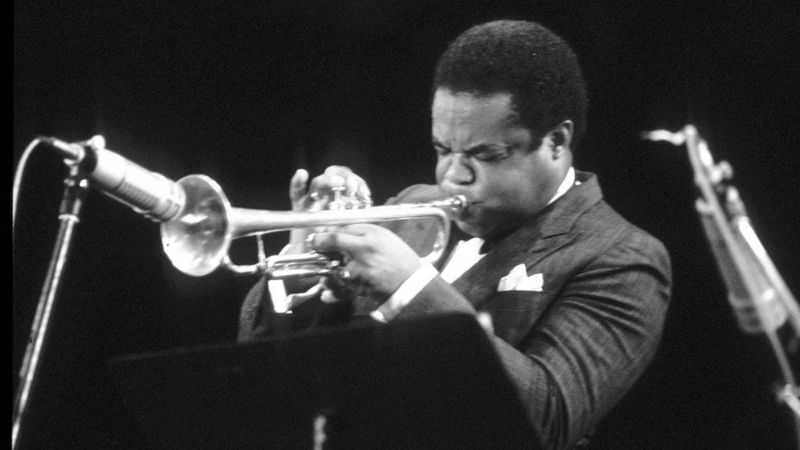
Freddie Hubbard had technique that made other trumpet players shake their heads in admiration. His powerful tone, lightning-fast runs, and sophisticated harmonic sense placed him at the very top of the post-bop era’s most admired performers.
What set him apart was his fearless range — he could play tender ballads one moment and ferocious up-tempo numbers the next, always sounding completely in command. Many young trumpeters who grew up hearing Hubbard say his recordings changed how they thought about the instrument entirely.
11. Chet Baker
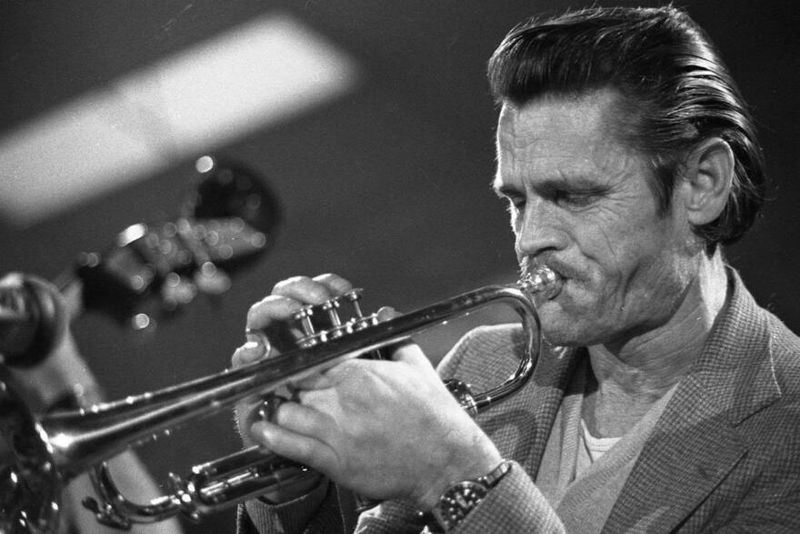
There was something almost hypnotic about the way Chet Baker played — soft, slow, and emotionally stripped down in a way that made listeners feel like they were hearing a secret. Nicknamed the “Prince of Cool,” he became the face of West Coast cool jazz in the 1950s.
Baker was also a surprisingly compelling vocalist, singing in a gentle, almost whispered style that matched his trumpet perfectly. His look and sound made him a cultural icon far beyond the jazz world alone.
12. Kenny Dorham
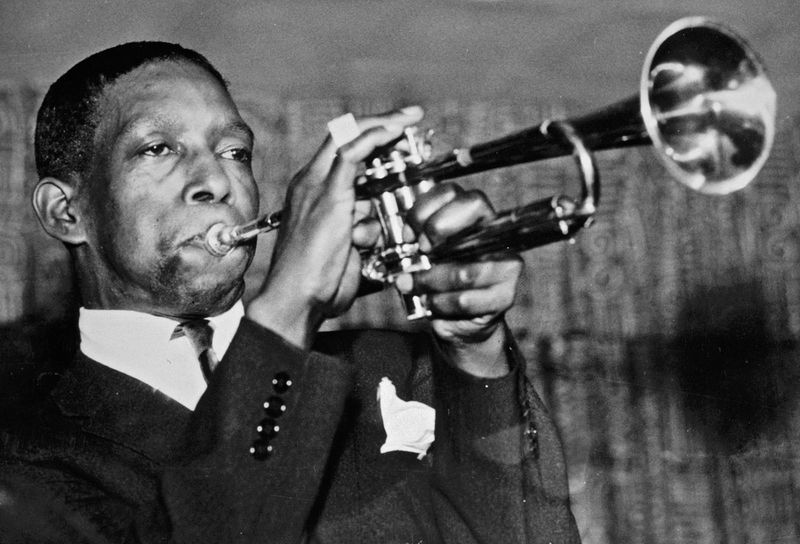
Often called the “uncrowned king” of jazz trumpet, Kenny Dorham never quite received the mainstream fame his talent deserved. His lyrical tone and sophisticated improvisational style earned deep respect from fellow musicians, even if casual listeners sometimes overlooked him.
Beyond his playing, Dorham was a gifted composer whose standard “Blue Bossa” is still performed at jazz sessions all over the world. For anyone serious about understanding bebop and hard bop, his recordings are an absolutely essential listen that rewards every repeated play.
13. Wynton Marsalis
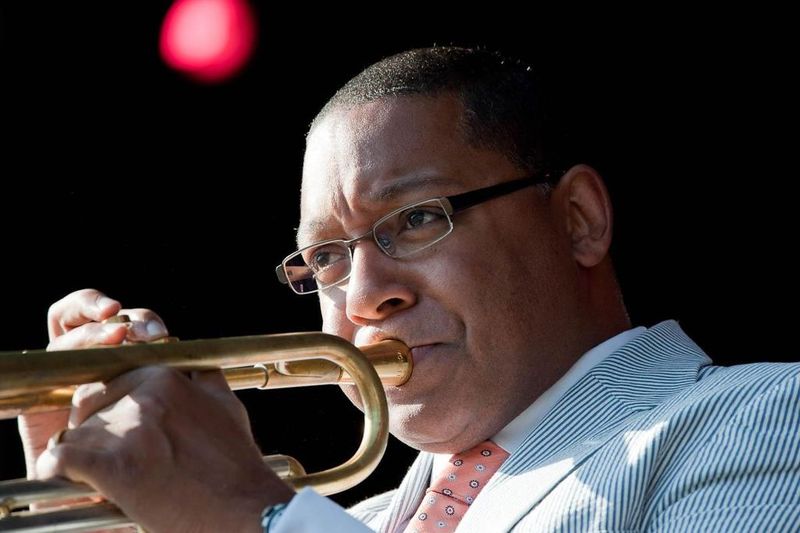
Winning Grammy Awards for both jazz and classical recordings in the same year is something no musician had ever done before Wynton Marsalis pulled it off in 1983. That achievement alone signals just how remarkably skilled and versatile this New Orleans-born trumpeter truly is.
Beyond performing, Marsalis has spent decades educating young musicians and championing jazz as a serious art form. His work as artistic director of Jazz at Lincoln Center has helped introduce an entirely new generation to the music’s rich traditions.
14. Art Farmer
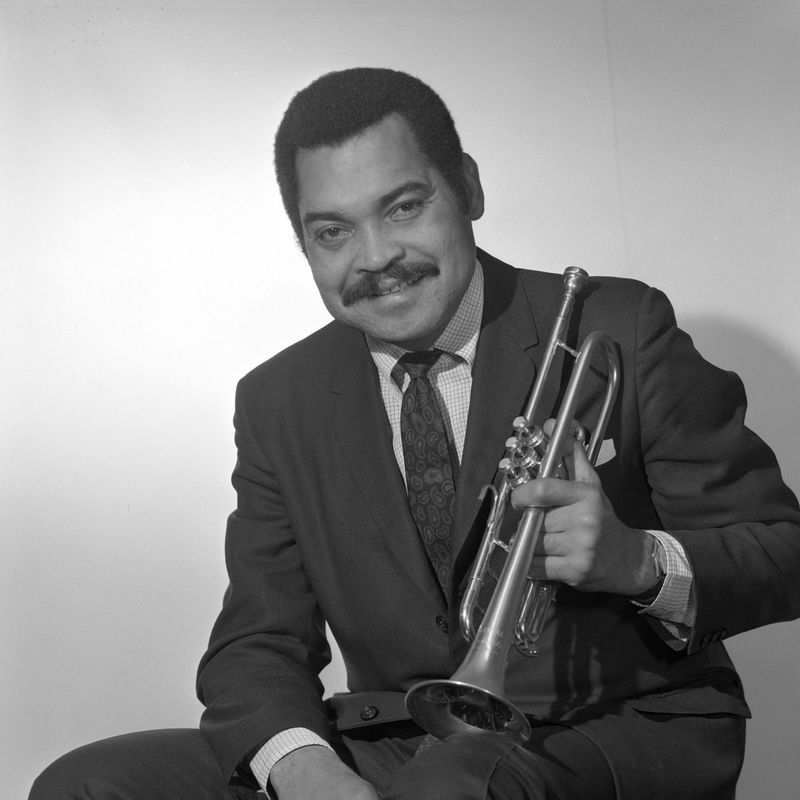
Smooth and graceful, Art Farmer’s playing had an elegance that made even complex musical ideas sound completely effortless. His relaxed approach to melody and phrasing made him one of the most sought-after sidemen in the jazz world throughout the 1950s and 1960s.
Later in his career, Farmer shifted his focus to the flugelhorn, an instrument whose warmer, rounder sound suited his lyrical style perfectly. His recordings reward careful listening — the more attention you pay, the more musical intelligence you discover hidden inside every phrase.
15. Clark Terry
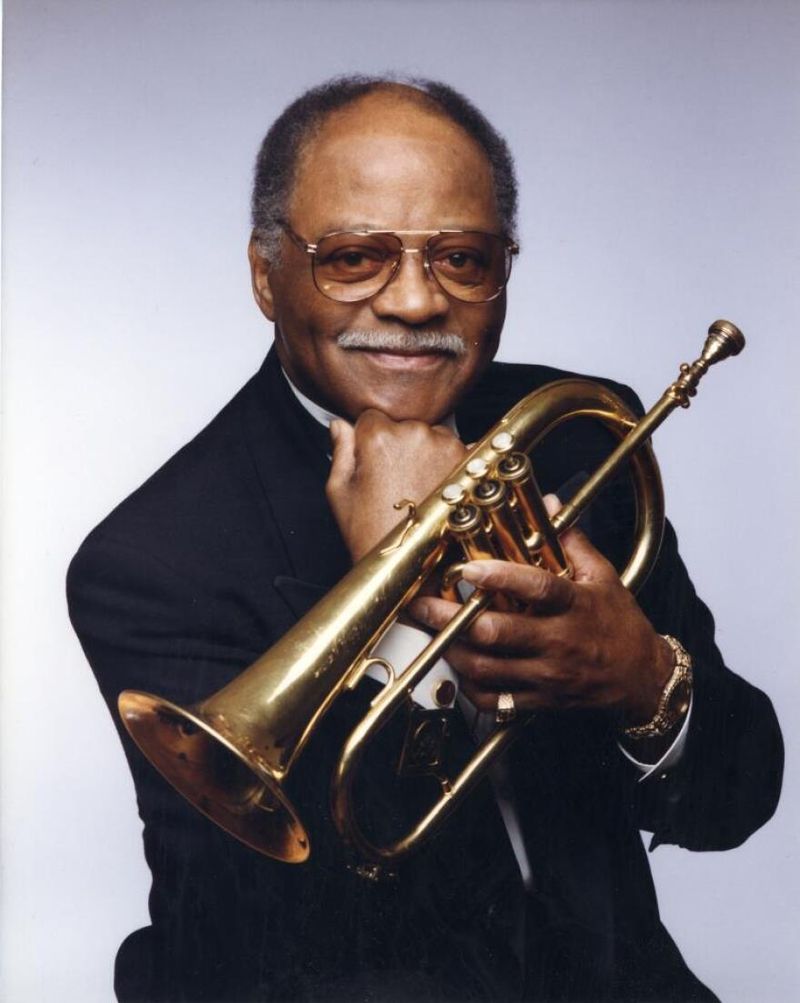
Clark Terry could make a trumpet laugh. His signature “Mumbles” vocal style — a playful, wordless muttering sung over his own trumpet playing — became one of jazz’s most beloved and quirky performance traditions, delighting audiences for decades.
Terry was also a deeply committed mentor who influenced hundreds of young musicians, including a teenage Quincy Jones. He played in Duke Ellington’s orchestra, Count Basie’s band, and the Tonight Show band, making him one of the most versatile and widely heard trumpeters of his entire era.
16. Thad Jones
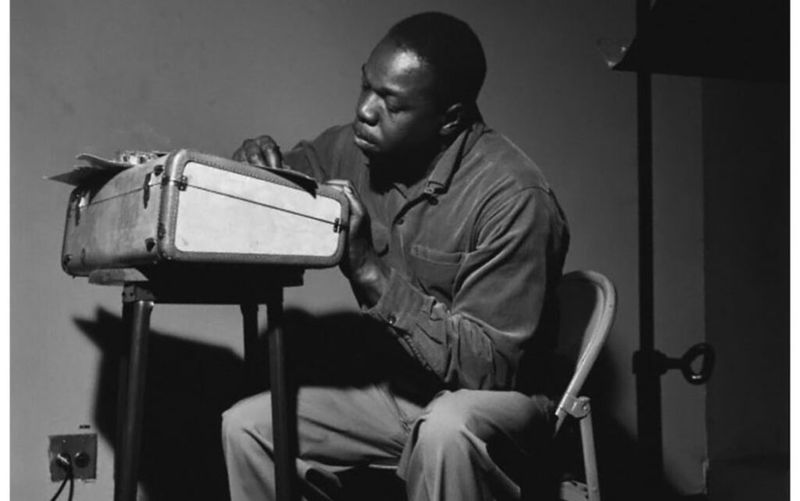
Thad Jones wore many hats in jazz — trumpeter, composer, arranger, and bandleader — and he excelled at every single one. His bebop and hard-bop trumpet playing was inventive and deeply musical, earning him respect from the most demanding players in the business.
Co-leading the legendary Thad Jones/Mel Lewis Jazz Orchestra brought his arranging genius to a wider audience. The band’s Monday night residency at New York’s Village Vanguard became one of jazz history’s most celebrated ongoing musical events, running for years and years.
17. Woody Shaw
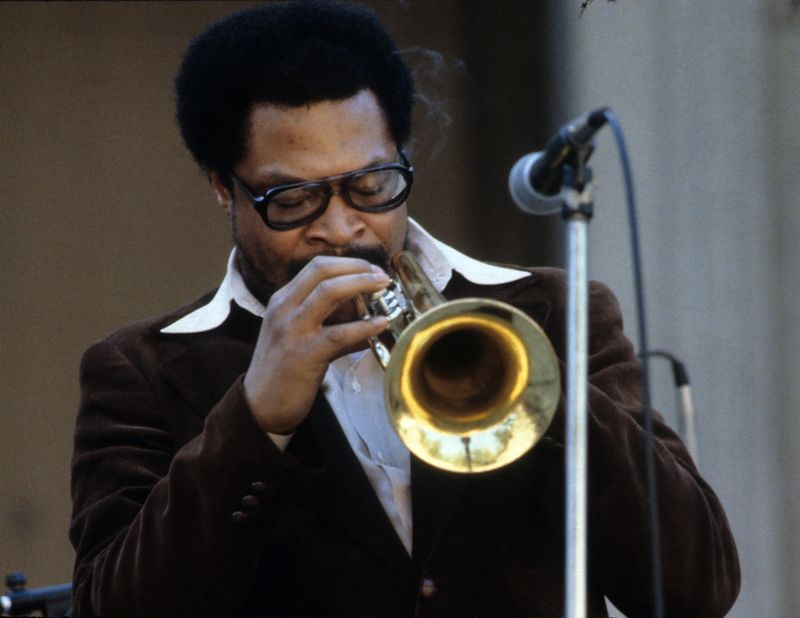
Woody Shaw heard musical possibilities in the trumpet that most players never imagined. Drawing from post-bop, avant-garde, and fusion styles, he built a harmonic language that was entirely his own, incorporating wide interval leaps and unconventional chord choices that surprised even seasoned jazz listeners.
His technical ambition expanded what the trumpet could express in modern jazz. Tragically, a degenerative eye condition cut his career short, but the recordings he left behind continue to challenge and inspire adventurous trumpet players who are still catching up to his ideas.
18. Donald Byrd
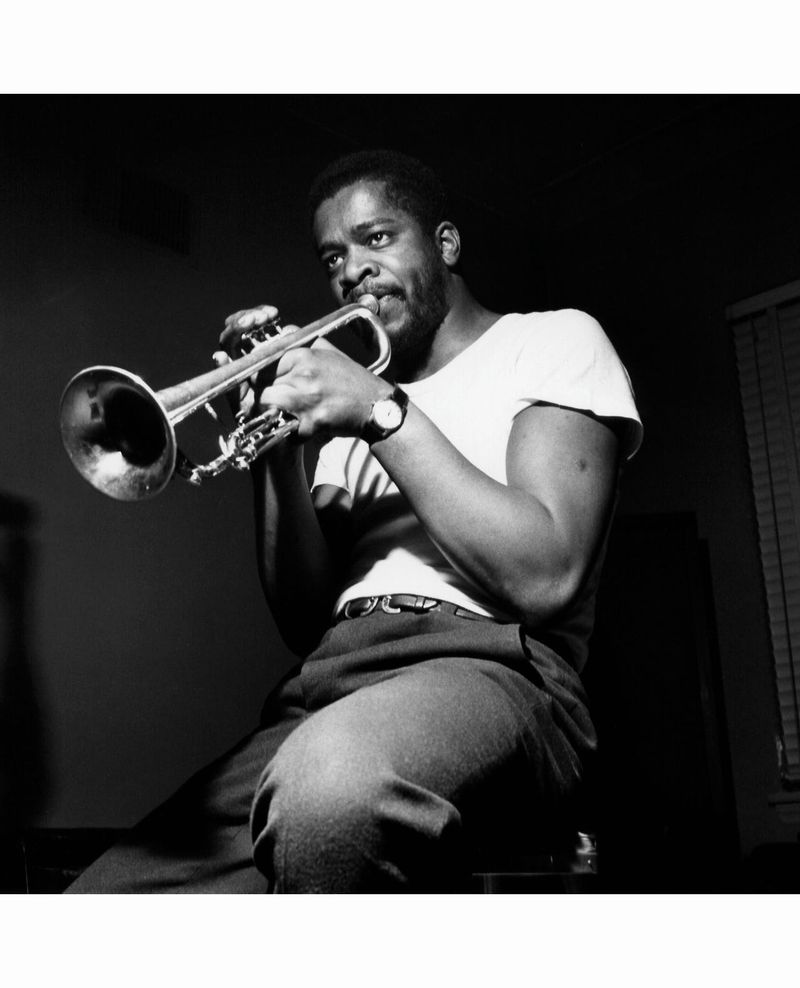
Donald Byrd brought a clean, bright trumpet sound to the hard bop scene of the 1950s and 1960s, recording a string of respected albums for Blue Note Records that showcased his confident and expressive playing style. His tone was sharp and focused, cutting right through even the busiest ensemble arrangements.
Later, Byrd explored R&B and funk territory, introducing jazz sensibilities to entirely new audiences. His willingness to evolve musically kept him relevant across multiple decades, leaving a legacy that touched far more listeners than strictly jazz fans alone.