
Long before kitchens had fancy machines, cooks around the world used their hands to roll food into neat little shapes. They did it for smart reasons, like keeping fillings inside, helping food cook evenly, or making meals easy to carry.
Many of these rolled foods are still made by hand today because nothing works better. Once you learn why each one is rolled, you will never look at your dinner the same way again.
1. Sushi Rolls
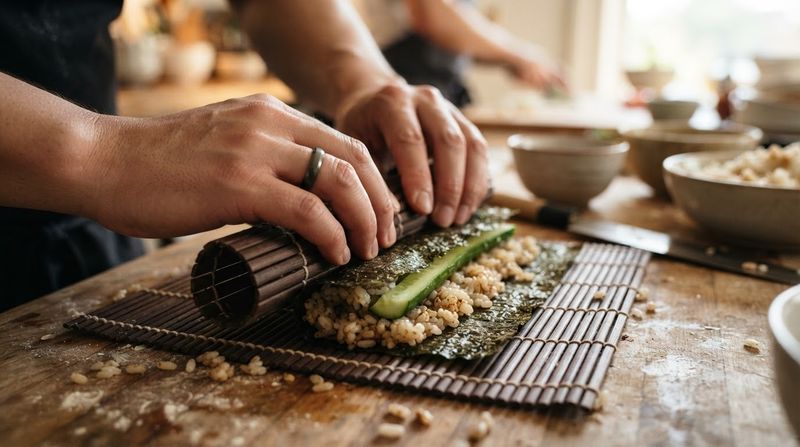
Picture a sushi chef pressing a bamboo mat with quick, steady fingers. Rolling rice, fish, and vegetables inside seaweed creates a tidy package that holds together.
The practical reason is simple. Long ago, people needed food they could eat with their hands while playing games or working.
A tight roll keeps everything in place, even without a plate.
Try it at home with a mat and slightly damp hands so the rice does not stick.
2. Burritos
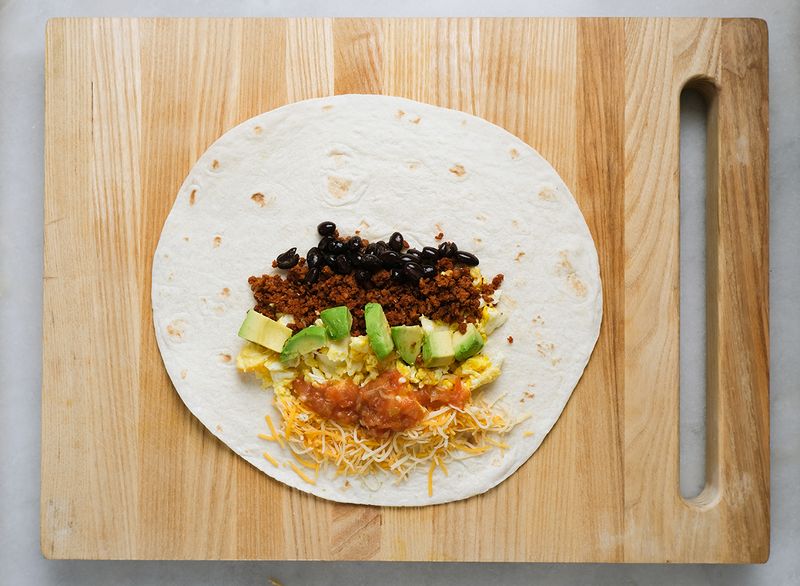
Ever tried eating beans and rice while walking? Without a wrapper, it would be a total mess.
Burritos solve that problem. A big flour tortilla gets folded at the ends and rolled tight, sealing in every bite.
Workers in northern Mexico loved them because lunch stayed warm and portable.
Here is a tip worth remembering: warm the tortilla first. Cold ones crack, while warm ones bend easily and wrap around fillings without tearing.
3. Spring Rolls
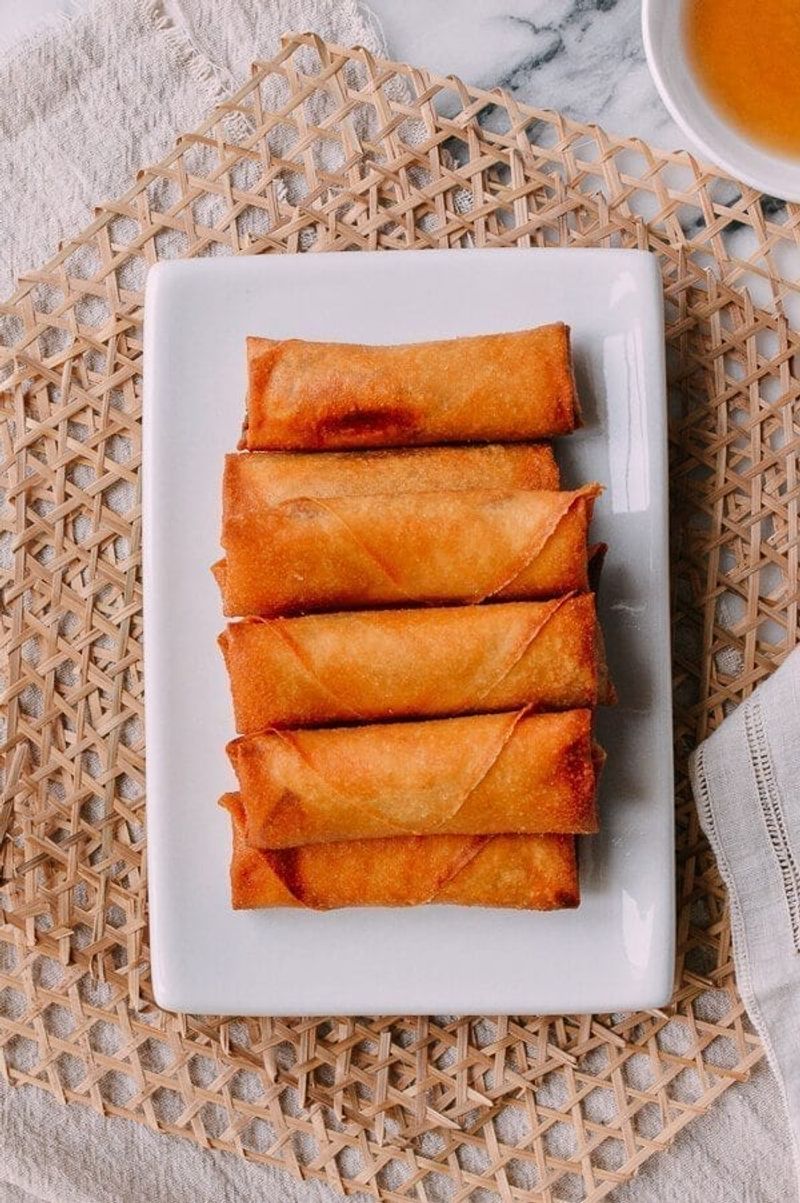
Spring rolls got their name from a celebration. In China, families made them for the spring festival, and the golden color looked like bars of gold.
Rolling the thin wrapper tightly matters for frying. Loose rolls let oil sneak in, making them greasy and soggy.
A snug roll fries up crispy and keeps the veggies steamy inside.
Seal the edge with a dab of water or flour paste so nothing pops open.
4. Cabbage Rolls
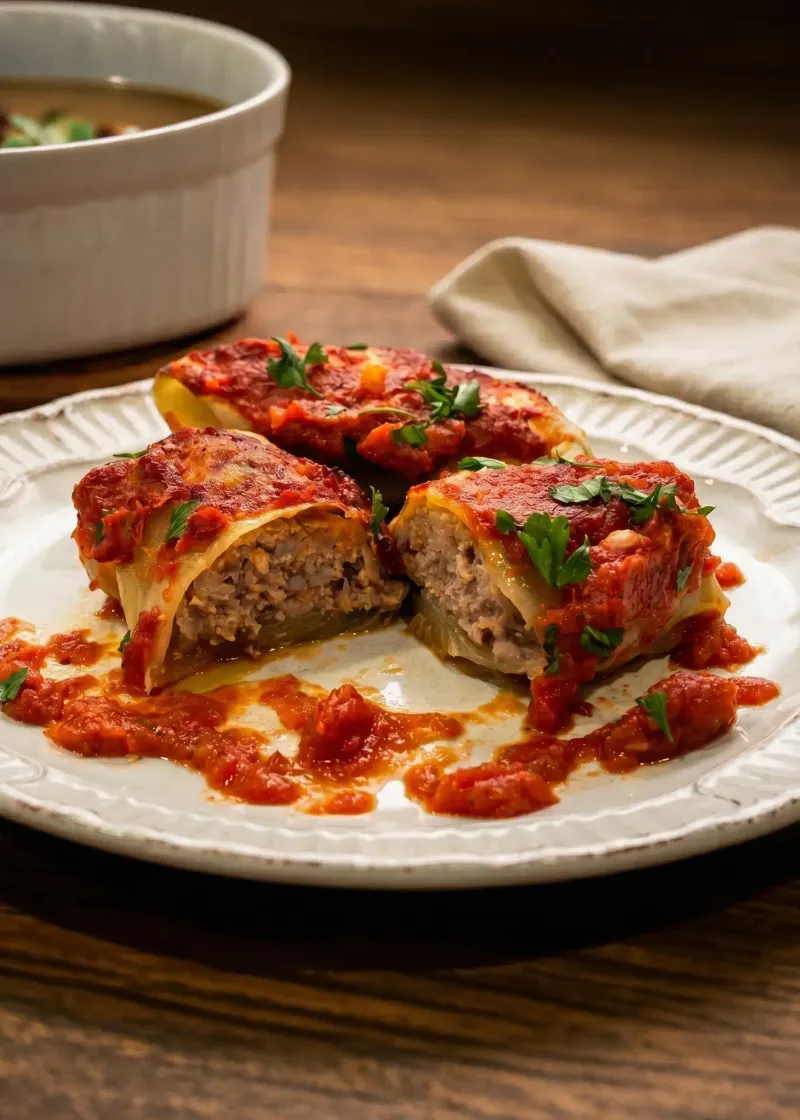
Grandmas across Poland, Ukraine, and Hungary have rolled these for generations. Ask anyone who grew up with them, and you will hear stories of crowded kitchens on holidays.
Softened cabbage leaves wrap around meat and rice. Rolling them lets the filling cook slowly in sauce without falling apart.
It also stretched small amounts of meat to feed big families.
Blanch the leaves first so they bend instead of snapping.
5. Dolmas
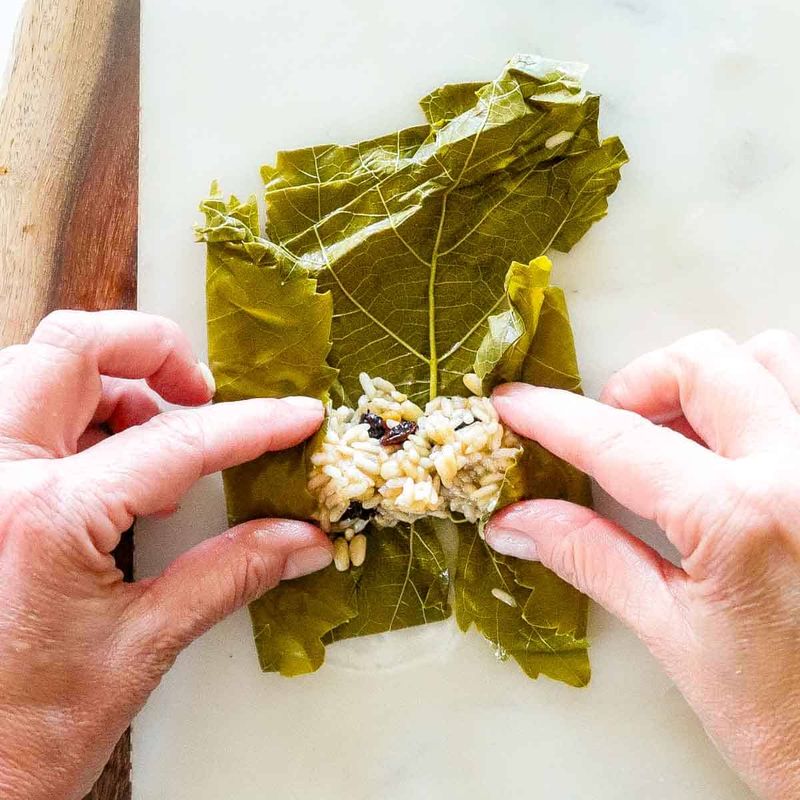
Grape leaves seem like an odd wrapper until you taste one. Across Greece, Turkey, and the Middle East, cooks roll seasoned rice into these leaves by the hundreds.
The leaves act like natural packaging. They protect the rice while it simmers and add a tangy flavor.
Small rolls also cook evenly, so every piece turns out tender.
Fun fact: the word dolma comes from a Turkish word meaning stuffed.
6. Enchiladas
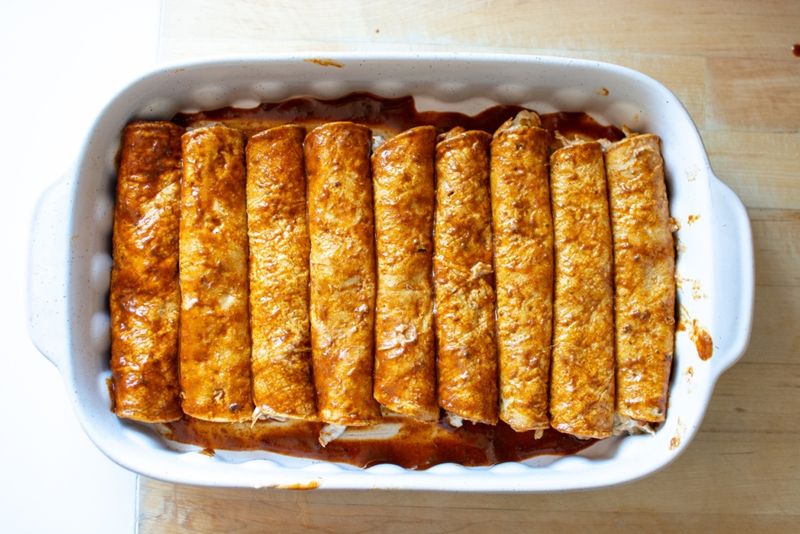
Saucy, cheesy, and cozy, enchiladas are a Mexican comfort classic. The name means seasoned with chili, which tells you how flavorful they are.
Corn tortillas get dipped in sauce and rolled around fillings. Lining them up side by side in a pan lets cooks bake many at once.
Rolled shapes also soak up sauce on every side.
Quickly fry or warm corn tortillas before rolling. That keeps them from cracking apart.
7. Cinnamon Rolls
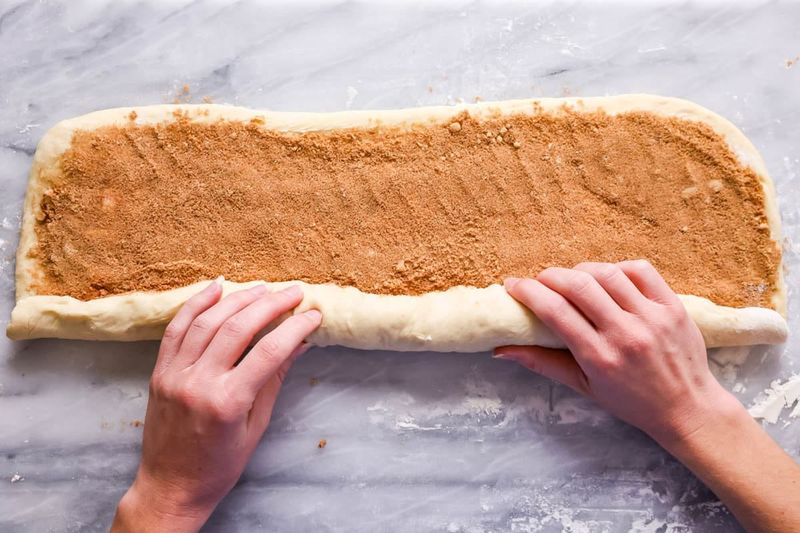
That sweet smell drifting from a bakery? Blame the spiral.
Bakers spread butter, sugar, and cinnamon over flat dough, then roll it into a log. Slicing the log creates swirls, so every bite has filling.
Without rolling, the sugar would just sit on top and burn.
Sweden even celebrates Cinnamon Bun Day every October 4. Use dental floss to slice the log cleanly without squishing your beautiful swirls.
8. Gnocchi
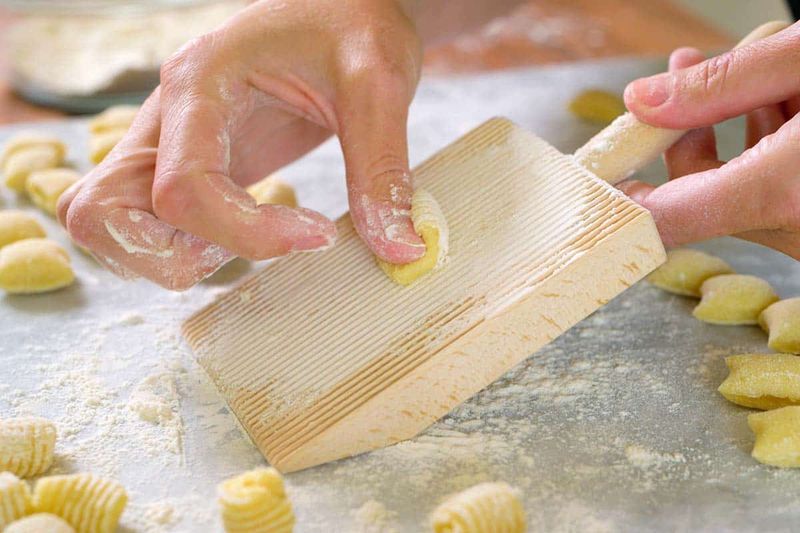
Italian nonnas make it look effortless. A quick flick of the thumb sends each little dumpling rolling across a ridged wooden board or fork.
Those grooves are not just for looks. They give sauce something to cling to, so every pillow carries flavor.
Rolling also creates a small dent that helps gnocchi cook evenly in boiling water.
Use floury potatoes and go easy on kneading. Overworked dough turns gummy fast.
9. Onigiri
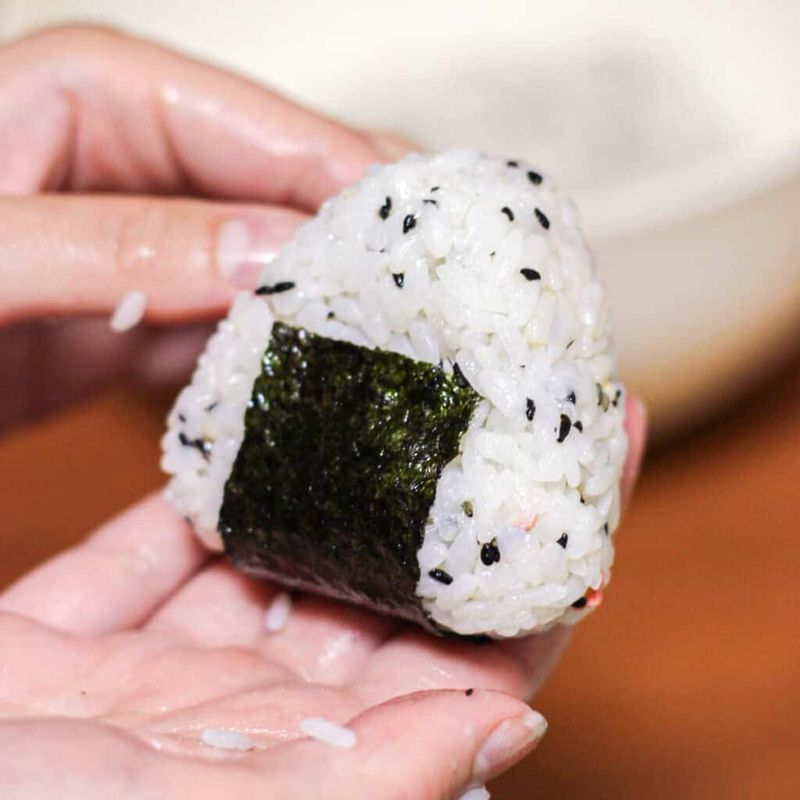
Japanese kids open lunchboxes to find these rice balls almost every day. Samurai carried them too!
Cooks shape warm rice with wet, salted hands into triangles or balls. Pressing them firmly keeps the rice from crumbling during travel.
The salt on the hands also helped preserve the rice before refrigerators existed.
Hide a surprise inside, like salmon or pickled plum. Wrap seaweed right before eating to keep it crunchy.
10. Pici Pasta
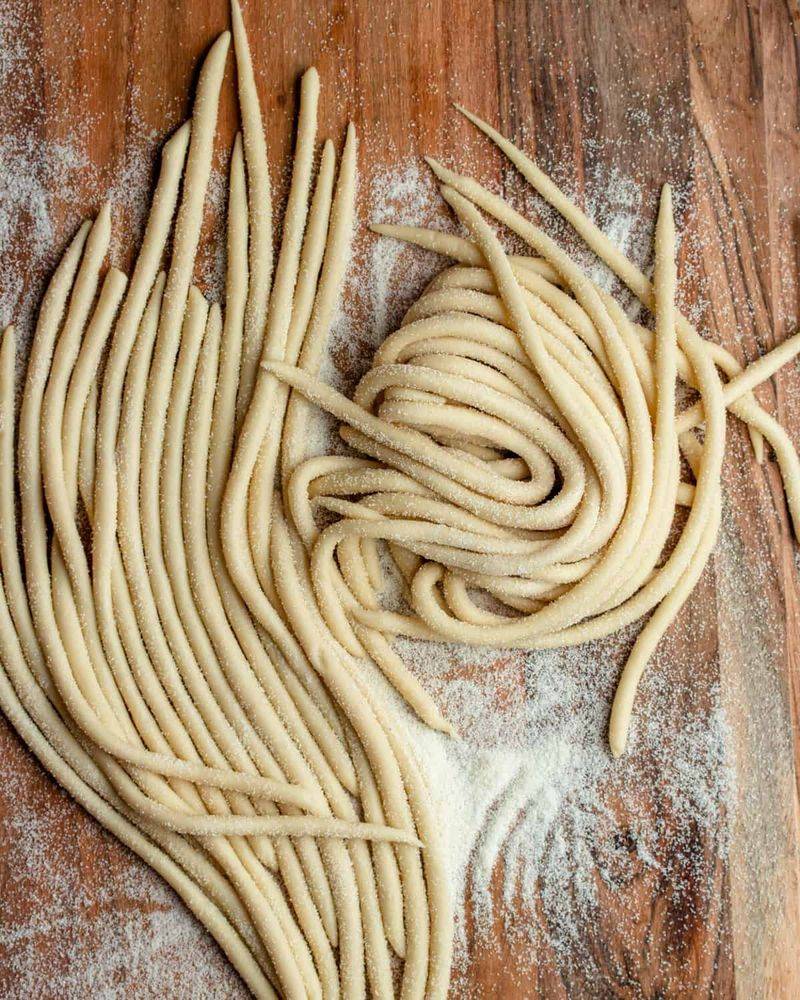
Thick, chewy, and wonderfully uneven, pici comes from the hills of Tuscany. Farm families had no pasta machines, just flour, water, and their palms.
Rolling dough between hands and the table made long fat noodles without any tools. No eggs were needed either, which saved money.
The rough surface grabs hearty sauces like garlic tomato.
Every strand looks a little different, and that charm is exactly the point.
11. Brigadeiros
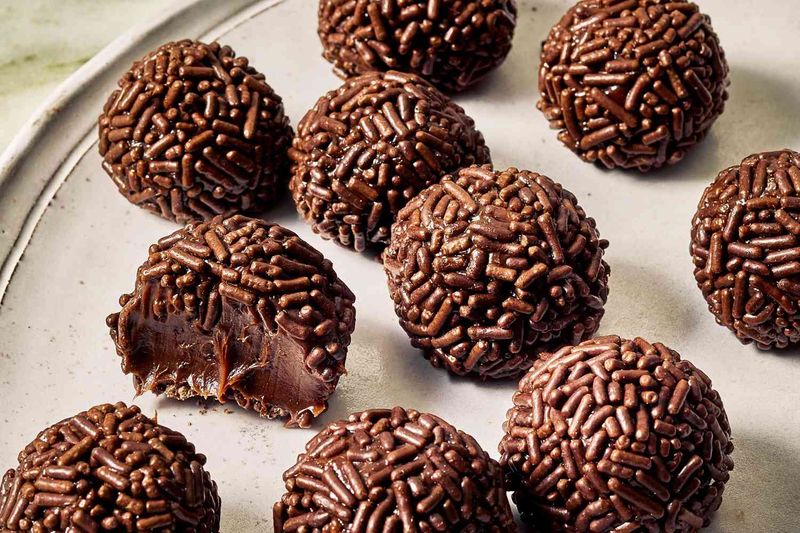
No Brazilian birthday party is complete without them. These fudgy chocolate truffles are made from condensed milk, cocoa, and butter.
Once cooked, the mixture is sticky and soft. Rolling it into small balls with buttered hands creates bite-sized treats that are easy to share.
Coating them in sprinkles keeps fingers clean.
Chill the mixture for an hour before rolling. Firm fudge shapes far more easily than warm goo.
12. Lumpia
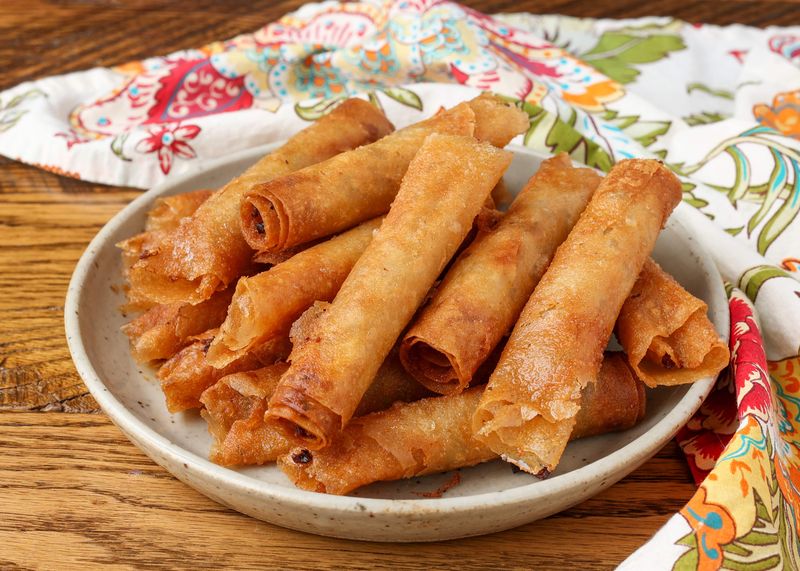
In the Philippines, making lumpia is a team sport. Relatives gather around a table and roll hundreds for parties.
These skinny rolls are tighter than most spring rolls. Thin shapes fry quickly and stay crunchy for hours, which is great for big gatherings.
The wrapper also holds pork and veggies firmly together.
Freeze extras before frying. They cook straight from the freezer, perfect for surprise guests or busy weeknights.
13. Meatballs
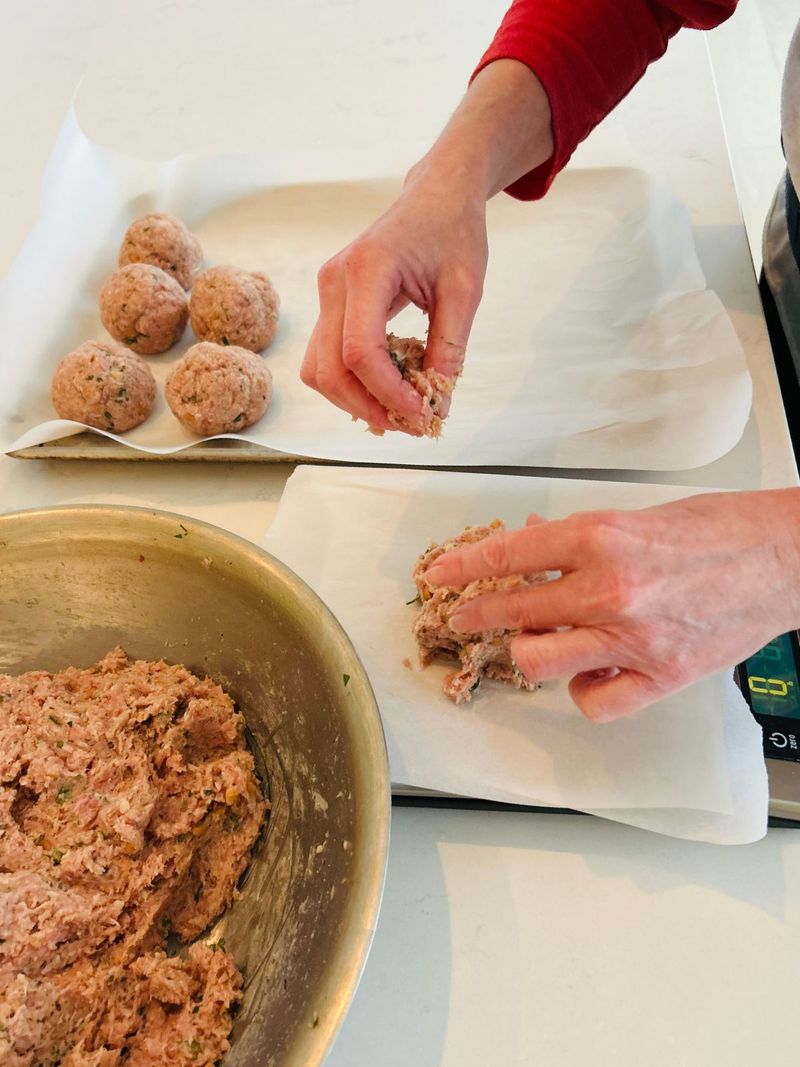
Almost every culture has a version, from Swedish kottbullar to Mexican albondigas. The rolling motion is pretty universal.
Round shapes cook evenly because heat reaches the center from every side. Rolling also packs the meat so it does not crumble in sauce.
Plus, using leftover scraps of meat wasted nothing.
Keep a bowl of cold water nearby. Wet hands stop the mixture from sticking and make smoother balls.
14. Rugelach
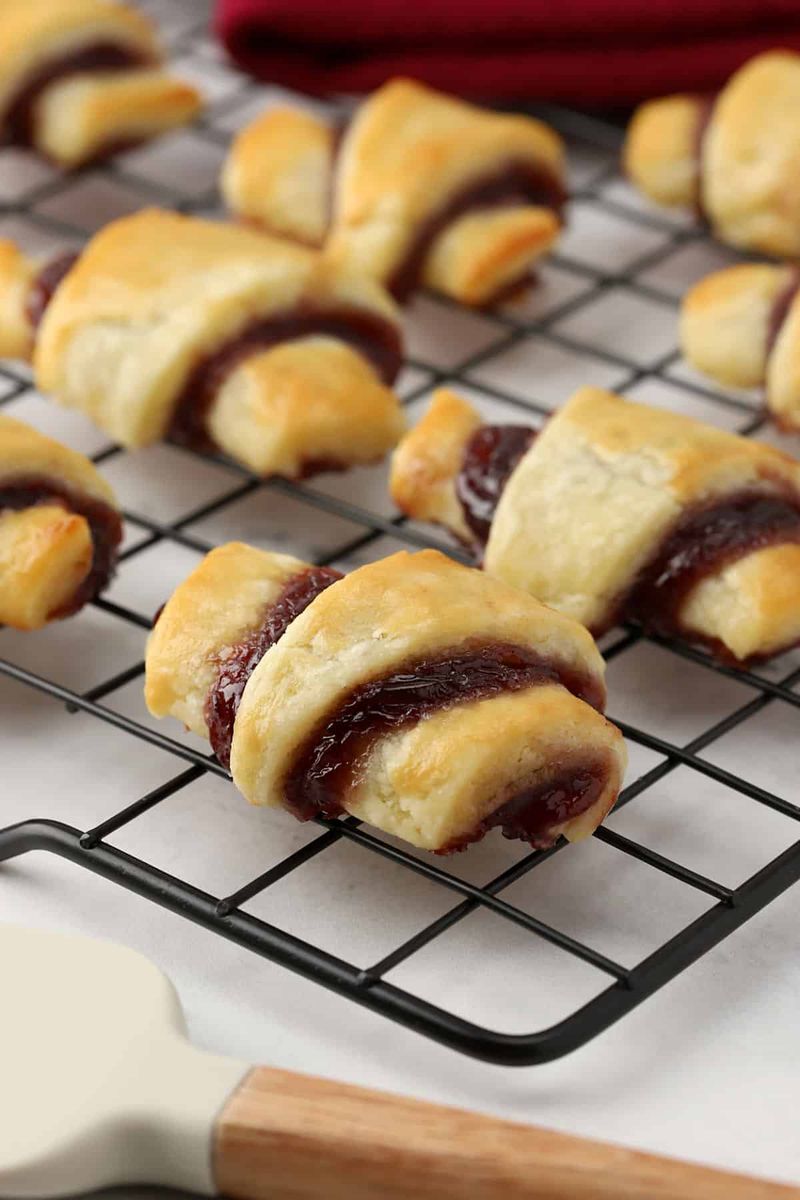
Flaky little crescents filled with jam, nuts, or chocolate, rugelach is a beloved Jewish pastry.
Bakers cut circles of dough into wedges, then roll each from the wide end. The rolling locks the filling between buttery layers so it does not leak out in the oven.
It also creates those pretty spirals.
The name comes from Yiddish and roughly means little twists. Keep your dough cold for the flakiest results.
15. Kimbap
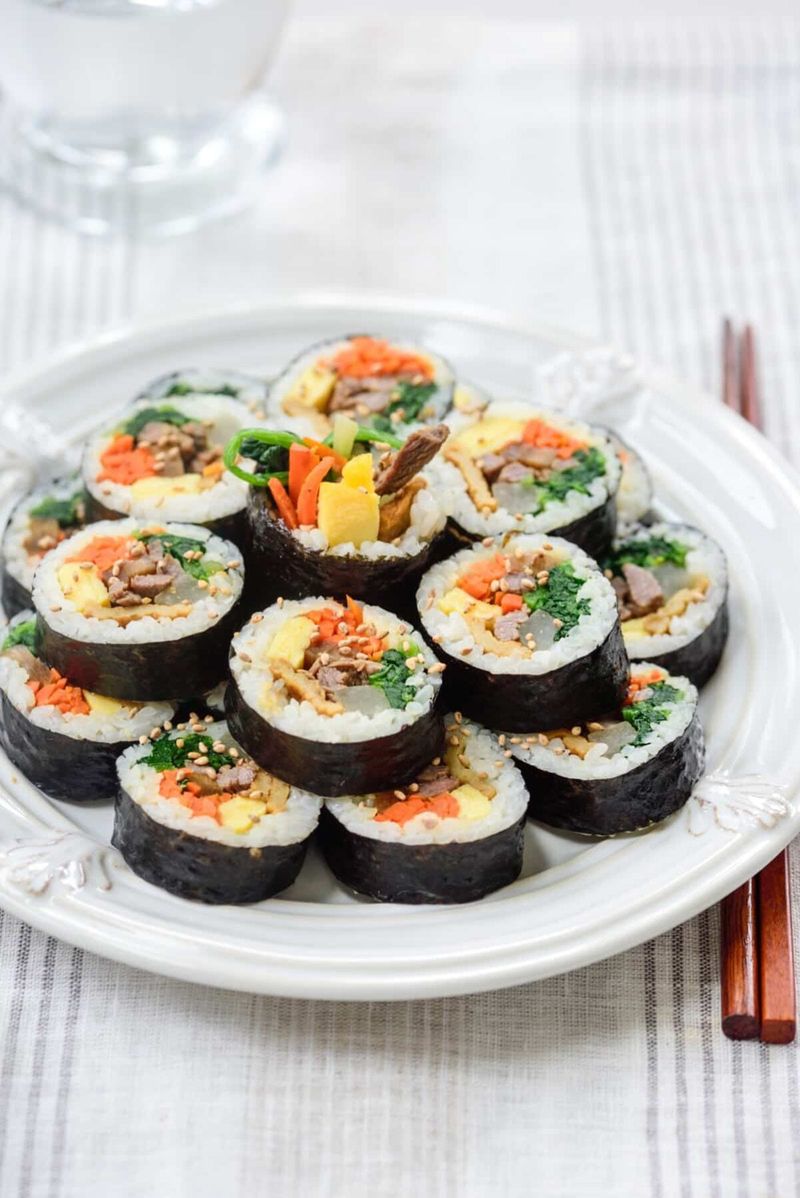
Korean school picnics almost always mean kimbap. Families wake early to roll piles of it.
Rice, egg, spinach, carrots, and pickled radish get wrapped tight in seaweed. Sesame oil coats the outside, helping it stay fresh longer at room temperature.
Slicing makes it perfect for sharing and snacking outdoors.
Unlike sushi, kimbap usually skips raw fish. That made it safer to carry on long trips before coolers.
16. Cannoli Shells
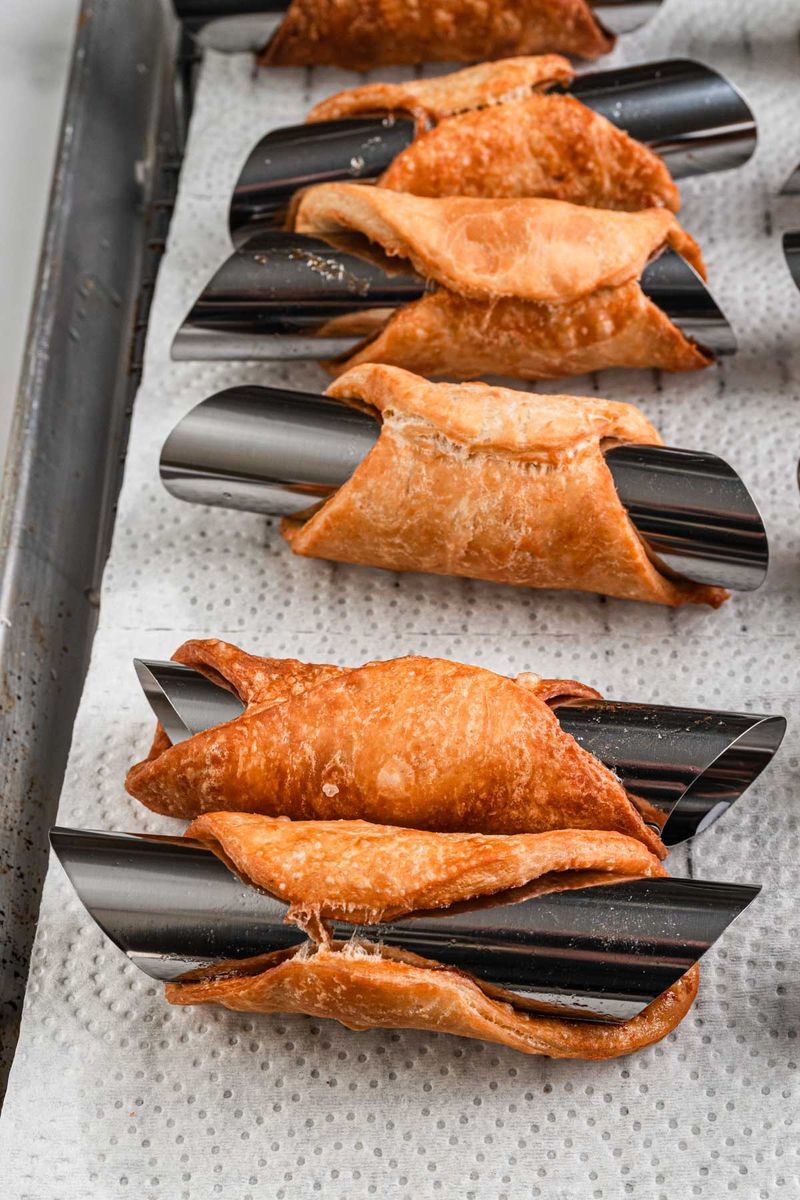
Sicilian bakers wrap dough around metal tubes before frying. Originally, they used pieces of cut river cane!
Rolling the dough around a tube creates a hollow shell that holds its shape while frying. Once crispy, the tube slides out, leaving room for sweet ricotta cream.
Fill cannoli right before serving. Creamy filling soaks into the shell quickly, and nobody enjoys a soggy cannolo.
17. Taquitos
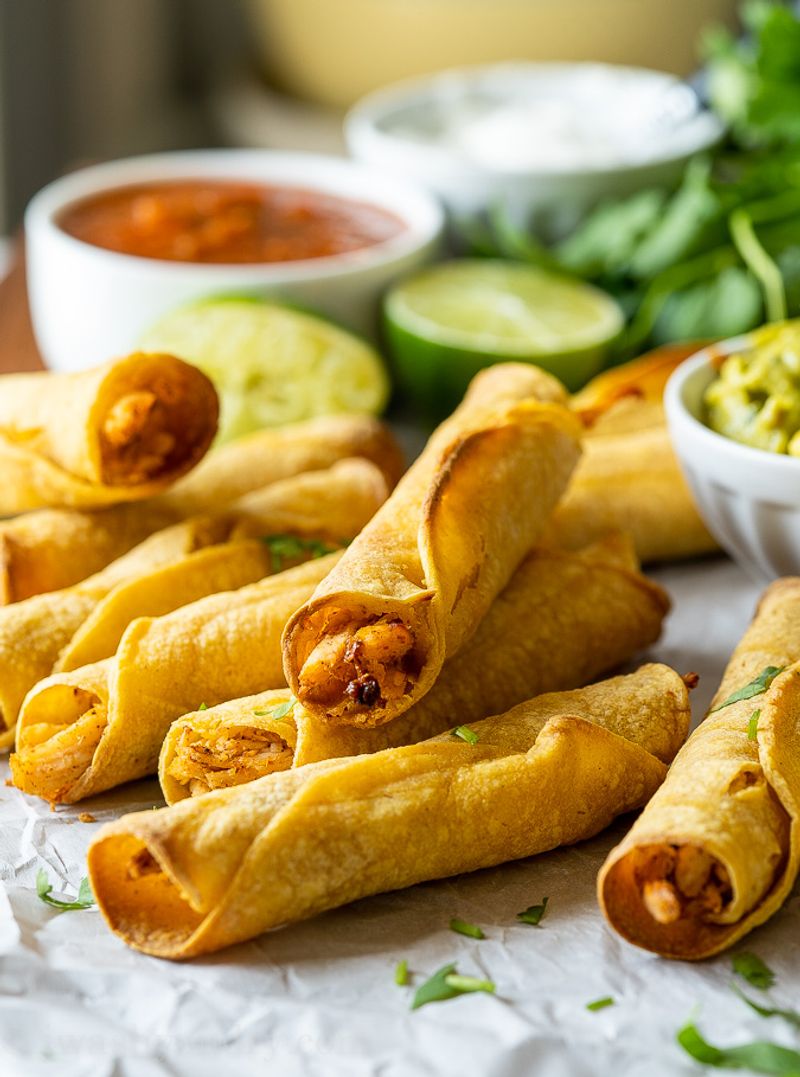
Crunchy and dippable, taquitos are like tiny edible flutes. In fact, some people call them flautas.
Small tortillas roll tightly around shredded chicken or beef. Rolling them thin means they fry fast and crisp all the way through.
A toothpick often holds them closed while cooking.
Leftover meat from yesterday’s dinner works great here. Serve with guacamole, salsa, or sour cream for dipping fun.
18. Gulab Jamun
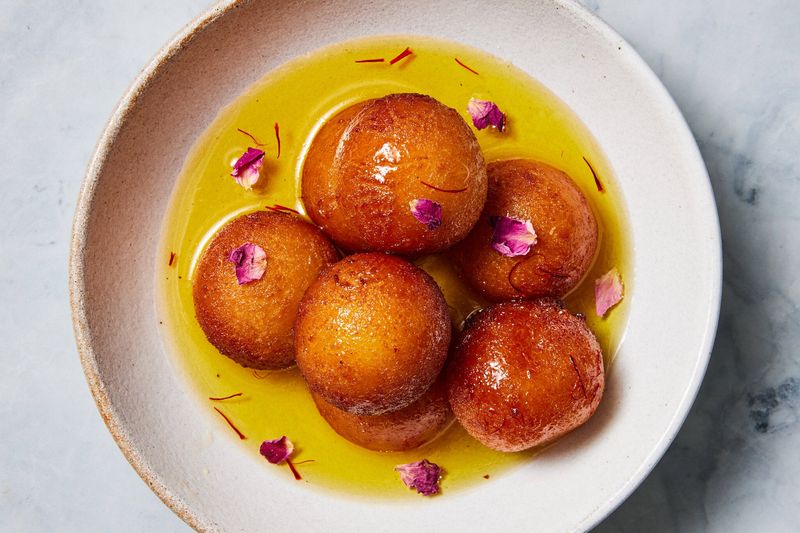
Soft, spongy, and soaked in rose syrup, gulab jamun is a favorite sweet at Indian weddings and Diwali.
Dough made from milk solids gets rolled into smooth balls with no cracks. Why so careful?
Any crack can split while frying, and smooth balls soak up syrup evenly.
Roll gently with light pressure. Squeezing too hard makes them dense instead of fluffy and tender.