
Olympic cheers may fade, but the places that held them can keep telling stories for generations. Around the world, former Olympic venues welcome travelers through tours, public grounds, museums, and live events.
Some still look much as they did during the Games, while others have found surprising new uses. Alongside famous stadiums, a few winter sports parks offer a different way to explore Olympic history.
1. Ancient Olympia: Walk Where the Games Began
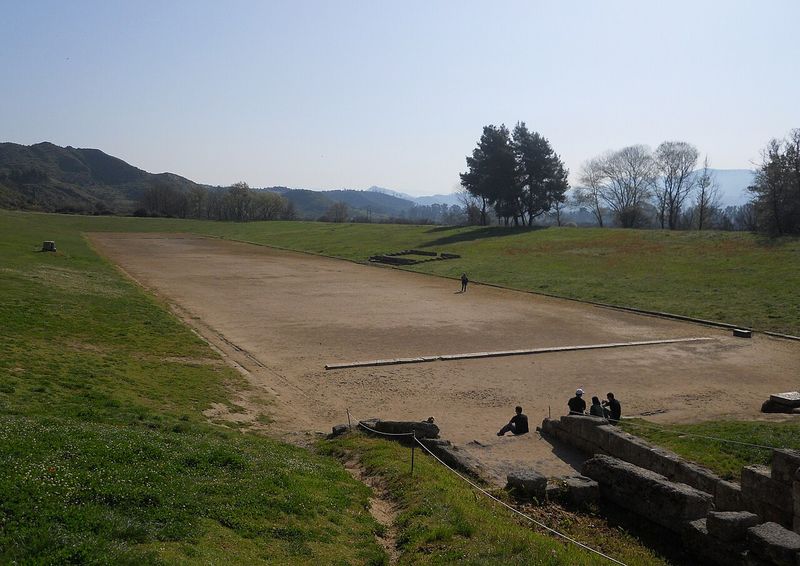
A simple stretch of earth holds centuries of sporting history at Olympia in Greece. Ancient athletes raced along this track, roughly 192 meters long, while spectators watched from grassy banks.
The stadium also welcomed Olympic shot put competitors in 2004.
Wear sturdy shoes for the uneven ground, and bring water during warm weather. Look for the surviving stone starting line, then explore the wider sanctuary and museum using the available archaeological site ticket options nearby.
2. Panathenaic Stadium: Athens in Bright White Marble
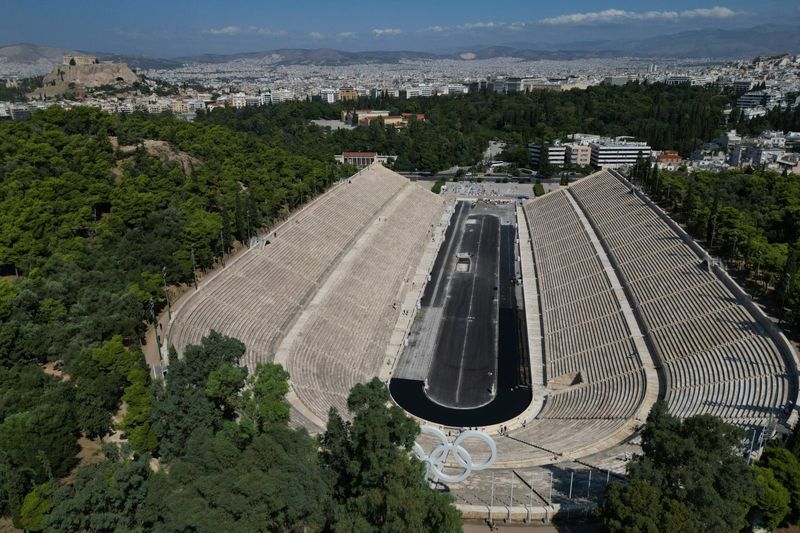
Sunlight bouncing off white marble makes this Athens landmark hard to forget. The Panathenaic Stadium hosted the first modern Olympics in 1896 and returned to Olympic duty in 2004.
Its sweeping seats form a dramatic horseshoe around the track.
Paid admission lets visitors explore during published opening hours. Arrive early to avoid strong midday heat, and allow time for the displays.
Olympic flame handover ceremonies still connect this historic setting with future Games around the world.
3. Francis Olympic Field: A Campus With a Sporting Past
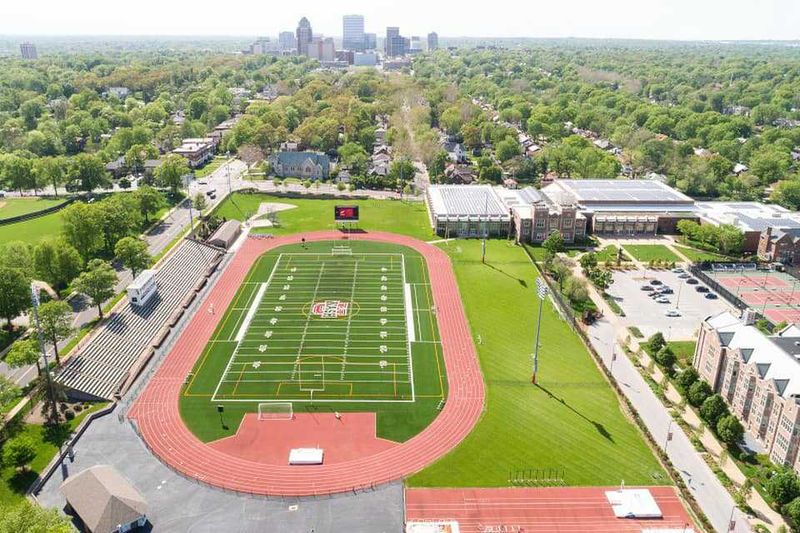
College sports and Olympic history share the same address in St. Louis. Francis Field hosted events during the 1904 Games and remains part of Washington University’s athletic grounds.
Its continued use makes the past feel surprisingly close.
Plan your stop around a public sporting event or check university visitor guidance before approaching the seating areas. Campus walks offer another way to enjoy the surroundings.
Remember that team practices and university activities take priority over sightseeing visits.
4. Rome’s Stadio Olimpico: Olympic History With Matchday Energy
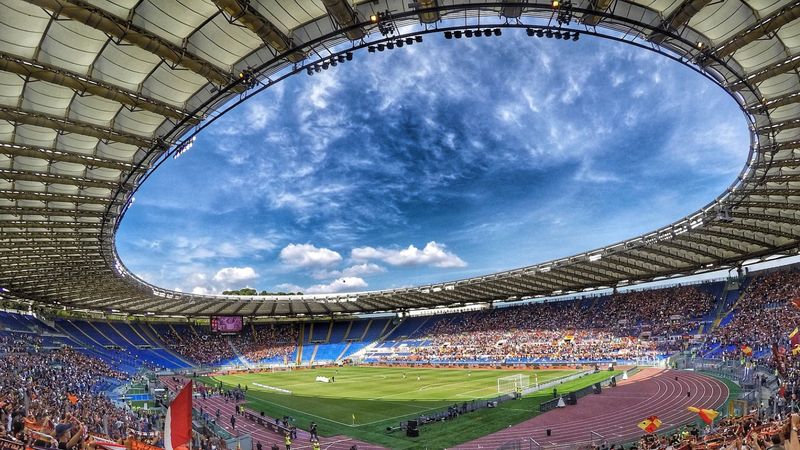
The roar of football fans now fills a venue once famous for Olympic athletics. Rome’s Stadio Olimpico was the main stadium for the 1960 Summer Games.
Today, major matches and concerts keep its grandstands busy.
Look for official stadium tour bookings if you want a visit without matchday crowds. Event tickets offer a louder, livelier experience, but security rules may limit bags.
Leave extra travel time, since nearby roads and transport stops become crowded before kickoff.
5. Munich Olympic Stadium: A Roof That Changed the Skyline
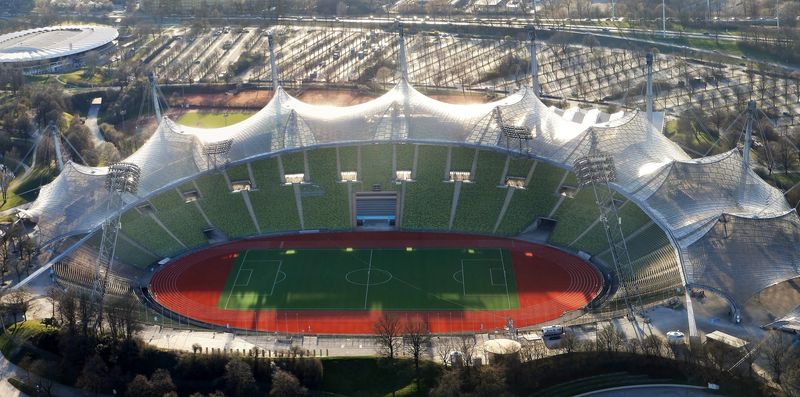
A roof like a giant floating tent gives Munich’s Olympic Stadium its unforgettable shape. Built for the 1972 Games, the design uses sweeping cables and clear roof panels to create a light, open feeling.
The surrounding park adds lakes, lawns, and walking paths.
Check the official calendar before planning an interior visit, since events and maintenance can change access. Even an outdoor stroll reveals the bold architecture.
Bring a camera for views across the landscaped grounds.
6. Montreal Olympic Stadium: Meet the Big O
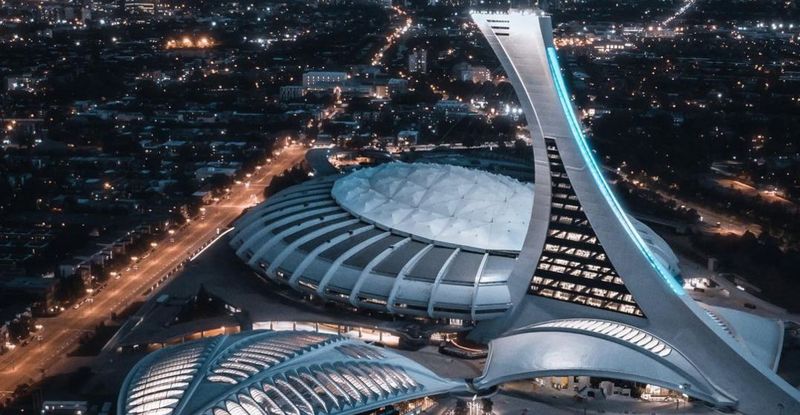
Nicknamed the Big O, Montreal’s Olympic Stadium looks more like a space age sculpture than a traditional sports ground. It hosted the 1976 Summer Olympics, and its leaning tower became a city landmark.
Major renovation work can affect stadium entry, tours, and tower visits, so confirm current openings through Olympic Park before traveling. The surrounding district still offers striking exterior views and nearby attractions.
Treat indoor access as a possibility, not a promise, when planning sightseeing.
7. Lillehammer’s Lysgårdsbakken: Stand Beneath the Ski Jumps
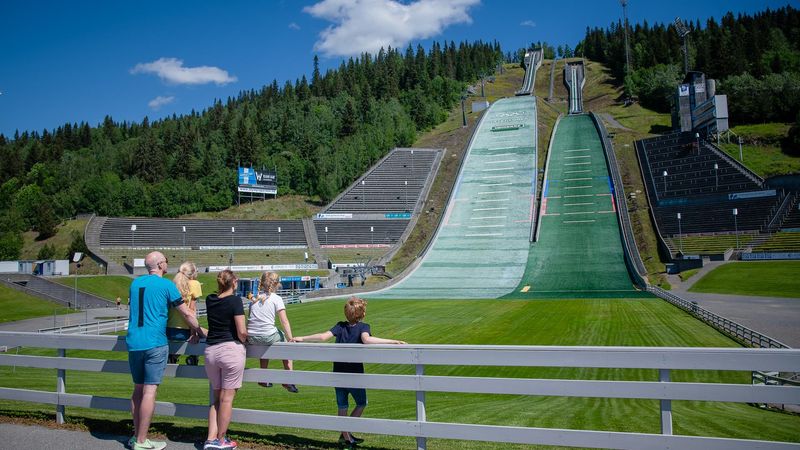
Looking up at Lillehammer’s towering ski jumps gives you fresh respect for the athletes who launch themselves into the air. The Lysgårdsbakken arena hosted ski jumping and ceremonies during the 1994 Winter Olympics.
It remains a working sports site.
Explore designated visitor paths and check seasonal options for reaching viewpoints above the arena. Wear comfortable shoes for slopes and steps.
The Norwegian Olympic Museum, elsewhere in Lillehammer, makes a useful companion stop for a fuller history lesson.
8. Atlanta’s Olympic Stadium Site: Three Sporting Lives
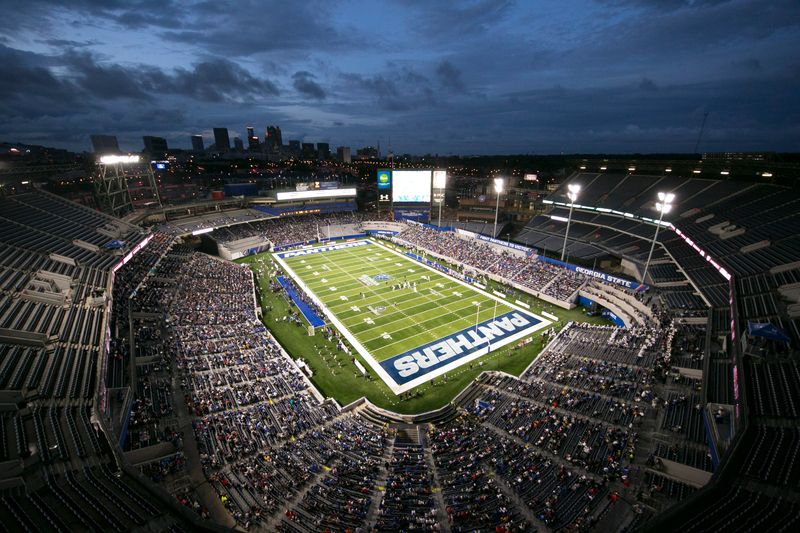
Few Olympic venues have changed jobs quite like Atlanta’s main stadium. Built for the 1996 Summer Games, it became Turner Field for baseball before another conversion brought Georgia State football to the site.
Each chapter reshaped the original structure.
A public football game is a practical way to experience its latest life. Check the university’s schedule and ticket rules rather than expecting unrestricted tourist entry.
Around the grounds, consider how one Olympic project supported different sports across decades.
9. Sydney’s Stadium Australia: Remember the Golden Summer
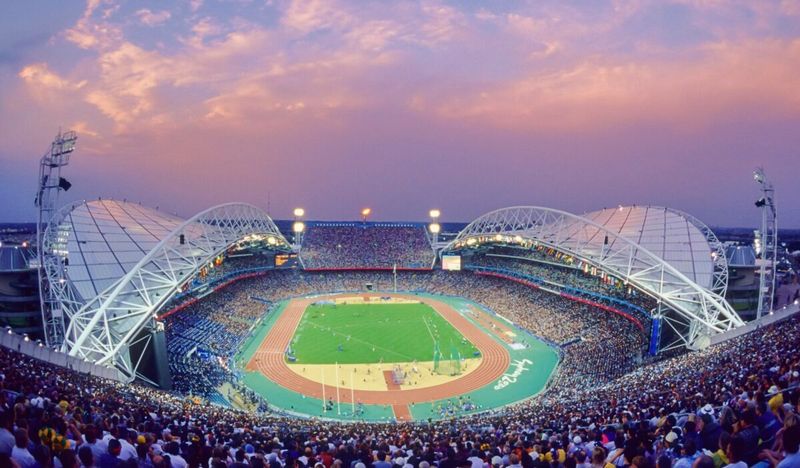
Memories of Sydney’s 2000 Olympics still surround the huge stadium now known as Accor Stadium. It hosted the opening and closing ceremonies, along with athletics, during a celebrated chapter in Australian sport.
Rugby, football, and concerts keep it active.
Browse official event listings and any available tour dates before visiting. Sydney Olympic Park also has public spaces worth exploring without a stadium ticket.
Using the train can simplify your journey, especially when a major event draws crowds.
10. Utah Olympic Park: Winter Sports Beyond the Grandstands
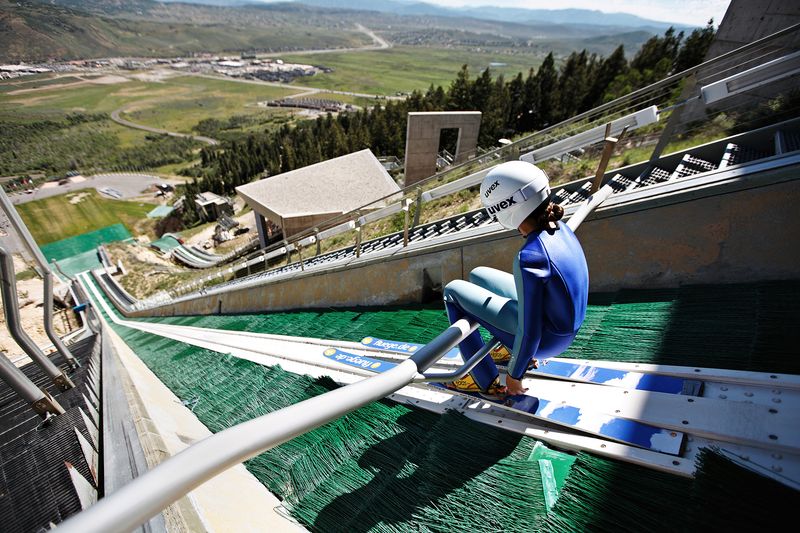
Mountain air replaces city noise at Utah Olympic Park near Park City. Rather than one main stadium, this venue brings together ski jumps and a sliding track used during the 2002 Winter Games.
Athletes still train here.
Start with the museums inside the Joe Quinney Winter Sports Center, then ask which viewing areas are open. Guided tours and seasonal activities may require separate bookings.
Watch training only from approved spots, because working sports facilities are not playgrounds.
11. London Stadium: From Olympic Track to Football Pitch
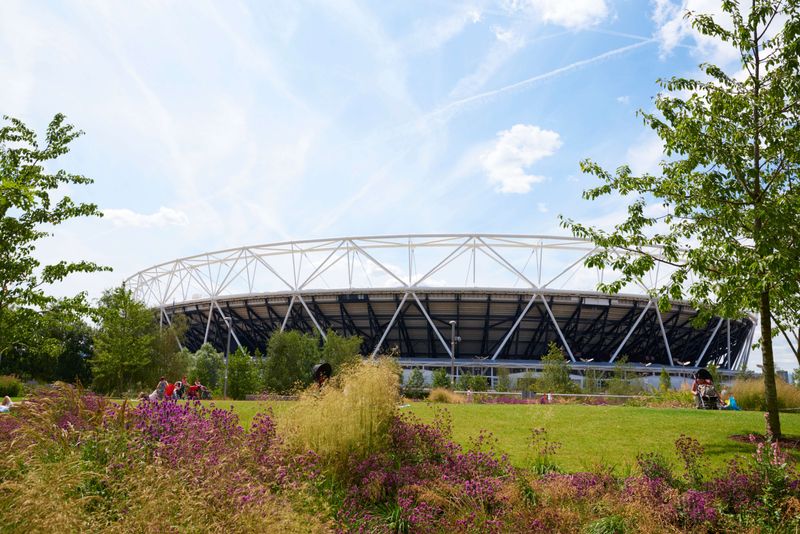
A walk through east London’s Queen Elizabeth Olympic Park leads to the stadium that held the 2012 Games’ biggest ceremonies. London Stadium later became West Ham United’s home, while also hosting concerts and other sporting events.
Book an official tour for a closer look when offered, or choose an event ticket for the full crowd experience. Outside, public paths and waterways make sightseeing easy.
Pair your stadium stop with a relaxed park walk rather than rushing away.
12. Sochi’s Fisht Stadium: A Seaside Olympic Landmark
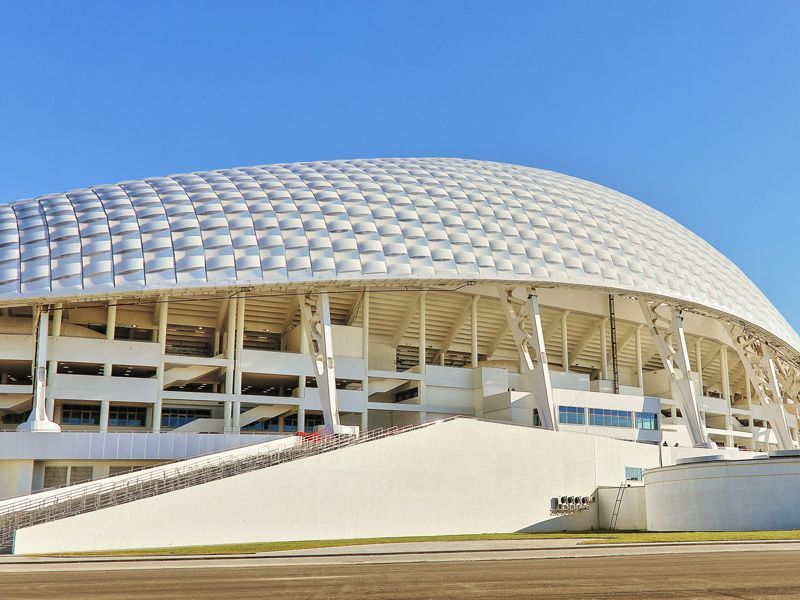
Beside the Black Sea, Sochi’s Olympic Park groups striking arenas around broad open spaces. Fisht Stadium hosted the opening and closing ceremonies of the 2014 Winter Games, then became a football venue.
Its curved roof stands out among the coastal buildings.
Public outdoor areas offer views without promising entry to every arena. Before considering travel, review your government’s current advice for Russia, along with visa and transport requirements.
Local events and security arrangements can also affect access.
13. Beijing’s Bird’s Nest: A Stadium Wrapped in Steel
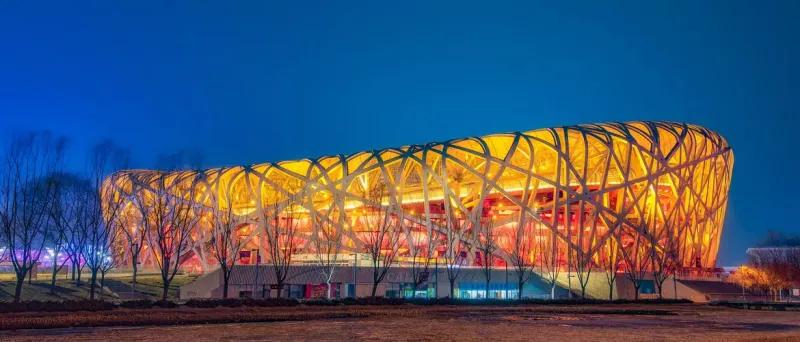
Tangled steel beams create the nestlike shape of Beijing’s National Stadium. Known as the Bird’s Nest, it hosted major events during the 2008 Summer Olympics and ceremonies for the 2022 Winter Olympics.
Few venues have such a recognizable outline.
Check official visitor ticket options, opening hours, and identification requirements before heading over. Interior routes may vary with events.
Outside, leave time to photograph the structure from several angles, especially when evening lighting brings out its unusual pattern.
14. Turin’s Olympic Arena: Hockey Ice to Concert Lights
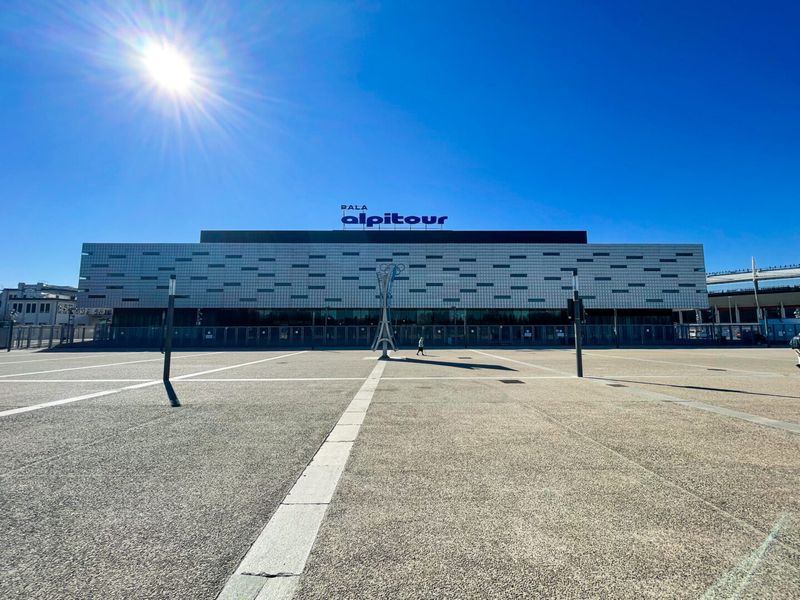
Concert lights now shine where Olympic hockey players once chased the puck. Turin’s Palasport Olimpico hosted ice hockey during the 2006 Winter Games.
Later called Pala Alpitour and now Inalpi Arena, it remains a major indoor entertainment venue.
This is an arena, not the Games’ main ceremony stadium. Plan around a ticketed concert or sports event, since casual sightseeing entry is not guaranteed.
Confirm the current venue name when searching, and check bag restrictions before joining entrance queues.
15. Mexico City’s University Stadium: Sport Meets Campus Art
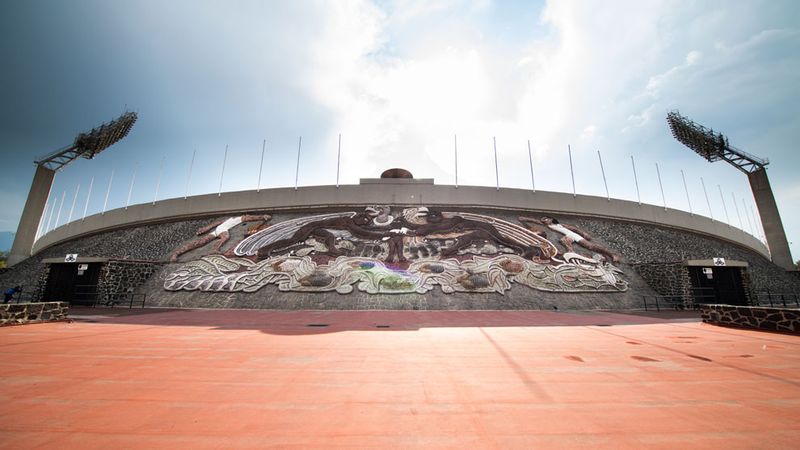
Art and athletics meet at Mexico City’s Estadio Olímpico Universitario. The stadium hosted the main events of the 1968 Summer Olympics and belongs to the National Autonomous University of Mexico.
Its setting connects sporting history with a remarkable university campus.
Attend a Pumas football match for access during a public event, or explore permitted exterior areas. Look for Diego Rivera’s sculptural mural near the stadium.
Bring sun protection, and allow time to adjust to Mexico City’s high altitude.