
A harmful marriage does not always look harmful at first. You may explain away hurtful moments, blame yourself, or slowly get used to feeling small.
Looking back can help you see patterns that were hard to notice while you were living through them. These signs are not a diagnosis, but they can help you name what happened and decide what support you need.
1. Criticism Became the Background Noise

Even folding the laundry could turn into a lesson about everything you did wrong. Over time, repeated criticism may have made you feel clumsy, foolish, or impossible to love.
Feedback about one problem became attacks on your whole character.
Notice whether your spouse offered kind suggestions or mostly found faults. Respectful partners can disagree without tearing each other down.
If those comments still echo today, a counselor can help you rebuild trust in your own judgment.
2. Conversations Ended in a Wall of Silence

You brought up a concern, and suddenly the room went quiet. Your spouse might have ignored you, walked away, or refused to answer for hours.
Nothing got solved because the conversation never had a fair chance.
A short break can help people calm down, especially when they agree to return. Silence used to punish or avoid every difficult topic is different.
Look back at whether discussions resumed and your concerns were heard, rather than quietly buried.
3. Arguments Went in Circles

The same fight returned like a song stuck on repeat. Small disagreements grew into long battles, and old mistakes appeared whenever you tried to discuss something new.
You finished exhausted, with no clear plan for change.
Healthy conflict does not require perfect agreement, but it should leave room for listening and repair. Consider whether apologies led to different behavior.
Repeated fights without progress can reveal a harmful pattern, not simply a rough week or ordinary stress.
4. Everyday Choices Required Permission
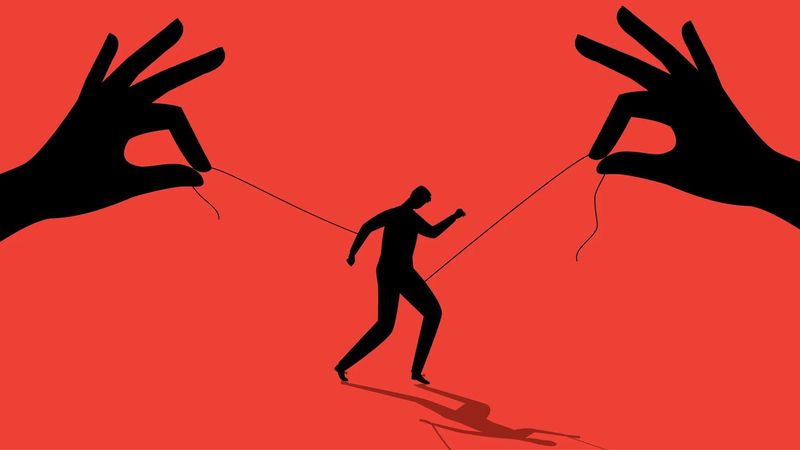
Buying shoes, visiting a friend, or applying for work should not feel like asking a boss for approval. Yet your spouse may have treated ordinary decisions as privileges they could grant or remove.
Control can hide behind claims of protection or better judgment. Shared planning is different from one person making every rule.
If money, travel, or phone access was restricted, speak privately with a trusted advocate about safe ways to regain choices and practical independence.
5. Your Support Circle Slowly Disappeared

At first, skipping a family dinner seemed easier than dealing with another complaint. Then visits became rare, calls felt risky, and friendships faded.
Your world narrowed until your spouse became your main source of company and approval.
Isolation can grow through guilt, insults about loved ones, or pressure to stay home. Reconnecting may begin with one quiet conversation.
Choose someone who listens without judging, and use a safe device if you suspect your messages are monitored.
6. You Stopped Trusting Your Memory

You remembered a hurtful comment clearly, but your spouse insisted it never happened. Perhaps they called you dramatic or claimed you always misunderstood.
After enough exchanges, you began checking your own memory before trusting your feelings.
Gaslighting is a pattern of undermining someone’s sense of reality, not every difference in recall. If safe, keep private notes about troubling incidents.
A trusted person or therapist can help you sort through events without making you defend every painful detail.
7. Your Progress Kept Getting Blocked

A job interview vanished because the car was suddenly unavailable. Therapy became a waste of money, according to your spouse.
Each step toward growth seemed to meet a new obstacle or discouraging remark.
Partners do not need identical goals, but they should not deliberately block each other’s progress. Look for repeated interference rather than one scheduling mistake.
Protect important documents and seek private guidance if needed. Your education, work, and healing do not require someone else’s permission.
8. Jealousy Turned Into Surveillance

A late reply sparked an interrogation instead of a simple check in. Your spouse demanded passwords, tracked your location, or treated friendly conversations as proof of betrayal.
What they called love felt more like being watched.
Jealous feelings do not excuse controlling actions. Trust grows through honest discussion, not constant tests of loyalty.
If tracking or threats continue, consult a support service before changing settings. Sudden changes may increase danger when a controlling partner notices lost access.
9. Your Voice Carried Less Weight

Somewhere along the way, your opinions became suggestions your spouse could brush aside. Big decisions happened without you, and disagreement brought eye rolls or lectures.
You were present in the marriage but missing from its decisions.
Mutual respect means both people matter, even when their views differ. Think about whose needs shaped family plans, spending, and daily routines.
Being heard is not a reward for staying agreeable. You deserve a real voice, not merely a seat nearby.
10. Hurtful Jokes Always Targeted You

Everyone laughed, but you wanted to disappear. Your spouse joked about your body, intelligence, or mistakes, then accused you of being too sensitive when you objected.
The punch line usually came at your expense.
Humor should not require one person to swallow humiliation. Notice whether your spouse stopped after learning a joke hurt you.
Repeated insults disguised as teasing still cause harm. You can name that behavior clearly without proving that you have a sense of humor.
11. Your Boundaries Were Treated as Obstacles
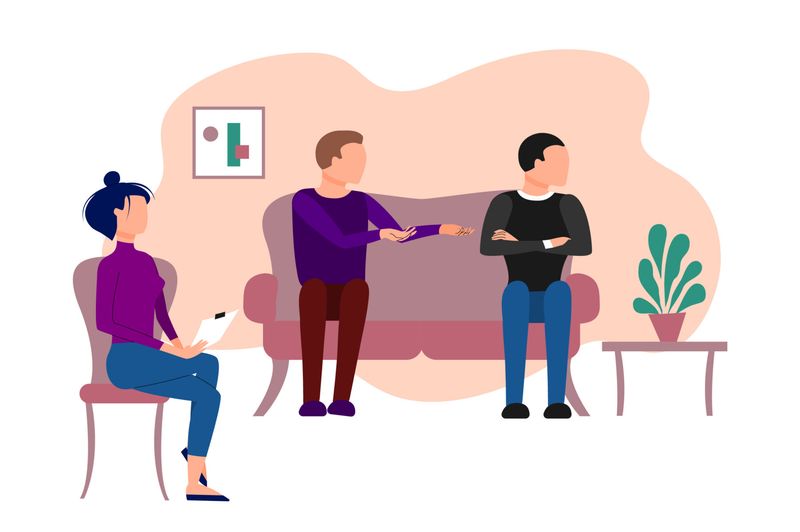
Saying no led to pressure, guilt, or anger instead of acceptance. Your spouse may have read private messages, demanded physical affection, or refused to let you rest.
Personal limits were treated as selfish choices.
Marriage does not erase your right to privacy, space, or consent. A caring partner can feel disappointed and still respect a boundary.
If refusing feels unsafe, prioritize support over confrontation. An abuse advocate can help you consider options that fit your situation safely.
12. Giving Became Your Full-Time Job

You handled the chores, remembered appointments, soothed hurt feelings, and adjusted your plans. Meanwhile, your own needs waited at the bottom of the list.
The relationship worked mainly because you kept carrying it.
Fairness does not mean every task must be split exactly in half. Illness or busy seasons can change the balance.
What matters is appreciation, shared effort, and willingness to adjust. If asking for help always brought blame, the imbalance went beyond ordinary household frustration.
13. Affection Became a Bargaining Chip

A hug felt available only after you agreed, apologized, or gave in. Comfort disappeared when you expressed a need.
Instead of helping you feel close, affection became something you had to earn.
Nobody owes physical contact or sex, and changes in desire alone do not prove toxicity. The concern is using closeness to punish or control.
Look at whether emotional care remained available during disagreements. A healthy bond leaves room for consent, honesty, and kindness on both sides.
14. Sharing a Home Felt Like Living Alone

Two toothbrushes sat by the sink, yet your days barely touched. You managed separate routines, shared little joy, and stopped expecting comfort from the person beside you.
Loneliness became part of life together.
Independent interests can be healthy; emotional absence is different. Ask whether there was room for curiosity, warmth, and shared time.
Distance alone does not prove abuse, but ongoing disconnection matters. Naming that loneliness can help you understand why the marriage felt so empty inside.
15. Your Body Stayed on Alert

Your stomach tightened when you heard the key in the door. Sleep became lighter, your shoulders stayed tense, and ordinary conversations felt risky.
Sometimes your body noticed the strain before you could explain it.
These reactions can have many causes, so they are not proof by themselves. Still, feeling afraid around a spouse deserves attention.
Talk with a healthcare professional or trusted support person. If you face threats or immediate danger, seek emergency help when safely possible.
16. Keeping the Peace Meant Shrinking Yourself

Before speaking, you rehearsed every word. You checked your spouse’s mood, softened simple requests, and hid good news that might upset them.
Avoiding an outburst became more urgent than being yourself.
Being thoughtful is not the same as living on eggshells. A safe relationship allows mistakes, different opinions, and ordinary human moods.
Remember that managing another adult’s anger is not your job. If reactions are unpredictable or threatening, get private help with planning rather than testing their limits.
17. Exhaustion Followed You Everywhere

Rest did not seem to refill your energy. Even calm days carried sadness or tension because you expected another difficult moment.
Things you once enjoyed began to feel like extra work.
Ongoing relationship stress can affect sleep, focus, and mood, though other health concerns may also play a part. Seek medical or counseling support if these feelings persist.
Small steps, such as regular meals and contact with friends, can support recovery without pretending the deeper problem is solved.
18. Accountability Never Reached Their Door

Somehow, every hurtful choice became your fault. Your spouse blamed stress, brought up your mistakes, or claimed they were the real victim.
An apology, if it came, rarely included lasting change.
Taking responsibility means naming the harm, listening, and working to behave differently. Promises alone do not repair a repeated pattern.
You do not need their agreement to recognize what happened. Individual support can help you decide next steps, especially if fear or control makes joint counseling unsafe.