
Some foods hide their best flavors right beneath the surface, locked inside their own natural wrapping. Cooking them in their skins keeps moisture, nutrients, and rich taste sealed in during the whole process.
The result is food that is juicier, more flavorful, and sometimes even easier to prepare. Get ready to rethink the way you cook some of your favorite everyday ingredients.
1. Potatoes

There is a reason baked potatoes are a classic comfort food. When you cook a potato in its skin, the skin acts like a natural oven, trapping steam and keeping the inside soft and fluffy.
You get a crispy outer layer and a creamy center without losing any of the earthy flavor.
The skin also holds in vitamins like B6 and potassium. Just scrub them clean and pop them in the oven.
2. Sweet Potatoes
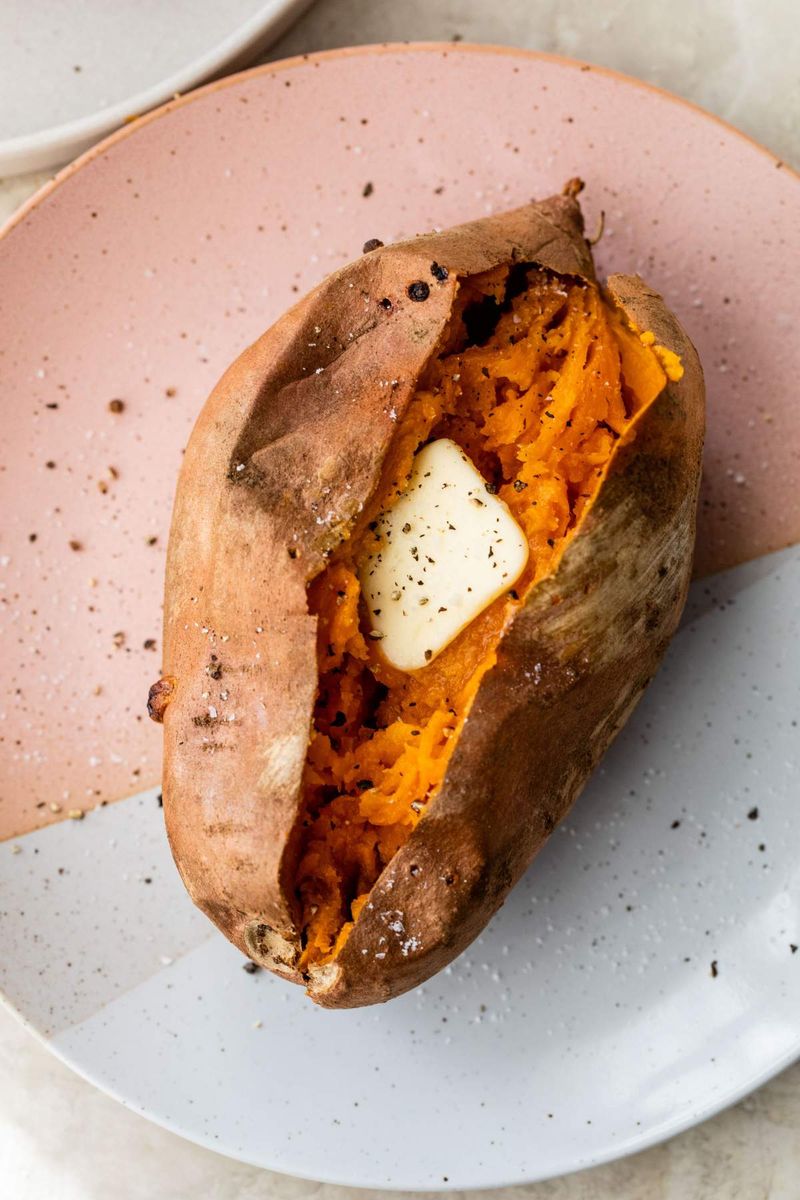
Sweet potatoes become almost candy-like when roasted whole in their skins. The natural sugars concentrate and caramelize right inside the skin, creating a deeper, richer sweetness than you would ever get by peeling them first.
It is one of those simple cooking tricks that makes a huge difference in flavor.
After roasting, the skin peels away easily. You can scoop out the insides or eat the whole thing for extra fiber.
3. Beets
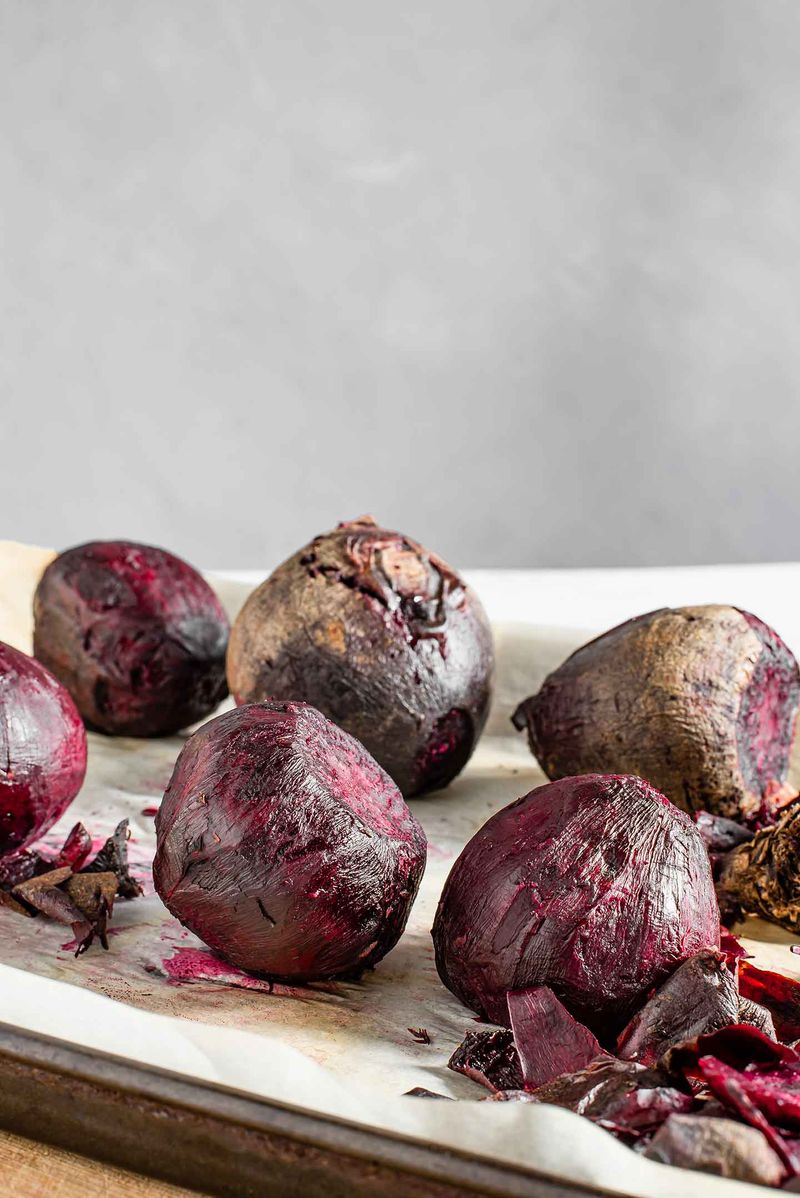
Roasting beets in their skins is a game changer for anyone who thinks they dislike this vegetable. The skin seals in all the earthy, sweet juices that would otherwise leak out onto your baking pan.
Once roasted, the skins slip right off with just a little pressure from your fingers.
Cooking them this way also keeps the beets from drying out. The result is tender, deeply flavored beets that are nothing like the canned version.
4. Garlic
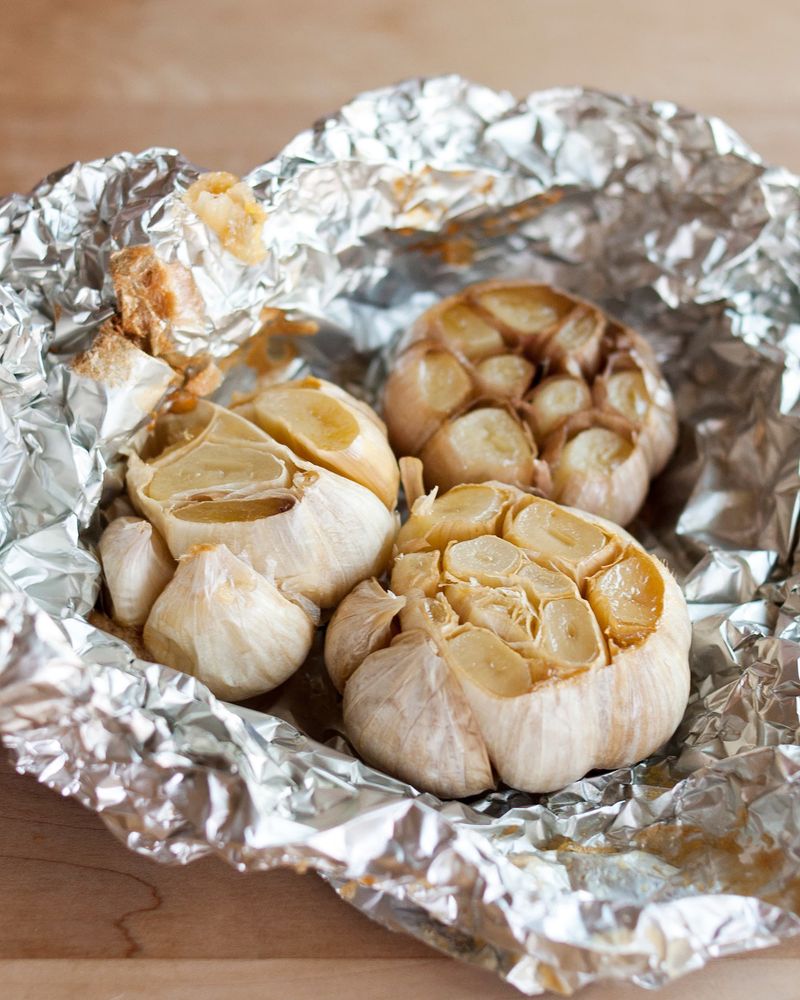
Raw garlic is sharp and pungent, but roast an entire head in its skin and something almost magical happens. The heat slowly transforms the cloves into something soft, sweet, and buttery, with a mellow flavor that works beautifully spread on bread or stirred into sauces.
The papery skin protects the cloves from burning and drying out.
Just slice off the top of the bulb, drizzle with olive oil, wrap it up, and roast. Dinner just got better.
5. Eggplant
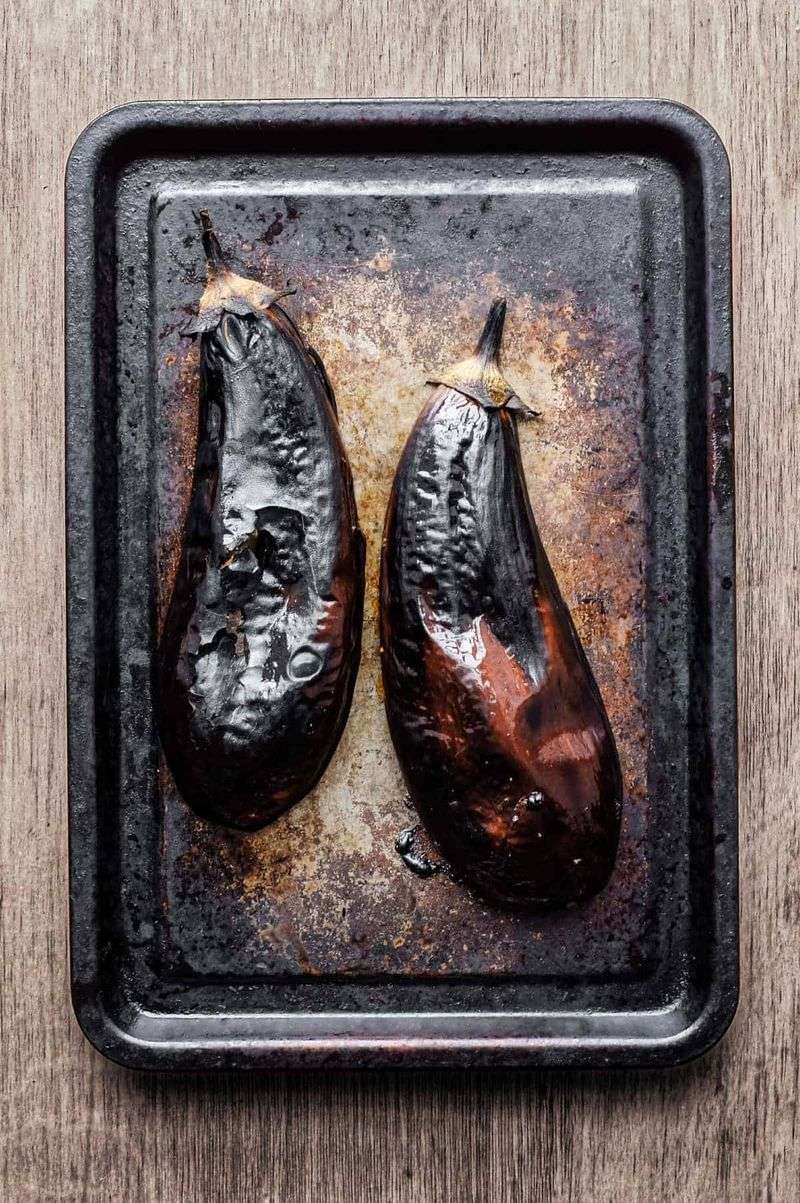
Char an eggplant directly over a flame while leaving the skin on, and you unlock a deep, smoky flavor that is the backbone of dishes like baba ganoush. The skin takes the heat and chars completely while the inside steams and softens into a silky, tender pulp.
Peeling it after cooking reveals something almost unrecognizable from the raw vegetable.
This method works on a gas burner, grill, or under a broiler. The smokier the skin, the better the flavor inside.
6. Corn on the Cob
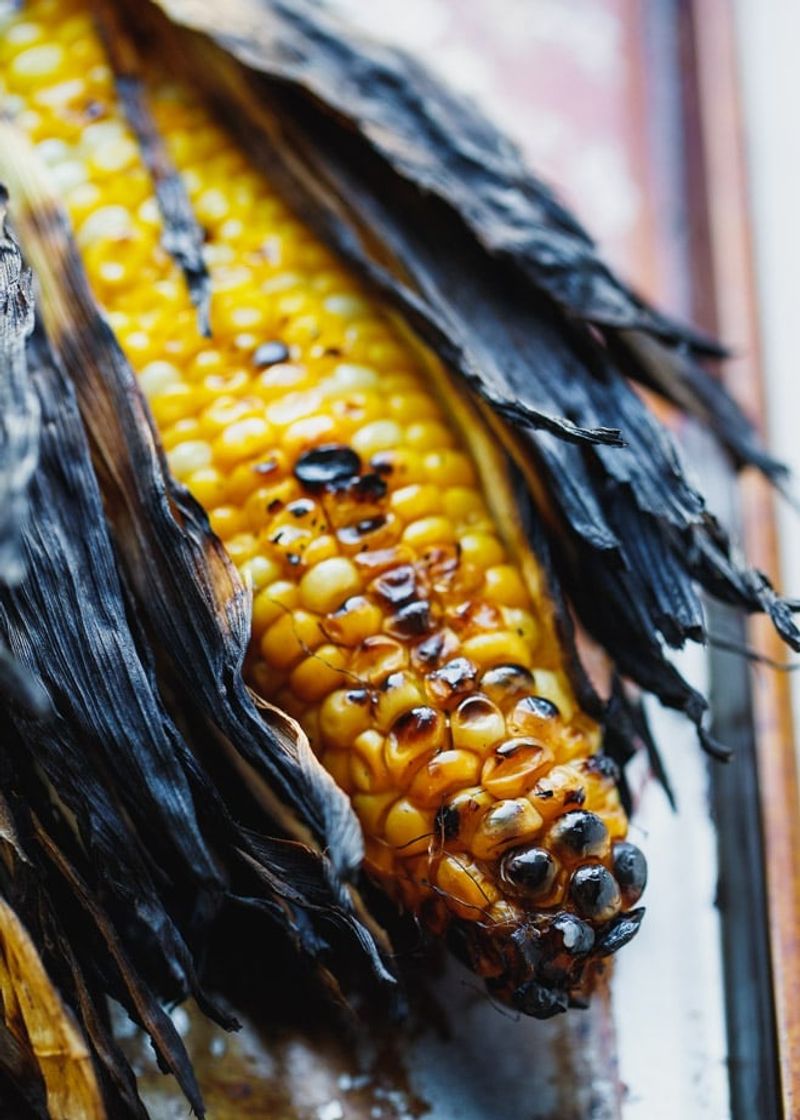
Grilling corn while it is still wrapped in its husk is one of the best summer cooking moves you can make. The husk acts like a natural steamer, keeping the kernels moist and sweet while the outside chars and adds a subtle smoky flavor.
Corn cooked this way stays juicy in a way that plain grilled corn simply cannot match.
Soak the husks in water for about 30 minutes before grilling. The result is perfectly cooked corn every single time.
7. Onions
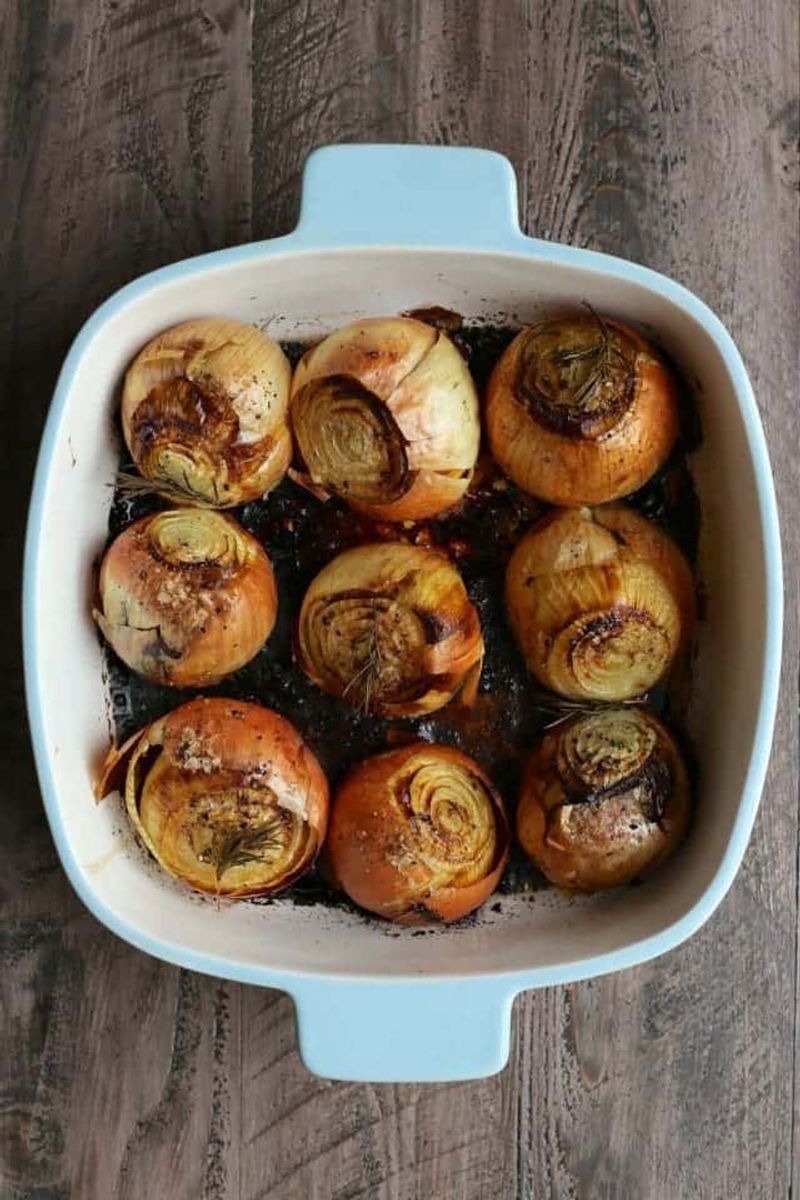
Roasting a whole onion in its skin is one of the most underrated cooking techniques out there. The outer layers protect the onion while it slowly caramelizes from the inside, turning sweet, jammy, and rich in a way that chopped onions never quite achieve.
You end up with layers of mellow, deeply savory flavor without any of the sharp bite.
Once cooled, the skin peels away easily. Try squeezing the soft insides onto toast or into soups.
8. Butternut Squash
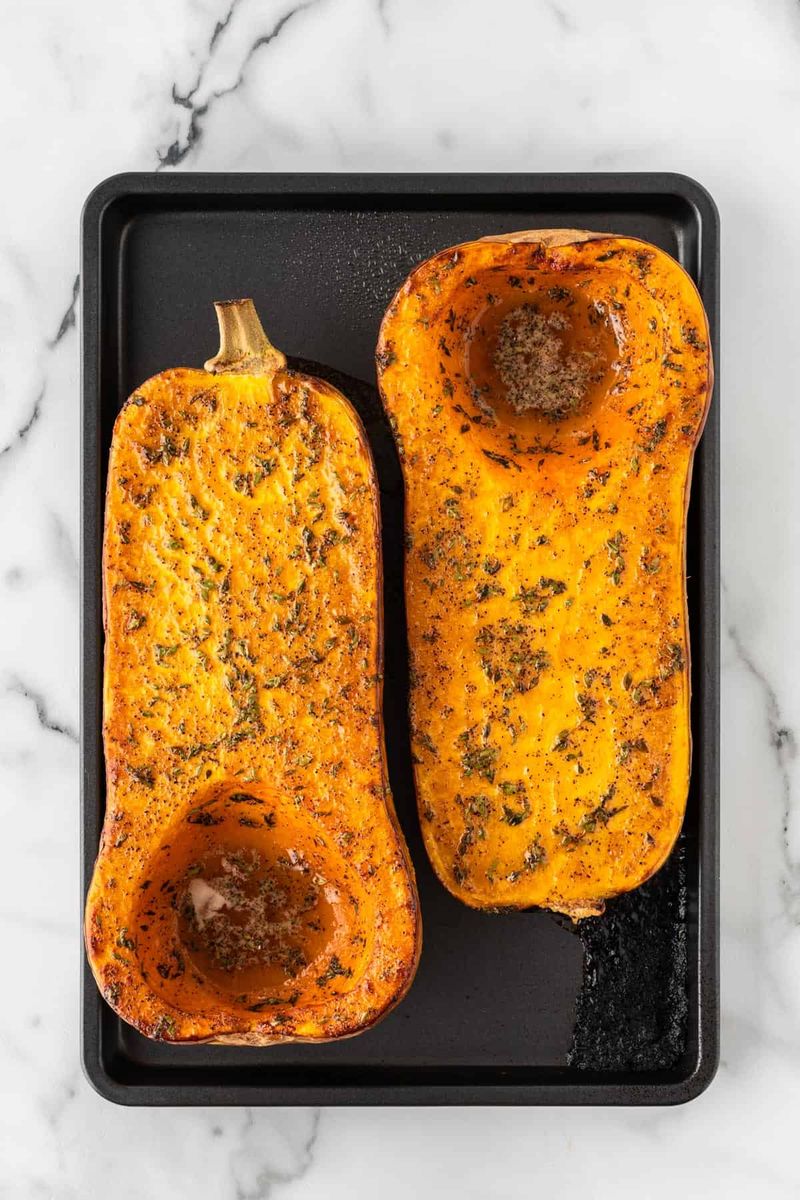
Roasting butternut squash with the skin on keeps it from collapsing into a mushy mess. The firm skin holds the shape of the squash while the inside turns creamy, sweet, and deeply flavorful.
It is much easier to scoop out perfectly cooked flesh this way than to wrestle with peeling a raw squash before cooking.
Cut it in half, brush with oil, and roast cut-side down. The skin gets slightly crispy and the inside practically melts.
9. Bell Peppers
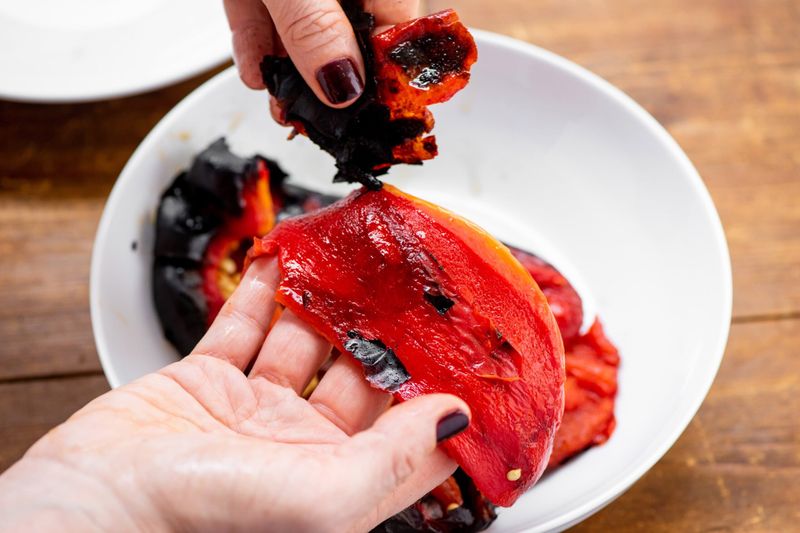
Roasting bell peppers whole under a broiler until the skins are completely charred might look dramatic, but the result is absolutely worth it. The char creates a smoky flavor, and the steaming process that follows loosens the skin while turning the flesh inside silky and incredibly sweet.
Jarred roasted peppers cannot compare to the homemade version.
Place charred peppers in a covered bowl for 10 minutes, then peel. Use them in sandwiches, pasta, or dips.
10. Apples
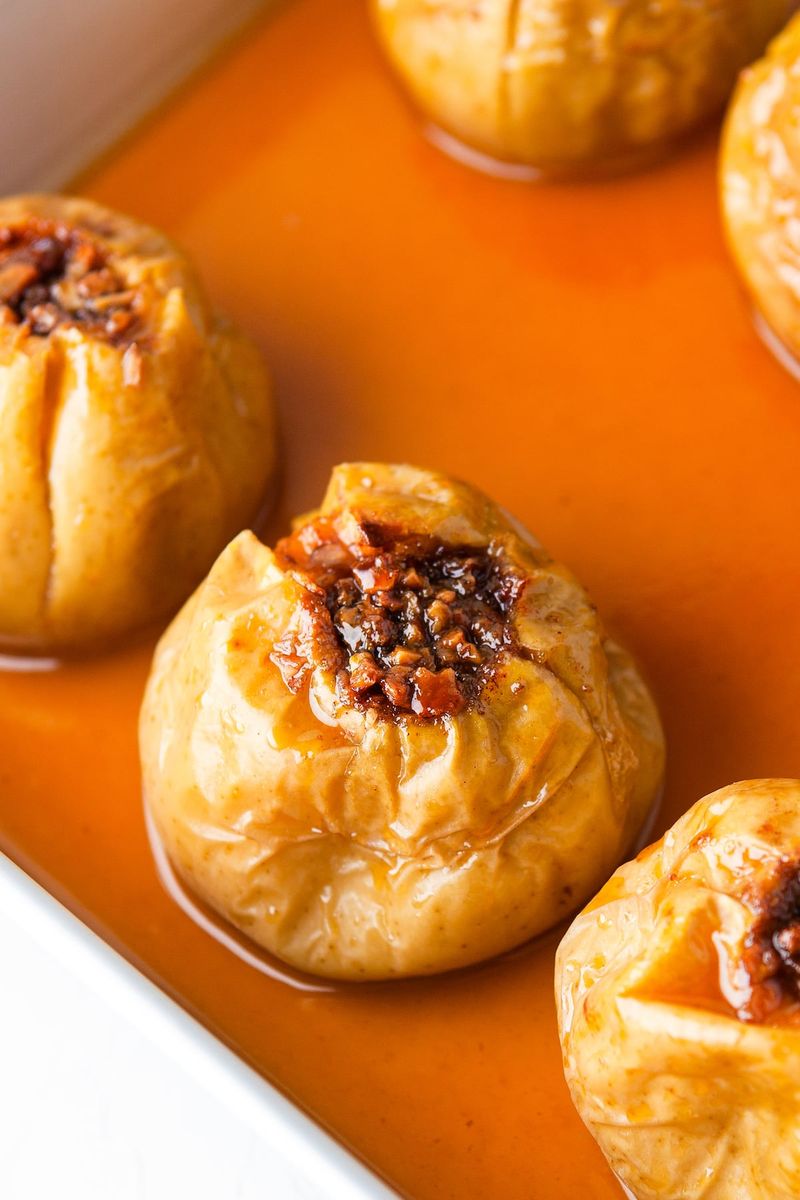
Baking apples whole with their skins on keeps everything together as they soften and become tender. The skin holds in the natural juices and sugars, creating a saucy, caramelized interior that tastes almost like pie filling without any crust needed.
Peeling apples before baking lets all those flavorful juices run out and evaporate.
Core the apple, stuff it with cinnamon and brown sugar, and bake until tender. It is one of the easiest desserts you will ever make.
11. Chicken
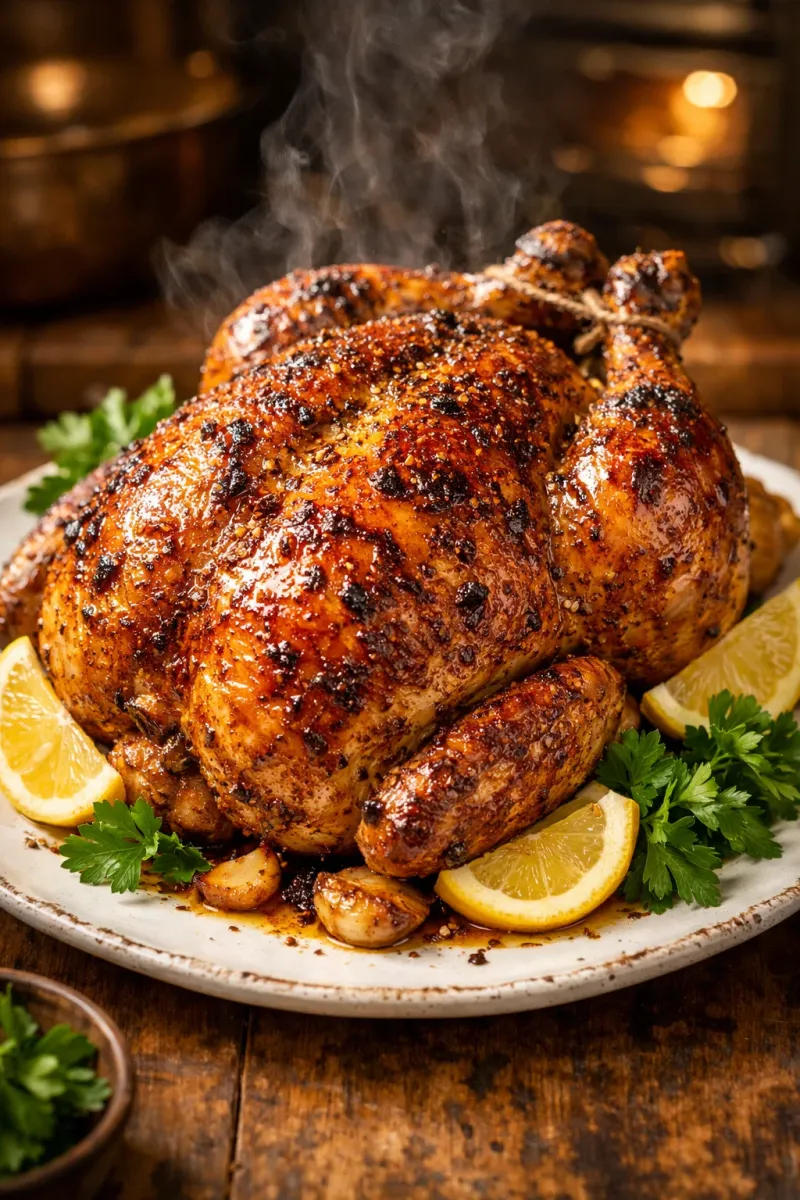
Chicken skin often gets a bad reputation, but it is actually the secret to juicy, flavorful roasted chicken. Cooking chicken with the skin on creates a protective barrier that keeps the meat moist throughout the roasting process.
As the fat in the skin renders, it bastes the meat underneath and adds rich flavor that skinless chicken simply cannot replicate.
Season under the skin for even more impact. The result is crispy on the outside and incredibly tender inside.
12. Fish
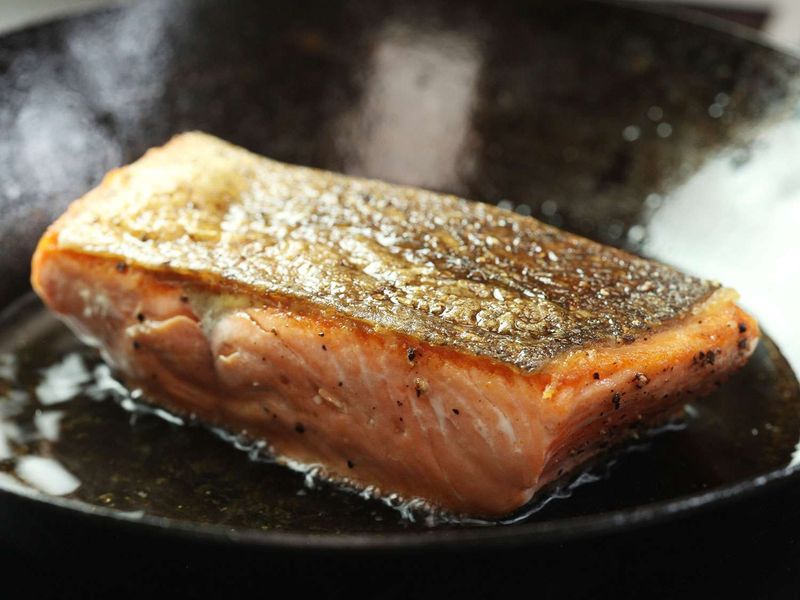
Cooking fish skin-side down in a hot pan is one of those techniques that separates good home cooks from great ones. The skin crisps up into something almost chip-like while acting as a buffer between the delicate flesh and the direct heat of the pan.
This prevents the fish from overcooking and falling apart before you even plate it.
Press the fillet down gently for the first minute to keep the skin flat. Salmon, branzino, and snapper all shine with this method.
13. Plantains
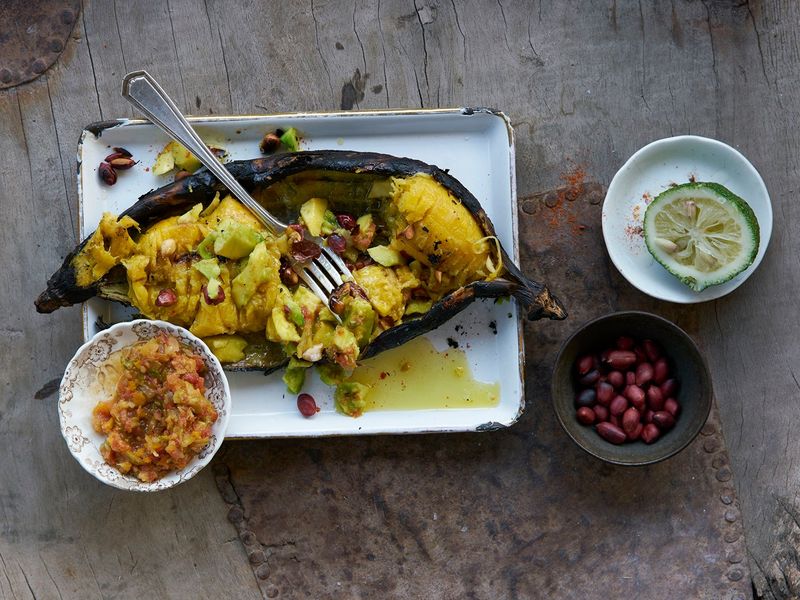
Roasting whole plantains in their skins is a beloved technique across Latin American and Caribbean cooking. The black skin traps the heat and caramelizes the natural sugars inside, turning the plantain soft, sweet, and almost custardy in texture.
It is so much more flavorful than boiling or frying sliced plantains with the skin already removed.
Look for plantains with very black, ripe skins for the sweetest results. Slice them open and add butter or a sprinkle of cinnamon.
14. Tomatoes
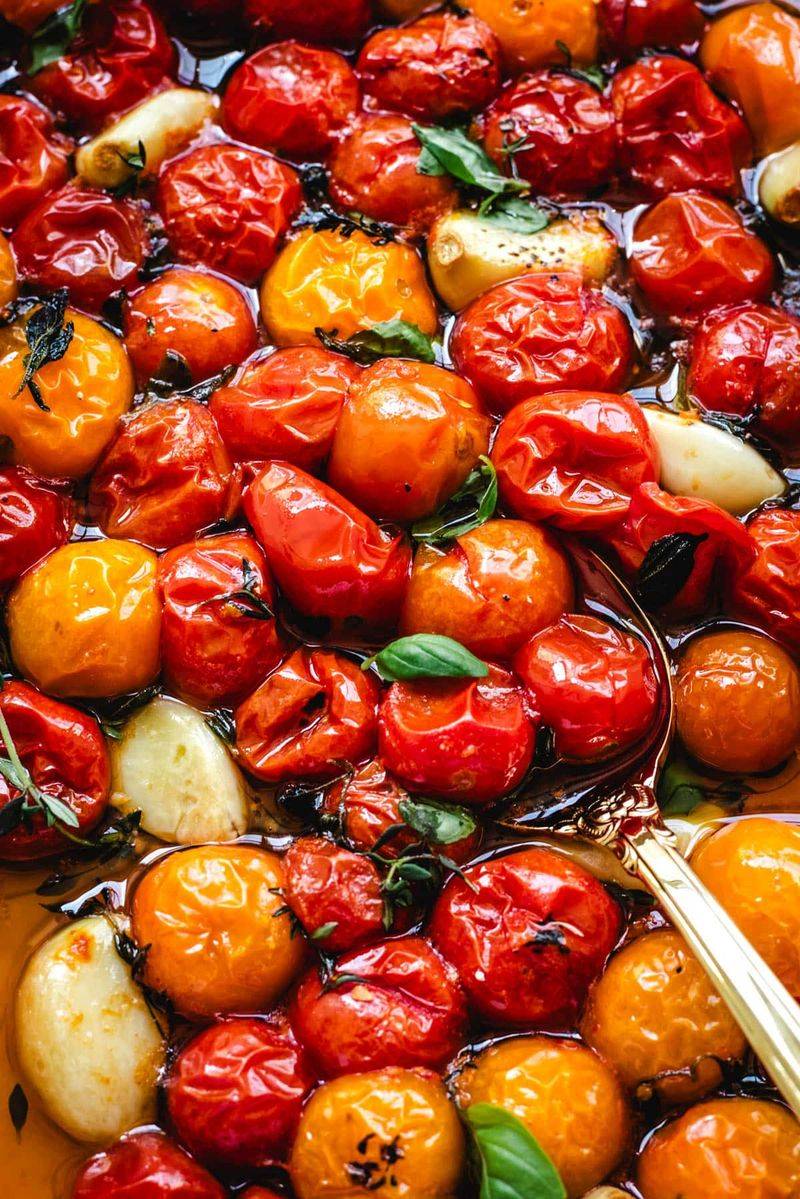
Roasting tomatoes whole with their skins on is one of the easiest ways to build deep, concentrated flavor for sauces and soups. The skin keeps the tomato together as it roasts, preventing the juices from spreading out and evaporating on the pan.
Once roasted, the skins slip off effortlessly and you are left with a rich, jammy tomato that is far superior to canned.
Add garlic and olive oil to the pan before roasting. The flavor payoff is enormous for very little effort.
15. Pears
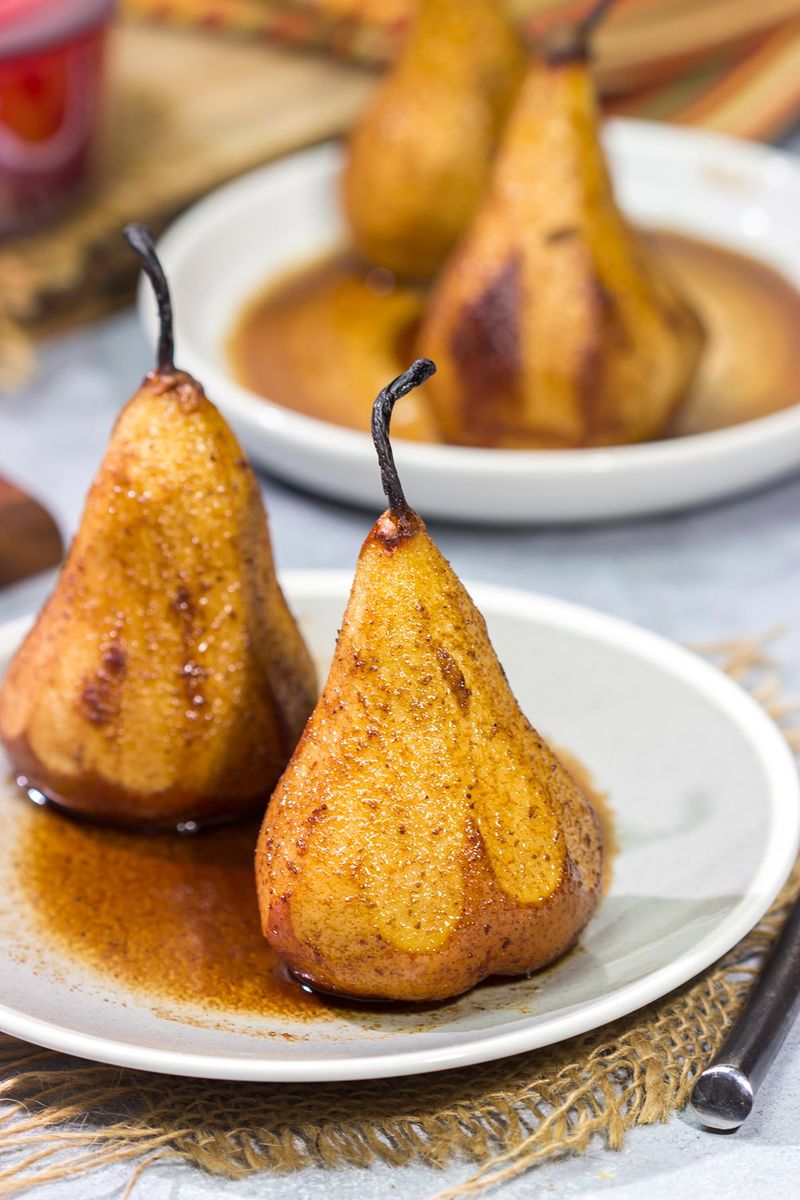
Baking or poaching pears with their skins on keeps them from turning mushy and falling apart during cooking. The skin acts like a gentle casing that holds the fruit together while the inside becomes soft, sweet, and infused with whatever spices or liquids surround it.
Peeled pears tend to become too soft and lose their shape entirely.
Try baking them with honey and star anise for a simple, elegant dessert. They look beautiful and taste even better.
16. Chestnuts
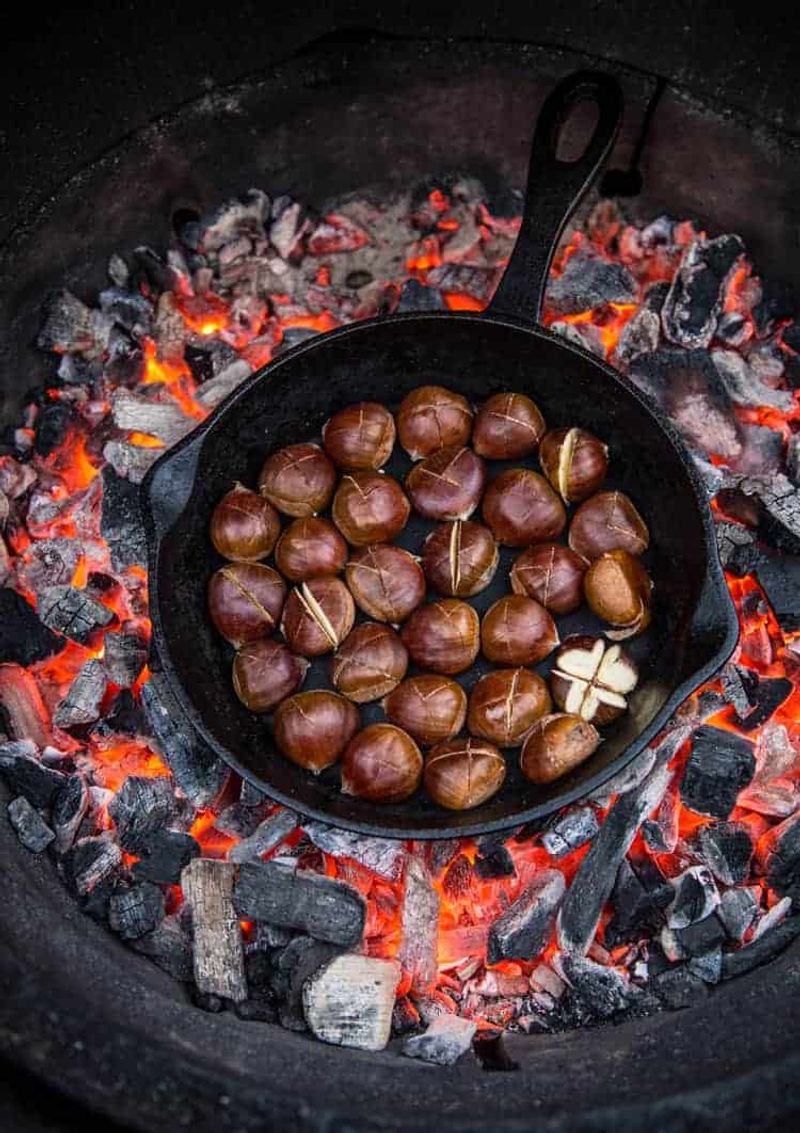
There is a reason the classic holiday song mentions chestnuts roasting on an open fire. Roasting chestnuts in their shells allows the inside to steam gently within its own natural casing, keeping the nut moist and creamy rather than dry and crumbly.
The shell peels away after roasting to reveal a tender, sweet, starchy interior that is utterly satisfying.
Score an X on each chestnut before roasting so steam can escape. Without this step, they can burst unexpectedly in the heat.
17. Zucchini
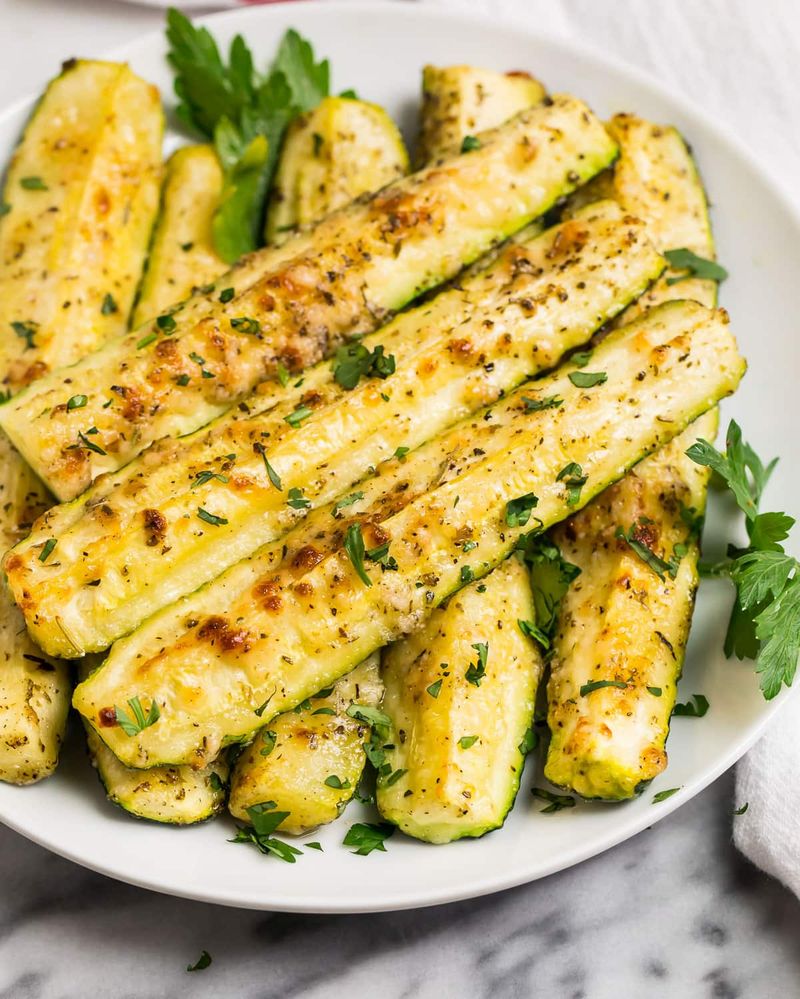
Zucchini has a mild flavor that really benefits from high-heat roasting with the skin left on. The green skin caramelizes and develops a slightly nutty flavor, while the inside becomes tender without turning watery.
Peeling zucchini before roasting removes that textural contrast and causes the vegetable to release too much moisture too quickly.
Halve them lengthwise, brush with olive oil, and roast at high heat. A sprinkle of parmesan right at the end takes them to another level.
18. Pumpkin
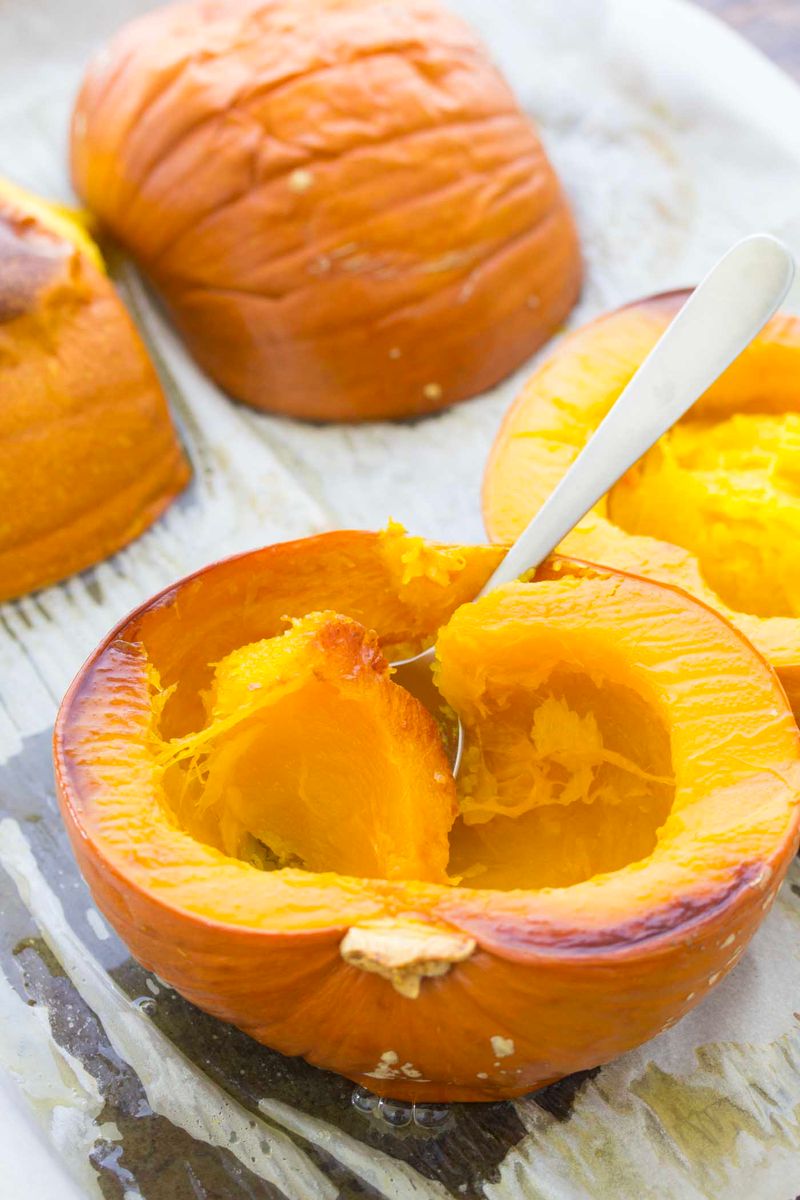
Roasting a pumpkin in its skin is the foundation of truly great homemade pumpkin puree. The skin holds the pumpkin together while it roasts, allowing the flesh to caramelize and develop a deeper, sweeter flavor than anything you will find in a can.
Once the skin is on, you do not have to wrestle with peeling a tough raw pumpkin at all.
Halve a sugar pumpkin, remove the seeds, and roast face-down until tender. Scoop out the flesh and blend it smooth.