
Sometimes what we feel for someone can be confusing, and it’s hard to know if it’s real love or just attachment. Love and attachment might look the same on the outside, but they come from very different places inside us.
Understanding the difference can help you build healthier, happier relationships. Here are 18 clear signs that what you’re feeling might be attachment rather than true love.
1. You Fear Being Alone More Than You Value the Relationship

Ask yourself honestly: would you miss this person, or would you miss having someone around? When your biggest fear is loneliness rather than losing that specific individual, that’s a red flag.
Attachment often disguises itself as love because the anxiety of being alone feels intense and real.
Love, on the other hand, values the person for who they are. If the relationship ended and your main worry is finding a replacement, attachment is likely driving your feelings.
2. Constant Need for Reassurance Drives Your Emotions

Needing to hear “I love you” multiple times a day just to feel okay is exhausting for both partners. This pattern is a classic sign of anxious attachment, not love.
Love feels secure even during quiet moments when reassurance isn’t being offered out loud.
Psychologists note that people with anxious attachment styles crave constant validation because their sense of worth depends on it. Building inner confidence can help break this cycle and create space for genuine connection.
3. Jealousy Feels Like Proof You Care Deeply
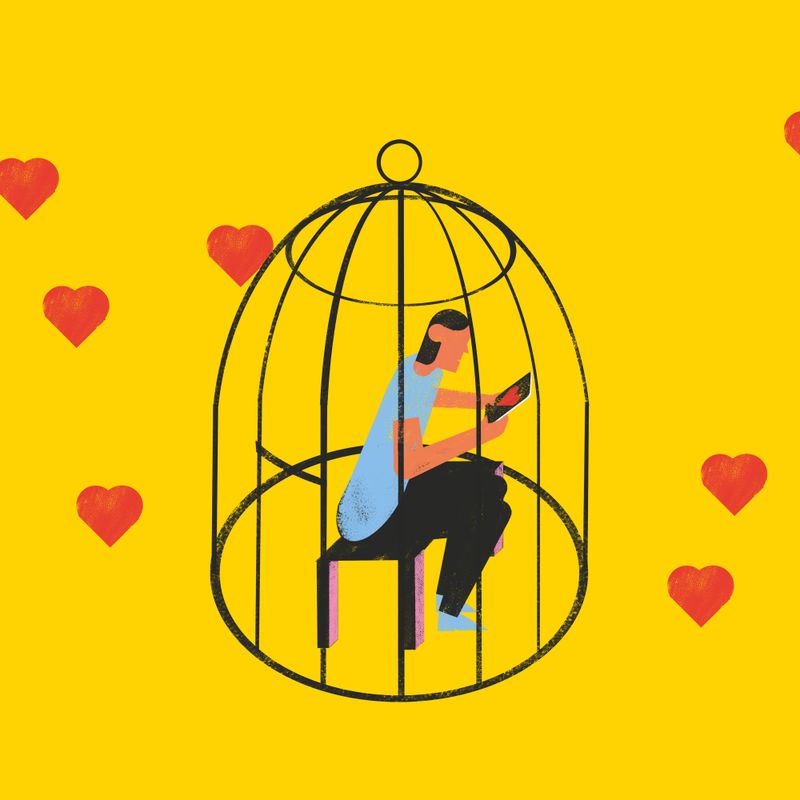
Jealousy gets romanticized in movies and songs, but it’s actually rooted in insecurity and fear of loss, not love. When jealousy becomes controlling or obsessive, it signals that attachment is running the show.
True love trusts and respects a partner’s independence without needing to monitor their every move.
Feeling threatened by your partner’s friendships or outside interests is worth examining. It often points to a deeper fear of abandonment rather than any genuine threat to the relationship itself.
4. You Stay Together Out of Habit, Not Happiness

Relationships can quietly shift into autopilot mode without either person noticing. You wake up, go through the motions, and realize you haven’t felt genuinely happy in months.
Staying because it’s comfortable or familiar is one of the clearest signs of attachment rather than love.
Love actively chooses the other person every day. If the honest answer to “why are you still together?” is “because we always have been,” that comfort zone might be keeping you stuck.
5. Losing Them Feels Like Losing Your Identity

When someone becomes the center of your entire world, it’s easy to forget who you were before them. If the idea of a breakup feels like losing yourself completely, that’s attachment speaking loudly.
Healthy love encourages both people to grow individually while also growing together.
Psychologist John Bowlby’s attachment theory explains that early bonds shape how we connect as adults. Recognizing this pattern is a powerful first step toward building relationships that support your identity rather than replace it.
6. You Obsess Over Their Actions and Whereabouts
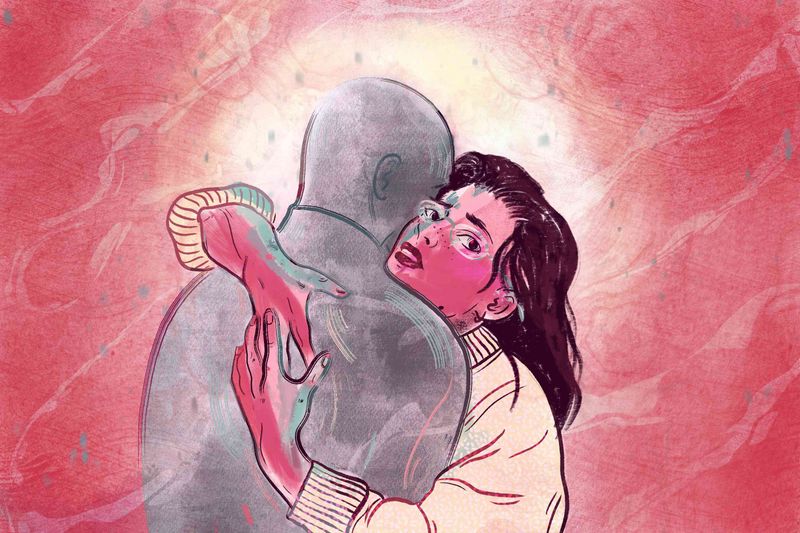
Checking your partner’s location, replaying their words, or analyzing every text message for hidden meaning is mentally exhausting. This kind of obsessive thinking is a hallmark of insecure attachment, not a sign of deep love.
It creates anxiety and erodes trust over time.
Love doesn’t need to investigate or overthink because it operates from a place of security. If your mind constantly races with “what are they doing?” or “do they really mean that?”, exploring your attachment style might bring real relief.
7. The Butterflies in Your Stomach Are Actually Anxiety
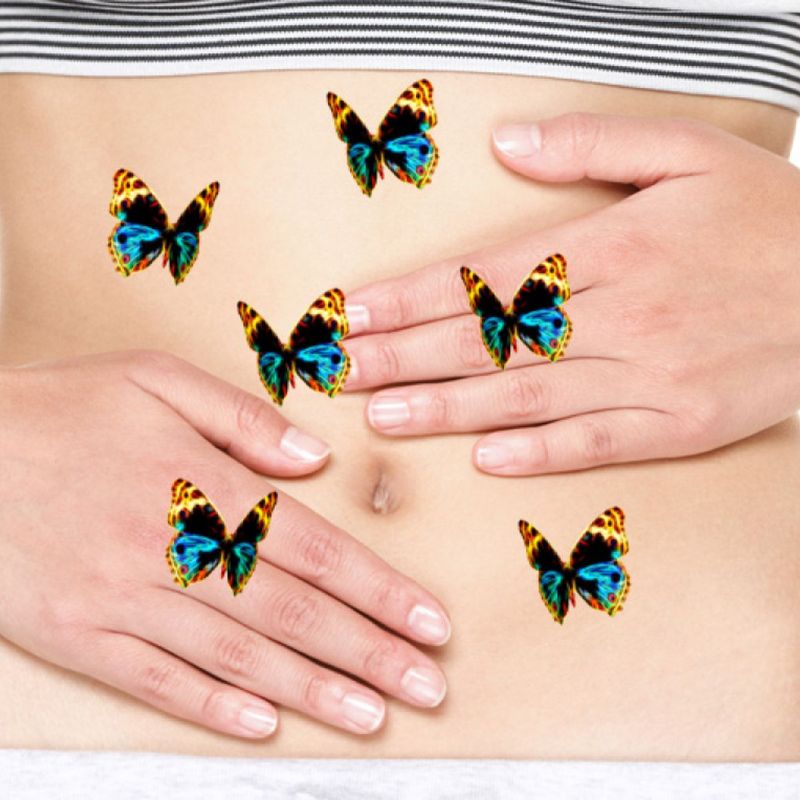
Pop culture taught us that nervous butterflies mean romance, but science tells a different story. That fluttery, uneasy feeling is often your nervous system responding to uncertainty and fear of rejection, not love.
Anxious attachment can easily be mistaken for passionate feelings because both trigger similar physical sensations.
Real love feels warm and safe, not like a constant stomach drop. If being around someone makes you more anxious than at ease, it’s worth asking whether excitement or anxiety is fueling your attachment to them.
8. You Prioritize Their Approval Over Your Own Needs

Changing your opinions, hobbies, or values just to keep someone happy is people-pleasing rooted in fear, not love. When your partner’s approval becomes more important than your own well-being, attachment has taken the wheel.
Over time, this pattern can chip away at your confidence and sense of self.
Genuine love never asks you to shrink yourself. If you find yourself constantly editing who you are to avoid conflict or earn affection, that relationship dynamic deserves an honest and courageous second look.
9. Breaking Up Feels Impossible Even When You’re Unhappy

Knowing a relationship isn’t working but feeling physically unable to walk away is a powerful indicator of attachment. Fear of change, fear of being alone, or fear of the unknown can trap people in unhealthy situations for years.
This isn’t love holding you there; it’s a bond built on dependency.
Love should feel like a free and willing choice every day. Feeling stuck despite ongoing unhappiness often signals that the relationship is being held together by emotional need rather than genuine mutual affection and care.
10. Your Mood Completely Depends on Their Behavior

When your entire emotional state rises and falls based on how your partner treats you that day, your happiness is outsourced. That’s attachment, not love.
Healthy love adds joy to your life without becoming the only source of it. Emotional dependency like this creates a fragile, unpredictable inner world.
Building emotional regulation skills and a strong sense of self outside the relationship can help enormously. Your mood deserves to be grounded in your own values and inner stability, not in someone else’s daily actions.
11. You Confuse Intensity With Intimacy

High drama, intense fights, and passionate makeups can feel like proof of a deep connection. But intensity and intimacy are not the same thing.
Attachment, especially the disorganized kind, thrives on emotional extremes and can make chaotic relationships feel more “real” than calm, stable ones.
True intimacy is built quietly through trust, vulnerability, and consistent kindness. If a relationship only feels meaningful during dramatic highs and lows, it might be the emotional rollercoaster itself that’s become the addiction, rather than the actual person.
12. You Feel Responsible for Managing Their Emotions

Caring about how a partner feels is healthy and beautiful. But feeling personally responsible for fixing, managing, or preventing all of their negative emotions is a different story entirely.
This pattern, often called codependency, is driven by attachment and can leave you emotionally drained and resentful over time.
Love supports without taking ownership of another person’s emotional world. Each person in a relationship is ultimately responsible for their own feelings.
Recognizing where care ends and unhealthy responsibility begins is a genuinely important relationship skill to develop.
13. You Ignore Red Flags Because You Fear Starting Over

Overlooking dishonesty, disrespect, or incompatibility because the thought of starting fresh feels terrifying is a classic attachment move. Fear of the unknown keeps many people in relationships that stopped serving them long ago.
Love doesn’t require you to pretend problems don’t exist to protect the relationship’s survival.
Attachment, however, prioritizes staying connected above almost everything else, even personal well-being. When the cost of honesty feels too high, it’s usually fear rather than love keeping you invested in the relationship.
14. Physical Presence Matters More Than Emotional Connection

Sometimes what we crave is the warmth of a body nearby rather than a true meeting of minds and hearts. Needing someone to simply be present, without real emotional depth or communication, points more toward attachment than love.
It mirrors the early human need for physical closeness and safety.
Love deepens through honest conversations, shared laughter, and real vulnerability. If you realize the relationship would feel empty without the physical presence but lacks meaningful emotional exchange, it might be comfort-seeking rather than genuine romantic love driving the bond.
15. You Idealize Your Partner and Ignore Their Flaws
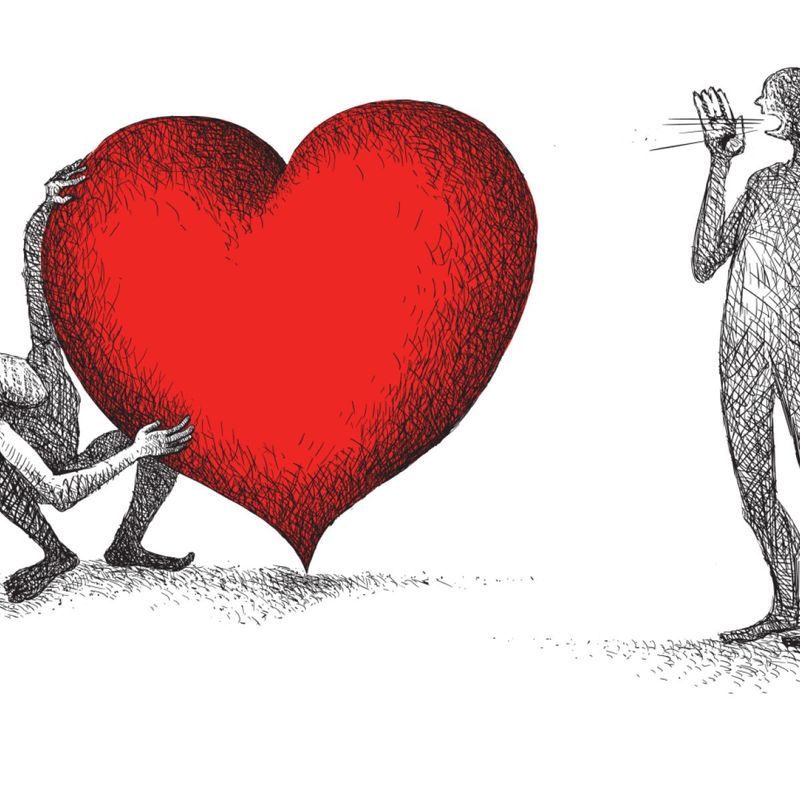
Putting someone on a pedestal feels wonderful at first, but it creates a relationship with a fantasy rather than a real person. Attachment often involves clinging to an idealized image because letting go of that image would mean confronting deep insecurity.
Real love sees someone clearly, flaws and all, and chooses them anyway.
When reality eventually breaks through the fantasy, the crash can feel devastating. Building a connection based on who someone actually is, rather than who you need them to be, is the foundation of lasting and genuine love.
16. Separation Triggers Panic Rather Than Temporary Sadness

Missing someone when they’re away is sweet and perfectly normal. But spiraling into full-blown panic when a partner doesn’t text back for a few hours?
That’s anxious attachment doing its thing. This level of distress is rooted in a deep fear of abandonment, not in the strength of your love.
Securely attached people feel mild sadness during separation but trust that the connection remains intact. If brief distance triggers overwhelming anxiety, working with a therapist on attachment patterns can genuinely transform how relationships feel for you.
17. You Love Who They Were, Not Who They Are Now

Holding on to memories of who someone used to be, while ignoring how much they’ve changed, is a bittersweet form of attachment. You’re not really in love with the person standing in front of you; you’re in love with a past version that may no longer exist.
That’s a painful place to live.
Love grows and adapts alongside the real, evolving person. When you catch yourself grieving the old version more than appreciating the current one, it may be time to honestly ask what, or who, you’re actually holding on to.
18. You Mistake Dependency for Deep Connection

Needing someone and loving someone are two completely different experiences, even though they can feel remarkably similar in the moment. Dependency says, “I cannot function without you.” Love says, “I choose you because you make my full life even better.” Confusing the two leads to relationships built on need rather than genuine choice.
Healthy love, as described in Sternberg’s Triangular Theory, combines intimacy, passion, and commitment freely chosen by both partners. When dependency replaces that free choice, the relationship loses balance and one or both partners often end up feeling trapped rather than truly connected.