
These actors helped define the idea of a heartthrob for a generation that came of age between the 1960s and early 1980s. Their faces, voices, and on-screen personas were fixtures on teen posters, TV sets, and record players.
Read on for a nostalgic look at 18 stars who inspired crushes, fandom, and a whole era of pop culture devotion.
1. David Cassidy
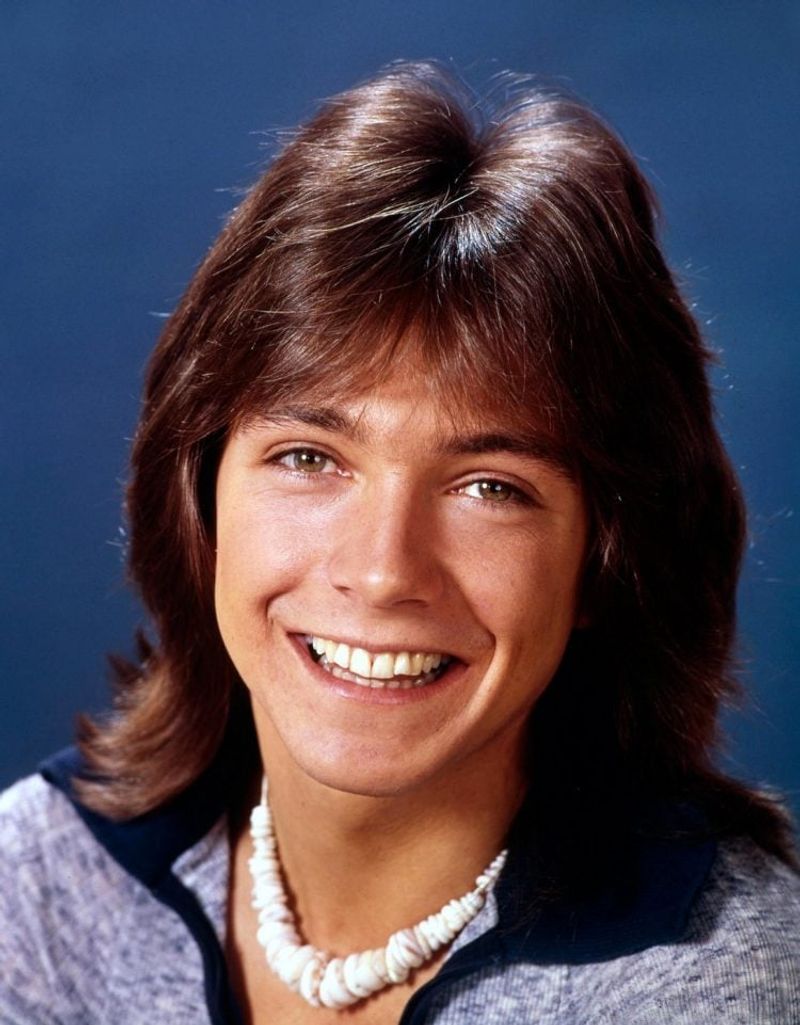
David Cassidy exploded into American living rooms as the clean-cut, boy-next-door star of The Partridge Family, and his charm sparked a level of fan devotion known as Cassidymania. Teen girls flooded concert venues and sent mountains of fan mail, making him a cultural phenomenon beyond television and music.
His youthful looks and accessible persona made him feel like someone you knew from school rather than a distant star.
Even as his career evolved, those early years defined him for a generation who associated him with first crushes and mall posters. Looking back now, his impact shows how television and pop music shaped teen desire.
He remains an emblem of that specific era of idol worship.
2. Shaun Cassidy
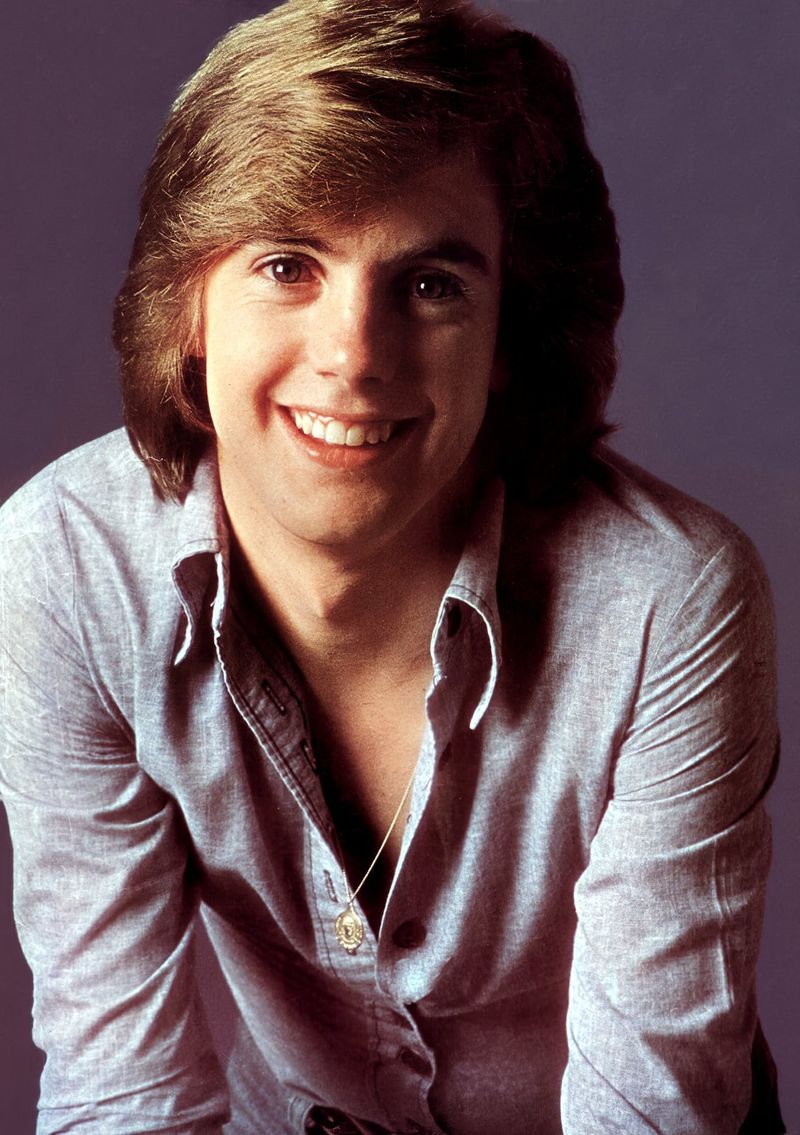
Shaun Cassidy arrived as a teen idol who blended television charisma with pop music appeal during the late 1970s, and his roles on TV and hit singles made him a fixture among young fans. He projected a wholesome, approachable image that translated across fan magazines and Saturday night programs, making him feel close and familiar.
The combination of TV visibility and chart success turned casual viewers into devoted followers who collected posters and attended concerts.
For many, his presence marked a moment when TV heroes became music stars overnight. His legacy highlights how multimedia exposure intensified idol culture in that era.
Shaun stands as a clear product of that cross-platform fame.
3. John Travolta
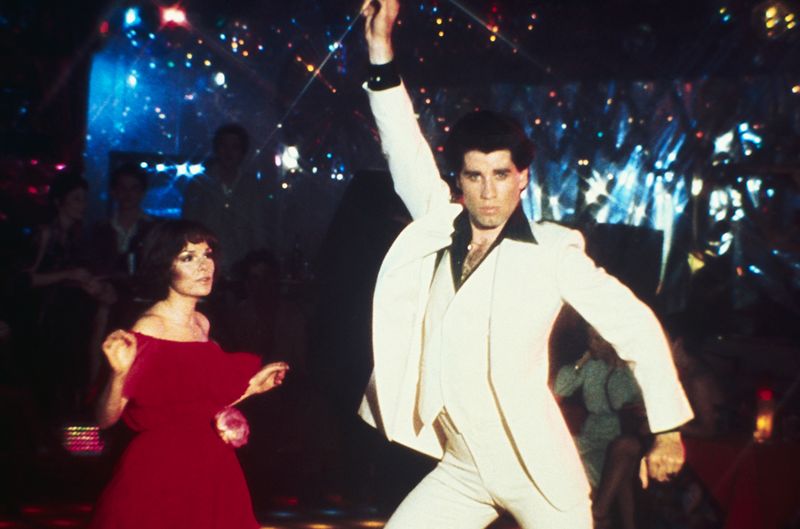
John Travolta rose from television fame to cinematic superstardom, and his transition in the late 1970s made him a dominant teen heartthrob with roles that showcased dance moves and bad-boy charm. From Welcome Back, Kotter to Saturday Night Fever and Grease, his image balanced vulnerability and swagger, inspiring both fashion and fandom.
Fans watched his every step and line, turning on televisions and rushing to theaters to see the next transformation.
That era cemented him as a symbol of youthful rebellion and romantic fantasy for many Boomers. His on-screen energy created iconic moments that defined a generation’s idea of allure.
Travolta remains linked to those formative pop culture memories.
4. Leif Garrett
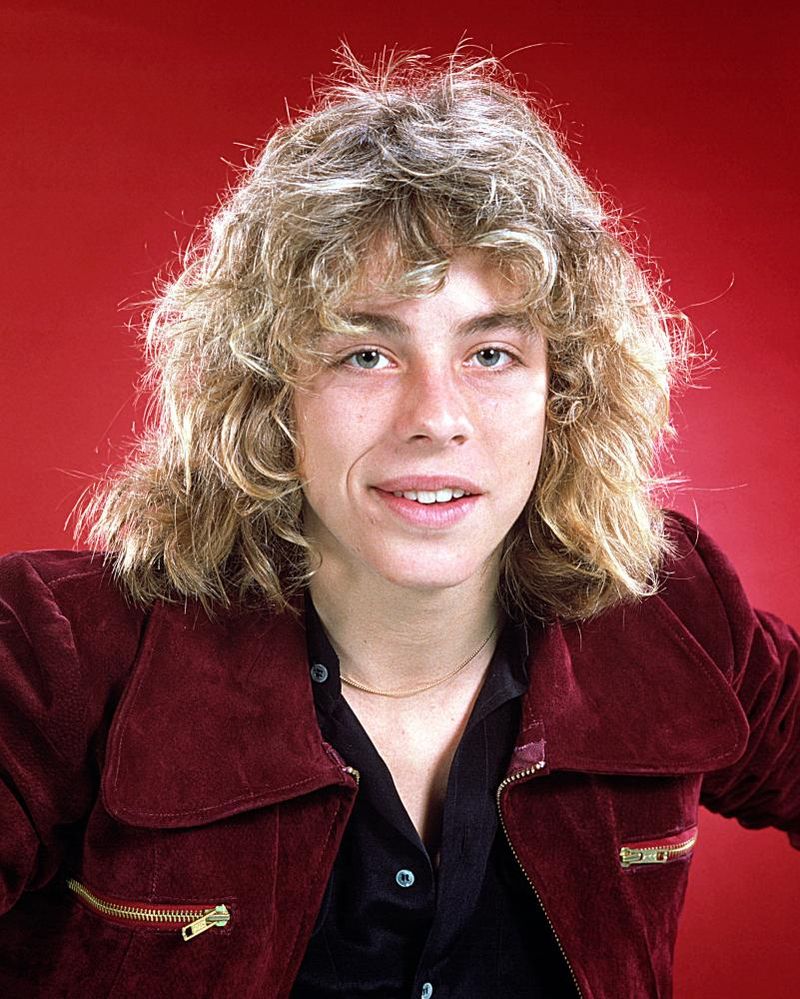
Leif Garrett became a textbook teen idol in the late 1970s, and his shaggy blond hair and boy-next-door looks made him a staple on posters, teen magazines, and TV shows. His pop singles and acting roles crafted a package that teenage fans found irresistible, leading to packed concerts and dedicated fan clubs.
The innocence and accessibility of his image made him feel like the ideal crush for mall-era youth culture.
The enthusiasm around him reflected how mass media could quickly elevate a youngster into a nationwide phenomenon. For many Boomers, his face evokes the thrill of first posters and cassette tapes.
He remains emblematic of that specific idol-driven youth moment.
5. Donny Osmond
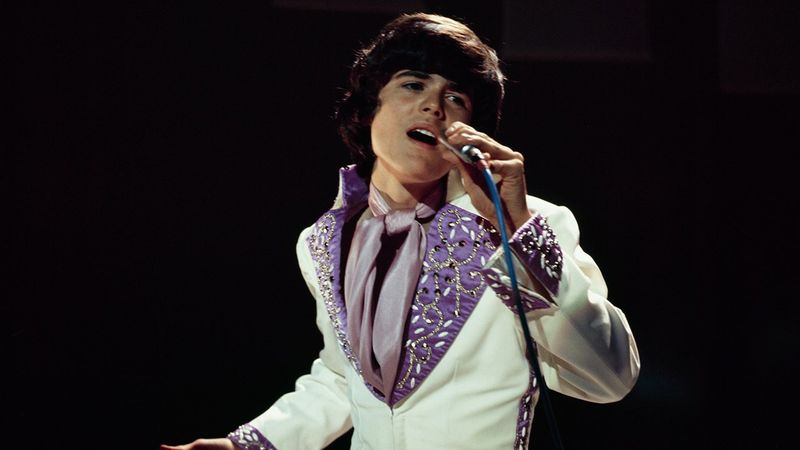
Donny Osmond rose to fame as a wholesome, family-friendly teen idol whose singing and TV appearances endeared him to millions during the early 1970s. His polished performances on variety shows and charting singles made him a safe yet intense object of teen affection, with fans collecting records and memorabilia.
The combination of talent and squeaky-clean image allowed him to bridge age groups, becoming a shared cultural touchstone within households.
His appeal shows how entertainment could craft a universally appealing figure who felt both talented and attainable. For Boomers, Donny represents that era of tidy, broadcast-friendly celebrity crushes.
His place in pop history is secure and fondly recalled.
6. Bobby Sherman
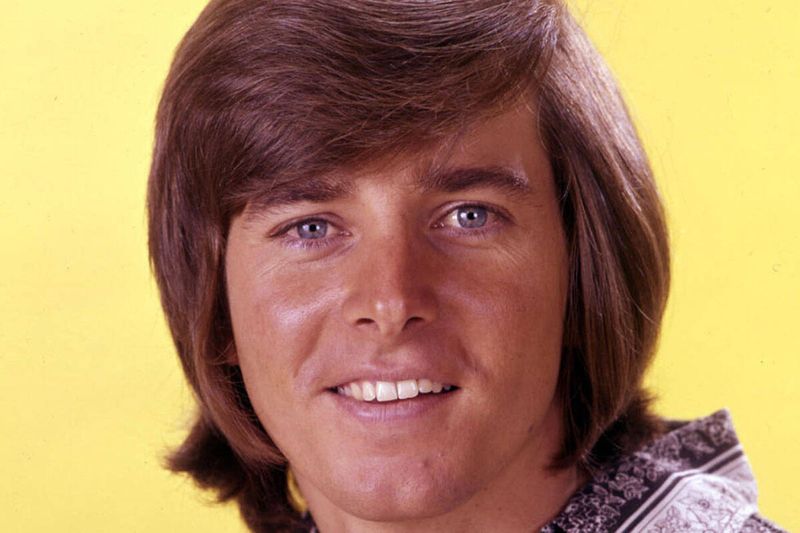
Bobby Sherman emerged as a major teen idol in the late 1960s and early 1970s, and his television appearances and pop singles earned him fierce fan devotion and sold-out shows. He represented the bridge between pop music and TV exposure, with a wholesome face that plastered bedroom walls across America.
Young fans resonated with his earnestness and accessibility, creating a wave of teenage enthusiasm during that era.
His celebrity highlights how early TV and radio shaped collective crushes and fandom habits. For many Boomers, Bobby’s image evokes first swoons and high school dances.
He remains a nostalgic symbol of that pop culture moment.
7. Rick Springfield
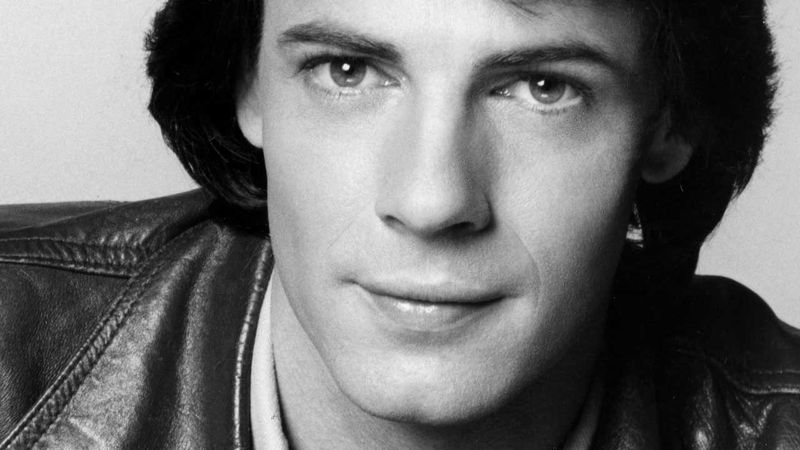
Rick Springfield gained widespread heartthrob status as both a musician and actor, and his time on General Hospital combined with hit singles made him a crossover star for late 1970s and early 1980s fans. His rock persona, paired with a TV presence, created an alluring mix of edge and vulnerability that appealed to a broad audience.
Fans connected to his songwriting and on-screen charisma, which fueled magazine features and concert mania.
Looking back, his career illustrates how music and TV together amplified celebrity magnetism. For Boomers who followed both soap operas and pop charts, he represented the era’s most exciting crossover idols.
His influence endures in those memories.
8. Robert Redford
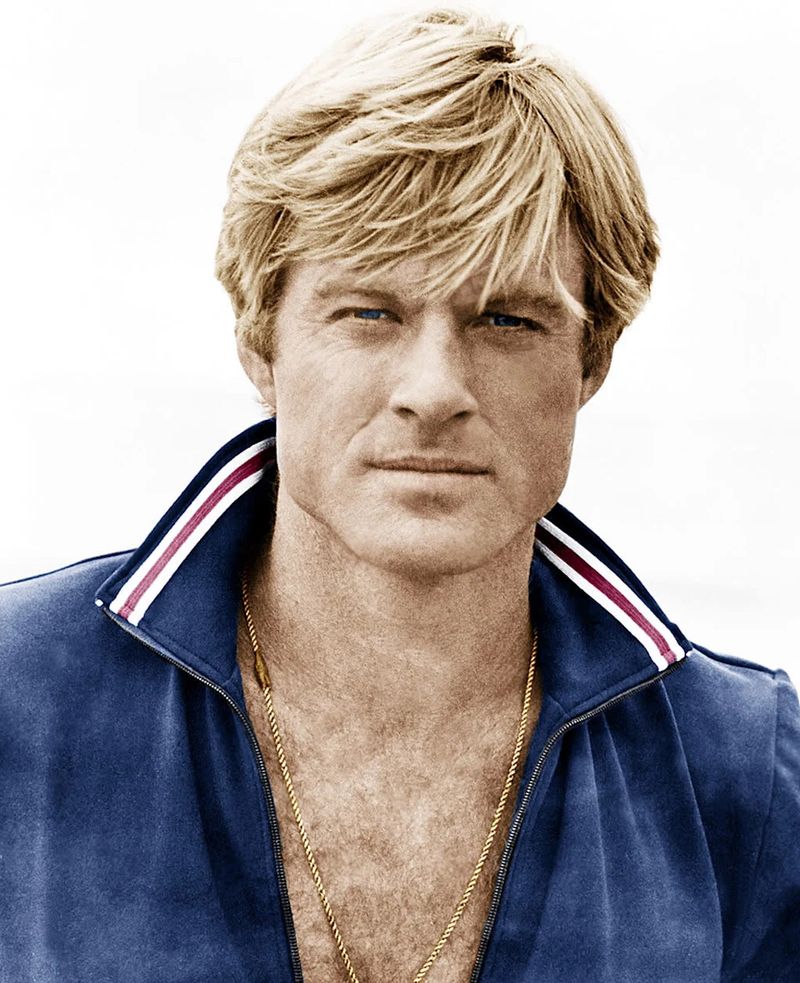
Robert Redford stood out in the 1970s as the epitome of a sophisticated leading man whose understated charm and good looks captured widespread admiration. His roles in films like The Way We Were and All the President’s Men showcased both talent and an appealing screen presence that many admired.
For Boomers, Redford’s combination of seriousness and allure made him more than a crush – he became a cinematic touchstone for mature romantic ideals.
His celebrity suggested a shift toward nuanced masculinity in film, where intellect and looks combined. For that generation, his image conveyed aspiration and romantic fantasy.
Redford remains a lasting symbol of 1970s elegance.
9. Burt Reynolds
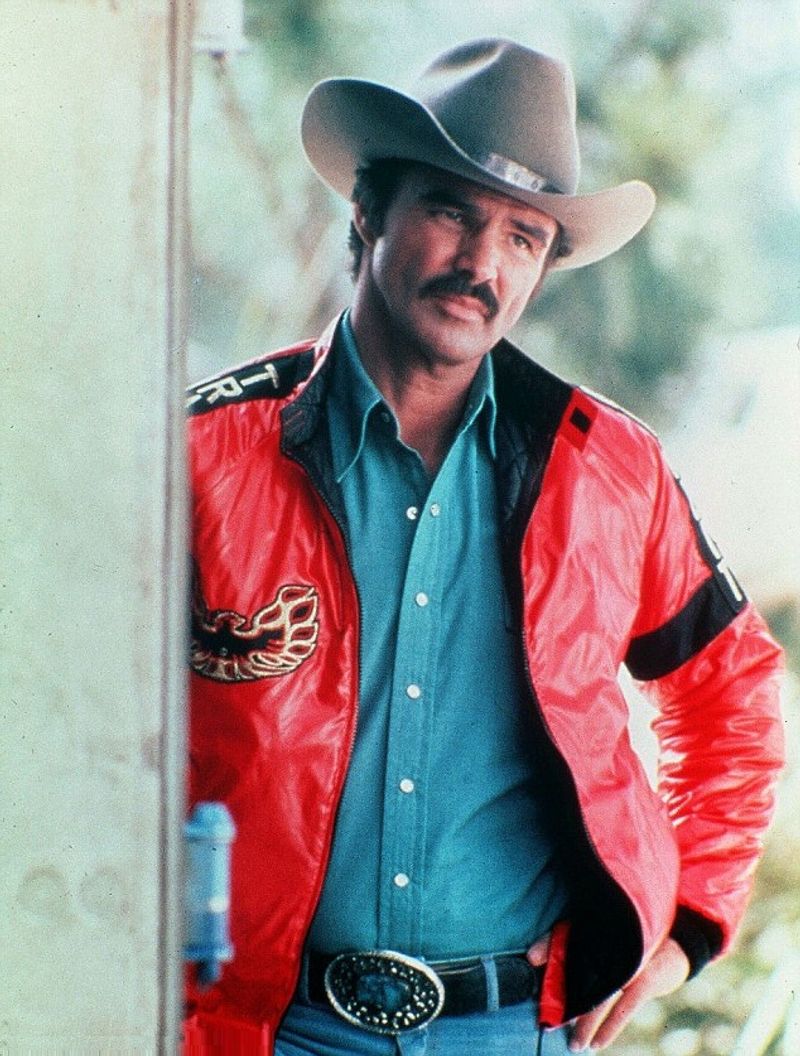
Burt Reynolds dominated 1970s cinema with a mix of rugged masculinity and playful charisma that turned him into a national heartthrob for many Boomers. His roles in films like Smokey and the Bandit and Deliverance highlighted a bold, swaggering persona that felt both dangerous and charming.
Fans admired his confident on-screen presence, which made him a subject of magazine spreads and fervent public interest.
Reynolds’ appeal lay in his combination of humor, sexuality, and a sort of approachable outlaw image. For a generation raised on changing ideas of manhood, he represented a compelling model.
His legacy endures as a defining face of that decade’s allure.
10. Tab Hunter
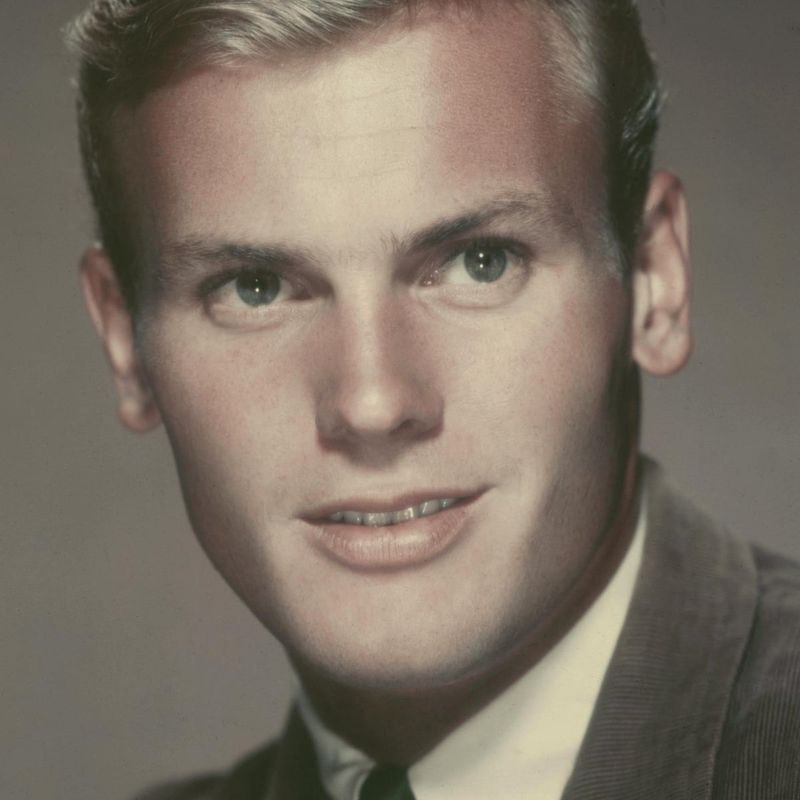
Tab Hunter was a quintessential Hollywood heartthrob in the 1950s and 1960s, and his clean-cut looks and polished manner made him a regular on movie posters and fan magazines. He projected an image of classic American charm and boyish good looks that resonated across generations.
Fans admired his film roles and screen presence, which seemed to embody an idealized version of midcentury celebrity.
For Boomers and those who grew up earlier, Hunter’s appeal represents an era when studio-crafted stars were central to popular culture. His career reflects how image and persona were carefully shaped for mass devotion.
He remains a symbol of classic Hollywood allure.
11. Tom Cruise
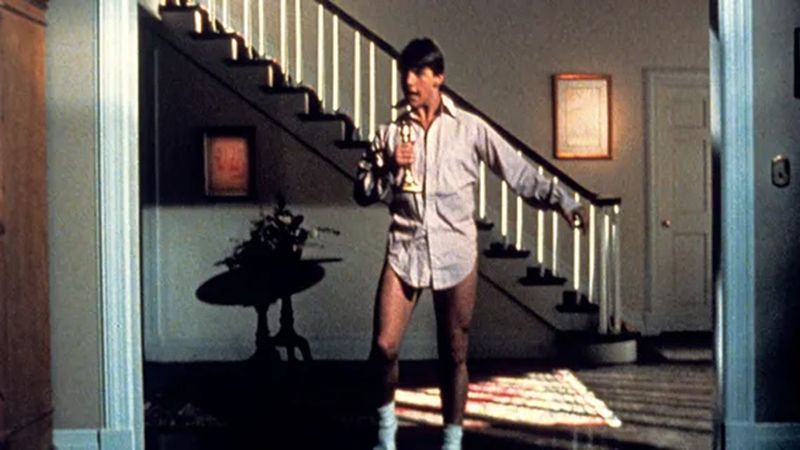
Tom Cruise became a defining heartthrob for the younger end of the Boomer generation with electric performances in Risky Business and Top Gun that showcased charisma and dangerous charm. His daring on-screen persona and irresistible smile made him a symbol of 1980s movie glamour and youth appeal.
Fans responded to his combination of athleticism, vulnerability, and star power, elevating him rapidly into a cultural icon.
That period cemented his place as a must-see leading man whose films shaped adolescent fantasies and crushes. For many, Cruise represented a thrilling new type of movie star.
His early roles remain touchstones of 1980s pop culture desire.
12. Rob Lowe
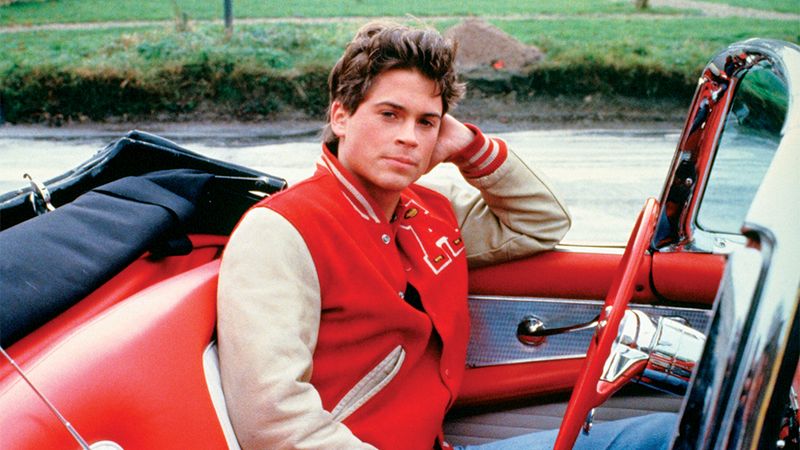
Rob Lowe rose to prominence in the 1980s as a leading teen heartthrob, thanks to films like The Outsiders and St. Elmo’s Fire that linked him to the era’s Brat Pack energy. His polished good looks and confident on-screen persona made him a natural focal point for teen magazines and red carpet attention.
Fans admired his blend of vulnerability and swagger, which resonated with youthful viewers navigating their own identities.
His fame exemplified how ensemble films could produce individual idols who dominated popular imagination. For Boomers on the younger end, Lowe captured a specific 1980s aesthetic.
He remains associated with that high-profile cultural moment.
13. Matt Dillon
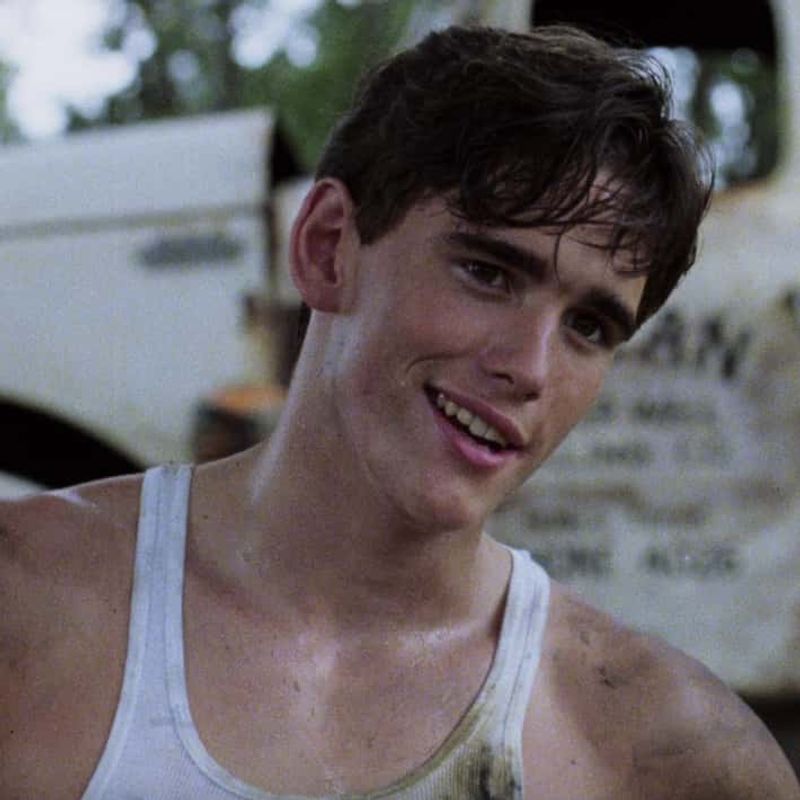
Matt Dillon emerged as a teen idol in the 1980s, and his performances in films like My Bodyguard and The Outsiders gave him a brooding intensity that appealed to many young fans. His ability to portray complex, rebellious youth made him feel both dangerous and sympathetic, attracting admirers who connected with that mix of toughness and sensitivity.
Posters and magazine features helped spread his image across classrooms and bedrooms.
Dillon’s appeal illustrates how teen idols could embody more ambiguous masculinity during that era. For Boomers who remember the 1980s, he stands out as a memorable and influential young actor.
His roles remain evocative of teenage angst and attraction.
14. Emilio Estevez
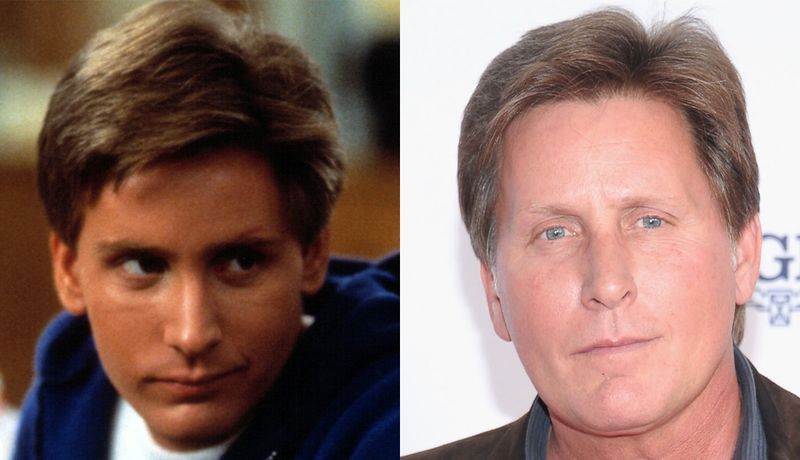
Emilio Estevez became a recognizable heartthrob in the 1980s through films like The Breakfast Club and St. Elmo’s Fire that connected him to the Brat Pack sensibility and teenage audiences. His earnest performances and relatable demeanor made him an object of admiration among viewers who saw a genuine quality in his portrayals.
Magazine spreads and fan interest solidified his place among that era’s notable young stars.
His career highlights how ensemble casts produced individual idols who resonated widely. For many Boomers who recall those films, Estevez represents a specific kind of accessible charm.
He remains linked to those formative cinematic moments.
15. Patrick Swayze
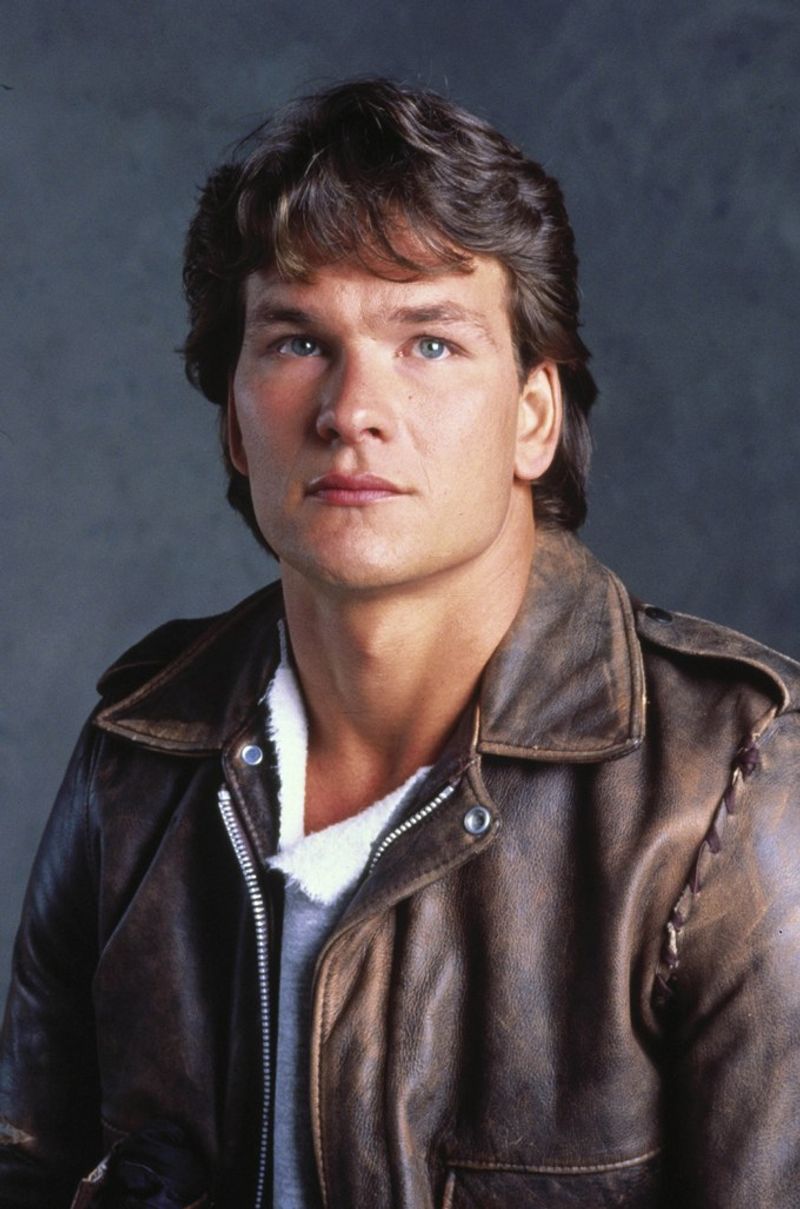
Patrick Swayze rose to iconic heartthrob status in the 1980s, and his roles in Dirty Dancing and later Ghost showcased a blend of physicality and romantic intensity that captivated fans. His dance background added a sensual, athletic edge, while his genuine on-screen warmth made him deeply appealing.
Fans admired both his talent and his striking presence, which translated into enduring admiration and cultural impact.
That era’s longing for passionate, charismatic leading men found a clear focus in Swayze’s performances. For Boomers, he symbolized a potent combination of romance and toughness.
His legacy endures as a benchmark for sweeping, heartfelt stardom.
16. Johnny Depp
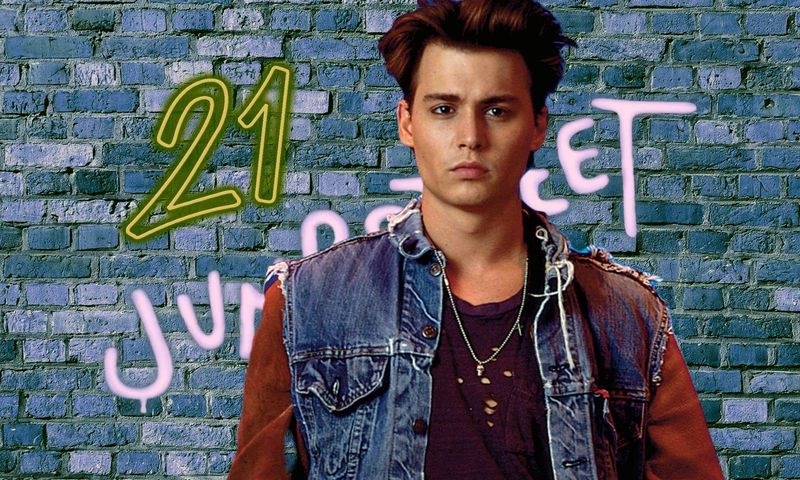
Johnny Depp emerged as a heartthrob in the late 1980s thanks to his role on 21 Jump Street, and his quirky charisma set him apart from more conventional teen idols. Fans were drawn to his offbeat persona and intense presence, which suggested mystery and depth beyond standard celebrity polish.
His early appearances captured the imagination of viewers who loved a slightly dangerous, unconventional leading man.
Depp’s rise showed how TV could create a new type of idol who combined edge with sensitivity. For Boomers on the younger end, he represented a shift toward more enigmatic stars.
His later career would expand that early mystique into varied cinematic roles.
17. Mark Hamill
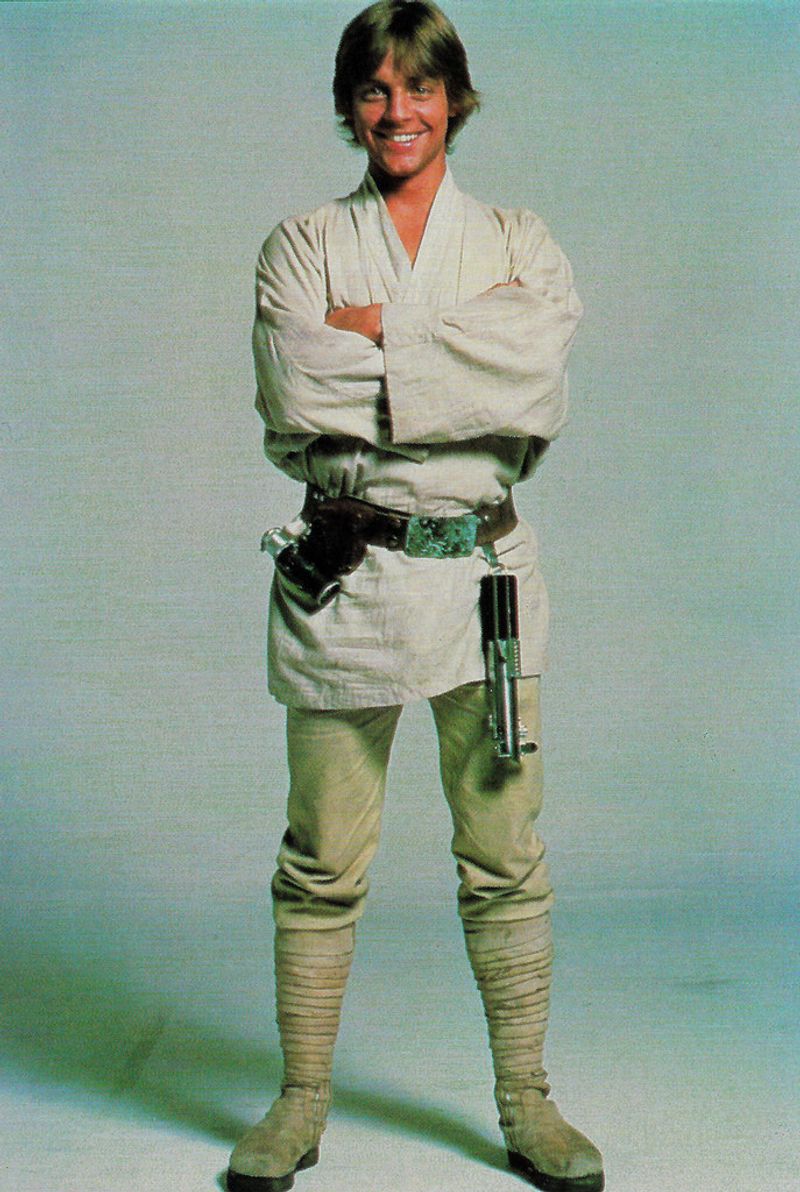
Mark Hamill became an intergalactic hero and heartthrob as Luke Skywalker in the original Star Wars saga, and his portrayal captured the imagination of a generation hungry for epic adventure. His youthful optimism and earnestness made him an accessible hero whom many admired and adored, elevating him to poster status in bedrooms and fan clubs.
The global scale of Star Wars magnified his image beyond typical teen idol boundaries.
Hamill’s appeal illustrates how genre storytelling could produce genuine emotional attachment and idolization. For Boomers, Luke represented hope, heroism, and an idealized youthfulness.
His impact remains deeply embedded in popular culture memories.
18. Harrison Ford
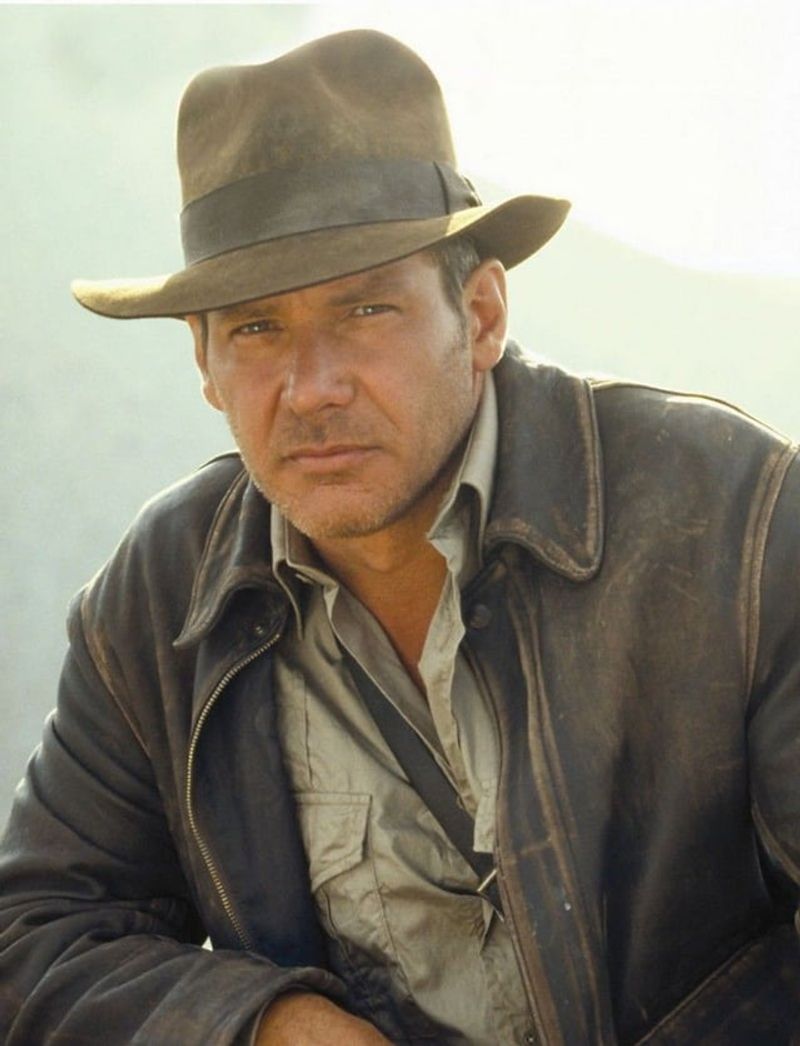
Harrison Ford rose to immense popularity in the late 1970s and 1980s through roles like Han Solo and Indiana Jones, and his easygoing ruggedness made him a natural heartthrob for many Boomers. He combined roguish charm with a believable everyman quality, allowing audiences to project both desire and admiration onto his characters.
His performances in blockbuster films created indelible pop culture moments that fueled widespread fandom.
Ford’s magnetism shows how adventure heroes could also be romantic icons. For that generation, his characters embodied bravery and wit in equal measure.
He remains a lasting figure in collective cinematic memory.