
The 1960s were a wild ride for music lovers. Songs weren’t just entertainment anymore – they were statements, arguments, and sometimes outright battles between generations.
Some tracks made parents slam the radio off while their kids turned it up louder. Here are 18 songs from that era that had people arguing at the dinner table, in newsrooms, and even in government offices.
1. “Revolution 9” by The Beatles (1968)
Not quite a song in the traditional sense, “Revolution 9” is more of a sonic art experiment – nearly nine minutes of looping voices, tape fragments, and eerie sound collages. Some fans called it visionary.
Others called it unlistenable. John Lennon and Yoko Ono crafted it as a piece of pure audio art.
Even fellow Beatle Paul McCartney reportedly wasn’t a fan. It remains one of the most debated tracks in rock history, proof that creativity can divide just as powerfully as it unites.
2. “Like a Rolling Stone” by Bob Dylan (1965)
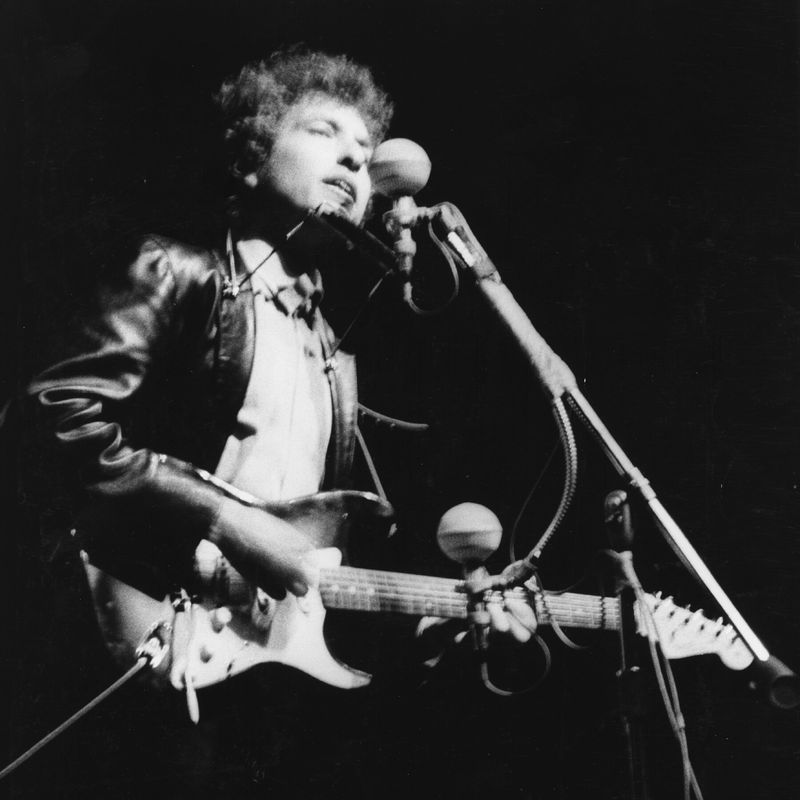
When Bob Dylan plugged in his electric guitar at the 1965 Newport Folk Festival, the crowd booed. Folk purists felt genuinely betrayed – this was their acoustic poet turning his back on the movement.
But millions of younger listeners heard something electrifying and raw.
“Like a Rolling Stone” clocked in at over six minutes, practically unheard of for radio at the time. It cracked the top five anyway, proving that rule-breaking can sometimes rewrite the rules entirely.
3. “Sympathy for the Devil” by The Rolling Stones (1968)
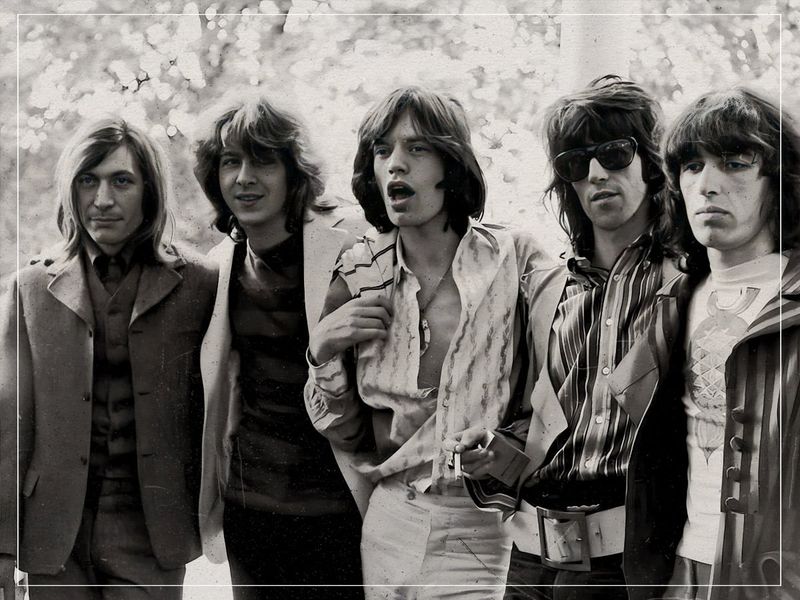
Mick Jagger singing from the perspective of Satan himself? That was always going to cause trouble.
Religious groups were horrified, claiming the song glorified evil. Some radio programmers refused to touch it entirely.
But plenty of listeners recognized it as a sharp, literary commentary on human violence throughout history.
The samba rhythm underneath the dark lyrics created a strange, hypnotic pull. Writer Tom Wolfe even praised its intelligence.
Sometimes the most unsettling art asks the most important questions.
4. “These Boots Are Made for Walkin'” by Nancy Sinatra (1966)
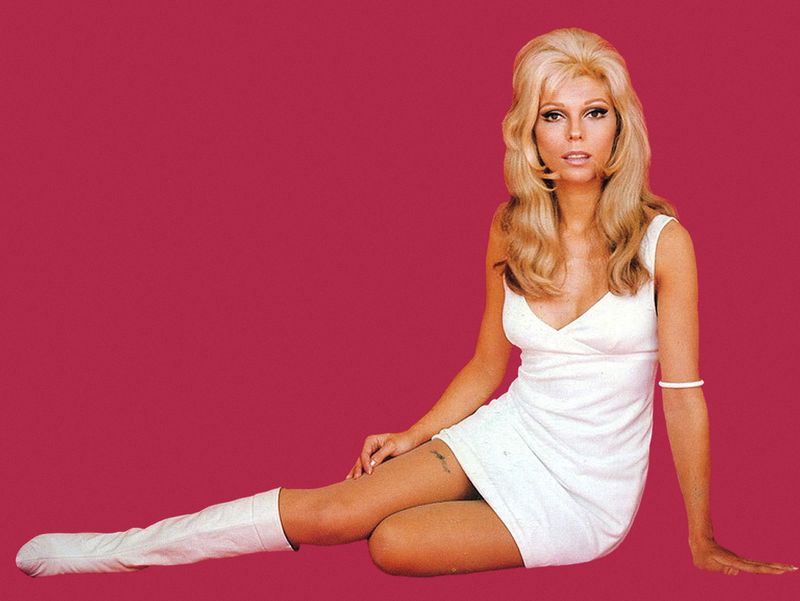
Nancy Sinatra’s hit arrived with a warning shot: a woman telling a cheating man she was about to walk all over him. Traditional listeners found it shockingly aggressive for a female artist in 1966.
The idea of a woman taking charge and dishing out consequences was genuinely radical for the era.
Feminist audiences embraced it as an anthem almost immediately. The song hit number one and spent weeks on the charts, boots and all, proving female confidence was absolutely marketable.
5. “Light My Fire” by The Doors (1967)
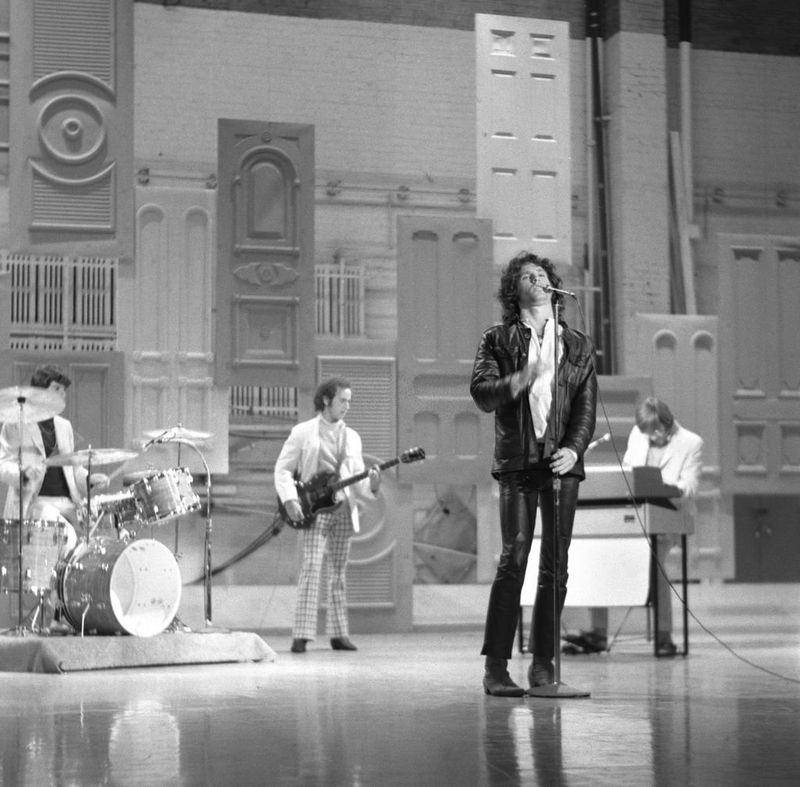
Jim Morrison had a gift for making censors nervous. The line “girl, we couldn’t get much higher” caught the attention of Ed Sullivan’s producers, who asked The Doors to swap it out before their television appearance.
Morrison agreed during rehearsal – then sang the original lyric live on air anyway.
The band was promptly banned from the show for life. That rebellious moment only boosted the song’s legend. “Light My Fire” became one of the defining singles of the Summer of Love.
6. “Hey Jude” by The Beatles (1968)
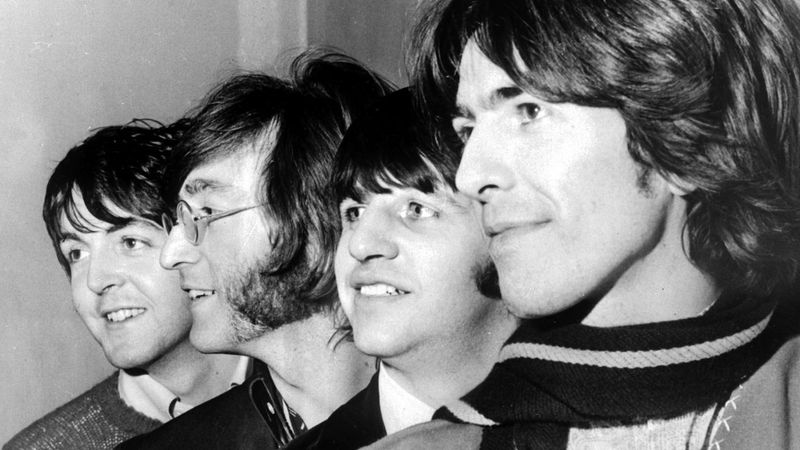
Seven minutes and eleven seconds was a bold ask for radio stations used to three-minute pop songs. Many programmers groaned at the extended “na-na-na” outro, calling it self-indulgent filler.
Some listeners agreed, finding the repetition more exhausting than uplifting.
Others felt that long, swelling finale was the whole emotional point – a communal singalong that built into something bigger than any single voice. “Hey Jude” became one of the best-selling singles of all time, settling the debate rather decisively in Paul McCartney’s favor.
7. “Blowin’ in the Wind” by Bob Dylan (1963)
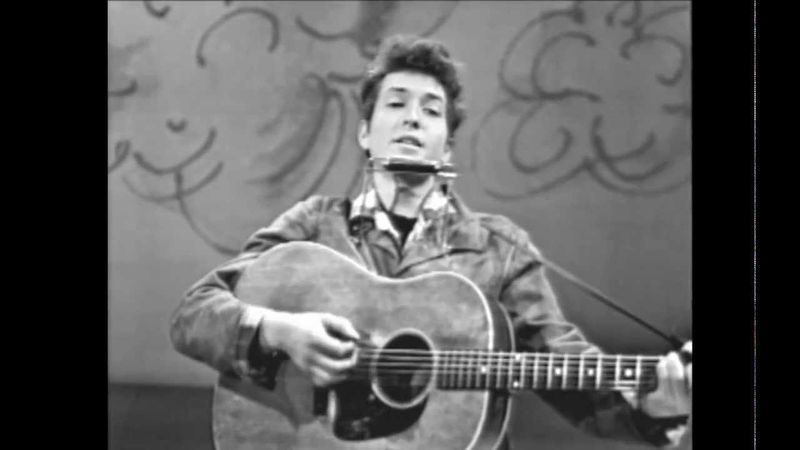
Simple questions can be the most uncomfortable ones. Dylan asked how many roads a man must walk before being called a man, how many times must cannon balls fly before they’re forever banned – and some people really did not want to hear it.
Several Southern radio stations pulled the track entirely.
The song became a cornerstone of the civil rights movement regardless. Peter, Paul and Mary covered it that same year, taking it to number two.
Protest rarely sounded this quietly devastating.
8. “Eve of Destruction” by Barry McGuire (1965)
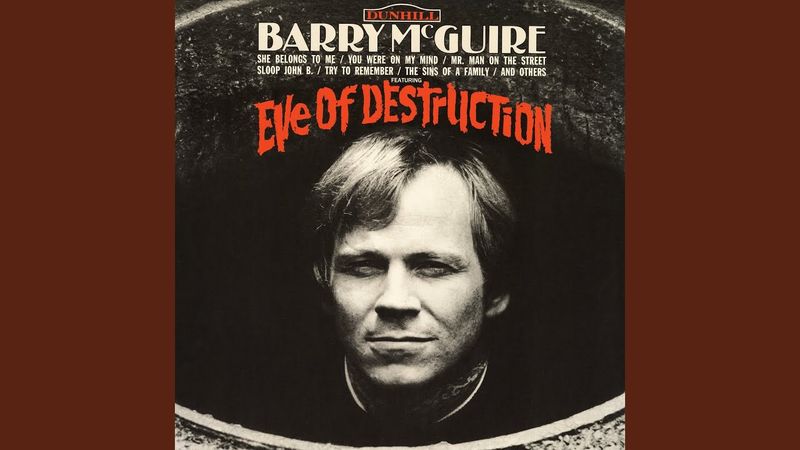
Barry McGuire didn’t sugarcoat anything. “Eve of Destruction” rattled off Vietnam, racial violence, nuclear threat, and political hypocrisy in one furious folk-rock track. The BBC banned it outright.
Dozens of American stations refused to play it, calling the message dangerously pessimistic for young ears.
Young ears heard it anyway and loved it for exactly that reason. It hit number one in the US within weeks.
Sometimes a generation just needs someone to say plainly what everyone else is tiptoeing around.
9. “Say It Loud – I’m Black and I’m Proud” by James Brown (1968)
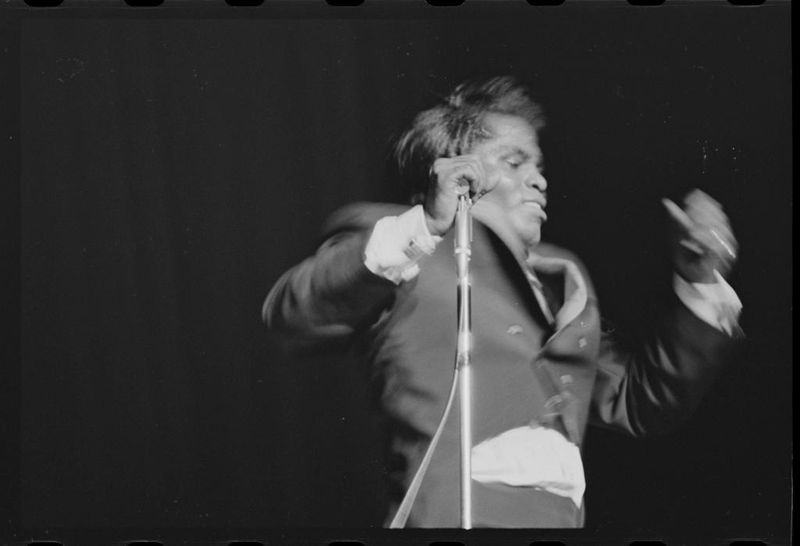
Released just weeks after Martin Luther King Jr.’s assassination, this track landed like a thunderclap. James Brown wasn’t asking for acceptance – he was demanding celebration.
Older, more conservative listeners were rattled by its directness. Some radio stations received angry calls the day it first aired.
Younger Black audiences felt seen and energized in a way few songs had ever managed. Brown reportedly worried the song might hurt his crossover appeal.
Instead, it became one of the most important recordings of the entire decade.
10. “Street Fighting Man” by The Rolling Stones (1968)
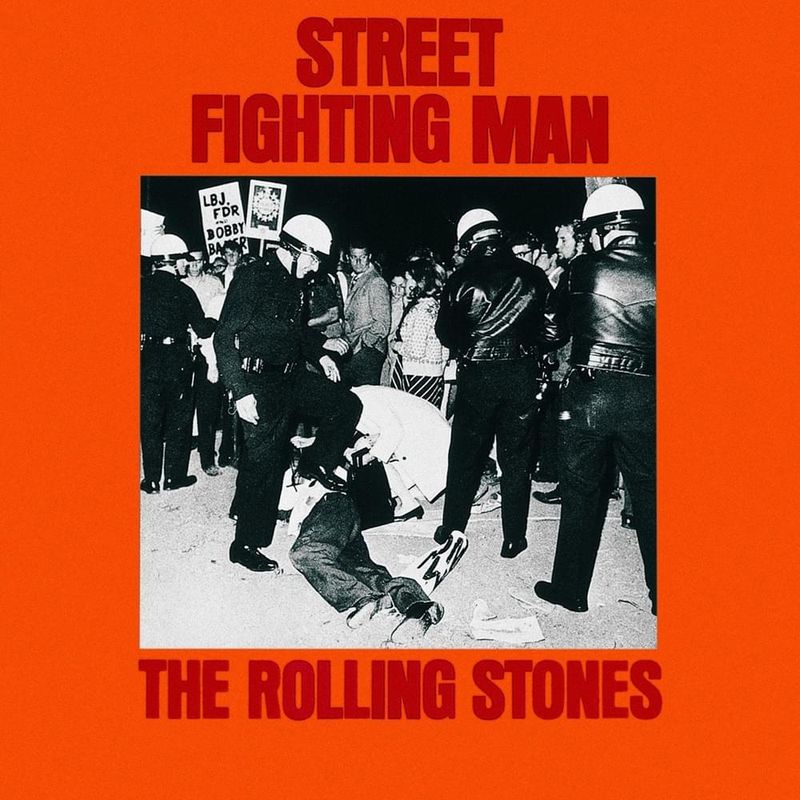
Chicago was already on fire during the 1968 Democratic National Convention when this track dropped. Authorities panicked.
The imagery of street fighting and revolution felt less like metaphor and more like a soundtrack for actual unrest happening in real time.
Many US radio stations banned it immediately, fearing it could push already tense crowds further toward violence. The Stones insisted it was artistic expression, not a call to action.
Either way, the timing made sure everyone had a strong opinion about it.
11. “Revolution” by The Beatles (single version, 1968)
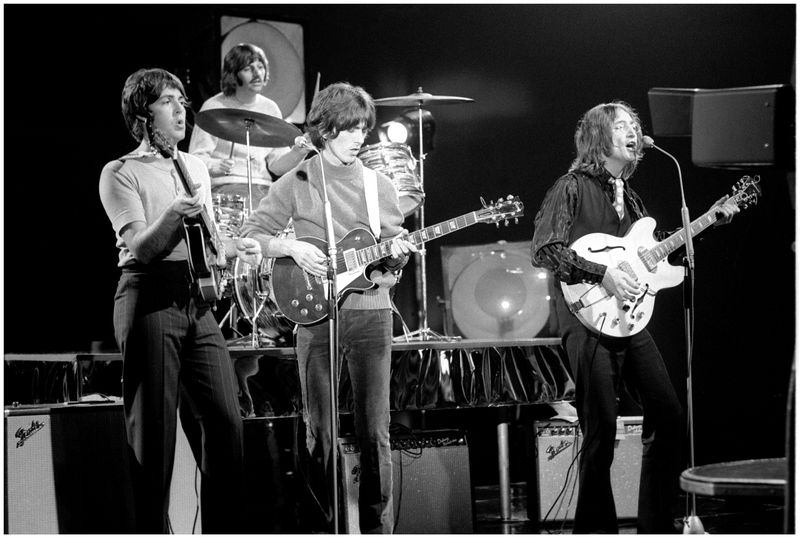
John Lennon thought he was threading a needle – acknowledging the desire for change while questioning violent methods. The radical left felt he had stabbed them in the back with the line “don’t you know that you can count me out.” Political activists called him a coward hiding behind art.
Conservatives still found the track threatening, because even questioning the establishment felt dangerous to them. Lennon managed to frustrate almost everyone across the political spectrum simultaneously, which is actually a pretty remarkable achievement.
12. “Sky Pilot” by Eric Burdon and The Animals (1968)
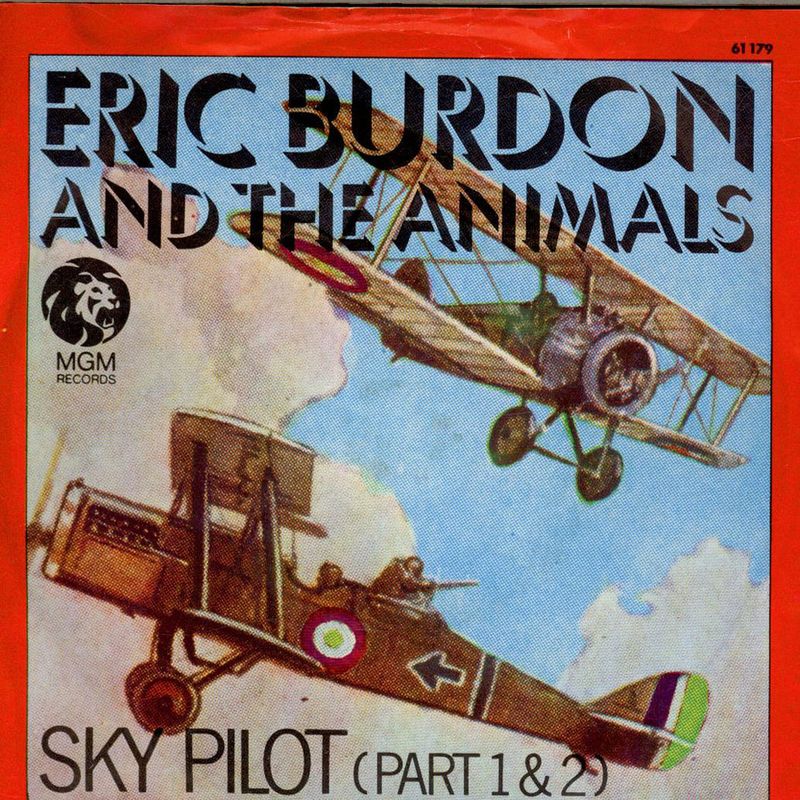
Eight minutes long and absolutely unsparing in its critique, “Sky Pilot” told the story of a military chaplain blessing soldiers before sending them off to die in Vietnam. Religious leaders called it blasphemous.
Veterans’ groups called it unpatriotic. Radio stations called it too long and too controversial to air.
The song still charted, sneaking into the top twenty despite limited airplay. Eric Burdon was genuinely asking whether faith and warfare could coexist – a question that made a lot of powerful people extremely uncomfortable.
13. “(I Can’t Get No) Satisfaction” by The Rolling Stones (1965)
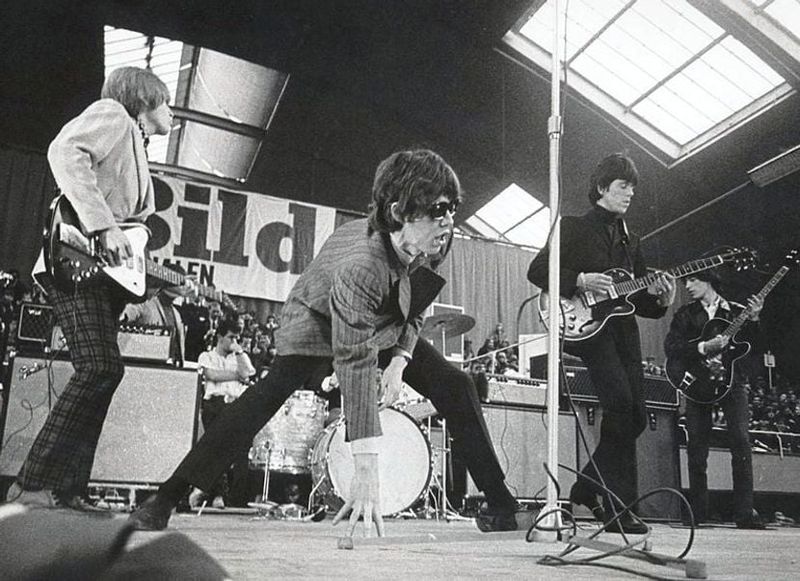
That opening guitar riff is one of the most recognizable in rock history, but in 1965 it was a red flag for radio censors. The song’s barely-veiled sexual frustration and contempt for consumerism made it a target for bans across multiple stations.
The Stones leaned into their bad-boy reputation hard.
Ironically, the controversy fueled its success. It became their first US number one.
Keith Richards reportedly came up with the riff half-asleep, which makes the whole saga even more delightfully chaotic.
14. “Born to Be Wild” by Steppenwolf (1968)
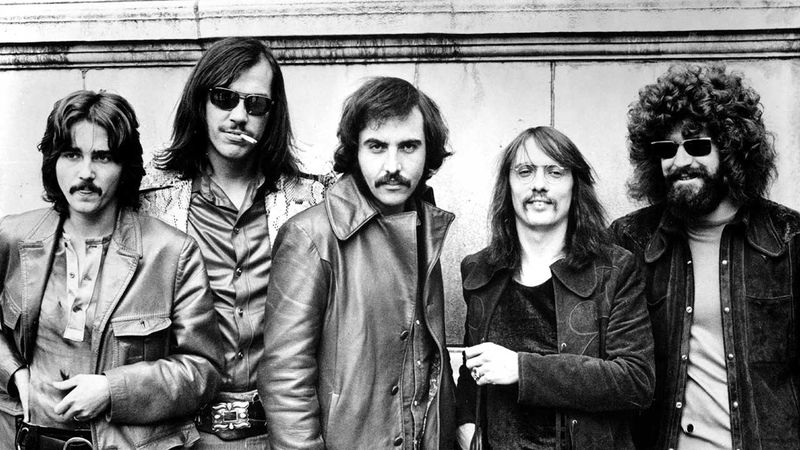
Conservative America heard “Born to Be Wild” and pictured everything they feared about the counterculture: leather jackets, motorcycles, and zero respect for authority. The phrase “heavy metal thunder” would later give an entire genre its name, though nobody quite realized that at the time.
Radio stations in more traditional markets refused to play it. The film Easy Rider then cemented the song’s rebellious identity permanently.
What started as a biker anthem became the official sound of freedom for an entire restless generation.
15. “Louie Louie” by The Kingsmen (1963)
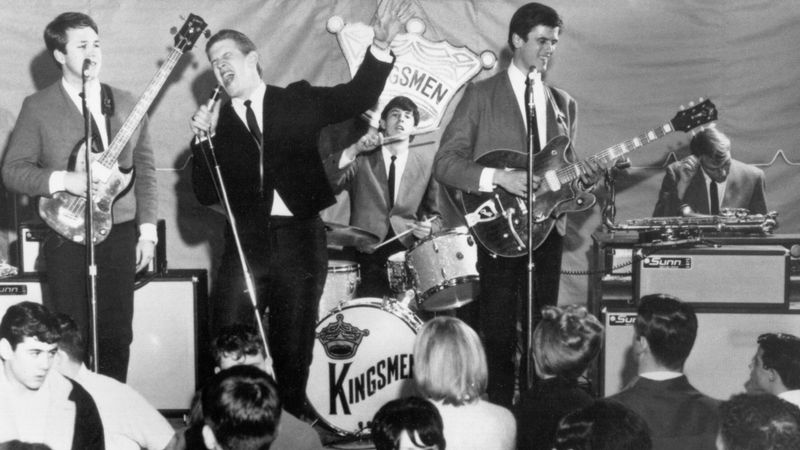
The FBI spent two full years investigating this song. Two years.
The agency was convinced the mumbled, nearly incomprehensible lyrics were secretly obscene, and parents across America agreed. Schools banned it.
Governors demanded investigations. One Indiana governor tried to get it pulled from the entire state.
The actual lyrics turned out to be completely innocent – a straightforward Caribbean love song. The unintelligible delivery created a paranoia that the music itself never warranted. “Louie Louie” remains the most investigated song in American history.
16. “Brown Eyed Girl” by Van Morrison (1967)
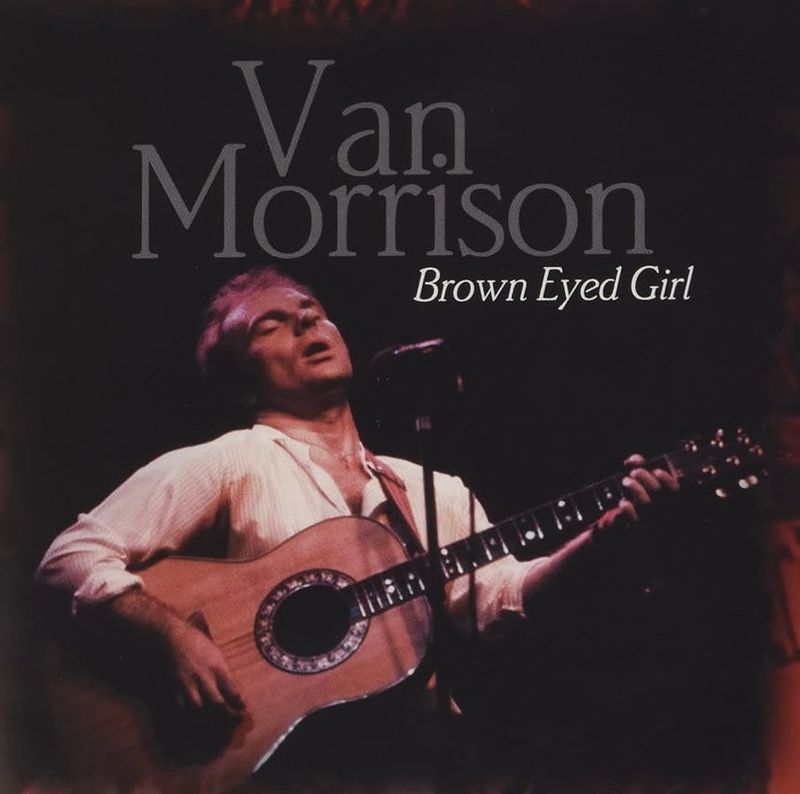
Van Morrison wrote a breezy, feel-good pop song and still managed to ruffle feathers. The lyric “making love in the green grass” was deemed too steamy for conservative radio stations, which replaced it with the much more wholesome “laughing and a running” in their broadcasts.
Morrison was not thrilled.
The song became a timeless classic anyway, one of the most played tracks in radio history. It’s a little funny that such a cheerful, sun-soaked tune caused any controversy at all – but that was the 1960s for you.
17. “A Day in the Life” by The Beatles (1967)
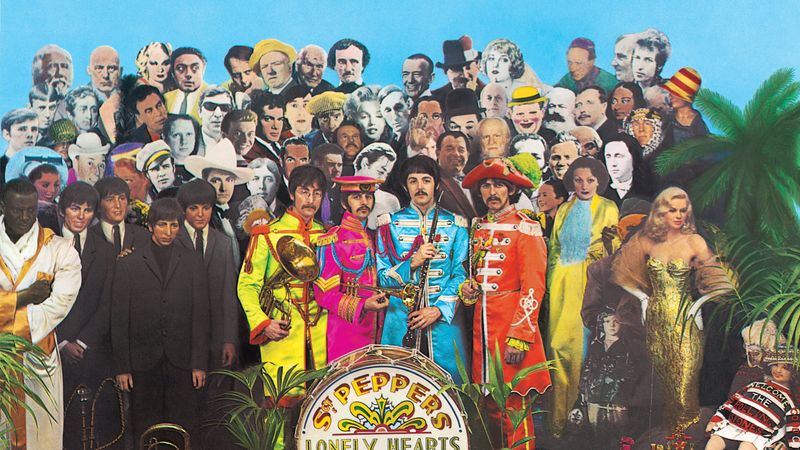
The BBC’s ban on this track was one of the most talked-about censorship decisions of the decade. The line “I’d love to turn you on” was flagged as a drug reference, and that was enough for the corporation to pull it entirely.
The ban only made people more desperate to hear it.
“A Day in the Life” is now widely considered one of the greatest songs ever recorded. The BBC’s decision aged about as well as you’d expect.
Sometimes the attempt to suppress art just turns it into a legend.
18. “Society’s Child (Baby I’ve Been Thinking)” by Janis Ian (1966)
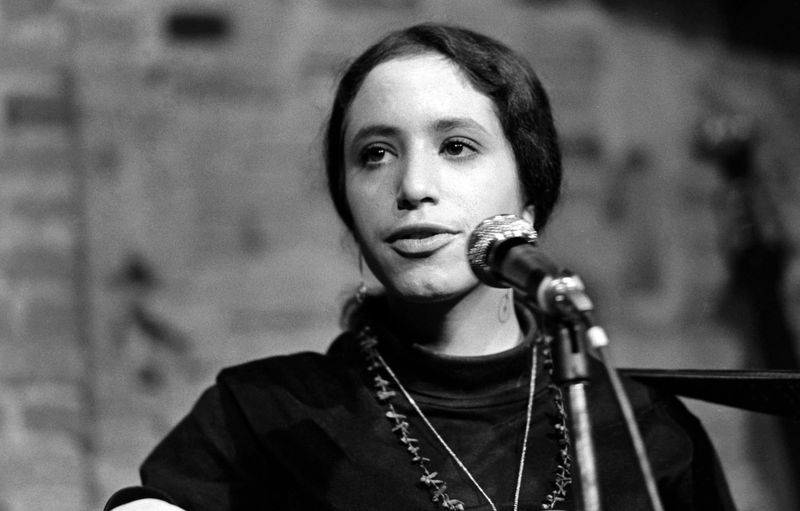
Janis Ian wrote this song at just fourteen years old, and it tackled interracial romance with a directness that stunned the music industry. The story of a white girl pressured by her community to abandon her Black boyfriend hit American radio like a lightning bolt.
Many Southern stations refused to touch it.
Some radio stations that did play it received bomb threats. Ian performed the song on television and faced real hostility.
Yet the song eventually reached number fourteen nationally, a quiet victory for a teenager brave enough to tell an uncomfortable truth.