
The 1960s were unlike any other decade in history. Music blasted from radios, kids danced in living rooms, fashion got bolder, and toys flew off store shelves.
It was a time of big change, wild creativity, and a whole lot of fun. From dance floors to fashion runways to toy chests, here are the crazes that made the sixties truly unforgettable.
1. The British Invasion
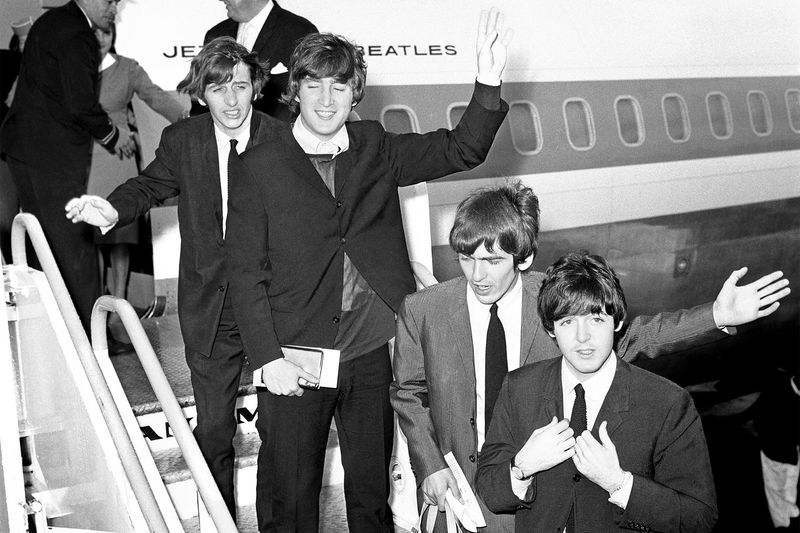
When The Beatles landed in America in 1964, teenagers went absolutely wild. Crowds of screaming fans packed airports and concert halls, kicking off what became known as the British Invasion.
Bands like The Rolling Stones and The Kinks soon followed, completely changing what American music sounded like.
British rock brought a fresh energy that radio stations could not ignore. It reshaped pop culture overnight and inspired a whole new generation of young musicians to pick up a guitar.
2. The Motown Sound
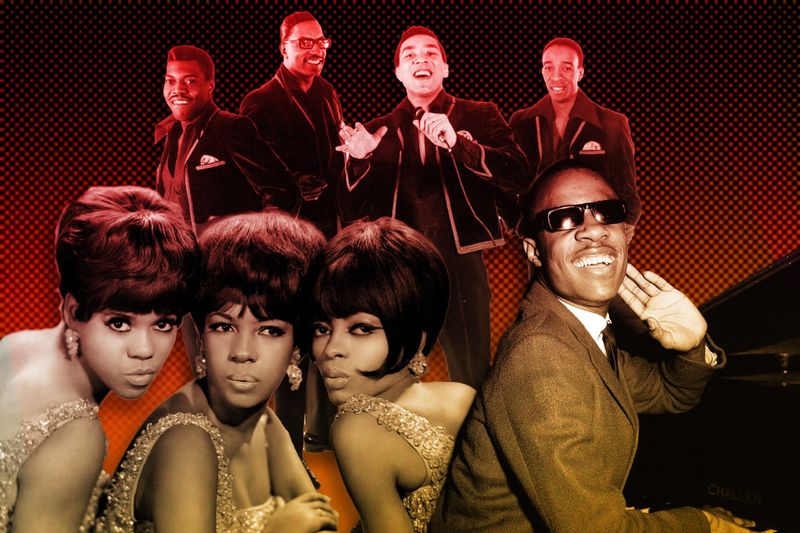
Berry Gordy Jr. built something extraordinary when he founded Motown Records in Detroit. Artists like The Supremes, Marvin Gaye, and the Temptations produced upbeat, soulful hits that crossed racial lines and filled dance floors everywhere.
Motown was more than just music. It was a polished, carefully crafted brand that dressed its artists beautifully and trained them in etiquette.
The sound was irresistible, and it helped bridge cultural divides during a tense period in American history.
3. Folk Rock
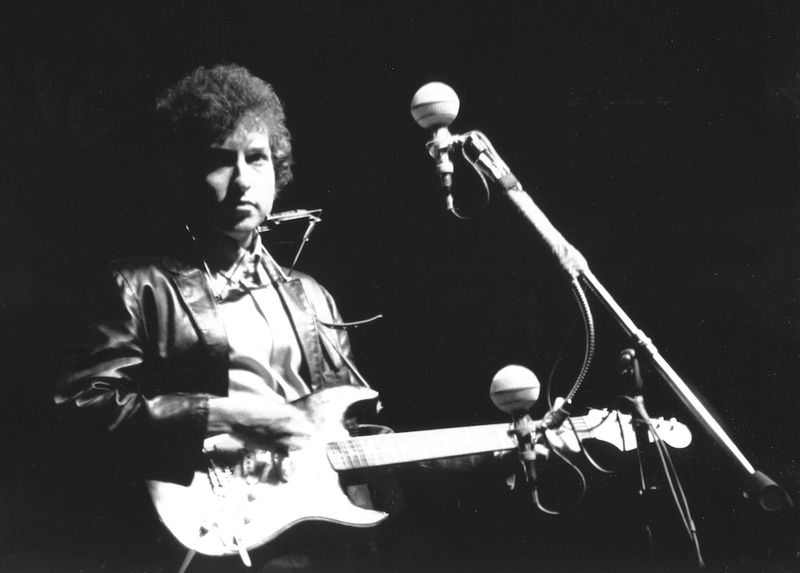
Bob Dylan picked up an electric guitar and changed everything. Folk music had always been acoustic and rooted in storytelling, but blending it with rock and roll gave it a rebellious new edge that young people instantly connected with.
Bands like The Byrds helped turn folk rock into a full-blown movement, drawing musicians to Los Angeles from across the country. The lyrics were poetic and meaningful, speaking directly to a generation hungry for change and honest expression.
4. Psychedelic Rock
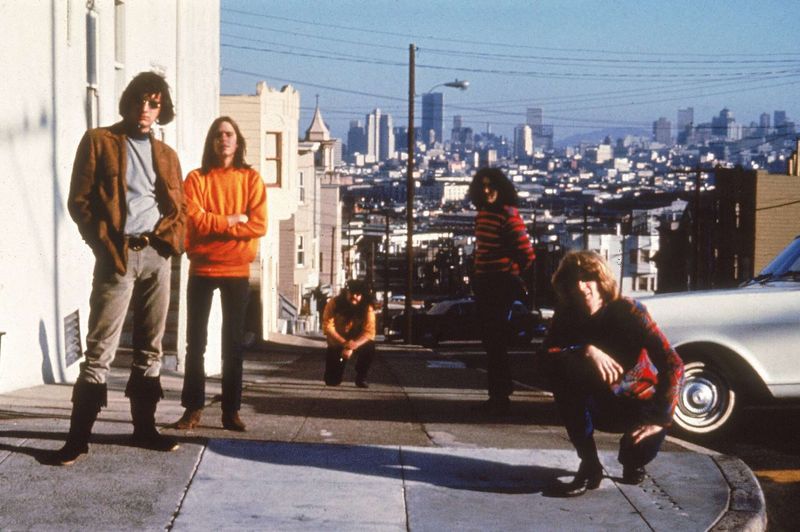
Loud, swirling, and completely mind-bending, psychedelic rock was the soundtrack of the counterculture. Bands like The Grateful Dead and artists like Janis Joplin created music that felt like a full sensory experience, with distorted guitars and dreamy, layered sounds.
The 1969 Woodstock festival became the ultimate symbol of this movement. Half a million people gathered in a muddy field to celebrate music, peace, and a lifestyle that rejected the mainstream.
It was messy, magical, and totally unforgettable.
5. Surf Music
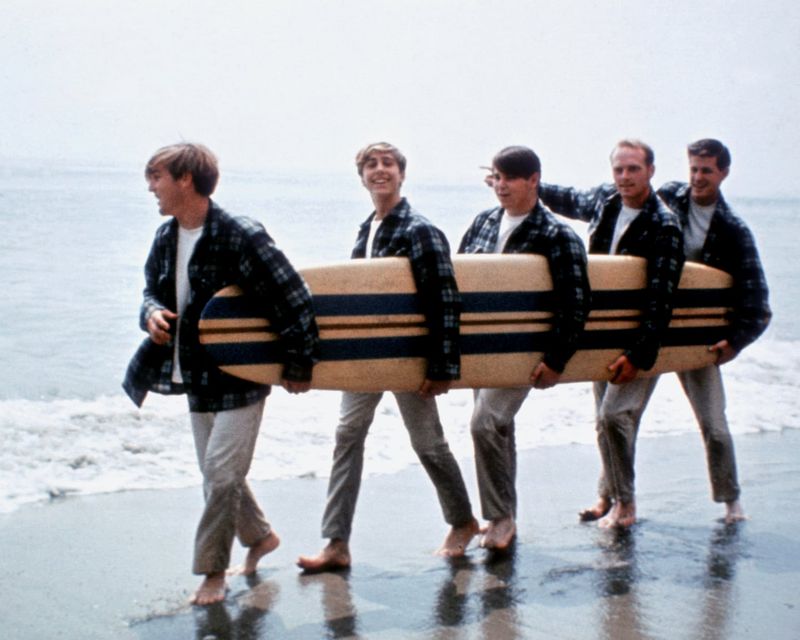
Southern California gave the world something special: a breezy, sun-soaked sound built around waves, cars, and summertime freedom. The Beach Boys turned surf culture into a global phenomenon with tight harmonies and catchy melodies that made everyone feel like they were at the beach.
Surf music had its own visual style too, featuring boards, station wagons, and endless sunshine. Even kids who had never seen the ocean could not help but hum along to these feel-good tunes all summer long.
6. The Twist
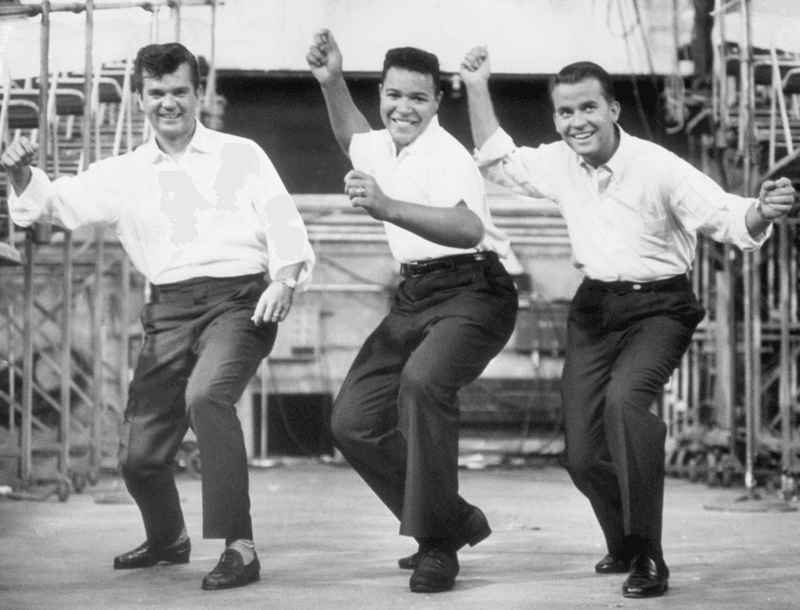
Chubby Checker hit number one in 1960 with a song that told everyone exactly what to do on the dance floor, and America listened. The Twist was refreshingly simple: no partner needed, no fancy footwork, just twist your hips like you were putting out a cigarette with both feet.
Parents and grandparents joined in alongside teenagers, making it one of the few dances that truly crossed generations. It kicked off a decade packed with wild new dance crazes and changed how people moved to music forever.
7. The Mashed Potato
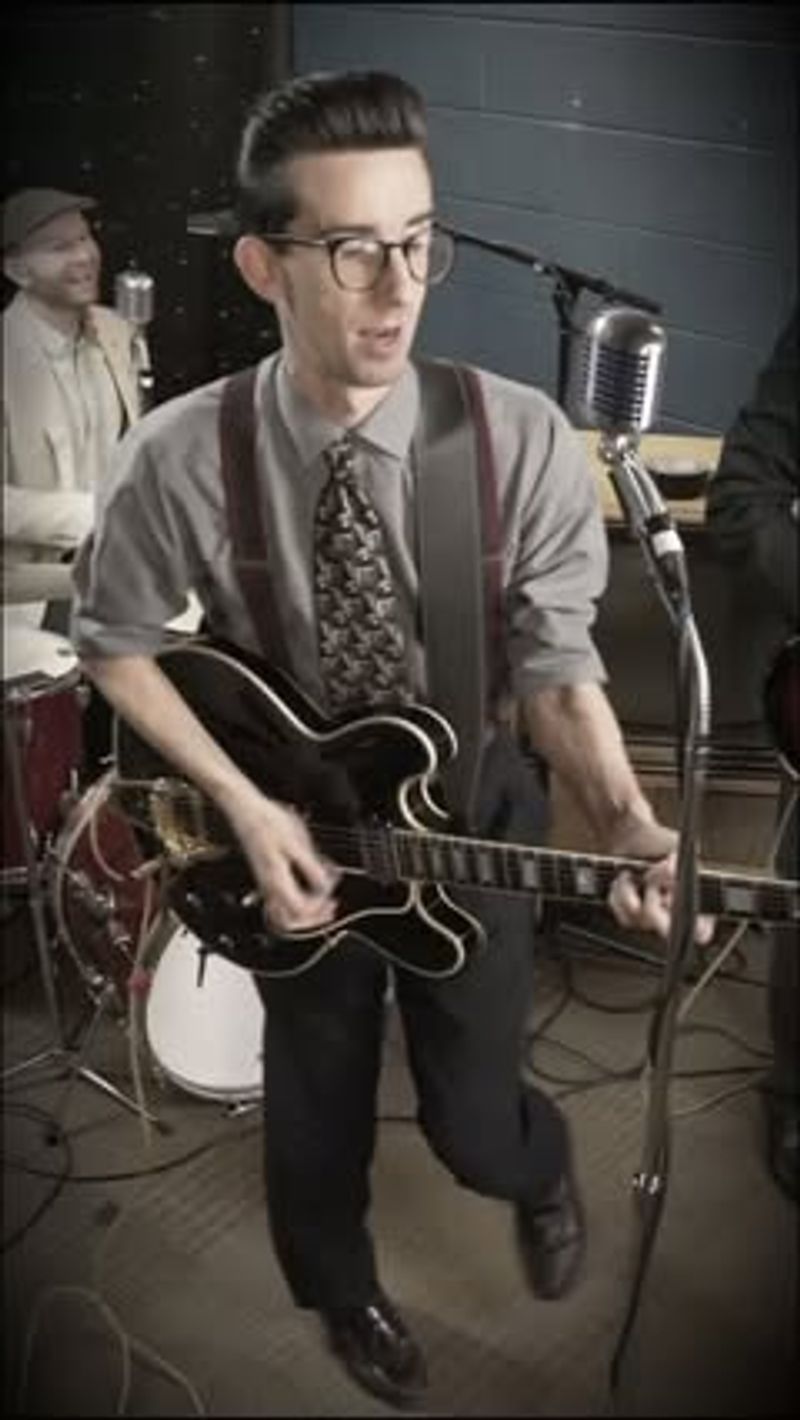
Right on the heels of the Twist came another quirky dance that swept through school gyms and living rooms across America. The Mashed Potato involved shifting your weight and twisting your feet inward and outward in a stomping, shuffling rhythm that looked exactly like its name suggests.
Dee Dee Sharp made it famous with her 1962 hit, and teenagers everywhere started practicing in front of mirrors. It was goofy, energetic, and completely irresistible once the beat dropped on the record player.
8. The Watusi
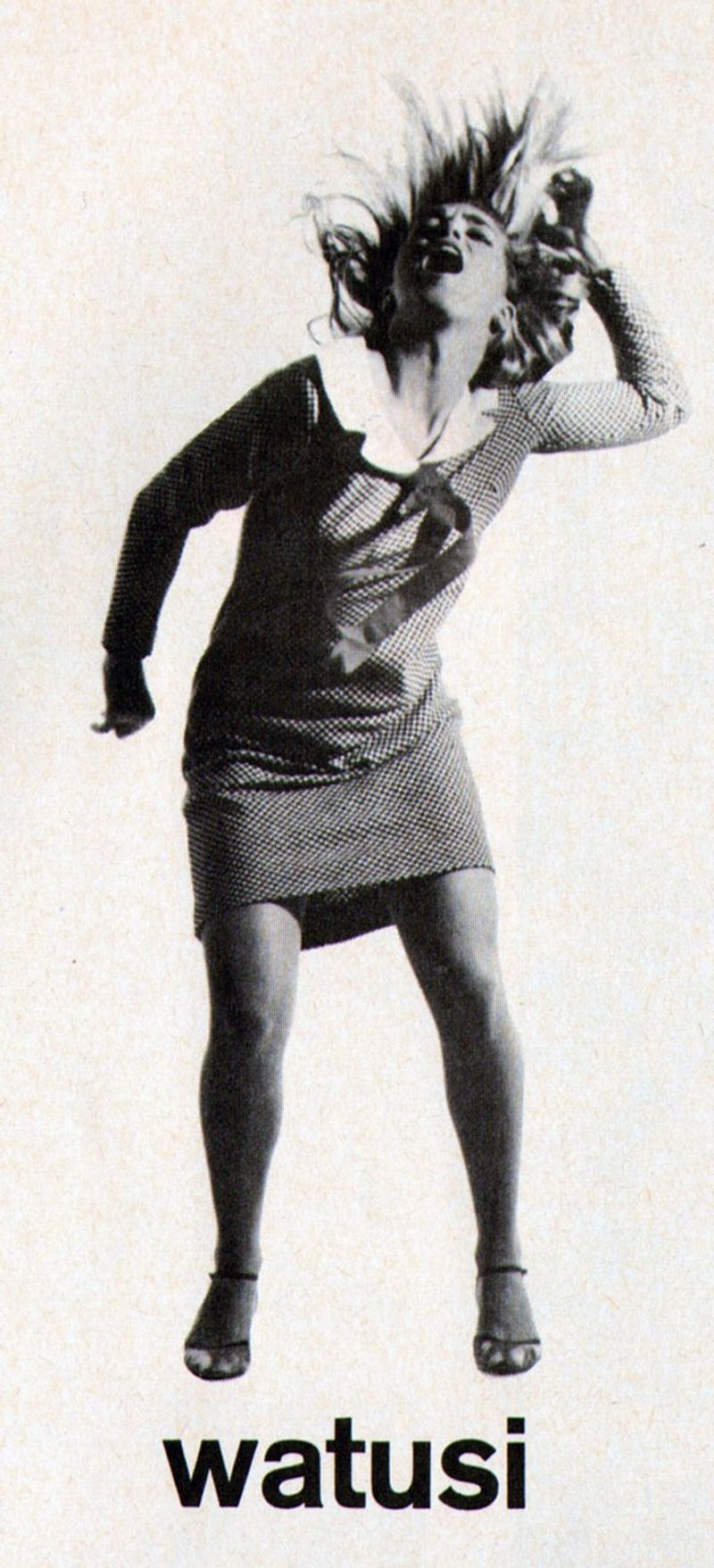
Some called it the second biggest dance craze of the decade, right behind the Twist. The Watusi had dancers standing in place and moving their arms and hips in big, flowing waves, almost like a slow-motion shimmy set to an upbeat rhythm.
The Vibrations recorded a hit called “Watusi” in 1961, and dance floors everywhere lit up. It looked effortlessly cool, which is probably why it stuck around longer than many of the other dances that came and went during the swinging sixties.
9. The Frug, The Jerk, and The Pony
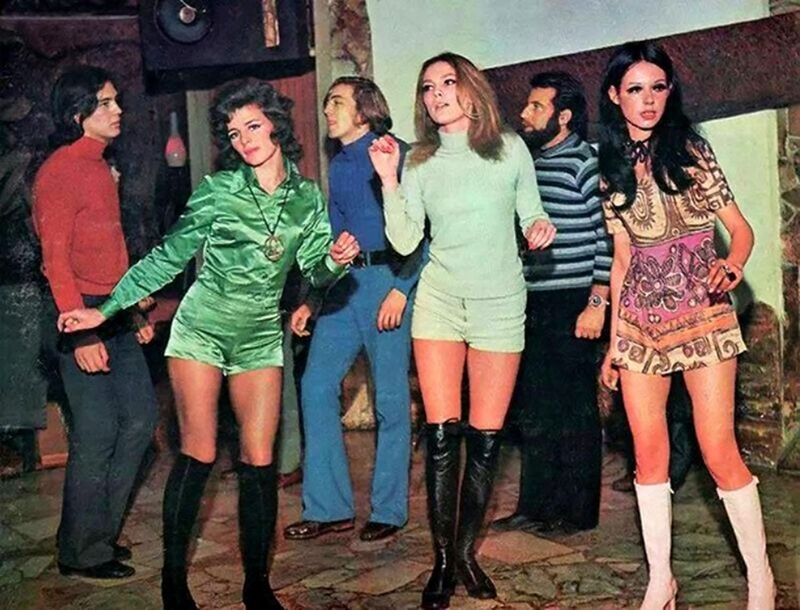
After the Twist opened the door, a whole parade of new dances rushed in. The Frug, the Jerk, and the Pony each had their own distinct moves, but they all shared one thing: full-body energy packed into a surprisingly small space on the dance floor.
You did not need a partner, just a good song and some confidence. These dances showed up in TV shows, movies, and teen magazines constantly.
Learning them was practically a social requirement if you wanted to keep up with your friends at any party.
10. The Boogaloo
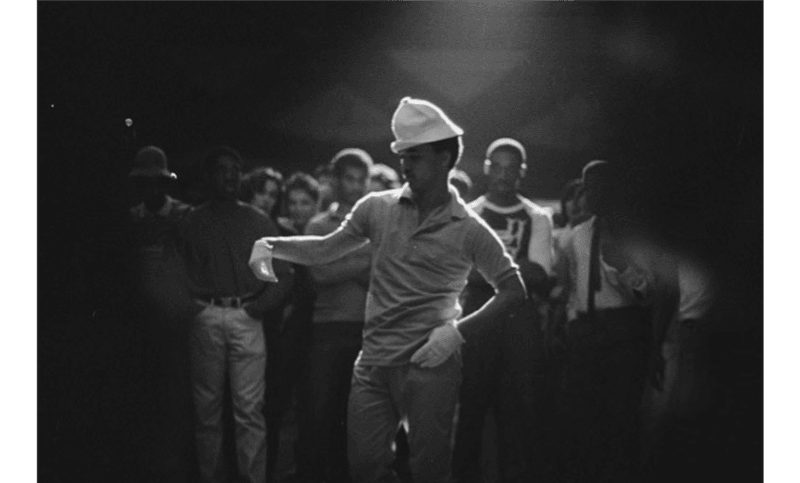
Born on the streets of Chicago among African American teenagers, the Boogaloo was something completely new. It mixed robot-like movements with popping and locking, creating a style that looked almost mechanical but felt deeply rhythmic and expressive at the same time.
Also called Funk Dance, the Boogaloo was improvisational by nature, meaning every dancer made it their own. It planted seeds that would eventually grow into breakdancing and hip-hop culture decades later, making it one of the most quietly influential crazes of the entire decade.
11. The Miniskirt
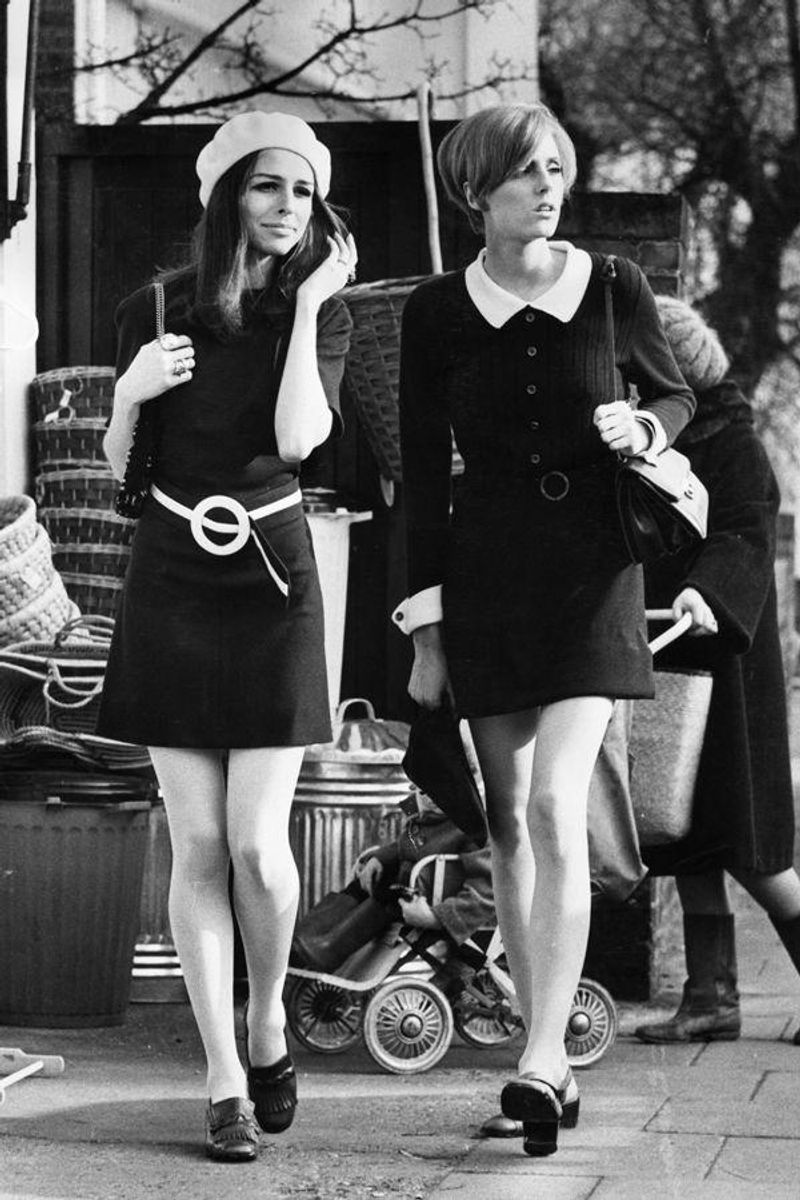
Designer Mary Quant did not just shorten a hemline. She started a revolution.
The miniskirt, which hit mainstream fashion around 1965, was a bold statement that said young women were done dressing like their mothers and ready to show off their own style on their own terms.
It became a symbol of youth, freedom, and confidence. Paired with bold colors and geometric patterns, the miniskirt defined the mod look that spread from London’s Carnaby Street to every shopping mall and high school hallway around the world.
12. Go-Go Boots
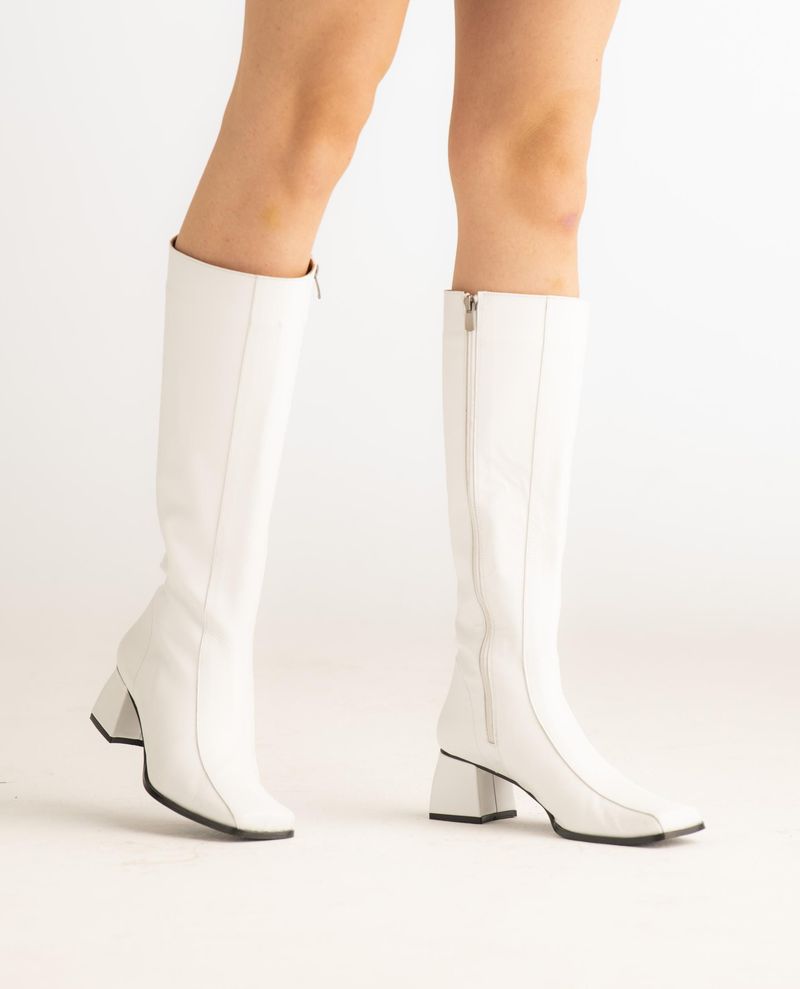
Sleek, shiny, and impossible to ignore, go-go boots became one of the most iconic footwear trends of the decade. Originally worn by dancers on TV shows like “Hullabaloo,” these knee-high boots in white, silver, and bold colors quickly found their way into everyday fashion.
They fit perfectly with the Space Age aesthetic that was sweeping through design and clothing at the time. Every girl wanted a pair, and wearing them meant you were plugged into the coolest, most forward-looking style the sixties had to offer.
13. Hippie Fashion
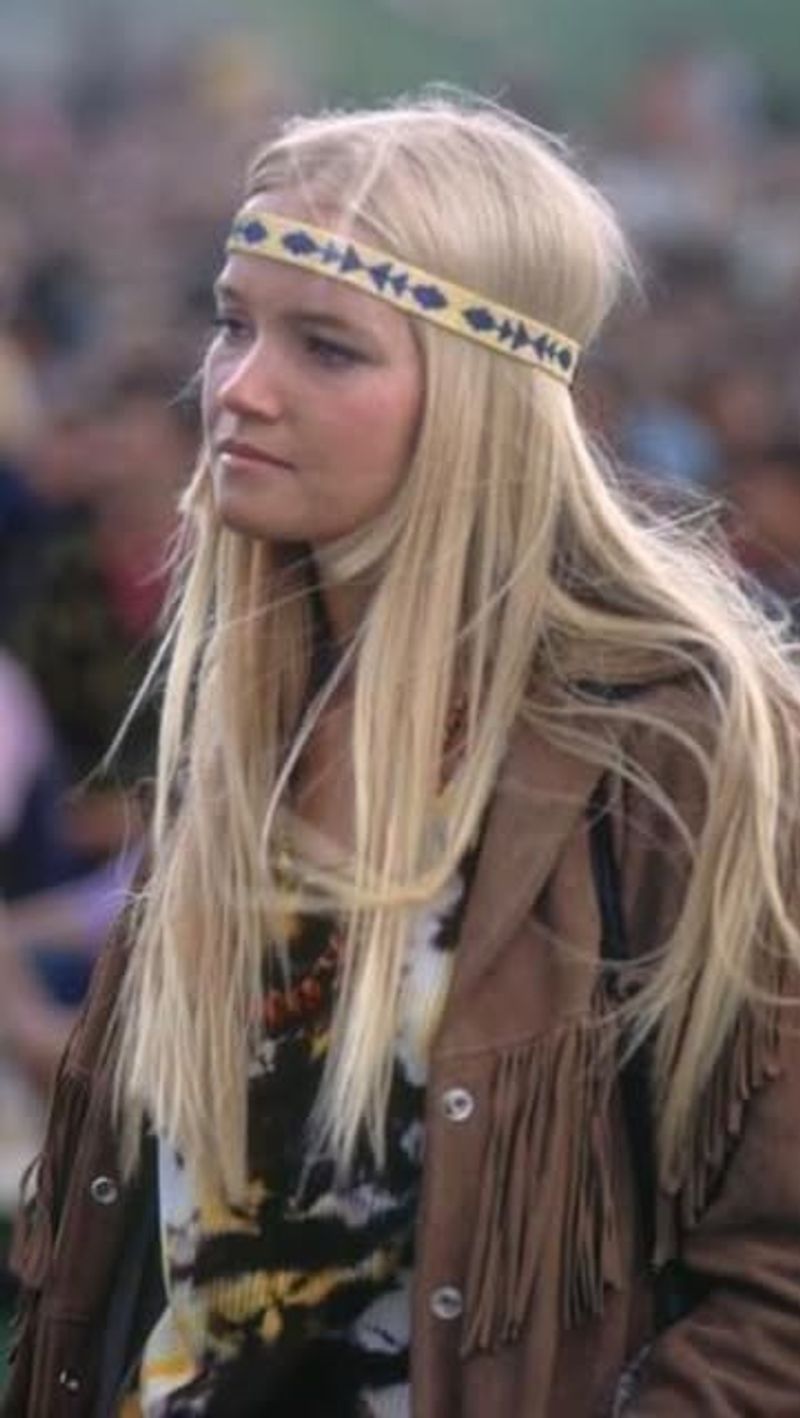
Tie-dye, patchwork, fringe, and flower crowns were not just clothing choices. They were a lifestyle statement.
Hippie fashion rejected the clean-cut look of earlier decades and replaced it with loose, colorful, handmade pieces that celebrated individuality, peace, and a connection to nature.
Bell-bottomed jeans became practically a uniform for the counterculture crowd. The look was intentionally anti-establishment, which made it both controversial and wildly popular.
By the late 1960s, hippie style had spread far beyond protest marches and music festivals into mainstream stores everywhere.
14. Space Age Fashion
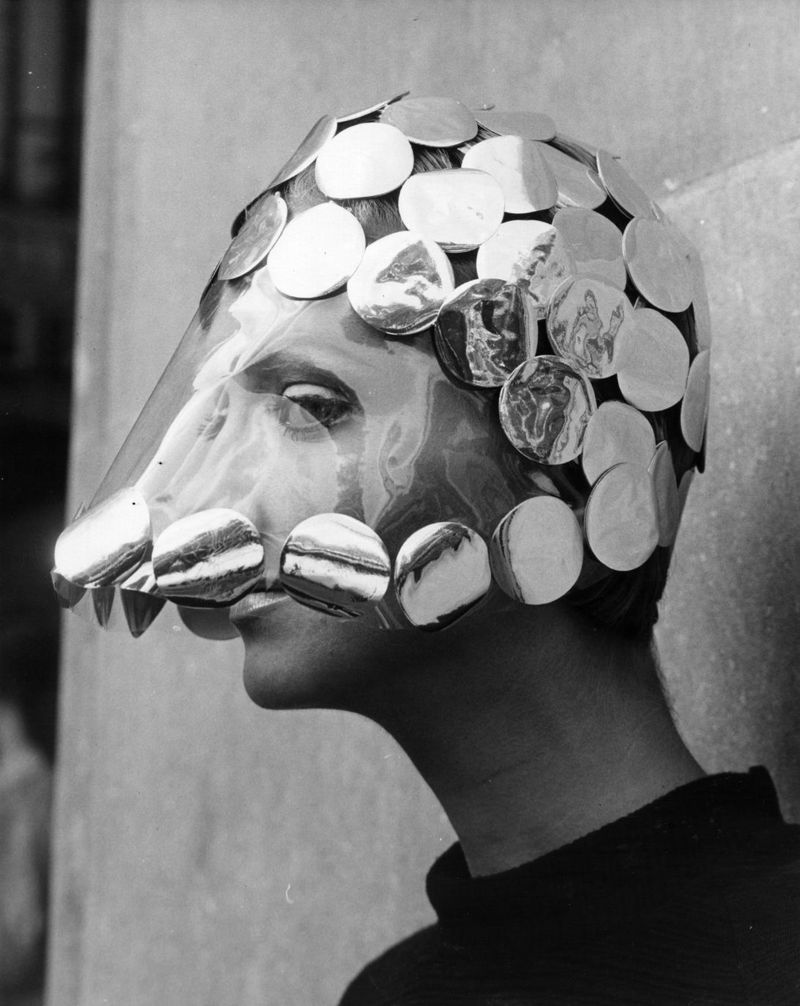
When astronauts started orbiting Earth, designers looked to the stars for inspiration. Space Age fashion, led by visionaries like Pierre Cardin and Andre Courreges, featured clean geometric shapes, metallic fabrics, plastic accessories, and an overall look that felt like it belonged in a science fiction movie.
Trouser suits, vinyl coats, and bold white and silver color schemes became must-haves for fashion-forward shoppers. The trend showed just how much the space race was influencing everyday life, turning the excitement of exploration into something you could actually wear.
15. Barbie Dolls
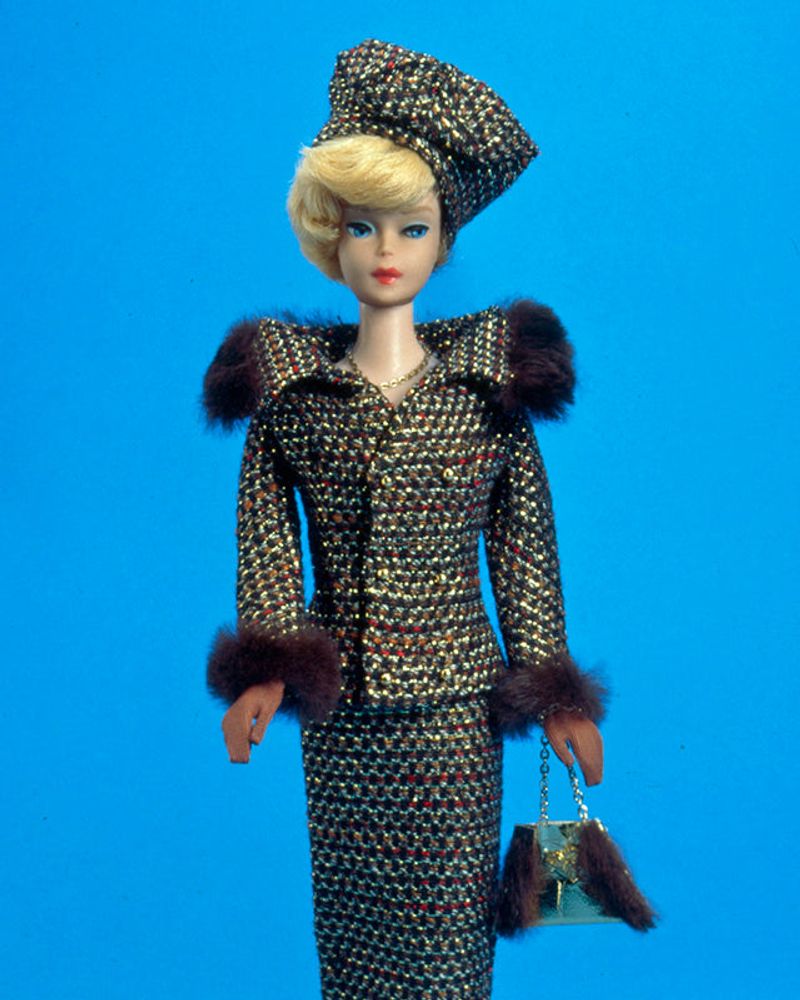
Barbie made her debut in 1959, but the 1960s were truly her decade. With her stylish wardrobe, glamorous lifestyle, and endless career options, she gave kids a whole new kind of toy to play with, one that sparked imagination in a completely different way than baby dolls had before.
Ken arrived in 1961, and the Barbie universe kept expanding. Parents bought her accessories, outfits, and dream houses by the millions.
She was more than a toy. She was a cultural icon that reflected the changing roles and aspirations of the era.
16. G.I. Joe Action Figures
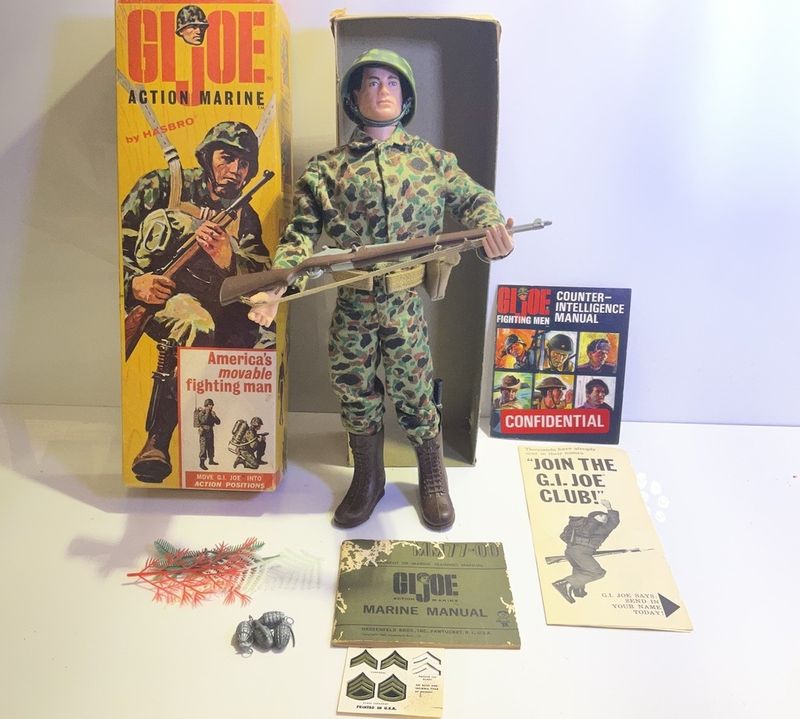
Hasbro made history in 1964 by creating the very first toy marketed as an “action figure” rather than a doll, a clever move that opened an entire new market for boys. G.I.
Joe came modeled after all four branches of the U.S. armed forces, complete with tiny uniforms and gear.
Kids went wild for the customizable equipment and realistic details. The line sold millions of units in its first year alone.
G.I. Joe proved that boys wanted imaginative, story-driven play just as much as anyone else on the block.
17. Easy-Bake Oven
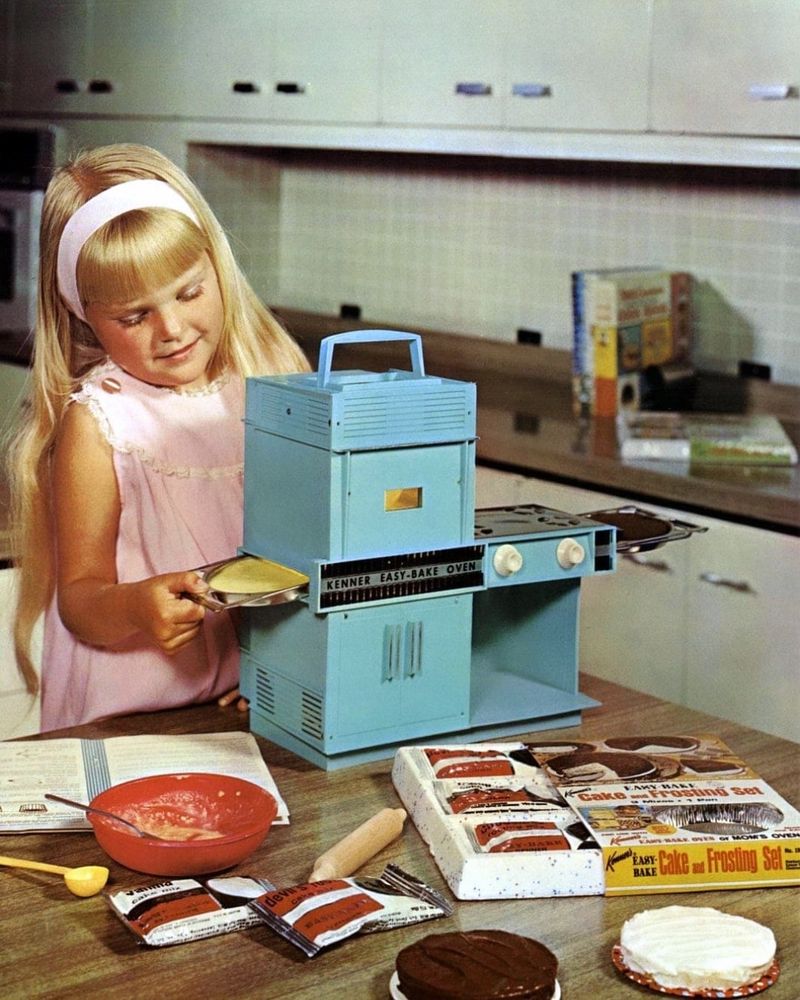
Kenner introduced the Easy-Bake Oven in 1963, and it immediately became one of the hottest toys of the decade. Using nothing but a regular light bulb as a heat source, kids could bake real tiny cakes and treats all by themselves without any adult supervision needed.
Over 500,000 units sold in the very first year, which tells you everything about how much kids loved it. There was something magical about pulling a perfectly baked mini cake out of that little pastel oven and sharing it proudly with everyone nearby.