
Movies based on true stories can be thrilling, emotional, and eye-opening. But sometimes, filmmakers stretch the facts way beyond what actually happened, adding drama, changing timelines, or even inventing characters from scratch.
Audiences often walk away thinking they learned history when they really watched a creative reimagining. Here are 15 films that wore the “based on a true story” label while quietly rewriting the facts.
1. Braveheart (1995)
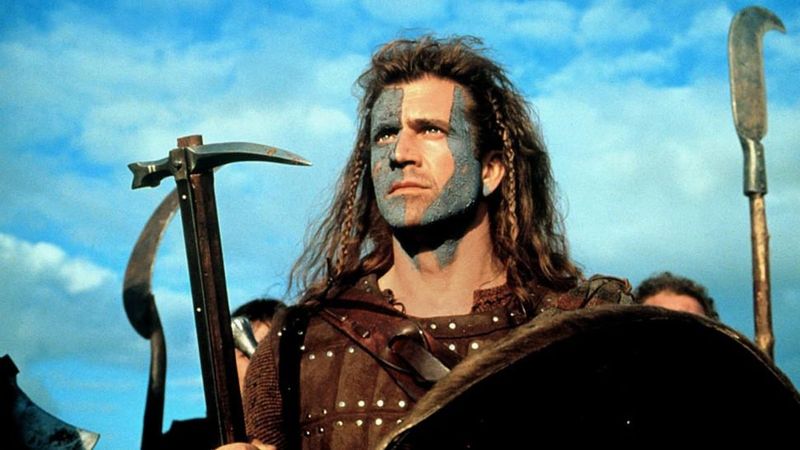
Ask any historian about Braveheart and you might get a long sigh. The 1995 epic is famous for its rousing battle scenes, but it plays fast and loose with the past.
William Wallace never had a romance with Princess Isabella, who was only nine years old and living abroad when Wallace died.
The iconic blue face paint? That was used nearly a thousand years earlier.
The kilts worn throughout the film were not even in fashion yet during Wallace’s era.
2. Catch Me If You Can (2002)
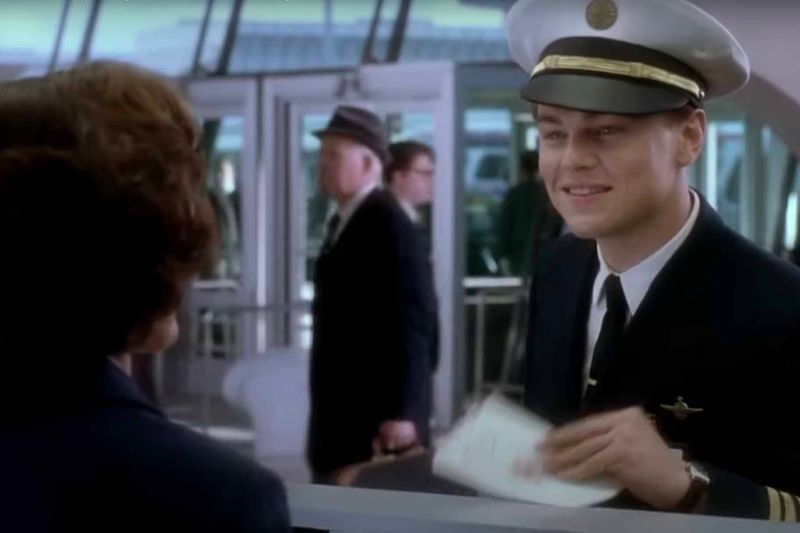
Frank Abagnale Jr. told one of the most charming con-man stories ever put on screen. Steven Spielberg turned it into a slick, fun chase movie starring Leonardo DiCaprio.
The problem? Investigators and journalists have found little evidence that Abagnale ever actually worked as a pilot, doctor, or lawyer.
His original memoir, which the film is based on, is now widely considered to be heavily embellished or even outright fabricated. The real story might be that the biggest con was the book itself.
3. Sound of Freedom (2023)
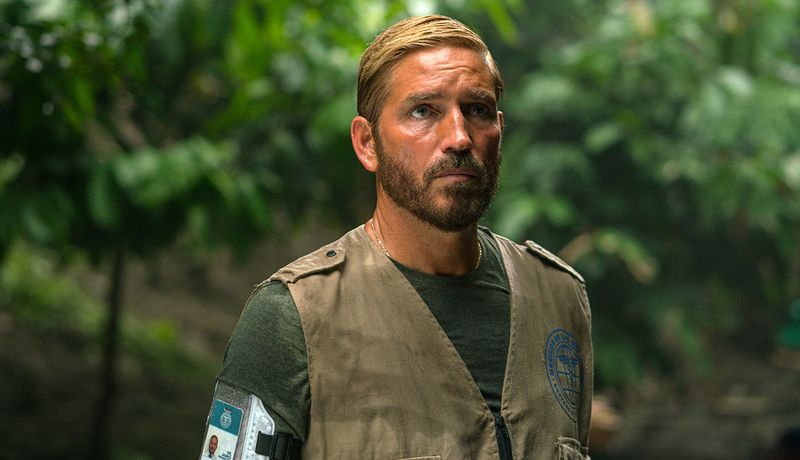
Sound of Freedom arrived with a powerful message about child trafficking and real-world heroism. The film follows Tim Ballard, presented as a one-man crusader who stages a daring jungle rescue.
That climactic jungle operation, however, was entirely made up by the screenwriters.
The actual investigation involved years of coordinated teamwork across multiple organizations and governments. Ballard is also shown taking a life in the film, something his associates say never happened in real life.
4. The Iron Claw (2023)
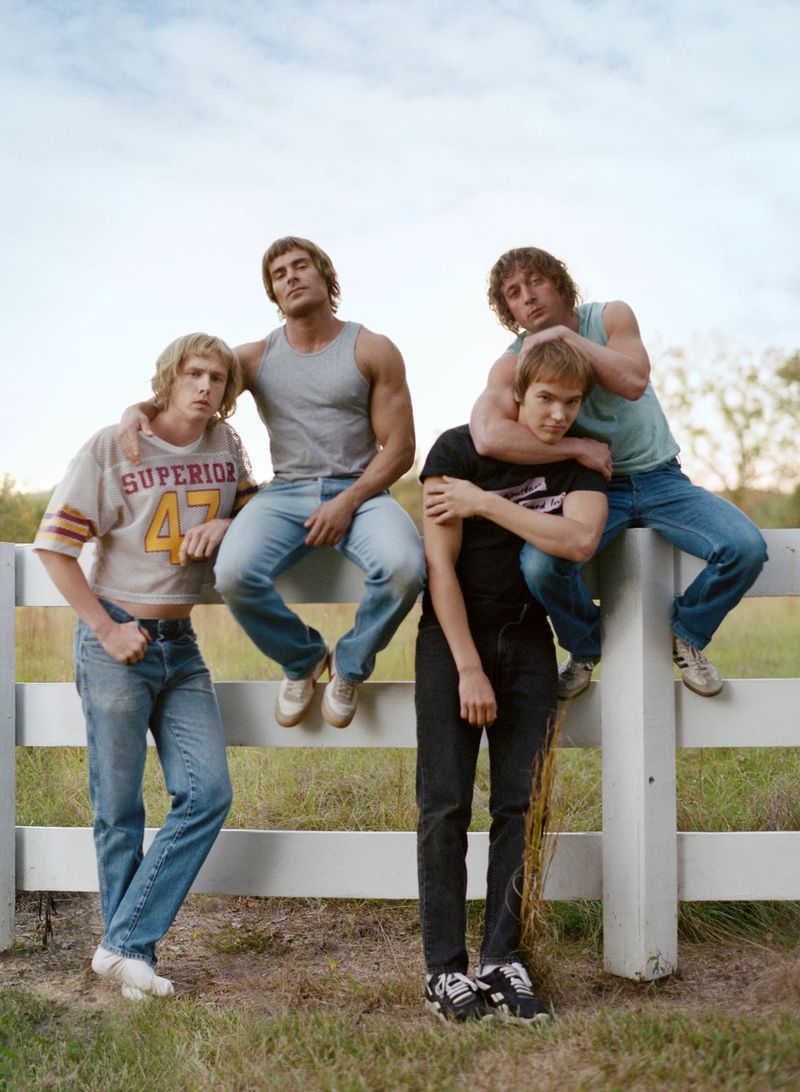
The Von Erich family wrestling dynasty endured more tragedy than almost any family in sports history. The Iron Claw captured much of that heartbreak, but it actually chose to downplay the full extent of the losses the family suffered.
One of the brothers was removed from the story entirely to keep the narrative from feeling overwhelming.
That creative choice changed how audiences understood the family’s experience. Sometimes leaving things out shapes a story just as much as adding things in.
5. The Men Who Stare at Goats (2009)
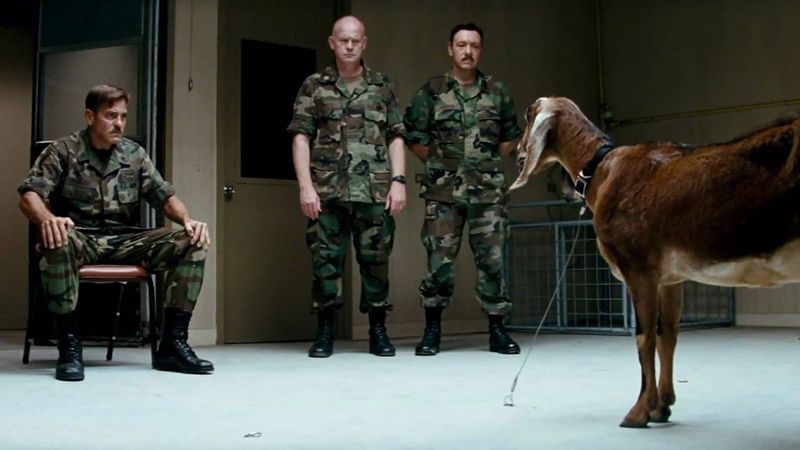
This film claims to be based on the real-life U.S. Army Stargate Project, a program that actually explored psychic abilities for military use.
The movie leans hard into the comedy, with characters attempting to kill goats using only their minds. Declassified files show the real project focused mostly on remote viewing, not goat-related experiments.
The main characters are fictional composites, and the events are largely invented. Still, the idea that the government funded psychic research is genuinely true and stranger than most fiction.
6. Winchester (2018)
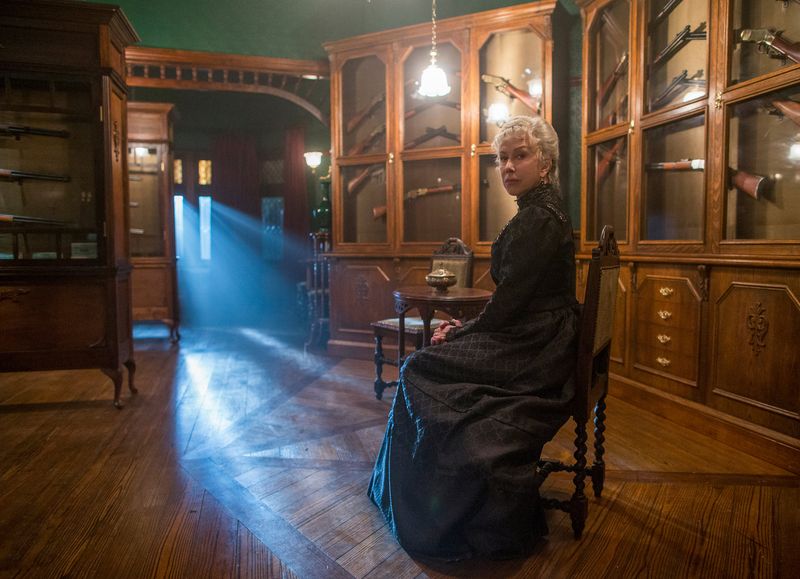
The Winchester Mystery House in San Jose, California, is a real place with a genuinely strange history. Sarah Winchester reportedly kept building onto her mansion for decades, possibly to confuse the spirits of those killed by Winchester rifles.
The 2018 horror film uses that creepy foundation but builds an entirely fictional story on top of it.
The ghost characters, the family drama, and the central supernatural conflict were all invented. Real history gave the film its setting, but Hollywood wrote everything else.
7. Bohemian Rhapsody (2018)
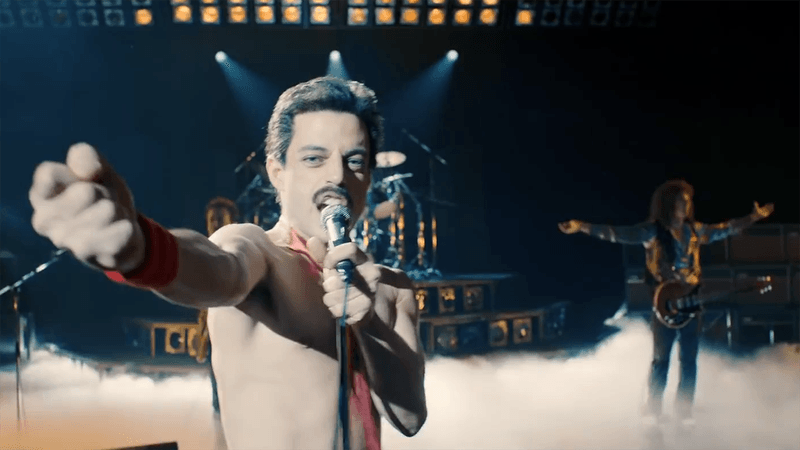
Freddie Mercury’s life was already extraordinary, so it is surprising that the filmmakers felt the need to rearrange so much of it. Bohemian Rhapsody compresses timelines, moves events around, and alters the sequence of how Mercury discovered he had HIV.
The film shows him learning his diagnosis just before the famous Live Aid concert in 1985, but he actually found out years later.
Band tensions and breakups were also exaggerated for drama. Mercury deserved a biopic as bold and honest as his music.
8. The Conjuring (2013)
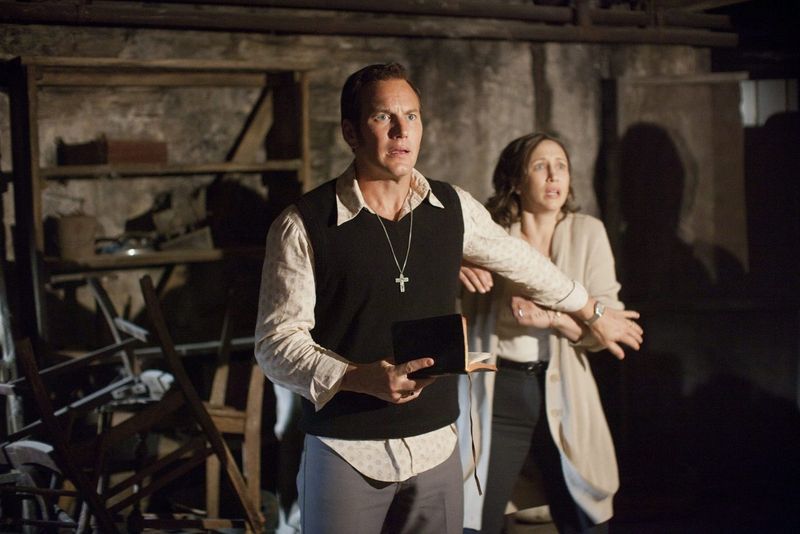
Ed and Lorraine Warren were real paranormal investigators, and the Perron family did live in a reportedly haunted Rhode Island farmhouse in the 1970s. Beyond those basics, the film takes enormous creative leaps.
The specific demonic entity, the dramatic climax, and several key plot points were invented to build tension for a horror audience.
Lorraine Warren herself approved the story, but former members of the Perron family have said the film made things far more dramatic than they actually experienced in real life.
9. Argo (2012)
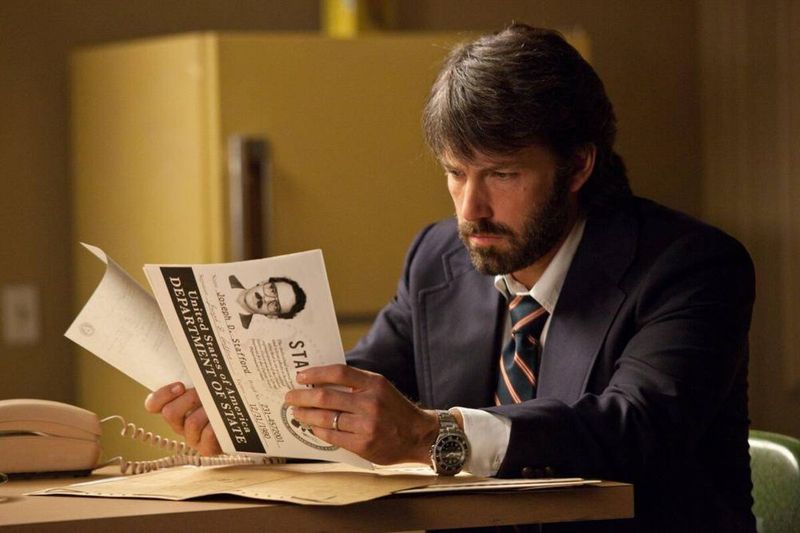
Argo won the Best Picture Oscar and told a genuinely gripping story about the 1980 rescue of American diplomats from Iran. The film, however, made the CIA’s role look far more central than it was.
In reality, Canadian Ambassador Ken Taylor and the Canadian government played the most critical roles in sheltering and ultimately evacuating the Americans.
The climactic runway chase scene was also entirely invented. Canada was understandably annoyed, and even Ben Affleck later acknowledged the film undersold their contribution.
10. The Pursuit of Happyness (2006)
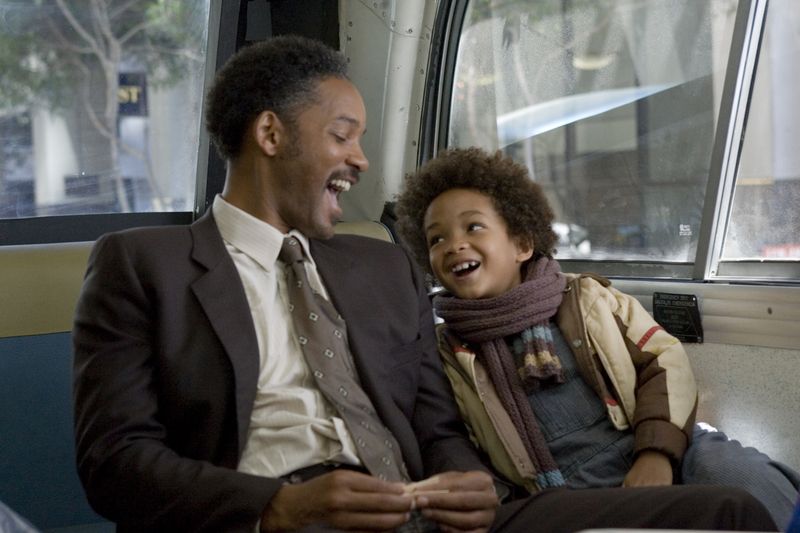
Chris Gardner’s story of homelessness and perseverance is genuinely inspiring, and Will Smith’s performance made it unforgettable. The film, though, softens several edges of the real story.
Gardner’s son in the movie is depicted as younger than he actually was, partly to make their situation feel more emotionally urgent for audiences.
The film also glosses over some of Gardner’s personal struggles and choices during that period. The core of the story is real, but the emotional packaging was carefully adjusted to maximize audience sympathy.
11. Pocahontas (1995)
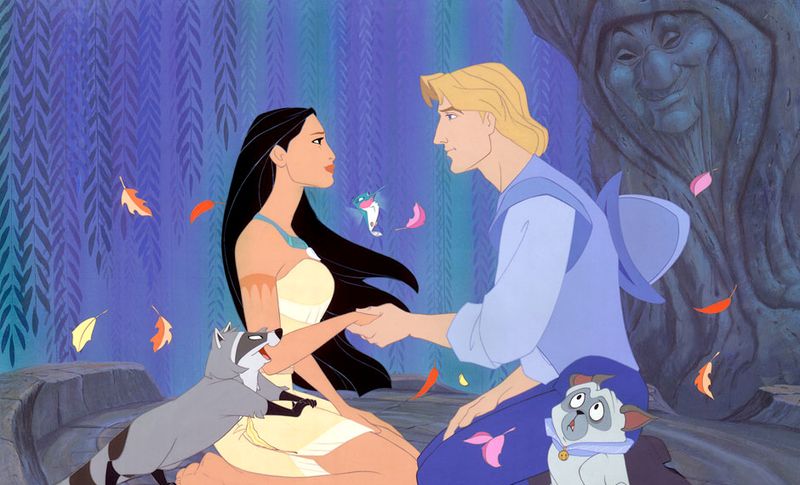
Disney’s Pocahontas is openly a romanticized version of history, but many viewers still absorbed it as fact. The real Pocahontas was around 10 to 12 years old when she first met John Smith, making the romantic storyline completely fictional.
The two were never in a relationship of any kind.
She was later captured by English colonists, converted to Christianity, and died in England at around 21 years old. The film replaced a complicated, often sad history with a love story and catchy songs.
12. American Sniper (2014)
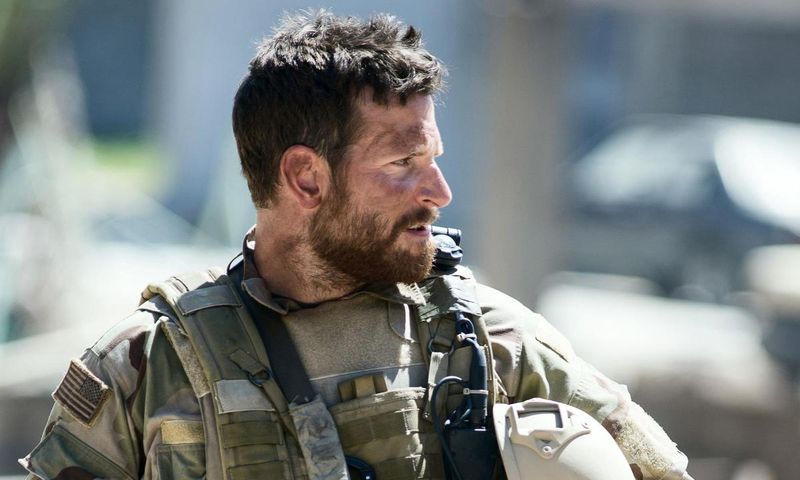
Clint Eastwood’s film about Navy SEAL Chris Kyle broke box office records and sparked intense national conversation. Kyle’s autobiography, which the film adapts, contains several claims that have been disputed or outright debunked.
The opening scene, which sets up enormous emotional stakes, depicts a scenario with no verified real-world basis.
Kyle also claimed in his book to have punched Jesse Ventura at a bar, a claim Ventura successfully challenged in court. The film presents Kyle’s version of events without much room for nuance or contradiction.
13. The Social Network (2010)
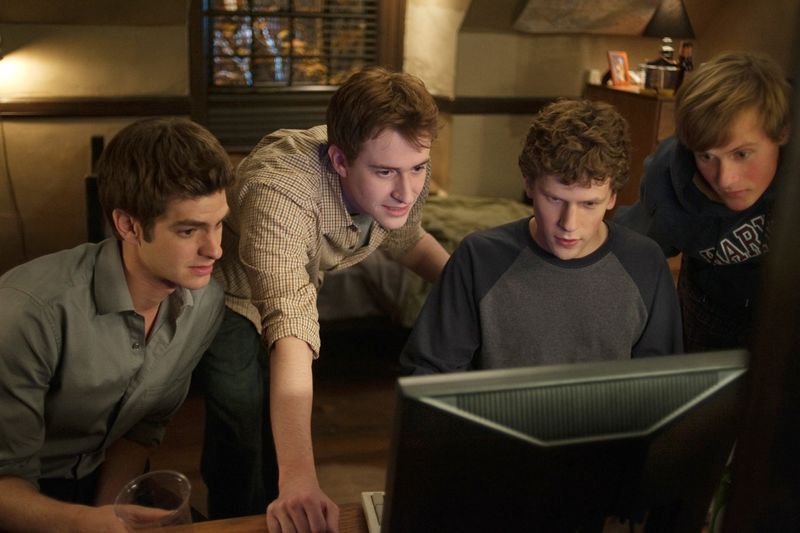
Aaron Sorkin wrote a brilliant, fast-talking script about the founding of Facebook, and the film won three Oscars. Sorkin himself admitted he was not making a documentary.
Mark Zuckerberg and co-founder Eduardo Saverin have both said the film misrepresents key events and motivations, particularly around the breakup of their friendship.
The idea that Zuckerberg built Facebook to impress a girl is a narrative device, not a documented fact. The real story of how Facebook was built is actually less dramatic but far more complicated.
14. Titanic (1997)
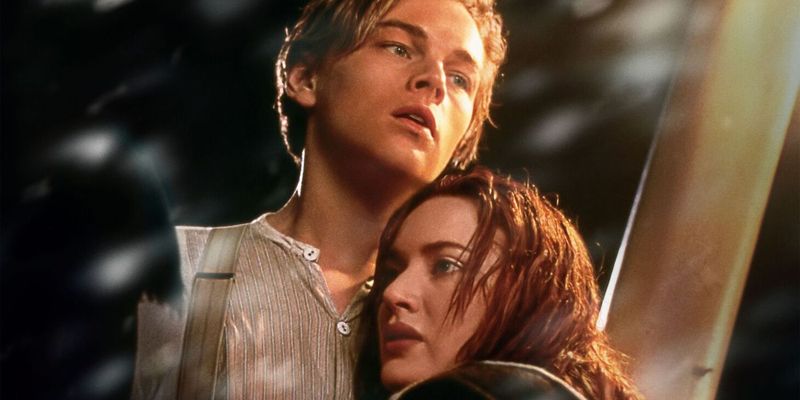
James Cameron’s Titanic used a real disaster as its backdrop but invented nearly all of its central characters and storyline. Jack and Rose never existed.
The real controversy came from how some actual historical figures were portrayed, particularly First Officer William Murdoch, who was shown shooting passengers and then himself.
His family in Scotland was deeply hurt by the depiction, and Paramount later apologized. The sinking itself was recreated with impressive accuracy, but the human story wrapped around it was pure fiction.
15. Goodfellas (1990)
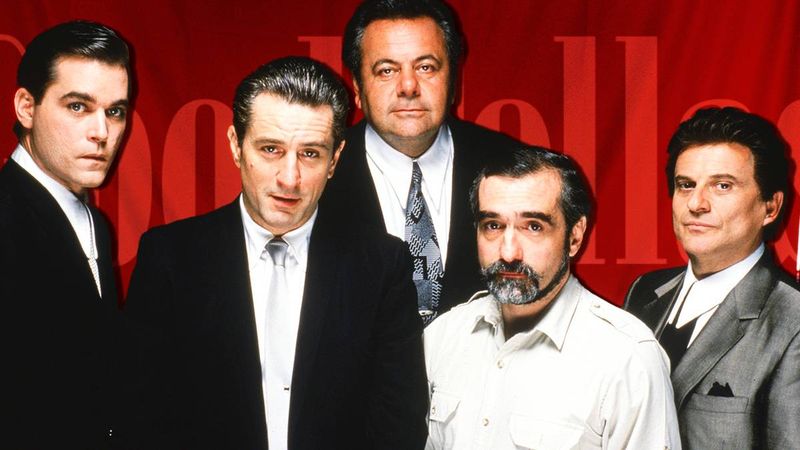
Martin Scorsese’s Goodfellas is based on the true story of mobster Henry Hill, adapted from journalist Nicholas Pileggi’s detailed book. But Hill himself was known as an unreliable narrator with reasons to exaggerate his own importance and adventures.
Some events in the film were confirmed, but others were shaped by Hill’s self-serving memory.
Certain murders and crimes shown on screen have disputed timelines or details. Scorsese trusted Hill’s perspective enough to build a masterpiece, even if that perspective came with blind spots.