
A century ago, parents were choosing names that felt strong, classic, and full of meaning. The year 1925 was a golden era for baby names rooted in tradition, faith, and family history.
Many of those names are still heard on playgrounds and in classrooms today. Take a look at the names that were filling birth certificates across America nearly 100 years ago.
1. Robert
Robert claimed the top spot for boys in 1925, and it held that crown for decades. The name comes from the Old German words meaning “bright fame,” which gave it a strong, noble feel that parents loved.
Famous Roberts throughout history, from kings to poets, made it feel both dignified and approachable.
Even today, Robert still appears on birth certificates, proving its staying power is truly remarkable.
2. John
Few names carry the weight of history quite like John. Rooted in the Hebrew name Yohanan, it means “God is gracious,” and its Biblical connection kept it at the top of name charts for generations.
Countless kings, saints, and presidents have carried this name with pride.
In 1925, John was the second most popular boys name in America. Its simplicity made it easy to say, easy to remember, and endlessly reliable.
3. William
William has the kind of timeless dignity that never goes out of style. Brought to England by William the Conqueror in 1066, the name means “resolute protector” in Old German.
By 1925, it ranked third among boys names, beloved by families who wanted something that felt both royal and grounded.
Shakespeare himself carried this name, and so did American presidents. That combination of literary and political legacy gave William an unbeatable reputation.
4. James

James is one of those names that feels like a firm handshake and a warm smile all at once. Derived from the Hebrew name Jacob, meaning “supplanter,” James carried strong Biblical roots that made it a favorite in faith-centered households across America in 1925.
Six U.S. presidents have carried the name James, which added an air of leadership to it. Parents who picked this name were clearly thinking big for their little ones.
5. Charles
Charles rolls off the tongue with a certain old-world elegance that parents in 1925 absolutely adored. The name traces back to Old High German, meaning “free man,” and it carried a regal quality thanks to European kings and emperors who shared it across centuries.
By the mid-1920s, Charles was firmly planted in the top five for American boys. Nicknames like Charlie and Chuck made it feel both formal and friendly at the same time.
6. George
George has a sturdy, dependable charm that made it a household staple in 1925. The name comes from the Greek word “georgos,” meaning “farmer” or “earth worker,” but its association with Saint George and American founding father George Washington gave it a heroic edge.
Parents who chose George were picking a name with both humble roots and grand history. It was the kind of name that felt solid, honest, and built to last through every decade.
7. Joseph
Joseph is a name wrapped in faith, resilience, and quiet strength. It comes from the Hebrew name Yosef, meaning “God will add,” and its deep Biblical roots made it a natural favorite in religious households during the 1920s.
The story of Joseph in the Old Testament, a dreamer who rose from hardship to greatness, gave the name an inspiring quality. In 1925, families across America were still passing this classic down through generations with great pride.
8. Edward

Edward sounds like it belongs in a storybook, and in 1925, it was one of the most respected names a boy could carry. With Old English roots meaning “wealthy guardian,” it had a protective, noble ring to it that parents found very appealing.
English kings named Edward helped cement the name’s prestige across centuries. Nicknames like Ed, Eddie, and Ned made it versatile enough to suit a scrappy toddler and a dignified adult equally well.
9. Thomas
Thomas has carried a quiet, intellectual confidence through the centuries, and 1925 was no exception. The name comes from the Aramaic word meaning “twin,” and its New Testament connection to the apostle Thomas gave it lasting religious appeal across many Christian families.
What made Thomas so popular was its balance of strength and approachability. Tom and Tommy as nicknames kept it playful for childhood while Thomas itself aged gracefully into adulthood without missing a beat.
10. Mary
Mary sat at the very top of the girls name charts in 1925, and honestly, that should surprise no one. As the name of the mother of Jesus in the Christian faith, Mary carried deep spiritual meaning that resonated with families across nearly every background and denomination.
Simple, sweet, and impossible to mispronounce, Mary felt like a gift in itself. Generations of Marys have shaped history, from queens to poets to everyday women who built strong families and communities.
11. Dorothy
Long before Dorothy clicked her ruby slippers together in The Wizard of Oz, the name was already climbing the charts in America. In 1925, Dorothy ranked second among girls names, beloved for its soft, melodic sound and its Greek meaning of “gift of God.”
Parents were drawn to its graceful rhythm and the charming nickname Dot or Dottie. It felt both poetic and practical, suiting a little girl just as naturally as it suited a grown woman.
12. Helen
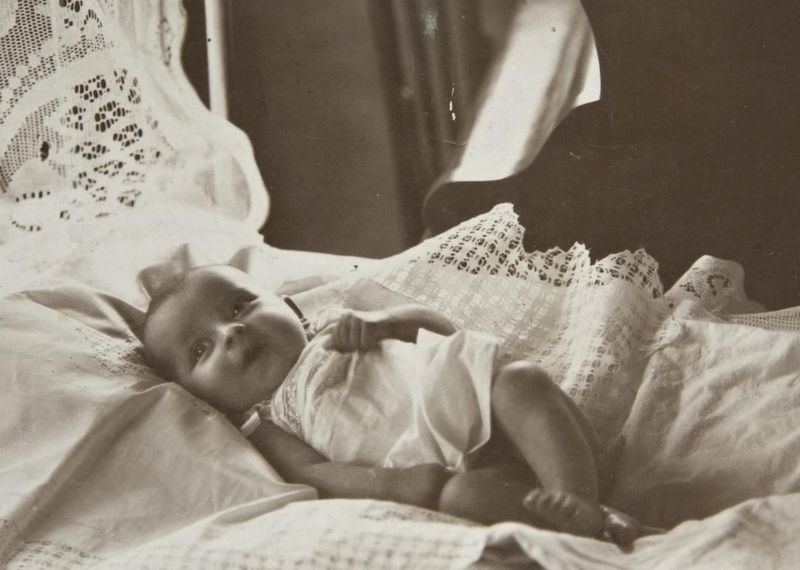
Helen of Troy launched a thousand ships, and in 1925, the name Helen launched a thousand nurseries. With Greek origins meaning “torch” or “shining light,” Helen carried a luminous quality that parents found irresistible during the decade of jazz and optimism.
Helen Keller, one of the most inspiring figures of the era, also helped keep the name in the spotlight. Families saw it as a name for strong, intelligent girls who would leave their mark on the world.
13. Margaret
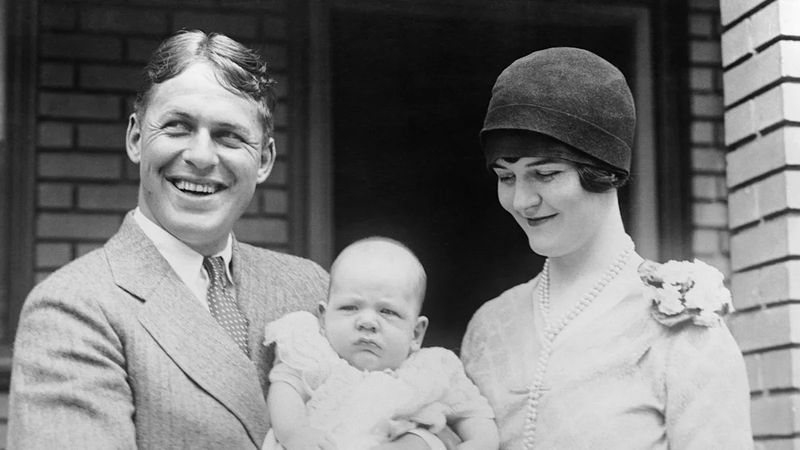
Margaret is a name with real backbone. Derived from the Greek word for “pearl,” it had a polished, classic beauty that made it a firm favorite for girls in 1925.
Families who chose Margaret often had one eye on tradition and the other on elegance.
The nickname options alone made it incredibly appealing. Maggie, Meg, Peggy, and Marge all branched out from the same roots, giving girls a formal name with plenty of personality tucked inside it.
14. Ruth
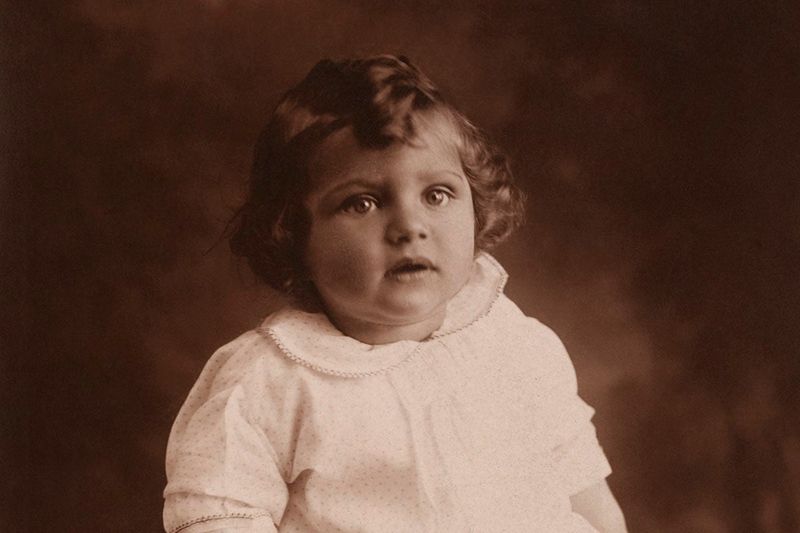
Ruth is short, sweet, and packed with meaning. In Hebrew, the name is thought to mean “companion” or “friend,” and the Biblical Book of Ruth told a story of loyalty and love that touched hearts across generations.
In 1925, Ruth was a top-ten name for American girls.
There was something refreshingly simple about Ruth in an era when longer, ornate names were also popular. It felt honest and warm, like the name of someone you could always count on without question.
15. Virginia

Virginia has a romantic, Southern charm that made it one of the most beloved girls names of the 1920s. Named after the Virgin Queen Elizabeth I of England, the name carried a regal, poetic quality that felt both aspirational and graceful for a newborn daughter.
The nickname Ginny or Ginger added a playful spark to an otherwise stately name. Families who chose Virginia were often honoring heritage, whether it was a beloved relative or a deep sense of American history and pride.
16. Elizabeth
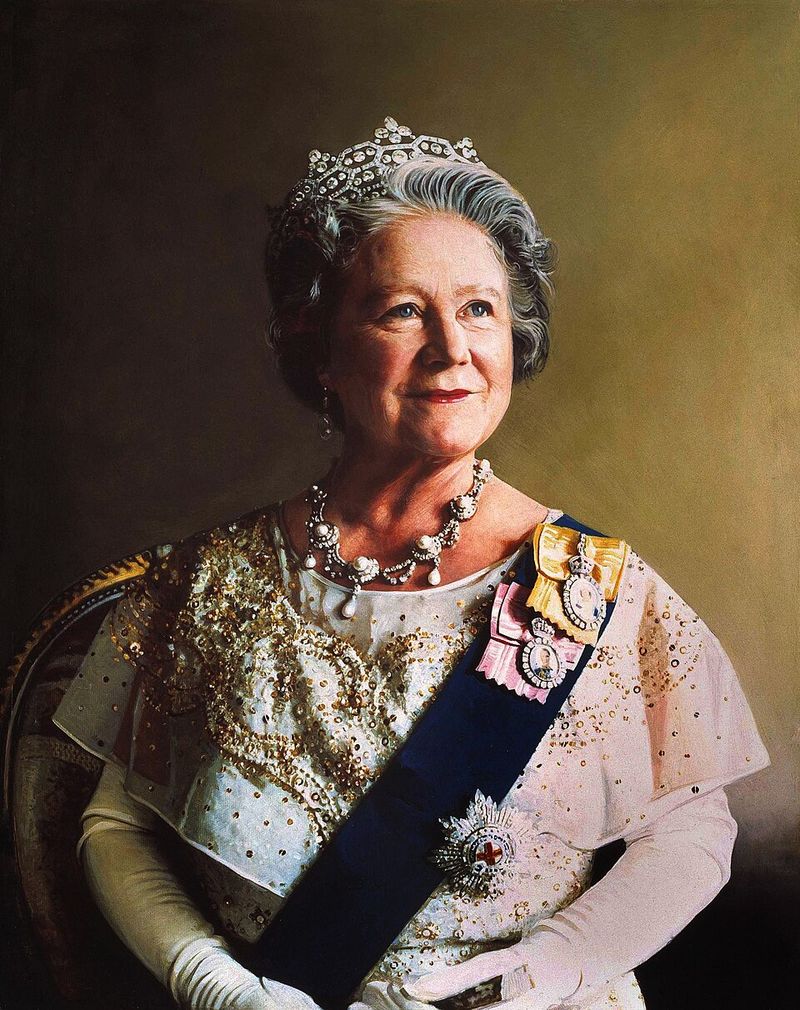
Elizabeth is one of those names that never seems to age. Rooted in the Hebrew name Elisheba, meaning “my God is an oath,” it carried both Biblical depth and royal prestige that made it endlessly appealing to parents in 1925.
What truly set Elizabeth apart was its remarkable range of nicknames. Beth, Eliza, Liz, Lizzie, Betty, and Bess all came from the same name, offering something for every personality.
Few names have ever matched that kind of beautiful, built-in flexibility.
17. Anna
Anna has a timeless simplicity that makes it feel like a warm hug in name form. Derived from the Hebrew name Hannah, meaning “grace” or “favor,” Anna had strong religious roots while also feeling light and musical on the tongue.
In 1925, Anna was a popular choice among families with European heritage, especially those with German, Polish, or Scandinavian roots. It crossed cultural borders effortlessly, sounding equally at home in a small-town farmhouse or a city apartment across America.