
Getting kids to try new foods can feel like a battle, but it doesn’t have to be that way. With a little creativity, mealtime can become an adventure instead of a standoff.
Children are naturally curious, and tapping into that curiosity makes trying new things feel exciting rather than scary. These simple, playful strategies can help your family discover new favorites together.
1. Turn Dinner Into a Taste Test Game
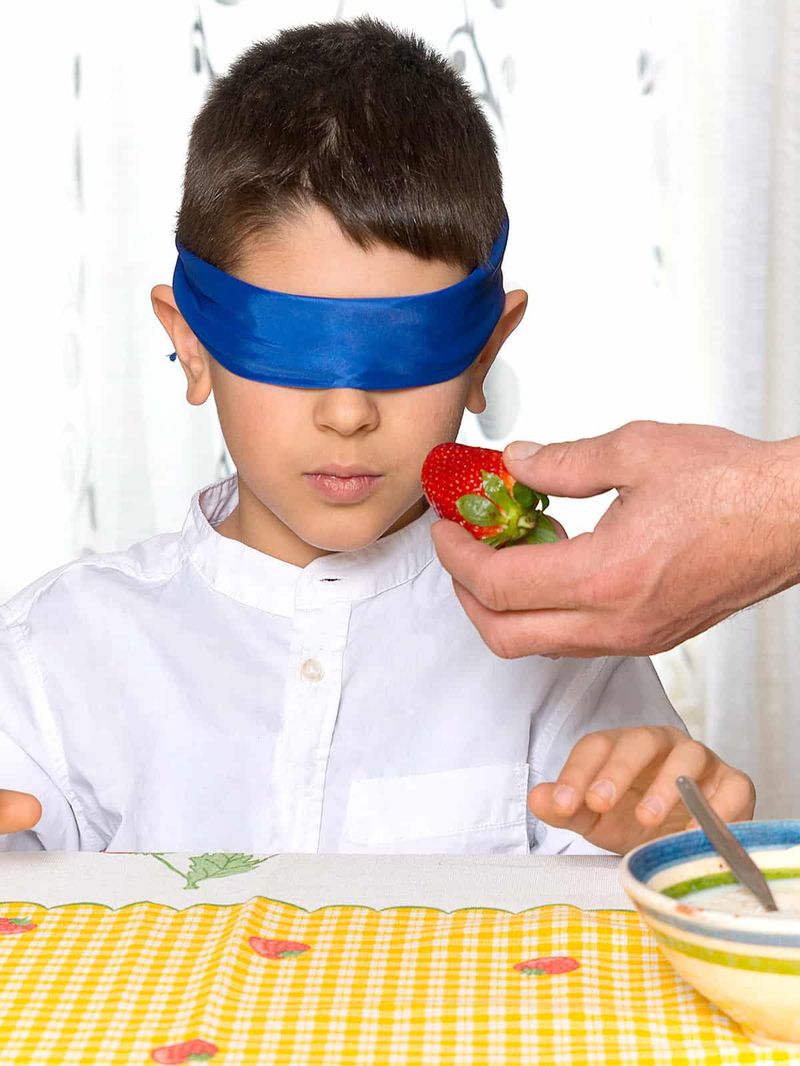
Blindfold taste tests are surprisingly effective at getting kids excited about food. When children cannot see what they are eating, they focus on flavor rather than appearance, and that changes everything.
Something that looked “gross” suddenly tastes interesting.
Set up small bites of new foods and let kids guess what each one is. Keep score, award silly prizes, and watch their curiosity take over.
The competitive twist makes trying new things feel like winning.
2. Let Kids Build Their Own Plates
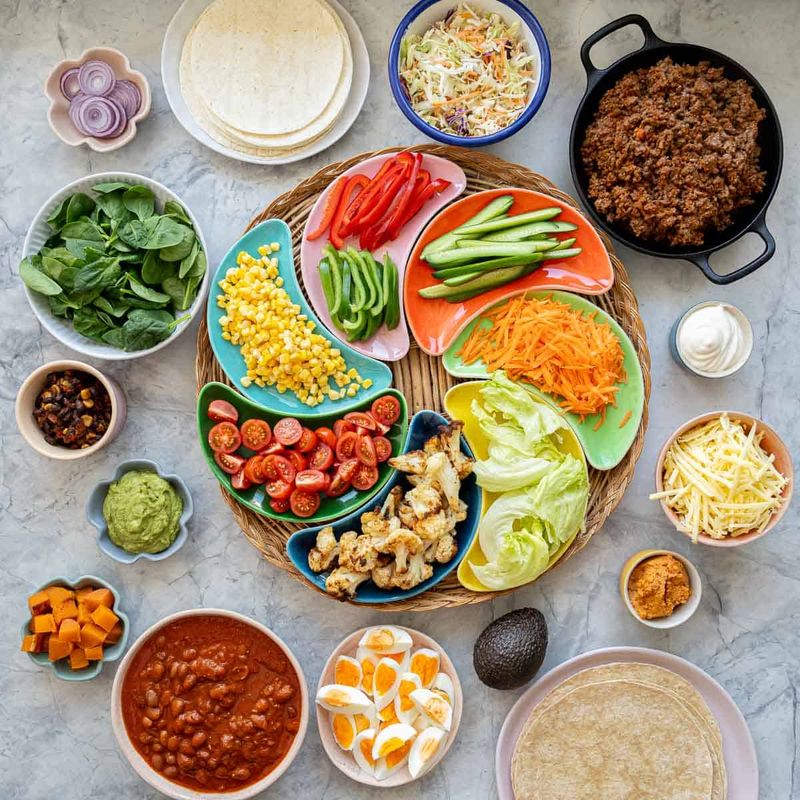
Giving children control over their plate is one of the most underrated tricks in the book. When kids choose what goes on their dish, they feel ownership over the meal, and ownership leads to curiosity.
A taco bar, grain bowl station, or DIY pizza setup works beautifully.
Slip one or two unfamiliar ingredients into the mix alongside familiar favorites. Most kids will try something new when it feels like their choice rather than a requirement.
3. Read a Food-Themed Book Before Mealtime
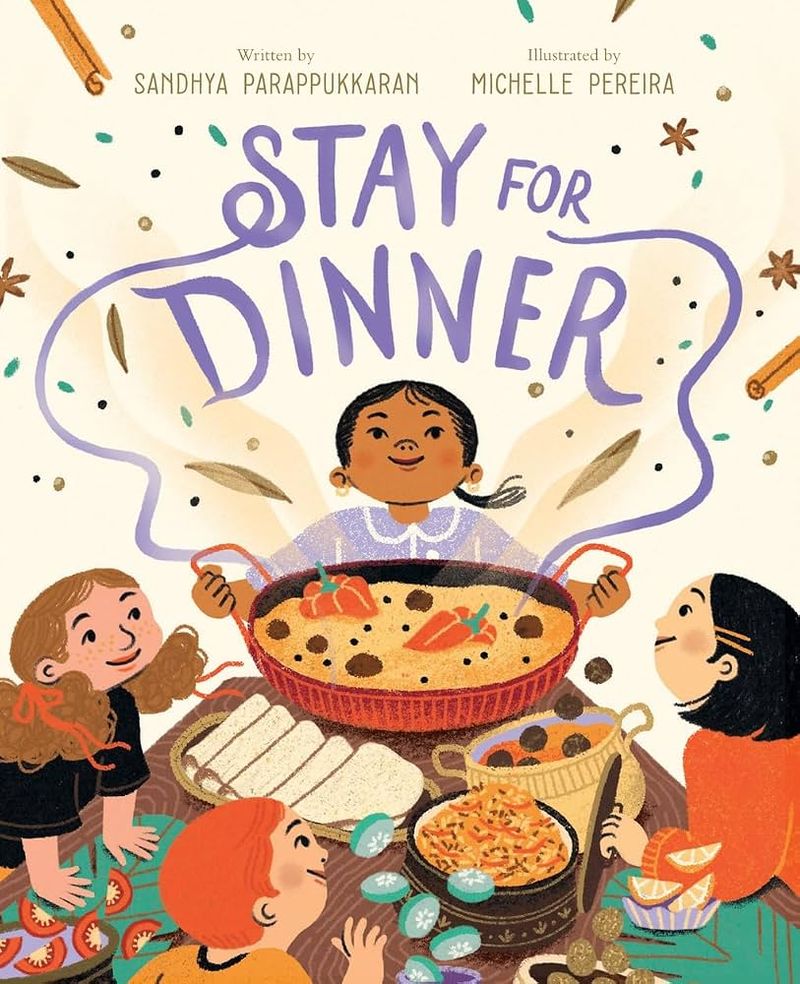
Stories have a magical way of warming kids up to new experiences. Books like “Green Eggs and Ham” or “Monsters Don’t Eat Broccoli” make unfamiliar foods feel like characters rather than threats.
A short read before dinner sets a playful, low-pressure tone.
After the story, serve the featured food and connect it to the plot. Kids who just rooted for a character that loved beets are far more likely to give beets a fair shot.
4. Grow Something Together in the Garden
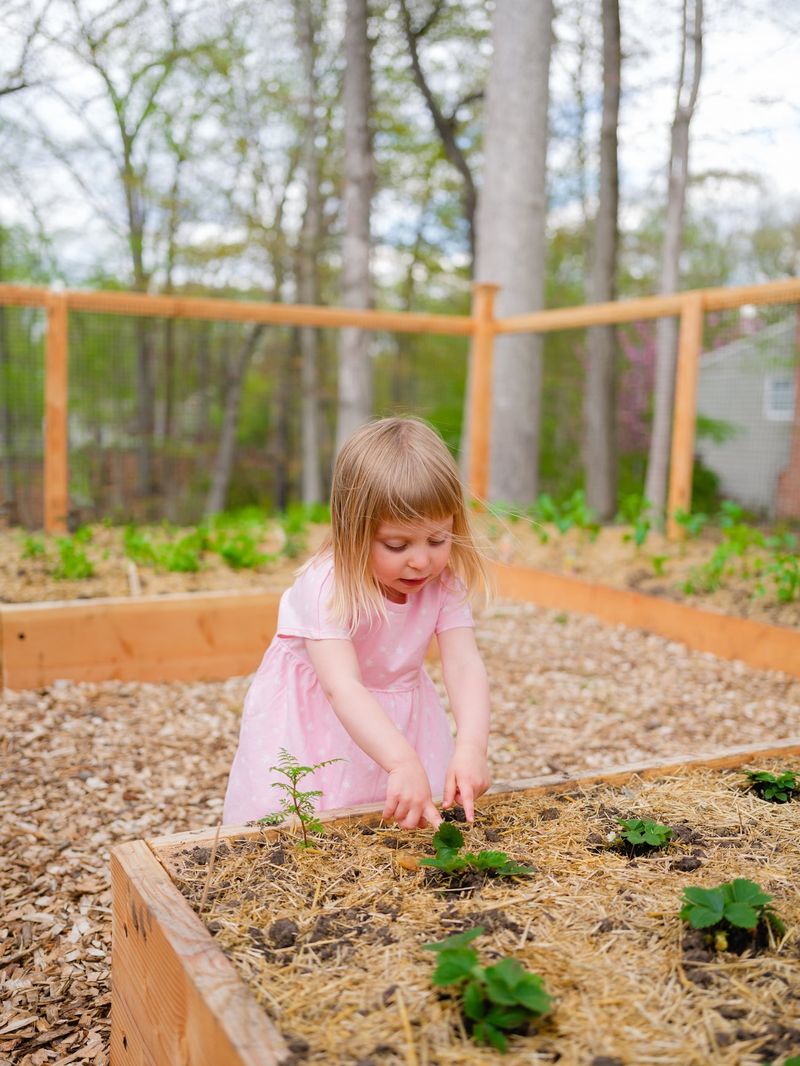
There is something powerful about eating food you grew yourself. Kids who plant seeds, water sprouts, and watch vegetables grow feel a real connection to what ends up on their plate.
That pride makes them far more willing to taste the finished product.
Even a small pot on a windowsill works well. Cherry tomatoes, radishes, and herbs are easy starters.
When harvest day comes, let kids pick the food themselves and help prepare it for dinner.
5. Make Food Into Fun Shapes and Characters
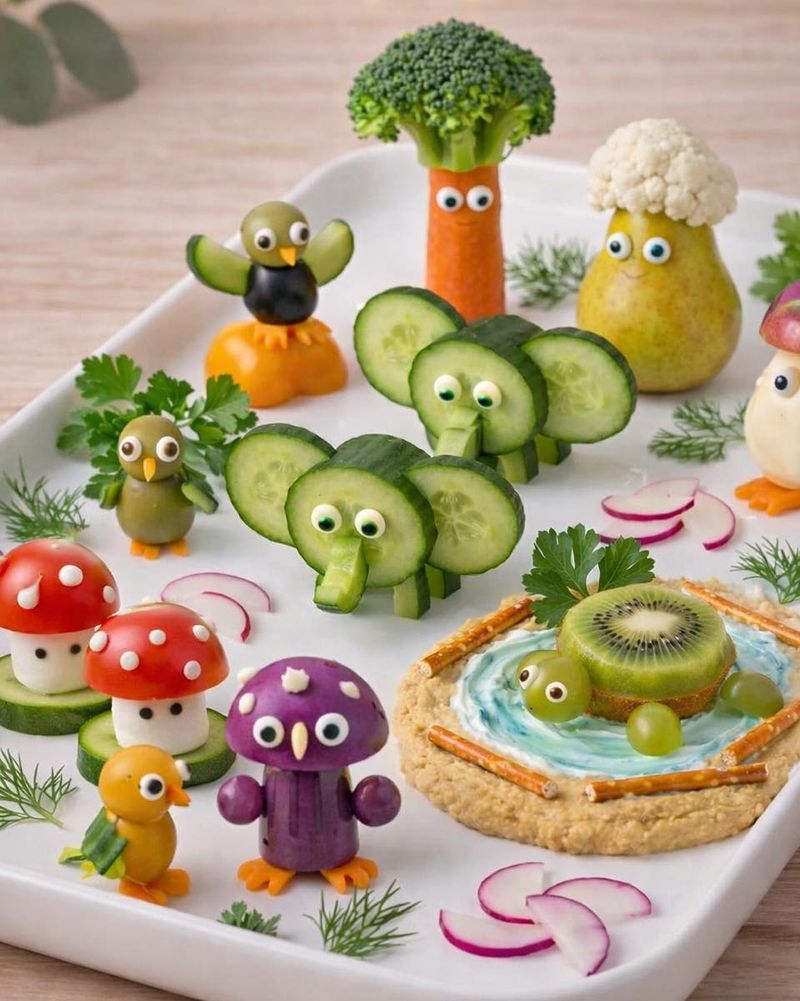
Presentation matters more than most parents realize. A broccoli floret becomes a tiny tree, a cucumber slice becomes a frog eye, and suddenly dinner is a scene from a story.
Kids eat with their eyes first, and a little creativity goes a long way.
Cookie cutters, toothpicks, and simple arranging can transform ordinary foods into characters or landscapes. The sillier the setup, the better.
Children who might refuse plain carrots will happily munch a “carrot rocket” launching off a hummus launchpad.
6. Cook Together as a Family Team
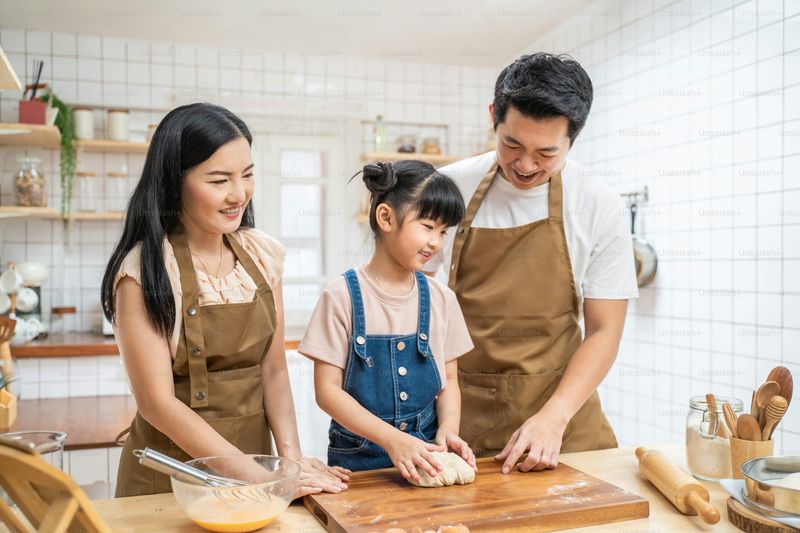
Kids are much more likely to eat food they helped make. Cooking together turns an unfamiliar ingredient into something they touched, stirred, and created.
That hands-on involvement builds a sense of pride and curiosity that carries right to the dinner table.
Assign age-appropriate tasks like washing vegetables, measuring spices, or mixing batter. Keep the mood light and resist the urge to correct every little thing.
The goal is connection and excitement, not a perfect dish.
7. Host a World Food Night Once a Month
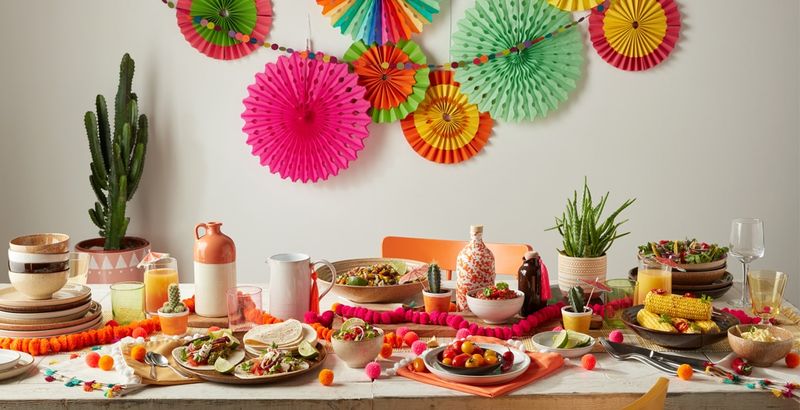
Picking a country and cooking one of its traditional dishes turns dinner into a geography lesson without feeling like school. Kids can color a flag, look up fun facts, or even dress up for the occasion.
The whole event builds anticipation rather than dread.
Start with kid-friendly cuisines like Japanese, Mexican, or Italian before branching out further. The novelty of the “theme night” format makes children more open to trying something they have never seen before.
8. Pair New Foods With Favorite Dips and Sauces
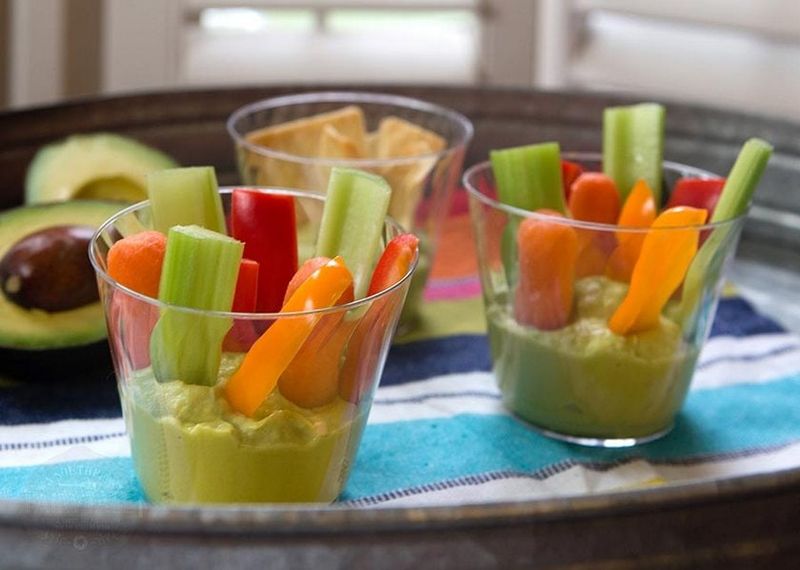
A familiar dip can make an unfamiliar food feel a lot less threatening. Ranch dressing, hummus, peanut butter, or cheese sauce act as a bridge between what kids already love and what they have not tried yet.
The dip carries the trust, and the new food gets a free pass.
Offer the new food as a “dipping vehicle” rather than the main event. Kids who would never eat plain jicama might happily scoop guacamole with it all evening.
9. Create a Sticker Chart for Brave Tasters
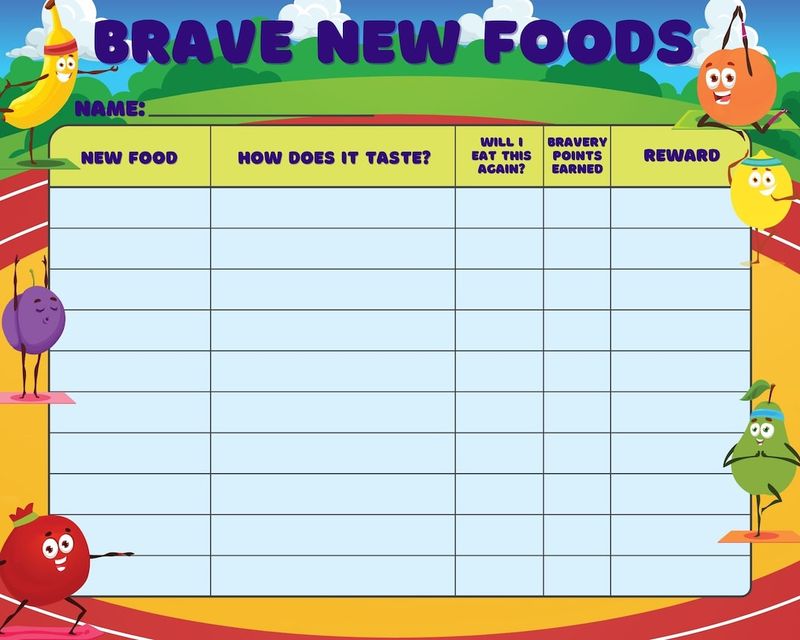
Reward systems work especially well when the prize is recognition rather than candy. A “Brave Taster” sticker chart celebrates effort, not perfection.
Kids earn a sticker each time they try something new, regardless of whether they liked it or not.
After a certain number of stickers, offer a small non-food reward like a movie night or a fun outing. Over time, trying new foods becomes a habit rather than a hurdle, and the chart itself becomes a source of pride.
10. Visit a Farmers Market Together
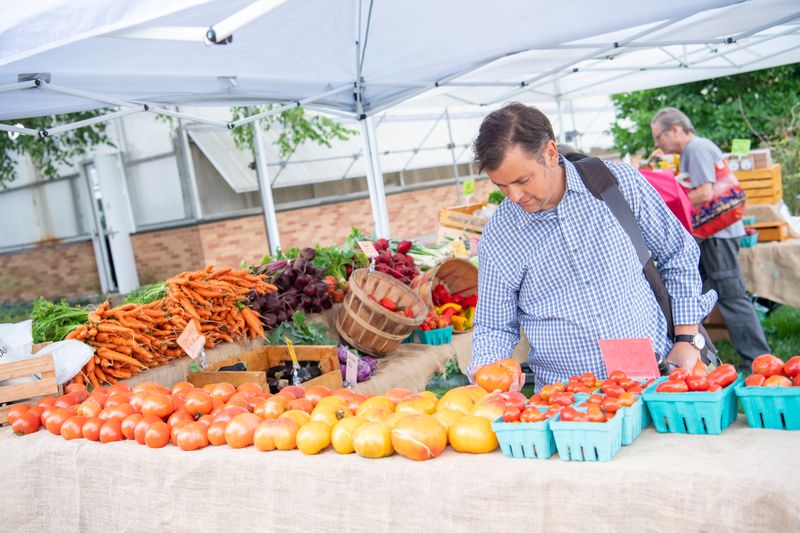
Farmers markets are sensory wonderlands for curious kids. The colors, smells, and friendly vendors create a relaxed, exploratory atmosphere that is very different from the grocery store.
When children pick out a vegetable themselves, they feel invested in eating it.
Let each child choose one unfamiliar item to bring home and try. Ask the vendor how to cook it and involve your child in that conversation.
That small moment of ownership plants a seed of genuine food curiosity.
11. Use Smoothies to Sneak in New Flavors

Smoothies are one of the friendliest entry points for new ingredients. Blending something unfamiliar alongside mango, banana, or berries softens the flavor and makes the texture disappear entirely.
Kids get the nutrition without the standoff at the dinner table.
Start with mild additions like spinach, avocado, or cooked beet, then gradually introduce bolder flavors as their palate adjusts. Let kids press the blender button and choose the cup color.
Small moments of control make a big difference in willingness to try.
12. Introduce New Foods During Snack Time, Not Dinner
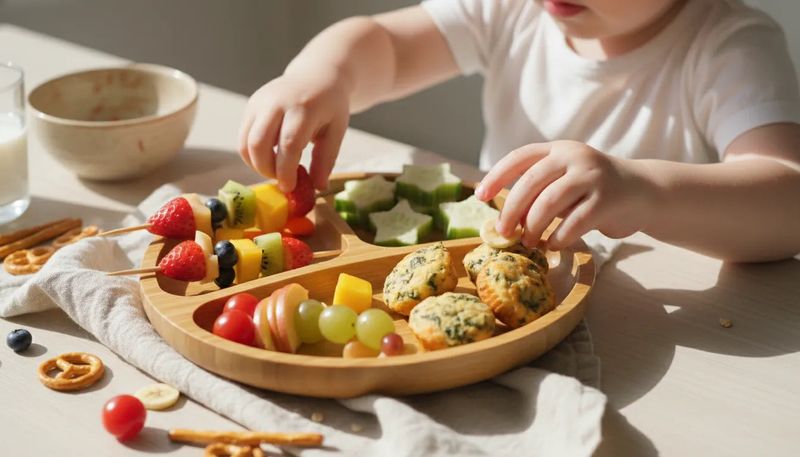
Dinner carries a lot of pressure. Hunger, tiredness, and the expectation to eat a full meal can make kids dig in their heels before the fork even hits the plate.
Snack time is a much lower-stakes moment to slip in something new.
Serve one unfamiliar food alongside two or three favorites during an afternoon snack. There is no pressure to finish anything, and the relaxed setting makes kids more adventurous.
Many parents find this one shift alone changes everything about food exploration at home.
13. Let Children Name the Dish They Helped Make
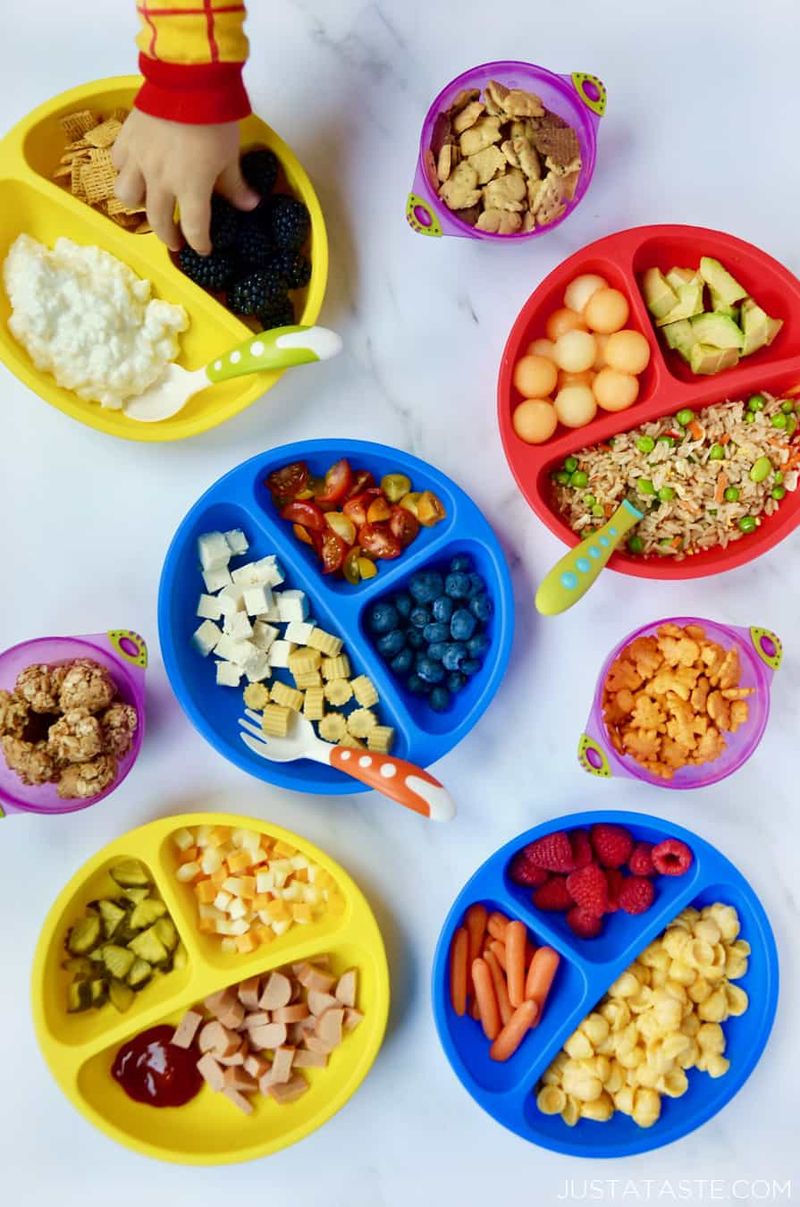
Naming a dish gives kids a sense of authorship over the meal. When a child calls the stir-fry “Dragon Noodle Surprise” or the salad “Princess Rainbow Bowl,” it stops being just food and becomes their creation.
That shift in identity changes how willing they are to eat it.
Write the name on a little card and place it on the table like a restaurant menu. The playfulness of the moment builds excitement and makes even the most skeptical eater curious about what is in their own dish.
14. Try a “One Bite Rule” Without the Pressure
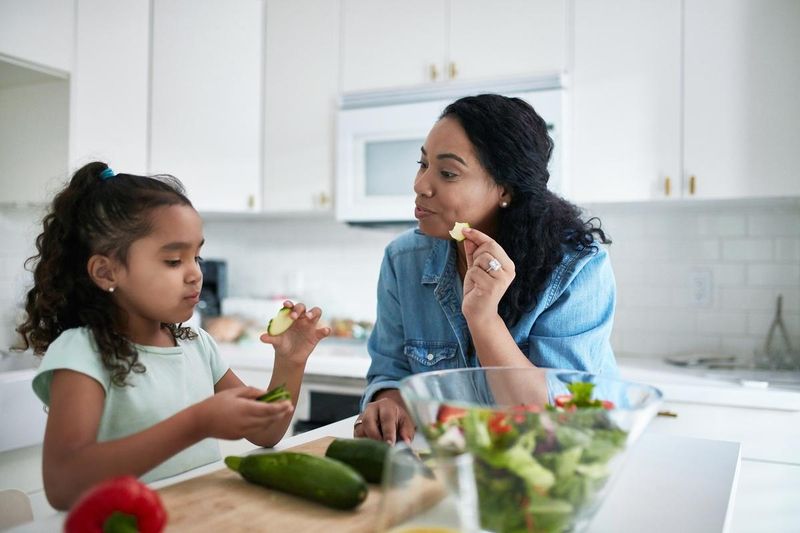
Research shows that children may need to encounter a new food 10 to 15 times before they actually enjoy it. The one bite rule works best when it is framed as exploration rather than obligation. “Just one tiny taste” feels very different from “you have to eat all of it.”
Celebrate the attempt no matter what the reaction is. A scrunched nose and a dramatic “yuck” still counts as trying.
Over repeated, pressure-free exposures, even the most reluctant eaters often come around to foods they once rejected loudly.
15. Watch a Cooking Show or Food Documentary Together
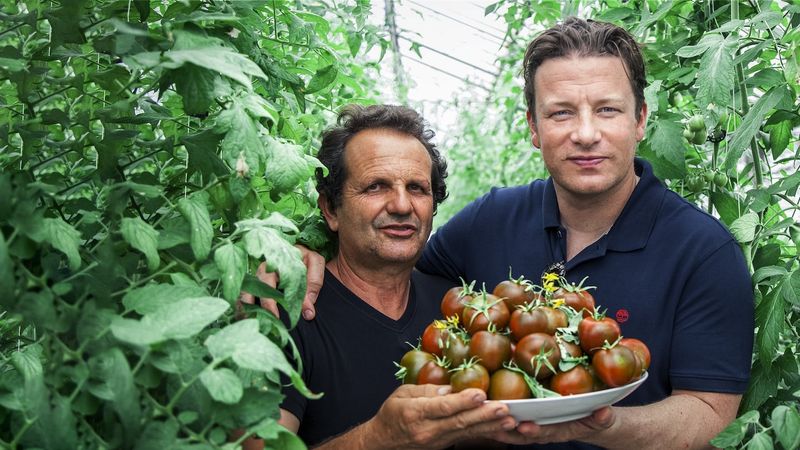
Food media is surprisingly persuasive for kids. Watching a cheerful chef transform simple ingredients into something beautiful sparks a sense of wonder that translates directly to the dinner table.
Shows like “MasterChef Junior” or nature-based food documentaries make eating feel like an adventure.
After watching, pick one ingredient from the episode and try cooking with it together. The connection between screen and kitchen makes the experience feel cohesive and exciting.
Kids are much more open to tasting something they watched someone else celebrate.
16. Serve New Foods in Fun Containers or Bento Boxes
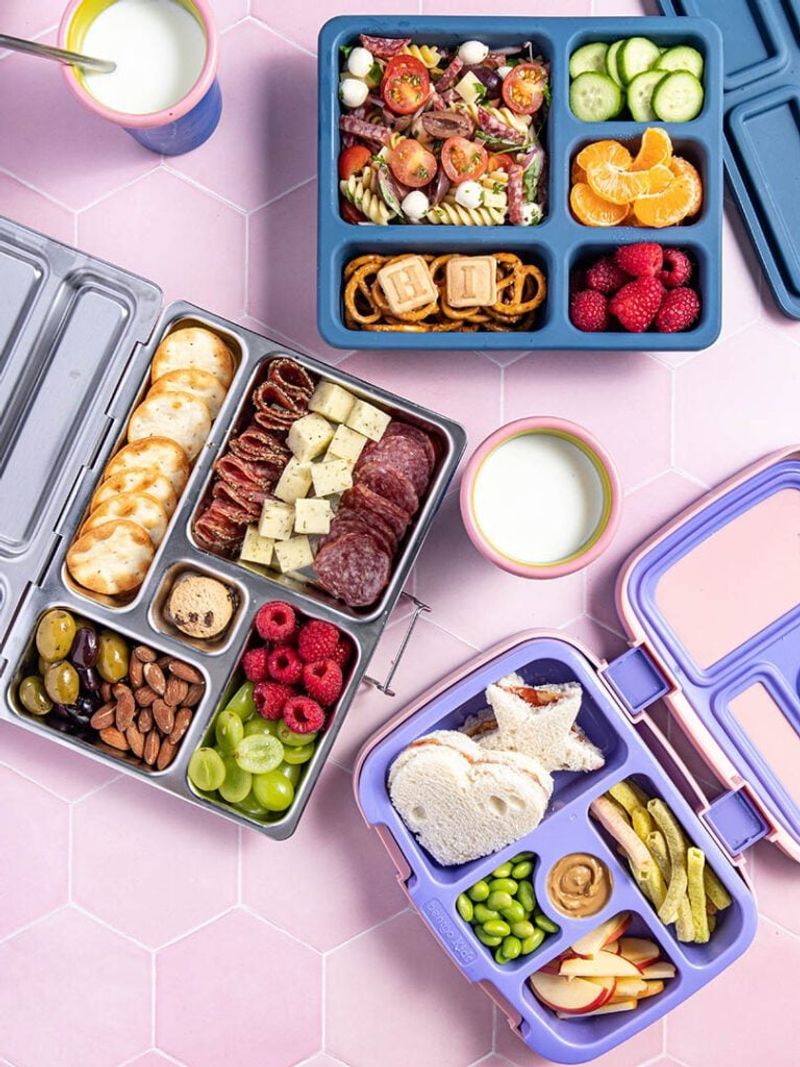
Sometimes the packaging changes everything. A bento box with little compartments turns lunch into a mini adventure, and kids who would ignore a pile of edamame on a regular plate will happily pop them open when they are nestled in their own special section.
Fun containers, silicone muffin cups, or tiny reusable jars add novelty to familiar and unfamiliar foods alike. The visual appeal and the element of “opening” something creates excitement before the first bite is even taken.
17. Celebrate the Wins, No Matter How Small
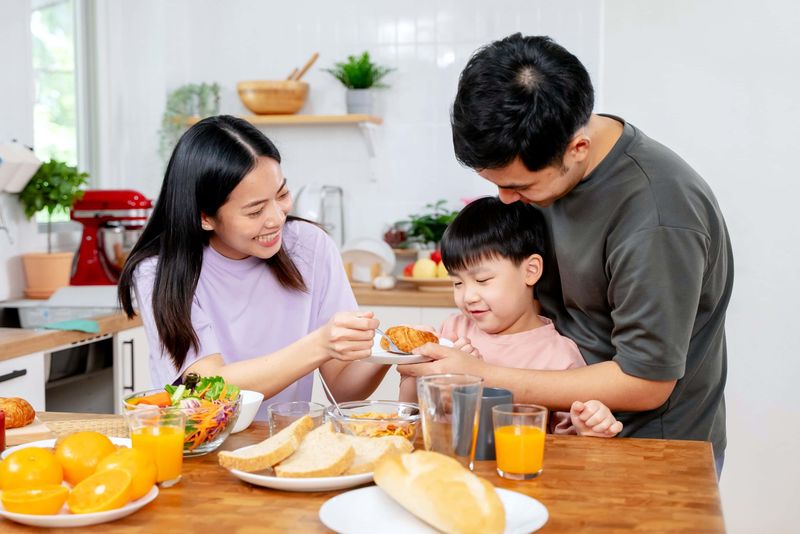
Positive reinforcement is one of the most effective tools a parent has at the dinner table. When a child takes even one tiny bite of something unfamiliar, acknowledging that moment with genuine enthusiasm makes them want to repeat the behavior.
Celebration builds confidence.
Skip the dramatic reactions if they spit it out. A calm, encouraging response keeps the experience positive.
Over time, children who feel safe to try and fail without consequence become far more adventurous eaters than those who face frustration or disappointment at every new food attempt.