
Ever notice how some people seem to love going out less and less as they get older? It turns out there are real, relatable reasons behind this shift.
From changing energy levels to a deeper love of comfort, becoming a homebody often reflects smart personal choices rather than isolation. Understanding these reasons can help us appreciate the beauty of slowing down and embracing home life.
1. Shrinking Social Circles
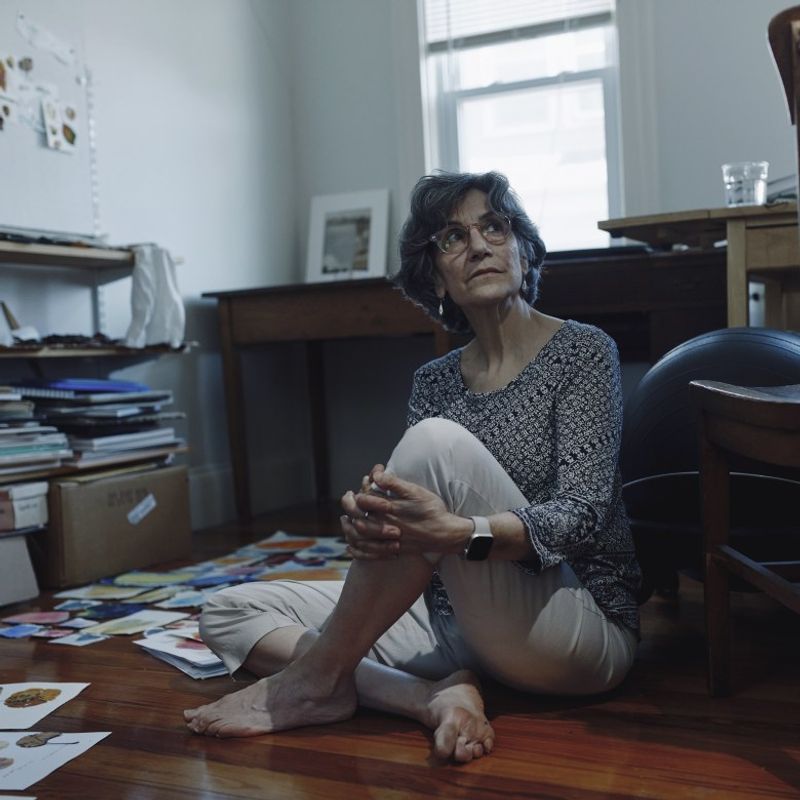
Friendships naturally thin out over time. People move away, priorities shift, and maintaining large social networks starts to feel more draining than fulfilling.
As older adults experience this natural shrinkage, they tend to prefer a few deeply meaningful relationships over crowded social scenes.
Quality genuinely wins over quantity here. Spending a quiet evening with one trusted friend at home often feels far more satisfying than attending a noisy party full of acquaintances.
2. Running Low on Energy
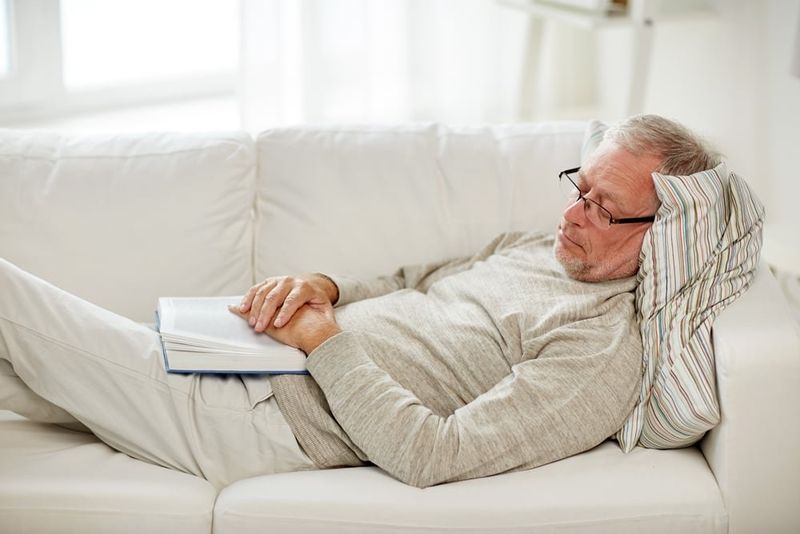
By the time many people hit their 50s and 60s, the body simply does not bounce back the way it once did. A full day of errands or socializing can leave someone completely wiped out by early evening.
Staying home becomes less of a choice and more of a necessity for recovery. Conserving energy for the things that truly matter, like self-care and family, becomes the new priority rather than pushing through exhaustion just to keep up appearances.
3. Shifting Financial Priorities

Going out regularly adds up faster than most people realize. Dinners, entertainment, transportation, and spontaneous spending can quietly drain a retirement fund or fixed income before the month even ends.
Staying home offers a surprisingly satisfying and budget-friendly alternative. Cooking a great meal at home, streaming a favorite movie, or tending to a garden costs a fraction of a night out.
Financial wisdom often quietly drives the homebody lifestyle more than people admit.
4. Deep Love for At-Home Hobbies
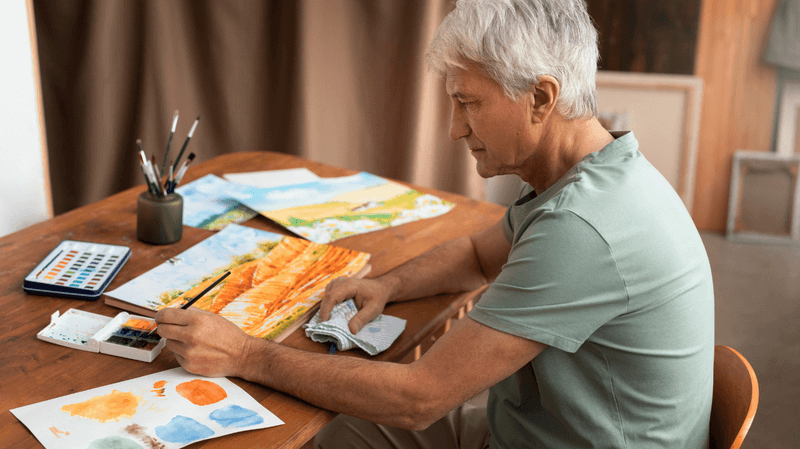
Home hobbies have a way of becoming genuinely absorbing with age. Reading, gardening, cooking, crafting, and streaming shows are not just pastimes, they are sources of real joy and personal fulfillment.
Research actually links regular hobby engagement to better moods and improved mental health. When staying home means diving into something you truly love, the idea of going out loses its appeal fast.
Why leave when everything you enjoy is already right there waiting for you?
5. Craving Peace and Quiet
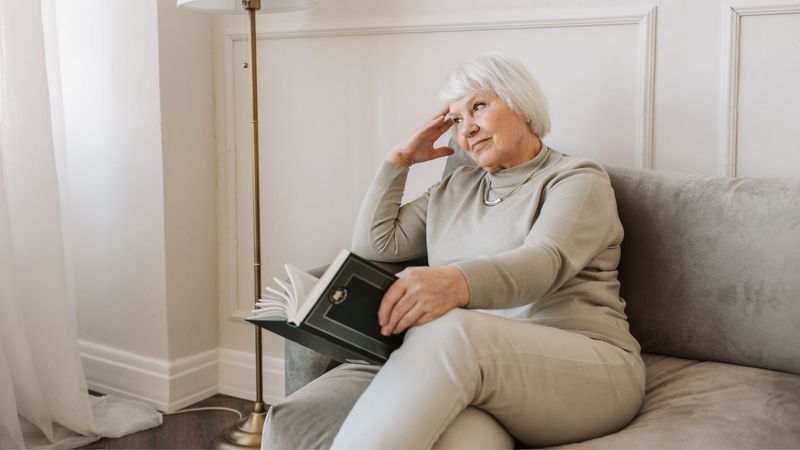
Loud restaurants, crowded malls, and chaotic social events start to feel genuinely overwhelming rather than exciting as people grow older. The appeal of calm, quiet surroundings grows stronger with each passing year.
Home becomes a personal sanctuary, a place where the noise of the world simply cannot reach. There is something deeply restorative about a quiet evening at home that no trendy bar or busy event can replicate.
Silence, it turns out, becomes its own kind of luxury.
6. Strong Appreciation for Routine
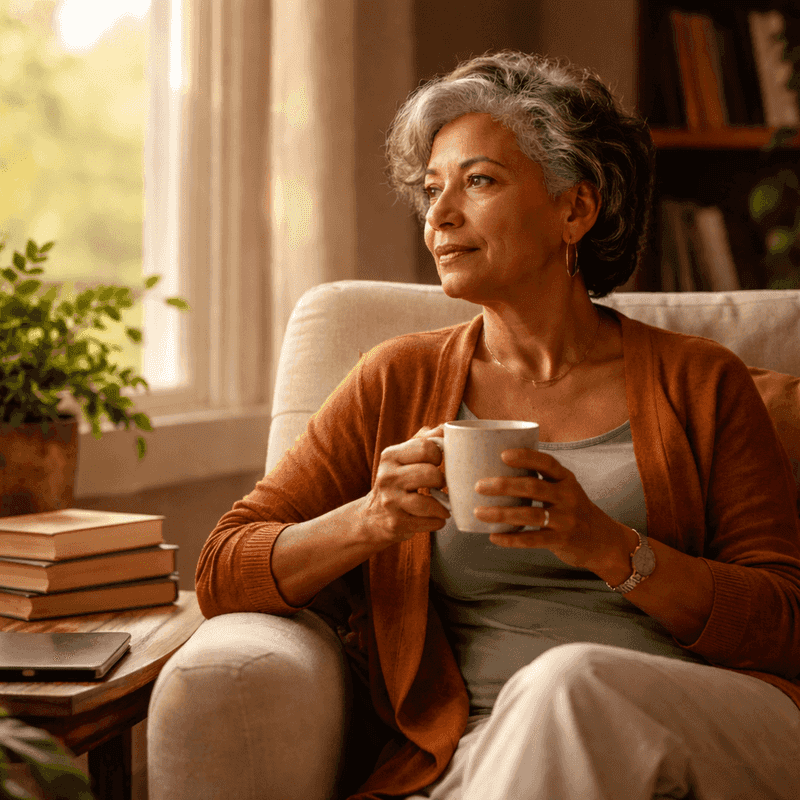
Predictability becomes genuinely comforting with age. Knowing exactly how a day will unfold, from morning coffee to an evening walk, offers a sense of stability that feels deeply reassuring rather than boring.
Spontaneous plans and last-minute invitations start to feel disruptive rather than exciting. A well-established home routine provides structure, reduces stress, and supports better sleep.
Once someone builds a rhythm that works beautifully for them, there is little motivation to trade it in for unpredictability.
7. Sensory Overload from Going Out
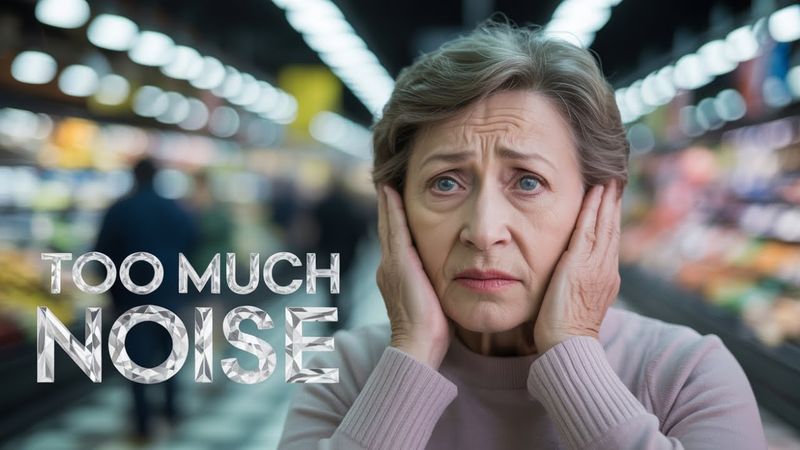
Bright fluorescent lights, loud background music, strong perfumes, and wall-to-wall crowds can feel genuinely assaulting to the senses as people age. What once felt energizing can now feel exhausting within minutes.
The controlled, familiar environment of home offers a welcome escape from all that stimulation. Many older adults are not antisocial, they are simply protecting their nervous systems.
Choosing calm over chaos is not a weakness, it is a deeply intelligent form of self-preservation that more people should respect.
8. Wanting Authentic Connections Only
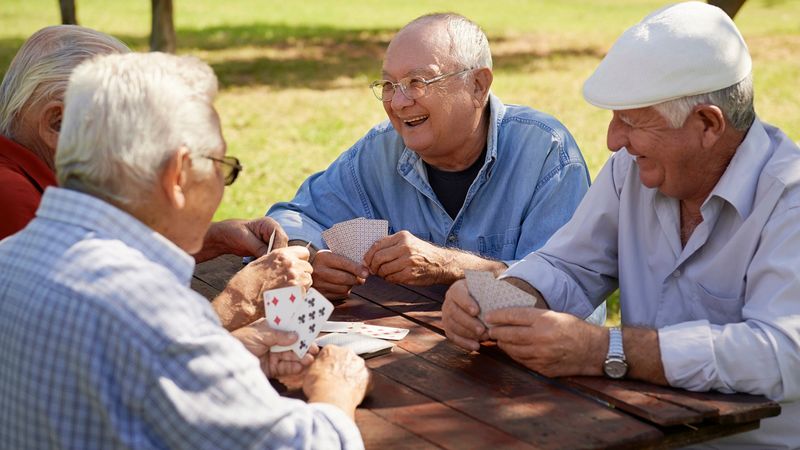
With age comes a sharp and welcome drop in tolerance for small talk, fake smiles, and surface-level socializing. Many older adults simply no longer have the patience to perform in social settings where authenticity takes a back seat.
Staying home, or only meeting people who truly matter, becomes the preferred social strategy. Real conversations, genuine laughter, and honest connection are the only kinds worth investing in.
Life is too short and energy too precious to spend on interactions that feel hollow.
9. The “Been There, Done That” Feeling
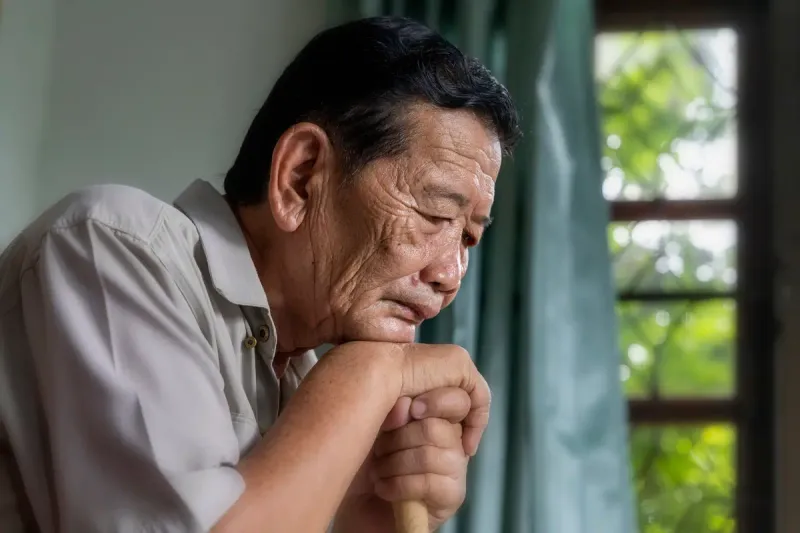
After decades of concerts, parties, travel, and social events, many older adults reach a point of genuine contentment. The urgency to keep experiencing new things fades when you already have a rich library of memories to draw from.
Repeating the same types of outings starts to feel redundant rather than refreshing. There is a quiet confidence in saying, I have done enough, and now I choose stillness.
That sense of lived-in satisfaction is one of the most underrated perks of getting older.
10. Surprisingly Packed Schedules

Retirement does not always mean endless free time. Many older adults find their days filled with grandchildren, caregiving duties, medical appointments, volunteer work, and personal projects that leave little room for social outings.
When every hour of the day is accounted for, staying home starts to feel less like a choice and more like the only logical option. Managing a full life from the comfort of home is not withdrawal, it is smart prioritization of limited time and energy.
11. Growing Comfortable with Solitude

Solitude gets a bad reputation, but for many aging adults, it is genuinely one of life’s greatest gifts. Spending time alone stops feeling lonely and starts feeling like a deeply nourishing form of self-care.
Introverts especially thrive in this phase of life, discovering that they recharge fastest when alone with their thoughts, a good book, or a quiet walk around the yard. Learning to enjoy your own company is a skill, and many older adults have quietly mastered it beautifully.
12. Prioritizing Rest and Self-Care
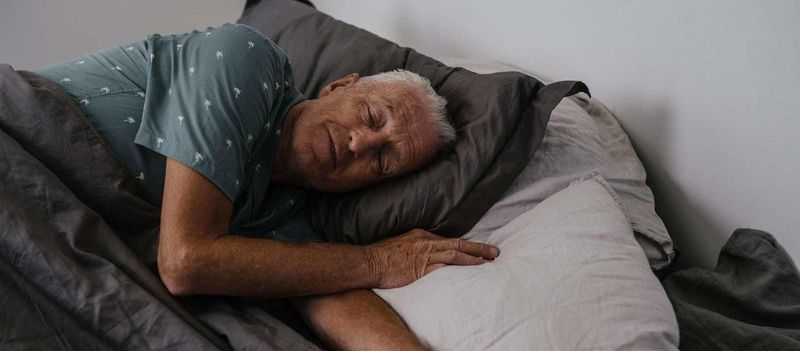
Sleep and recovery become non-negotiable with age. Staying out late, skipping meals, and burning the candle at both ends simply does not work the same way it did at 25.
Choosing an early night at home over a late social event is not boring, it is genuinely responsible. Building intentional self-care routines around sleep, nutrition, and movement keeps older adults feeling their best.
When home becomes the place where your health is protected and nurtured, leaving it voluntarily starts to make much less sense.
13. The Aging in Place Preference
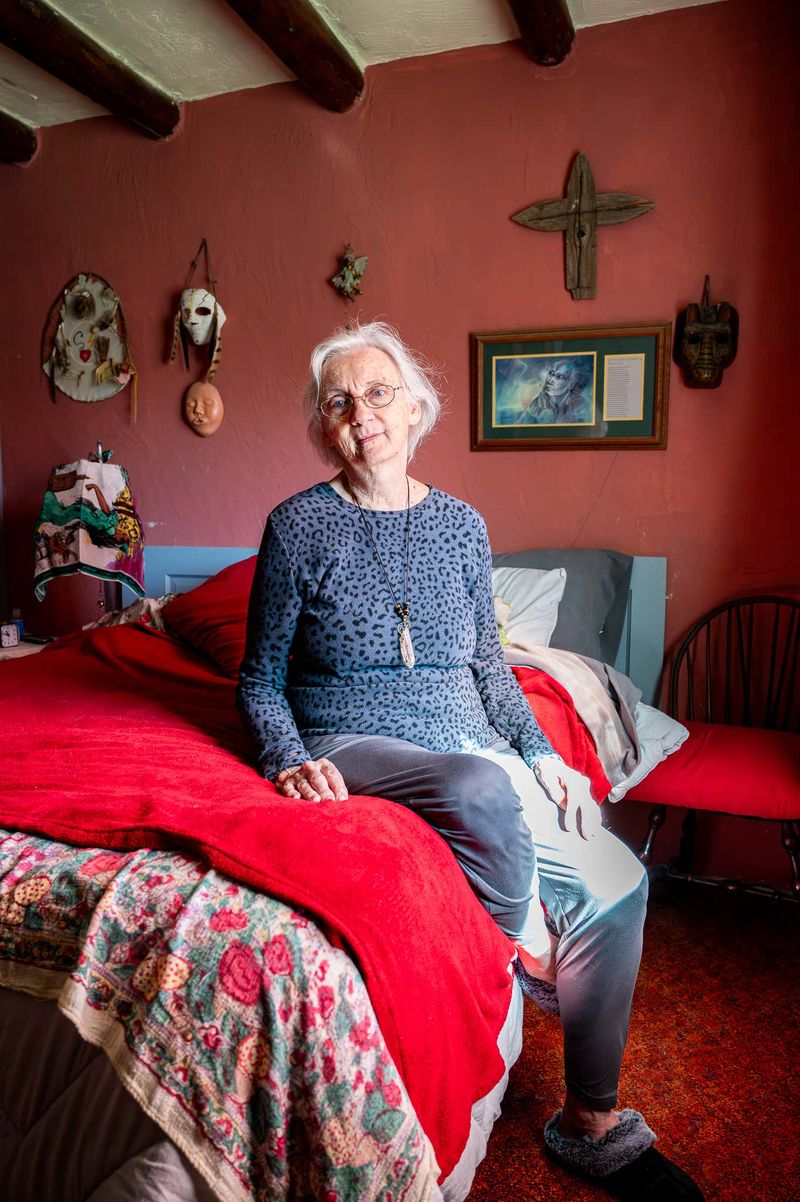
Studies show that a large majority of adults over 50 want to remain in their own homes as they age, a concept called aging in place. The familiarity of a beloved home, its rooms full of memories and personal history, creates a sense of belonging that no new environment can replicate.
Staying home is not about fear of the outside world. It is about honoring the life built within four cherished walls and choosing comfort, independence, and continuity over constant change.
14. Managing Social Anxiety

Social anxiety does not always disappear with age, and for some people, it actually intensifies. Large gatherings, unfamiliar social settings, and the pressure to keep up conversations can feel genuinely overwhelming.
Home offers a safe space where there are no social expectations to meet, no performances to give, and no awkward silences to fill. For those managing anxiety, staying home is not avoidance, it is a valid and healthy way to protect emotional well-being while still living a full and meaningful life.
15. Physical Health and Mobility Challenges
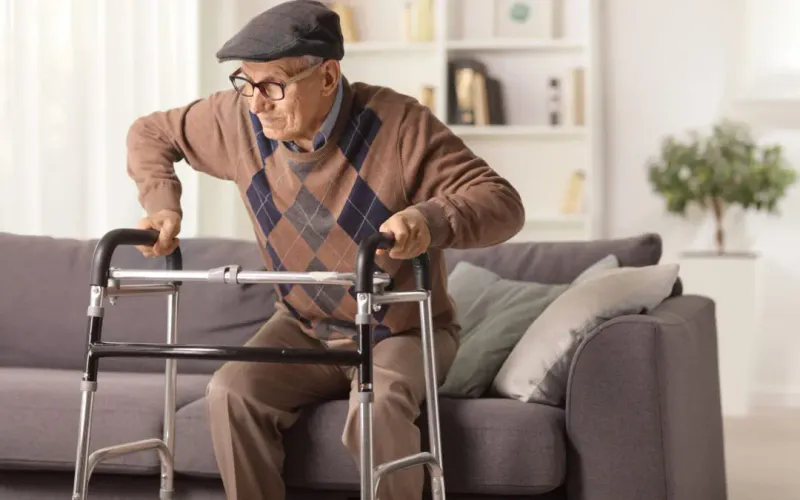
Chronic pain, arthritis, limited mobility, and other health conditions can make leaving home a genuinely difficult and sometimes risky experience. What once took minutes now requires careful planning and significant physical effort.
Home environments can be adapted to support independence and comfort in ways that public spaces simply cannot match. Staying home is often the most practical and safest choice for older adults dealing with physical limitations.
It is not giving up, it is adapting wisely to the realities of an aging body.
16. Fear of an Uncertain Future
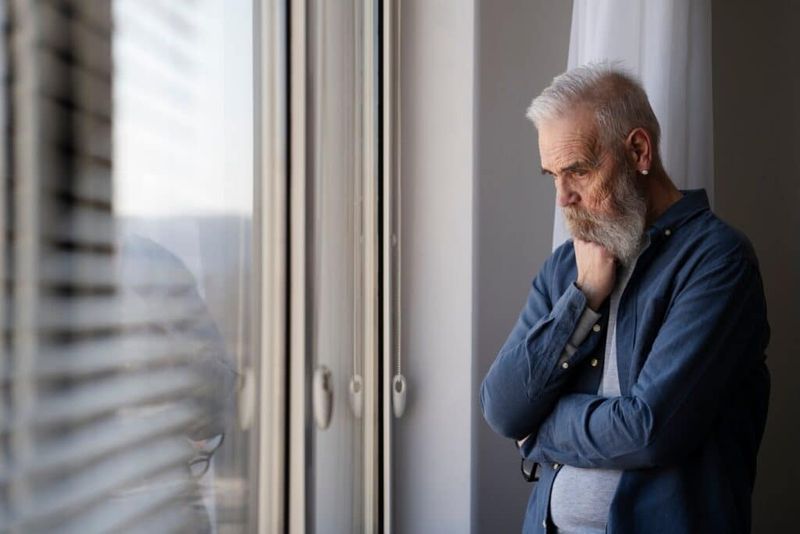
Aging brings a unique kind of uncertainty. Questions about health, finances, independence, and mortality can make the familiar comfort of home feel like an emotional anchor in an unpredictable world.
Resisting change in living arrangements is not stubbornness, it is often a deeply human response to feeling vulnerable. When the future feels unclear, the known rhythms and comforts of home provide genuine psychological stability.
Staying put can be one of the most grounding decisions an older adult makes during a season of life full of unknowns.
17. Coping with Loss of Loved Ones
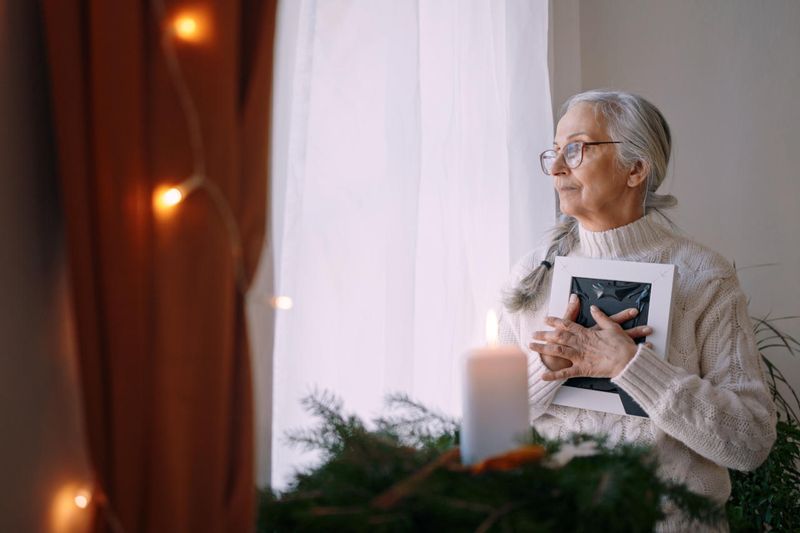
Losing a spouse, a lifelong friend, or a close family member does not just cause grief, it reshapes the entire social landscape of a person’s life. The world outside can suddenly feel foreign and exhausting without those familiar companions by your side.
Retreating home during periods of loss is a natural and necessary part of healing. For some, it becomes a long-term lifestyle shift as their social world quietly contracts.
Honoring grief by staying close to home is a deeply human and understandable response.
18. Desire to Stay Independent
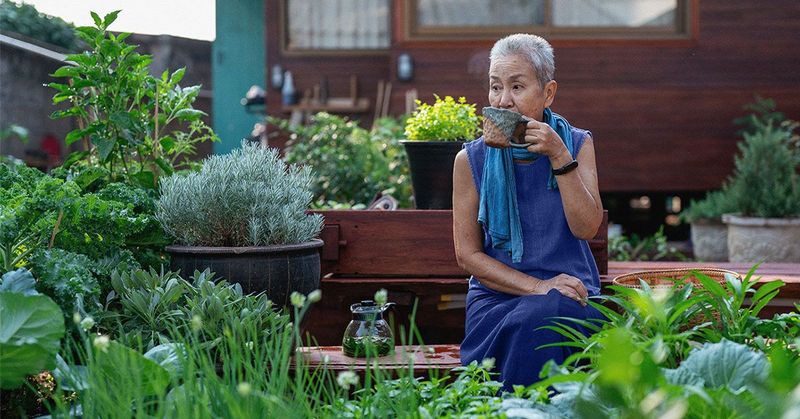
Staying in one’s own home is one of the most powerful ways older adults maintain a sense of independence and personal control. Making your own schedule, setting your own rules, and living on your own terms is incredibly empowering.
Venturing out too frequently can sometimes mean relying on others for transportation or assistance, which can chip away at that hard-earned sense of autonomy. For many aging adults, home is not just where the heart is, it is where their dignity and self-determination live most freely.
19. Emotional and Psychological Well-Being
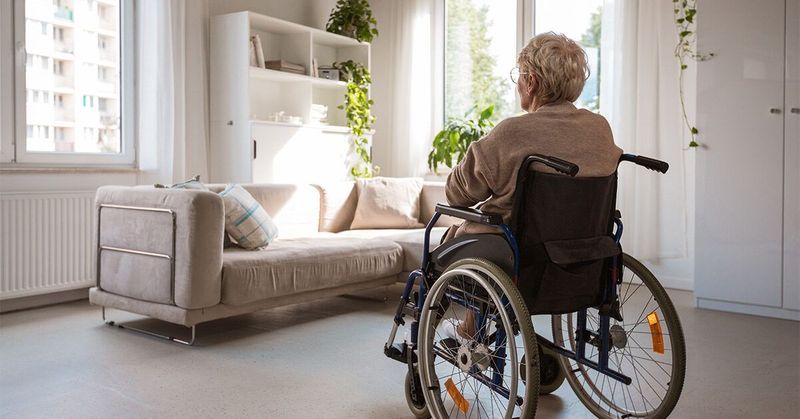
Home can quietly become a healing space for emotional recovery, self-reflection, and mental clarity. After years of navigating workplace stress, family demands, and social pressures, many older adults need a place to simply decompress and just be.
Choosing home over social obligations is sometimes the most emotionally intelligent decision a person can make. Rest, reflection, and personal peace are not luxuries for aging adults, they are essentials.
A home that supports emotional well-being becomes one of the most valuable places on earth.