
Some old rules make life harder without making it kinder. From who pays for dinner to how we talk about feelings, people are questioning habits that once seemed set in stone.
Change looks different across families, cultures, and workplaces, but a common idea is growing: respect matters more than following a rule just because it is old.
1. Letting the Clock Define Good Work

A full calendar does not always mean useful work gets done. Some employers now offer flexible hours, remote days, or shorter weeks, though many jobs still require fixed shifts.
The better question is whether people can meet clear goals without burning out. If your role allows flexibility, discuss deadlines, shared meeting times, and availability with your manager.
A workable schedule should support both the team and the person doing the job, not just the clock.
2. Making Men Pay for Every Date

The dinner bill does not need a gender rule attached. Many people prefer splitting costs, taking turns, or having the person who invited pay, depending on their budgets and expectations.
A quick conversation before ordering can prevent an awkward ending. Try asking whether you should split dinner or trade off next time.
Paying is a kind gesture, not a purchase of affection, and nobody owes romance because someone covered a meal, drinks, or movie tickets.
3. Keeping Women Seated During Introductions

Picture a meeting where everyone stands to greet a guest except the women. That old etiquette rule can send the wrong message in a workplace built on equal participation.
Today, standing when comfortable and able is often a shared courtesy rather than a duty tied to gender. A warm greeting and clear introduction matter more than perfect posture.
Anyone who remains seated because of disability, pain, or another need still deserves the same welcome too.
4. Offering Seats Based Only on Gender

A crowded bus calls for awareness, not a guessing game about gender. Someone who is pregnant, older, injured, or having trouble standing may need a seat more than another passenger.
Offer politely without demanding an explanation, and remember that some disabilities are not visible. A simple question about whether someone would like your seat is enough.
Accept their answer without fuss. The goal is to make travel safer, not to perform an outdated social role.
5. Treating Handshakes as Mandatory
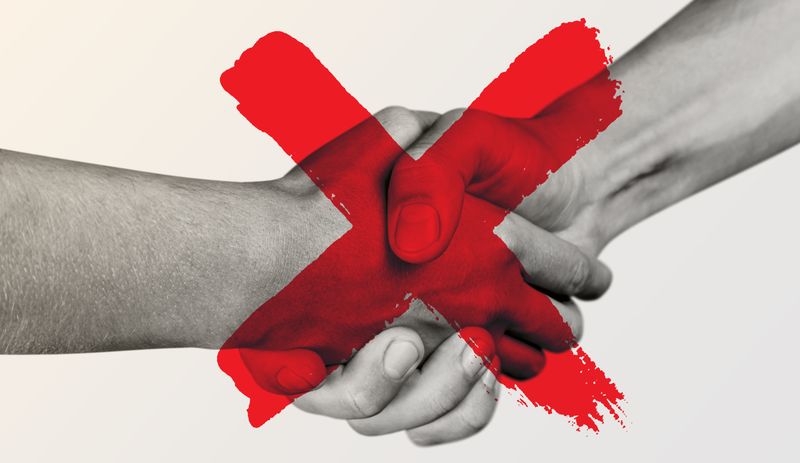
A friendly wave can say plenty without anyone touching hands. Health concerns, religious practices, cultural customs, and personal comfort can all shape how a person prefers to greet others.
If someone skips a handshake, avoid treating it as an insult. Smile, say hello, and follow their lead.
You can also state your own preference kindly before an offered hand becomes awkward. Good manners should help people feel welcome, not pressure them into unwanted physical contact.
6. Telling Men to Hide Their Feelings

Holding back tears does not make a hard day easier. Boys and men have often been taught to hide sadness or fear, leaving anger as one of their few accepted outlets.
More people are challenging that narrow script by naming feelings and asking for support. Start small with a trusted friend, counselor, or family member.
Listening without teasing helps too. Emotional honesty is a skill anyone can build, not a weakness someone needs to overcome.
7. Asking Couples When They Will Have Kids

One casual question at a family dinner can touch a deeply private subject. A couple may be facing infertility, grieving a loss, choosing not to parent, or simply keeping plans to themselves.
Instead of asking when children are coming, ask what they are enjoying or looking forward to. Let them bring up family plans if they wish.
Interest feels caring when it leaves room for different lives, rather than treating parenthood as everyone’s required destination.
8. Requiring Formal Clothes Everywhere

Sneakers at a desk no longer raise eyebrows in many offices. Dress rules have relaxed as workplaces pay more attention to comfort, practical needs, and the quality of someone’s work.
That does not mean every outfit fits every setting. Safety gear, uniforms, and formal events still have their place.
Check expectations before showing up somewhere new, then choose clothing that is clean and suitable. Looking capable should not require expensive clothes or one narrow style.
9. Keeping Mental Health Off Limits

Sometimes the most helpful words are simply that you are struggling. Talking about anxiety, depression, or stress can make it easier to find support, although stigma still exists in many communities.
Share only what feels safe, and respect other people’s privacy when they open up. A friend can listen, but professional help may also be useful.
Avoid turning a diagnosis into a joke or insult. Ordinary, respectful conversations help mental health feel less shameful overall.
10. Calling Every Public Display of Affection Improper

Holding hands on a walk can be a simple sign of closeness. In many places, brief hugs and kisses are more accepted than older rules about public behavior might suggest.
Still, comfort levels and local customs vary, and some locations carry real safety concerns. Keep affection consensual and suited to the setting.
Nobody should feel pushed to join in or watch intimate behavior. The useful standard is consideration, not blanket shame about showing ordinary love.
11. Insisting Every Thank-You Be Handwritten

Gratitude does not lose its meaning because it arrives on a screen. A thoughtful text, email, or phone call can acknowledge a gift or favor without waiting for stationery and stamps.
Handwritten notes remain lovely, especially for major occasions or people who treasure them. Match the message to the relationship and mention what you appreciated.
Prompt, specific thanks usually matter more than the delivery method. The real mistake is letting format worries prevent any thanks.
12. Assuming Everyone Welcomes Surprise Calls

A ringing phone can interrupt a meeting, a nap, or the only quiet moment of the day. Many people now appreciate a quick message asking whether it is a good time to talk.
That preference is not universal, so learn what works for your friends and relatives. Emergencies may call for calling immediately.
For everyday chats, suggest a time and give a little context. Planning a call can make the conversation feel welcome rather than demanding.
13. Confusing Age With Automatic Authority

Years of experience can offer wisdom, but a birthday does not make every opinion correct. Younger people can bring useful knowledge too, especially when technology, research, or social expectations have changed.
Respectful disagreement allows both sides to learn without insults. Ask for reasons, check facts, and judge advice by its quality rather than the speaker’s age.
Basic courtesy belongs to everyone. Trust and authority grow through honest behavior, sound judgment, and how people treat others.
14. Expecting Wives to Change Their Last Names

A wedding does not have to come with a new name. Some women keep their surnames, some couples combine names, and others choose a shared name that suits their family.
The choice can involve personal identity, career history, culture, and paperwork. Discuss options without assuming one partner must give something up.
When addressing a newly married person, use the name they provide. Keeping or changing a surname should reflect a freely made decision, not pressure.
15. Treating Money Talk as Bad Manners

Silence about money can leave people guessing what fair pay or manageable spending looks like. Honest conversations about wages, debt, and budgeting can help friends and coworkers make better choices.
Openness still needs consent. Ask whether someone is comfortable discussing numbers, and never share their details without permission.
Focus on learning rather than comparing lifestyles or showing off. A useful money conversation makes room for different incomes, responsibilities, and goals without turning them into judgments.
16. Accepting Racial Separation and Unequal Treatment
Separate schools, housing barriers, and unequal service were never harmless traditions. Racial segregation and claims that one race is superior caused lasting harm, and discrimination remains a problem despite major legal and social changes.
Rejecting those beliefs takes more than saying everyone is equal. Challenge racist jokes, learn local history, and support fair treatment in schools, workplaces, and neighborhoods.
Progress is not complete, but treating racial inequality as acceptable tradition should have no place today.
17. Labeling Same-Sex Attraction an Illness or Failing

Loving someone of the same sex is not a mental illness. Major medical and mental health organizations recognize that being gay or lesbian is a normal part of human diversity.
Acceptance has grown in many places, but prejudice and unequal laws still affect LGBTQ+ people. Offer support by respecting relationships, avoiding cruel jokes, and speaking up against mistreatment.
Nobody should have to defend their basic dignity or pretend to be someone else to deserve belonging.