
Every year, millions of people get sick from food they made right in their own kitchens. Most of the time, the cause is a small habit that seems harmless, like skipping a hand wash or leaving leftovers out too long.
The good news is that these slip-ups are easy to fix once you know about them. Read on to find out which everyday kitchen habits could be putting you and your family at risk.
1. Skipping the Hand Wash Before Cooking
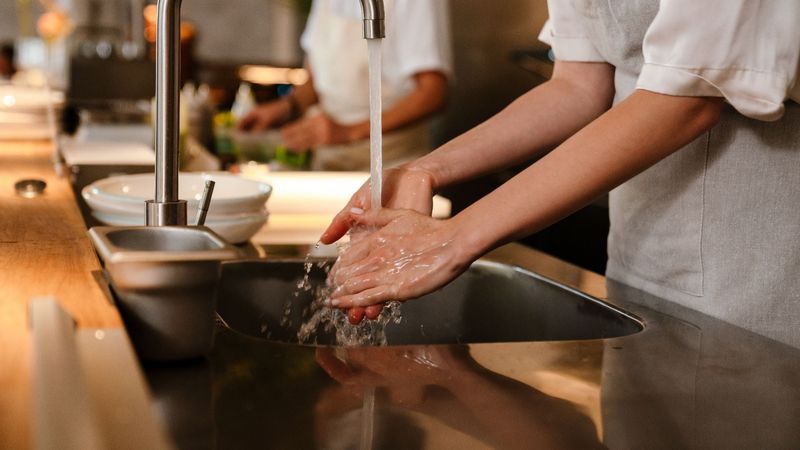
Picture your hands after a day of touching doorknobs, phones, and money. Now imagine those same hands kneading bread dough.
Pretty gross, right?
Germs from everyday objects easily slide onto food when hands go unwashed. Scrub with soap and warm water for at least 20 seconds before cooking.
A fun trick is humming the Happy Birthday song twice. Wash again after handling raw meat, eggs, or trash to keep things clean.
2. Rinsing Raw Chicken in the Sink
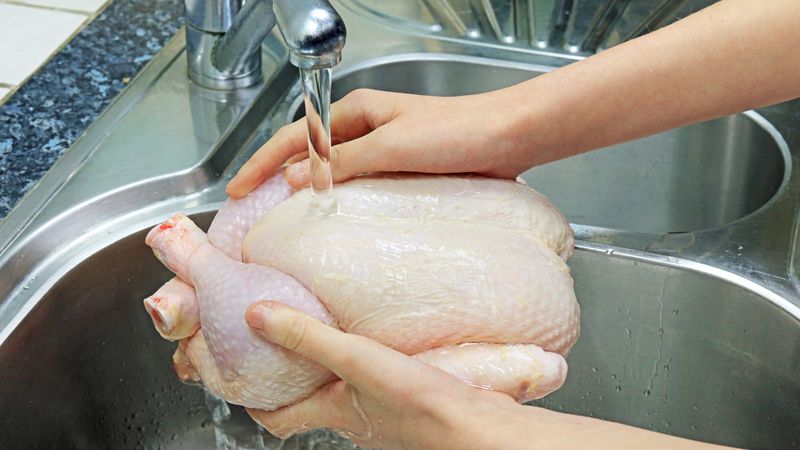
Grandma may have done it, but rinsing raw chicken is a habit worth breaking. Water does not wash away bacteria like Salmonella.
Instead, it splashes those germs onto counters, dishes, and even you.
Studies show droplets can travel up to two feet from the sink. Cooking the chicken thoroughly is what actually kills the bacteria.
Simply pat it dry with a paper towel, toss the towel, and wash your hands.
3. Using One Cutting Board for Everything
Slicing raw steak, then chopping lettuce on the same board? That salad just got a dangerous topping.
Cross-contamination happens when germs from raw meat move to foods that will not be cooked. Lettuce, tomatoes, and bread can carry those bacteria straight to your stomach.
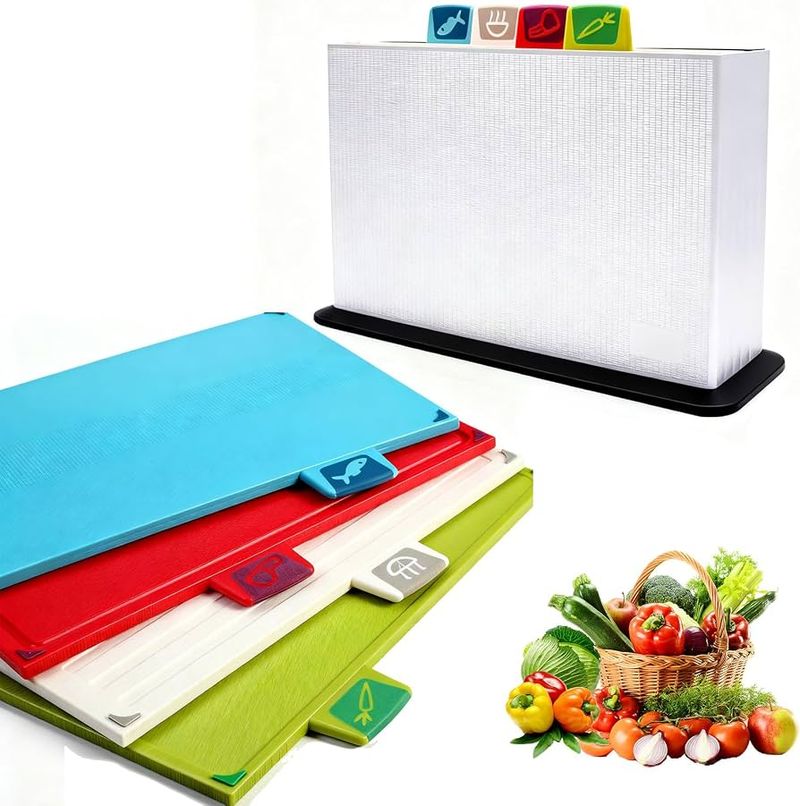
An easy fix is using color-coded boards, like red for meat and green for veggies. Wash every board in hot, soapy water after each use.
4. Thawing Meat on the Counter
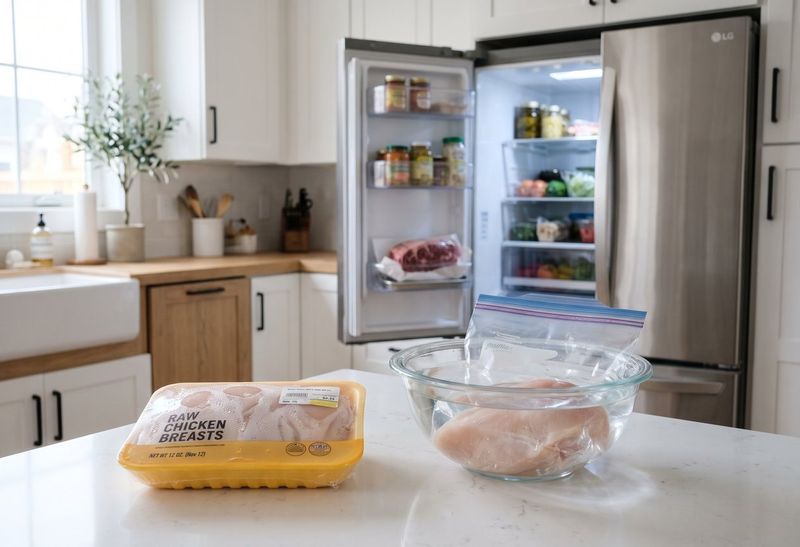
Leaving frozen meat out all afternoon feels convenient. Unfortunately, bacteria love it even more than you do.
While the center stays frozen, the outer layer warms into the danger zone, between 40 and 140 degrees Fahrenheit. Germs can double in number every 20 minutes there.
Safer options include thawing in the fridge overnight, in cold water changed every 30 minutes, or in the microwave if you plan to cook it right away.
5. Guessing When Meat Is Done
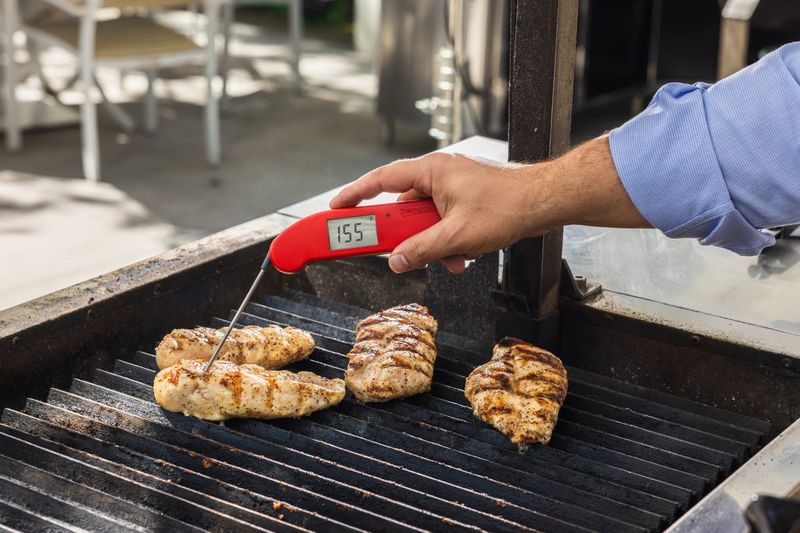
Here is a surprising fact: color is a terrible way to judge if meat is cooked. A burger can turn brown inside before it is actually safe to eat.
A food thermometer takes the guesswork away. Chicken needs to reach 165 degrees Fahrenheit, while ground beef should hit 160.
Thermometers are cheap, quick, and easy to use. Stick one into the thickest part of the meat and you will know for sure.
6. Leaving Leftovers Out Too Long
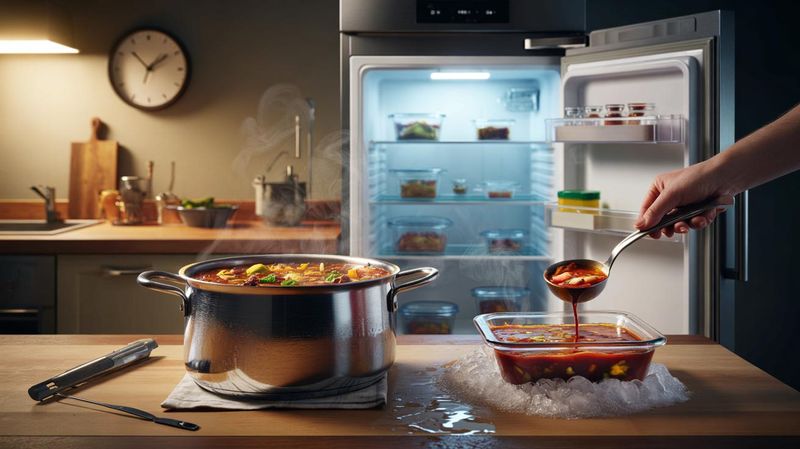
After a big family dinner, everyone relaxes and the food just sits there. Hours slip by before anyone thinks about the fridge.
Cooked food should be chilled within two hours, or just one hour on hot days above 90 degrees. After that, bacteria multiply quickly and some create toxins that reheating cannot destroy.
So pack up those leftovers soon after eating. Shallow containers help food cool down faster.
7. Trusting the Sniff Test

Sniff, shrug, eat. Sound familiar?
Many of us rely on our noses to decide if food is still good.
Sadly, the nastiest germs, like Listeria and E. coli, usually have no smell at all. Food can look and smell perfectly normal while still making you very sick.
Follow time limits instead. Most leftovers stay safe for three to four days in the fridge.
When in doubt, throw it out.
8. Keeping a Smelly Old Sponge
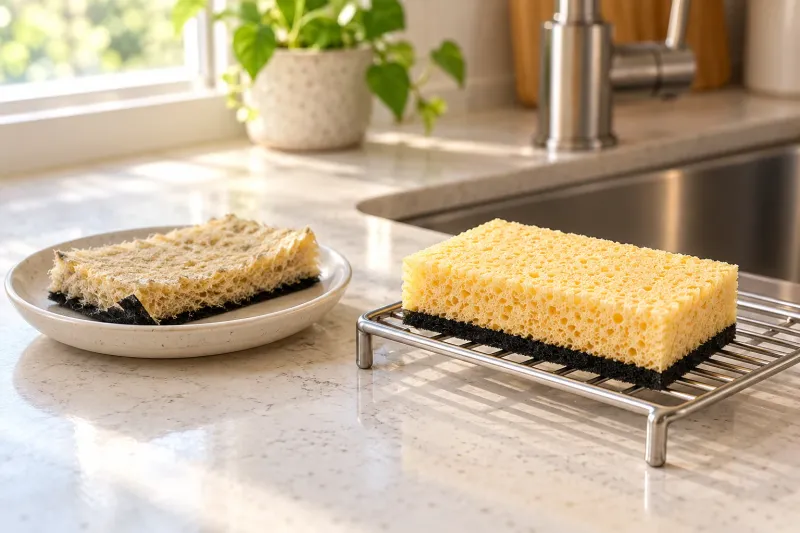
Believe it or not, your kitchen sponge may be the dirtiest thing in your house, even worse than the toilet seat.
Warm, damp, and full of food bits, sponges are a perfect home for billions of bacteria. Wiping counters with one just spreads germs around.
Replace sponges every week or two. In between, toss them in the dishwasher or microwave a damp one for one minute to kill germs.
9. Overstuffing the Fridge
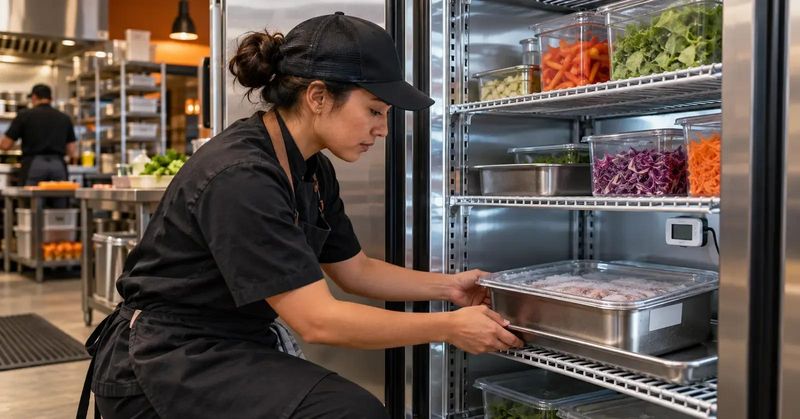
A packed fridge might look like a sign of good planning. Yet too much food blocks cold air from moving around.
Without airflow, some spots warm up above 40 degrees, where germs grow fast. Your milk and meat may spoil sooner than expected.
Leave space between items and clear out old food weekly. Placing a cheap fridge thermometer inside helps you check that everything stays cold enough.
10. Storing Raw Meat on the Top Shelf
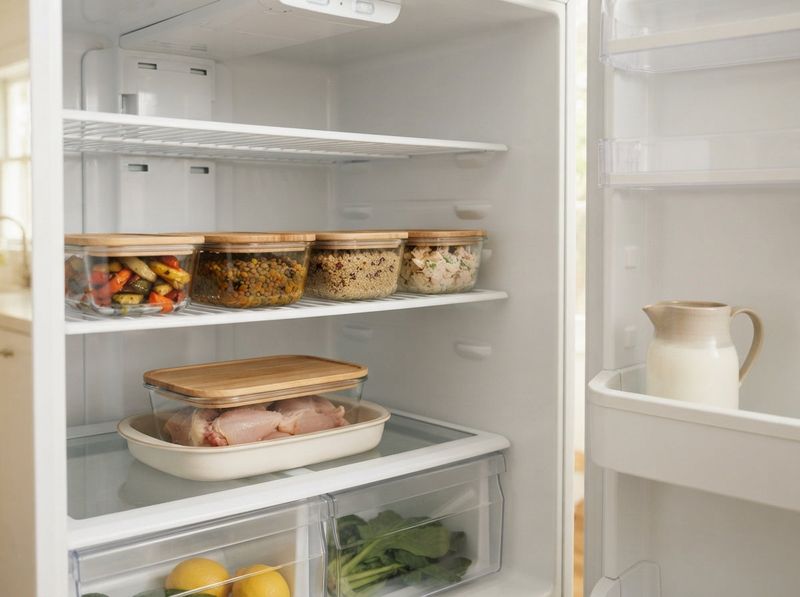
Drip, drip, drip. Raw meat juices leaking onto your fruit is a quiet but serious problem.
When meat sits on a high shelf, its juices can fall onto ready-to-eat foods below. Those foods often do not get cooked, so the germs survive.
Always keep raw meat, poultry, and fish on the bottom shelf. Put them on a plate or in a sealed container for extra protection.
11. Tasting Raw Cookie Dough
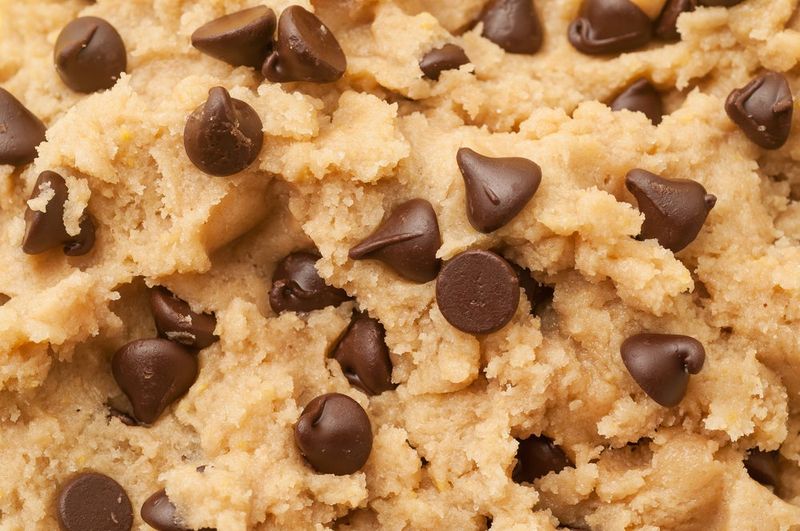
Licking the spoon is a childhood tradition for many families. Still, raw cookie dough hides two sneaky risks.
Raw eggs can carry Salmonella, and here is the part most people miss: raw flour can carry E. coli too. Flour is not treated to kill germs before it reaches stores.
Craving a taste? Buy edible cookie dough made with heat-treated flour and no eggs.
It satisfies the sweet tooth safely.
12. Reusing Marinade as a Sauce
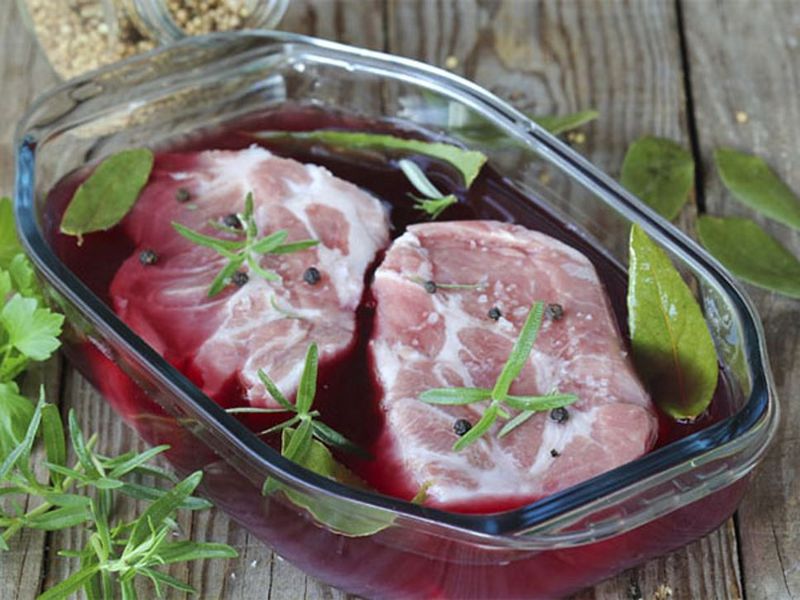
That tasty marinade soaked up more than flavor. It also picked up bacteria from the raw meat it held.
Pouring it over cooked food puts those germs right back on your plate. Many grillers make this mistake without a second thought.
Set aside a portion of fresh marinade before adding meat. Or boil the used marinade for at least one full minute to make it safe as a sauce.
13. Cooking While Sick

Feeling under the weather but still making dinner for everyone? That kind gesture can backfire.
Norovirus, the famous stomach bug, spreads easily through food handled by sick people. Just a tiny number of particles can make someone ill.
If you have vomiting or diarrhea, stay out of the kitchen for at least 48 hours after symptoms end. Let someone else cook, or order in.
Your family will thank you.
14. Not Washing Fresh Produce
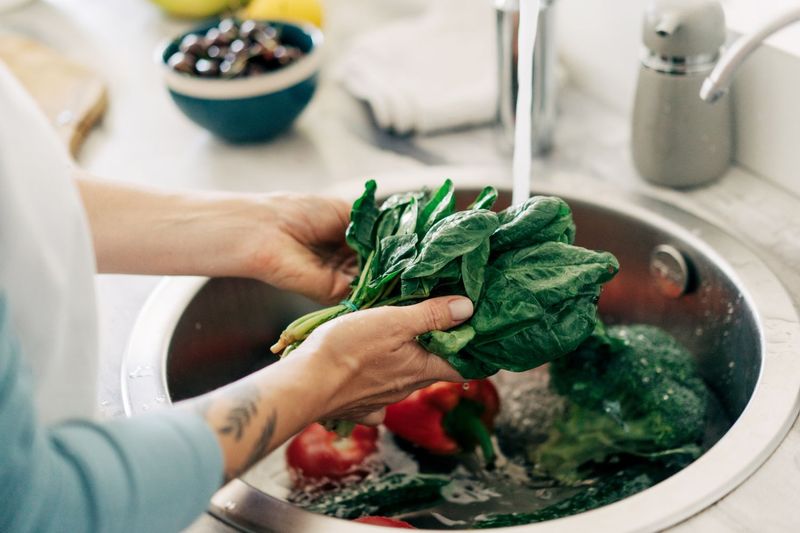
Fruits and veggies travel a long road before reaching your kitchen. Farm soil, trucks, and many hands touch them along the way.
Rinse produce under cool running water, even if you plan to peel it. Cutting an unwashed melon drags germs from the rind into the juicy fruit.
Skip soap, since it can leave residue. A clean scrub brush works wonders on firm items like potatoes and cucumbers.
15. Cooling Big Pots of Food Slowly
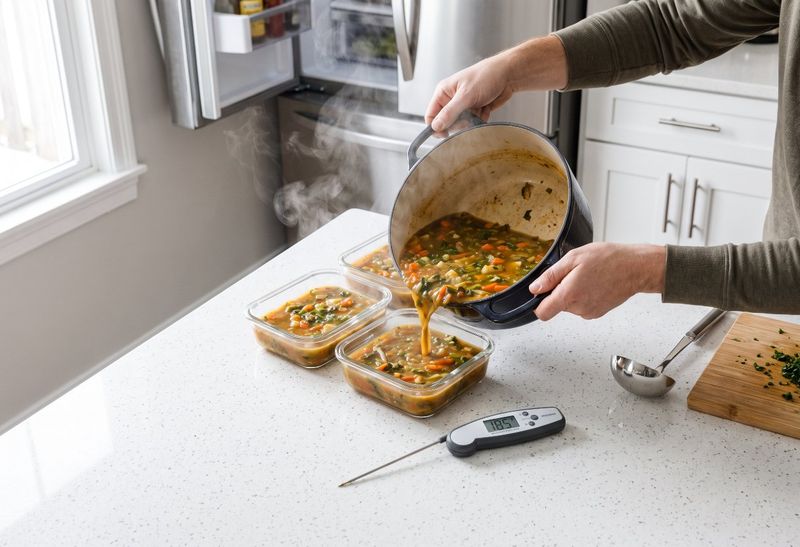
Ever put a huge pot of chili straight into the fridge? It might stay warm in the middle for hours.
Large amounts of hot food cool very slowly, giving bacteria a long time to grow. One germ called Clostridium perfringens loves big batches like stews and gravy.
Divide food into smaller, shallow containers before chilling. An ice bath around the pot also speeds things up nicely.
16. Ignoring Expiration and Use-By Dates

Dates on packages can be confusing. Best-by usually refers to quality, but use-by dates matter much more for safety.
Foods like deli meat, soft cheese, and raw fish can grow harmful germs even in the fridge. Eating them past their use-by date is a real gamble.
Get in the habit of checking labels while shopping and unpacking. Move older items to the front so they get eaten first.
17. Reheating Leftovers Halfway
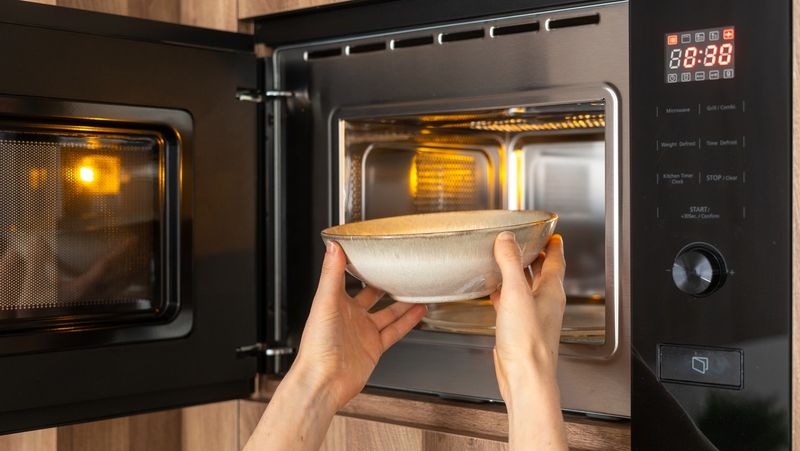
Lukewarm leftovers might taste fine, yet they can still hold live bacteria.
Microwaves often heat unevenly, leaving cold spots where germs survive. Reheated food should reach 165 degrees Fahrenheit all the way through.
Stir halfway, cover the dish, and let it rest a minute so heat spreads. Rice deserves special care, since a germ called Bacillus cereus can grow in cooked rice left at room temperature.
18. Letting Pets Roam the Counters
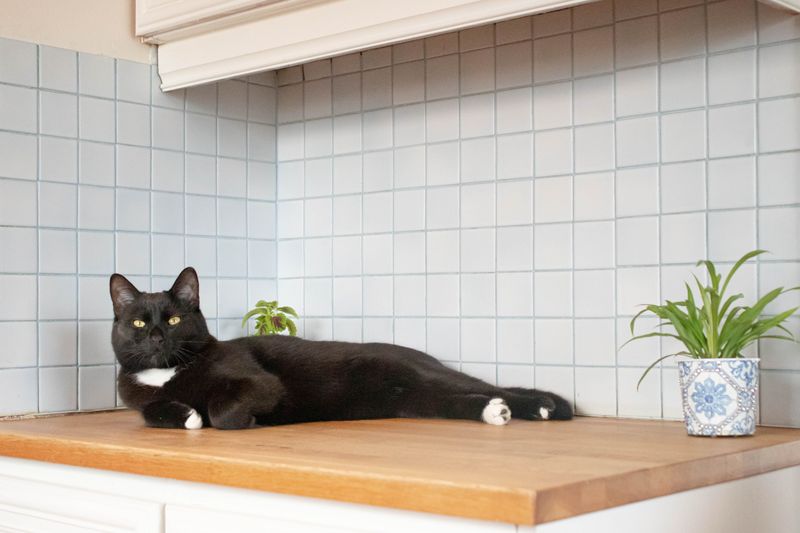
Your cat may be adorable, but those paws just walked through the litter box.
Pets carry bacteria on their fur, feet, and mouths. When they hop onto counters, those germs land right where you prepare meals.
Train pets to stay off kitchen surfaces, and wipe counters down before cooking. Also keep pet food bowls and scoops separate from your own dishes.
Wash hands after feeding or petting animals.
19. Packing Lunches Without Ice Packs
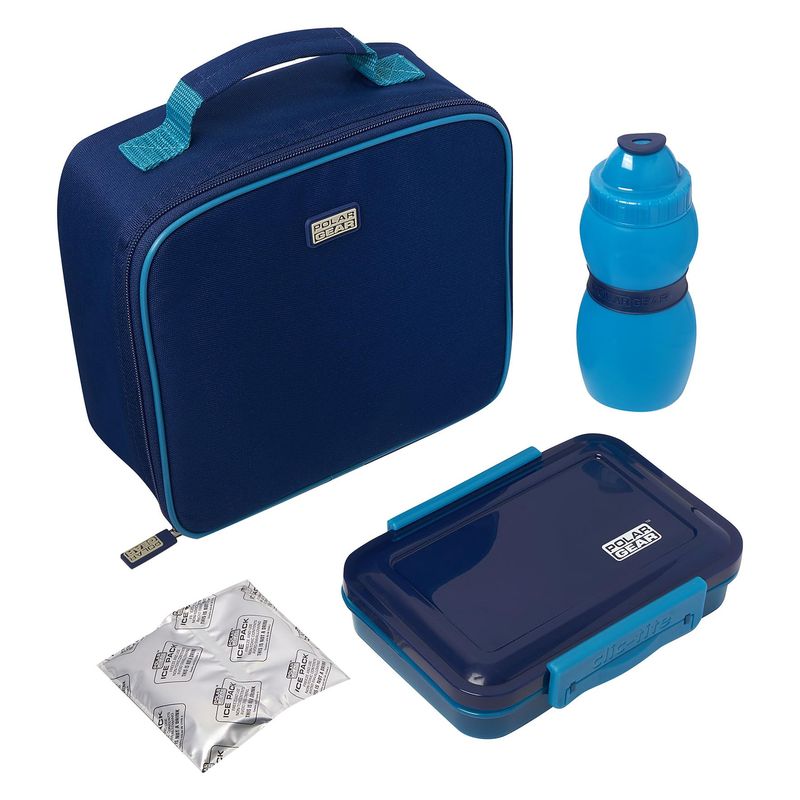
Lunch boxes often sit in lockers or warm cars for hours before anyone eats. By noon, that turkey sandwich could be a germ party.
Perishable foods like meat, yogurt, and cheese need to stay cold. Add at least two ice packs to an insulated lunch bag.
A frozen juice box or water bottle works too, and it thaws in time for lunch. Toss anything not eaten by day’s end.