
Ever finish a veggie meal and feel hungry again an hour later? The secret to staying full is often protein, and the right food combos can pack in plenty of it.
Pairing certain plant foods together also helps your body get all the building blocks it needs to grow strong. Here are some tasty matchups that turn simple meatless dishes into meals that truly hit the spot.
Black Beans and Brown Rice
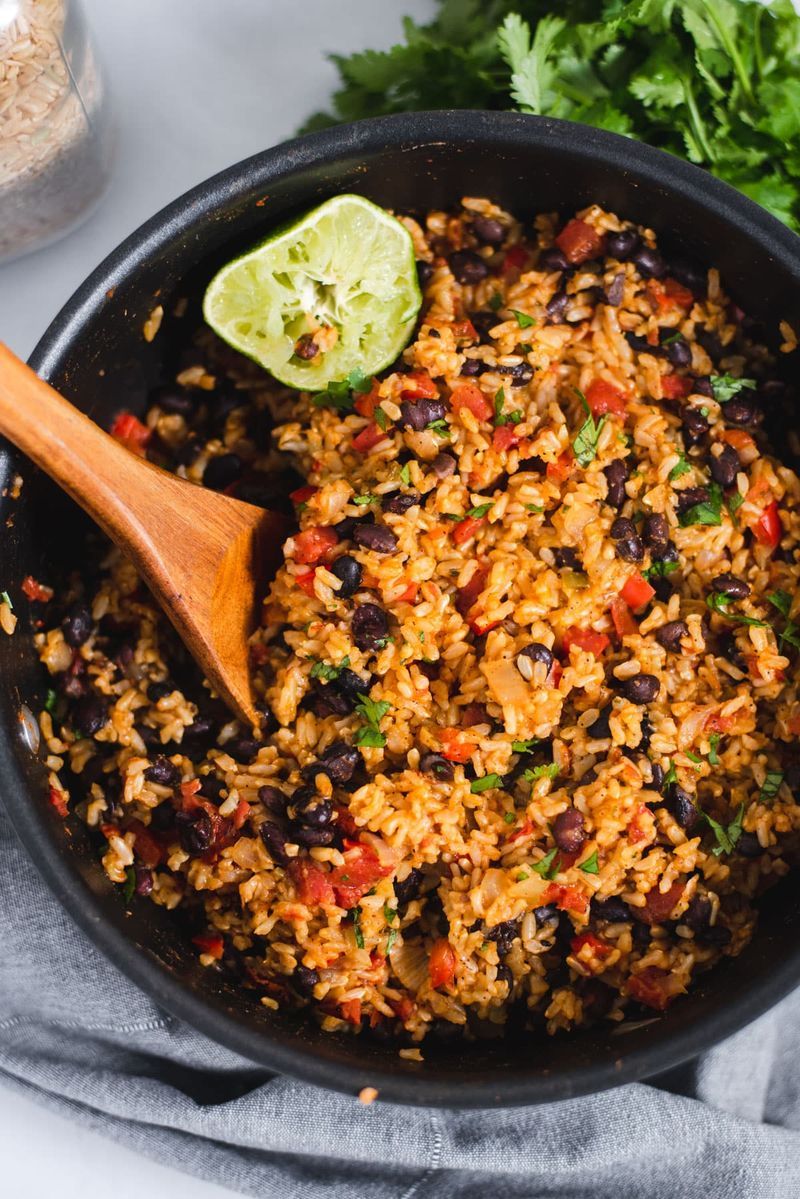
Grandmas across Latin America figured this out long before nutrition labels existed. Beans and rice together form a complete protein, meaning they supply all nine essential amino acids your body cannot make alone.
One cup of the combo delivers around 12 grams of protein. Toss in salsa, corn, or a squeeze of lime for extra flavor.
Cook a big batch on Sunday, and you will have easy lunches ready all week long.
Hummus and Whole Wheat Pita
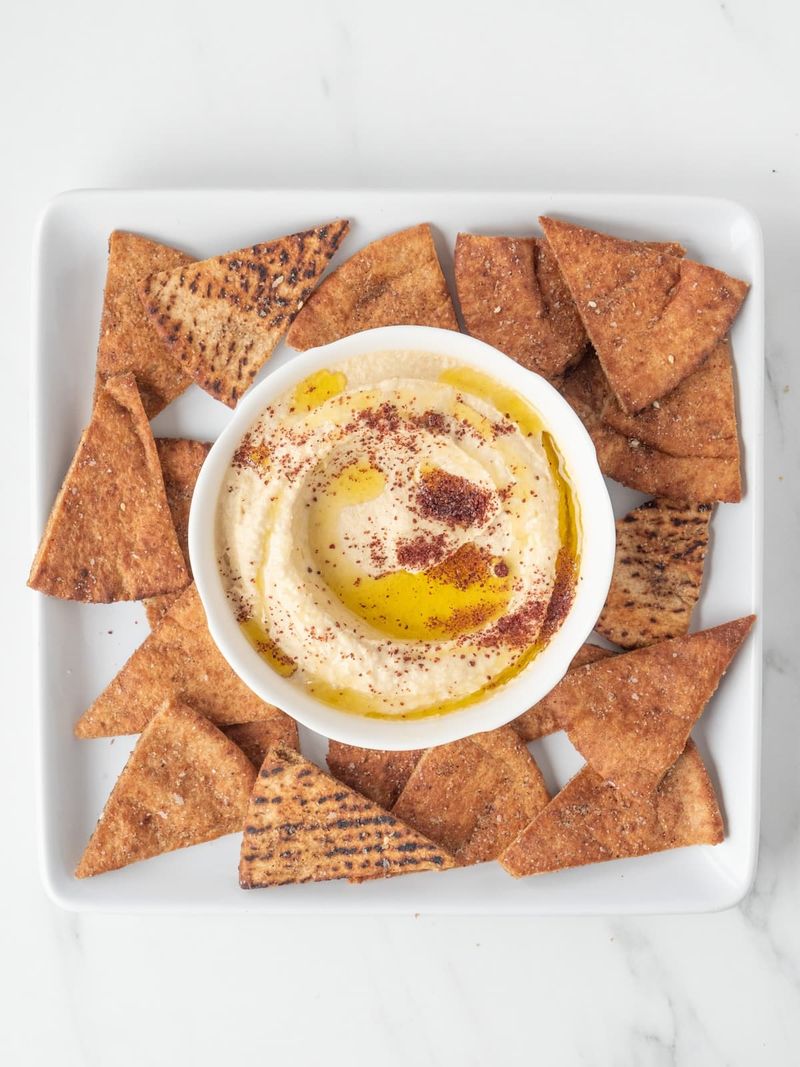
Scoop, dip, repeat. Few snacks feel as fun to eat as warm pita dragged through a swirl of creamy hummus.
Chickpeas bring plenty of protein and fiber, while whole wheat fills in the amino acids chickpeas lack. Tahini, made from sesame seeds, adds even more.
Did you know hummus simply means chickpea in Arabic? Try adding cucumber slices or cherry tomatoes on the side for crunch and color.
Peanut Butter on Whole Grain Toast
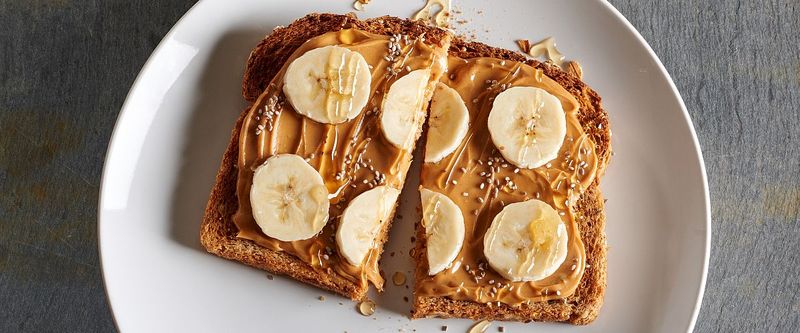
Think of it as the classic school-morning hero. A slice of hearty whole grain bread with two tablespoons of peanut butter gives you about 11 grams of protein.
Peanuts are actually legumes, not nuts, so they partner nicely with grains to build complete protein.
Want to level it up? Add banana slices, a sprinkle of chia seeds, or a light drizzle of honey.
You will stay energized right through lunchtime.
Greek Yogurt with Nuts and Seeds
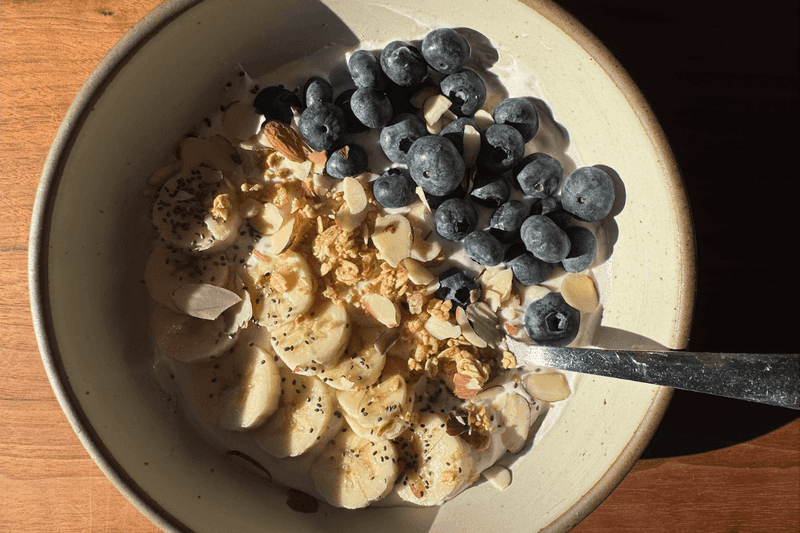
Thick, tangy, and surprisingly powerful, a single cup of Greek yogurt can hold over 20 grams of protein. That is nearly double regular yogurt, thanks to extra straining.
Sprinkle on almonds, walnuts, or pumpkin seeds for crunch and healthy fats that slow digestion.
Fresh berries or a dash of cinnamon make it taste like dessert. Keep a jar of mixed seeds in your pantry so breakfast comes together in seconds.
Lentils and Quinoa
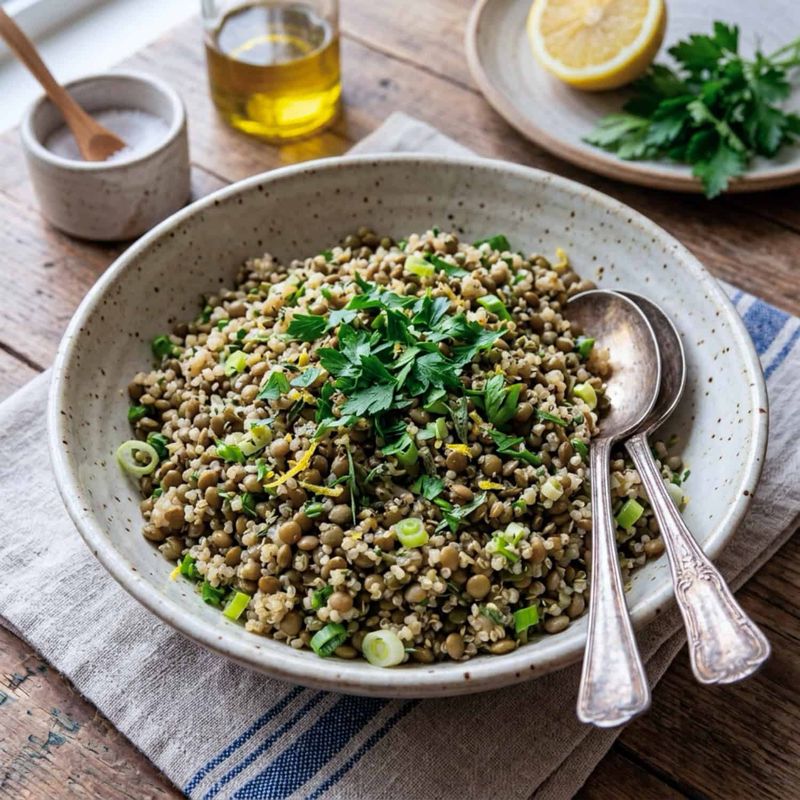
Picture two tiny powerhouses teaming up in one bowl. Lentils offer about 18 grams of protein per cooked cup, and quinoa is one of the rare plants with complete protein all on its own.
Together, they make a filling base for salads, soups, or stuffed peppers.
Bonus tip: both cook in under 20 minutes, so they work great on busy weeknights. Season with cumin, garlic, and lemon for big flavor.
Tofu Stir Fry with Edamame
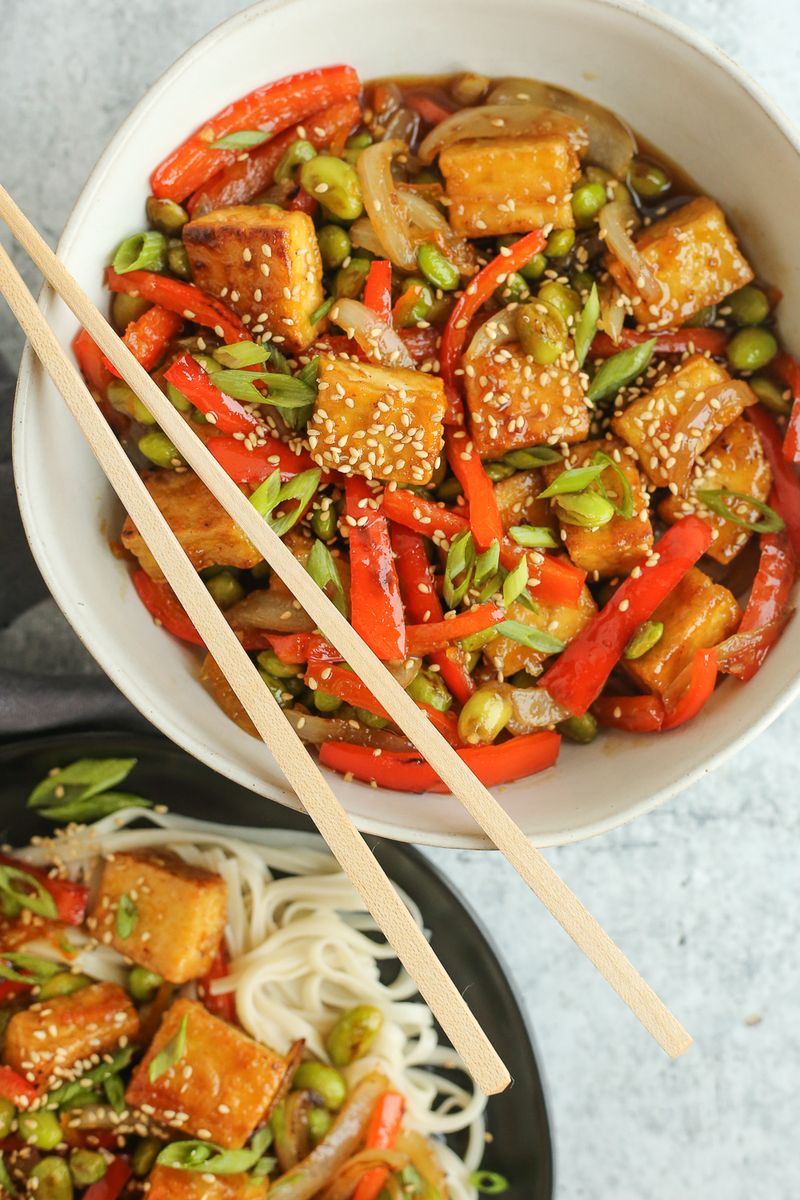
Soy lovers, this one doubles the fun. Crispy tofu and bright green edamame both come from soybeans, which contain every essential amino acid.
A plate with half a block of tofu and a cup of edamame can top 30 grams of protein. That rivals a chicken dinner!
Press your tofu first to remove water so it gets golden and crunchy. Then toss everything with soy sauce, ginger, and veggies.
Eggs and Spinach
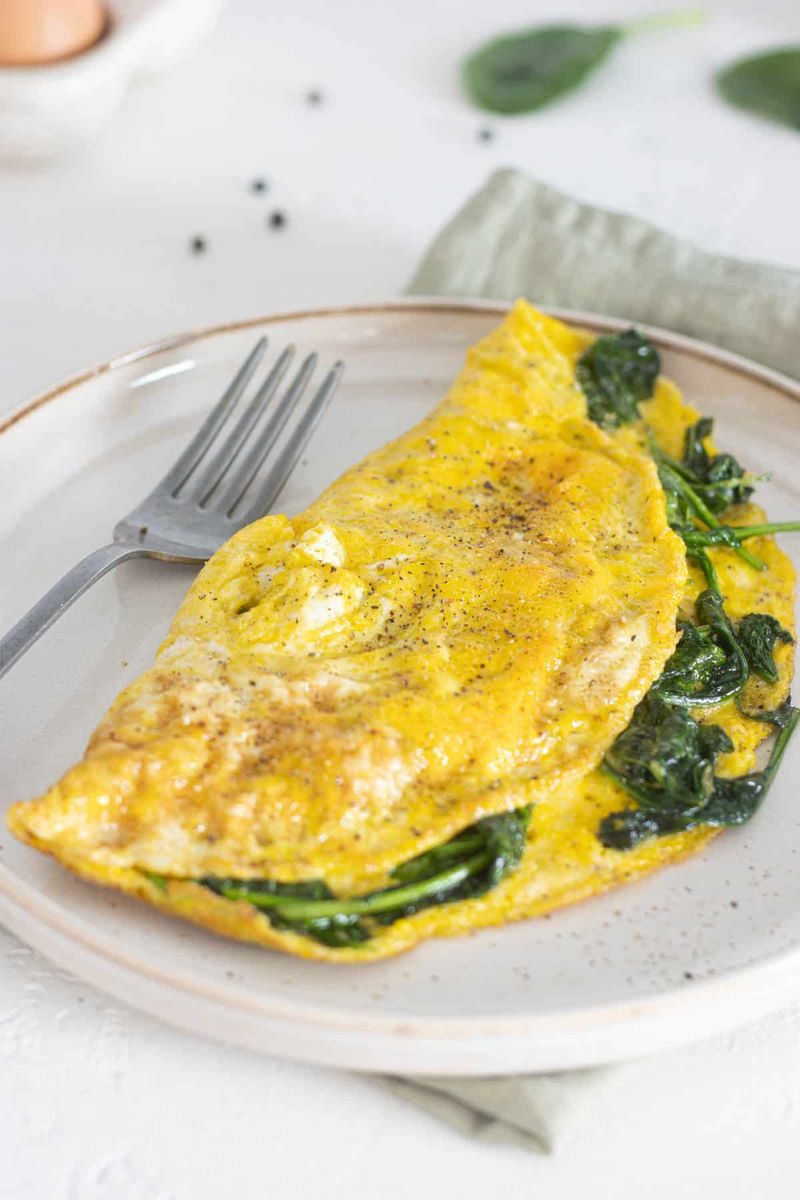
Popeye had the right idea, but he missed a partner. Pairing leafy spinach with eggs creates a breakfast packed with protein, iron, and vitamins.
Each large egg holds about 6 grams of protein, and spinach adds a little more plus tons of nutrients.
Scramble them, fold them into an omelet, or bake mini egg muffins for grab-and-go mornings. A pinch of cheese on top never hurts either.
Cottage Cheese and Fruit
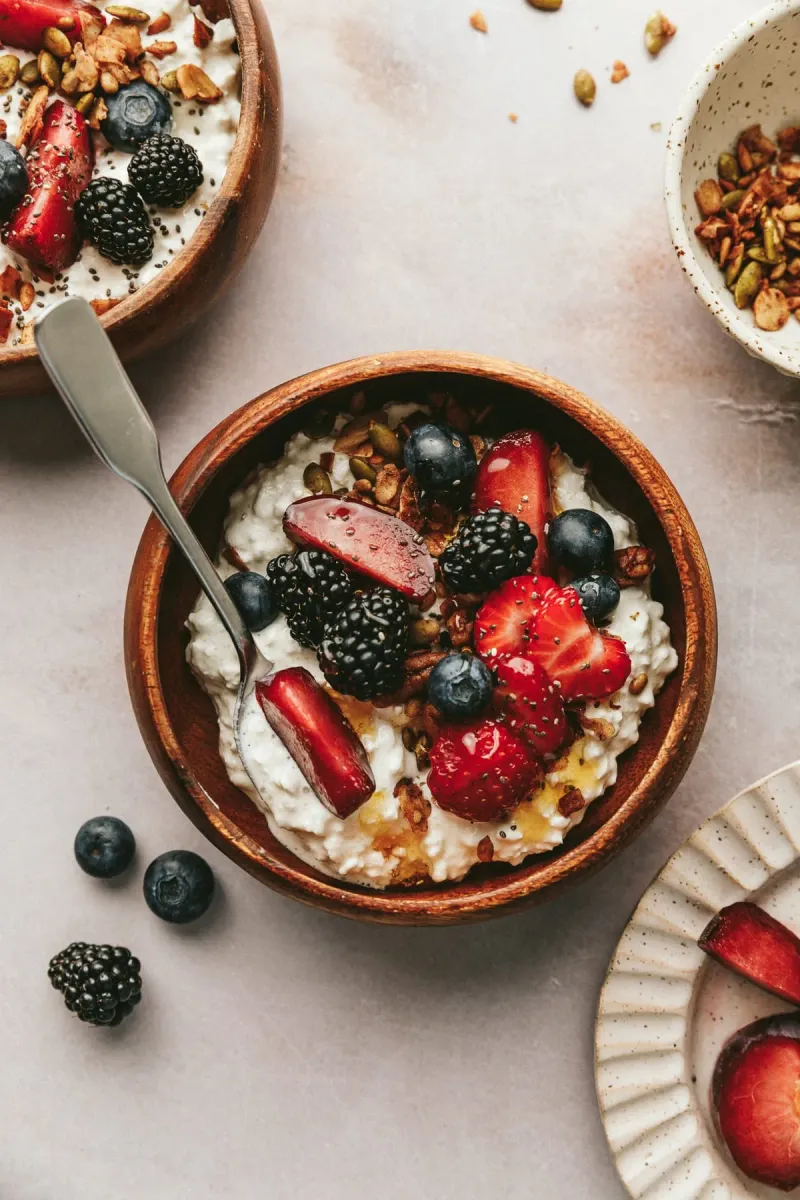
Cottage cheese has made a huge comeback, and honestly, it deserves the spotlight. One cup packs roughly 25 grams of protein, mostly slow-digesting casein that keeps hunger quiet for hours.
Pineapple, peaches, or berries add natural sweetness that balances the mild, salty taste.
Not a fan of the lumpy texture? Blend it smooth and use it like a creamy dip.
Many people are surprised how much they enjoy it.
Chickpeas and Spinach Curry
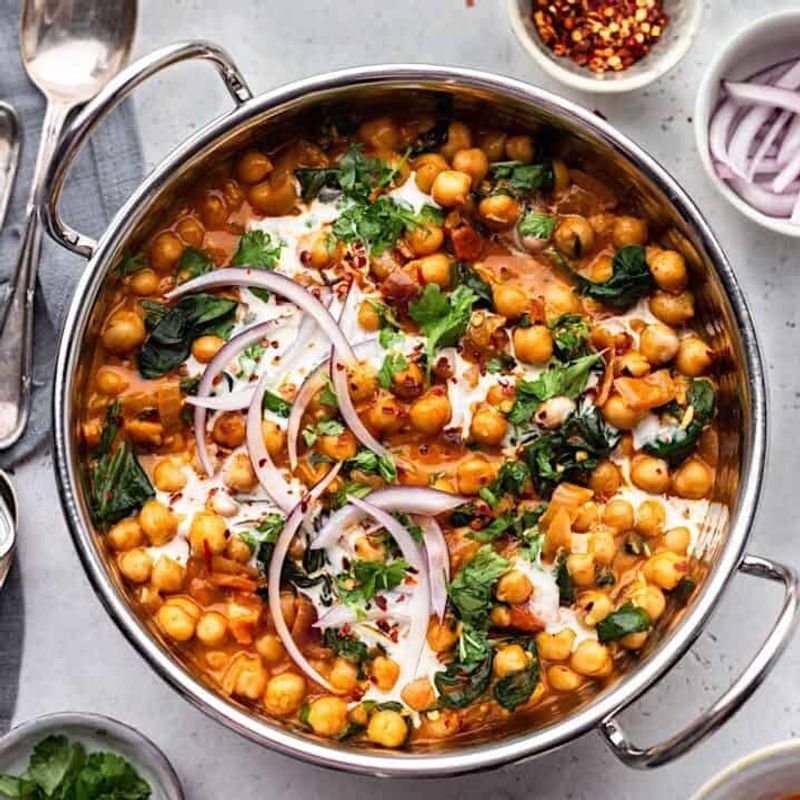
Warm spices drift through the kitchen as this curry simmers, and suddenly everyone wants to know what is for dinner.
Chickpeas, known as chana in India, bring about 14 grams of protein per cup. Spinach melts right into the tomato sauce, adding iron and color.
Serve it over rice or with naan to round out the protein. Leftovers often taste even better the next day, so make extra.
Tempeh and Sweet Potato
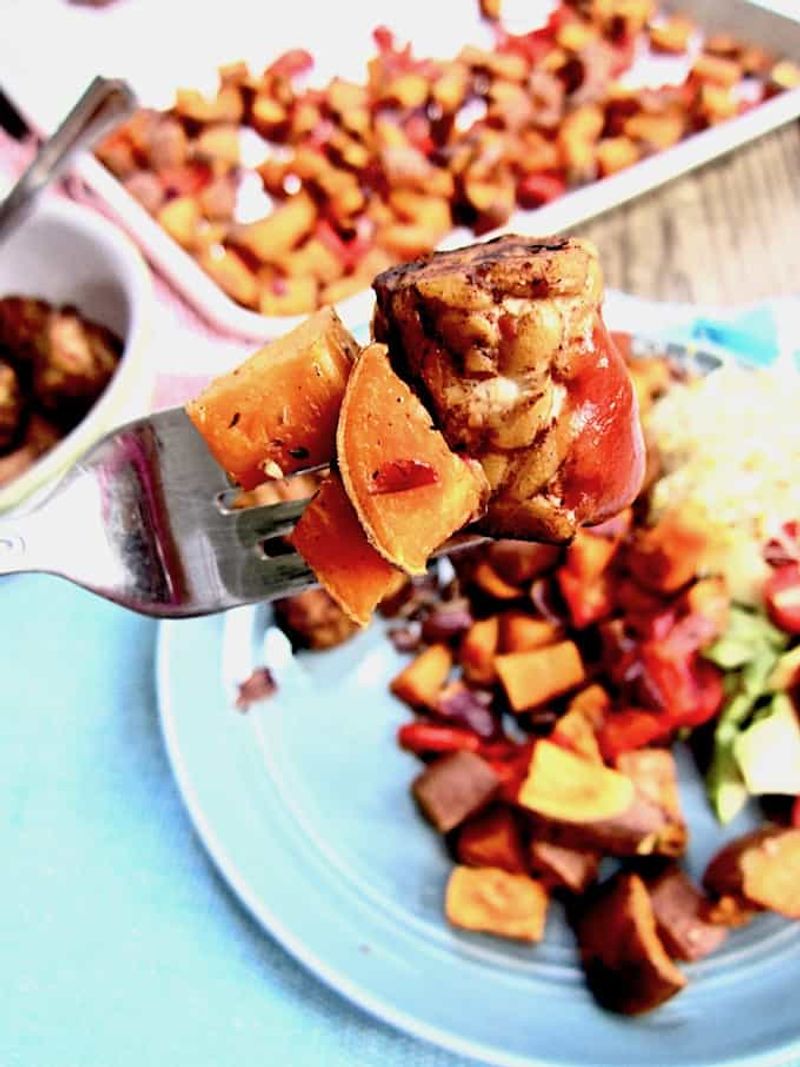
Ever tried tempeh? Born in Indonesia hundreds of years ago, it is made from fermented soybeans pressed into a firm, nutty cake.
Just three ounces deliver around 16 grams of protein, plus gut-friendly goodness from fermentation.
Roast tempeh slices beside sweet potato cubes on one sheet pan. The sweet, soft potatoes balance tempeh’s earthy bite perfectly.
Brush everything with maple and soy sauce for a sticky, irresistible glaze.
Pasta with White Beans
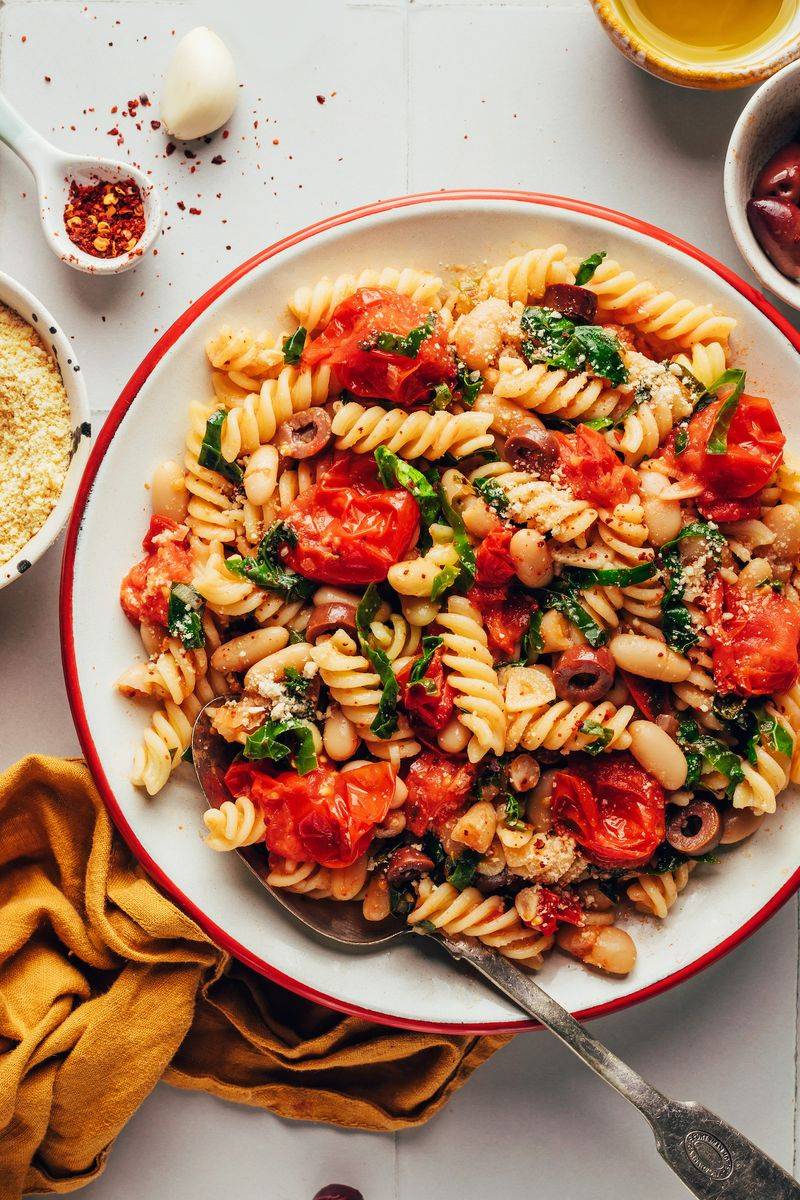
Italians have been tossing beans into pasta for generations, and a famous dish called pasta e fagioli proves it.
Creamy cannellini beans add fiber and protein, turning a plain noodle dinner into something far more filling. Choose whole wheat or chickpea pasta for an extra boost.
Sauté garlic in olive oil, add the beans and some cherry tomatoes, then finish with parmesan. Dinner is ready in fifteen minutes.
Oatmeal with Chia and Milk
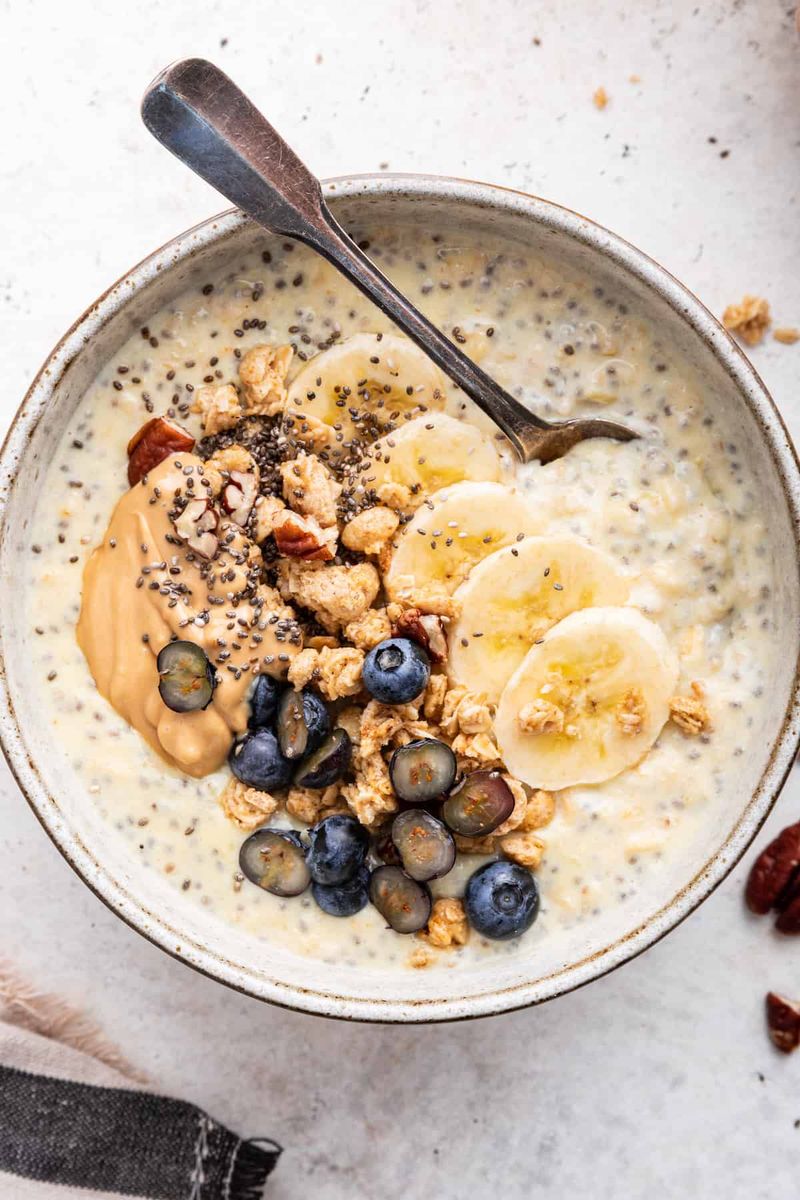
Swap water for milk in your morning oats and you instantly add about 8 grams of protein. Small change, big difference!
Stirring in a spoonful of chia seeds brings even more, along with omega-3 fats. Chia was once a prized food of the Aztecs, used for steady energy.
A swirl of almond butter makes the bowl creamy and rich. Top with fruit, and breakfast feels like a warm hug.
Black Bean Burger with Cheese
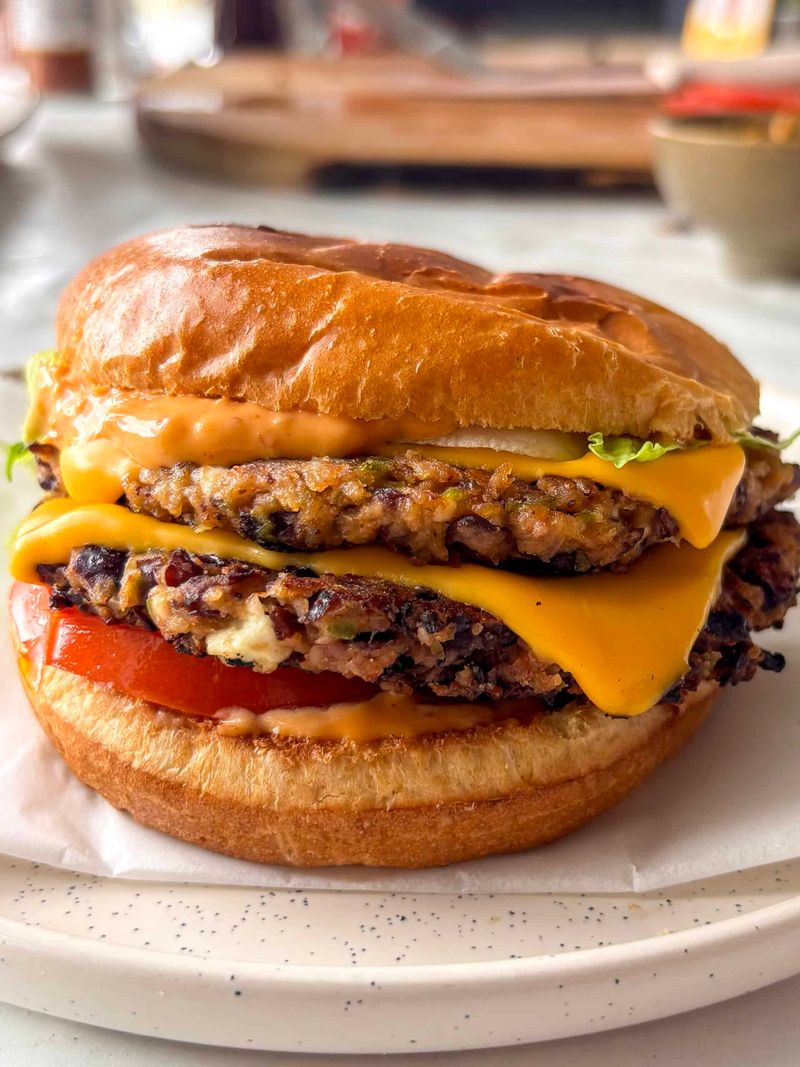
Backyard cookouts are not just for meat eaters. A homemade black bean patty topped with melted cheddar hits that juicy, savory craving.
The beans supply plant protein, the cheese adds more, and a whole grain bun ties it all together. Expect around 20 grams per burger.
Tip: chill the patties for thirty minutes before cooking so they hold their shape. Nobody likes a burger that crumbles mid-bite.
Edamame and Brown Rice Sushi Bowl
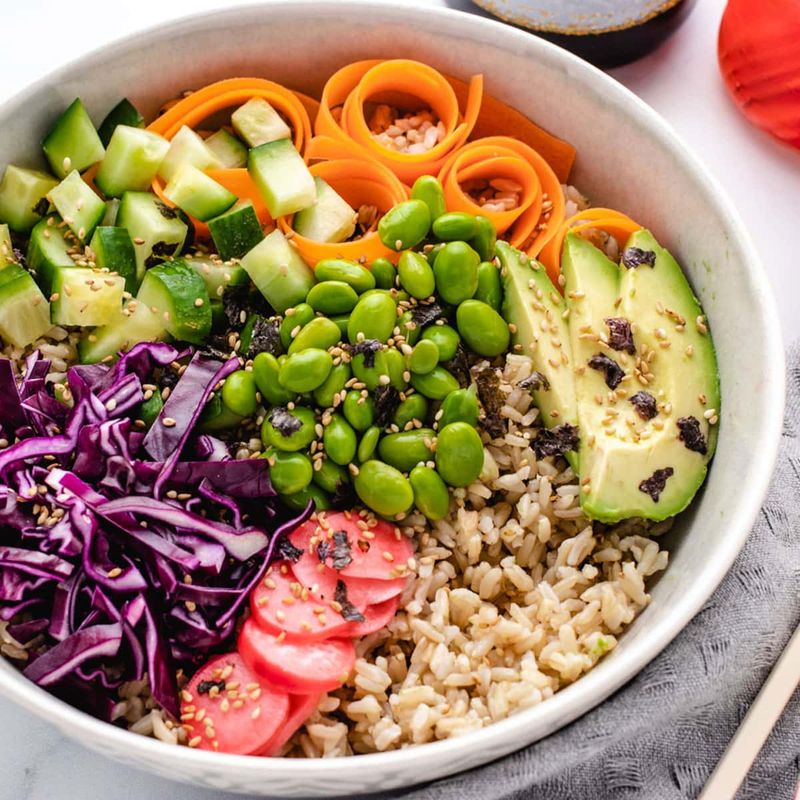
Love sushi but hate rolling it? Deconstruct everything into a bowl instead.
Start with brown rice, then pile on shelled edamame, cucumber, avocado, and crispy nori strips. Edamame alone gives about 17 grams of protein per cup, making this way more filling than a typical veggie roll.
Finish with sesame seeds and a splash of soy sauce. Kids especially love building their own bowls with favorite toppings.
Paneer and Peas
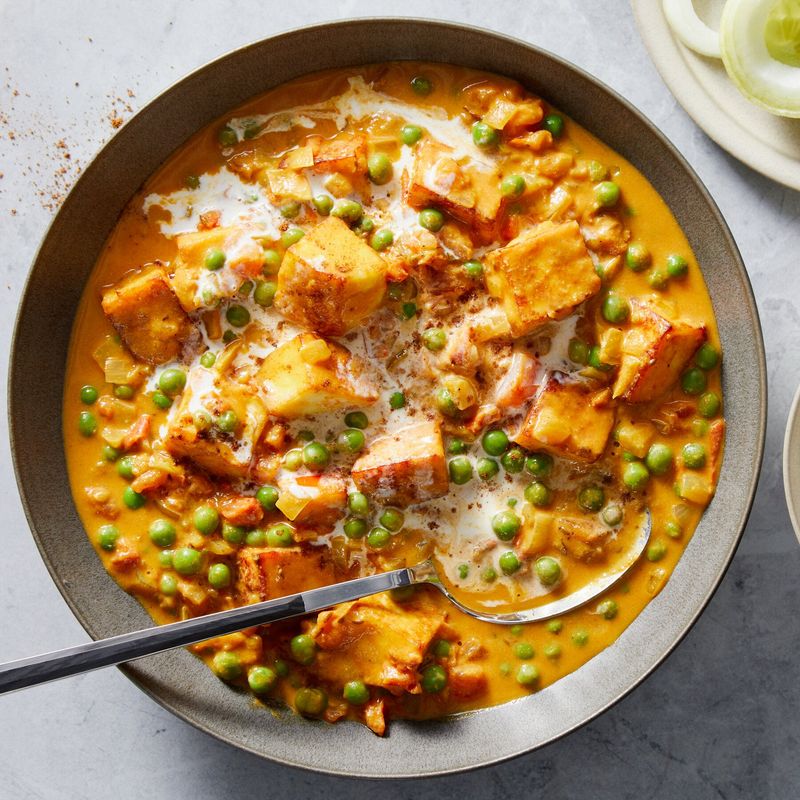
Matar paneer is a beloved dish in Indian homes, and one bite explains why. Soft cubes of paneer, a fresh cheese that does not melt, soak up a spiced tomato gravy.
Green peas might look tiny, yet each cup holds about 8 grams of protein. Paneer adds roughly 18 grams per hundred grams.
Scoop it up with roti or rice for a cozy, satisfying dinner the whole family will request again.
Trail Mix with Roasted Soybeans
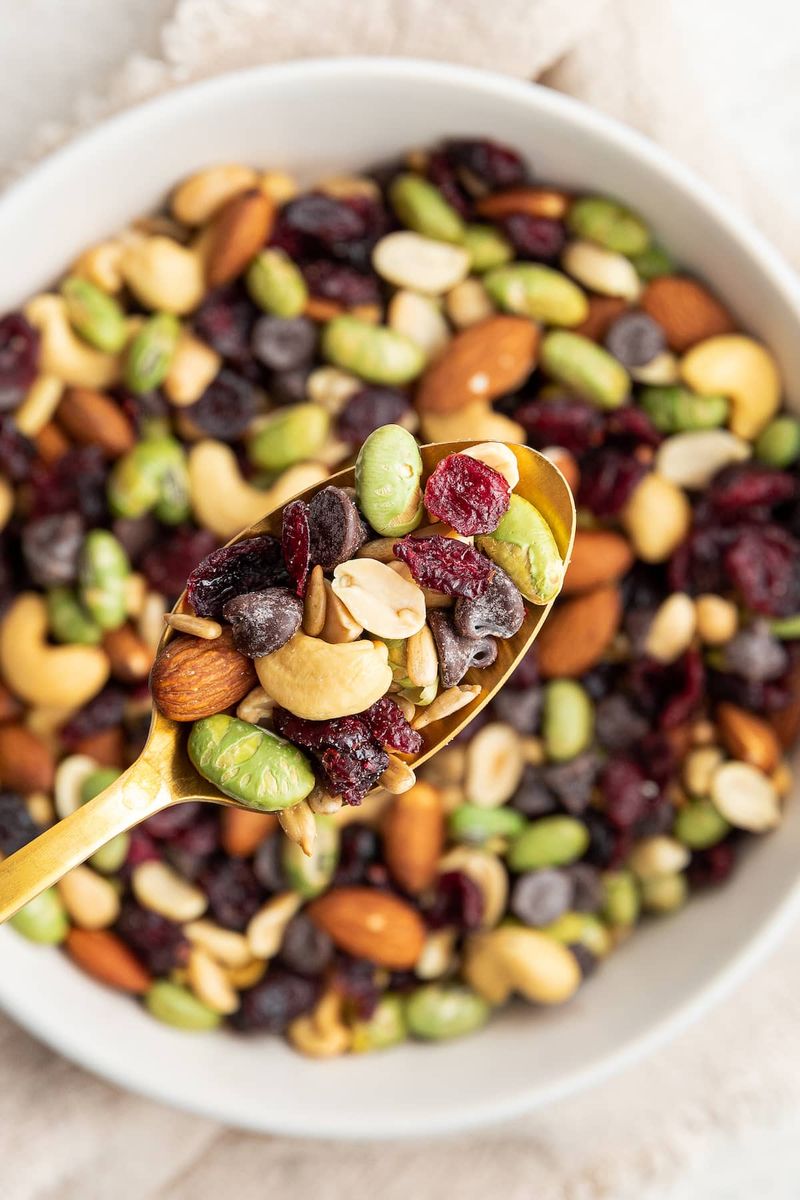
Hikers, students, and busy parents all need a snack that travels well. Homemade trail mix fits the bill, especially with roasted soybeans tossed in.
Those crunchy little beans carry about 11 grams of protein per quarter cup, more than most nuts. Mix them with almonds, pumpkin seeds, and dried cranberries.
A few dark chocolate chips make it feel like a treat. Portion it into small bags so grabbing one is effortless.