
Movies are powerful storytellers that can shape the way we see the world, relationships, and even ourselves. But sometimes, even the biggest blockbusters slip in some pretty questionable life lessons without meaning to.
From romanticizing stalkers to suggesting that makeovers equal self-worth, Hollywood has a habit of accidentally teaching us the wrong things. Here are 17 beloved films that might have you rethinking what you actually took away from them.
1. Barbie (2023)
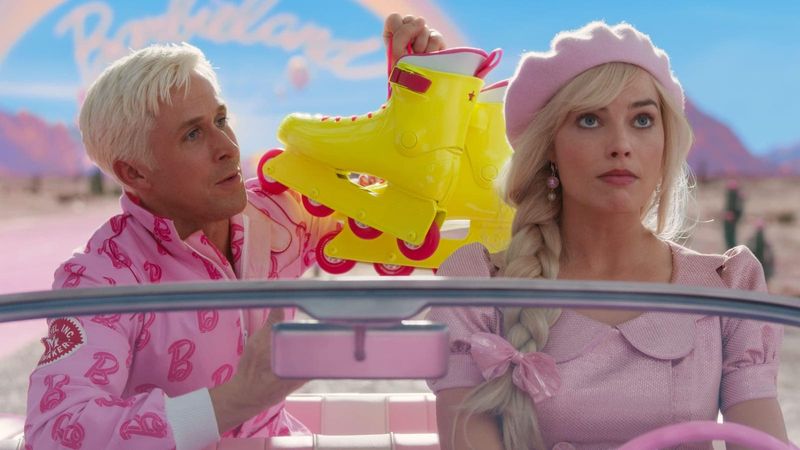
For a movie that takes aim at gender roles and capitalism, Barbie spends a surprising amount of time solving its problems with… more capitalism. The big feminist awakening mostly stays locked inside a fantasy world, which means the real world barely changes at all.
When a film’s message is “smash the system” but its conclusion is “buy something new,” the lesson gets a little murky. Great outfits, though.
2. Forrest Gump (1994)

Forrest Gump is charming, heartwarming, and weirdly political in a way many viewers miss. The film quietly suggests that following orders without question leads to success, while characters who challenge authority tend to suffer deeply.
Jenny, who rebels and questions the world around her, pays the ultimate price. Meanwhile, Forrest, who never questions anything, ends up rich and celebrated.
That is a strange reward system for a movie meant to inspire.
3. 300 (2007)

There is no shortage of abs in 300, but there is a serious shortage of nuance. The film frames the Spartans as pure heroes and portrays the Persian army as monstrous “others,” leaning hard into nationalism and aggressive masculinity.
When an entire movie teaches you that strength means domination and that outsiders are threats to be destroyed, it stops being just an action flick. It quietly becomes a blueprint for some pretty dangerous thinking.
4. Ferris Bueller’s Day Off (1986)
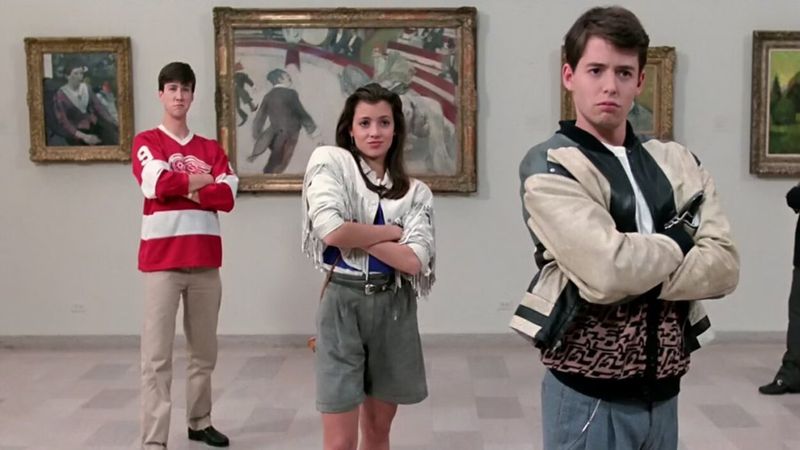
Ferris Bueller is everyone’s favorite rule-breaker, and the movie makes lying and skipping school look incredibly cool. He manipulates adults, skips class, and faces zero real consequences, while his anxious best friend Cameron does all the emotional heavy lifting.
The lesson the film accidentally sends is that charm cancels out accountability. Real life, unfortunately, does not work that way.
Charisma is great, but eventually someone has to face the music, and it usually is not Ferris.
5. The Lion King (1994)
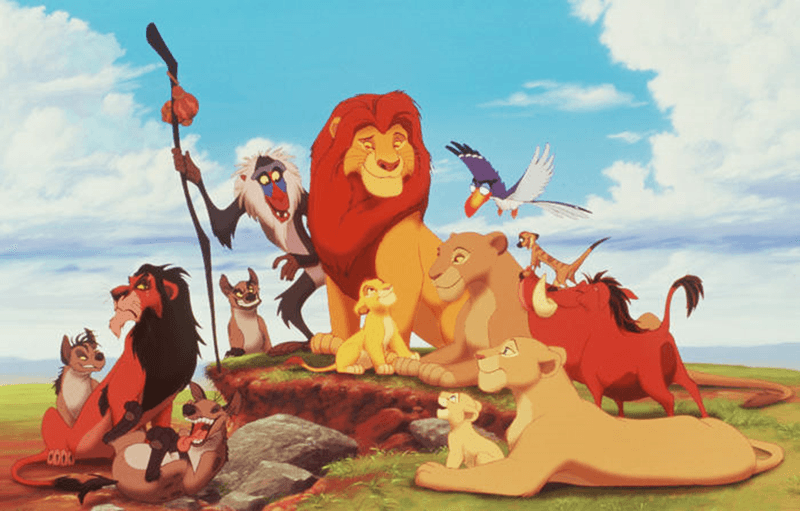
The Lion King is visually stunning and emotionally unforgettable, but its social hierarchy raises some eyebrows. The lions rule, the hyenas are villains, and the zebras and antelope just… accept being eaten.
It is presented as the natural order of things.
Basically, the film suggests that those born at the top deserve their power, and everyone else should just be grateful to be part of the circle of life. That is a lot to unpack from a cartoon.
6. Fight Club (1999)
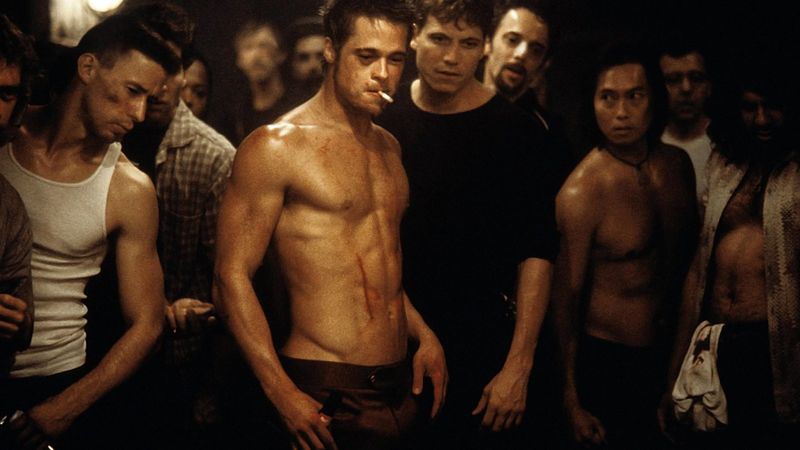
Fight Club is one of those films that tried to satirize toxic masculinity and nihilism but accidentally became a manual for it. Many viewers walked out wanting to start their own underground fighting rings rather than questioning why that impulse exists.
Director David Fincher intended the story as a critique, not a celebration. But when your antihero is this cool and your message this ambiguous, the satire tends to get lost in the leather jacket.
7. Twilight (2008)

Edward Cullen watches Bella sleep without her permission, controls who she spends time with, and disappears without explanation, yet the film frames all of this as deeply romantic. Millions of viewers swooned over behavior that relationship experts would flag immediately.
The accidental lesson here is that obsessive, controlling partners are passionate and devoted rather than alarming. Twilight had a massive cultural impact, which makes this particular message worth examining a little more critically than most fans ever did.
8. The Notebook (2004)

Ryan Gosling building a house to win back a girl who said no is considered one of cinema’s most romantic gestures. But strip away the music and the rain, and it looks a lot more like not taking no for an answer.
The Notebook also implies that explosive, dramatic relationships are the only ones worth having, and anything calm or stable is settling. That is a recipe for chasing emotional chaos and calling it love.
9. She’s All That (1999)

The entire premise of She’s All That rests on the idea that a girl becomes worthy of attention only after she changes her appearance. The popular guy takes on a bet to make the nerdy girl prom queen, and somehow this is supposed to be sweet.
Her intelligence and personality existed before the makeover, but the film only rewards her after she looks different. That is a rough message to send to young viewers who are already navigating enough pressure about how they look.
10. Project X (2012)

Project X follows three teens who throw a party so out of control it involves a flamethrower and a news helicopter. And yet, the ending treats them like legends.
The destruction of an entire neighborhood is basically their origin story for popularity.
No one faces meaningful consequences. The film accidentally tells its young audience that reckless behavior equals social status, which is exactly the kind of lesson that sounds exciting at 16 and catastrophic at 17.
11. Grease (1978)
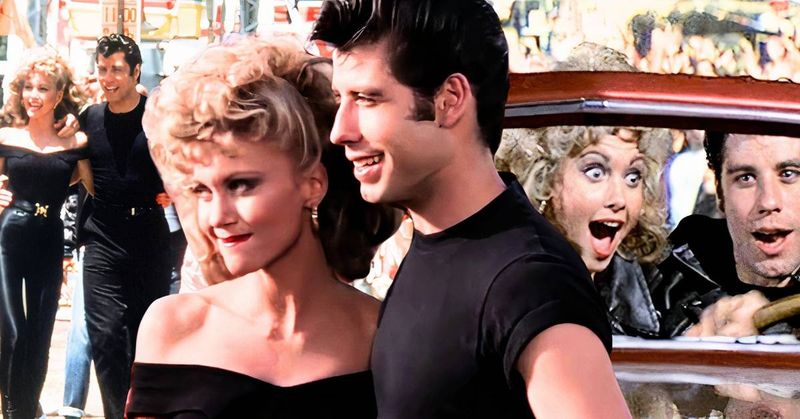
Sandy spends the entire film being told she is wonderful, only to change everything about herself in the final act to win Danny. She trades her wholesome personality for tight leather pants, and everyone celebrates.
Danny makes a half-hearted attempt to join the track team.
The effort to change is wildly unequal, and the movie cheers for the wrong person. Grease is a beloved classic, but its core message quietly says: be yourself, unless yourself is not cool enough for your crush.
12. The Breakfast Club (1985)

The Breakfast Club is a genuine classic about breaking down social walls, and its emotional moments still hit hard. But look a little closer and the film suggests that the fastest path to meaningful friendship is breaking rules together in detention.
Real connection takes more than shared rebellion. The movie also wraps everything up a little too neatly, implying that one Saturday can erase years of social division.
Emotional breakthroughs are rarely that tidy or that quick.
13. Reality Bites (1994)
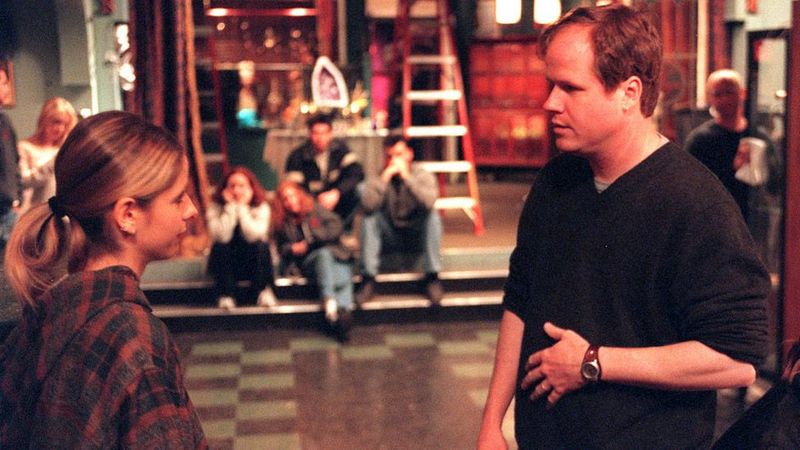
Reality Bites is a time capsule of 90s Gen X cool, and it wears its cynicism like a badge of honor. The film positions the slacker romantic lead as wise and authentic, while the ambitious corporate guy is portrayed as shallow and fake.
Ambition is treated like a character flaw, and aimlessness is rebranded as depth. That is a confusing message for any young viewer trying to figure out whether having goals makes them boring or just embarrassingly uncool.
14. Passengers (2016)

Jim wakes up 90 years too early on a spaceship and, rather than face the loneliness alone, wakes Aurora up without her consent, essentially ending her life as she planned it. The film then asks you to root for their romance.
Aurora eventually forgives him, and the story frames this as love conquering all. What it actually depicts is closer to a profound violation dressed up in starlight and Chris Pratt charm.
The audience is quietly asked to forget what actually happened.
15. Fifty Shades of Grey (2015)

Christian Grey is controlling, emotionally manipulative, and uses his wealth to keep Anastasia close. The films frame his troubled backstory as a reason to excuse every red flag, suggesting that understanding someone’s pain means accepting their harmful behavior.
Expensive gifts and helicopter rides are treated as stand-ins for genuine love and respect. Many critics and relationship counselors have pointed out that the series accidentally handed audiences a checklist of abuse warning signs and labeled it romance.
16. Love Story (1970)
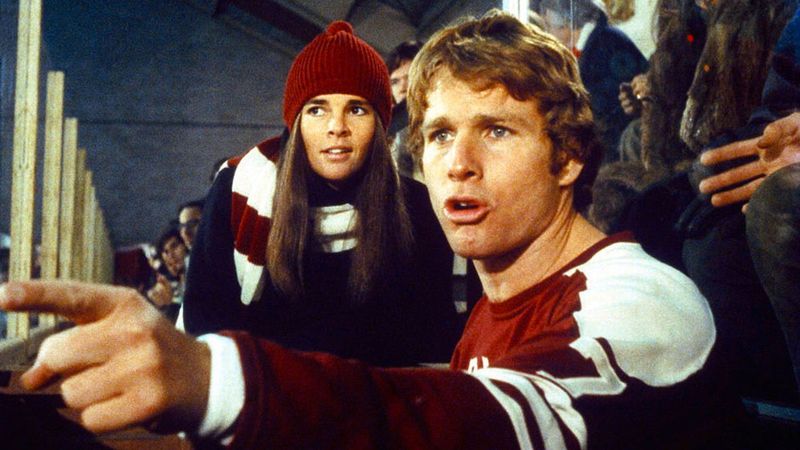
“Love means never having to say you’re sorry” is one of the most quoted movie lines ever, and also one of the most backwards relationship lessons ever put on screen. Apologies are not signs of weakness in a relationship.
They are signs of respect and accountability.
Telling someone you love them means caring enough to acknowledge when you have hurt them. The film meant to capture devotion but accidentally handed generations a reason to skip the most important part of any real apology.
17. Beauty and the Beast (1991)
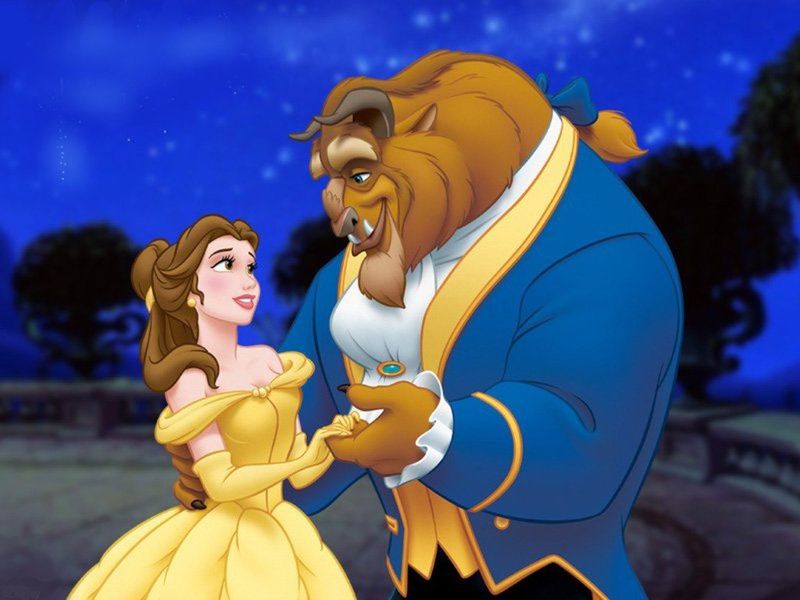
Belle is literally imprisoned by the Beast before she falls in love with him. The film is enchanting and the animation is gorgeous, but the romantic arc begins with captivity, which is a troubling foundation for a love story aimed at children.
Psychologists have long used this film as a textbook example of Stockholm Syndrome in popular culture. Belle’s warmth and bravery are genuinely admirable, but the story accidentally teaches kids that staying with someone who scares you can eventually become magical.