
Many people in the UK do not get enough of certain key nutrients, which can quietly affect energy levels, bone strength, and overall wellbeing. Poor diet is one of the biggest contributors to long-term health problems, yet small, simple food swaps can make a real difference.
The good news is that many nutrient-rich foods are already available in British supermarkets and are easy to add to everyday meals. Read on to discover 17 foods that can help fill those nutritional gaps and support a healthier future.
1. Oily Fish

Omega-3 fatty acids are something most British diets seriously lack, and oily fish is one of the best sources around. Salmon, mackerel, sardines, and trout are all packed with these healthy fats, which support heart health, brain function, and reduce inflammation.
Eating just two portions a week can make a noticeable difference. Many people find tinned sardines or mackerel an affordable and convenient option that fits easily into lunches or quick dinners.
2. Spinach
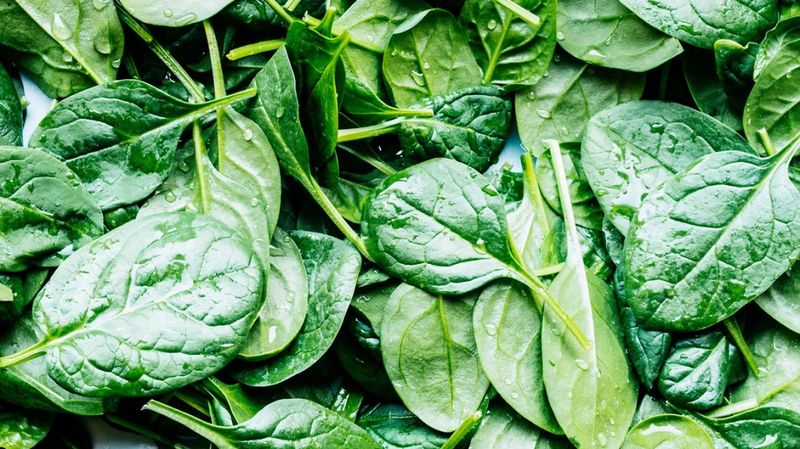
Popeye was onto something. Spinach is a powerhouse of iron, folate, and vitamins A, C, and K, making it one of the most nutritionally dense leafy greens you can eat.
Iron deficiency is surprisingly common in the UK, particularly among women and teenage girls.
Adding a handful of spinach to smoothies, pasta, or scrambled eggs is an almost invisible way to boost your intake. It wilts down significantly when cooked, so a large portion is easy to eat.
3. Fortified Breakfast Cereals

Not all cereals are created equal, but many fortified varieties are quietly doing a lot of nutritional heavy lifting. They are often enriched with vitamin D, iron, B vitamins, and folic acid, which are nutrients commonly missing from British diets.
Choosing a lower-sugar option with added vitamins means breakfast can genuinely set you up for the day. Look for cereals with at least 25% of your daily vitamin D and iron needs on the label for the best benefit.
4. Eggs

Few foods are as versatile and nutrient-dense as eggs. They are one of the very few natural dietary sources of vitamin D, which is a nutrient the UK population is chronically short of, especially during the long winter months.
Eggs also provide high-quality protein, B12, selenium, and choline, which supports brain health. Boiled, poached, scrambled, or baked, they fit into almost any meal.
Free-range eggs tend to have slightly higher nutrient levels too, making them worth the small extra cost.
5. Lentils
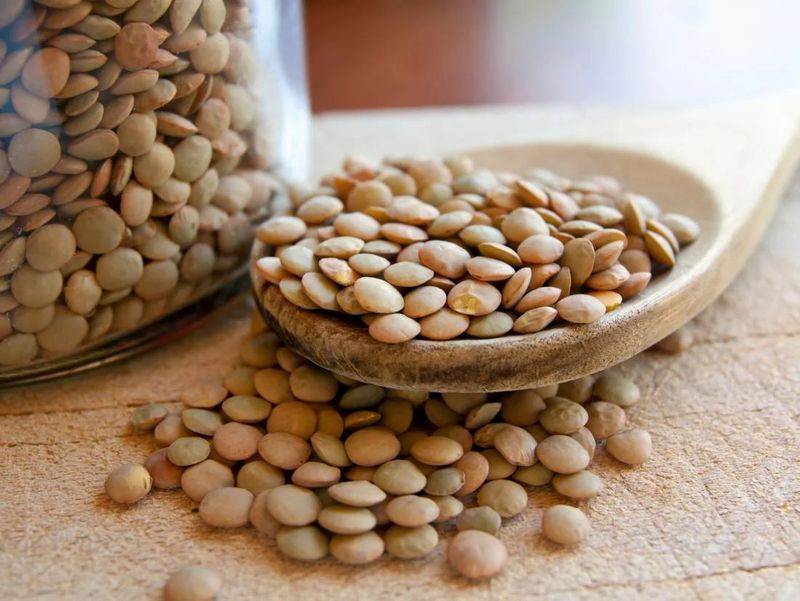
Lentils have been eaten for thousands of years, yet they remain underused in most British households. That is a real shame, because they are loaded with plant-based protein, fibre, iron, and folate, all of which support gut health, energy levels, and long-term disease prevention.
They are also incredibly affordable and cook quickly without needing to be soaked overnight. Stir them into soups, curries, or bolognese for an easy nutritional upgrade that most people will not even notice.
6. Kefir
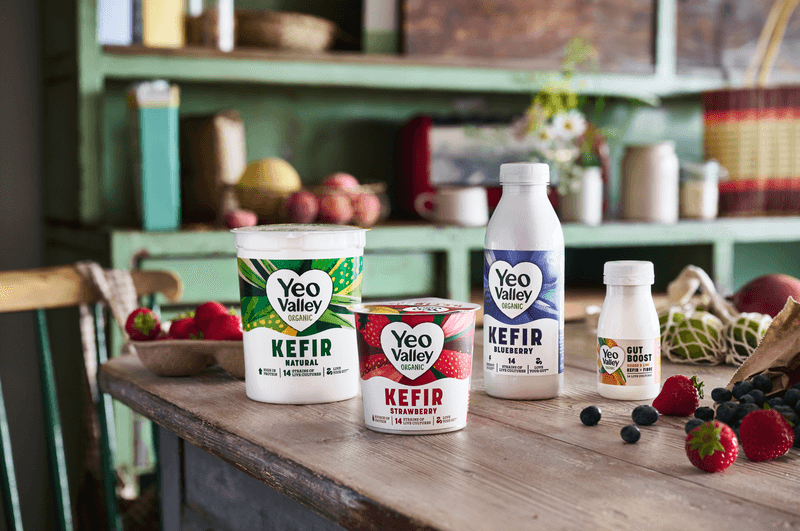
Gut health has become a hot topic in nutrition, and kefir is one of the most effective fermented foods for supporting a healthy microbiome. This tangy, yoghurt-like drink is packed with live probiotic cultures that help balance the bacteria in your digestive system.
A healthy gut is linked to better immunity, mental health, and nutrient absorption. Kefir is now widely available in UK supermarkets and works well in smoothies, overnight oats, or simply drunk on its own as a daily habit.
7. Sweet Potatoes
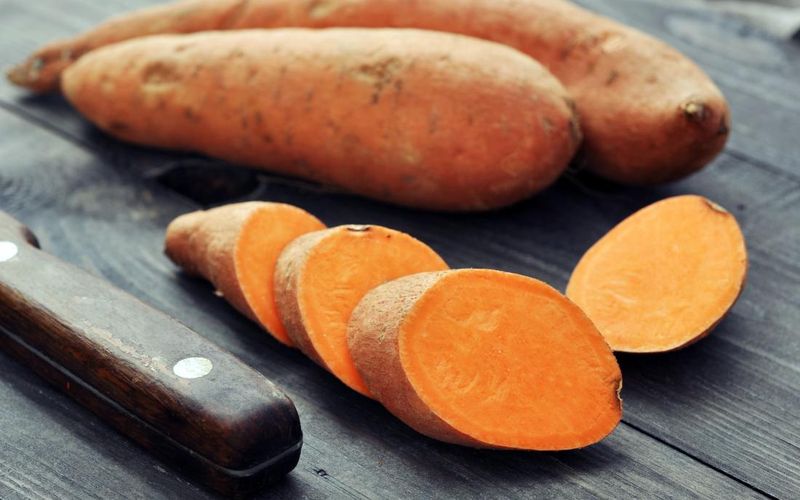
Swapping regular potatoes for sweet potatoes every now and then is one of the simplest upgrades you can make to a British diet. Sweet potatoes are rich in beta-carotene, which the body converts into vitamin A, a nutrient important for eye health, skin repair, and immune function.
They also have a lower glycaemic index than white potatoes, meaning they release energy more slowly and keep you fuller for longer. Roasted, mashed, or baked whole, they are just as comforting and satisfying.
8. Walnuts
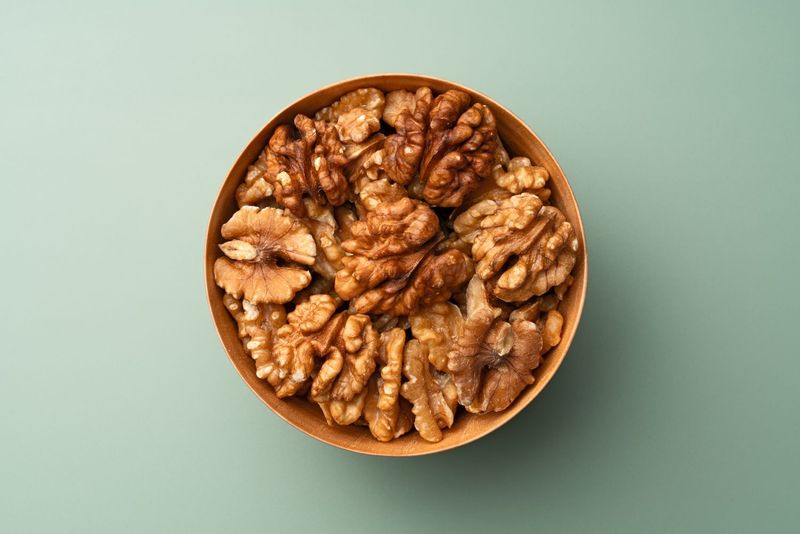
Among all the nuts you can snack on, walnuts stand out for one key reason: they are the richest plant source of ALA omega-3 fatty acids. Most British people fall short on omega-3s, and walnuts offer a simple, no-cook way to top up your levels throughout the day.
Research also links regular walnut consumption to improved heart health, lower inflammation, and better cognitive function as we age. A small handful, around 30 grams, makes a satisfying snack that keeps hunger at bay between meals.
9. Broccoli

Broccoli is one of those vegetables that genuinely earns its reputation as a superfood. It contains vitamin C, vitamin K, folate, fibre, and sulforaphane, a plant compound linked to reduced cancer risk in several studies.
Despite being a staple in many British homes, it is often overcooked until the nutrients are mostly gone. Steaming or lightly stir-frying broccoli for just a few minutes preserves far more of its goodness.
Eating it regularly is one of the easiest long-term health investments you can make.
10. Sunflower Seeds
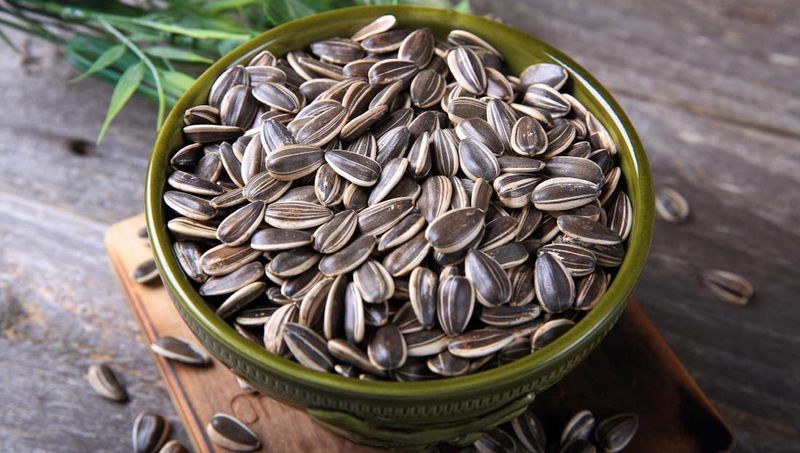
Tiny but mighty, sunflower seeds are one of the best food sources of vitamin E, a powerful antioxidant that many British people do not consume in sufficient amounts. Vitamin E protects cells from damage, supports immune function, and plays a role in skin health.
They are also a good source of magnesium and selenium. Sprinkle them over salads, yoghurt, or porridge for a satisfying crunch.
A small 30-gram serving delivers a meaningful chunk of your daily vitamin E needs with very little effort.
11. Chickpeas
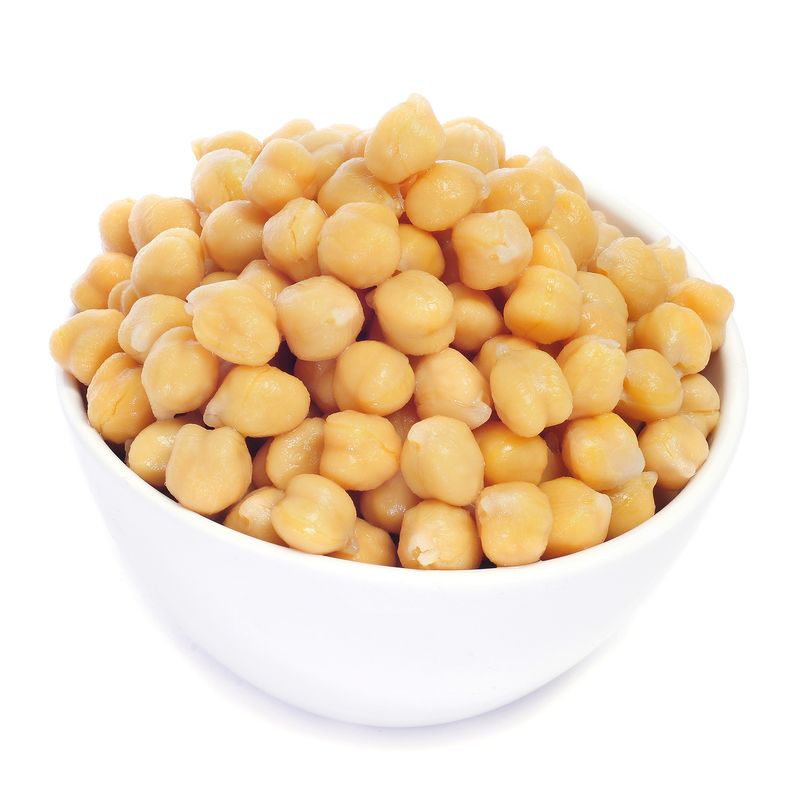
Chickpeas are quietly one of the most nutritious foods available, yet they remain underappreciated in the average British diet. Rich in plant protein, fibre, folate, iron, and zinc, they support everything from digestive health to stable blood sugar levels and heart function.
Canned chickpeas are cheap, require no preparation, and can be tossed into salads, roasted for a crunchy snack, or blended into hummus. Increasing legume consumption is one of the most evidence-backed dietary changes for long-term health improvement.
12. Full-Fat Greek Yoghurt

Greek yoghurt has a well-earned place in any health-conscious diet. It is rich in calcium, which is essential for strong bones and teeth, and provides a generous amount of high-quality protein that supports muscle maintenance, especially as we get older.
Unlike low-fat varieties that often contain added sugar, full-fat Greek yoghurt is more satisfying and nutritionally complete. It also contains probiotics that support gut health.
Use it as a swap for soured cream, mayonnaise, or sugary desserts throughout the week.
13. Pumpkin Seeds
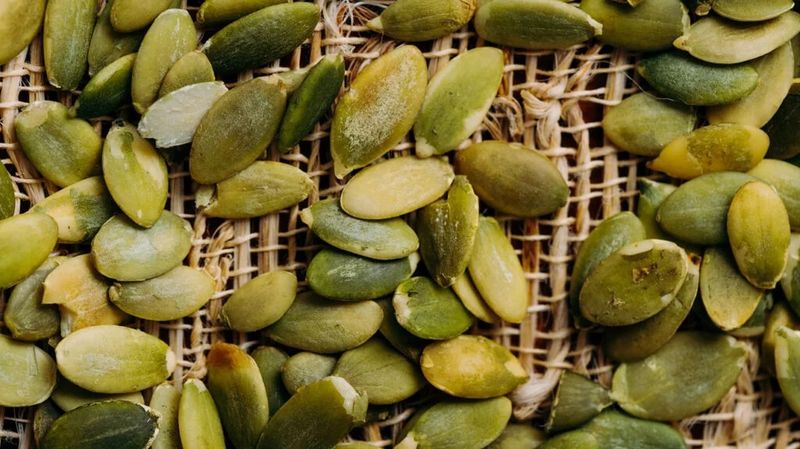
Magnesium deficiency is more common than most people realise, and it can contribute to poor sleep, muscle cramps, anxiety, and low energy. Pumpkin seeds happen to be one of the richest food sources of magnesium available, making them a genuinely useful addition to a British diet.
They also provide zinc, iron, and healthy fats. A small handful added to porridge, salads, or trail mix each day can steadily improve your intake of several minerals that most people overlook entirely in their daily eating habits.
14. Dark Chocolate

Good news for chocolate lovers: dark chocolate with at least 70% cocoa content is genuinely good for you in moderate amounts. It contains flavonoids that support heart health, improve blood flow, and have been linked to lower blood pressure in multiple clinical studies.
It also provides magnesium, iron, and zinc. The key is moderation.
A square or two a day is enough to enjoy the benefits without overloading on calories or sugar. Choose varieties with minimal added ingredients for the cleanest nutritional profile.
15. Mushrooms
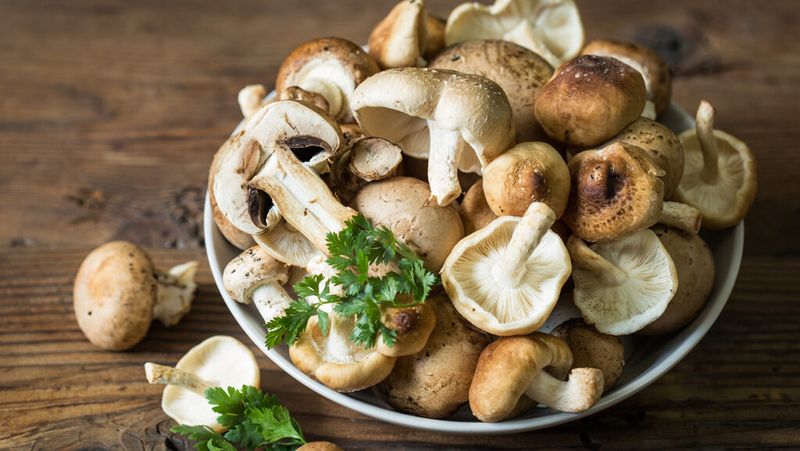
Mushrooms are the only plant food that naturally produces vitamin D when exposed to sunlight, which makes them genuinely unique in the plant kingdom. With the UK’s notoriously limited sunshine, this makes vitamin D-rich mushrooms a particularly valuable food for British diets.
Leaving mushrooms gill-side up on a sunny windowsill for 30 minutes before cooking can dramatically boost their vitamin D content. They also provide B vitamins, selenium, and antioxidants.
Portobello, shiitake, and chestnut varieties are all widely available in UK supermarkets.
16. Flaxseeds
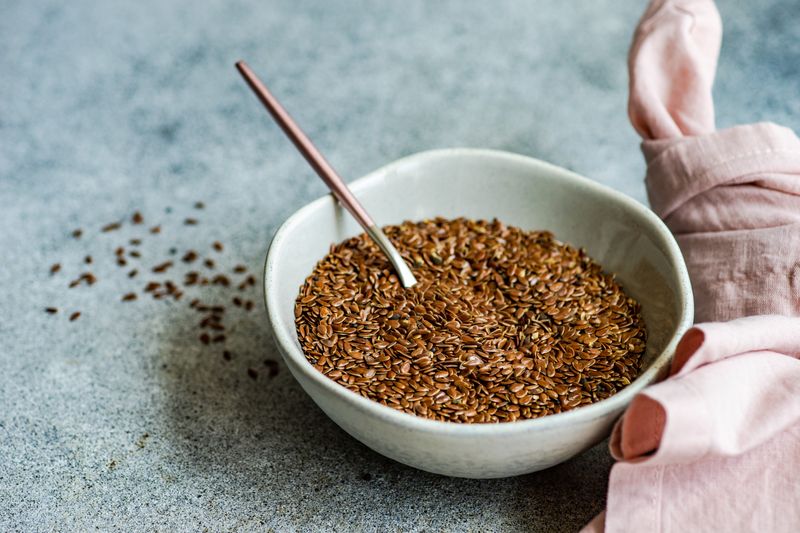
Flaxseeds are one of the most fibre-rich foods you can add to your diet, and fibre is something most British adults consume well below the recommended 30 grams per day. Just two tablespoons of ground flaxseeds provide around 4 grams of fibre along with omega-3 fatty acids and lignans, which are plant compounds linked to hormonal balance and reduced cancer risk.
Ground flaxseeds are far easier for the body to absorb than whole ones. Stir them into porridge, smoothies, or yoghurt daily.
17. Tinned Tomatoes

Tinned tomatoes might be the most underrated health food in any British kitchen cupboard. Cooking and processing tomatoes actually increases their lycopene content, a powerful antioxidant linked to reduced risk of prostate cancer, heart disease, and stroke.
They are also rich in vitamin C, potassium, and folate. Affordable, shelf-stable, and incredibly versatile, tinned tomatoes form the base of countless meals from pasta sauces to soups and stews.
Using them regularly is one of the easiest ways to boost antioxidant intake without changing your cooking style dramatically.