
A strong spark can catch your attention, but everyday actions tell you much more about a person. Choosing a good partner means looking for someone who respects you, shares your values, and makes room for your needs.
Taking your time can help you spot both caring habits and warning signs before you make a big commitment.
1. Get Clear About Your Own Needs

Before you make room for someone else, check what matters most to you. Think about the moments when you feel respected, safe, and understood.
Write down your values, personal limits, and hopes for a relationship.
Notice patterns from earlier dating experiences without judging yourself. Perhaps you often stay quiet to avoid upsetting someone.
Knowing that habit helps you practice speaking up and choose someone who welcomes your honest thoughts instead of making you feel small.
2. Separate Must-Haves From Nice Extras

A charming smile cannot make up for repeated disrespect. Create two short lists: five qualities you need and five behaviors you will not accept.
Keep them focused on character, safety, and daily compatibility rather than appearance.
Kindness might be essential, while sharing your favorite music may simply be a bonus. Revisit your lists as you learn about yourself.
Stay flexible about small preferences, but do not bargain away your dignity just to keep someone interested.
3. Notice How They Handle Feelings

Picture sharing a rough day and hearing a thoughtful response instead of a joke at your expense. Someone with emotional awareness tries to understand your feelings, even when their own experience is different.
Watch whether they can name their emotions and calm themselves without blaming you. You can ask whether they want comfort, advice, or space, too.
A caring match makes room for both people’s feelings rather than treating one person’s needs as the priority.
4. Let Small Promises Reveal Honesty

Trust often grows through ordinary moments, not grand speeches. Do they arrive when promised, return borrowed things, and tell you when plans change?
Look for words and actions that match over time.
Everyone makes mistakes, but excuses should not become the usual story. Notice whether they admit uncomfortable truths without being caught first.
You deserve clear answers, yet healthy trust does not require sharing passwords, tracking locations, or giving up all privacy to prove loyalty.
5. Listen for Real Two-Way Conversation

Ever leave a date knowing their whole life story while they know almost nothing about you? That imbalance deserves attention.
Good conversation includes curiosity, listening, and enough space for both people to finish their thoughts.
Share a small need clearly, such as wanting more notice before plans change. Observe whether they ask questions and try to understand.
Neither person needs perfect wording, but both should be willing to clarify, listen, and return to difficult topics.
6. Compare the Values Behind Your Choices

Matching hobbies are fun, but shared values help guide bigger decisions. Talk about family, work, faith, fairness, and what a meaningful life looks like.
Ask for examples rather than relying only on broad labels.
Two people may both value family yet disagree about how much time relatives should receive. Explore those differences with care.
You do not need identical opinions on everything, but major choices should leave room for both people to live with integrity.
7. Look for Ownership and Personal Growth

An honest apology has more value when something changes afterward. Pay attention to whether a person can admit a mistake, hear feedback, and take steps to do better without turning the blame toward you.
Growth does not mean becoming flawless or agreeing with every criticism. It means being willing to reflect and learn.
Ask about a lesson they learned recently. Their answer may show whether they see challenges as chances to improve or someone else’s fault.
8. Expect Respect in Everyday Moments

Your interests do not need to match for your partner to take them seriously. Someone who cares can ask about your project, celebrate your progress, and disagree without making you feel foolish or unworthy.
Watch for teasing that continues after you ask it to stop. Public putdowns, cruel jokes, and pressure are not signs of affection.
Choose a person who respects your choices in private and around others, including when they feel disappointed or frustrated.
9. Test Your Fit in Ordinary Life

A lovely dinner date reveals only one slice of a person. Spend time doing ordinary things together, like cooking, walking, or choosing weekend plans.
Notice whether your energy levels and habits work reasonably well together.
Attraction matters, but comfort matters too. Can you enjoy quiet moments without performing or trying to impress?
Different interests are fine when both people make room for them. Aim for a workable match, not a copy of your own personality.
10. Protect Space for Separate Lives
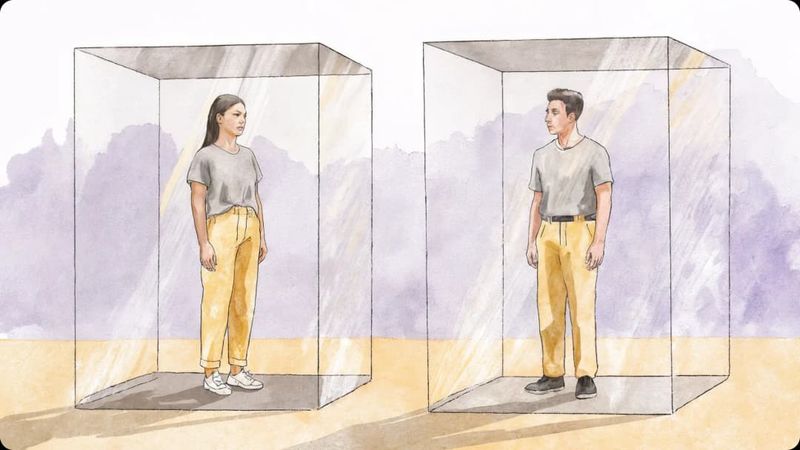
Love should add to your world, not shrink it. Keep seeing friends, enjoying hobbies, and making choices that belong to you.
A suitable partner supports that freedom while maintaining a life of their own.
Practice setting a simple limit, such as needing an evening alone. Their response can reveal a lot.
Disappointment is understandable, but guilt trips, threats, or demands for constant access are warning signs. You never owe someone unlimited time, attention, or affection.
11. Watch Their Kindness Beyond the Date

The waiter brings the wrong order. A friend cancels.
Traffic ruins the evening. Small frustrations can show how someone behaves when life does not go their way, especially around people they are not trying to impress.
Look for patience and basic courtesy across different settings. One tired moment does not define a person, but repeated cruelty deserves attention.
Avoid creating secret tests or provoking reactions. Real situations provide enough information when you observe them carefully.
12. Give the Relationship Time to Unfold

Excitement can make a new connection feel certain before you know much about it. Enjoy the spark while keeping your usual routines.
Allow time to see each other across different moods, responsibilities, and situations.
There is no universal deadline for commitment. What matters is having enough experience to make an informed choice without pressure.
Be cautious if someone pushes major promises, shared money, or moving in before you feel ready. Healthy interest can respect a slower pace.
13. Bring Up Big Plans Before Big Commitments

Some differences are easier to face before your lives become closely linked. Discuss whether you want children, how you handle money, where you hope to live, and what commitment means to each of you.
Keep the tone curious rather than turning the date into an interview. Share your own answers and leave space for uncertainty.
If your goals clash, believe what you hear instead of building a future around the hope that someone will change.
14. Show Up as Your Real Self

Pretending to love hiking gets tiring when every weekend involves a mountain. Let your real interests, opinions, and personality show, even if you worry they might not impress someone.
Honest connection needs accurate information.
You can be thoughtful without agreeing to everything. Mention a different preference, wear clothes you enjoy, or admit when something is not your thing.
Notice whether they remain interested and respectful. Being accepted should not require hiding the parts that make you yourself.
15. Learn From Disagreements, Not Just Good Days

A disagreement is not automatically a bad sign. The useful question is whether both people can stay respectful while wanting different things.
Notice listening, fair compromises, and a willingness to return after a calming break.
Name-calling, threats, intimidation, and pressure are different from ordinary conflict. You do not need to start an argument to assess someone.
When a natural difference appears, explain your concern plainly and watch whether solving the problem matters more than winning.
16. Explore Their Past Without Passing Quick Judgment

Stories about old friendships and past relationships can reveal useful patterns. Ask what they learned and what they might handle differently now.
Listen for honest reflection rather than a story where everyone else is always wrong.
Family relationships need extra care because distance can reflect healthy boundaries, not poor character. Avoid demanding private details or judging someone by their upbringing.
Focus on how they treat people today and whether they take responsibility for their choices.
17. Check How the Relationship Actually Feels

A person can look wonderful on paper while leaving you tense or unheard. After spending time together, pause and notice your experience.
Do you feel respected, free to speak, and able to be yourself?
Feelings offer clues, but compare them with behavior over time. Strong chemistry does not cancel control, fear, or repeated harm.
If you feel unsafe, seek support from someone you trust or a local service. Choosing well includes giving yourself permission to leave.