
Most people walk past the strange-looking cuts at the butcher counter and grab the same old steaks and chicken breasts. That habit means missing out on some of the richest, most flavorful meat around, often at a much lower price.
Many of these forgotten cuts just need a little patience, the right heat, or a good marinade to shine. Once you learn how to cook them, your dinners can taste better while your grocery bill gets smaller.
1. Beef Cheeks
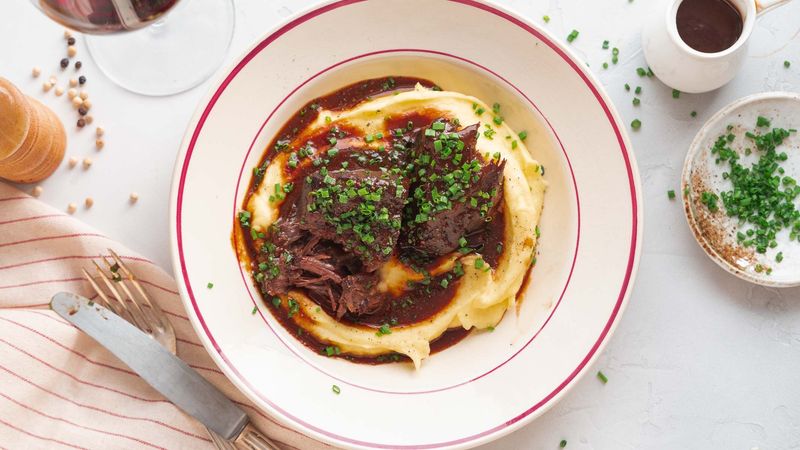
Picture a cow chewing grass all day long. Those hardworking face muscles become beef cheeks, packed with tough connective tissue that melts into pure silk when cooked slowly.
Brown them first, then braise in broth or red wine for about three hours. The meat turns so tender you can cut it with a spoon.
Serve over mashed potatoes or polenta, and spoon plenty of that rich sauce on top.
2. Oxtail
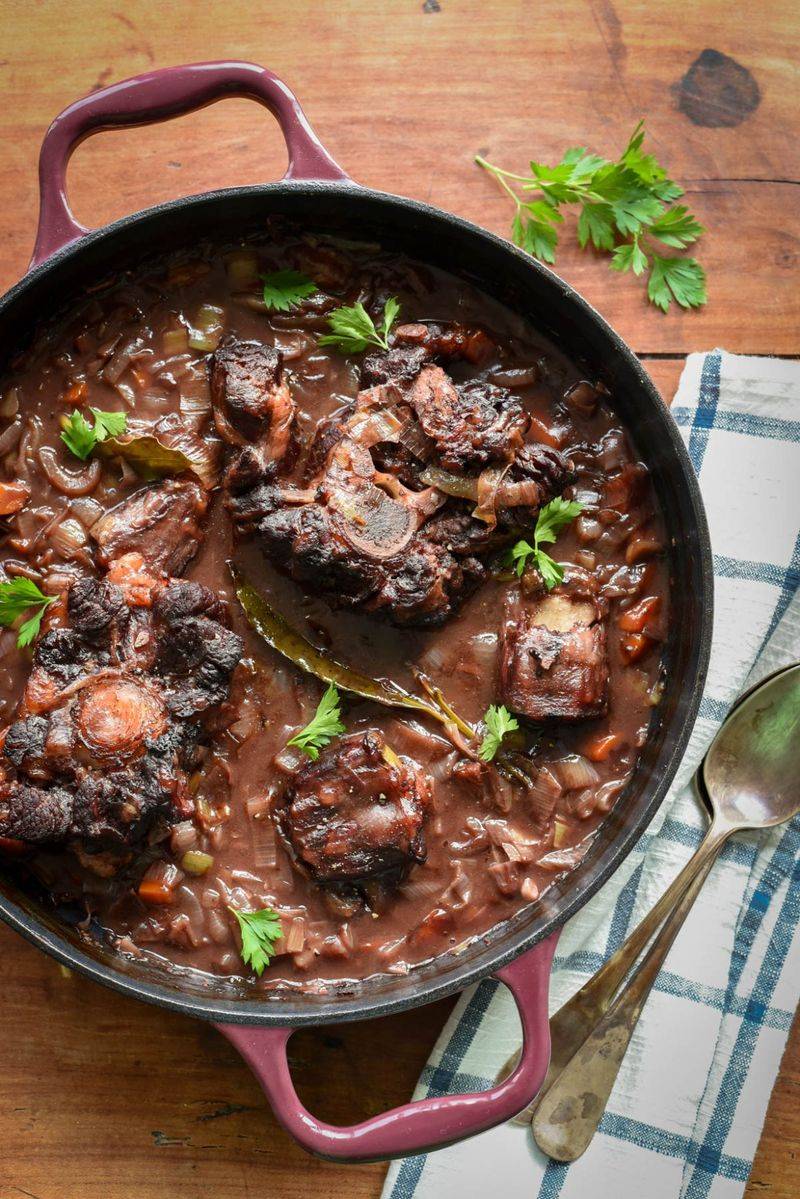
Grandmothers in Jamaica, Korea, and Italy have known the secret for generations. Oxtail, once sold cheaply as scraps, makes one of the most comforting stews on Earth.
The bones release gelatin as they simmer, giving the gravy a thick, lip-sticking richness. Plan on three to four hours of low, slow cooking.
A pressure cooker cuts that time to about an hour. Pair it with rice and beans for a cozy meal.
3. Pork Shoulder
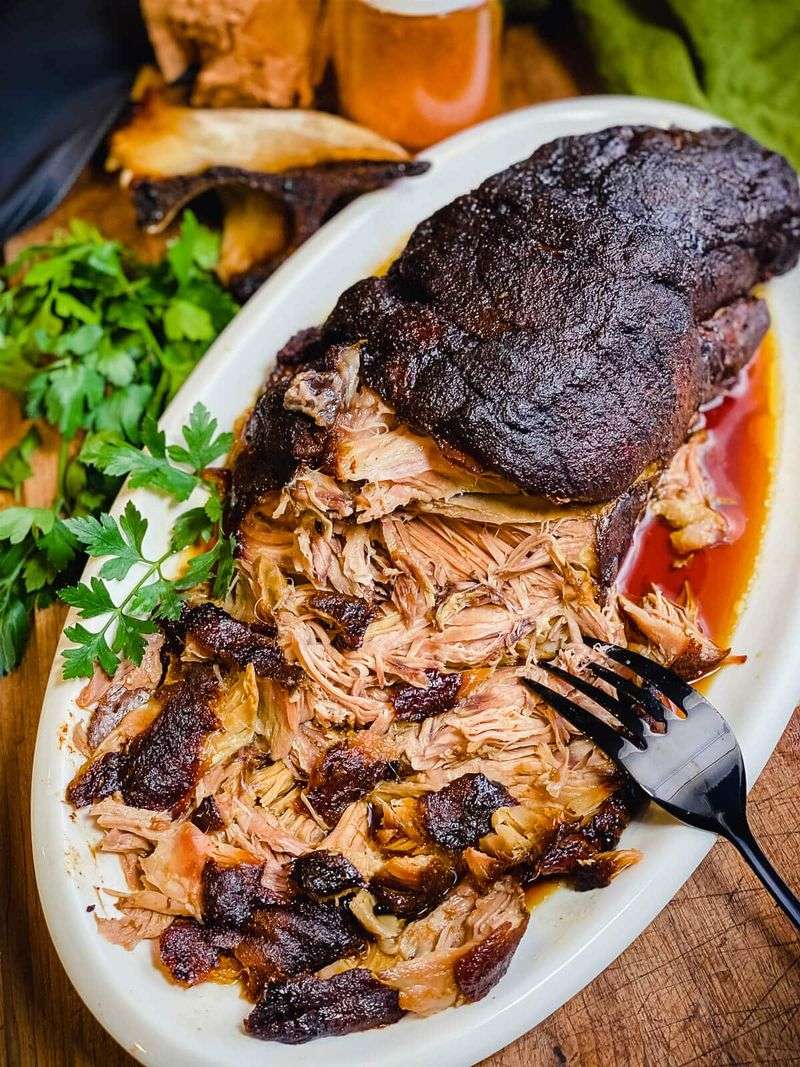
Fun fact: the cut called pork butt actually comes from the shoulder, not the rear end! Butchers in colonial New England stored it in barrels called butts.
Whatever you call it, this marbled cut is a barbecue champion. Rub it with spices and roast at low heat for hours.
The fat slowly bastes the meat from inside. Shred it for sandwiches, tacos, or fried rice, and enjoy leftovers all week.
4. Chicken Thighs

Ask any restaurant chef which part of the chicken they cook at home, and many will say thighs. Dark meat has more fat and flavor than lean breasts.
Better yet, thighs forgive mistakes. Overcook them a few minutes and they still stay juicy.
Try searing them skin-side down in a hot skillet until the skin crackles like a chip. Then finish them in the oven with garlic, lemon, and herbs.
5. Flank Steak
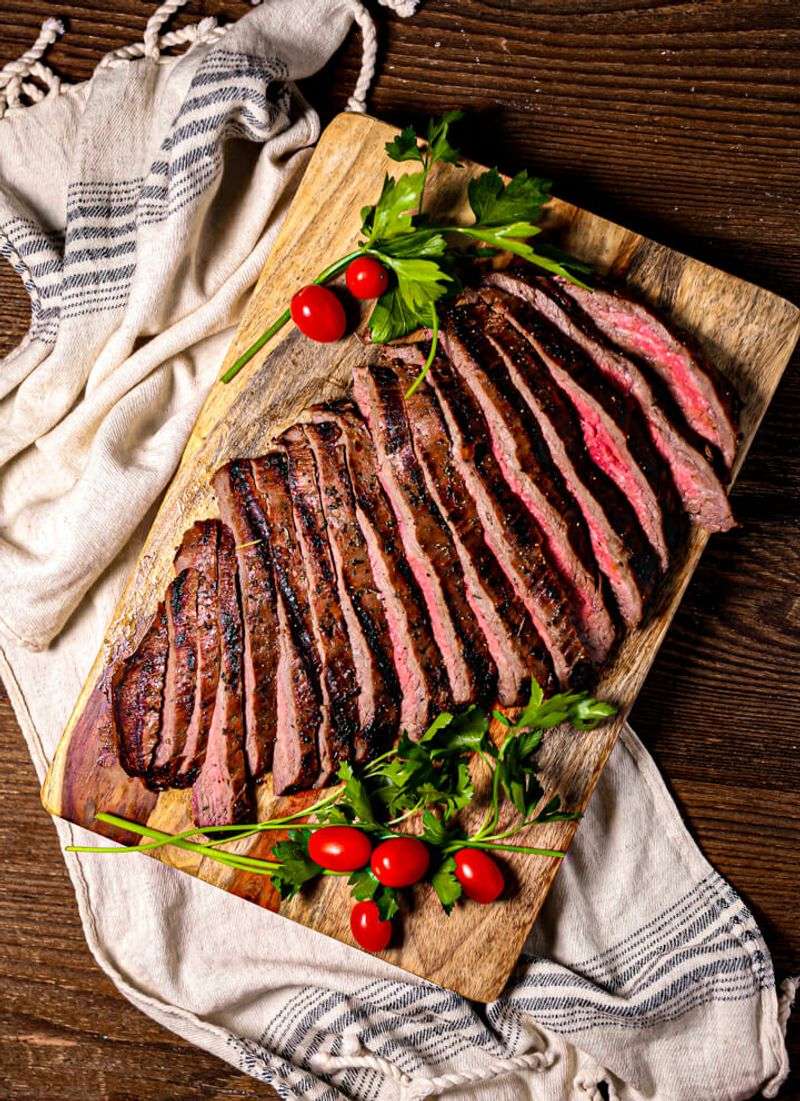
Here is a cut that rewards one simple trick. Flank steak has long, visible muscle fibers, so slicing it thinly against the grain makes every bite tender.
Marinate it for a few hours in citrus, soy sauce, or garlic. Then grill it fast over high heat until medium-rare.
Let it rest ten minutes before cutting. You will have perfect meat for fajitas, salads, or steak sandwiches at a friendly price.
6. Lamb Neck
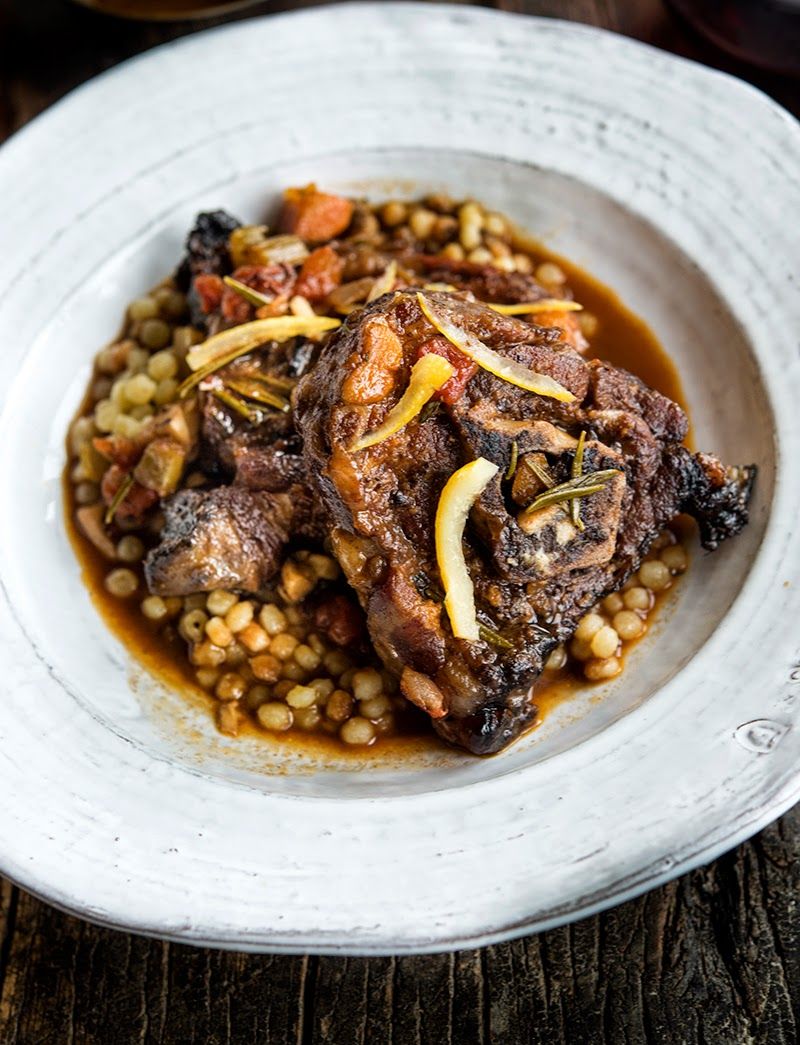
Lamb chops get all the attention, but the neck might be the tastiest part of the animal. Small pockets of fat and bone give it deep, rich flavor.
Cook it slowly in a covered pot with tomatoes, onions, and warm spices like cumin or cinnamon. After a few hours, the meat slides right off the bone.
It tastes amazing tucked into flatbread or spooned over couscous.
7. Beef Shank
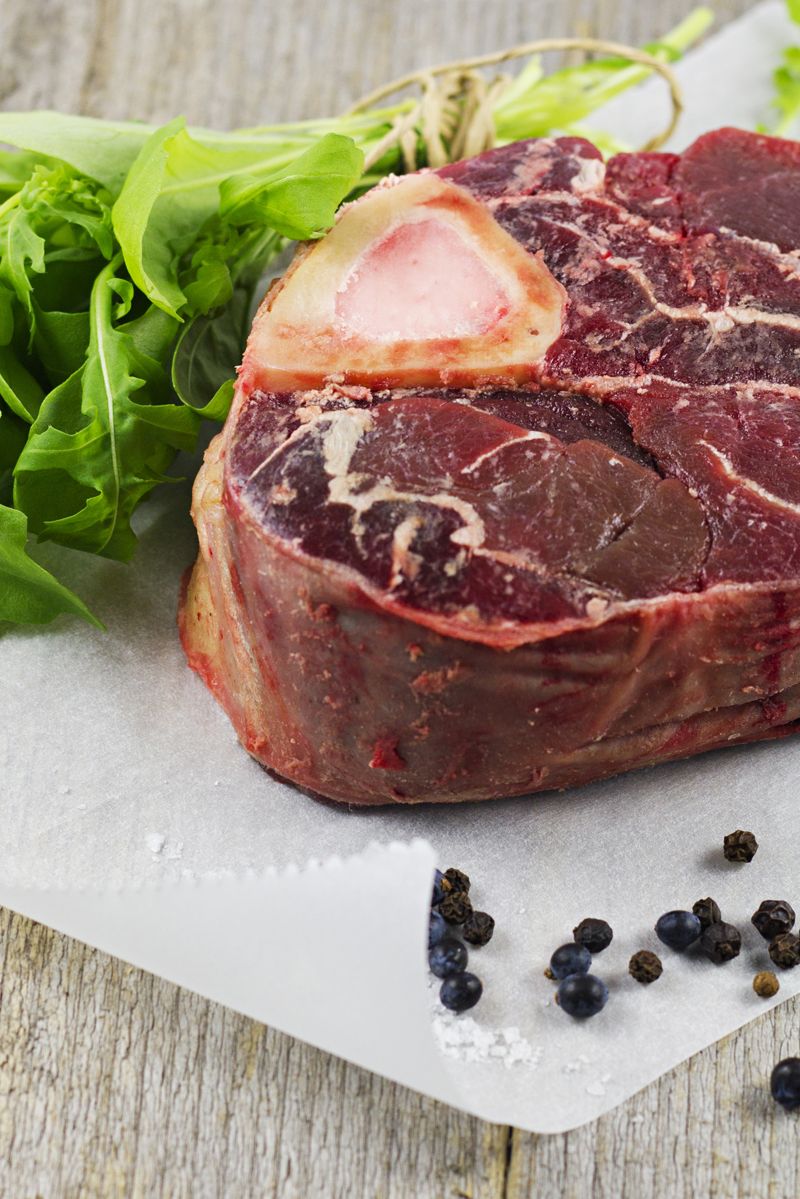
Ever heard of osso buco? This famous Italian dish usually uses veal, but beef shank works just as well for far less money.
Each round slice has a bone in the middle filled with marrow, a buttery treat you can scoop onto bread. The surrounding meat is tough until it braises for hours.
Once tender, it practically falls apart. Shank also makes a wonderful, hearty base for vegetable beef soup.
8. Chicken Wings

Believe it or not, wings were once tossed out or used only for soup. Then in 1964, a bar in Buffalo, New York, fried them up with hot sauce.
Today they are a party favorite, yet many home cooks still skip them. Wings are easy to make crispy in the oven.
Toss them with a little baking powder and salt before baking. The skin turns crunchy without any deep frying at all.
9. Pork Belly
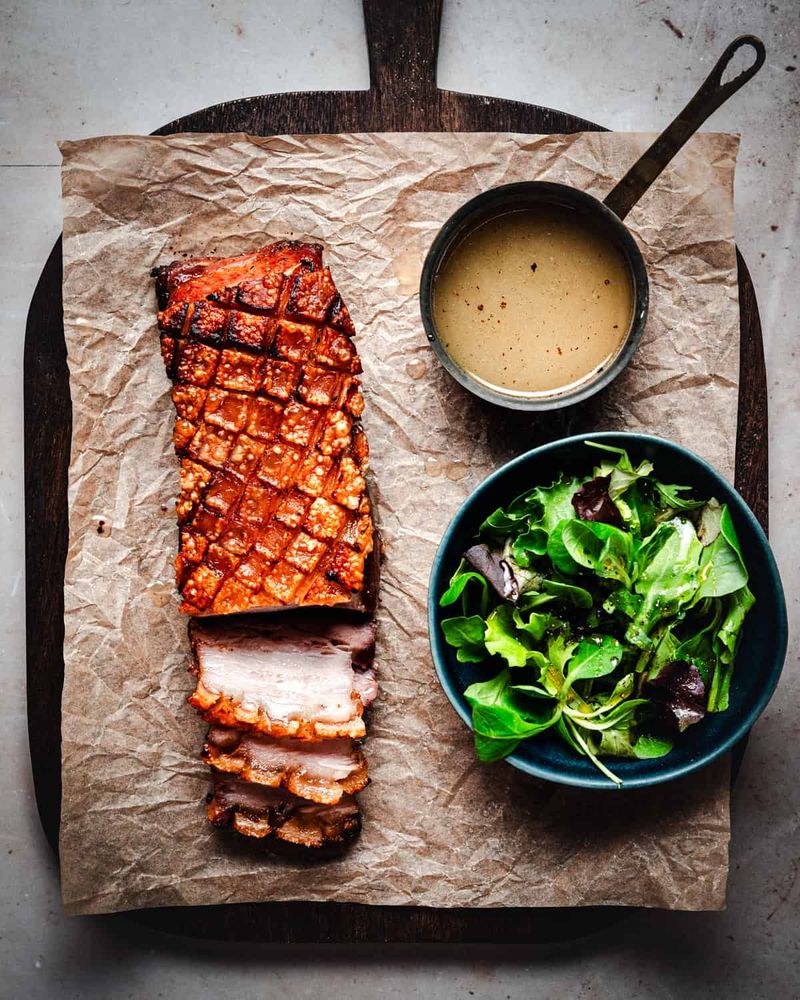
Bacon lovers, meet the source. Pork belly is the same cut as bacon before curing and slicing, with gorgeous layers of fat and meat.
Roast a slab low and slow, then blast it with high heat at the end. The skin puffs into crunchy crackling while the inside stays meltingly soft.
Cut it into cubes for rice bowls or tuck slices into steamed buns for a restaurant-style treat.
10. Hanger Steak
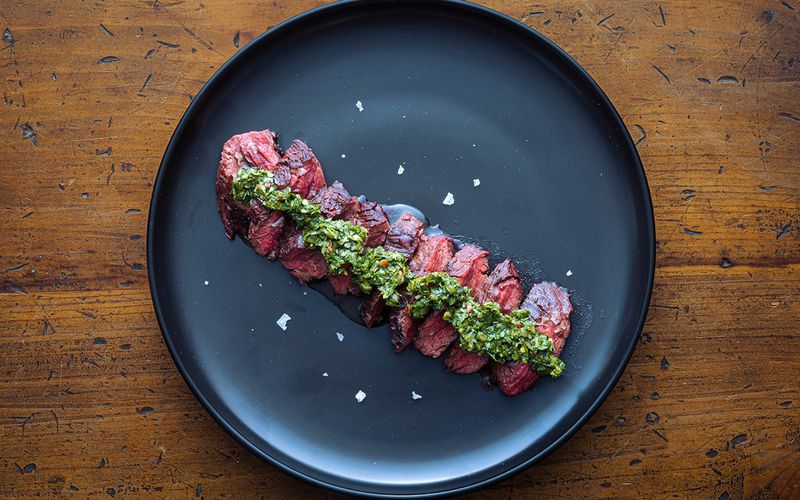
Butchers used to keep this one for themselves, earning it the nickname butcher’s steak. Each cow only has one, hanging near the diaphragm.
Hanger steak has a bold, beefy taste that some people say rivals expensive ribeye. It cooks quickly over high heat.
Aim for medium-rare, since cooking it too long makes it chewy. Slice across the grain and serve with fries for a French bistro feeling at home.
11. Chuck Roast
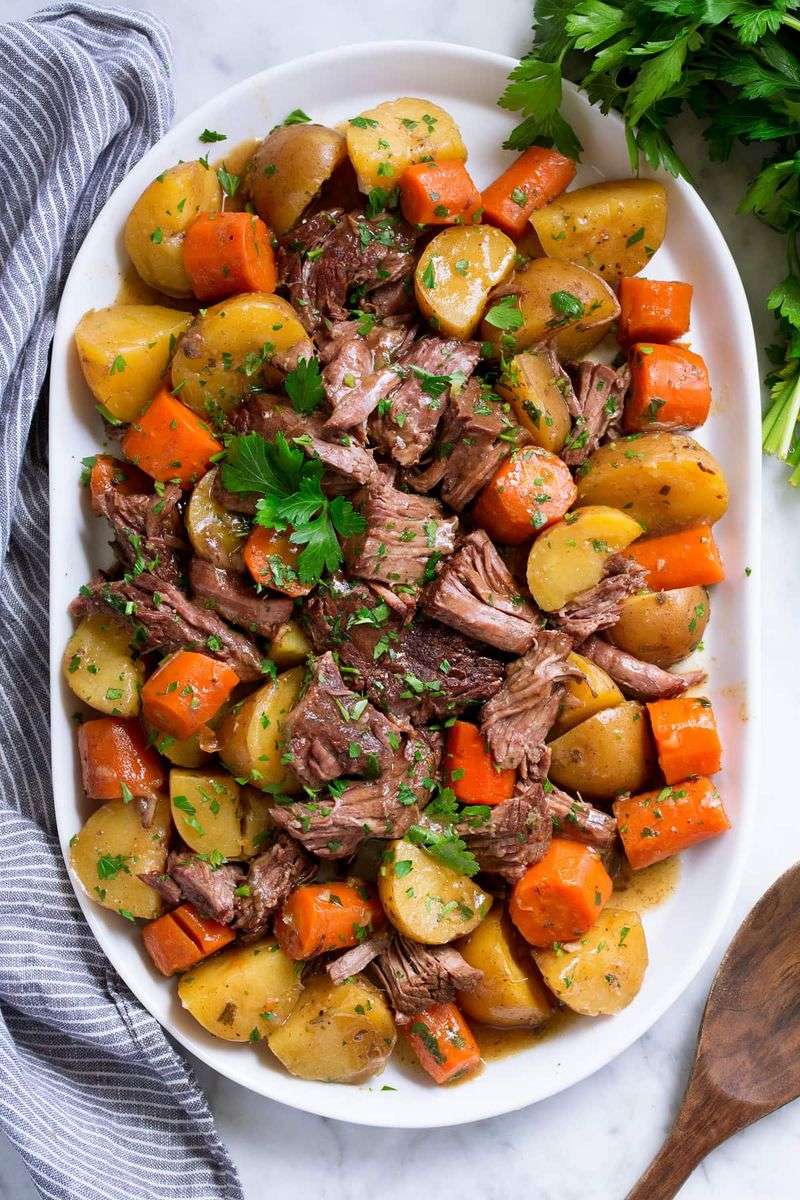
Sunday pot roast at grandma’s house probably started with a chuck roast. This shoulder cut is affordable, full of marbling, and perfect for feeding a crowd.
Sear all sides until deeply browned, then add carrots, potatoes, onions, and broth. Cover and cook gently for three hours.
You can also grind chuck for burgers. Its fat-to-meat ratio makes patties juicy and flavorful, much better than lean store-bought mixes.
12. Chicken Livers
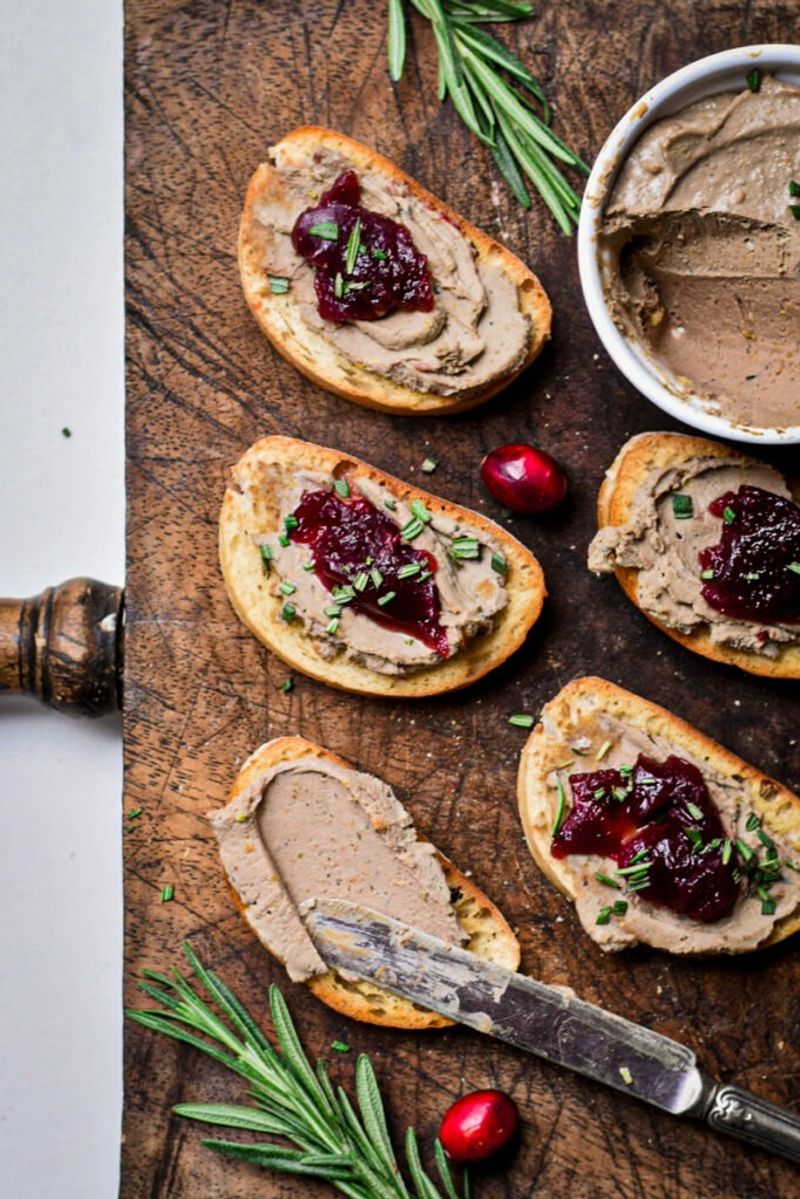
Okay, liver has a bad reputation. Many folks remember a gray, chalky slab from childhood and never looked back.
Chicken livers are milder, though, and super cheap. Soak them in milk for an hour to soften any strong taste.
Then sauté quickly with butter and onions, keeping the centers slightly pink. Blend them into a creamy pâté for spreading on toast.
Bonus: livers are loaded with iron and vitamins.
13. Tri-Tip
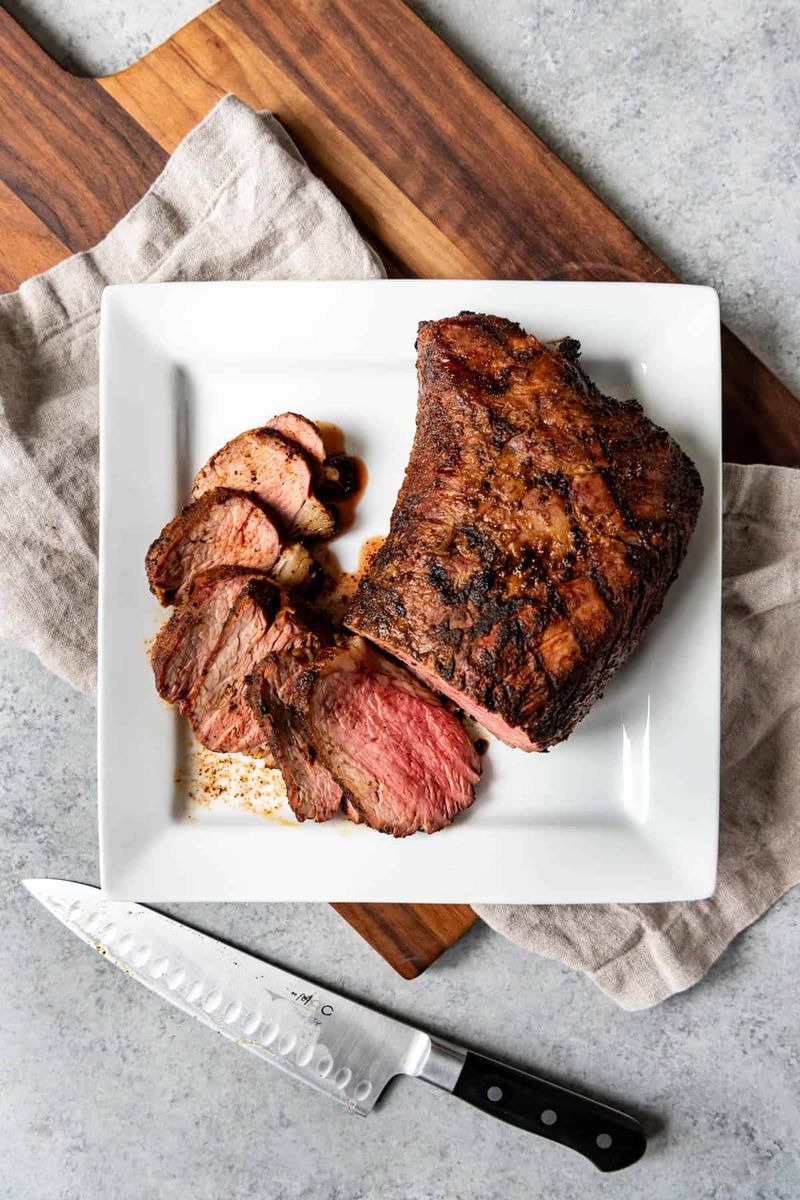
Out in Santa Maria, California, tri-tip is a local legend. Ranchers have grilled it over red oak fires since the 1950s.
Elsewhere, this triangle-shaped cut from the bottom sirloin often gets ground into hamburger. That is a real shame.
Season simply with salt, pepper, and garlic. Grill or roast until medium-rare, then slice thin.
Watch closely, because the grain changes direction partway through the roast.
14. Short Ribs
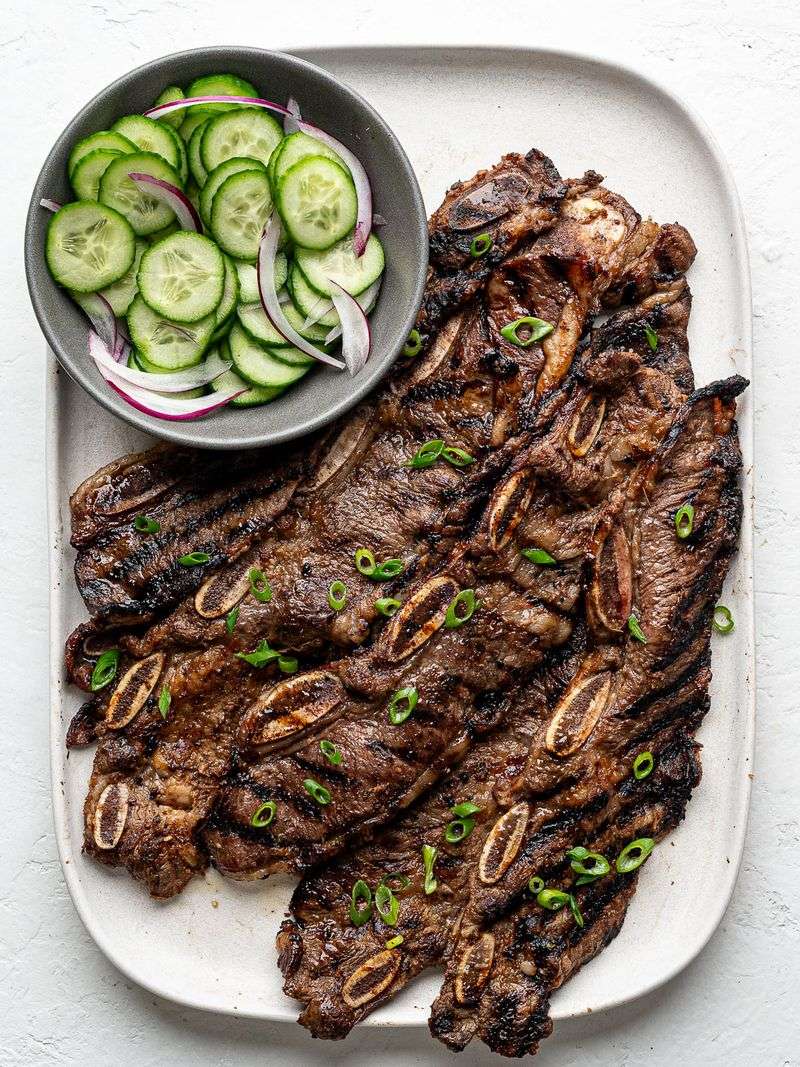
Two totally different meals can come from short ribs, depending on the cut. Thick English-style ribs love a long braise until tender and glossy.
Thin flanken-style ribs are made for Korean galbi. Marinate them in soy sauce, pear, garlic, and sesame oil, then grill for just a few minutes.
Either way, the rich marbling delivers huge flavor. Try both styles and pick your favorite.
15. Pork Cheeks
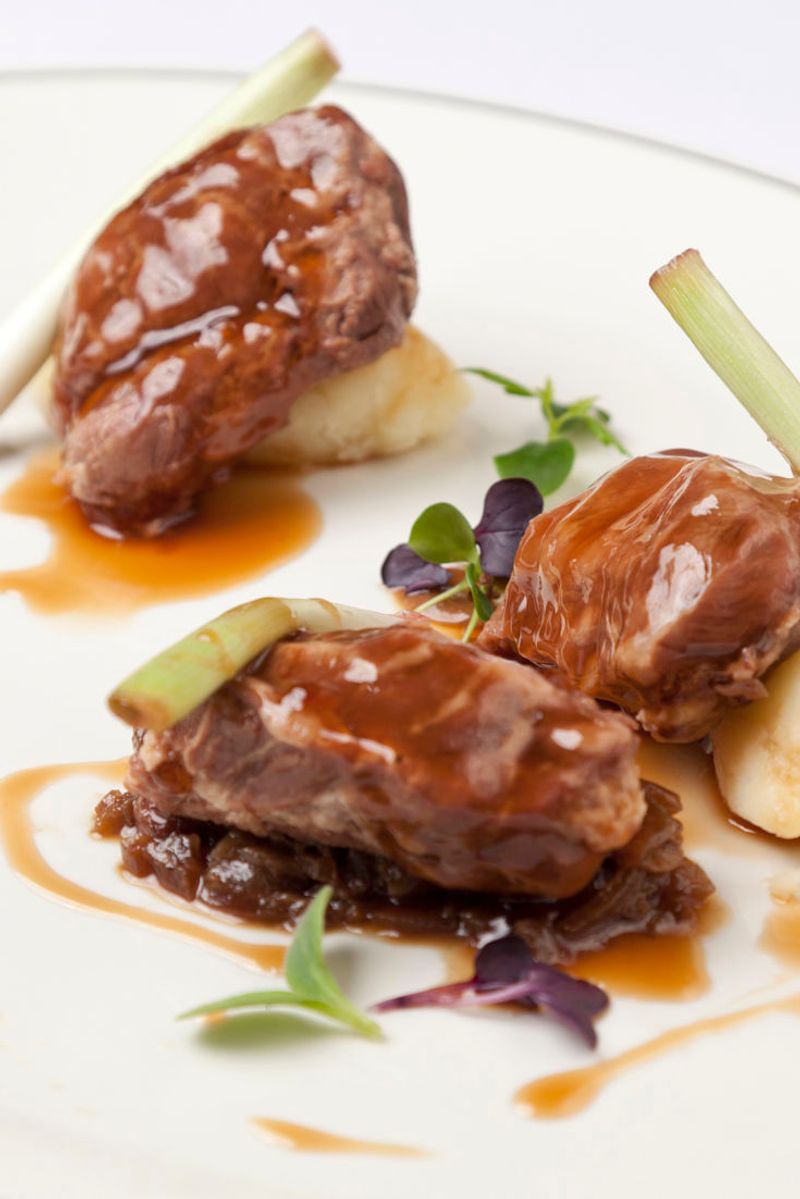
Small but mighty, pork cheeks are a hidden gem you may need to request from your butcher. Each one is about the size of a large walnut.
Braise them in apple cider or stock for two hours. They turn sticky, tender, and incredibly rich.
Fancy restaurants charge big money for this dish. Making it at home feels like a fun kitchen adventure, and your guests will be impressed.