
Your body needs minerals like iron, calcium, zinc, and magnesium to build strong bones, carry oxygen, and keep your energy up. The good news is that you do not need fancy powders or pricey pills to get them.
Many foods already sitting in your kitchen are packed with these tiny helpers. Some of the picks below might even surprise you.
1. Pumpkin Seeds
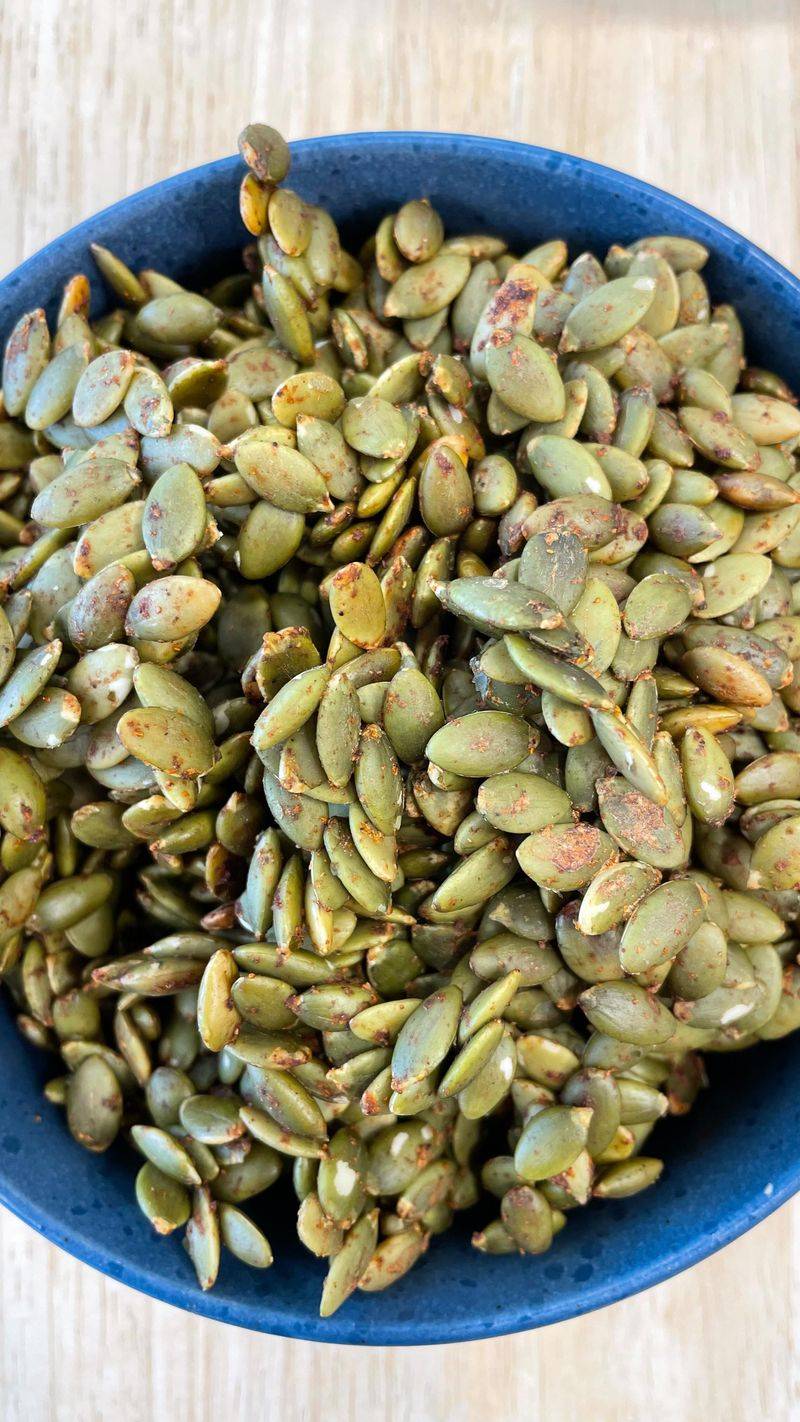
Carving a jack-o-lantern? Save those seeds!
Pumpkin seeds, also called pepitas, are loaded with magnesium, which helps your muscles relax and your heart keep a steady beat.
Just a small handful also gives you a solid dose of zinc and iron. That combo supports your immune system during cold season.
Toss them on salads, stir them into oatmeal, or roast them with a pinch of salt for a crunchy snack.
2. Dark Chocolate
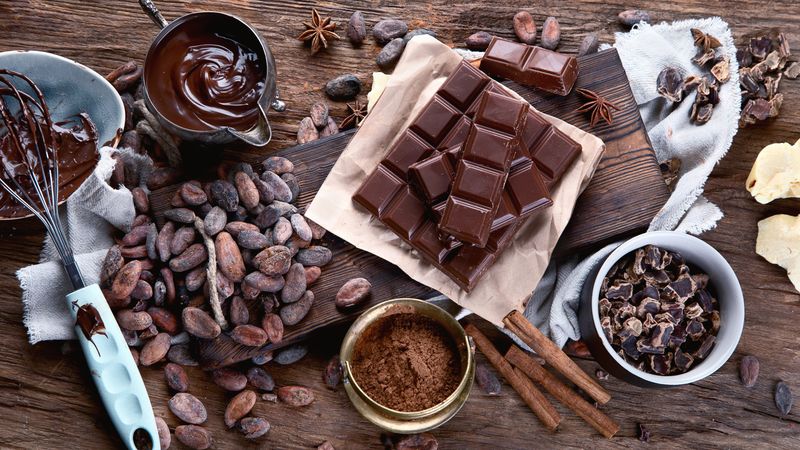
Good news for sweet tooths everywhere. Dark chocolate with at least 70 percent cocoa is surprisingly rich in iron, magnesium, copper, and manganese.
One ounce can give you a nice chunk of the copper you need each day. Copper helps your body make red blood cells and keep nerves healthy.
The trick is moderation. Enjoy a square or two after dinner instead of a whole bar, and choose brands with less added sugar.
3. Plain Yogurt
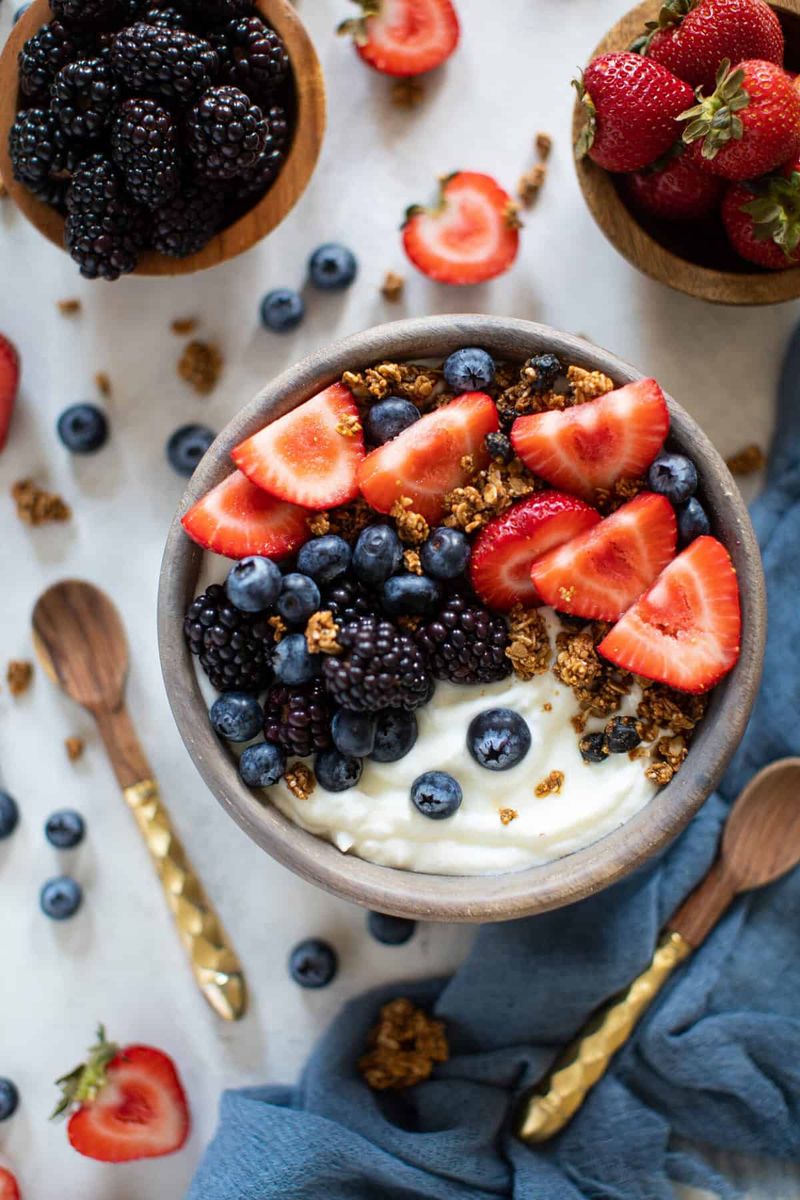
Most people know milk has calcium, but yogurt often packs even more per cup. That makes it a quiet hero for strong bones and teeth.
It also brings potassium and phosphorus to the party. Plus, the live cultures help keep your gut happy.
Skip the sugary flavored kinds when you can. Grab plain yogurt and sweeten it yourself with fruit, a drizzle of honey, or a sprinkle of cinnamon.
4. Potatoes With the Skin On
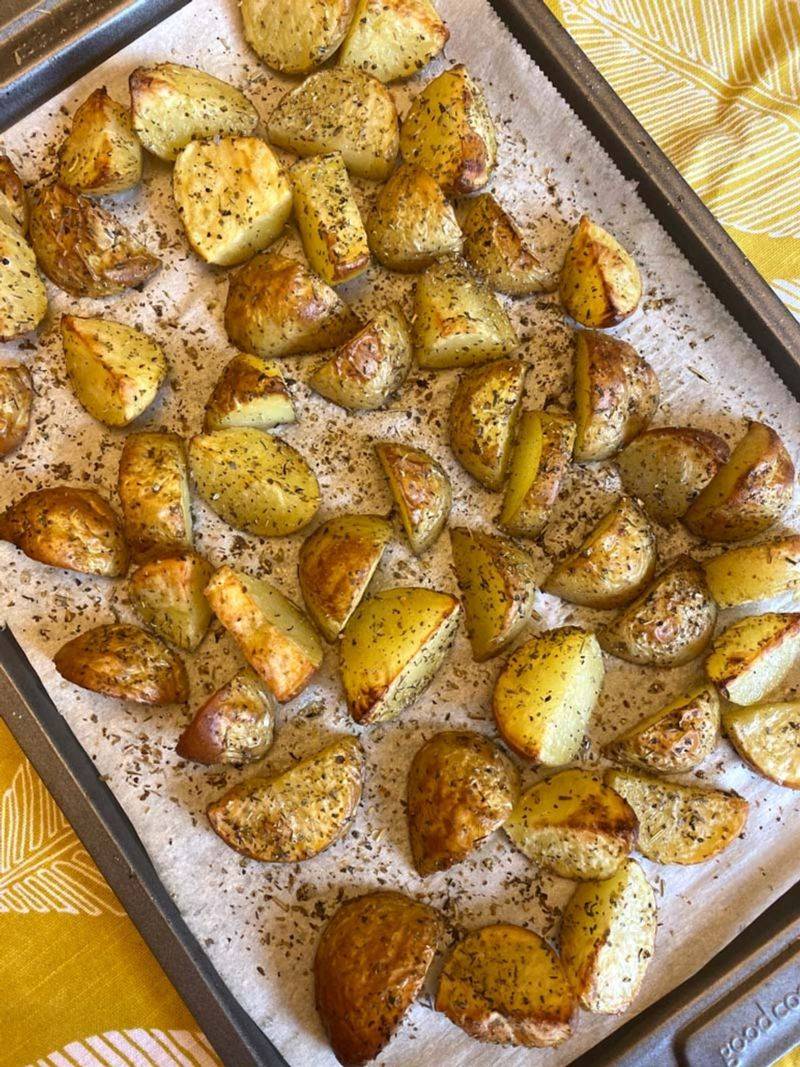
Poor potatoes get a bad reputation. In truth, one medium baked potato has more potassium than a banana!
Potassium helps control blood pressure and keeps your muscles working smoothly. Keep the skin on, because that is where a lot of the iron and fiber hides.
Bake, roast, or mash them with the peels. Just go easy on heavy toppings like butter and sour cream so the spud stays healthy.
5. Canned Sardines
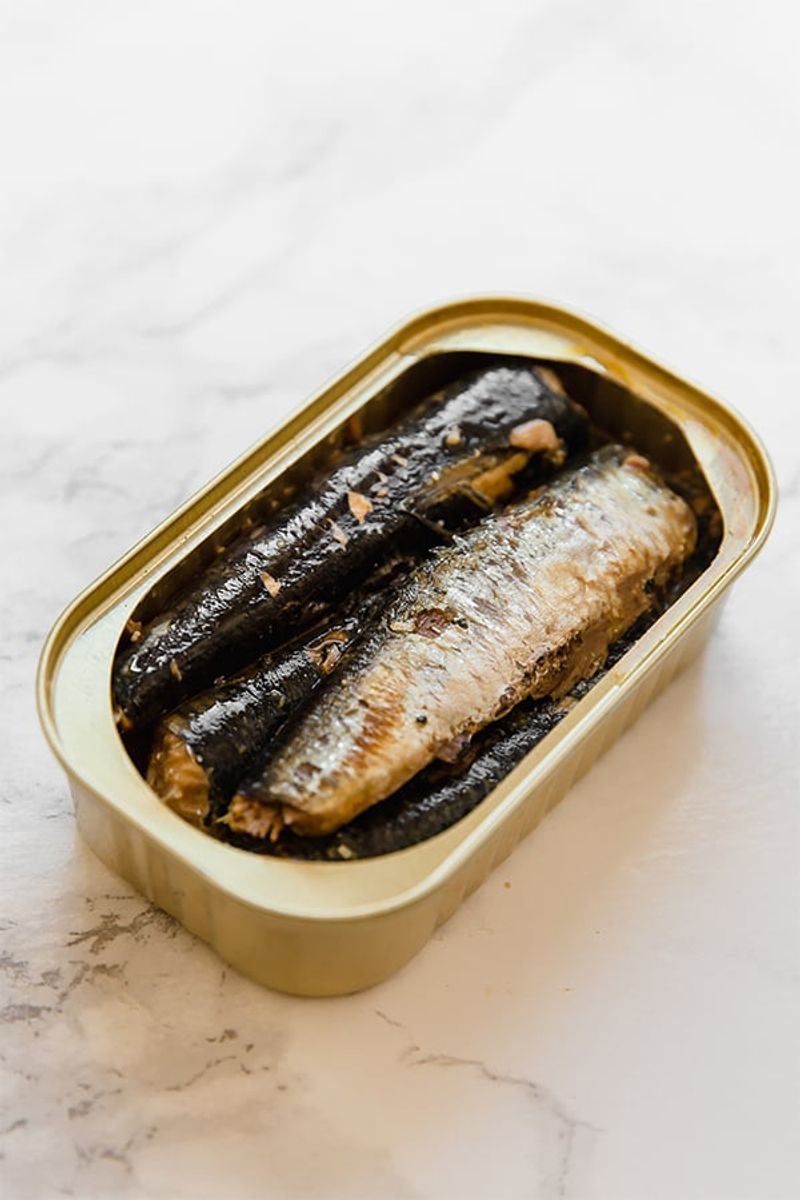
Grandpa might have been onto something with his tin of sardines. These little fish are canned with their soft, edible bones, which makes them a calcium powerhouse.
They also deliver selenium, iron, and heart-friendly omega-3 fats. Best of all, they are cheap and last for ages in the pantry.
Not sure about the taste? Mash them onto toast with lemon juice, or mix them into pasta with garlic and tomatoes.
6. Spinach
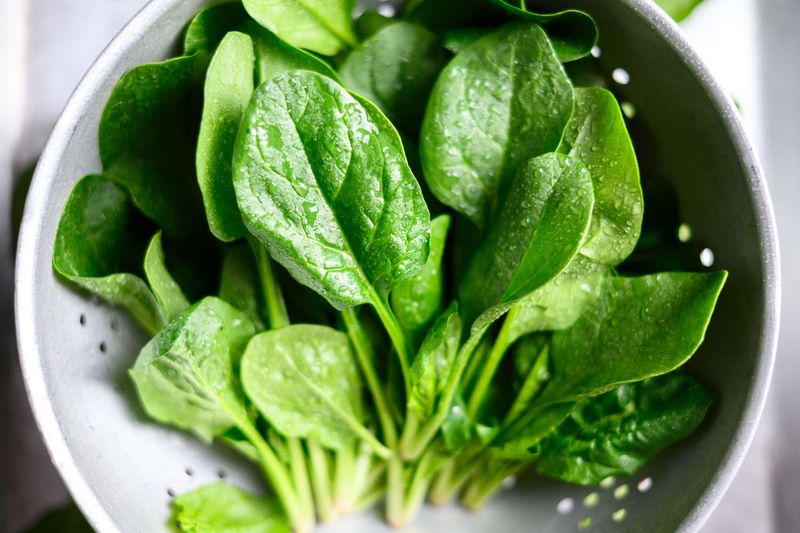
Popeye had the right idea, even if the cartoon stretched things a bit. Spinach offers magnesium, iron, potassium, and manganese in every leafy bite.
Here is a smart tip. Pair spinach with foods high in vitamin C, like oranges or strawberries, to help your body soak up more iron.
A big pile of raw leaves shrinks down to a spoonful when cooked, so tossing it into soups and eggs is easy.
7. Brazil Nuts
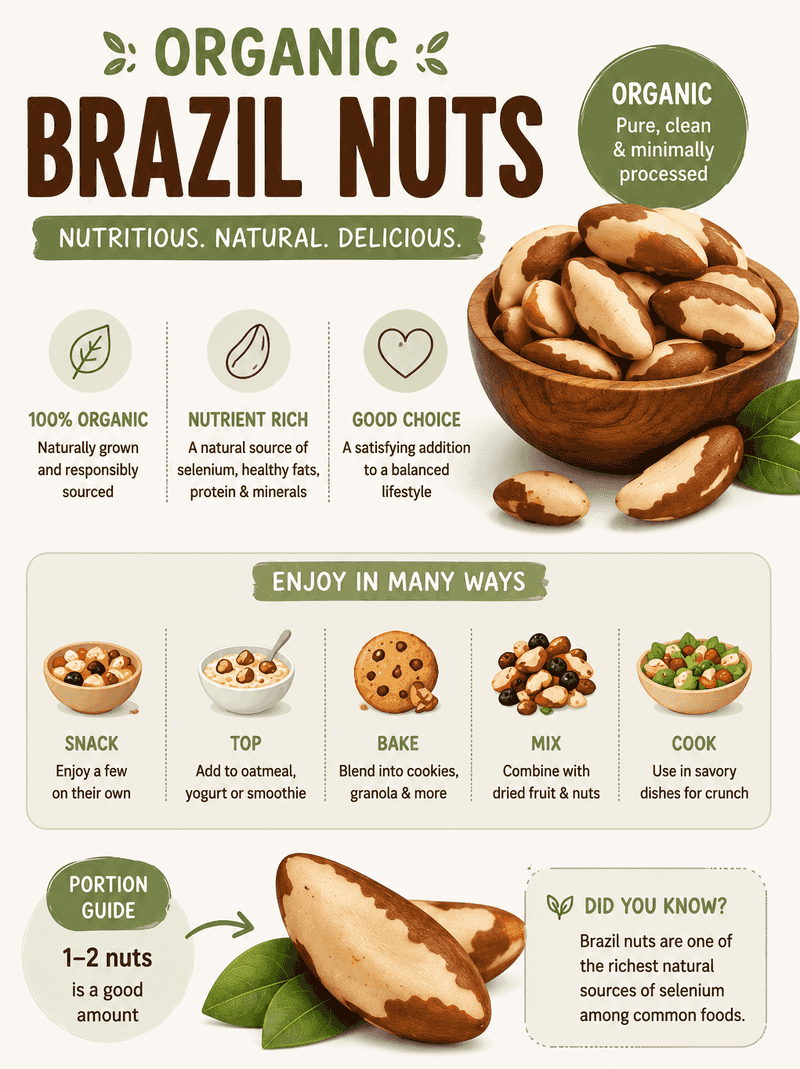
Talk about tiny but mighty. A single Brazil nut can cover all the selenium you need for an entire day.
Selenium protects your cells and helps your thyroid do its job controlling energy. Fun fact: these nuts grow inside hard pods that look a lot like coconuts in the Amazon rainforest.
Because they are so rich, stick to one or two a day. Eating too many can actually overdo it.
8. Black Beans
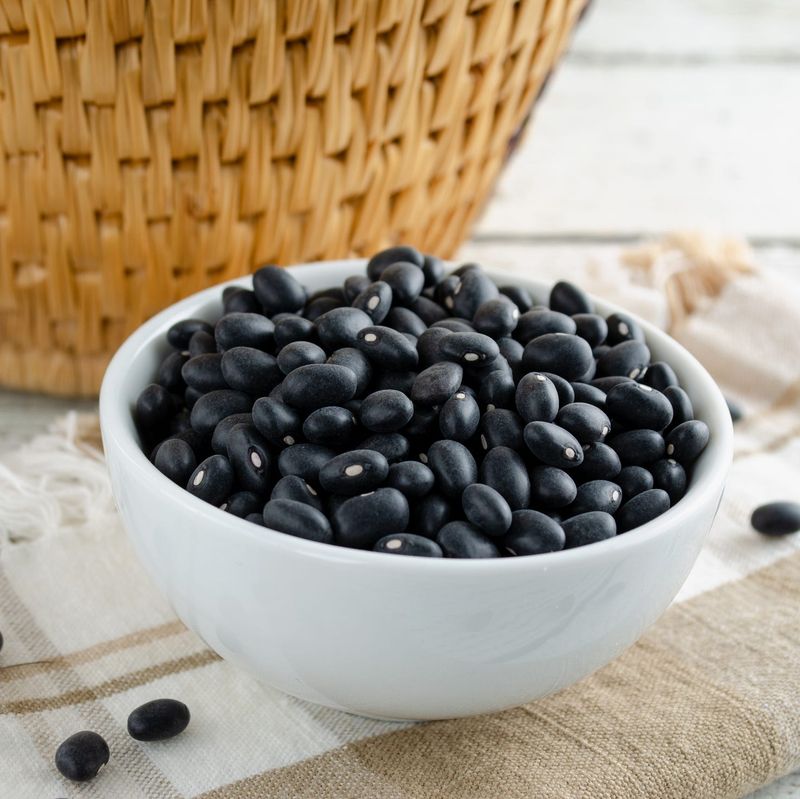
Taco night just got healthier. Black beans are packed with iron, magnesium, zinc, and potassium, all wrapped up in a cheap, filling package.
They are especially helpful for vegetarians who skip meat but still need iron. One cup also delivers loads of fiber and protein to keep you full.
Rinse canned beans to cut extra salt. Then add them to burritos, soups, salads, or even brownies for a sneaky boost.
9. Bananas
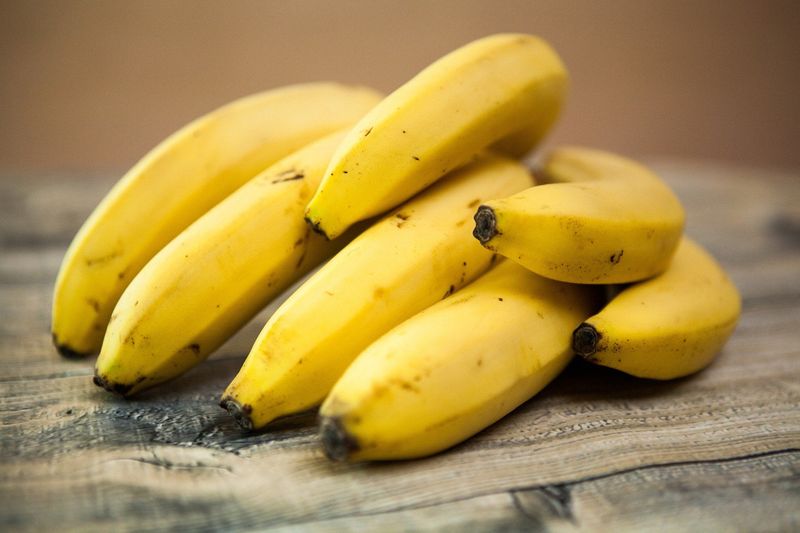
Athletes love bananas for a reason. They are a handy grab-and-go source of potassium, which helps prevent muscle cramps after soccer practice or a long bike ride.
Bananas also offer magnesium and a little manganese. Their natural sugars give you quick energy without a crash.
Freeze overripe ones for smoothies, slice them onto peanut butter toast, or mash them into pancake batter. Nothing goes to waste!
10. Eggs
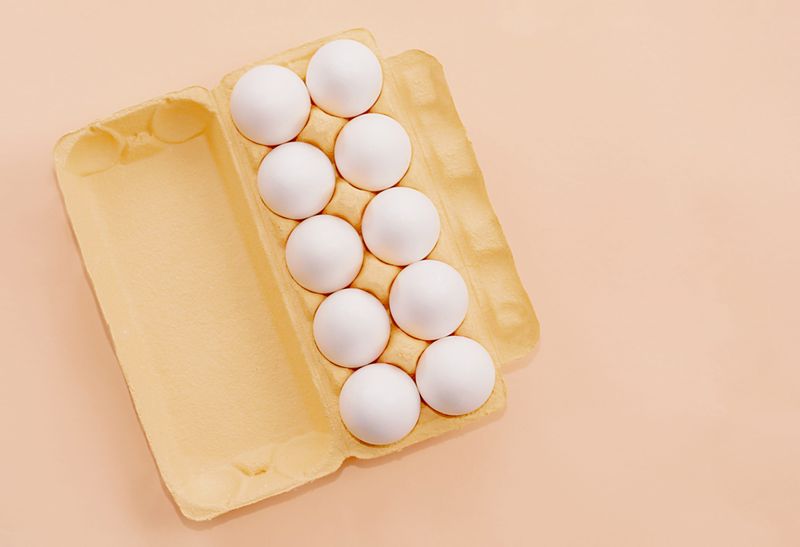
Scrambled, fried, or boiled, eggs are a breakfast favorite with a hidden bonus. Their yolks hold selenium, phosphorus, iron, and zinc.
Phosphorus teams up with calcium to build strong bones. Selenium helps your body fight off damage from everyday stress.
So do not toss the yolk! Most of the minerals live right there.
Hard-boil a batch on Sunday for easy snacks all week long.
11. Oatmeal
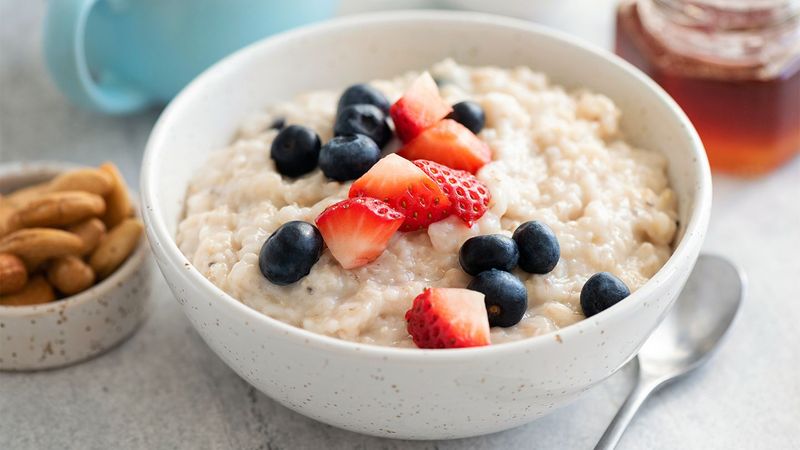
That warm bowl your mom made on chilly mornings was doing more than filling your belly. Oats are rich in manganese, phosphorus, magnesium, and iron.
Manganese helps your body turn food into energy and build healthy bones. Oats also contain a special fiber that is good for your heart.
Pick plain rolled or steel-cut oats. Then add your own toppings like fruit, nuts, or a dash of cinnamon.
12. Tofu
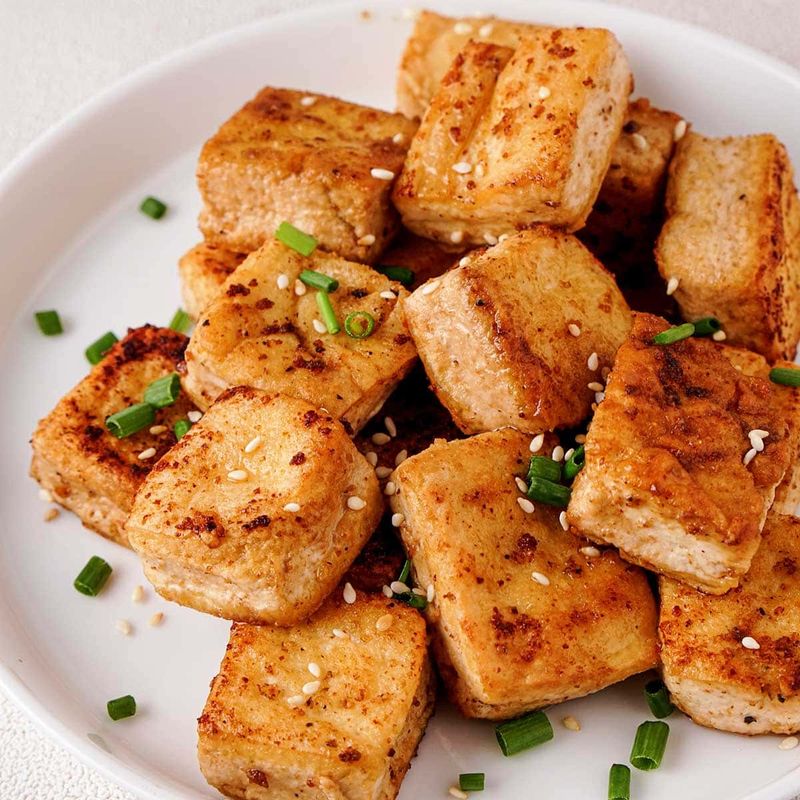
Tofu might seem plain, but it is a mineral chameleon. Many brands are made with calcium sulfate, so a half cup can supply lots of calcium.
It also brings iron, magnesium, and manganese. Since tofu soaks up any flavor, it works in stir-fries, soups, and even smoothies.
Quick tip: press out extra water before cooking. That helps it turn crispy and golden instead of soggy and bland.
13. Avocados
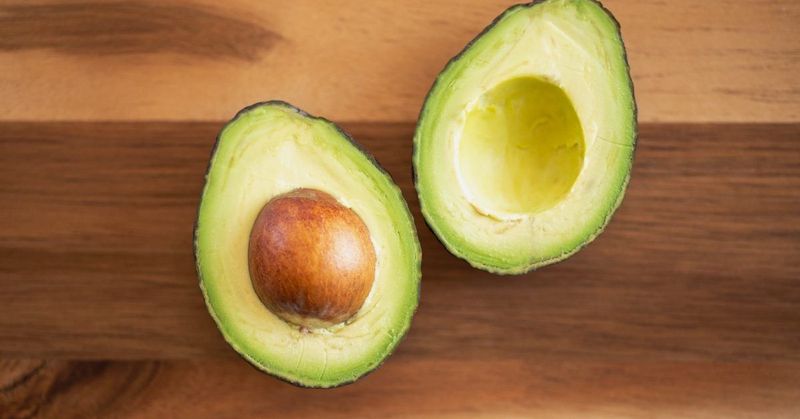
Avocado toast fans, rejoice. Ounce for ounce, avocados carry more potassium than bananas, along with magnesium and copper.
Their creamy fats help your body absorb vitamins from other foods, too. That makes them a great partner for salads.
Not sure if one is ripe? Gently press near the stem.
If it gives a little, it is ready. Store cut halves with the pit in to slow browning.
14. Shrimp
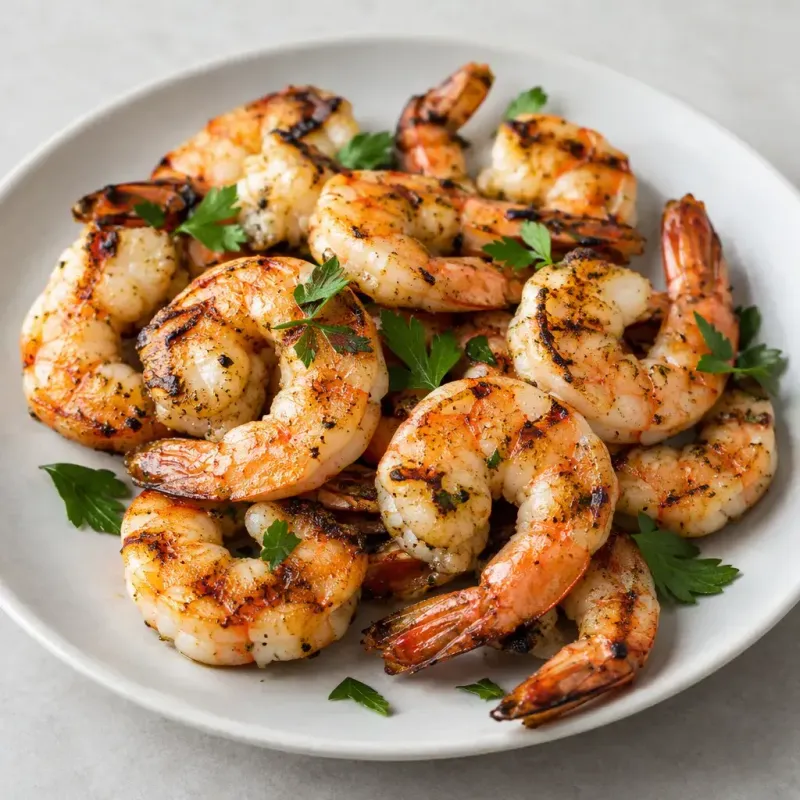
Ever notice how fast shrimp cooks? In just a few minutes, you get a meal rich in selenium, zinc, copper, and iodine.
Iodine is a mineral many people forget about. Your thyroid needs it to manage growth and energy levels.
Grill shrimp on skewers, toss it into pasta, or add it to tacos. Frozen bags are budget friendly and thaw quickly in cold water.
15. Cashews
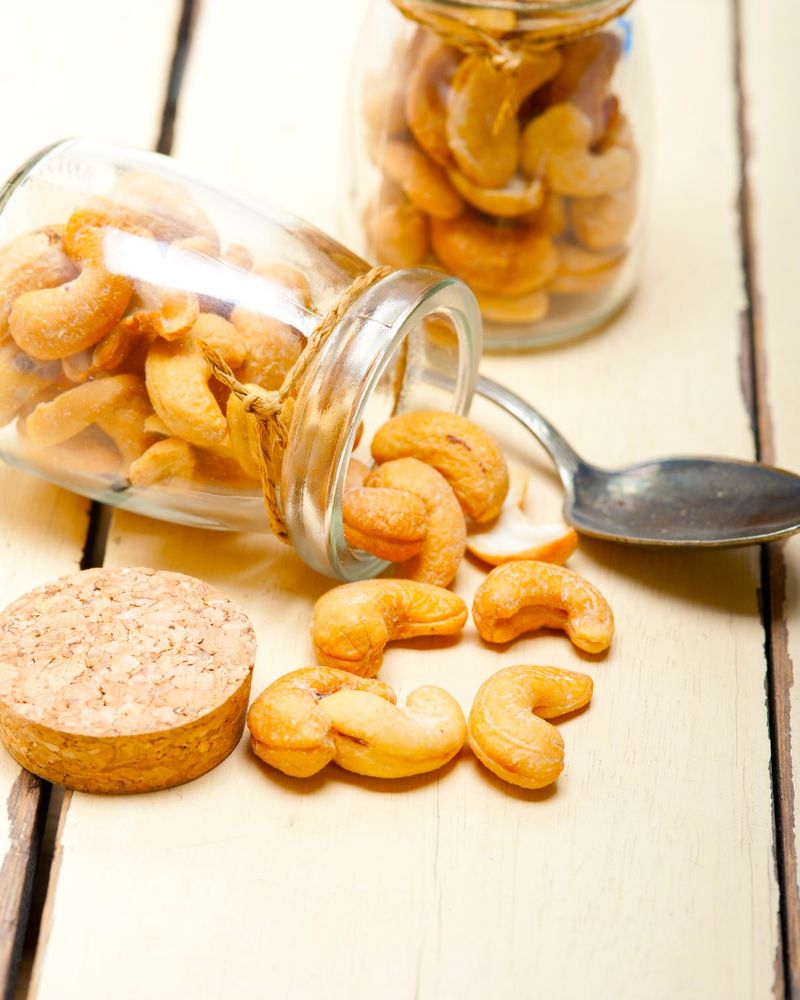
Crunchy, buttery, and kind of addictive, cashews are also a great source of copper, magnesium, zinc, and iron.
Here is a quirky fact. Cashews grow hanging from the bottom of a fruit called a cashew apple.
Each fruit produces just one nut!
Keep a small bag in your backpack for afternoon energy. You can also blend soaked cashews into a creamy sauce that tastes like cheese.
16. Broccoli
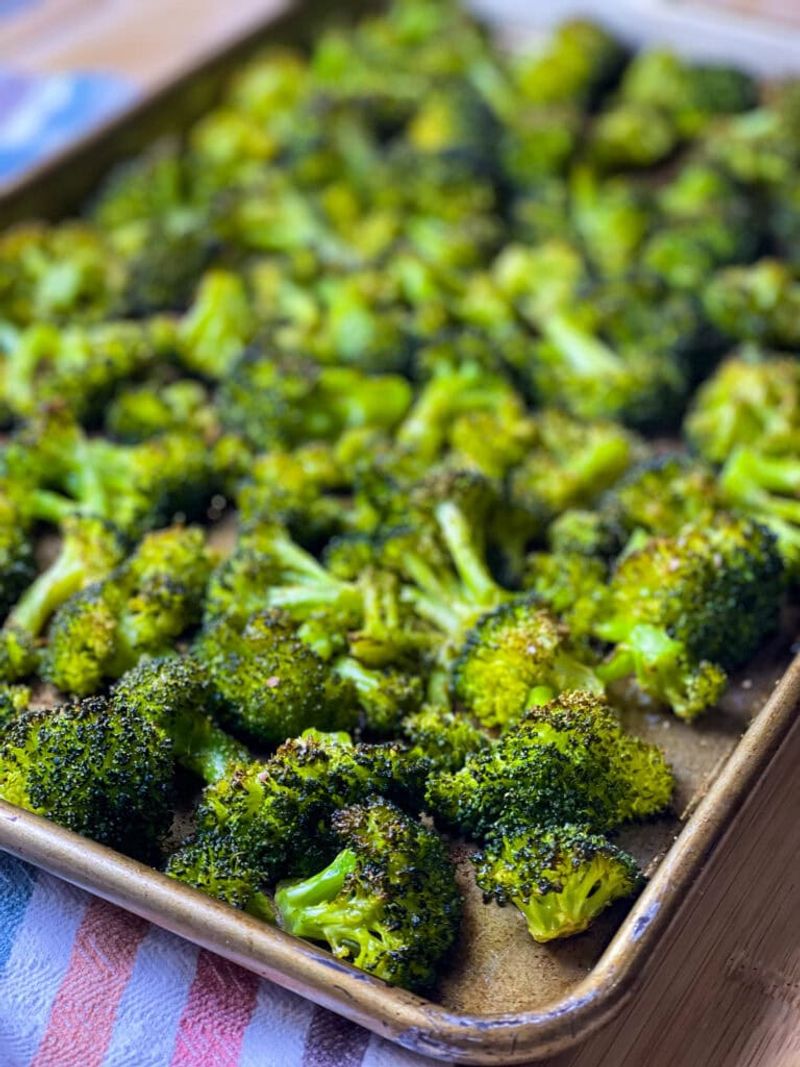
Those little trees on your plate deserve more respect. Broccoli offers calcium, potassium, and iron, plus vitamin C to help your body use that iron.
Kids often push it aside, yet roasting changes everything. High heat makes the edges crispy and a little sweet.
Try tossing florets with olive oil, garlic, and a sprinkle of parmesan. Bake until browned, and watch them disappear.
17. Lean Beef
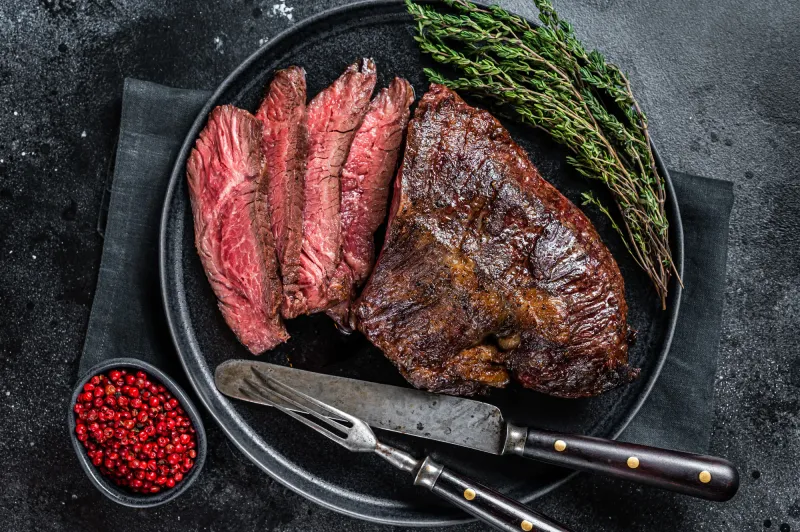
Feeling tired all the time? Low iron could be part of the reason, and lean beef is one of the easiest fixes.
Iron from meat is absorbed by your body more easily than iron from plants. Beef also delivers plenty of zinc for healing cuts and fighting germs.
Choose lean cuts like sirloin or ground beef labeled 90 percent lean. Pair it with veggies for a balanced plate.