
Some actors walk onto the screen, and you already have a good guess about who they will play. A calm voice might signal a clever villain, while a crooked smile promises an awkward romance.
Familiar roles help audiences connect with a story quickly, but they can also hide an actor’s wider talents. Here are the faces behind some of those patterns, plus details that make their performances worth another look.
1. Giancarlo Esposito: Danger Behind a Polite Smile
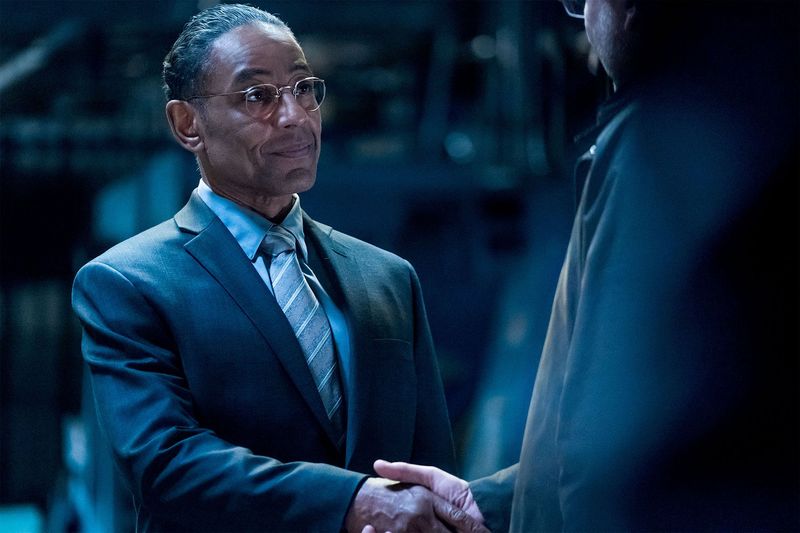
A quiet sentence can feel scarier than a shouted threat when the right actor delivers it. As Gus Fring in Breaking Bad and Better Call Saul, Esposito makes good manners seem deeply dangerous.
Similar control shapes his roles in The Boys and The Mandalorian. Watch his stillness, careful pauses, and small changes in expression.
Those details show how a villain can command a scene without raising his voice or making any sudden, dramatic moves whatsoever.
2. Mads Mikkelsen: A Chilling Sense of Control
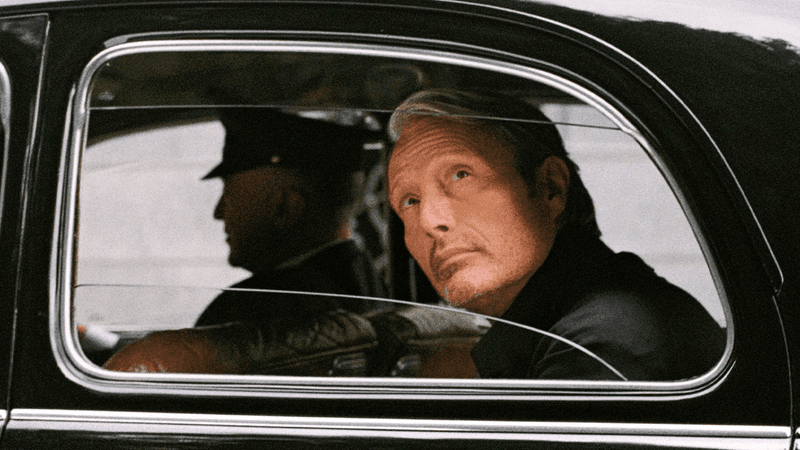
Elegance becomes unsettling when a character seems completely untouched by fear. Mikkelsen brings that icy confidence to Le Chiffre in Casino Royale, Kaecilius in Doctor Strange, and Hannibal Lecter on television.
His villains often appear thoughtful rather than wild, which makes their next move harder to guess. For a useful contrast, watch Another Round, where he plays a troubled teacher.
It reveals warmth and vulnerability beyond the threatening figures many international viewers first associate with him.
3. Christopher Lee: A Towering Master of Menace
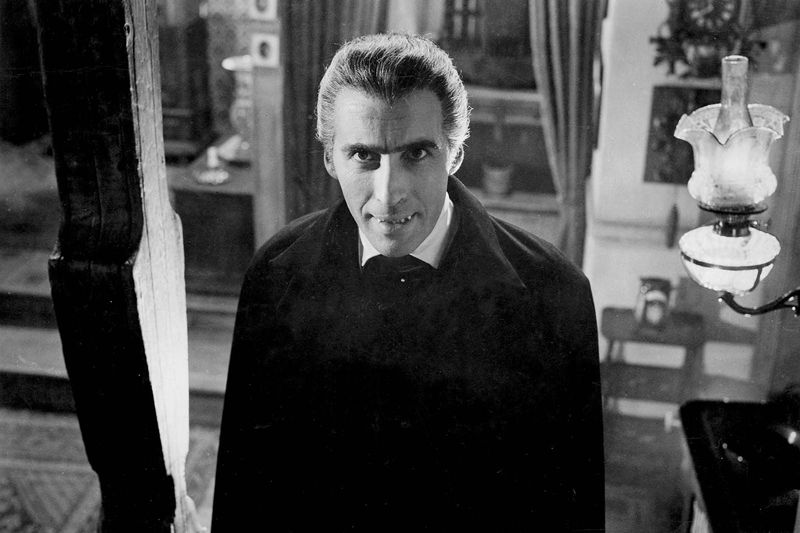
Few performers could make an entrance feel quite so grand. With his towering height and rich voice, Lee gave Dracula, Saruman, and Count Dooku an authority that filled the screen.
Each character belongs to a different fantasy world, yet all seem certain that others should obey them. Listen to how clearly he speaks, even during a threat.
His performances show why presence and vocal control can matter just as much as elaborate costumes or special effects.
4. Alan Rickman: Sharp Words and Hidden Feelings
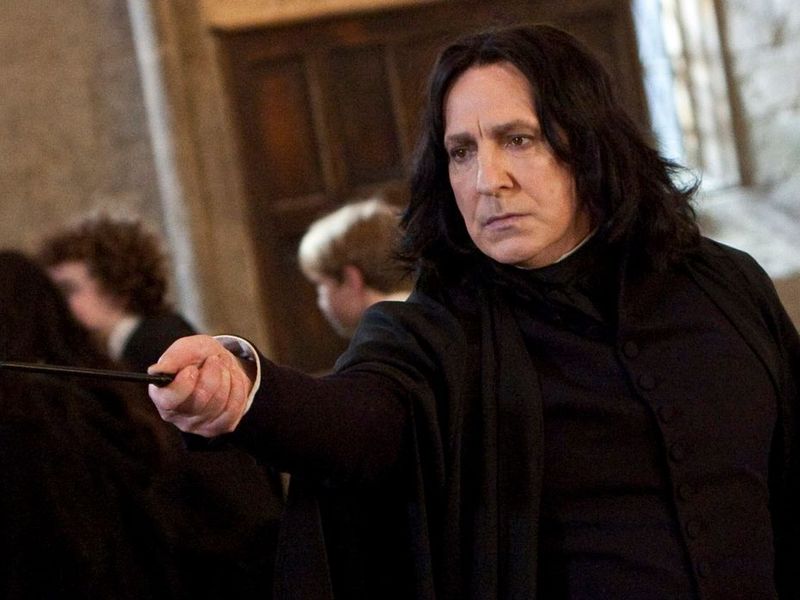
That slow, cutting delivery could turn an ordinary remark into a warning. Rickman made Hans Gruber in Die Hard charming and ruthless, then gave Severus Snape layers of bitterness, secrecy, and pain.
Snape is more complicated than a straightforward villain, which makes the comparison especially interesting. Pay attention to what Rickman holds back instead of what he says.
For a gentler change, his performance in Sense and Sensibility offers patience, kindness, and a very different romance.
5. Anthony Hopkins: Intelligence That Unnerves
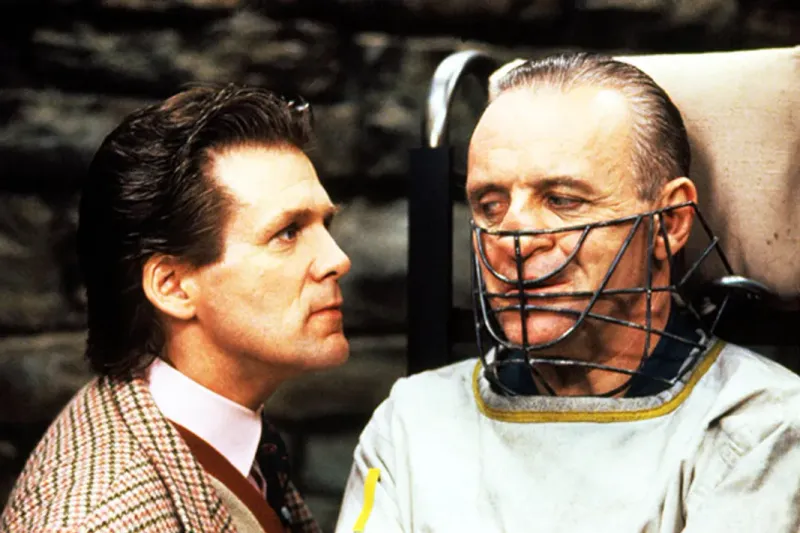
A steady gaze can make viewers lean back in their seats. Hopkins used that power as Hannibal Lecter in The Silence of the Lambs, earning an Academy Award for a performance that remains deeply unsettling.
His calm speech makes Lecter’s intelligence feel like a weapon. Still, menace is only one part of his range.
Compare that role with The Father to see how the same actor creates confusion, fear, and tenderness without relying on familiar villainous tricks.
6. Arnold Schwarzenegger: Strength With a Memorable Punchline
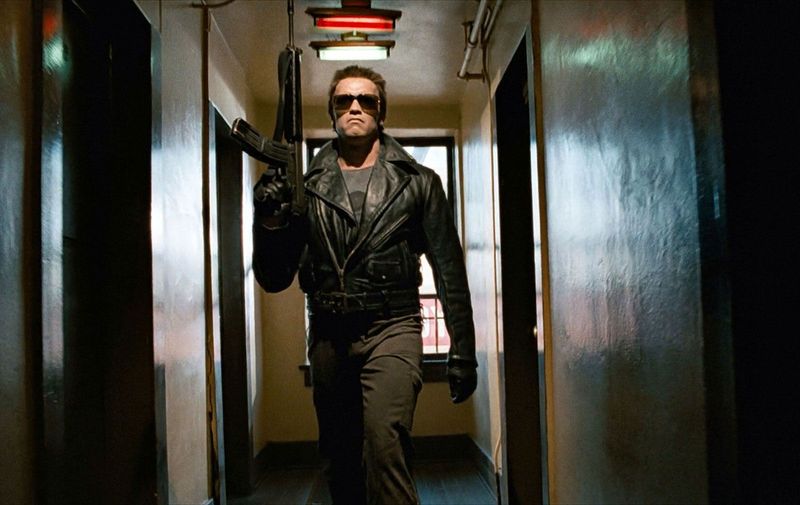
Big muscles helped open the door, but memorable timing kept audiences coming back. Schwarzenegger became an action favorite through Conan the Barbarian, Predator, and the Terminator films, combining physical power with short, memorable lines.
There is an interesting twist: the original Terminator is a villain, while later versions become protectors. Notice how little dialogue he needs to establish either role.
His comedy work in Twins also shows how that imposing image can become part of the joke.
7. Jason Statham: The Tough Professional
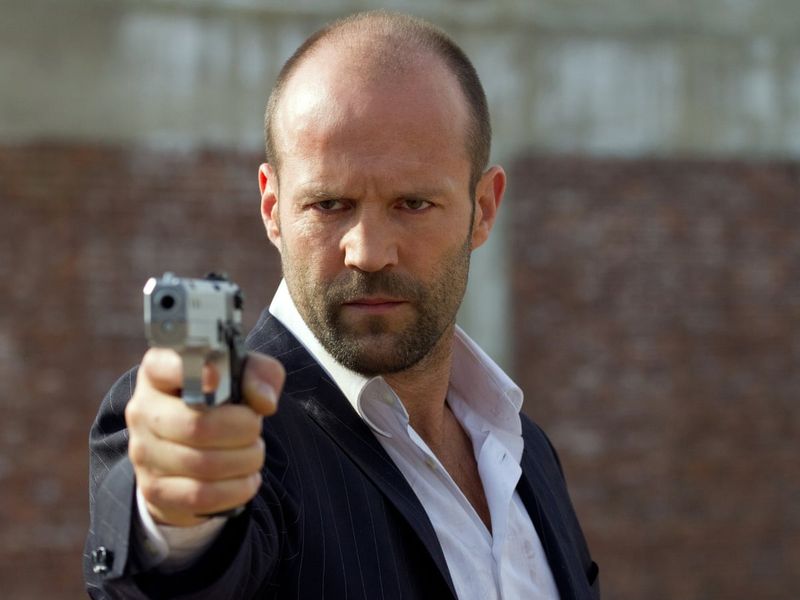
Trouble usually meets someone who already knows the exits when Statham arrives. In The Transporter, The Mechanic, and other action films, he often plays skilled men who handle dangerous work with blunt efficiency.
His athletic background supports the physical confidence audiences expect, though major action scenes still involve trained stunt teams. Look for the dry humor beneath the punches.
Spy makes that humor especially clear by turning his familiar tough guy image into an exaggerated comic performance.
8. Dwayne Johnson: The Hero Who Takes Charge
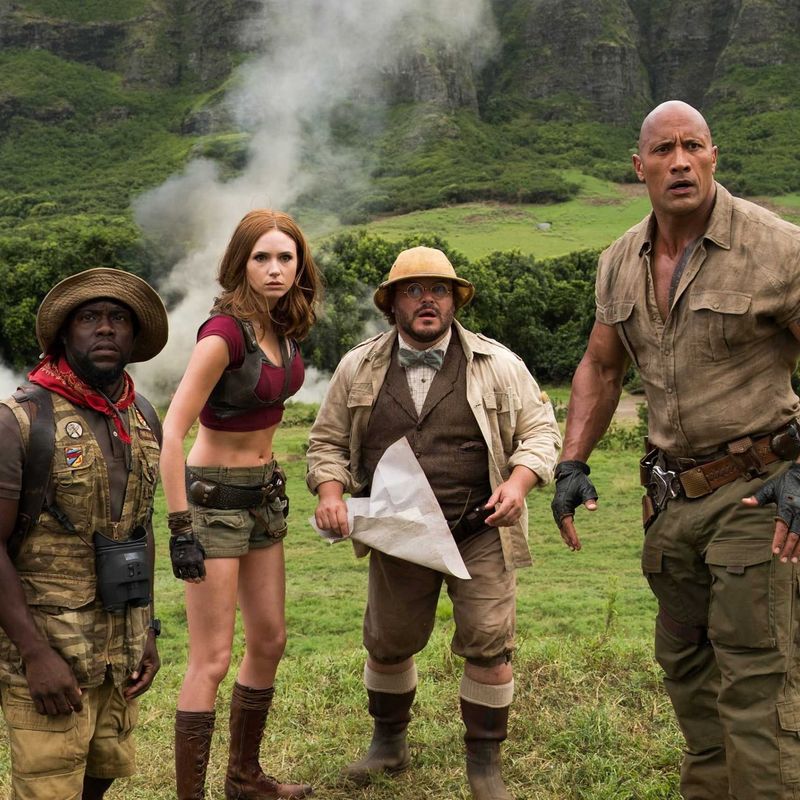
When a movie needs someone to lead the rescue, Johnson often looks ready before anyone asks. His roles in San Andreas, Skyscraper, and the Jumanji films build on strength, confidence, and an approachable sense of humor.
Rather than playing heroes without weaknesses, he frequently adds family worries or comic embarrassment. Watch how a smile changes his imposing presence.
That balance helps explain why he fits both large action adventures and stories aimed at families seeking lighter entertainment.
9. Liam Neeson: The Mentor With Survival Skills
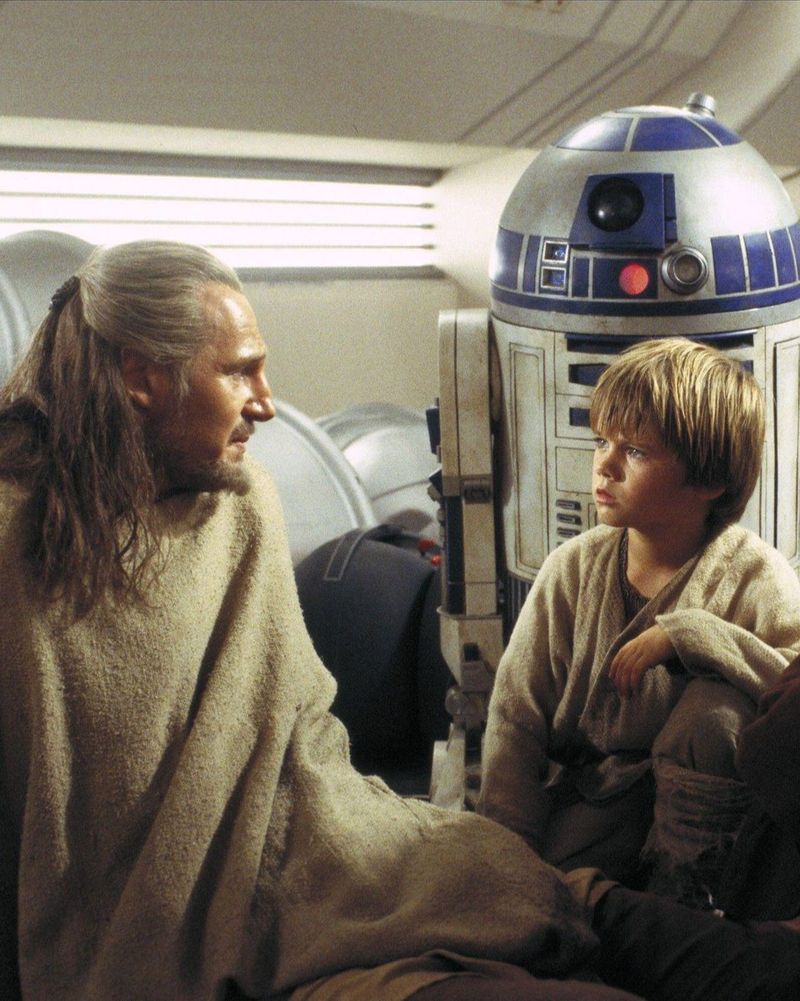
Advice sounds reassuring in his voice, until a threat gives it a harder edge. Neeson played guiding figures such as Qui-Gon Jinn in Star Wars before Taken helped reshape his image around rescue missions and revenge.
Characters in films like Non-Stop and The Commuter often face danger while carrying personal burdens. Notice the tired determination beneath the action.
His heroes usually seem less excited by a fight than driven by the need to protect someone they love.
10. Morgan Freeman: A Voice Audiences Trust
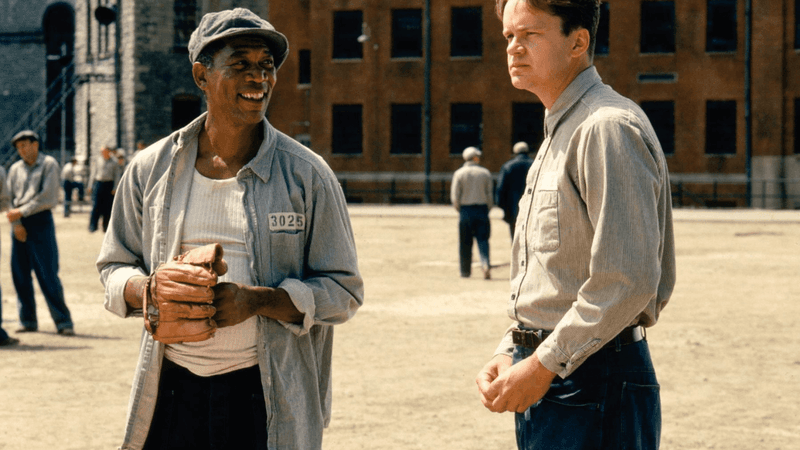
Some voices seem to make a complicated story easier to follow. Freeman brings that reassuring quality to narrators and thoughtful figures, including Red in The Shawshank Redemption and God in Bruce Almighty.
His steady delivery often suggests experience rather than a need to impress. Listen for the humor and disappointment mixed into that calmness.
Remember, though, a trusted screen presence is a performance choice, not proof that every character he plays is wise, generous, or morally dependable.
11. Adam Sandler: Big Feelings, Bigger Outbursts
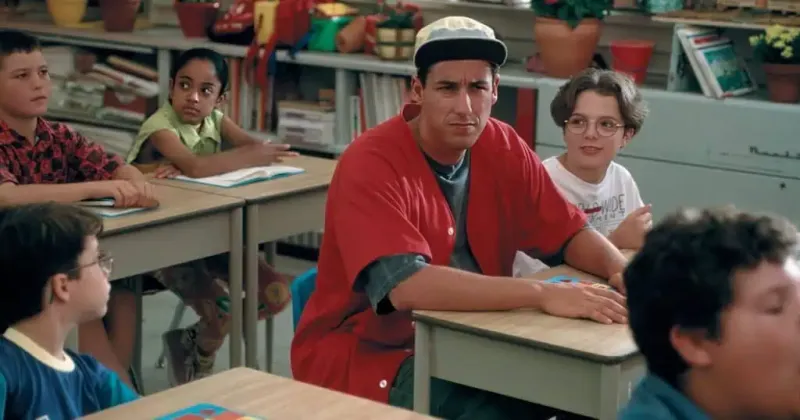
Growing up can look optional in a Sandler comedy. Billy Madison and Happy Gilmore feature impulsive men whose loud tempers and childish choices clash with moments of loyalty and unexpected kindness.
The appeal often comes from watching an unlikely underdog find a little direction. Not every viewer enjoys the shouting, but the pattern is easy to spot.
Try Punch-Drunk Love or Uncut Gems afterward to discover how his nervous energy can also support much darker dramatic stories.
12. Michael Cera: Awkwardness With Comic Timing
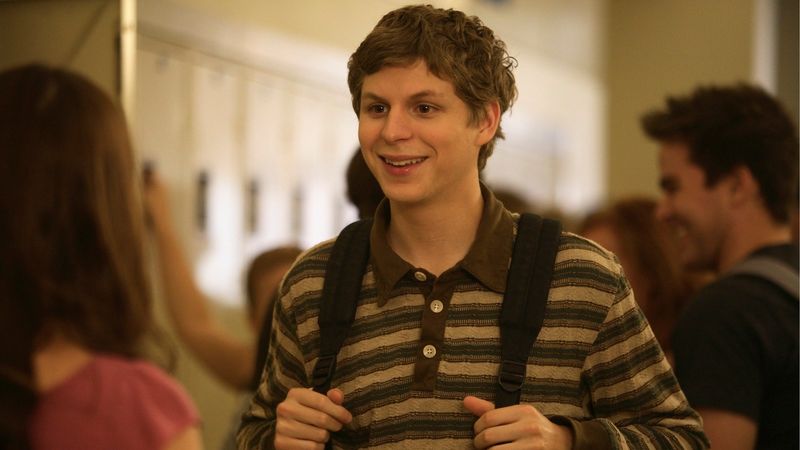
An unfinished sentence can be the funniest part of a scene. Cera built a familiar screen identity through Arrested Development, Superbad, and Juno, often playing young men who seem unsure what to say next.
His pauses and hesitant delivery capture social moments many people recognize. Yet awkward does not always mean innocent, and his characters can be selfish or careless too.
Watch how other actors react around him; their confidence often makes his discomfort even funnier by comparison.
13. Michelle Rodriguez: Toughness Without Apology
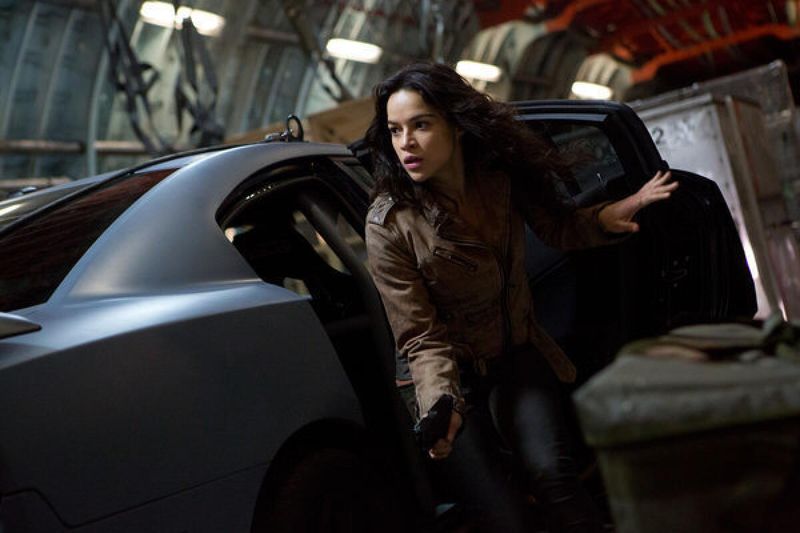
Backing down rarely looks like an option when Rodriguez enters an action scene. As Letty in the Fast & Furious films and Rain in Resident Evil, she brings directness, physical confidence, and a readiness to fight.
Her breakthrough in Girlfight also centered on a young woman refusing to be dismissed. Look beyond the tough exterior for loyalty and frustration.
Those emotions help explain the punches and make her characters feel like people rather than simply skilled action figures.
14. Christopher Walken: Expect the Unexpected
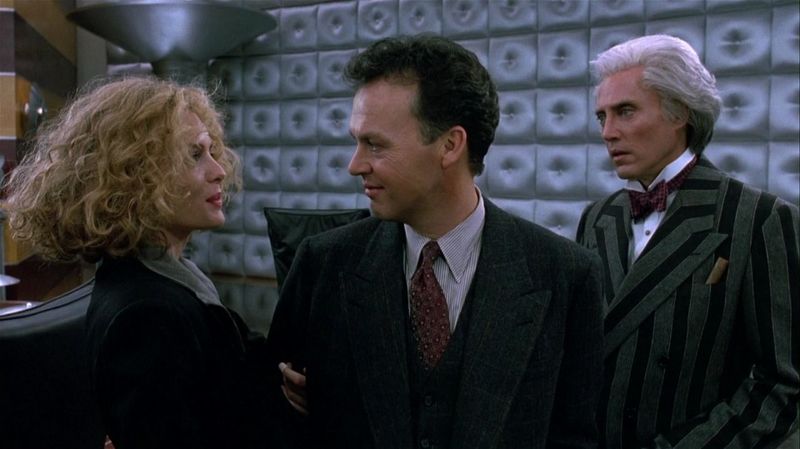
Even a simple greeting can sound surprising in Walken’s hands. His unusual rhythm, sudden pauses, and watchful expression make eccentric characters feel impossible to predict, whether the scene is funny, threatening, or strangely both.
Catch Me If You Can and Batman Returns offer very different examples of his distinctive presence. He also trained as a dancer, a background worth remembering when watching his movement.
Notice how carefully he uses posture and timing, not just that instantly recognizable voice.
15. Hugh Grant: Charm With a Nervous Stumble
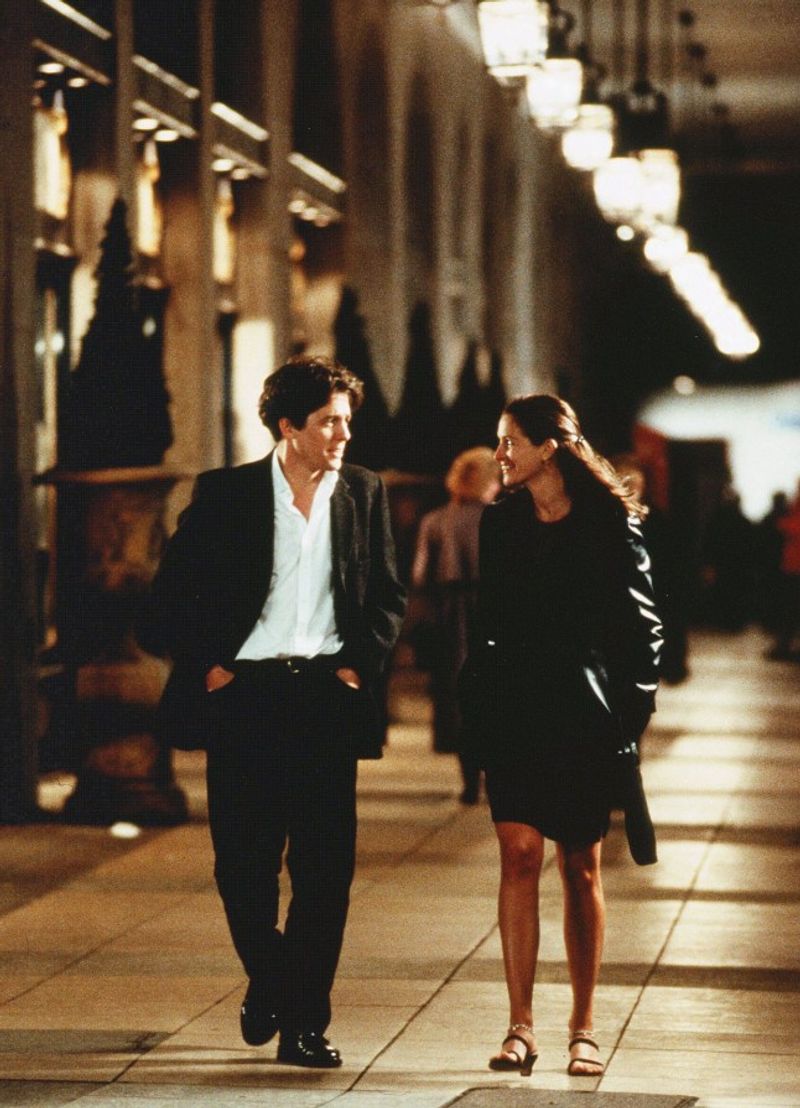
A hesitant apology and a crooked smile once seemed like Grant’s calling cards. Four Weddings and a Funeral and Notting Hill helped establish him as the charming English romantic lead who struggles to express himself.
His comic skill lies in making confidence and embarrassment exist together. However, that familiar image tells only part of the story.
Paddington 2 and The Undoing show how easily he can redirect charm toward vanity, deception, or behavior that feels much less trustworthy.
16. Mayim Bialik: A Scientist With Comic Precision
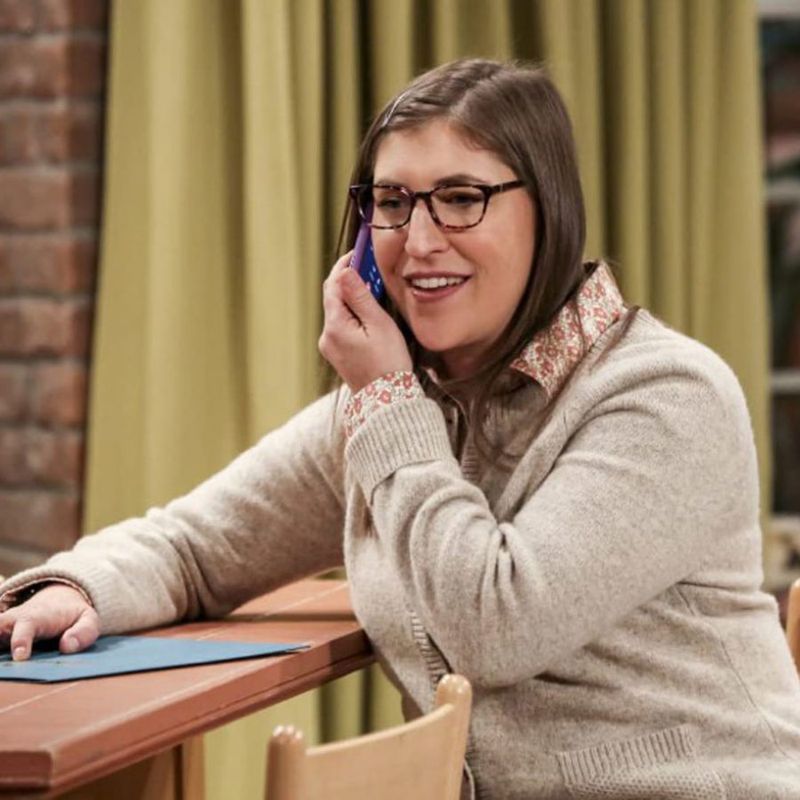
Science was more than background material for the actor playing Amy Farrah Fowler. Bialik earned a doctorate in neuroscience before becoming widely associated with the socially awkward scientist on The Big Bang Theory.
Her training adds an interesting connection, but Amy remains a fictional character with carefully written comic habits. Unlike several actors here, Bialik is not chiefly defined by repeated scientist roles.
Her earlier work in Blossom offers a useful reminder that one famous part never explains an entire career.