
Most of us have a few food habits we do without even thinking. Some seem harmless, like grabbing chips while watching TV or skipping breakfast on a busy morning.
Over time, though, small choices like these can add up and leave you feeling tired, cranky, or hungry all day. The good news is that simple changes can make a big difference, and you can start with just one habit today.
1. Skipping Breakfast

Picture running a car on an empty tank. That is basically what you do when you skip the first meal of the day.
Your body has gone all night without fuel.
Without breakfast, many people feel foggy and then overeat at lunch. A quick meal does not need to be fancy.
Try a banana with peanut butter, yogurt with berries, or a boiled egg and toast. Five minutes can power your whole morning.
2. Mindless Snacking in Front of Screens

Ever looked down during a movie and found the chip bag totally empty? You are not alone.
Screens pull our attention away from how much we eat.
Research shows people eat more when distracted, because the brain misses fullness signals.
Here is an easy fix. Pour a single portion into a bowl and put the bag away.
Better yet, keep sliced veggies or popcorn handy for TV nights.
3. Drinking Your Calories in Soda

One can of regular soda holds around nine or ten teaspoons of sugar. Imagine spooning that into your mouth!
Most people never would, yet we sip it down without blinking.
Sugary drinks do not fill you up, so those calories sneak in on top of meals.
Swap slowly. Try sparkling water with a splash of juice, or plain water with cucumber or orange slices.
Your teeth will thank you too.
4. Eating Too Fast
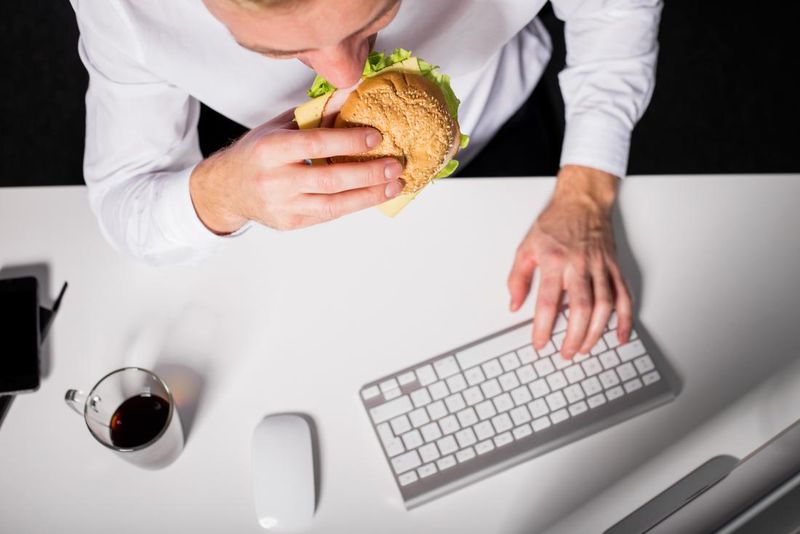
Your stomach and brain are not great texting buddies. It takes about twenty minutes for your belly to tell your head it is full.
So if you wolf down a meal in five minutes, you can easily eat way more than you need. Speed eating can also cause bloating and heartburn.
Slow down by setting your fork down between bites. Chat with someone at the table.
Actually taste your food, and enjoy it.
5. Relying on Fast Food for Dinner

The drive-through is tempting after a long day. It is quick, cheap, and tasty.
Still, most fast food meals are loaded with salt, fat, and extra calories.
A burger, fries, and shake can top a whole day of sodium in one sitting.
Plan two or three simple dinners each week, like tacos, pasta with veggies, or sheet pan chicken. Cooking at home puts you in charge of what goes on your plate.
6. Ignoring Fruits and Vegetables
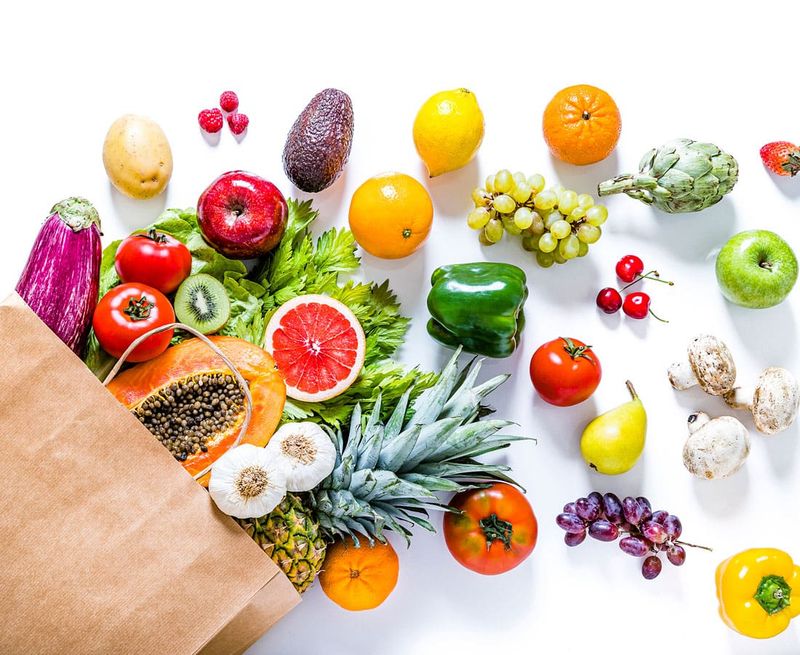
Here is a fun goal: eat the rainbow. Different colored produce gives your body different vitamins, and most people fall way short.
Fruits and veggies bring fiber, which keeps you full and helps digestion. They also protect your heart and boost energy.
Start small by adding one extra serving a day. Toss spinach into a smoothie or grab an apple for a snack.
Try filling half your plate with plants at dinner.
7. Late Night Fridge Raids
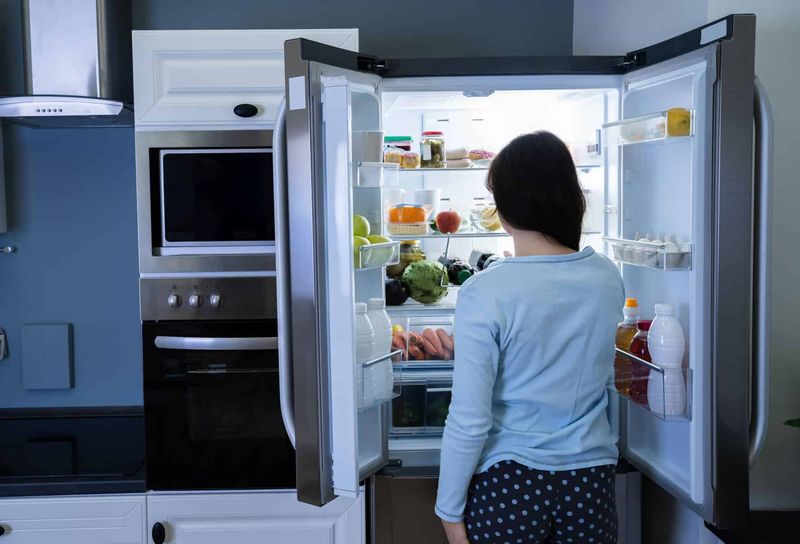
The house is dark, everyone is asleep, and the fridge light is calling your name. Sound familiar?
Midnight snacks are often about boredom or stress, not hunger. Heavy foods late at night can also mess with sleep and cause heartburn.
Try closing the kitchen about two hours before bed. If you truly feel hungry, pick something light, like a small handful of nuts or a glass of milk.
8. Supersizing Portions
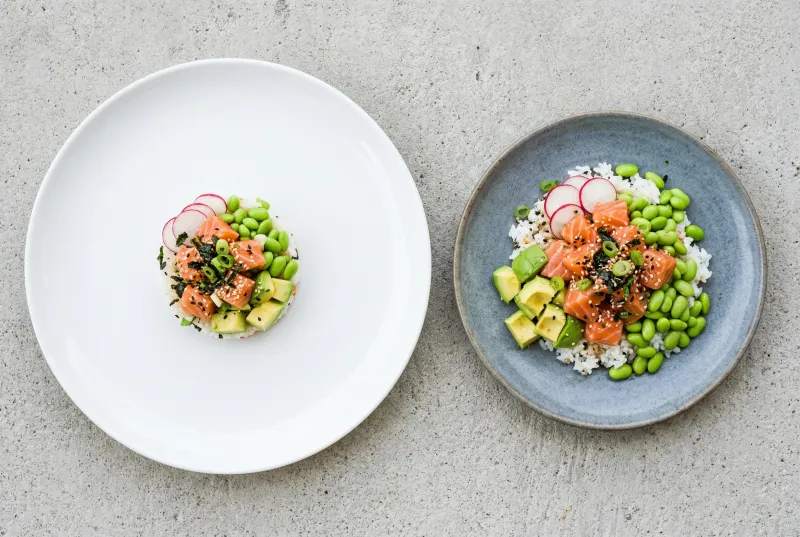
Did you know dinner plates have grown bigger over the years? Restaurant servings have ballooned too, and our eyes adjust to think huge is normal.
Eating giant portions makes it easy to take in far more than your body needs.
A handy trick is using smaller plates at home. At restaurants, ask for a to-go box right away and pack half.
You get two meals for the price of one.
9. Forgetting to Drink Water

Feeling snacky at three in the afternoon? You might actually be thirsty.
The body often mixes up thirst and hunger signals.
Even mild dehydration can cause headaches, tiredness, and trouble focusing.
Carry a refillable bottle everywhere and sip often. Some people like bottles with time marks to keep track.
Drinking a glass before each meal is another easy habit, and it may help you eat a bit less, too.
10. Emotional Eating

Bad day at school or work? A pint of ice cream can feel like a hug.
Many of us reach for food when we are sad, stressed, or lonely.
The comfort fades fast, though, and guilt often follows.
Next time, pause and ask yourself what you really feel. Then try another comfort, like a walk, music, journaling, or calling a friend.
Food is fuel, not a fix for feelings.
11. Loading Up on Salty Snacks
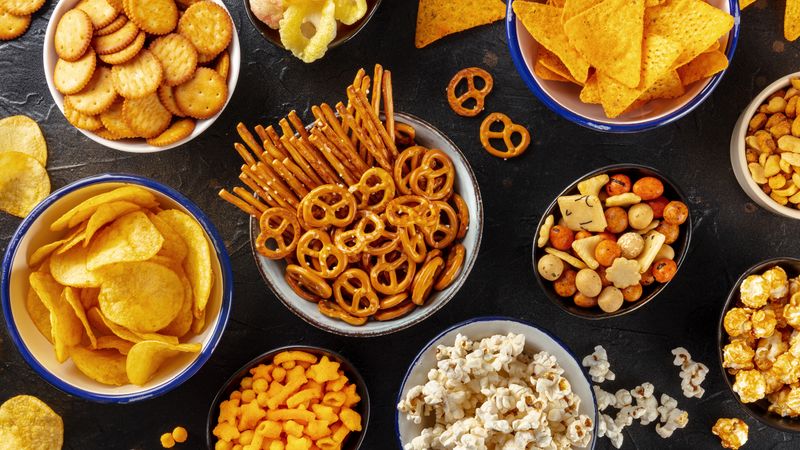
Pretzels, chips, and crackers are crunchy little troublemakers. Most of the salt we eat comes from packaged and restaurant foods, not the shaker.
Too much sodium can raise blood pressure and leave you puffy and thirsty.
Check labels and choose lower sodium options when you can. Unsalted nuts, air-popped popcorn, and crunchy veggies like snap peas can scratch that crunchy itch without the extra salt.
12. Eating Straight From the Package
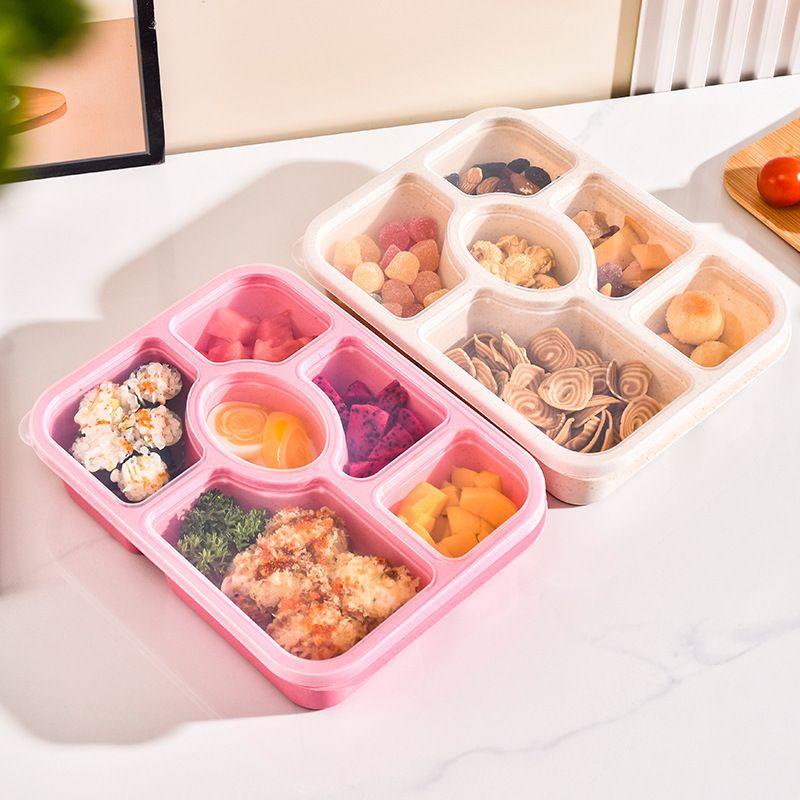
When you eat right from the box, there is no finish line. Your hand just keeps going until the bottom shows up.
Studies have found people eat noticeably more when snacking from big containers instead of plates.
Make it a rule to always portion food out first. Put cookies on a napkin or cereal in a bowl.
Seeing the amount helps your brain keep score, and that simple step really works.
13. Going Overboard on Sweets
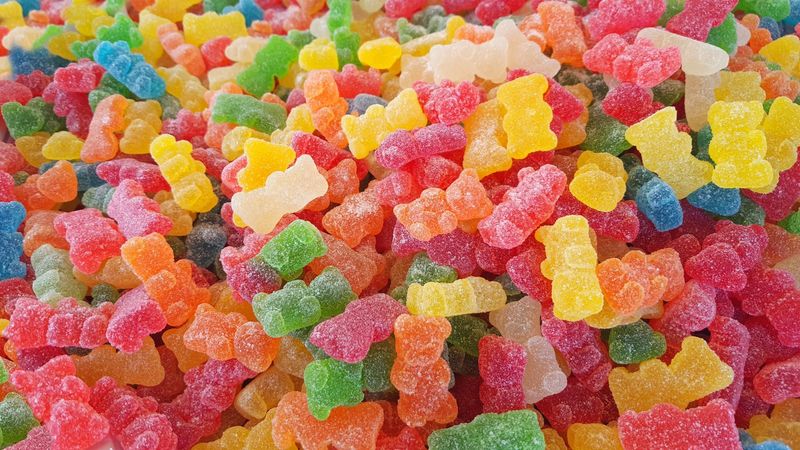
Candy, cookies, and donuts sure taste amazing. Sugar gives a quick burst of energy, but then comes the crash that leaves you sleepy and wanting more.
Eating lots of added sugar is linked to cavities, weight gain, and heart trouble.
You do not have to quit treats forever. Enjoy them in small amounts, maybe on weekends.
Fresh fruit, dark chocolate squares, or frozen grapes make sweet swaps.
14. Waiting Until You Are Starving
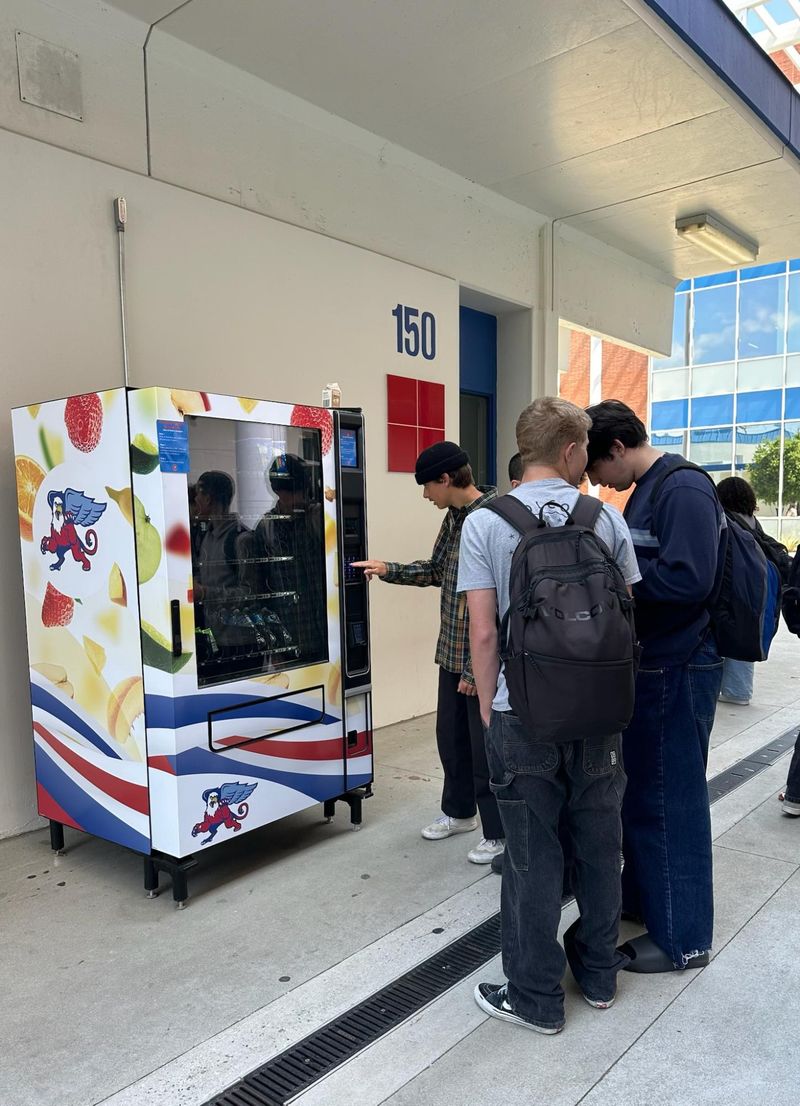
Hangry is a real thing. Go too long without eating and you turn grumpy, shaky, and ready to devour anything in sight.
That is usually when vending machines and drive-throughs win.
Instead, aim to eat every three to five hours. Pack easy snacks like cheese sticks, trail mix, or fruit in your bag.
Steady meals keep your mood calm and your choices smarter throughout the day.
15. Choosing White Bread Over Whole Grains
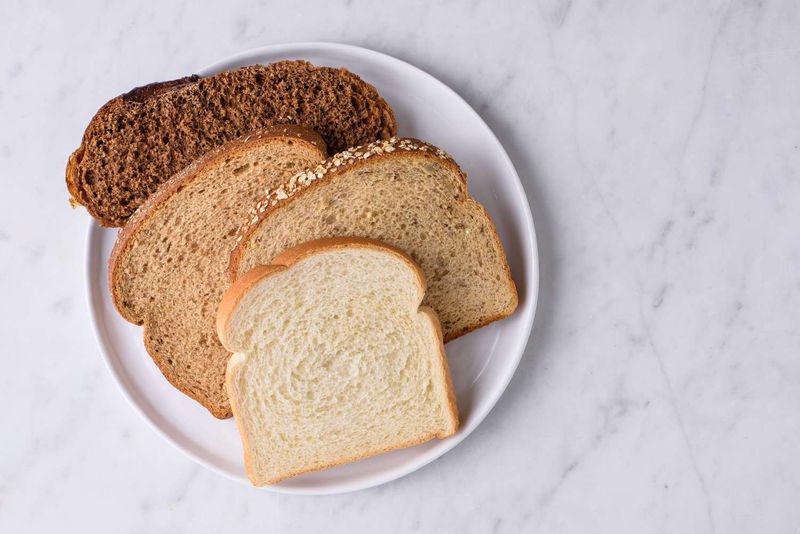
White bread is soft and fluffy because most of the healthy parts of the grain get removed. Sadly, that includes much of the fiber and nutrients.
Whole grains keep you full longer and help steady your energy.
Swapping is easy. Pick whole wheat bread, brown rice, or oatmeal.
Look for the word whole as the first ingredient on the label, since names like multigrain can be sneaky.
16. Fearing All Fats
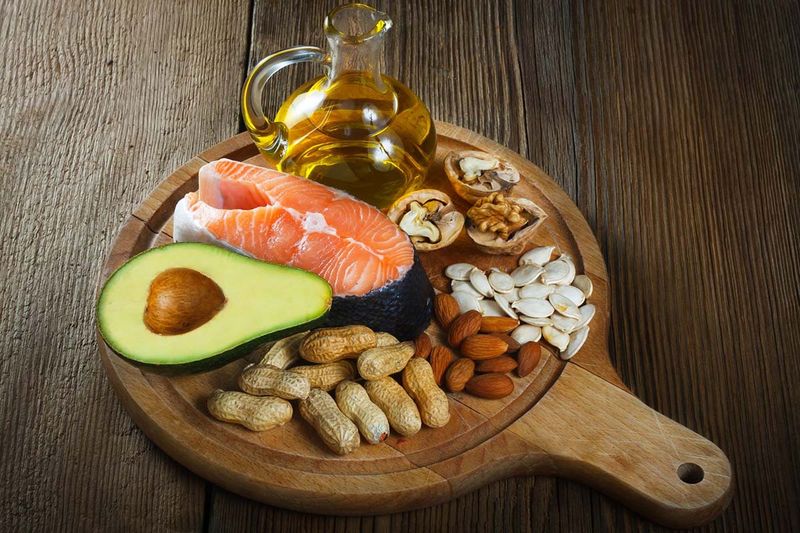
Back in the 1990s, low fat everything was the big trend. Turns out, many of those products swapped fat for loads of sugar.
Your body actually needs healthy fats for your brain, skin, and absorbing certain vitamins.
Focus on good sources like avocados, nuts, olive oil, and fish such as salmon. Just go easy on fried foods and greasy snacks.
Balance, not fear, is the smart approach.
17. Too Many Energy Drinks and Coffee Treats
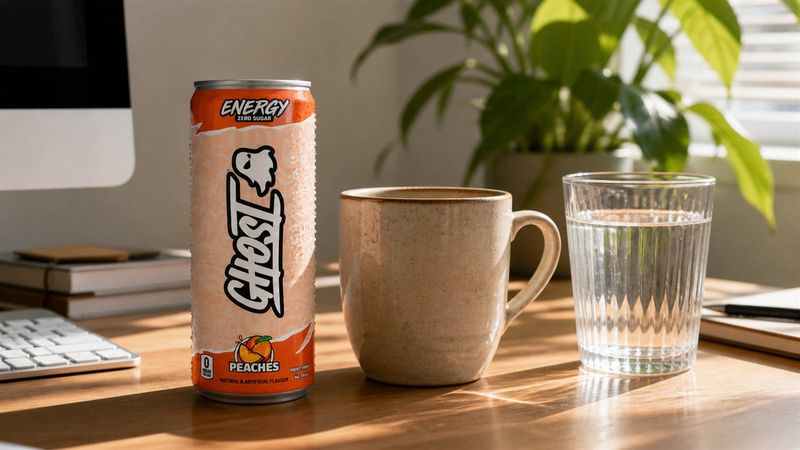
That fancy whipped cream coffee drink can pack as many calories as a full meal. Energy drinks are no better, with tons of sugar and caffeine.
Too much caffeine can cause jitters, a racing heart, and poor sleep.
Kids and teens should mostly skip energy drinks. Adults can try a smaller size, plain coffee with a little milk, or iced tea without added sugar.
Little swaps save lots of sugar.
18. Eating on the Go Every Day

Lunch in the car, dinner while walking, breakfast at the bus stop. Life gets busy, and meals become something we squeeze in between tasks.
Eating on the move often means grabbing packaged food and not noticing how much you ate.
Even ten minutes sitting down helps. Prep a few lunches on Sunday so you have good options ready.
Your body digests better when you are relaxed, too.
19. Skipping Protein
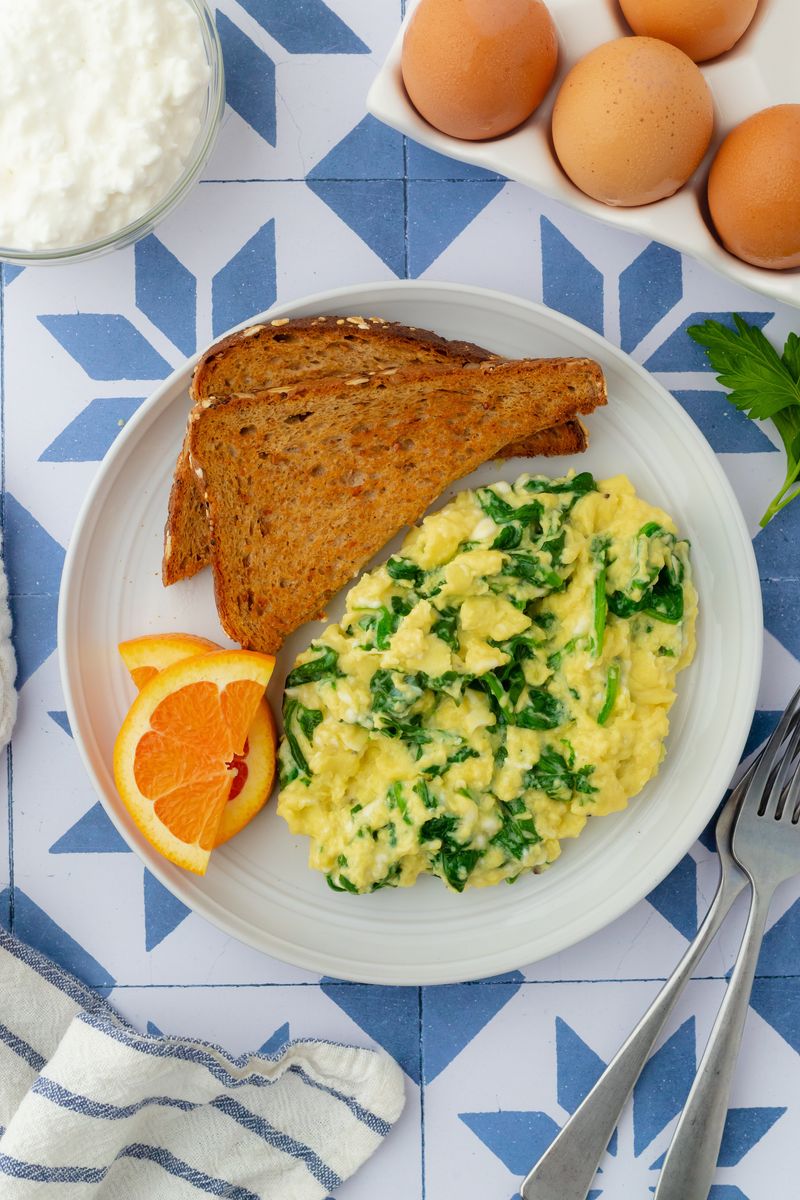
A bowl of plain pasta or a sugary cereal might fill you for an hour, then boom, hunger is back. Missing protein is often the reason.
Protein builds muscles, repairs your body, and keeps you satisfied much longer.
Add a protein to every meal. Eggs, beans, chicken, fish, tofu, Greek yogurt, and nuts all count.
Even sprinkling seeds on oatmeal gives you a helpful boost.
20. Trusting Healthy Labels Blindly

Natural. Light.
Made with real fruit. Food companies love these words because they make products sound healthy.
A granola bar or fruit snack with those labels can still be packed with sugar. Words on the front are marketing, not facts.
Flip the box over and read the nutrition label and ingredient list. Shorter lists with foods you recognize are usually a better bet.
It takes seconds and you get smarter every time.
21. Cleaning Your Plate No Matter What

Lots of us grew up hearing that we must clean our plates. Grandma meant well, but this habit teaches us to ignore our own fullness.
Eating past full can lead to stomachaches and extra pounds over time.
Try listening to your body instead. Stop when you feel satisfied, not stuffed.
Leftovers make a great lunch tomorrow, so nothing goes to waste, and you feel much better.
22. Overdoing Processed Meats
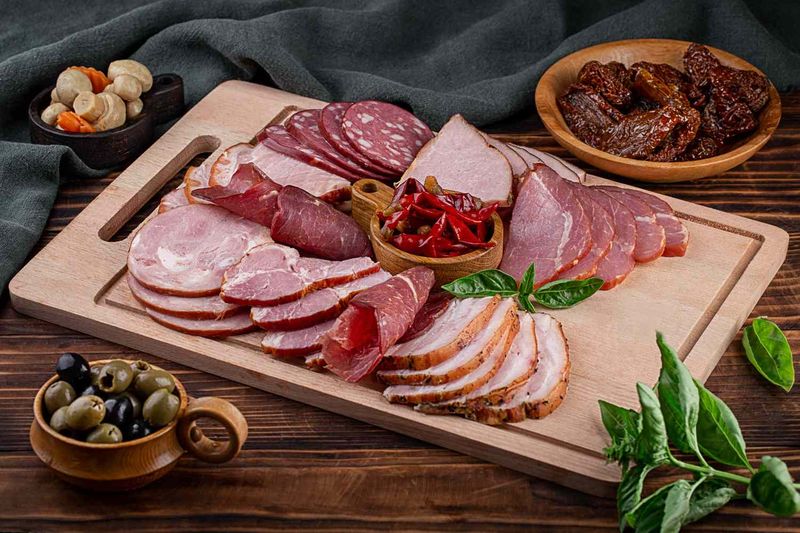
Hot dogs at the ballpark are a classic, and bacon smells incredible. Yet processed meats like these tend to be high in salt and preservatives.
Health experts suggest limiting them, since eating them often is linked to heart disease and some cancers.
Save them for special occasions. For everyday sandwiches, try roasted chicken, tuna, hummus, or egg salad instead.
Your heart will appreciate the change.
23. Following Extreme Fad Diets

Juice cleanses, cabbage soup diets, cutting out all carbs. New fad diets pop up every year promising fast results.
Most are too strict to keep up, and weight usually comes back once you stop. Some even skip important nutrients your body needs.
Small, steady changes beat crash diets every time. Eat a mix of foods, move your body, and be patient.
Lasting health is a marathon, not a sprint.