
Growing up in a home where yelling was common can leave marks that last well into adulthood. Many people who were frequently yelled at as kids carry emotional and behavioral patterns they may not even realize came from those early experiences.
Understanding these traits is the first step toward healing and building a healthier life. If any of these sound familiar, know that recognizing them is a powerful move forward.
1. A Constant Undercurrent of Anxiety

Worry becomes a background noise that never quite turns off. Adults who were frequently yelled at as children often carry a low-level anxiety with them everywhere, even when life seems perfectly fine on the surface.
Their nervous system learned early on to stay on alert.
Simple decisions can feel overwhelming, and unexpected changes can trigger a wave of dread. Therapy, mindfulness, and breathing exercises can help calm that overactive alarm system over time.
2. Low Self-Esteem That Quietly Lingers

When a child hears harsh words regularly, those words can become the voice in their head. Adults who grew up being yelled at often struggle to see their own worth, even when others around them clearly do.
Feeling “not good enough” becomes the default setting.
This inner critic can hold people back from chasing goals or accepting compliments. Building self-esteem takes time, but journaling, affirmations, and supportive relationships can slowly shift that inner voice.
3. Emotional Dysregulation and Mood Swings
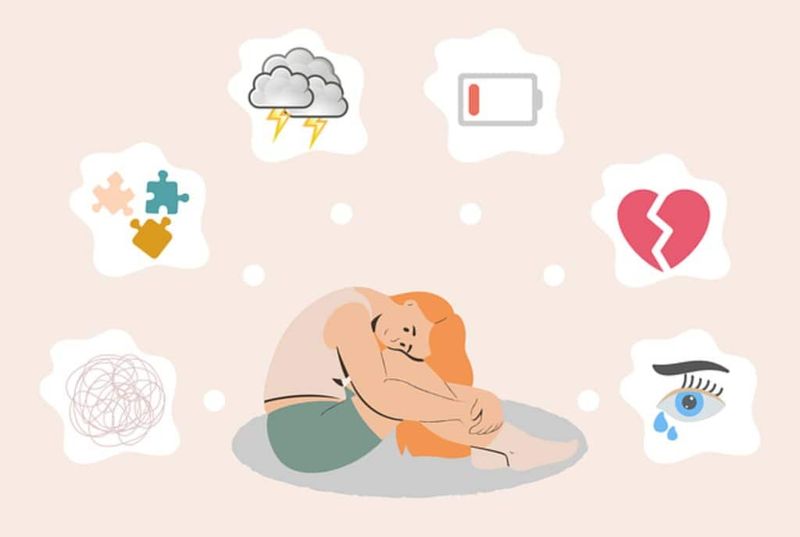
Riding an emotional rollercoaster without a clear reason is exhausting. Adults who experienced frequent yelling in childhood often have trouble understanding, naming, or controlling their own emotions.
One moment they feel fine; the next, a small trigger sends them spiraling.
This happens because the brain never fully learned healthy emotional regulation as a child. Working with a therapist who specializes in emotion-focused strategies can make a real difference in finding balance day to day.
4. Verbal Aggression or Bullying Tendencies

Kids learn what they live, and unfortunately, yelling teaches yelling. Some adults who grew up in loud, volatile homes absorb that communication style and carry it into their own relationships and workplaces.
Raising their voice can feel normal, even when it pushes people away.
Recognizing this pattern is uncomfortable but necessary. Anger management programs and communication coaching can help break the cycle so it does not get passed down to the next generation.
5. Struggles With Trusting Others

Trust is hard to give when early relationships felt unpredictable and unsafe. Adults raised in homes with frequent yelling often find it difficult to open up, rely on others, or believe that people will treat them kindly and consistently.
Walls go up as a form of protection.
This can lead to loneliness and shallow connections over time. Gradually letting trusted people in, ideally with the support of a counselor, helps rebuild the ability to form genuine bonds.
6. Post-Traumatic Stress Responses

Loud voices, slammed doors, or sudden shouting can instantly transport some adults back to childhood moments they never fully processed. Research shows that childhood verbal abuse is a strong predictor of PTSD symptoms in adulthood, including flashbacks, avoidance, and emotional numbness.
Many people are surprised to learn their reactions qualify as trauma responses. Trauma-informed therapy, including EMDR or cognitive behavioral therapy, has helped many people reduce these responses and reclaim a sense of safety in everyday life.
7. A Harsh Inner Critic That Never Rests

Somewhere between childhood and adulthood, the yelling voice from outside becomes the yelling voice inside. Adults who grew up being criticized loudly often develop a relentless inner monologue that picks apart every mistake, every choice, and every imperfection.
Nothing ever feels quite good enough.
That inner critic can drain energy and block creativity. Practicing self-compassion, catching negative thoughts, and replacing them with kinder self-talk are small but powerful ways to quiet that voice over time.
8. Pessimism and Emotional Withdrawal
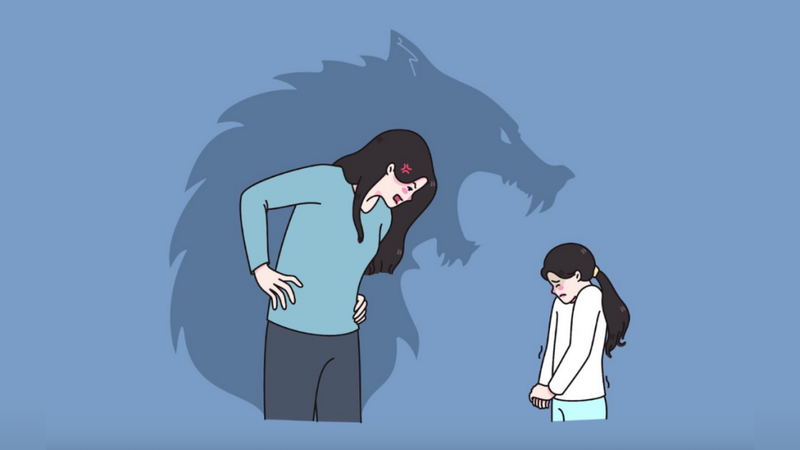
When childhood felt unpredictable and scary, expecting the worst becomes a survival strategy. Adults who were often yelled at may grow into people who assume things will go wrong, struggle to feel hopeful, and pull away from social situations to protect themselves from more hurt.
Over time, this isolation can deepen feelings of sadness and disconnection. Small steps like joining a community group or scheduling regular time with a trusted friend can slowly rebuild a sense of belonging and optimism.
9. Elevated Stress Levels and Physical Tension

Being yelled at repeatedly as a child actually rewires the brain’s stress response system. The amygdala, the part of the brain that detects danger, becomes overactive, flooding the body with stress hormones far more often than necessary.
Adults may feel tightly wound even during calm moments.
Chronic tension, headaches, and trouble sleeping are common physical signs. Regular exercise, relaxation techniques, and professional support can help dial down the body’s hair-trigger stress response over time.
10. Risky or Self-Destructive Behaviors

Pain that has nowhere healthy to go often finds an unhealthy outlet. Some adults who were yelled at frequently in childhood turn to substance use, risky relationships, or other self-destructive habits as a way to cope with deep emotional wounds they may not fully understand yet.
These behaviors are not signs of weakness; they are signs that something hurts. Reaching out to a counselor or a support group can open the door to healthier coping tools and a more stable path forward.
11. Difficulty Making Decisions

Second-guessing every choice, big or small, is a daily reality for many adults who grew up in volatile homes. When childhood decisions were often met with anger or criticism, the brain learned that choosing wrong could mean getting yelled at.
That fear does not just disappear with age.
As adults, even simple choices like what to order at a restaurant can feel paralyzing. Building confidence through small, low-stakes decisions and celebrating those wins can slowly rebuild trust in one’s own judgment.
12. People-Pleasing and Trouble Saying No

Saying yes to everything feels safer than risking someone’s anger. Adults who were frequently yelled at as children often become expert people-pleasers, constantly prioritizing others’ needs while quietly ignoring their own.
Keeping the peace becomes a deeply ingrained habit that is hard to shake.
Over time, this pattern leads to burnout, resentment, and a lost sense of personal identity. Learning to set kind but firm boundaries is a skill that can be developed, and it genuinely changes quality of life.
13. Reactivity and a Tendency to Seek Conflict

For some adults, yelling in childhood created a nervous system that learned to fight back first. Rather than feeling hurt or scared, these individuals externalize their distress by picking fights, becoming defensive at the slightest hint of criticism, or even unconsciously creating conflict to feel in control.
Recognizing this pattern can be eye-opening. Therapy focused on understanding emotional triggers and developing healthier communication habits can transform reactive relationships into ones built on mutual respect and safety.
14. Hypervigilance and Always Scanning for Danger

Always waiting for the other shoe to drop is exhausting, but it feels normal to someone who grew up in an unpredictable home. Adults who experienced harsh or inconsistent discipline as children often develop hypervigilance, a state of constantly scanning their environment for signs that something is about to go wrong.
Loud noises, sudden movements, or a change in someone’s tone can instantly spike their alertness. Grounding techniques and trauma-focused therapy can help the nervous system learn that not every situation is a threat.
15. Guilt and the Habit of Self-Blame

“It must have been my fault” is a thought that follows many adults who were yelled at as children. Kids naturally assume they caused the anger directed at them, and that belief can harden into a lifelong pattern of blaming themselves for things entirely outside their control.
It feels automatic.
Chronic self-blame can fuel anxiety, depression, and unhealthy relationship patterns. Cognitive behavioral therapy is especially effective at helping people identify and challenge this distorted thinking with more balanced, realistic perspectives.
16. Neglecting Personal Needs and Well-Being

Growing up in a home where your feelings were dismissed or drowned out by yelling can teach a child that their needs simply do not matter. Carried into adulthood, this belief shows up as skipping meals, ignoring health concerns, or feeling guilty any time they do something just for themselves.
Self-care feels selfish to someone raised this way. Reframing self-care as a necessity rather than a luxury, and working with a therapist to rebuild self-worth, can help adults finally start putting themselves on the priority list.
17. Chronic Pain and Physical Health Challenges

The mind and body are more connected than most people realize, and the evidence backs this up. Studies have found a clear link between adverse childhood experiences, including being frequently yelled at, and the development of chronic pain conditions in adulthood such as arthritis, persistent headaches, and back or neck problems.
Stress hormones released during repeated emotional trauma can take a real physical toll on the body over many years. Addressing the emotional roots through therapy, alongside medical care, often brings more lasting relief than treating the physical symptoms alone.