
A catchy line can make fans laugh, sell shirts, and send a celebrity straight to a trademark lawyer. Some stars have tried to protect everything from funny sounds to dinner plans.
But filing paperwork does not mean someone owns those words in everyday conversation. The real comedy starts when a famous catchphrase meets the rules of the trademark office.
1. Cardi B Gives ‘Okurrr’ the Business Treatment
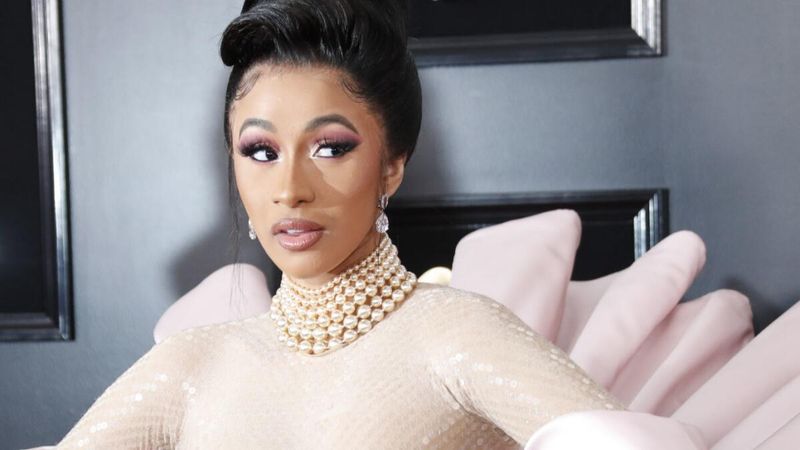
A rolling sound somehow ended up needing a legal team. In 2019, Cardi B sought trademark protection for ‘Okurrr’ and a shorter spelling for merchandise, including clothing.
The application hit trouble because the expression was already widely used, including in drag culture. That makes the story less about inventing a word and more about branding a familiar sound.
Fans could keep saying it without sending a royalty check every time they rolled their tongues dramatically.
2. Donald Trump Tries to Hire ‘You’re Fired!’
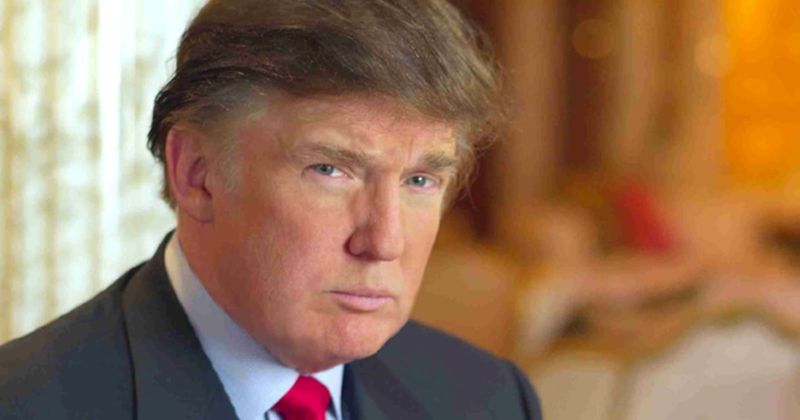
Getting fired rarely sounds like a business opportunity, unless television cameras are rolling. Donald Trump applied to trademark ‘You’re Fired!’ in 2004 after making it famous on The Apprentice.
The effort ran into a conflict involving an existing ‘You’re Hired!’ mark. The opposite message became an awkward obstacle.
Trademark rules focus on possible customer confusion, not which celebrity says a line loudest. Even a boardroom catchphrase needs to survive someone else’s paperwork before becoming protected merchandise.
3. Anthony Davis Makes ‘Fear the Brow’ Official
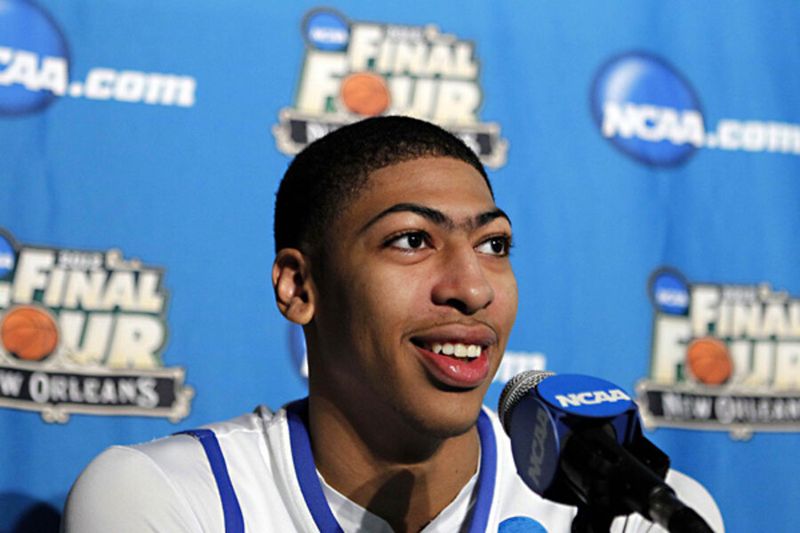
Most athletes build a brand around their jump shot. Anthony Davis also had an eyebrow doing serious marketing work when he sought protection for ‘Fear the Brow’ in 2012.
The basketball star wanted to stop others from cashing in on his famous look. It was a practical response to a memorable feature, even if the slogan sounds like advice from a worried salon worker.
Personal style can become valuable branding when fans instantly recognize the connection.
4. ‘Raise the Brow’ Gives Davis Another Angle
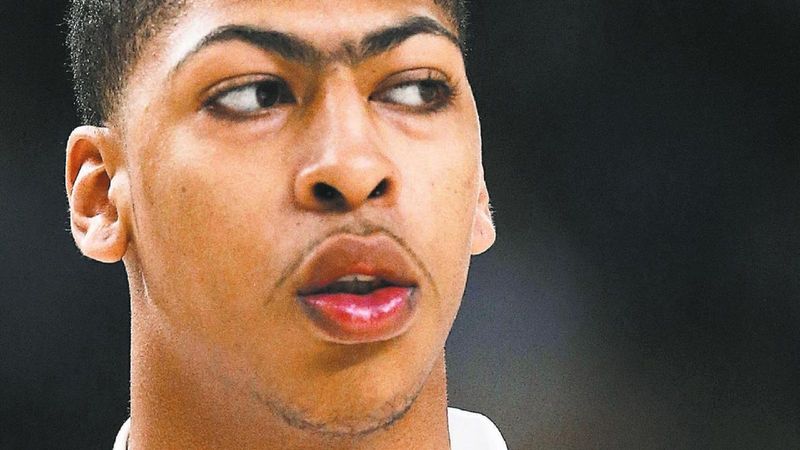
One eyebrow slogan apparently was not enough for a future basketball superstar. Alongside ‘Fear the Brow,’ Anthony Davis pursued ‘Raise the Brow,’ giving his signature look another route onto merchandise.
The joke almost writes itself: an expression of surprise became a business asset. Paired slogans can help a brand reach different buyers, but protection still depends on specific goods and uses.
Nobody needs permission to raise an actual eyebrow while reading about the paperwork involved here.
5. Rachel Zoe Takes ‘Bananas’ Beyond the Fruit Bowl

Somewhere between a fitting room and a fruit bowl, ‘Bananas’ became fashion language. Rachel Zoe used it to describe something amazing, then pursued trademark protection tied to her brand.
Designer Christopher Sauvé answered with a ‘Free the Fruit’ campaign, turning the business move into another joke. The useful distinction is that a trademark does not erase a word from the dictionary.
Grocery shoppers could still request bananas without accidentally joining a celebrity licensing deal at checkout.
6. ‘I Die’ Becomes Rachel Zoe’s Dramatic Brand
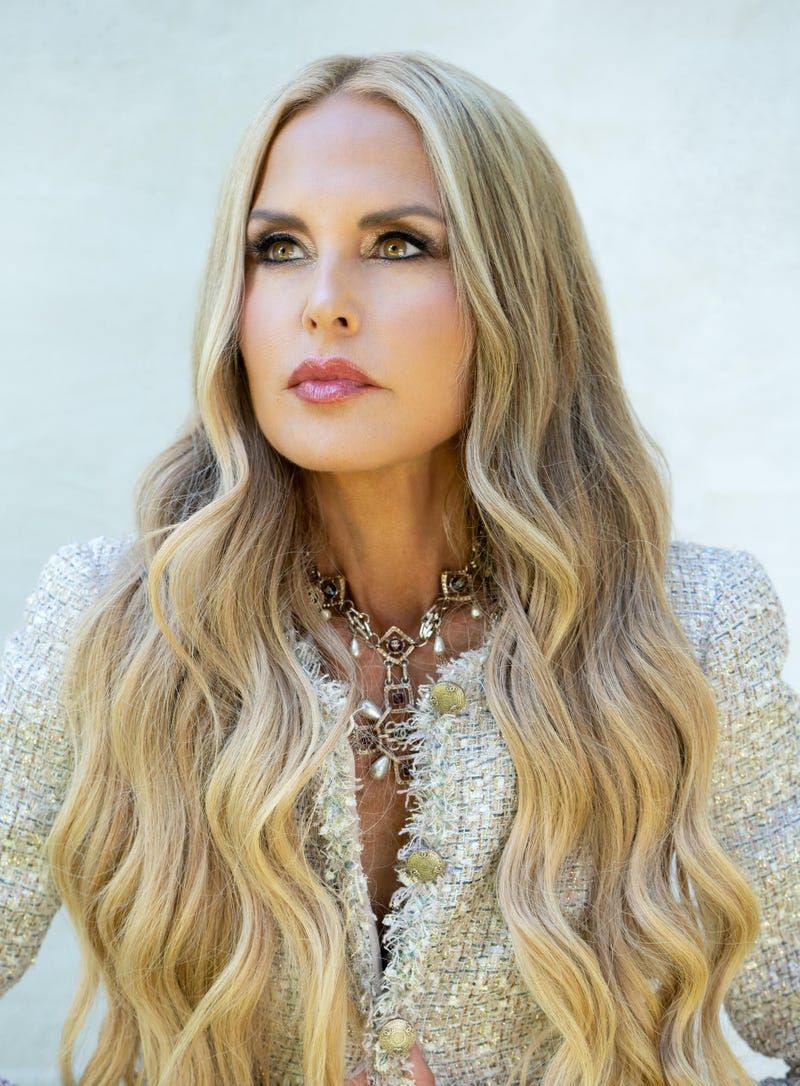
A beautiful dress should not require emergency services, but Rachel Zoe’s praise could sound alarming. Her catchphrase ‘I Die’ became closely linked with her television personality and trademark activity.
Fans understood the drama meant delight, not danger. That shared understanding is what can make a short phrase useful as branding.
Still, commercial protection is narrower than owning every use of those words. Anyone overwhelmed by a fabulous bargain can breathe easily and keep talking about their excitement.
7. Tim Tebow Puts ‘Tebowing’ on the Paperwork
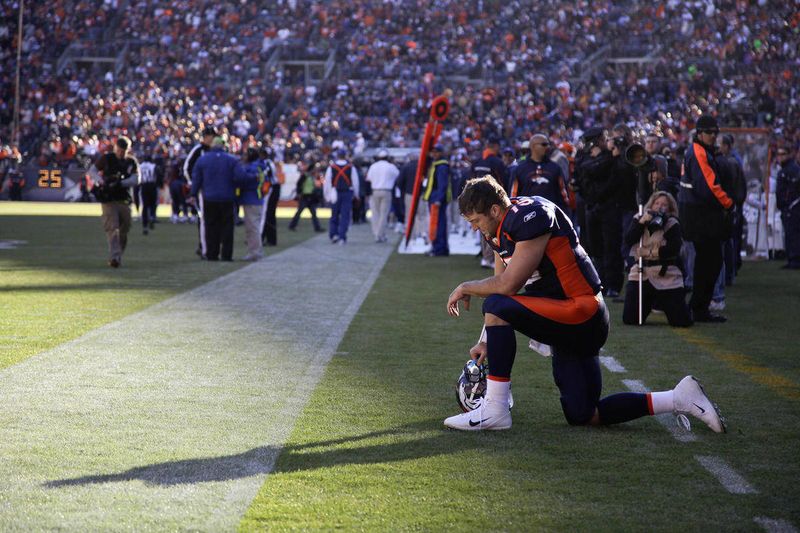
One knee, a bowed head, and suddenly the internet had a new verb. Tim Tebow secured trademark protection for ‘Tebowing,’ the name linked to his widely copied prayer pose.
He said his aim was to control how it was used rather than simply make money. The distinction matters: protecting a term for certain commercial uses is not ownership of kneeling itself.
A viral pose can inspire countless photos while its name becomes a serious branding question.
8. Taylor Swift Sends ‘This Sick Beat’ to Legal
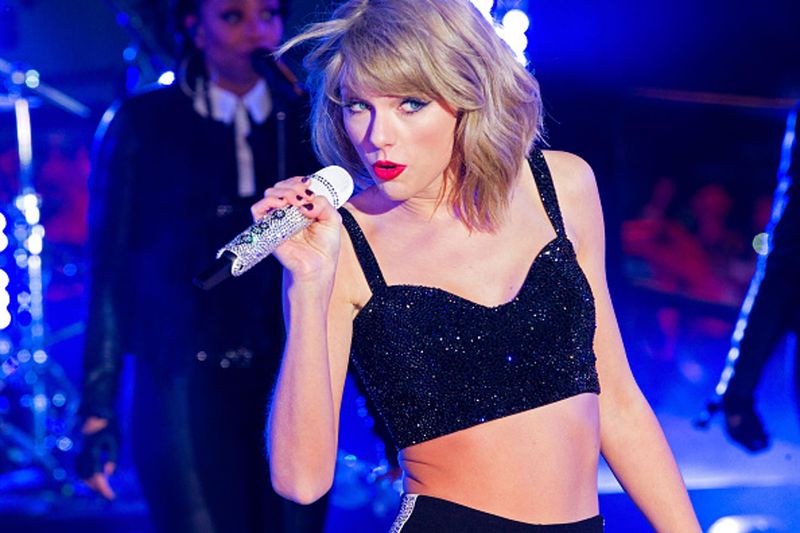
A dance floor boast took an unexpected turn toward office supplies. Taylor Swift filed trademark applications for ‘This Sick Beat,’ a lyric from ‘Shake It Off,’ as part of her merchandise branding.
The funny contrast is hard to miss: a carefree pop moment meeting careful legal forms. Such filings concern listed products, not a ban on ordinary speech.
Before assuming a singer owns a sentence everywhere, check what goods the application actually covers and its current status.
9. ‘Nice to Meet You, Where You Been’ Meets a Filing
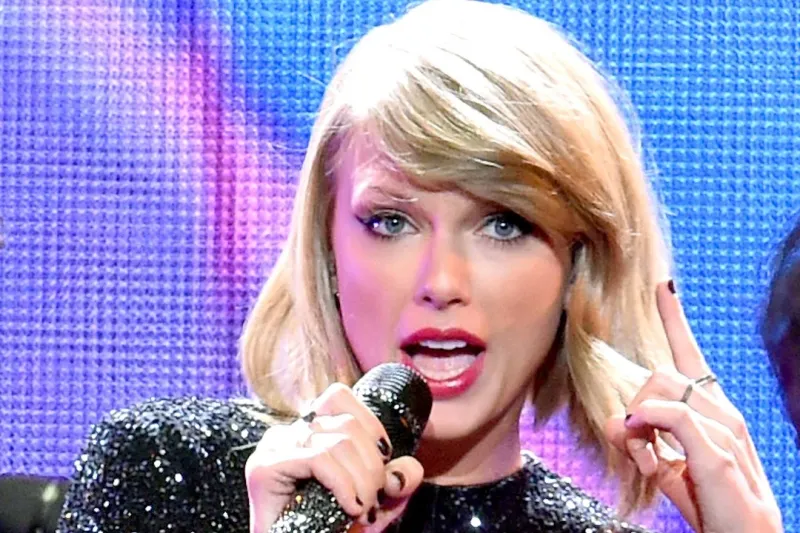
Even a friendly introduction can apparently arrive with branding plans. Among Taylor Swift’s lyric filings was ‘Nice to Meet You, Where You Been,’ familiar to listeners of ‘Blank Space.’
On a shirt, the line can signal fandom rather than an actual conversation starter. That is the commercial idea behind protecting lyrics as marks.
The amusing part is imagining small talk with paperwork attached. Your next reunion greeting does not automatically need approval from a pop star’s lawyer.
10. ‘Party Like It’s 1989’ Gets a Business Plan
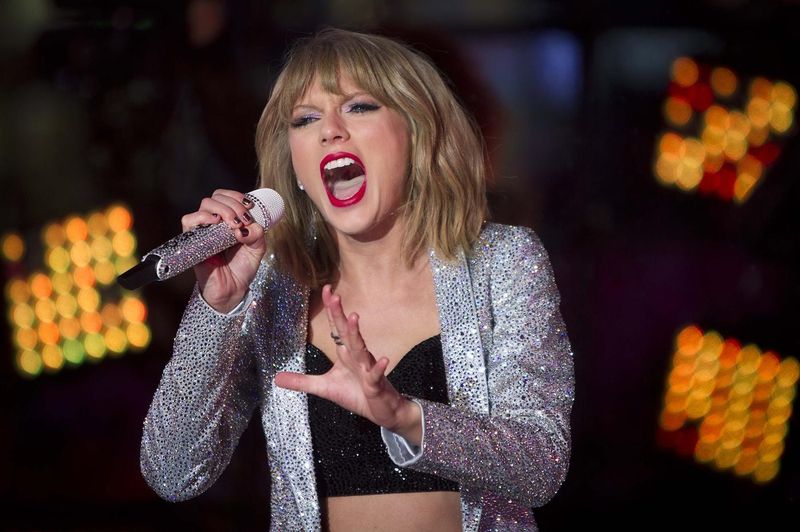
Confetti and legal documents make a surprisingly memorable party theme. Taylor Swift sought protection for ‘Party Like It’s 1989,’ linking a celebration slogan to the album named after her birth year.
The phrase shows how an artist can stretch an album’s identity across merchandise. It does not mean everyone celebrating that year owes a fee.
Trademark applications also have separate paths and outcomes, so a headline about filing should never be mistaken for permanent ownership of words.
11. The Old Taylor Cannot Answer Trademark Questions
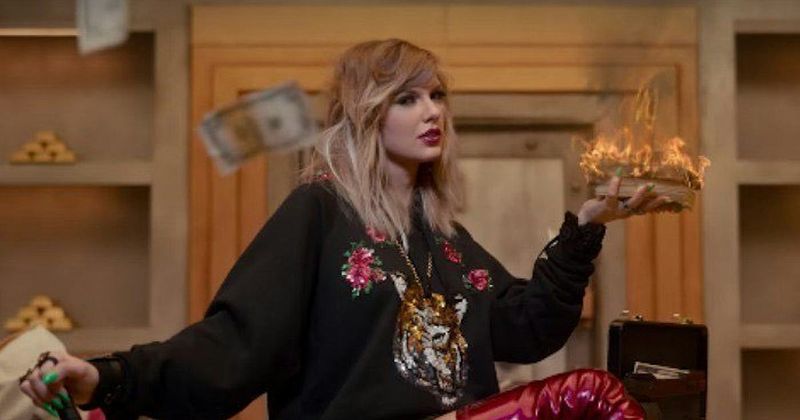
Please leave your message after the legal department finishes reviewing it. Taylor Swift also pursued protection for ‘The old Taylor can’t come to the phone right now,’ from ‘Look What You Made Me Do.’
A dramatic lyric became an equally dramatic merchandise possibility. Long phrases can work as trademarks when buyers recognize a brand connection, though filing alone guarantees nothing.
The comic twist is simple: even a fictional unavailable version of Taylor apparently had potential business to handle.
12. Charlie Sheen Files for ‘Duh, Winning’
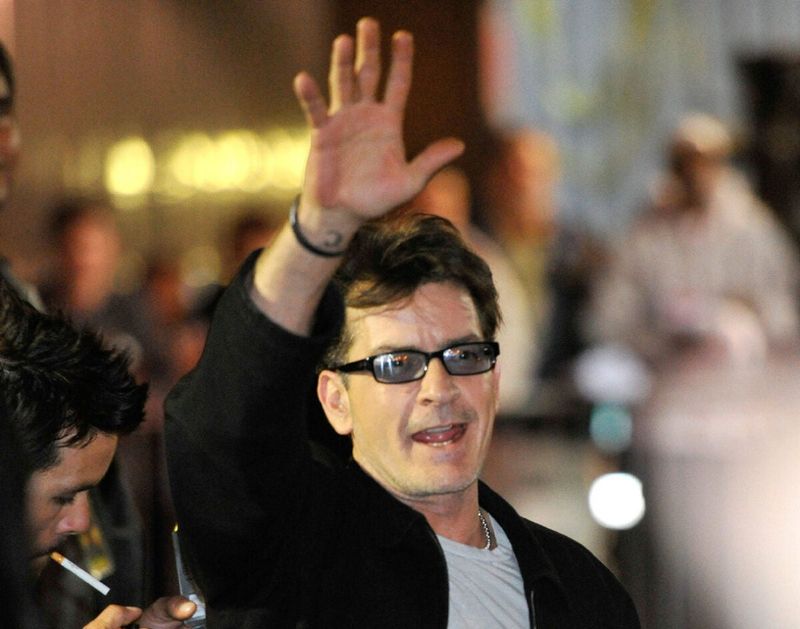
For a while in 2011, almost every celebrity headline seemed to include ‘winning.’ Charlie Sheen’s media blitz produced a rush of trademark applications, including ‘Duh, Winning.’
The line’s confidence made the legal effort especially funny: declaring victory is easier than securing a trademark. Public attention can create demand for merchandise, but it can fade quickly too.
A viral catchphrase is not automatically a lasting business, no matter how certain its speaker sounds during a memorable television interview.
13. ‘Tiger Blood’ Leaves the Jungle for Merchandise
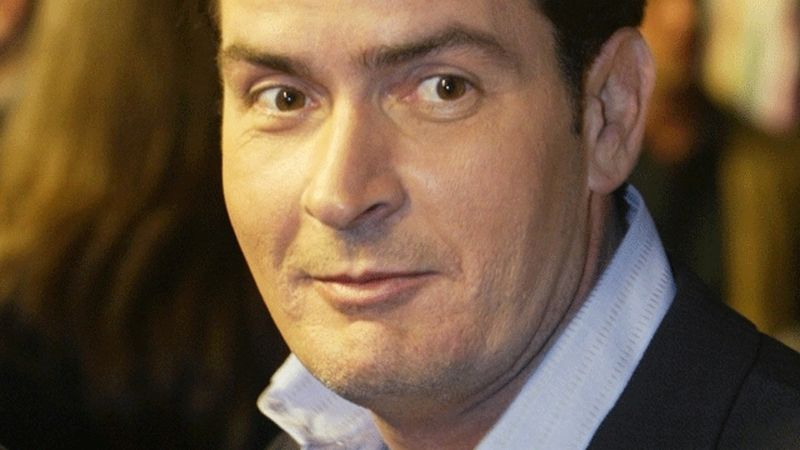
No wildlife expert was needed for this particular branding exercise. Charlie Sheen’s ‘Tiger Blood’ line became another target in the wave of trademark filings surrounding his 2011 publicity storm.
Its strange imagery made it instantly memorable, which helps explain the merchandise appeal. But attention and legal protection are different things.
The lesson for anyone naming a product is straightforward: a phrase can be wonderfully odd and still need careful checks before becoming a dependable commercial brand over time.
14. ‘Sheen’s Goddesses’ Joins the Branding Rush
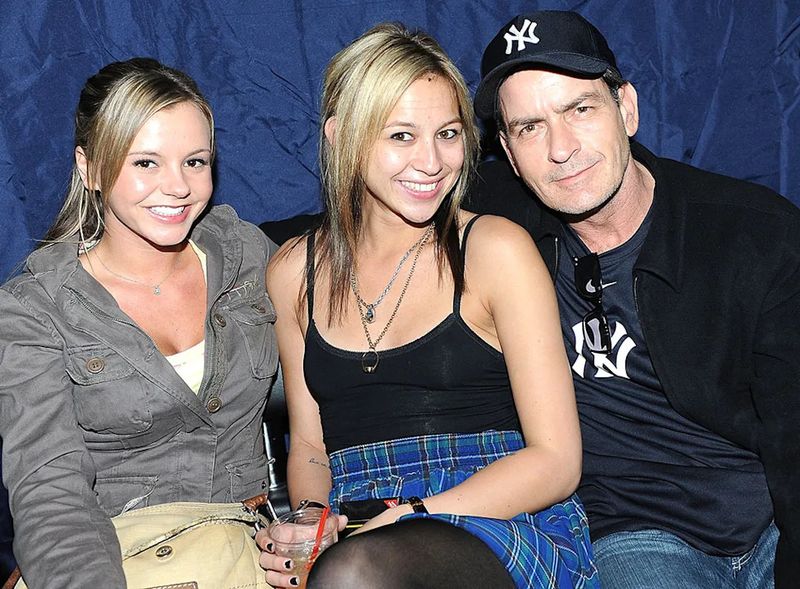
Apparently, even a celebrity nickname for companions could become a proposed brand. ‘Sheen’s Goddesses’ appeared among the phrases pursued during Charlie Sheen’s burst of trademark activity.
Unlike a broad expression, this one pointed directly toward his public persona. That made the branding connection clear, even as the surrounding spectacle made it feel like a parody of celebrity marketing.
The broader takeaway is useful: a phrase tied tightly to one news cycle may have a short commercial shelf life.
15. Drake Adds Paperwork to ‘God’s Plan’
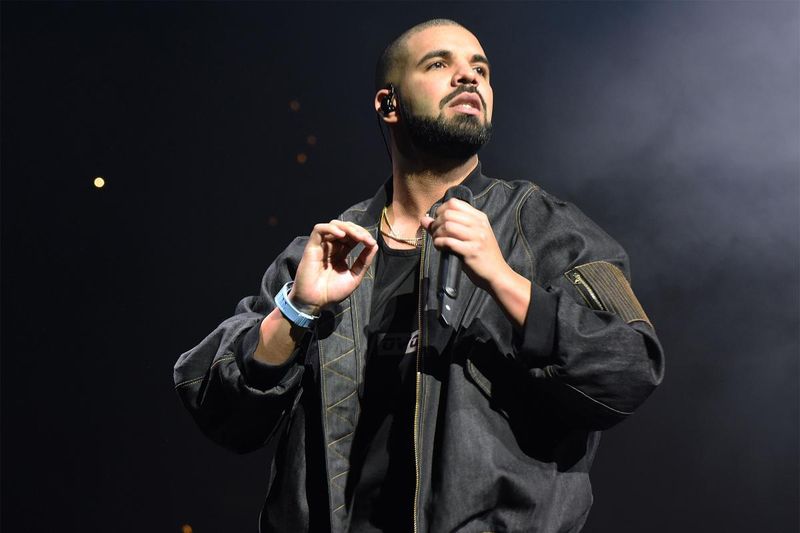
Heavenly language met a very earthly stack of forms when Drake reportedly sought trademark protection for ‘God’s Plan’ in 2018. The phrase was also the title of his huge hit.
Critics questioned the idea of claiming such a familiar religious expression. Yet a trademark request concerns particular commercial uses, not ownership of anyone’s faith or prayers.
The funny tension comes from the scale: a phrase about divine purpose was being considered for ordinary entertainment and merchandise business plans.
16. LeBron James Cannot Reserve ‘Taco Tuesday’
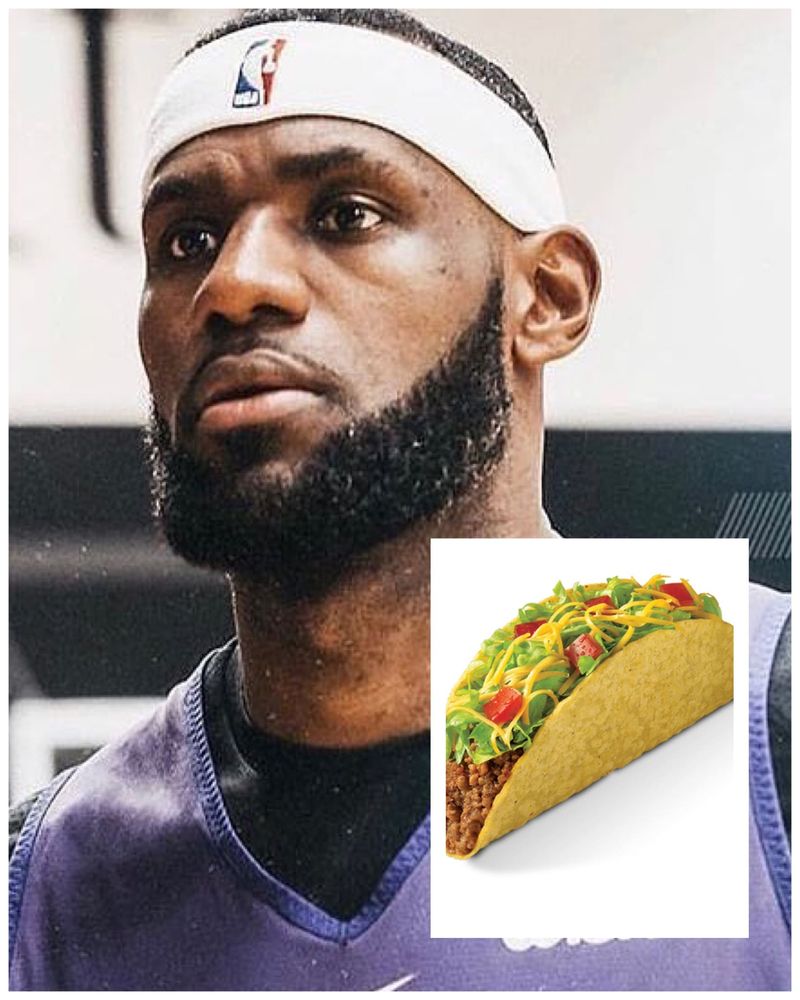
Dinner had already booked this catchphrase long before a basketball superstar arrived. LeBron James sought to trademark ‘Taco Tuesday’ in 2019, but the application met a refusal over its commonplace nature.
His enthusiastic videos helped make the attempt especially memorable. Still, being famous for saying something does not make it uniquely yours.
For a small business, the lesson is handy: check whether a catchy slogan is already everyday language before building your whole brand around the phrase itself.
17. Paris Hilton Makes ‘That’s Hot’ a Legal Matter
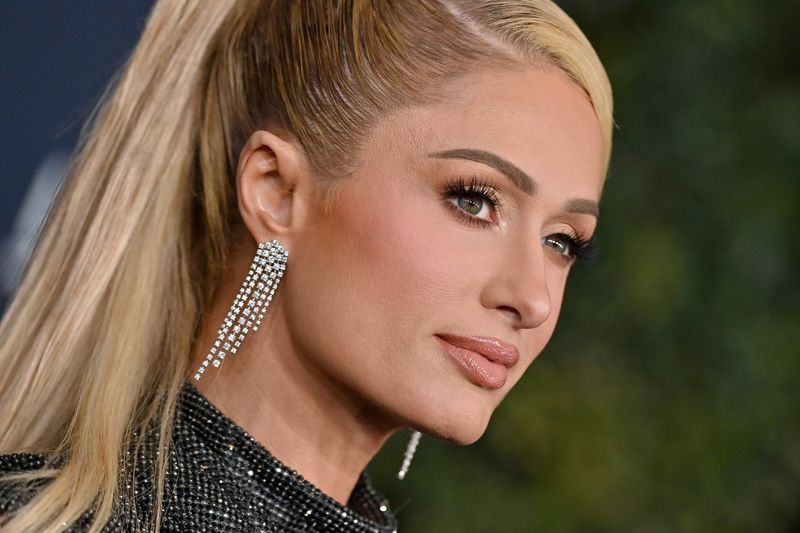
Two ordinary words became a signature accessory during Paris Hilton’s reality television reign. She secured trademark protection for ‘That’s Hot’ for certain goods, giving her famous verdict a business role.
A later dispute with Hallmark involved a greeting card using her image and catchphrase, and ended in a settlement. That is different from banning casual conversation.
The story shows how words, likeness, and context can overlap, even when the phrase sounds like nothing more than a weather report.