
Growing up as a Baby Boomer meant something special sat on your nightstand or school desk — a book that felt like a whole world waiting to be explored. From magical wardrobes to loyal dogs and clever spiders, these stories shaped an entire generation.
Many of these titles are still read and loved today, proving that truly great stories never go out of style.
1. The Lion, the Witch and the Wardrobe by C.S. Lewis (1950)
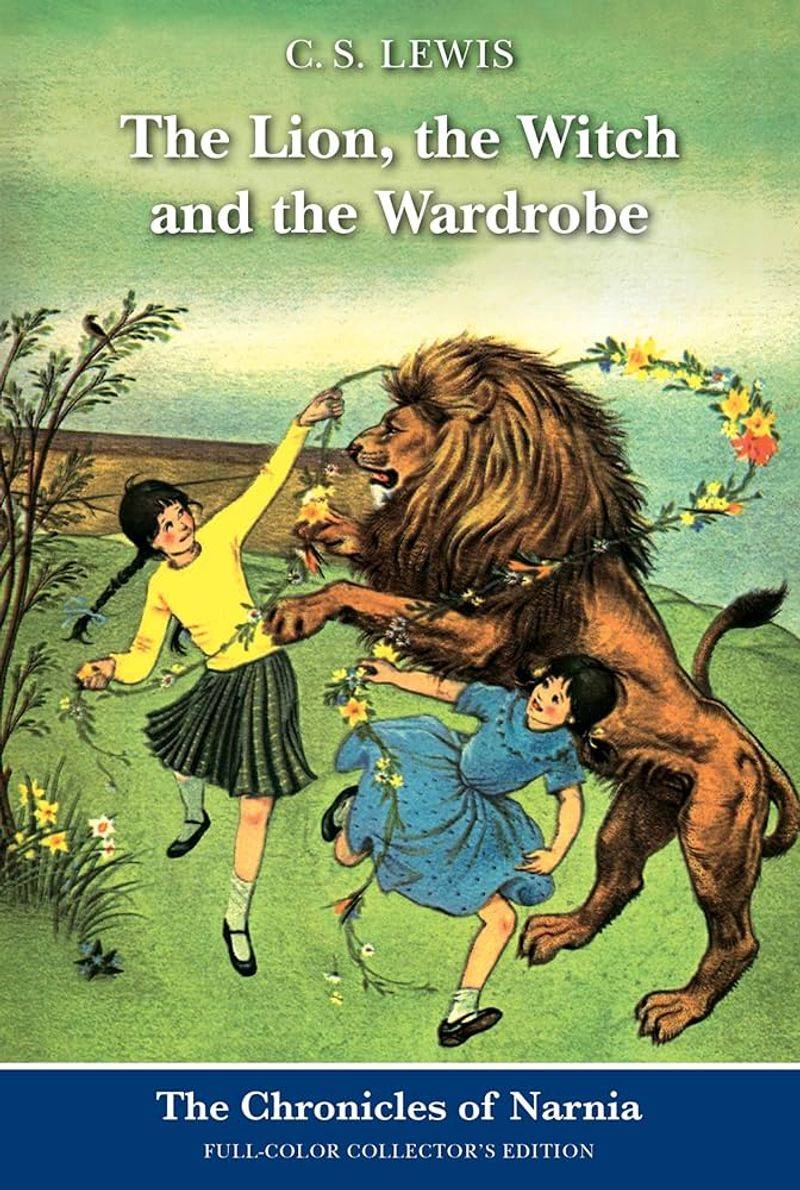
Step through the back of an ordinary wardrobe and suddenly you are in Narnia, a land frozen in eternal winter by an evil White Witch. C.S.
Lewis published this fantasy masterpiece in 1950, kicking off the beloved seven-book Chronicles of Narnia series.
Four siblings — Peter, Susan, Edmund, and Lucy — discover courage, loyalty, and sacrifice in this magical world. Aslan the lion remains one of literature’s most iconic characters, inspiring readers of all ages for over 70 years.
2. The Catcher in the Rye by J.D. Salinger (1951)
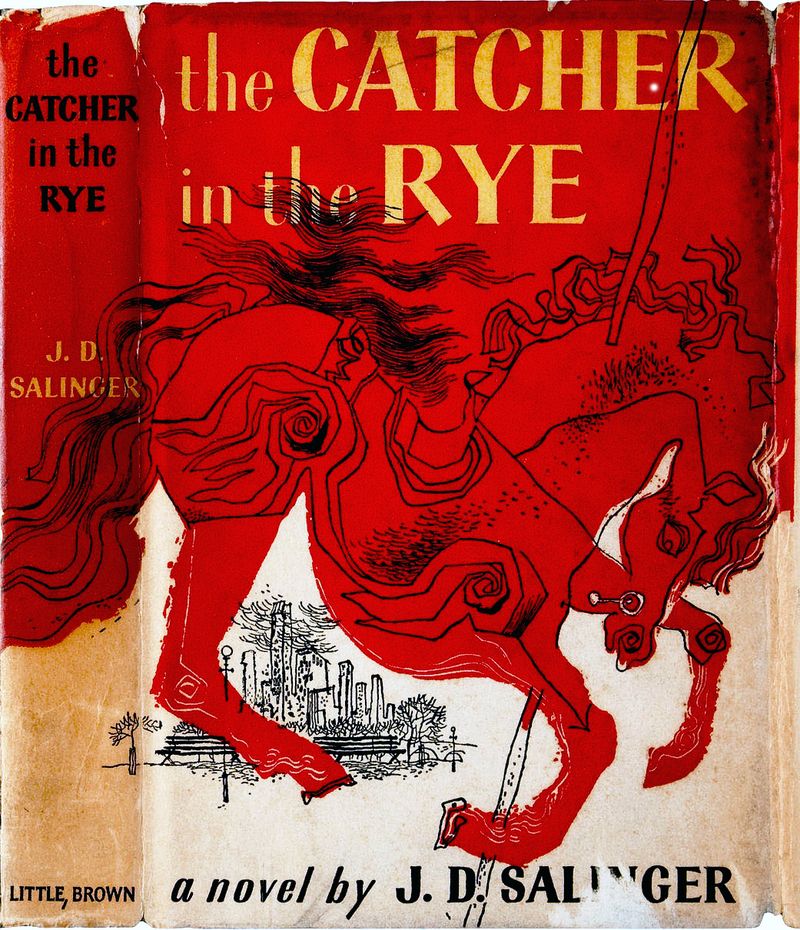
Nobody captured teenage frustration quite like Holden Caulfield, the 16-year-old narrator who wanders New York City after getting kicked out of prep school. J.D.
Salinger’s raw and honest voice felt like someone finally understood what adolescence really felt like.
Baby Boomers practically adopted this book as their personal anthem. Its themes of identity, phoniness, and searching for meaning hit differently when you were young and figuring out your place in the world.
3. Charlotte’s Web by E.B. White (1952)
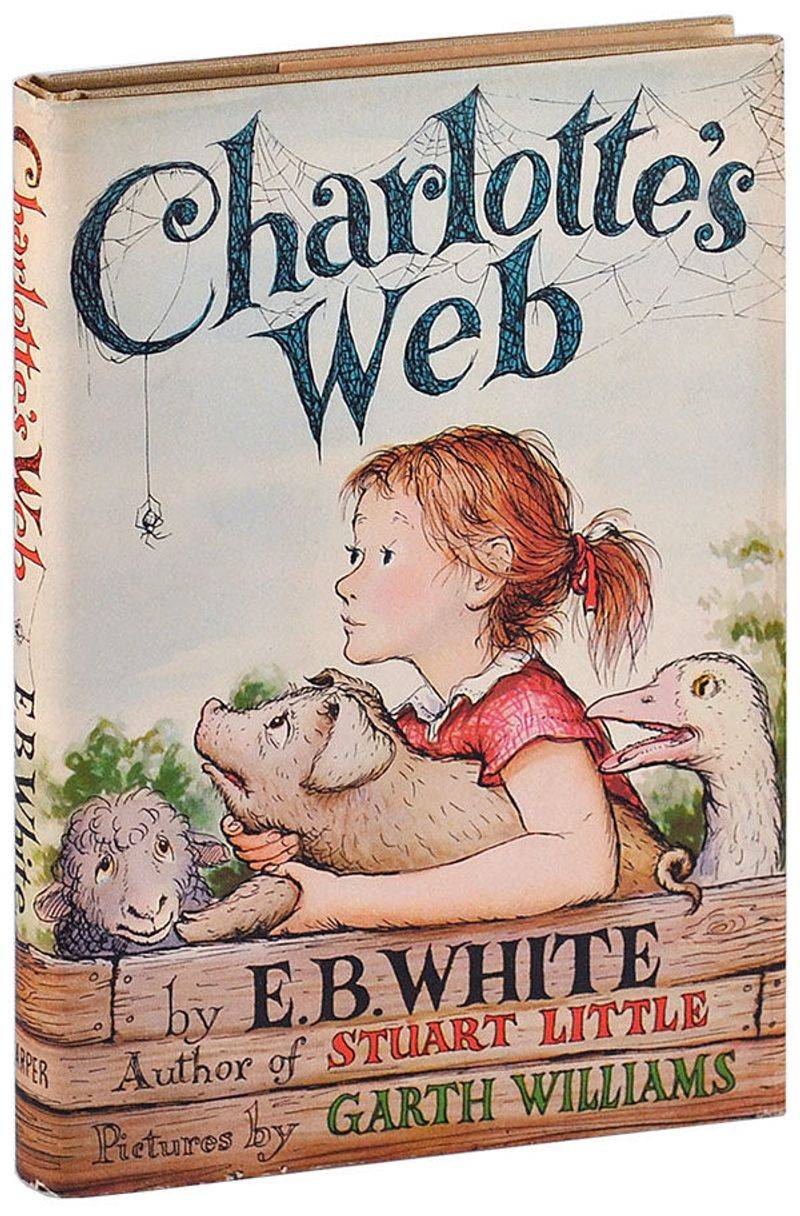
“Some Pig.” Two simple words woven into a spider’s web changed everything for Wilbur the pig, who was headed straight for the dinner table. E.B.
White wrote this timeless story about friendship, sacrifice, and the quiet magic of caring for someone else.
Charlotte the spider is one of the most selfless characters in all of children’s literature. Generations of kids have cried at her ending, learning early that love sometimes means giving everything you have.
4. Half Magic by Edward Eager (1954)
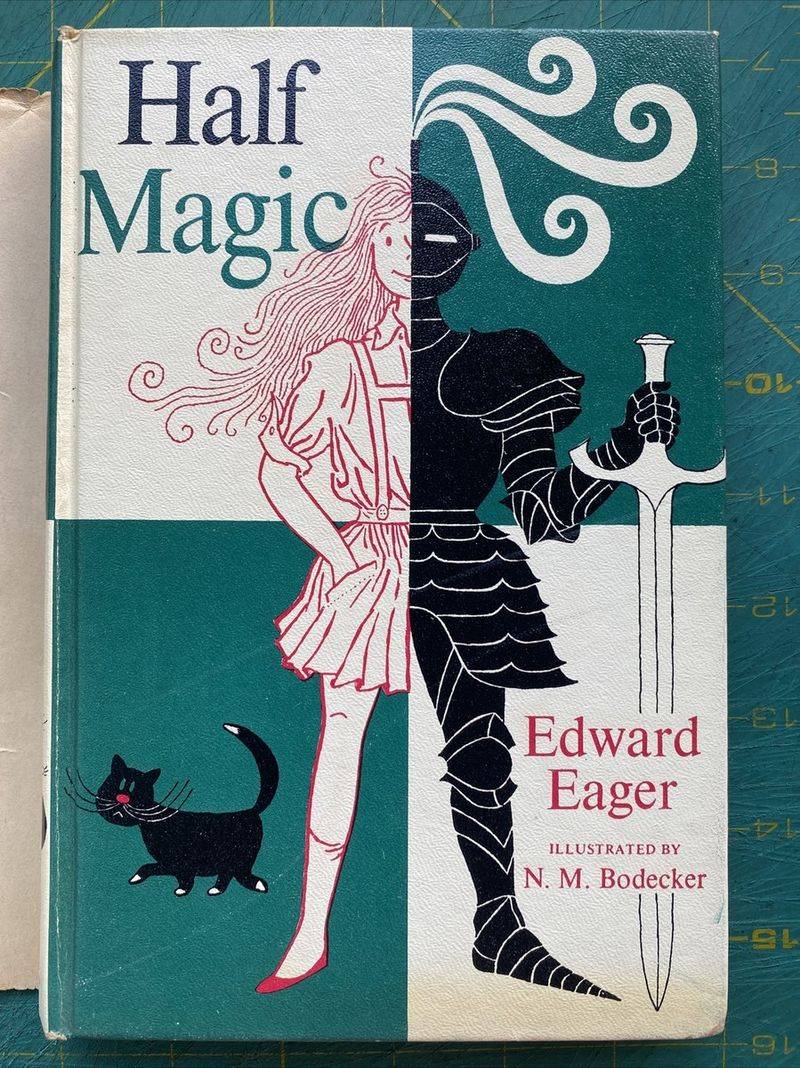
What would you do if every wish you made only came half true? That is exactly the wild problem facing Jane, Mark, Katharine, and Martha after they discover a mysterious magic coin on the sidewalk in Edward Eager’s delightful 1954 adventure.
The clever premise leads to hilariously unexpected situations — half a trip to the desert, half a knight’s duel, and plenty of creative problem-solving. This book sparked imaginations and kept kids thinking about what they would wish for.
5. The Wheel on the School by Meindert DeJong (1954)
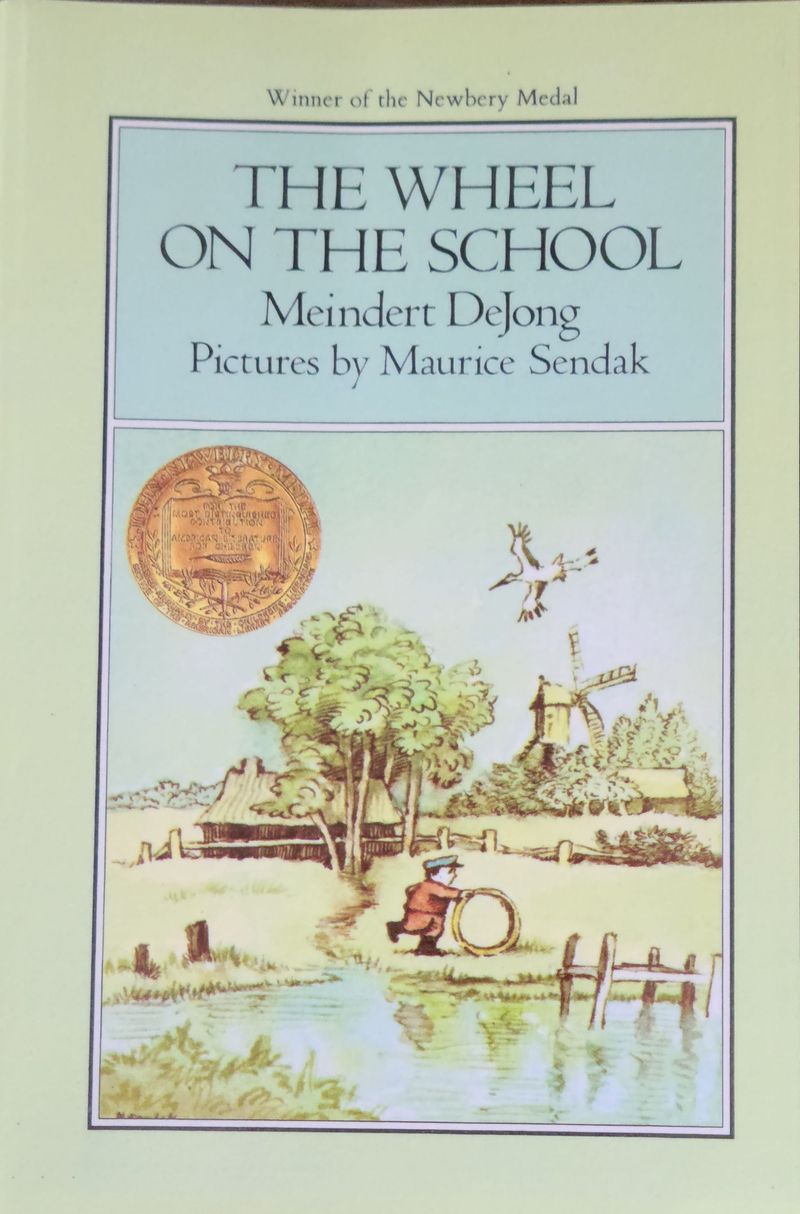
A simple school essay question — why don’t storks come to our village? — sets an entire Dutch community in motion in this quietly beautiful Newbery Award winner. Meindert DeJong wrote with warmth and deep respect for children’s determination.
Six schoolchildren refuse to give up on bringing storks back to Shora, pulling together their whole town in the process. The story is really about community, hope, and what happens when ordinary people decide something matters enough to fight for it.
6. The Hundred and One Dalmatians by Dodie Smith (1956)
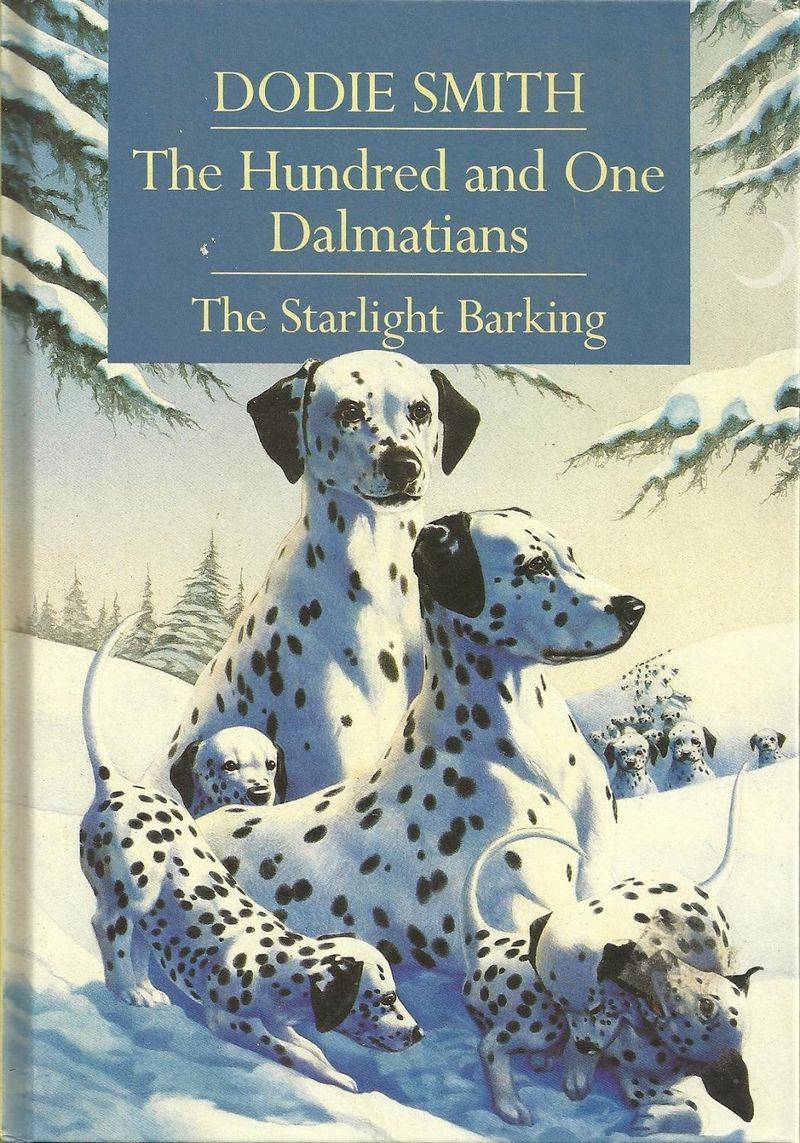
Before the Disney movie made Cruella de Vil a household name, Dodie Smith wrote one of the most thrilling dog rescue stories ever put to paper. Published in 1956, this British novel follows Pongo and Missis as they launch a daring mission to save their stolen puppies.
The book is funnier, warmer, and more adventurous than many people realize. The Twilight Barking — a communication network of dogs across England — is one of the most clever plot devices in classic children’s fiction.
7. Old Yeller by Fred Gipson (1956)
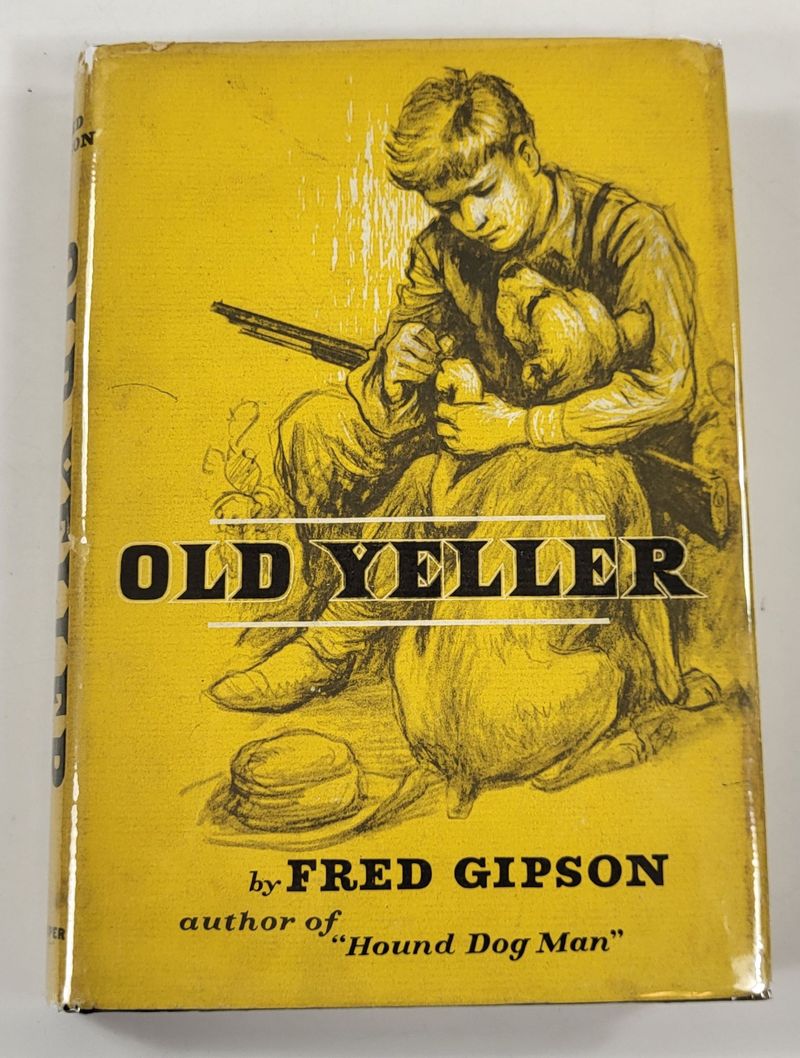
Few books have made as many kids cry as Old Yeller, Fred Gipson’s rugged tale of a boy and his stray yellow dog on the Texas frontier in the 1860s. Travis Coates did not want the dog at first — but Old Yeller earned his place fast.
The bond between Travis and Old Yeller is one of the most honest portrayals of a boy-and-dog friendship in American literature. The heartbreaking ending taught an entire generation something real about love, loss, and growing up.
8. The Cat in the Hat by Dr. Seuss (1957)
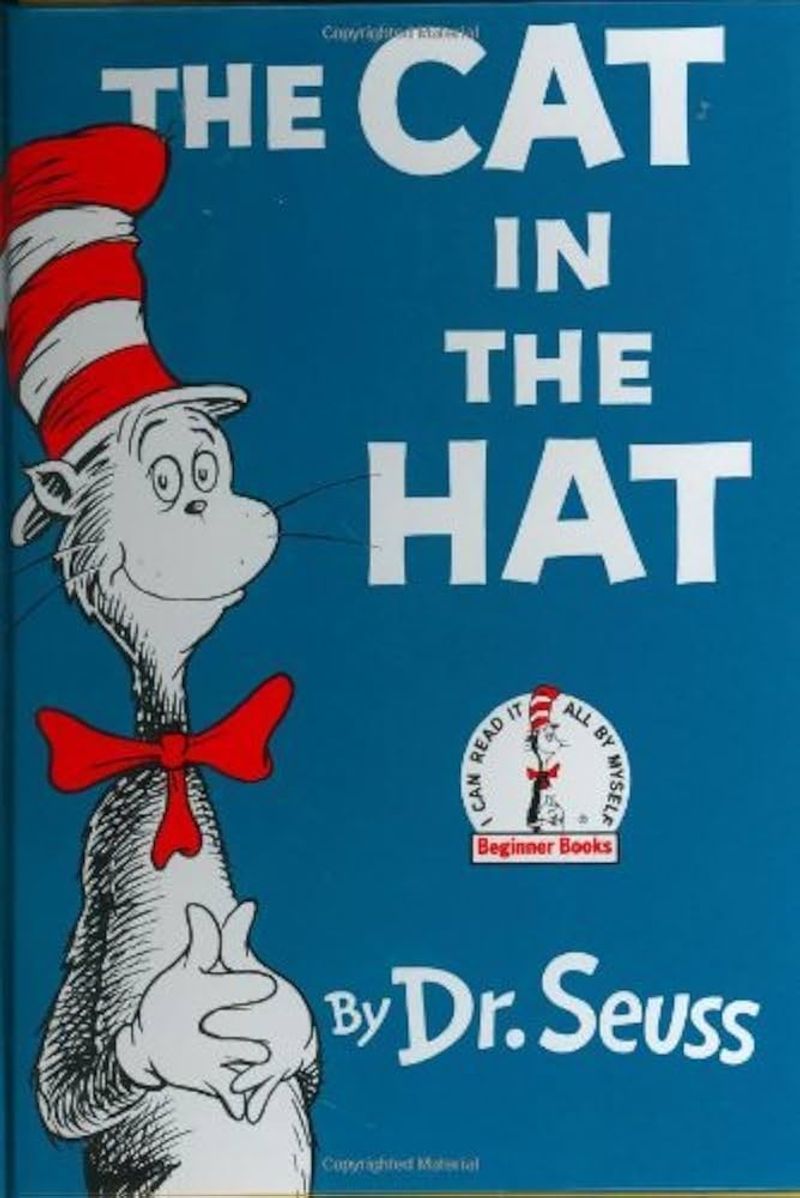
Rainy days got a whole lot more interesting when a tall cat in a red-and-white striped hat knocked on the door. Dr. Seuss published this groundbreaking picture book in 1957 as a direct response to boring, dull early reading textbooks.
Using only 236 unique words, Seuss created a rollicking adventure that made learning to read feel like pure fun. Decades later, that mischievous cat is still one of the most recognizable characters in the history of children’s books worldwide.
9. Tom’s Midnight Garden by Philippa Pearce (1958)
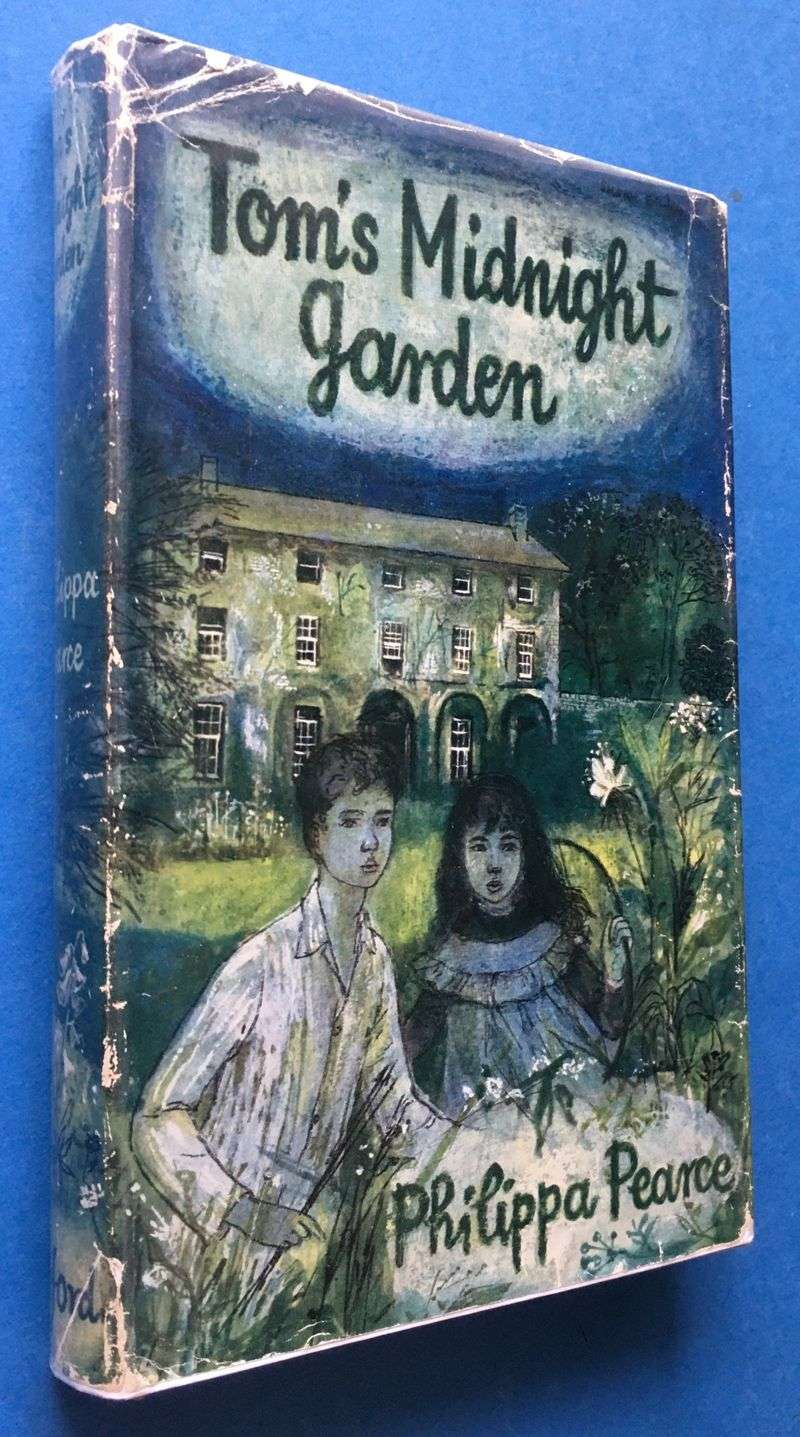
Every night when the old grandfather clock strikes thirteen, Tom slips out into a garden that should not exist — and meets a girl named Hatty who is living in a completely different century. Philippa Pearce’s 1958 novel is one of the most quietly magical books ever written for children.
It blends mystery, loneliness, and the bittersweet feeling of time slipping away. Many readers consider it a masterpiece of British children’s literature that deserves far more attention than it gets today.
10. A Bear Called Paddington by Michael Bond (1958)
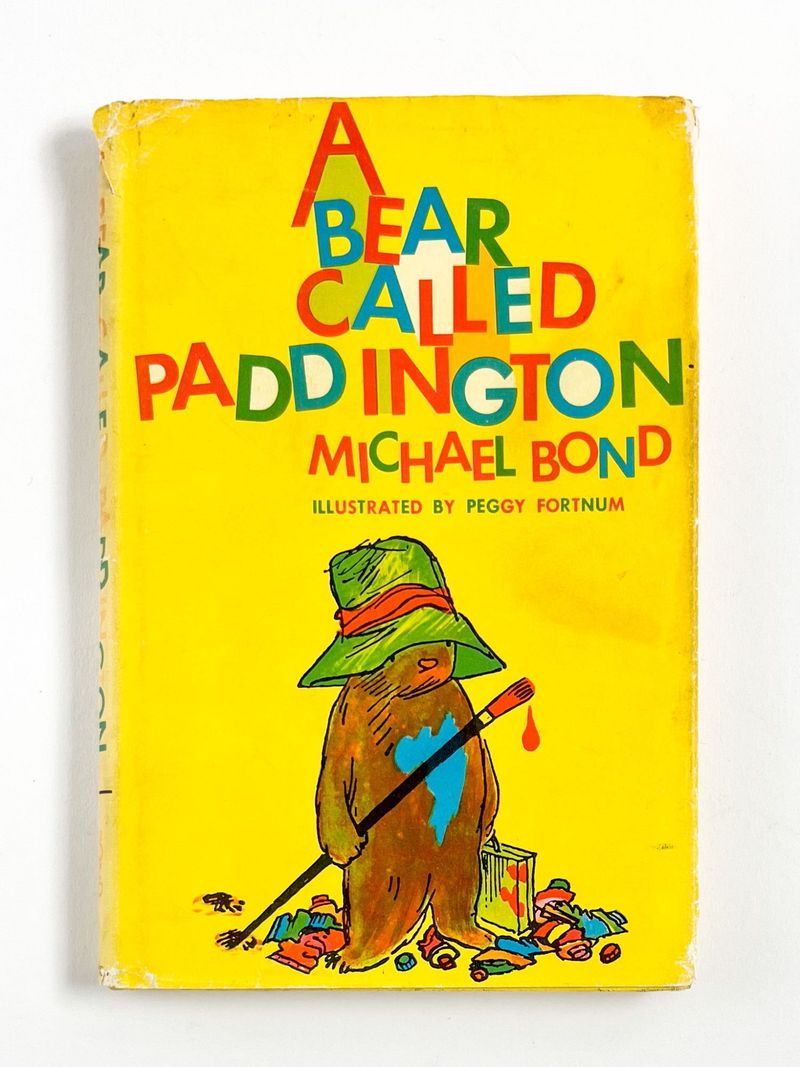
Found sitting on a suitcase at Paddington Station in London with a note that read “Please look after this bear,” Paddington quickly became one of the most lovable characters in children’s fiction. Michael Bond created him after spotting a lonely toy bear on a store shelf on Christmas Eve.
Paddington’s polite manners, marmalade sandwiches, and talent for accidentally causing chaos made him irresistible. His adventures reminded readers everywhere that kindness and good intentions matter more than fitting in perfectly.
11. My Side of the Mountain by Jean Craighead George (1959)
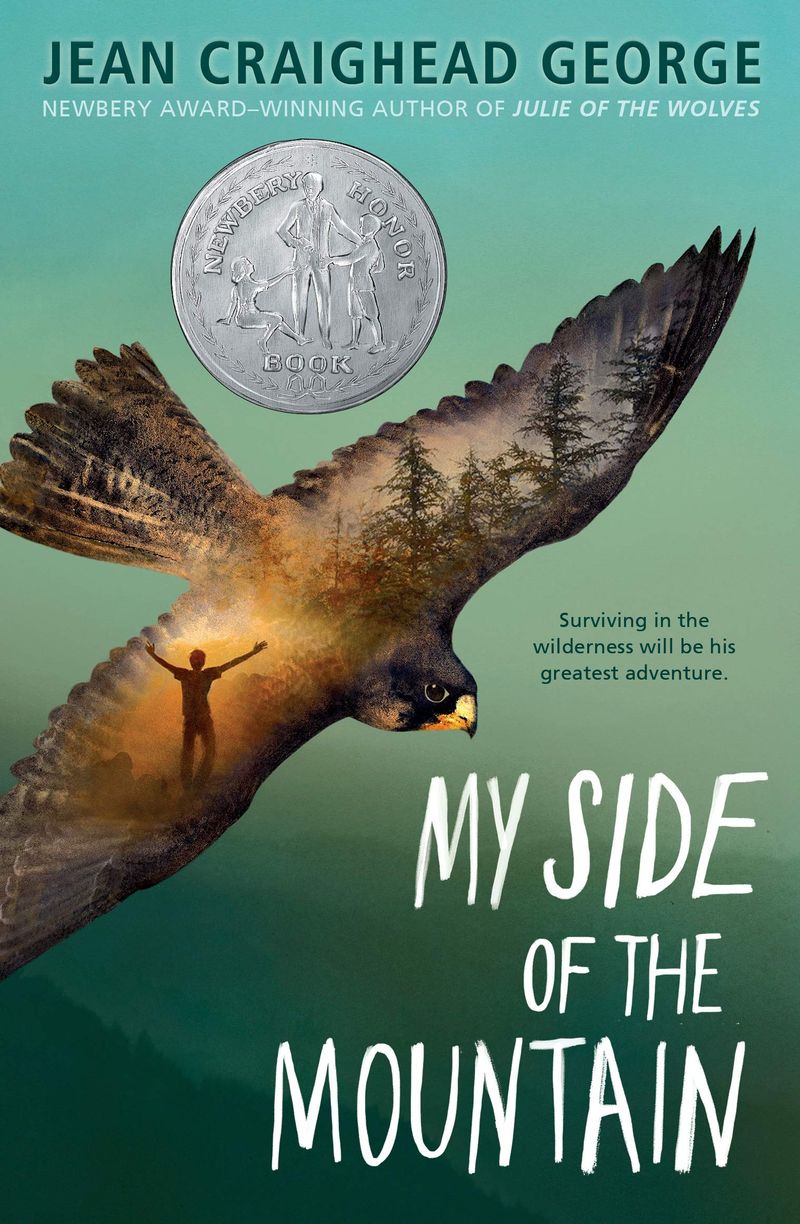
Sam Gribley runs away from his crowded New York City family and decides to live entirely on his own in the Catskill Mountains — and he actually pulls it off. Jean Craighead George’s 1959 survival story reads like the ultimate adventure fantasy for any kid who ever dreamed of escaping to the woods.
Sam builds a home inside a hollowed-out tree, trains a peregrine falcon, and learns to forage for food. Every page is packed with real wilderness survival skills that made readers want to try it themselves.
12. To Kill a Mockingbird by Harper Lee (1960)
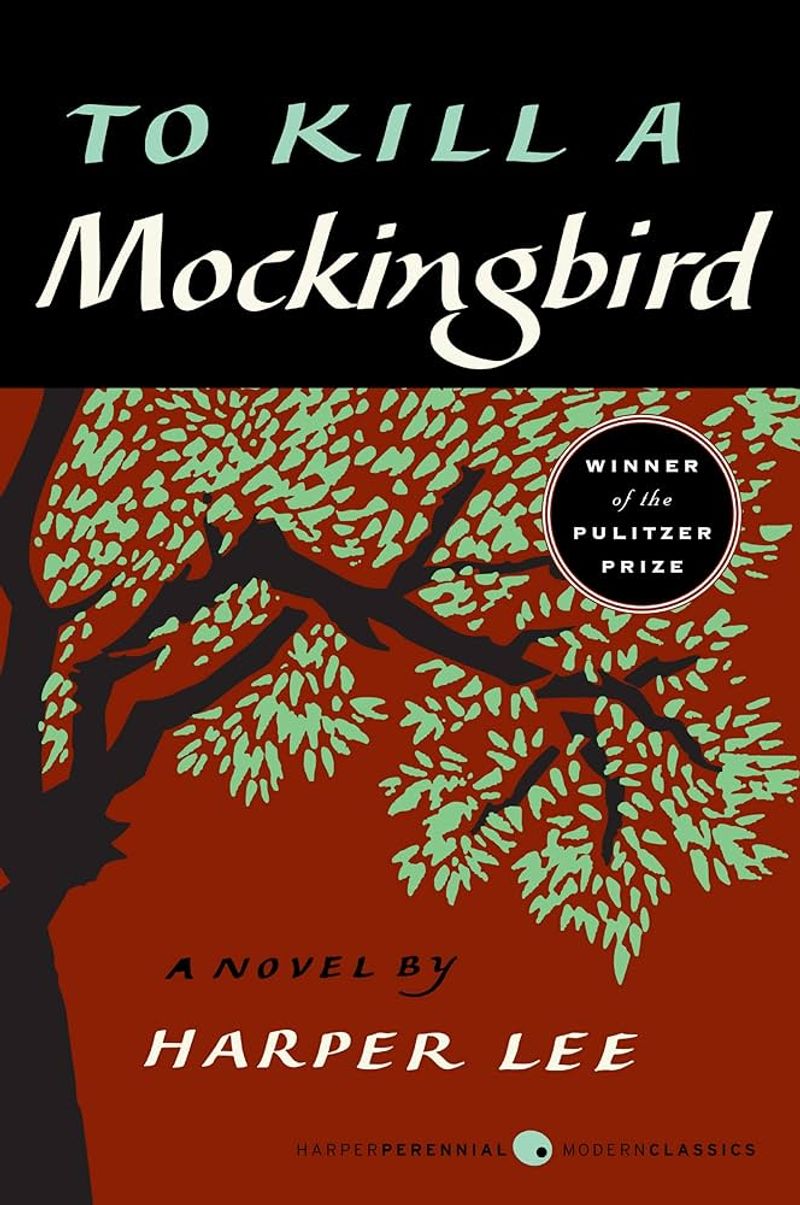
Harper Lee’s Pulitzer Prize-winning novel hit American readers like a quiet thunderclap in 1960, telling the story of racial injustice in a small Alabama town through the innocent eyes of six-year-old Scout Finch. Her father, lawyer Atticus Finch, became the moral hero of a generation.
The book tackled prejudice, courage, and human decency at a time when the Civil Rights Movement was reshaping America. It remains one of the most assigned and most beloved novels in school history for very good reason.
13. Harold and the Purple Crayon by Crockett Johnson (1955)
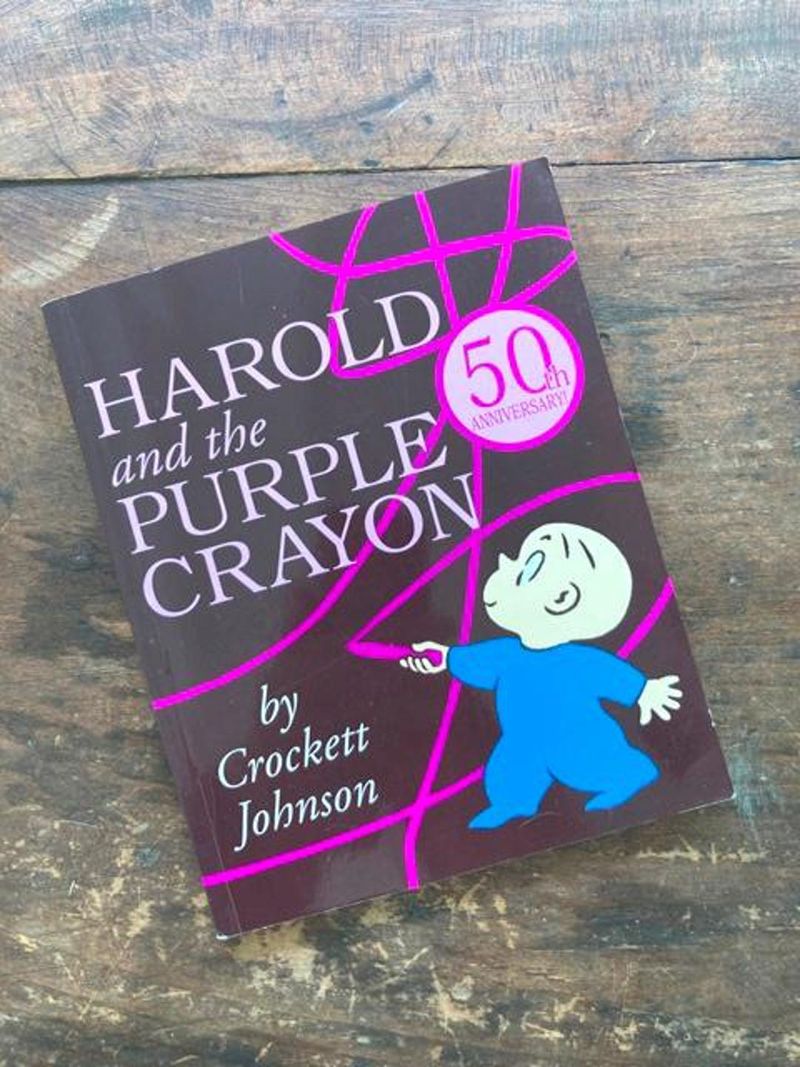
Armed with nothing but a purple crayon and an unstoppable imagination, four-year-old Harold draws himself an entire world to explore — complete with mountains, oceans, a picnic, and a dragon. Crockett Johnson published this wonderfully simple picture book in 1955, and it has never lost its charm.
The story is really about the power of creativity and the courage to make your own path. Kids who grew up with Harold often say it was the first book that made them feel like storytellers themselves.
14. The Outsiders by S.E. Hinton (1967)
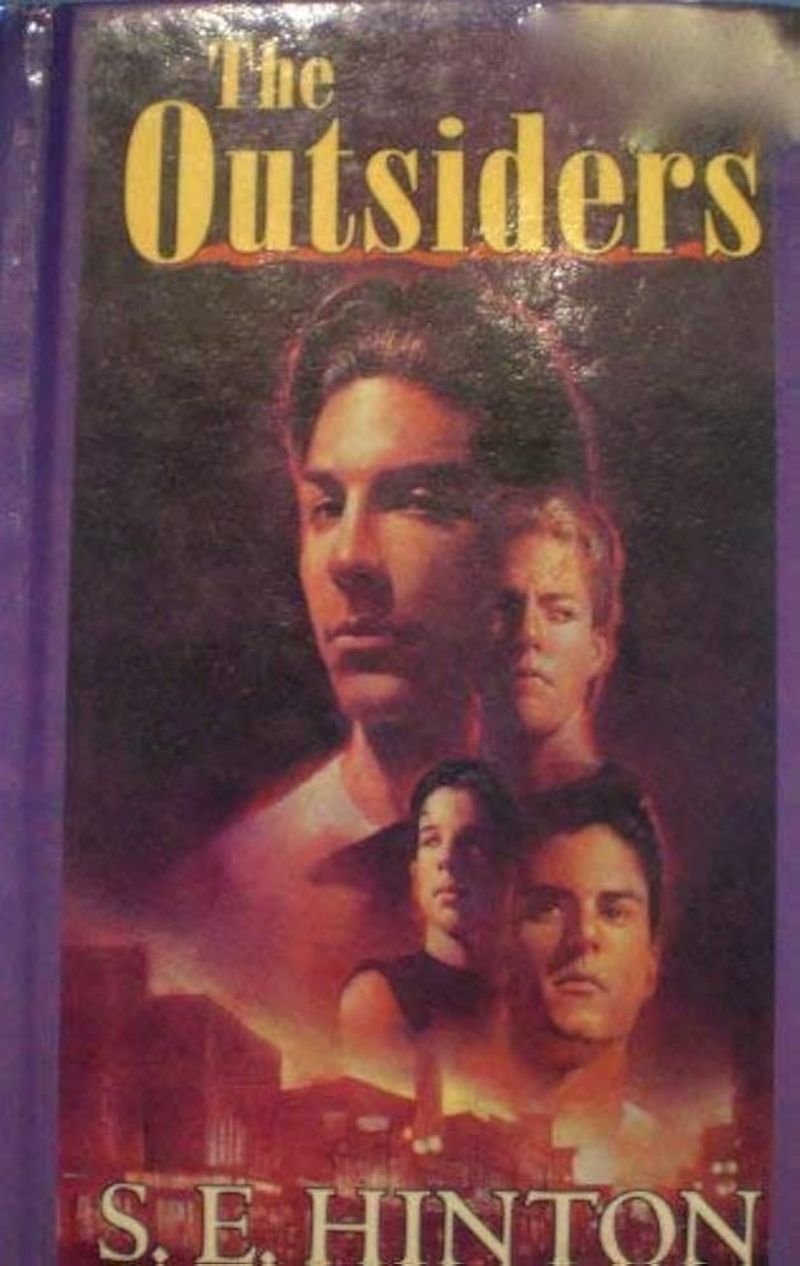
S.E. Hinton was only 16 years old when she wrote The Outsiders, and that raw teenage energy pours off every single page.
The story follows Ponyboy Curtis, a Greaser navigating class conflict, loyalty, and violence in 1960s Oklahoma.
“Stay gold, Ponyboy” became one of the most quoted lines in YA literature history. The book practically invented the young adult genre as we know it today, proving that honest stories about real teenage struggles deserve serious literary attention.
15. The Pigman by Paul Zindel (1968)
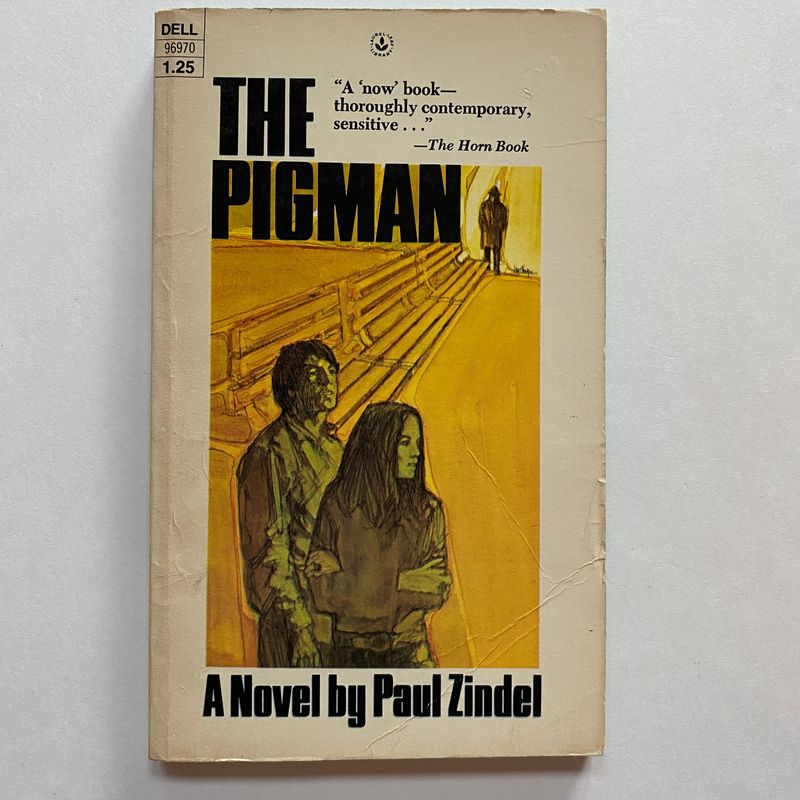
John and Lorraine are two misfit teenagers who stumble into an unlikely friendship with Angelo Pignati, a lonely old man with a massive pig figurine collection and a heart full of warmth. Paul Zindel’s 1968 novel broke new ground in young adult storytelling with its alternating first-person narration.
The book handles themes of loneliness, responsibility, and the consequences of careless choices with surprising emotional weight. It showed a generation of readers that friendships between young people and the elderly could be genuinely life-changing for everyone involved.
16. The Little Red Hen by Little Golden Books (1942)
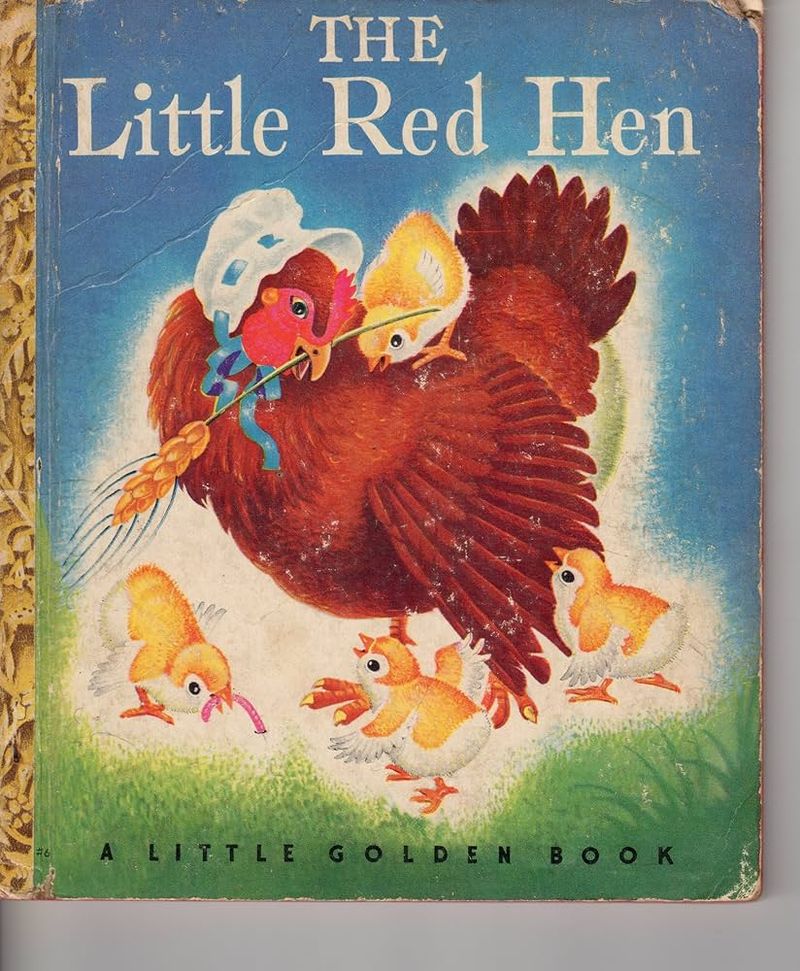
“Not I,” said the dog. “Not I,” said the cat. And so the Little Red Hen did everything herself — and ate every last bite of that fresh-baked bread alone.
This classic Little Golden Books tale taught children the value of hard work and the real meaning of earning your share.
Published in 1942, this simple farmyard story became a staple on bookshelves across America. Its straightforward lesson about teamwork and consequences stuck with Baby Boomers long after they grew up and joined the workforce.
17. Blueberries for Sal by Robert McCloskey (1948)
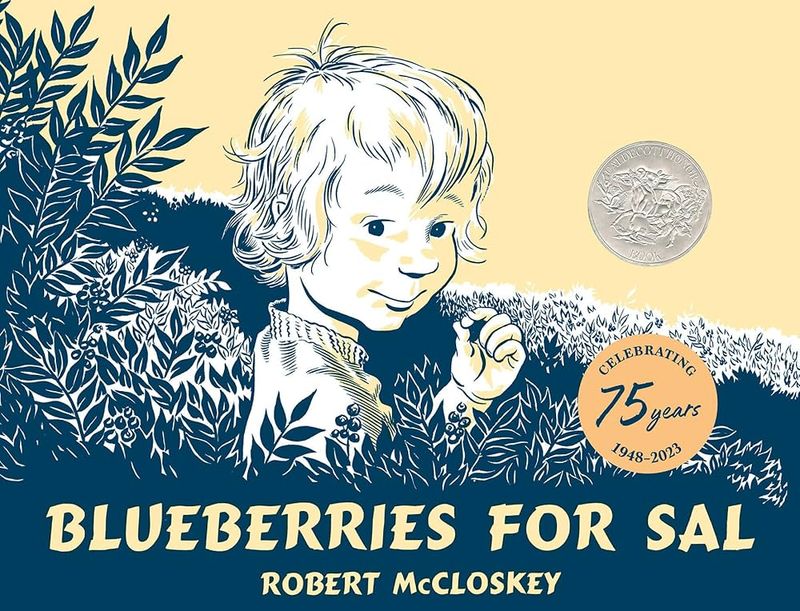
On a blueberry-covered hill in Maine, a little girl named Sal and a young bear cub accidentally follow each other’s mothers home — and nobody notices right away. Robert McCloskey’s 1948 picture book is one of the sweetest, most quietly funny stories in American children’s literature.
The gentle mix-up unfolds with perfect comic timing and zero panic, making it endlessly re-readable for young children. McCloskey drew the illustrations in rich blue tones, giving the book a look that feels as timeless as a summer afternoon in the country.